



IFNAR Activator
-
Ovalbumins
 0 Images
Ovalbumins are the major proteins in egg white. Ovalbumins act as an allergen and inducer, and can be applied to mouse models of allergic diseases. Ovalbumins can induce allergic rhinitis in mice via sensitization and nasal challenge. Ovalbumins can be used to establish asthma models.
Ovalbumin, low endotoxin (HY-W250978A) is recommended for model establishment.
-
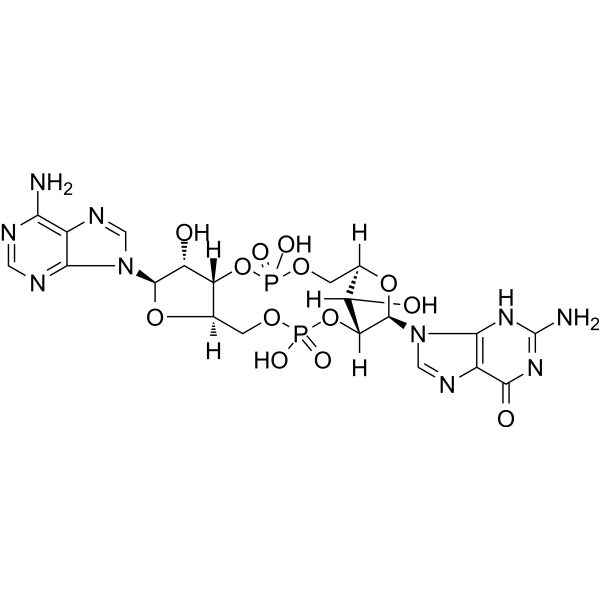
2',3'-cGAMP sodium
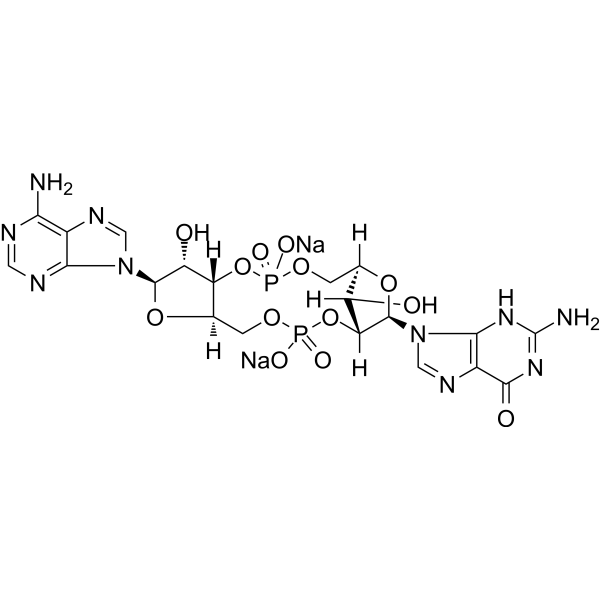 0 ImagesSynonyms: 2'-3'-cyclic GMP-AMP sodium
2',3'-cGAMP sodium (2'-3'-cyclic GMP-AMP sodium) is a endogenous cGAMP in mammalian cells. 2',3'-cGAMP sodium binds to STING with a high affinity and is a potent inducer of interferon-β (IFNβ). 2',3'-cGAMP sodium is produced in mammalian cells in response to DNA in the cytoplasm.
-
ODN 2216
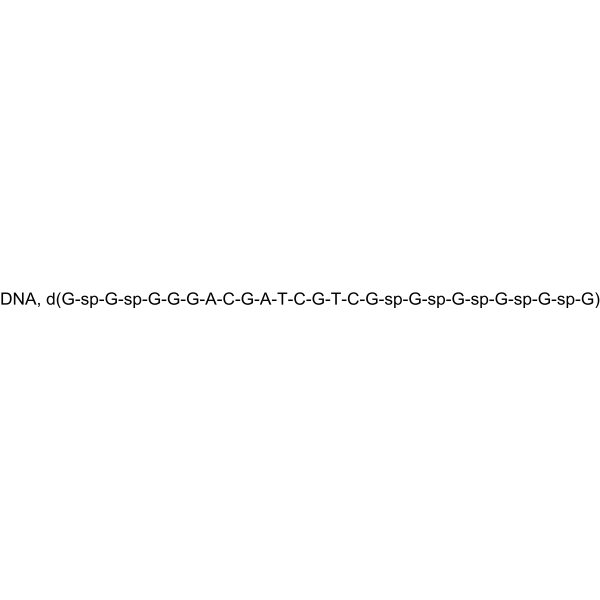 0 Images
ODN 2216 is a type A CpG oligodeoxynucleotide vaccine adjuvant and a TLR9 agonist. ODN 2216 interacts with TLR9 in the lysosomes of CD4+ T cells and activates feedback-dependent signaling pathways. ODN 2216 induces the production of type I interferons, IL-6 and TGF-β via the IRAK4/IRF7 axis, while increasing intracellular ATP levels. ODN 2216 not only induces the differentiation of CD4+ T cells into anti-inflammatory Th3-like regulatory phenotypes to inhibit autologous proliferation, but also enhances the specific CD8+ T cell-mediated cytotoxicity against Mammaglobin-A in breast cancer cells. ODN 2216 is widely used in studies related to breast cancer and systemic lupus erythematosus.
-
Monalizumab
 0 ImagesSynonyms: IPH2201
Monalizumab (IPH2201) is an immune checkpoint inhibitor targeting Natural Killer Group 2A (NKG2A). Monalizumab, a humanized anti-NKG2A blocking mAb, increases IFN-γ production, thereby promoting NK cell effector functions. Monalizumab can be used for the research of head and neck squamous cell carcinoma (HNSCC).
-
Muromonab
 0 ImagesSynonyms: Muromanab-CD3
Muromonab (Muromonab-CD3; OKT3) is a mouse monoclonal antibody targeting the CD3 antigen. Muromonab specifically binds to the CD3 antigen on the surface of human and higher primate T cells. Muromonab blocks the function of T cell receptors to recognize foreign antigens and inhibits T cell-mediated immune responses, including cell-mediated lymphocyte lysis and T cell proliferation responses. Muromonab can be used to study acute kidney, liver, heart and combined kidney-pancreas transplant rejection, and can also be used to study graft-versus-host disease in bone marrow transplant patients.
-
LEAP-2
 0 ImagesSynonyms: Human liver expressed antimicrobial peptide-2
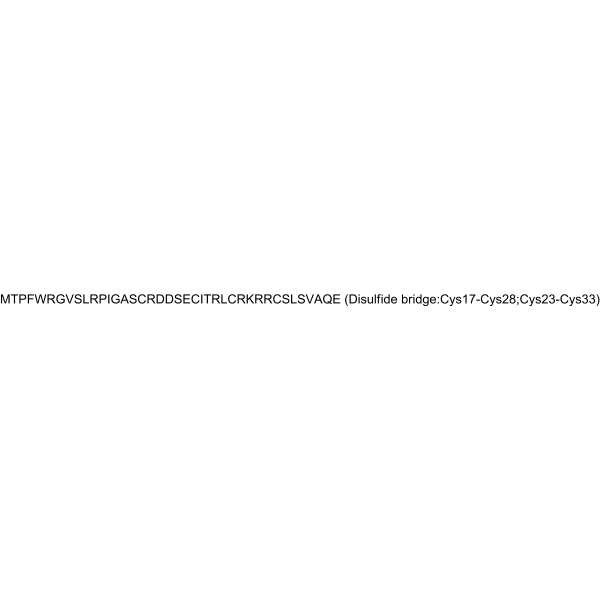
LEAP-2 (Human liver expressed antimicrobial peptide-2) is a GHS-R1a antagonist, with an IC50 of 6.0 nM. LEAP-2 suppresses the orexigenic effect of ghrelin. LEAP-2 attenuates ghrelin-induced growth hormone (GH) release and reduces basal food intake. LEAP-2 exhibits antimicrobial activity against microbial model organisms. LEAP-2 can be used for the study of obesity and infection.
-
diABZI-V/C-DBCO
 0 Images
diABZI-V/C-DBCO is a STING agonist with an EC50 of 1.47 nM. diABZI-V/C-DBCO activates the STING pathway, induces the production of IFN-I, and stimulates the secretion of IFN-β. diABZI-V/C-DBCO serves as a substrate for cathepsin B, and releases active diABZI-amine via cathepsin B-mediated cleavage. In an orthotopic mouse model of breast cancer, diABZI-V/C-DBCO increases serum IFN-β levels and the frequency of granzyme B+ CD8+ T cells. diABZI-V/C-DBCO is applicable to research related to triple-negative breast cancer.
-
pJAK2(1001-1013)
 0 Images
pJAK2(1001-1013) is a cell-penetrating peptide that corresponds to the activation loop of JAK2 tyrosine kinase and functions as a SOCS1/3antagonist. pJAK2 (1001-1013) blocks SOCS1-mediated negative regulation of immune function, and enhances the biological activity of cytokines such as IFNγ and IL6. pJAK2(1001-1013) inhibits the replication of a broad range of viruses and exerts dose-dependent protective efficacy against lethal viral infections. pJAK2(1001-1013) can be used for the study of immune regulation and infection.
-
ADAR1i-124
 0 ImagesCat. No.: HY-181129Pureté: 98.71%
ADAR1i-124 is an A-to-I RNA editing inhibitor by inhibiting the catalytic activities of both ADAR1p150 and ADAR1p110. ADAR1i-124 activates type I interferon (IFN) and ZBP1 pathways and dose-dependently inhibits viability across different types of cancer cell lines. ADAR1i-124 can induce cells apoptosis and necroptosis. ADAR1i-124 can be used for the research of cancer, such as cutaneous melanoma and ovarian cancer.
-
Zomiradomide
 0 ImagesSynonyms: KT-413
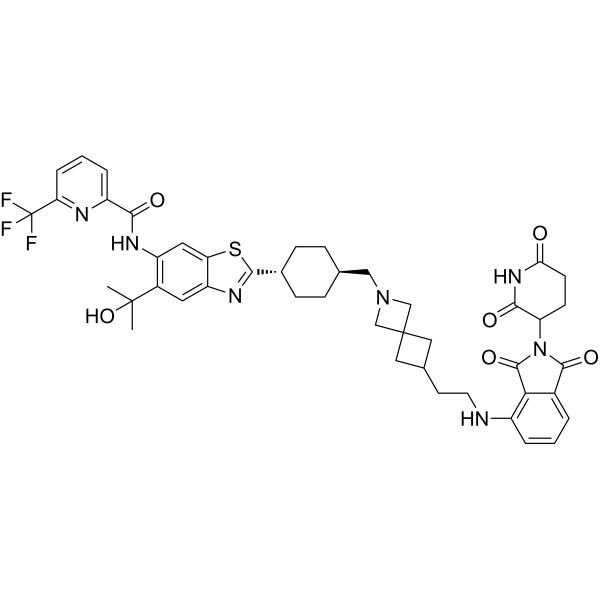
Zomiradomide (KT-413) is an orally active IRAK4 PROTAC degrader with a DC50 of 6 nM. Zomiradomide inhibits the NF-κB signaling pathway, while its molecular glue function mediates the degradation of Ikaros and Aiolos (with a DC50 of 1 nM for both), activates the IFN-I signaling pathway, and selectively degrades IMiD substrates. Zomiradomide inhibits cancer cell proliferation and tumor growth. Zomiradomide can be used in research related to B-cell non-Hodgkin's lymphoma and diffuse large B-cell lymphoma.
-
Allura Red AC
 0 ImagesSynonyms: FD&C RED NO. 40; CI 16035
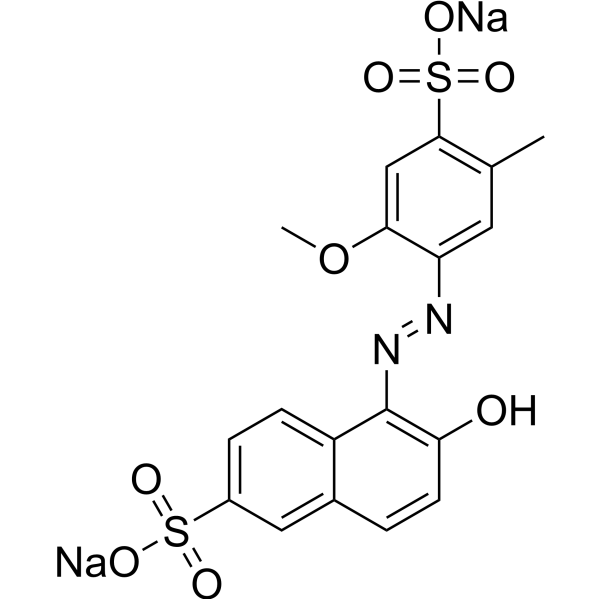
Allura Red AC is a food colorant, appearing as a deep red water-soluble powder or granules, used in various applications such as beverages, syrups, candies, and cereals. Allura Red AC can statically quench the intrinsic fluorescence of HSA. Additionally, Allura Red AC is a 5-hydroxytryptamine (5-HT) pathway-associated pro-inflammatory agent, capable of exacerbating experimental colitis. Allura Red AC holds potential for research in inflammatory bowel disease (IBD), intestinal barrier function, and food additive safety.
-
Ovalbumin, low endotoxin
 0 ImagesCat. No.: HY-W250978ACAS No.: 9006-59-1
Ovalbumin, low endotoxin are the major proteins in egg white. Ovalbumin, low endotoxin act as an allergen and inducer, and can be applied to mouse models of allergic diseases. Ovalbumin, low endotoxin can induce allergic rhinitis in mice via sensitization and nasal challenge. Ovalbumin, low endotoxin can be used to establish asthma models.
-
TIM-3-IN-2
 0 Images
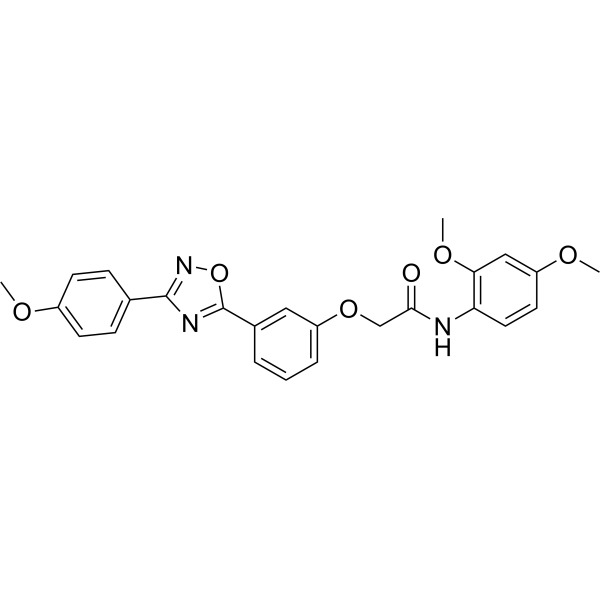
TIM-3-IN-2 is a TIM-3 inhibitor. TIM-3-IN-2 blocks the interactions of TIM-3 with PtdSer, CEACAM1 and Gal-9, and inhibits the immunosuppressive function of TIM-3. TIM-3-IN-2 restores IFNγ release from peripheral blood mononuclear cells. TIM-3-IN-2 inhibits the proliferation of acute myeloid leukemia cells. TIM-3-IN-2 can be used for the research of acute myeloid leukemia.
-
SNX281
 0 Images
SNX281 is a selective STING agonist, with IC50 values of 4.1, 4.5, 10.7, and 3.7 μM against human, mouse, rat, and monkey STING, respectively. SNX281 undergoes homodimerization at the STING binding site, triggering a conformational shift of STING from an inactive open state to an active closed state, thereby driving downstream STING-dependent signaling pathways. SNX281 induces type I interferons, IFN-β, TNF-α, IL-6, cytokine release, T cell responses, and long-lasting immune memory. SNX281 exhibits anti-tumor activity and is applicable to research related to colorectal cancer, melanoma, advanced solid tumors, lymphoma, and ovarian cancer.
-
ODN M362 sodium
 0 ImagesCat. No.: HY-150750A
ODN M362 sodium is a TLR9 agonist that acts as a vaccine adjuvant. ODN M362 sodium activates mouse splenocytes, induces apoptosis in human hepatocellular carcinoma cells, upregulates proinflammatory cytokines in human hepatocellular carcinoma cells, and inhibits the proliferation of human hepatocellular carcinoma cells. ODN M362 sodium upregulates the expression of TLR9/TLR6, activates downstream signaling pathways via IRAK4 and IRF7, and strongly amplifies antigen-specific cellular immune responses to participate in innate immune activation. ODN M362 sodium can be used in research related to hepatocellular carcinoma and breast cancer.
-
HEI3090
 0 Images
HEI3090 is a P2X7R activator. HEI3090 stimulates dendritic cells expressing P2X7R to produce IL-18, which subsequently promotes Natural Killer cells and CD4 T cells within tumors to produce IFN-γ, leading to a sustained antitumor response. HEI3090 can be used to enhance the efficacy of αPD-1 therapy in non-small cell lung cancer (NSCLC).
-
Ac-Pro-Gly-Pro-OH
 0 Images
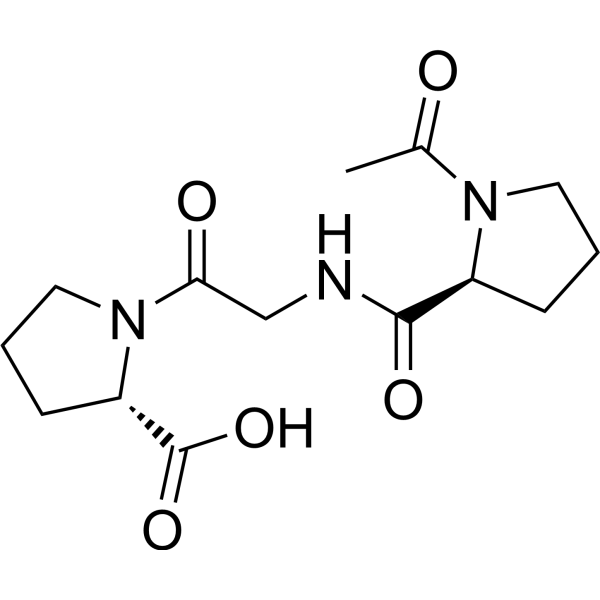
Ac-Pro-Gly-Pro-OH is an endogenous degradation product of extracellular collagen and acts as a CXCR2 agonist. Ac-Pro-Gly-Pro-OH exerts bactericidal activity by generating hydrogen peroxide, inhibits pulmonary inflammation, and reduces immune cell apoptosis (apoptosis). Ac-Pro-Gly-Pro-OH promotes the production of IFN-γ and inhibits the production of TNF-α and IL-6 in leukocytes. Ac-Pro-Gly-Pro-OH increases the survival rate of mice in sepsis models, enhances the bactericidal activity of neutrophils, acts as a neutrophil chemoattractant, induces neutrophil polarization, and regulates inflammatory and repair processes. Ac-Pro-Gly-Pro-OH induces chronic inflammation and tissue remodeling through sustained action. Ac-Pro-Gly-Pro-OH is released via alkaline hydrolysis of corneal proteins in alkali-injured eyes, thereby driving the early infiltration of neutrophils into the cornea. Ac-Pro-Gly-Pro-OH is applicable to research related to sepsis, chronic obstructive pulmonary disease, cystic fibrosis, bronchiolitis obliterans syndrome, severe asthma, idiopathic pulmonary fibrosis, and corneal ulcer.
-
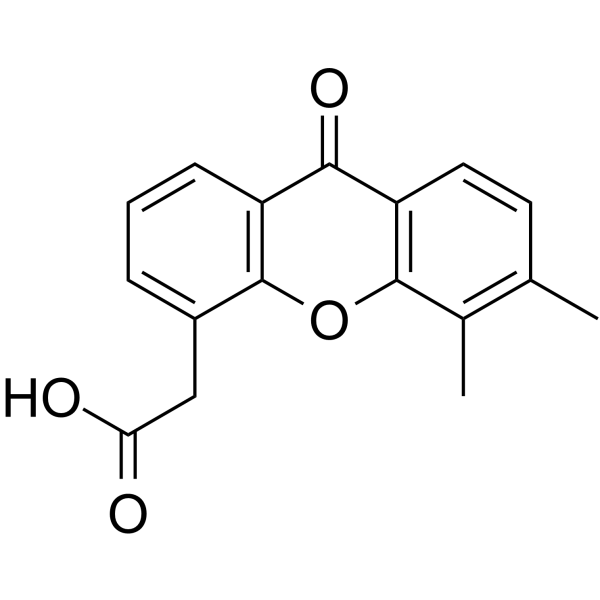
Cridanimod
 0 Images
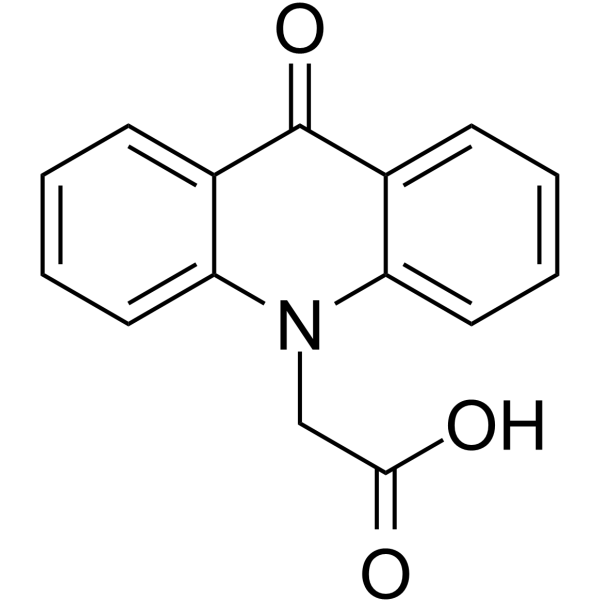
Cridanimod is a potent progesterone receptor (PR) activator mediated through induction of IFNα and IFNβ expression. Cridanimod is a small-molecule immunomodulator and interferon inducer.



