



Coccidia Inhibitor
- 1
- 2
-
Toltrazuril sulfone
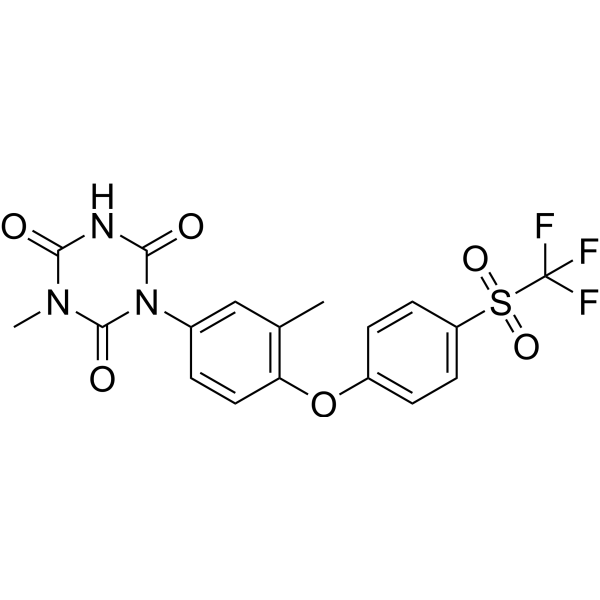 0 ImagesSynonyms: Ponazuril
Toltrazuril sulfone (Ponazuril) is a metabolite of Toltrazuril (HY-B0175), with antiprotozoal activity. Toltrazuril sulfone is a triazine anticoccidial that is developed to prevent coccidiosis in poultry.
-
Diclazuril
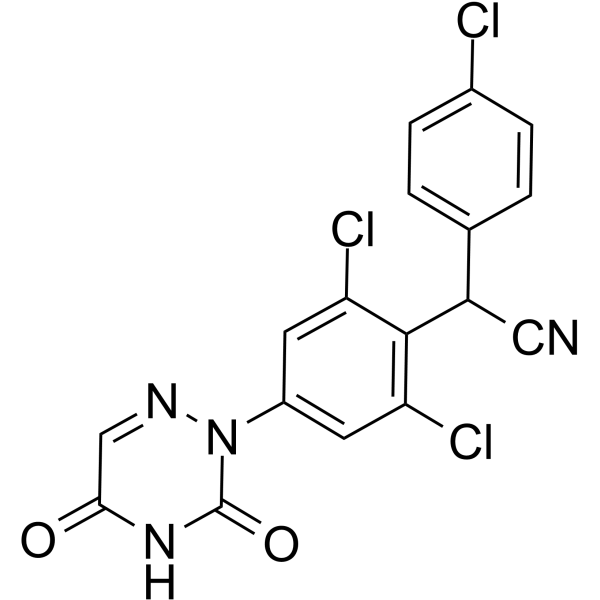 0 ImagesSynonyms: R-64433
Diclazuril (R-64433), a benzeneacetonitrile derivative, is a potent and orally active anticoccidial agent. Diclazuril can be used for the research of certain infectious and parasitic diseases, including coccidiosis, acute toxoplasmosis, equine protozoal pyoencephalitis (EPM) et.al.
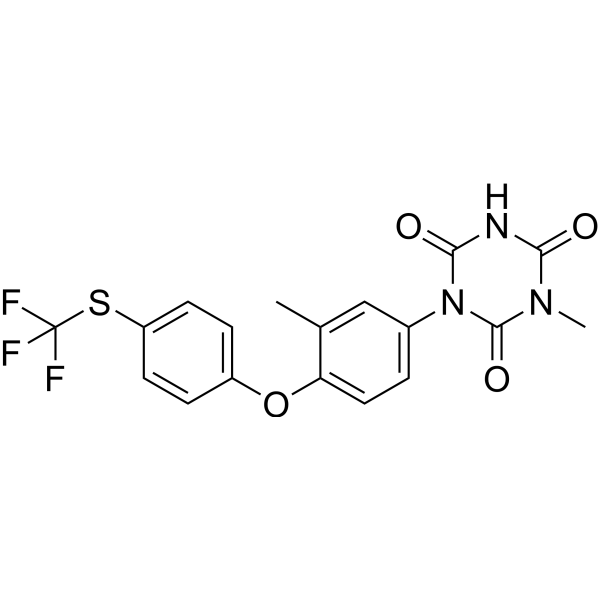
-
Robenidine hydrochloride
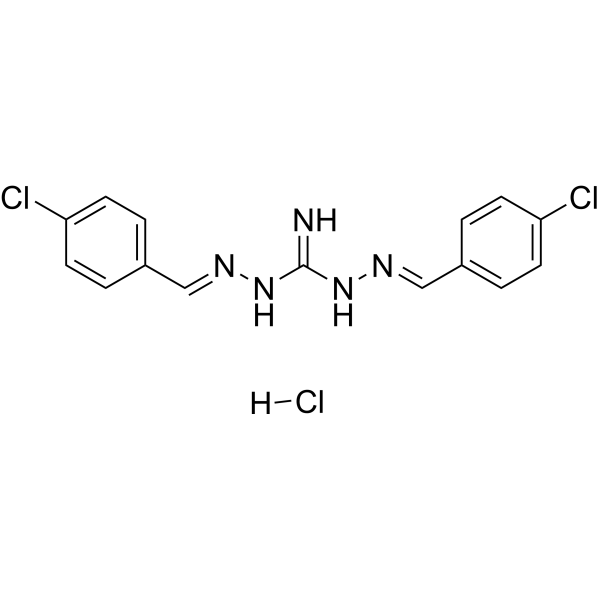 0 Images
Robenidine hydrochloride is an anticoccidial agent which is also active against MRSA and VRE with MIC50s of 8.1 and 4.7 μM, respectively.
-
Amprolium-d7 bromide hydrobromide
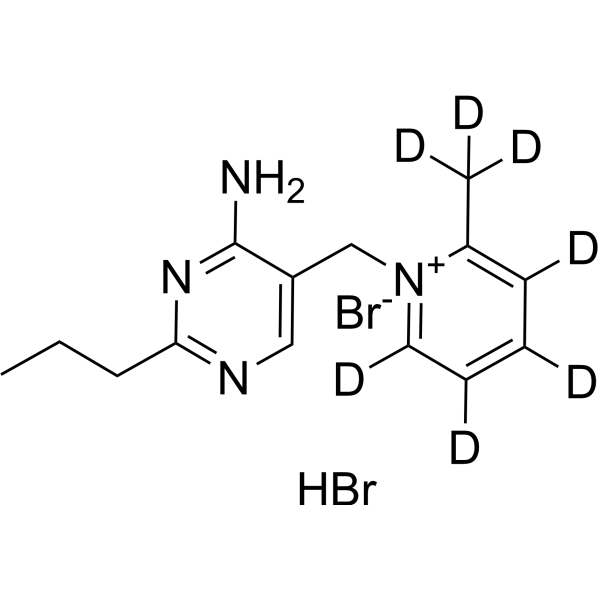 0 ImagesCat. No.: HY-B0937S
Amprolium-d7 (bromide hydrobromide) is the deuterated-labeled Amprolium (HY-B0937). Amprolium is a thiamine transporter inhibitor and antiparasitic agent with oral activity and blood-brain barrier penetration. Amprolium blocks thiamine transport at the blood-brain barrier and intestine, and competitively inhibits thiamine pyrophosphokinase, inducing thiamine pyrophosphate deficiency and impairing carbohydrate synthesis. Amprolium induces oxidative stress, alters antioxidant enzyme activity, and inhibits acetylcholinesterase (AchE) activity. Amprolium disrupts reproductive organs and gametogenesis, and causes histopathological and ultrastructural damage to multiple organs. Amprolium induces thiamine deficiency, reduces body weight gain in mice, and causes psychomotor behavioral changes and nephropathy. Amprolium exhibits molluscicidal activity against the terrestrial snail Eobania vermiculata, and reduces the shedding of Eimeria meleagrimitis oocysts in feces and litter. Amprolium can be used for research on thiamine deficiency and coccidiosis.
-
Amprolium
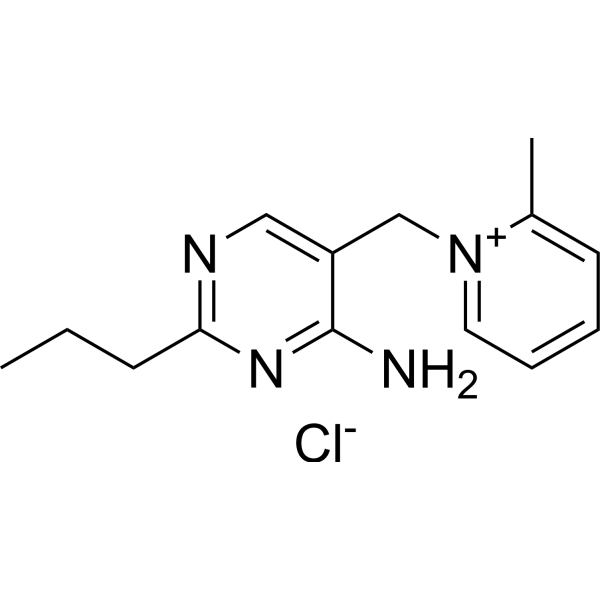 0 Images
Amprolium is a thiamine transporter inhibitor and antiparasitic agent with oral activity and blood-brain barrier penetration. Amprolium blocks thiamine transport at the blood-brain barrier and intestine, and competitively inhibits thiamine pyrophosphokinase, inducing thiamine pyrophosphate deficiency and impairing carbohydrate synthesis. Amprolium induces oxidative stress, alters antioxidant enzyme activity, and inhibits acetylcholinesterase (AchE) activity. Amprolium disrupts reproductive organs and gametogenesis, and causes histopathological and ultrastructural damage to multiple organs. Amprolium induces thiamine deficiency, reduces body weight gain in mice, and causes psychomotor behavioral changes and nephropathy. Amprolium exhibits molluscicidal activity against the terrestrial snail Eobania vermiculata, and reduces the shedding of Eimeria meleagrimitis oocysts in feces and litter. Amprolium can be used for research on thiamine deficiency and coccidiosis.
-
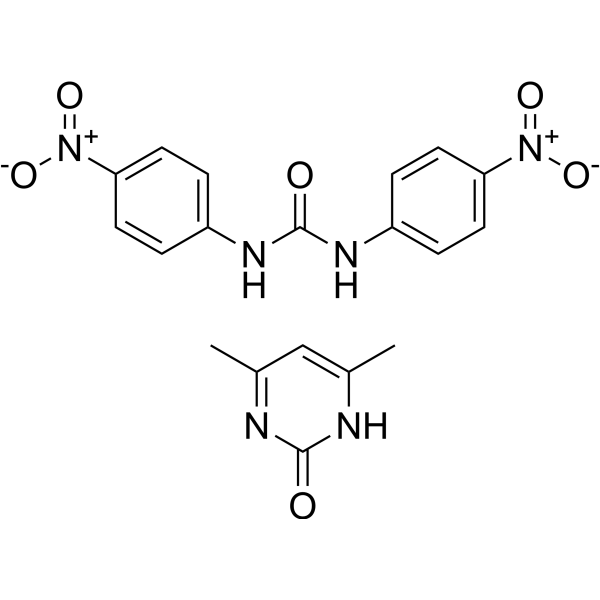
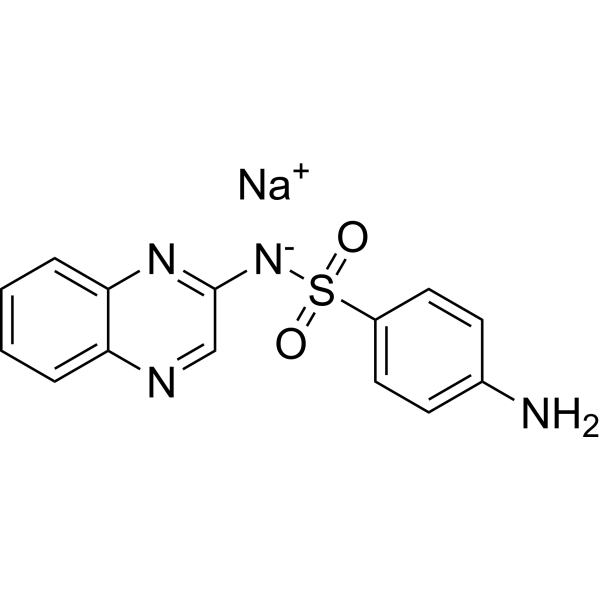
Chloroquinoxaline sulfonamide
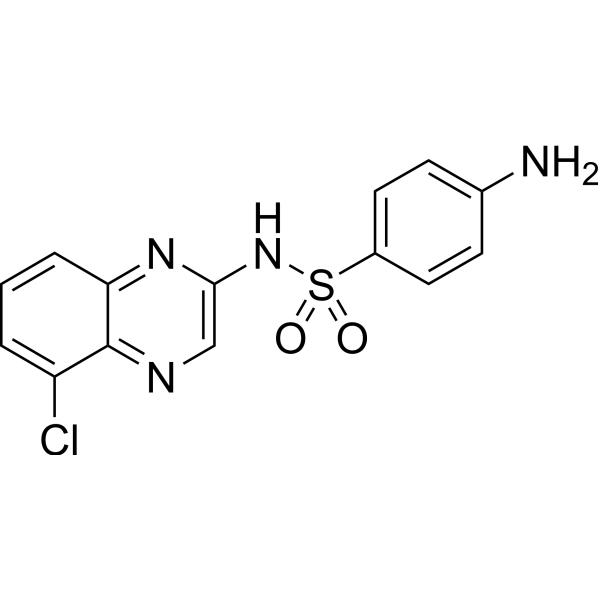 0 ImagesSynonyms: Chloroquinoxaline; NSC-339004
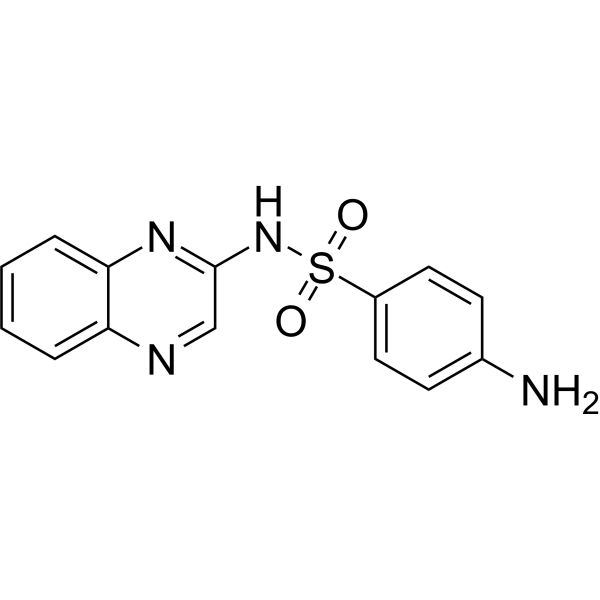
Chloroquinoxaline sulfonamide (Chloroquinoxaline), a structural analogue of sulfaquinoxaline, is a topoisomerase II alpha/beta poison. Chloroquinoxaline sulfonamide is used to control coccidiosis in poultry, rabbit, sheep, and cattle. Antitumor activity.
-
Narasin
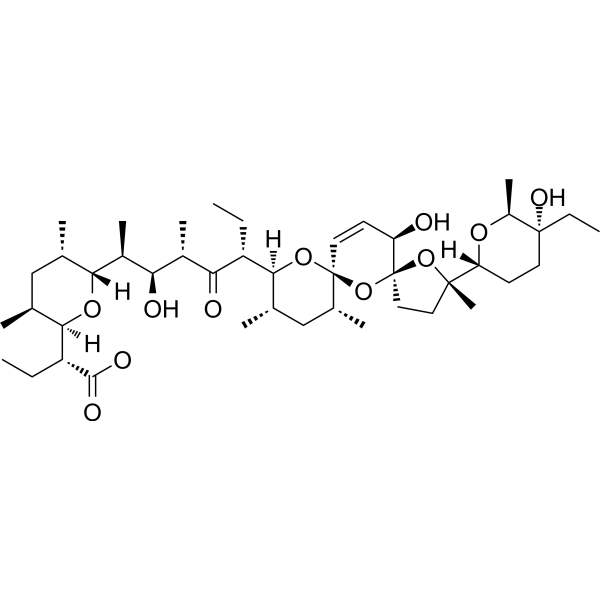 0 ImagesCat. No.: HY-121410CAS No.: 55134-13-9
Narasin is a cationic ionophore antibiotic and coccidiostat agent. Narasin inhibits NF-κB signaling and induces tumor cells apoptosis. Narasin has antimicrobial, antiviral anticancer activity. Narasin inhibits tumor metastasis and growth of ERα‑positive breast cancer cells by inactivation of the TGF-β/SMAD3 and IL‑6/STAT3 signaling pathways.
-
Sulfaclozine sodium
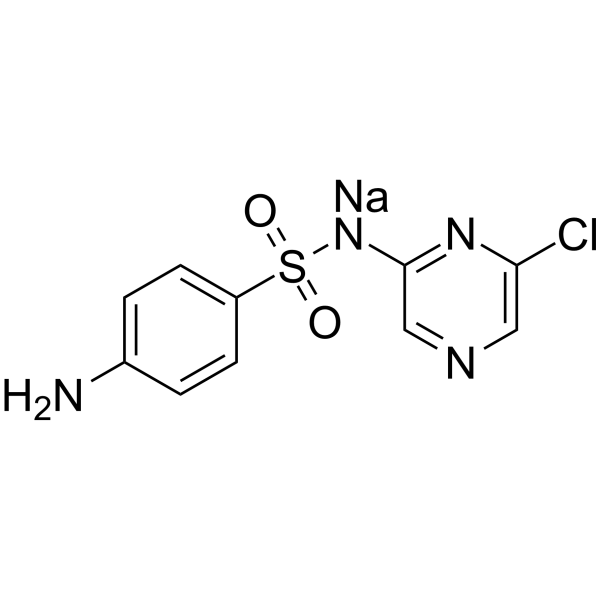 0 ImagesSynonyms: Sulfachloropyrazine sodium
Sulfaclozine sodium (Sulfachloropyrazine sodium) is an efficacious sulphonamide derivative with antibacterial and anticoccidial effects. Sulfaclozine sodium is commonly used for the treatment of various poultry diseases (particularly, collibacteriosis, fowl cholera and coccidiosis).
-
Decoquinate
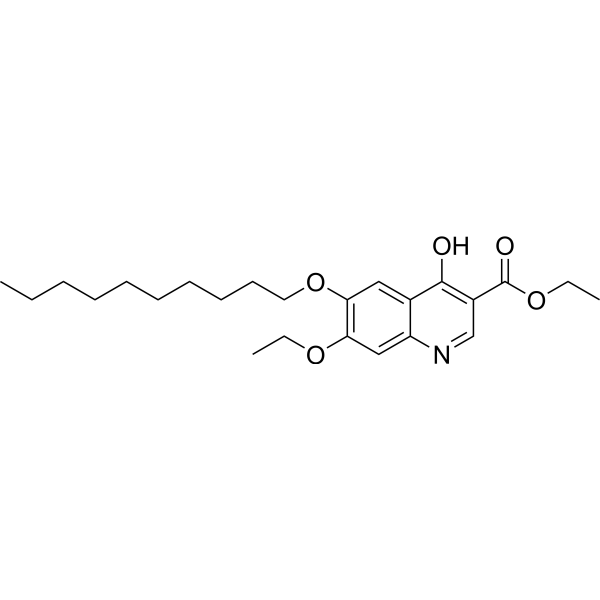 0 Images
Decoquinate is an orally active, selective inhibitor of the mitochondrial bc1 complex, targeting Eimeria spp. sporozoites and first generation schizonts, and Plasmodium spp. Decoquinate inhibits electron transfer by competitively binding to the mitochondrial cytochrome b system, blocking the parasite's energy metabolism, thereby inhibiting its development and reproduction. Decoquinate has significant anticoccidial activity, preventing intestinal damage and improving host growth performance, and also has inhibitory effects on the liver and blood stages of Plasmodium. Decoquinate is mainly used in veterinary research to prevent and treat coccidiosis in ruminants and poultry.
-
Diclazuril-d4
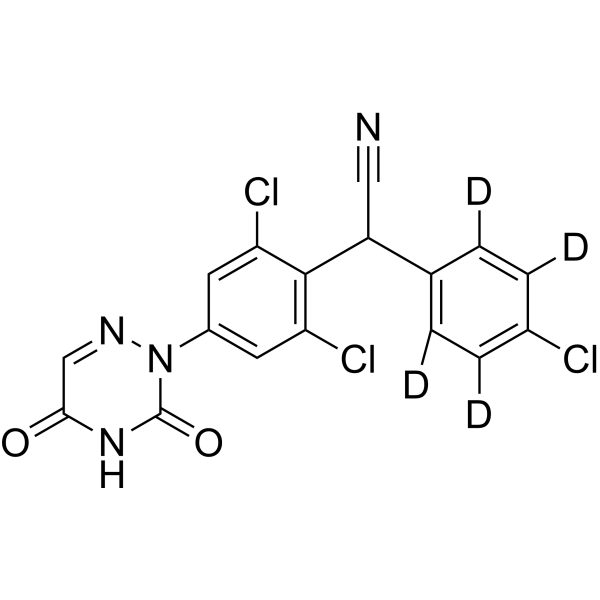 0 ImagesCat. No.: HY-B0357SCAS No.: 1632495-80-7Synonyms: R-64433-d4
Diclazuril-d4 is deuterium labeled Diclazuril. Diclazuril (R-64433), a benzeneacetonitrile derivative, is a potent and orally active anticoccidial agent. Diclazuril can be used for the research of certain infectious and parasitic diseases, including coccidiosis, acute toxoplasmosis, equine protozoal pyoencephalitis (EPM) et.al.
-
Amprolium hydrochloride
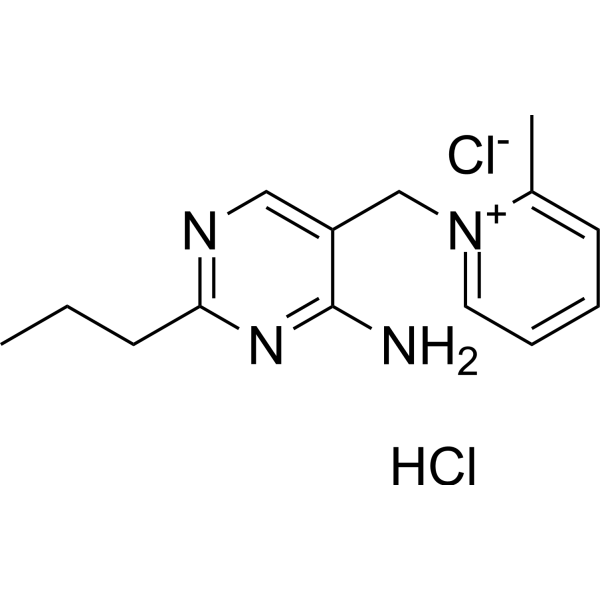 0 Images
Amprolium hydrochloride is a thiamine transporter inhibitor and antiparasitic agent with oral activity and blood-brain barrier penetration. Amprolium hydrochloride blocks thiamine transport at the blood-brain barrier and intestine, and competitively inhibits thiamine pyrophosphokinase, inducing thiamine pyrophosphate deficiency and impairing carbohydrate synthesis. Amprolium hydrochloride induces oxidative stress, alters antioxidant enzyme activity, and inhibits acetylcholinesterase (AchE) activity. Amprolium hydrochloride disrupts reproductive organs and gametogenesis, and causes histopathological and ultrastructural damage to multiple organs. Amprolium hydrochloride induces thiamine deficiency, reduces body weight gain in mice, and causes psychomotor behavioral changes and nephropathy. Amprolium hydrochloride exhibits molluscicidal activity against the terrestrial snail Eobania vermiculata, and reduces the shedding of Eimeria meleagrimitis oocysts in feces and litter. Amprolium hydrochloride can be used for research on thiamine deficiency and coccidiosis.
-
Robenidine-d8 hydrochloride
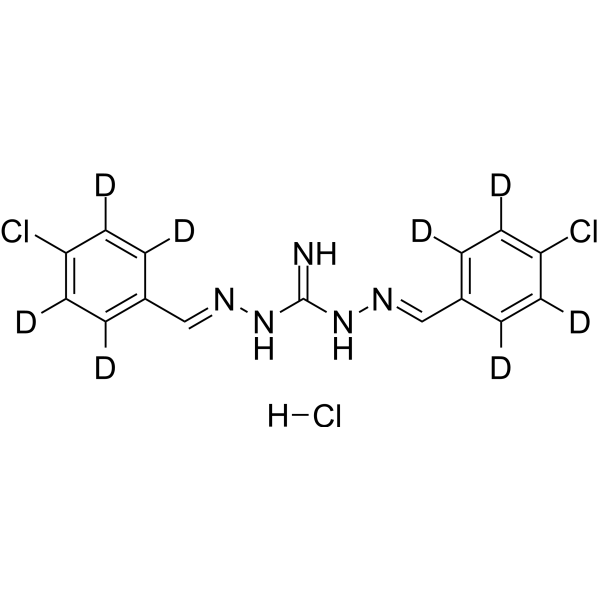 0 Images
Robenidine-d8 (hydrochloride) is the deuterium labeled Robenidine hydrochloride. Robenidine hydrochloride is an anticoccidial agent which is also active against MRSA and VRE with MIC50s of 8.1 and 4.7 μM, respectively.
-
Sulfaclozine
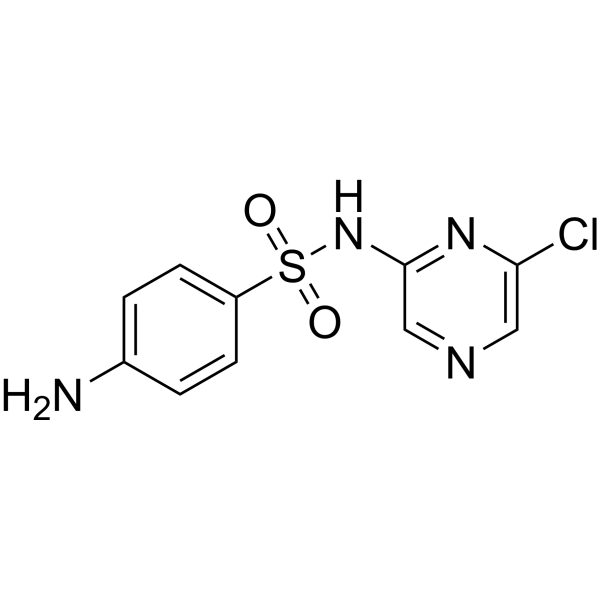 0 Images
Sulfaclozine (Sulfachloropyrazine) is an efficacious sulphonamide derivative with antibacterial and anticoccidial effects. Sulfaclozine is commonly used for the treatment of various poultry diseases (particularly, collibacteriosis, fowl cholera and coccidiosis).
-
Nicarbazin-d8
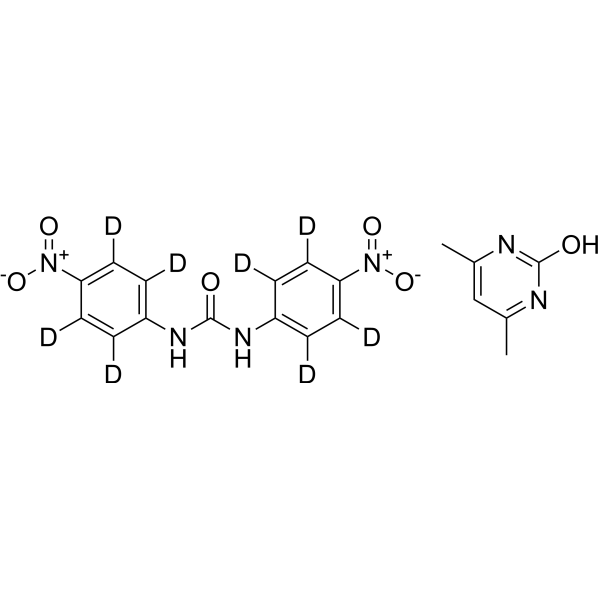 0 ImagesCat. No.: HY-107814SPurity: 99.99%
Nicarbazin-d8 is deuterium labeled Nicarbazin. Nicarbazin is an effective anticoccidial agent for chickens.
-
Toltrazuril sulfoxide
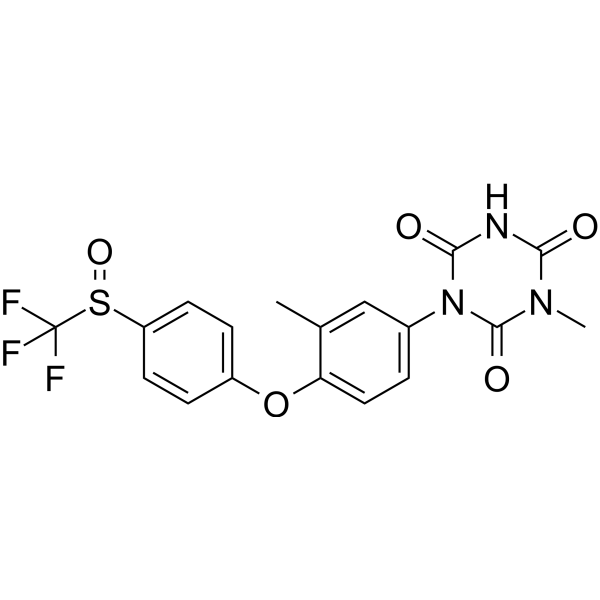 0 Images
Toltrazuril sulfoxide is a short-lived intermediary metabolite of Toltrazuril (HY-B0175), and then can be metabolized to the reactive toltrazuril sulfone (TZR-SO2) in vivo. Toltrazuril is an antiprotozoal agent that acts upon Coccidia parasites.
- 1
- 2



