



Dengue Virus
DENV
Dengue virus (DENV) belongs to the Flaviviridae family and is a small enveloped virus with a single-stranded positive-sense RNA of about 11kb in length and a granular spherical shape. DENV contains 4 serotypes: DENV serotype 1, DENV-2, DENV-3 and DENV-4. Envelope Protein E, NS3, NS5, etc. are effective targets for DENV inhibitors, which work by blocking viral entry, inhibiting protein processing and replication, and interfering with RNA capping. NS4B inhibitors can also disrupt related effects and inhibit the formation of viral replication complexes.
References:
- [1]. Dengue Virus. Sciencedirect Topic.
- [2]. Chauhan N, et al. Dengue virus: pathogenesis and potential for small molecule inhibitors. Biosci Rep. 2024 Aug 28;44(8):BSR20240134. [Content Brief]
- [3]. Kiemel D, et al. Pan-serotype dengue virus inhibitor JNJ-A07 targets NS4A-2K-NS4B interaction with NS2B/NS3 and blocks replication organelle formation. Nat Commun. 2024 Jul 19;15(1):6080.x [Content Brief]
- [4]. Lee MF, et al. Molecular Mechanisms of Antiviral Agents against Dengue Virus. Viruses. 2023 Mar 8;15(3):705.x [Content Brief]
All Product Categories
-
Dengue Virus Related Products (170)
Related Products (170)

-
DV1 TFA
 0 ImagesCat. No.: HY-P10427APurity: 98.53%DV1 TFA is a CXCR4 inhibitor with anti-proteolytic properties that specifically blocks the binding of SDF-1α to its receptor. DV1 TFA inhibits the migration of breast cancer cells and enables the targeted delivery of avidin-PLGA nanoparticles to CXCR4-expressing cancer cells. DV1 TFA not only effectively suppresses the progression of metastatic breast cancer in mouse models, but also preferentially accumulates in brain tumor tissues rather than normal brain tissues, showing potential for inhibiting intracranial tumor metastasis. As a humoral immune stimulant, DV1 TFA induces the production of specific IgG, neutralizing antibodies and cellular immune responses, thereby providing the host with protection against lethal challenges. DV1 TFA has been applied to studies on CXCR4-expressing cancers, glioblastoma, dengue fever and other related diseases.
-
GAK inhibitor 2
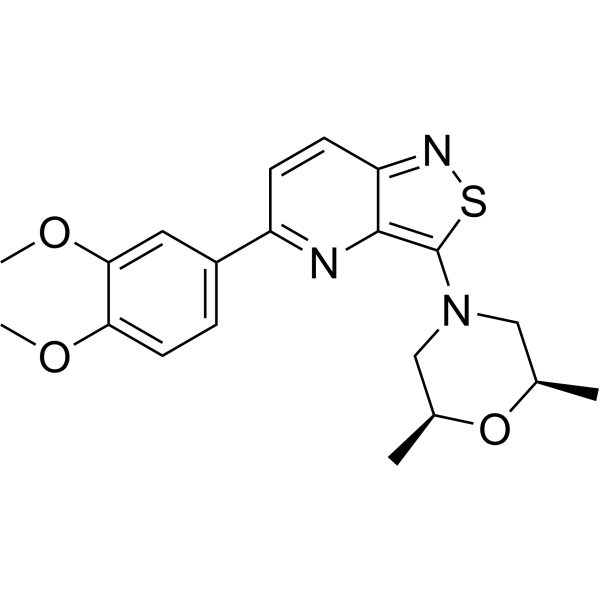 0 ImagesGAK inhibitor 2 (Compound 14g) is a potent cyclin G-associated kinase (GAK) inhibitor with an IC50 of 0.024 μM. GAK inhibitor 2 shows antiviral activity with an EC50 of 1.049 μM against dengue virus (DENV).
-
Loratadine (Standard)
 0 ImagesSynonyms: Loratidine (Standard); SCH 29851 (Standard)Loratadine (Standard) is the analytical standard of Loratadine. This product is intended for research and analytical applications. Loratadine (SCH-29851) is a selective inverse peripheral histamine H1-receptor agonist with an IC50 of >32 μM. Loratadine has anti-dengue-virus (DENV) activity. Loratadine can inhibit immunologic release of inflammatory mediators.
-
Quinine hemisulfate hydrate
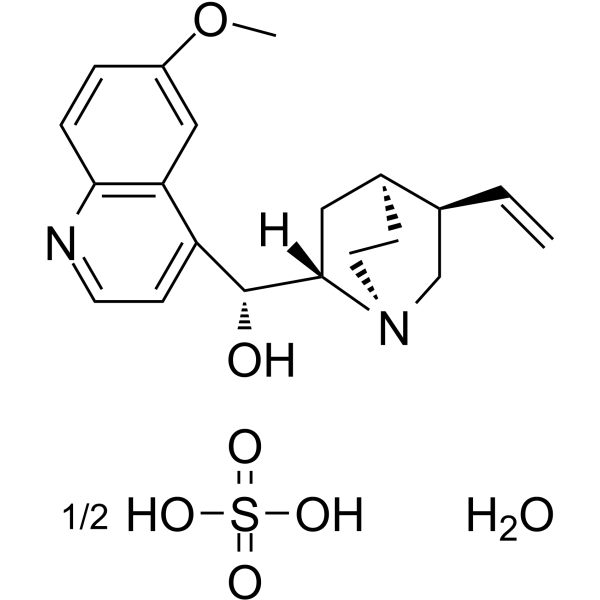 0 ImagesQuinine hemisulfate hydrate is an orally active alkaloid extracted from cinchona bark, possessing various biological activities including antimalarial, antidengue virus (DENV), and anticancer properties. Quinine hemisulfate hydrate acts as a potassium channel inhibitor that suppresses the +100 mV current of MT mSlo3 (KCa5.1) channels induced by voltage pulses, with an IC50 value of 169 μM. Quinine hemisulfate hydrate serves as a fluorescence standard reference substance with fluorescence spectrum calibration and validation activity.

-
IHVR-19029
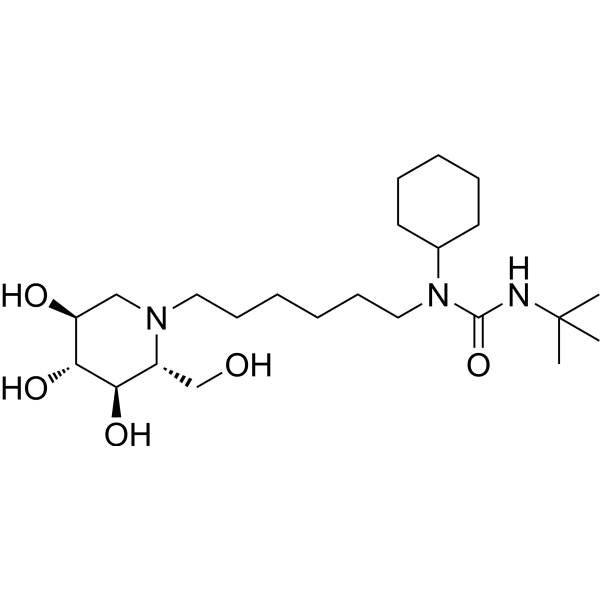 0 ImagesCat. No.: HY-124662CAS No.: 1447464-73-4IHVR-19029 is a potent endoplasmic reticulum (ER) α-glucosidases I and II inhibitor, with an IC50 of 0.48 μM for ER a-glucosidase I. IHVR-19029 efficiently blocks the replication of several hemorrhagic fever viruses, such as Dengue virus (DENV), Ebola virus (EBOV) and Rift Valley fever virus. The combination of IHVR-19029 with Favipiravir (HY-14768) improves the antiviral efficacy.
-
CHIKV-IN-2
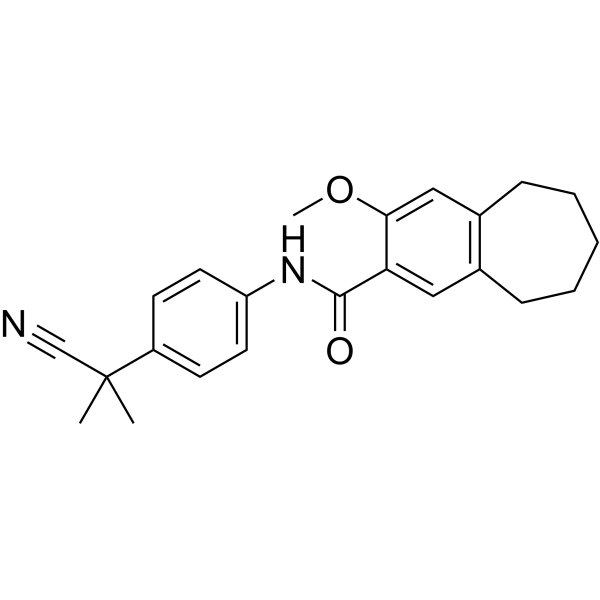 0 ImagesCHIKV-IN-2 is a potent inhibitor against Chikungunya virus (CHIKV), with excellent cellular antiviral activity (EC90=270 nM) and improved liver microsomal stability. CHIKV-IN-2 shows inhibitory activity against a cellular target Dihydroorotate Dehydrogenase (DHODH), which interacts with various viruses and regulate their replication via depleting intracellular pyrimidine pools.
-
Abz-Nle-Lys-Arg-Arg-Ser-3-(NO2)Tyr acetate
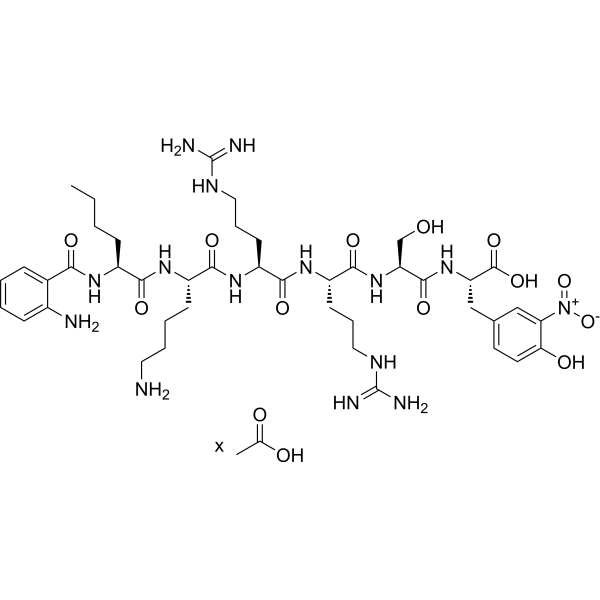 0 ImagesCat. No.: HY-P5313APurity: 98.03%Abz-Nle-Lys-Arg-Arg-Ser-3-(NO2)Tyr acetate is a DEN protease substrate, which can be used in research related to dengue virus (drug development).
-
HZ-1157
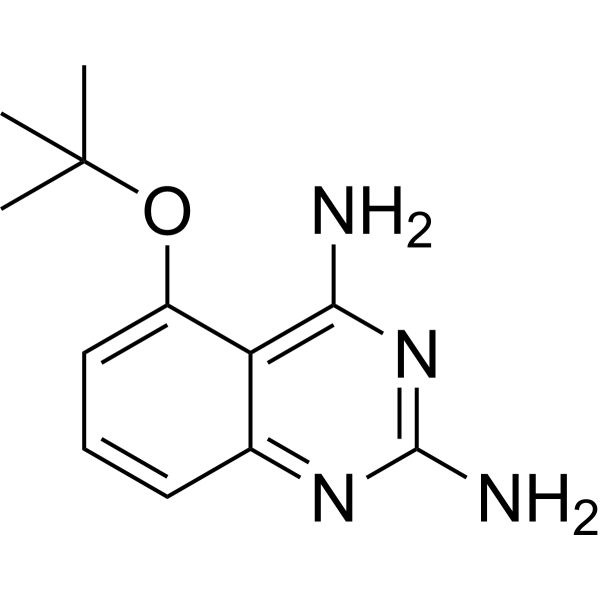 0 ImagesHZ-1157 inhibits HCV NS3/4A protease with an IC50 of 1.0 μmol/L. HZ-1157 (4a) has a high dengue virus inhibitory activity (EC50 = 0.15 μM) and is a relatively nontoxic (CC50 > 10 μM) dengue antiviral agent.
-
Temephos
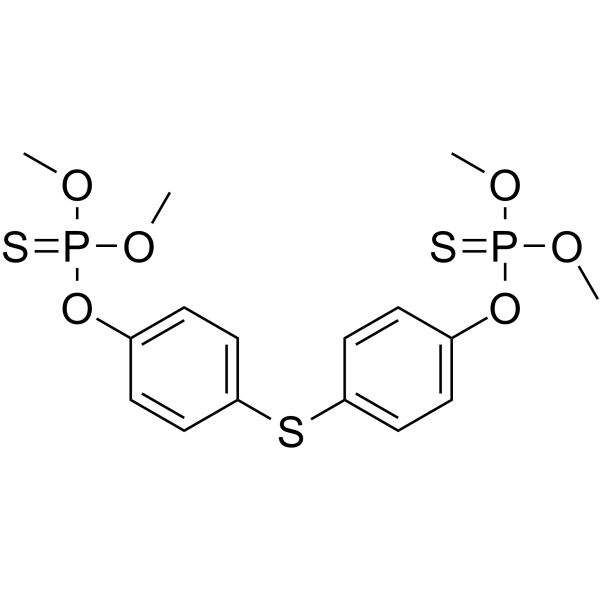 0 ImagesTemephos (Temefos) is an orally active, blood-brain barrier-permeable organophosphate insecticide and AChE inhibitor. By irreversibly inhibiting AChE to induce cholinergic overactivation, Temephos effectively blocks larval development of Aedes aegypti (yellow fever mosquito) and Aedes albopictus (Asian tiger mosquito), and is commonly used in studies related to Dengue Virus, Zika Virus and other relevant pathogens. Temephos exhibits genotoxicity and neurodevelopmental toxicity, and may also cause liver injury, reproductive system abnormalities and cholinergic poisoning symptoms in mammals. Temephos tends to accumulate in adipose tissues and aquatic organisms, and is excreted via feces after metabolism through oxidation and hydrolysis. Note that CYP-mediated metabolic detoxification may reduce the actual larvicidal efficacy of Temephos against some mosquito species. Temephos can be used in research related to dengue fever, Zika virus disease, chikungunya and dracunculiasis.
-
Celgosivir
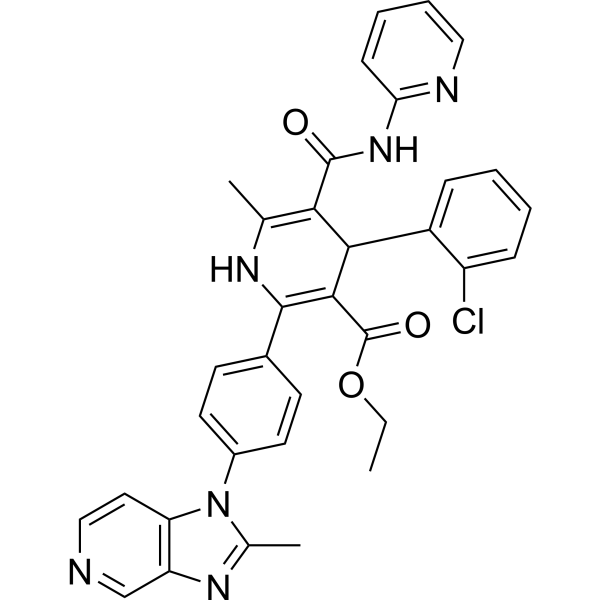
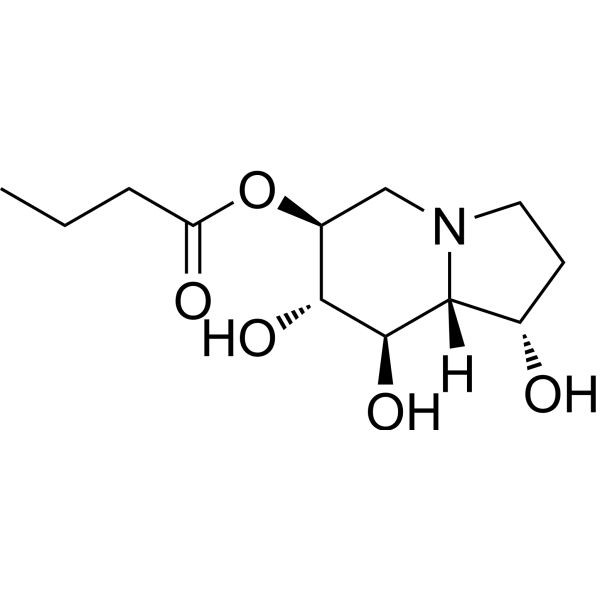 0 ImagesSynonyms: MBI 3253; MDL 28574; MX3253Celgosivir (MBI 3253; MDL 28574; MX3253) is an α-glucosidase I inhibitor; inhibits bovine viral diarrhoea virus (BVDV) with an IC50 of 1.27 μM in in vitro assay.
-
Golgicide A-2
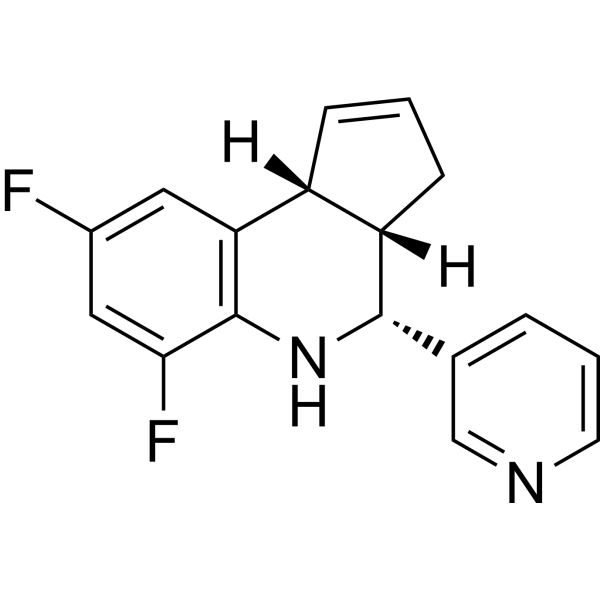 0 ImagesSynonyms: GCA-2Golgicide A-2 (GCA-2), a Golgicide A (GCA) derivative, is the most active enantiomer of GCA. Golgicide A-2 displays high selectivity and efficiency in killing An. stephensi larvae and can be used for the research of dengue virus related diseases.
-
BP13944
 0 ImagesCat. No.: HY-136797CAS No.: 1622060-51-8BP13944 is a potential small molecule inhibitor discovered by high-throughput screening. It can effectively inhibit the expression of dengue virus (DENV) replicons with an EC50 value of 1.03±0.09 μM. BP13944 can inhibit the replication or viral RNA synthesis of all four serotypes of DENV, but is ineffective against Japanese encephalitis virus. BP13944 may target the DENV NS3 protease, and the E66G amino acid substitution in the NS3 protease region will cause the virus to become resistant to BP13944. BP13944 has no obvious cytotoxicity. As there is currently no effective dengue vaccine and treatment, BP13944, as an effective small molecule inhibitor, may become a potential agent for the treatment of dengue in the future.
-
Primulin
 0 ImagesCat. No.: HY-W540972CAS No.: 8064-60-6Synonyms: PrimulinePrimulin is a versatile fluorescent dye and bioactive compound widely used in analytical, biological, botanical and virological studies. Primulin acts as a versatile stain that labels plant cell walls and differentiates live and dead spermatozoa via distinct fluorescence patterns. Primulin exhibits strong albumin‑binding capacity. Primulin acts as a retrograde axonal tracer in neurobiological investigations. Primulin and its derivatives inhibit HCV NS3, block dengue virus NS3-mediated ATP hydrolysis, and disrupt HCV replicase assembly.
-
DN59
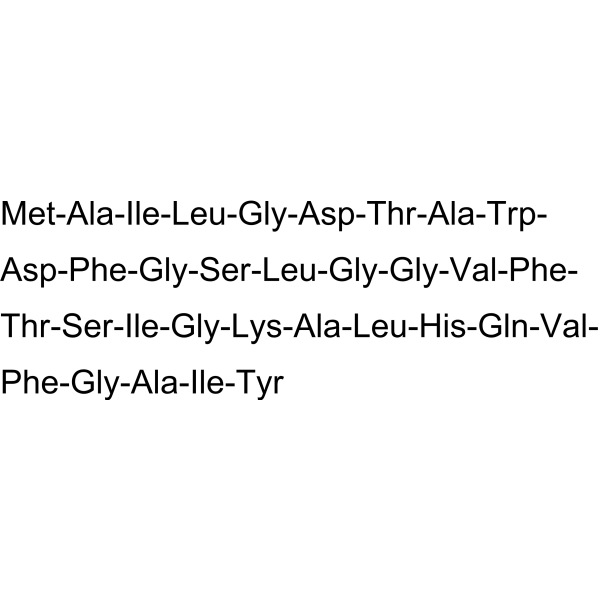 0 ImagesDN59 is a 33 amino acid peptide that mimics the dengue virus type 2 E stem region. DN59 inhibits all four serotypes of dengue virus (IC50: 2-5 μM) as well as other flaviviruses. N59 causes the release of genomic RNA by interacting directly with viral particles. DN59 has antiviral activity.
-
Nimbin
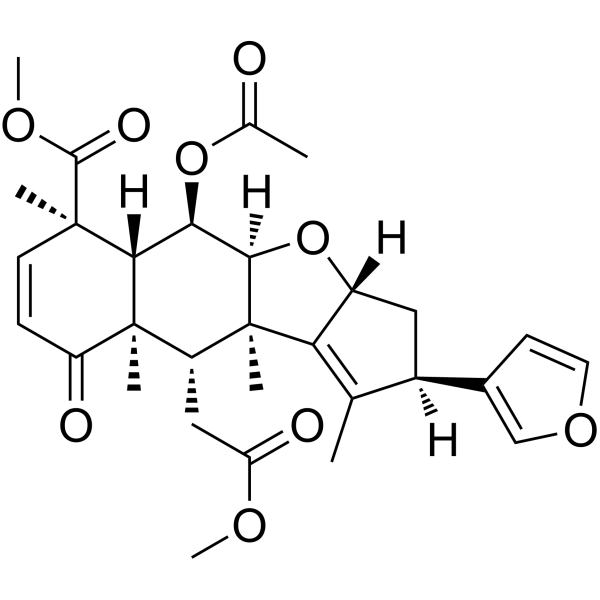 0 ImagesNimbin is an orally active intermediate limonoid found in Azadirachta. Nimbin prevents tau aggregation and increases cell viability. Nimbin is effective inhibits the envelope protein of dengue virus. Nimbin has anti-inflammatory, antipyretic, antifungal, antihistamine, antiseptic, antioxidant, anti-cancer and anti-viral properties. Nimbin is promising for research of neurodegenerative diseases and viral infections.
-
Anti-Dengue virus type 4 E protein DIII Antibody (DV4-E88)
 0 ImagesCat. No.: HY-P991764Purity: 98.44%Anti-Dengue virus type 4 E protein DIII Antibody (DV4-E88) reacts with the DIII domain on the E protein of dengue virus serotype 4 (DENV-4). Anti-Dengue virus type 4 E protein DIII Antibody (DV4-E88) neutralizes 1036, TVP-376, and TVP-986 genotype II strains of DENV-4. Recommend Isotype Controls: Mouse IgG2c kappa, Isotype Control (HY-P99981).
-
Quinine (Standard)
 0 ImagesQuinine (Standard) is the analytical standard of Quinine (HY-D0143). This product is intended for research and analytical applications. Quinineis an orally active alkaloid extracted from cinchona bark, possessing various biological activities including antimalarial, antidengue virus (DENV), and anticancer properties. Quinine is a potassium channel inhibitor that inhibits WT mouse Slo3 (KCa5.1) channel currents evoked by voltage pulses to +100 mV with an IC50 of 169 μM.



