



Isotope-Labeled Compounds
Isotope-labeled compounds are chemical substances in which some atoms in their molecules are replaced by isotope atoms. The range of stable isotope products can cover from gases to complex molecules. Isotope-labeled compounds could provide a site-specific investigation of structures, making molecules easily detectable by mass spectrometry and NMR, and maintaining the physico-chemical properties of the target molecule at the same time.
MCE isotope-labeled compounds are all stable isotope-labeled compounds and are non-radioactive labeled substances. MCE isotope-labeled compounds are unique tools for identifying and understanding biological and chemical processes. Stable isotope-labeled products are now getting more and more popular among scientists. The scope of application is gradually penetrating into various scientific fields, such as life sciences, food and medicine, agriculture, environment, geology, etc. Stable isotope-labeled compounds have a wide range of applications in the Life Science areas, such as Metabolomics, Proteomics, Clinical studies, Deuterium drugs, etc.
All Product Categories
-
Isotope-Labeled Compounds Related Products (11126)
Related Products (11126)

-
L-Tyrosine-13C
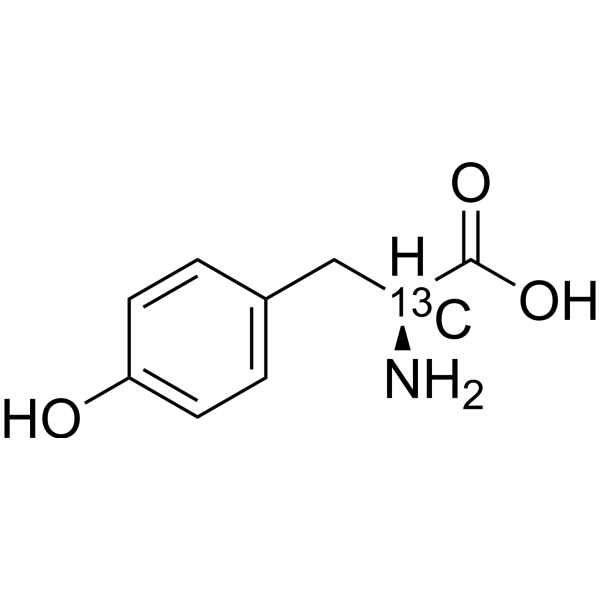 0 ImagesL-Tyrosine-13C is the 13C-labeled L-Tyrosine. L-Tyrosine is a non-essential amino acid which can inhibit citrate synthase activity in the posterior cortex.
-
Sofosbuvir-d6
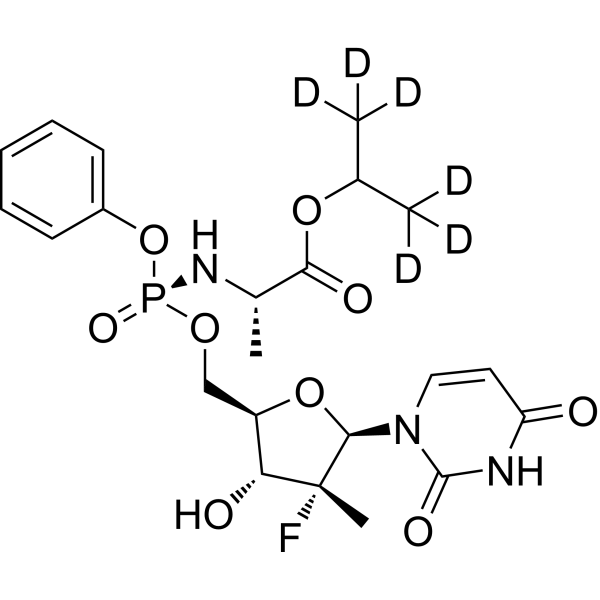 0 ImagesSynonyms: PSI-7977-d6; GS-7977-d6
-
Torsemide-d7
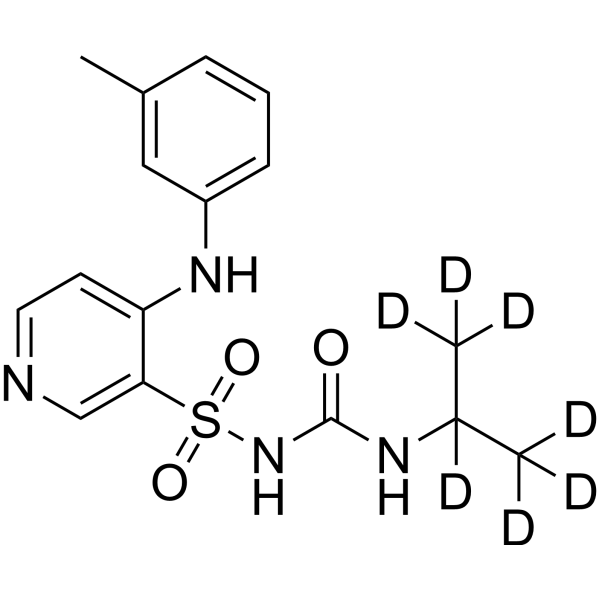 0 ImagesSynonyms: Torasemide-d7Torsemide-d7 is the deuterium labeled Torsemide. Torsemide (Torasemide) is an orally active loop diuretic. Torsemide has anti-aldosterone and vasodilatory effects. Torsemide also can be used for the research of heart failure, renal disease and hepatic cirrhosis.
-
Umbelliferone-d5
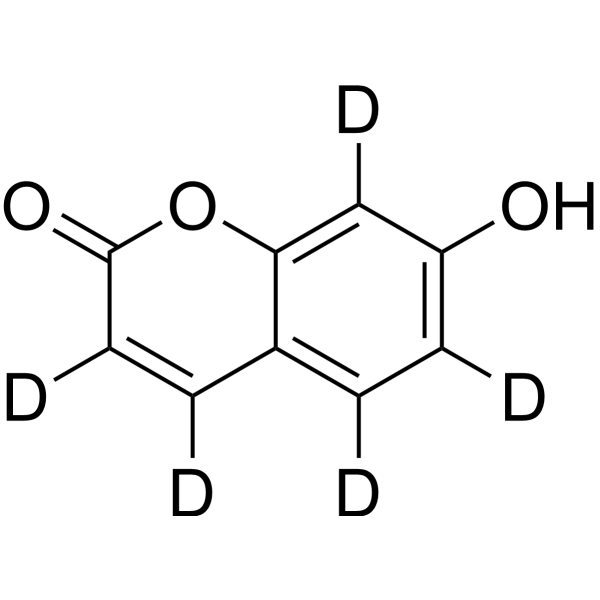 0 ImagesCat. No.: HY-N0573SCAS No.: 1215373-23-1Synonyms: 7-Hydroxycoumarin-d5; Hydrangin-d5; NSC 19790-d5Umbelliferone-d5 (7-Hydroxycoumarin-d5) is the deuterium labeled Umbelliferone (HY-N0573 ). Umbelliferone (7-Hydroxycoumarin), a natural orally active product of the coumarin family, is a fluorescing compound which can be used as a sunscreen agent. Umbelliferone induces cell cycle arrest, apoptosis and DNA fragmentation in HepG2 cells. Umbelliferone exhibits significant anticancer effects. Umbelliferone attenuates the alteration characteristics of allergic airway inflammation. Umbelliferone displays the neuroprotective effects and cross the blood-brain barrier. Umbelliferone exhibits anti-inflammatory and antioxidant effects in chronic alcohol-fed rats.
-
Cyclopropylcarboxylic acid-d4
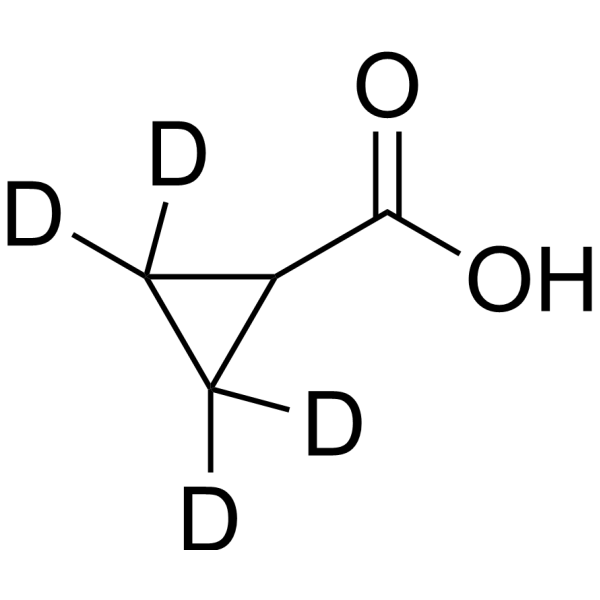 0 ImagesSynonyms: Carboxycyclopropane-d4; Cyclopropionic acid-d4Cyclopropylcarboxylic acid-d4 (Carboxycyclopropane-d4; Cyclopropionic acid-d4) is the deuterated-labeled Cyclopropylcarboxylic acid (HY-Y0001). Cyclopropylcarboxylic acid (Carboxycyclopropane; Cyclopropionic acid) is a small-molecule aliphatic carboxylic acid. Cyclopropylcarboxylic acid is also a common organic synthesis intermediate.
-
Indoxyl sulfate-13C6 potassium
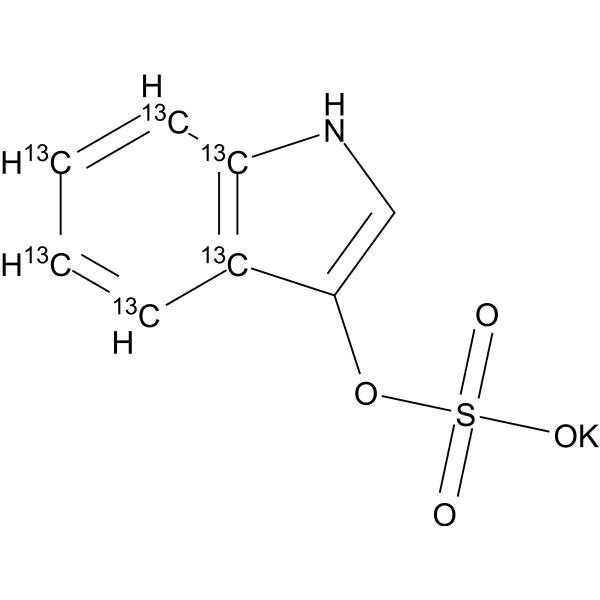 0 ImagesCat. No.: HY-113296SPurity: 98.77%Indoxyl Sulfate Potassium Salt-13C6 is the 13C labeled Indoxyl Sulfate Potassium Salt.
-
Melengestrol acetate-d3
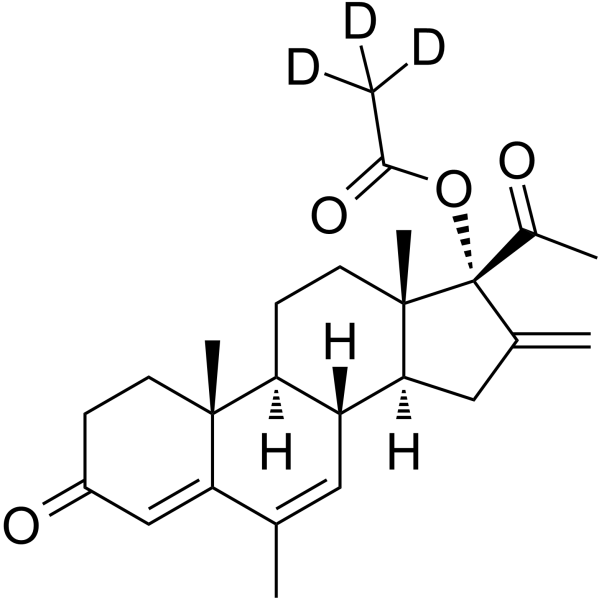 0 ImagesCat. No.: HY-111614S2Purity: 99.0%Melengestrol acetate-d3 is the deuterium labeled Melengestrol acetate. Melengestrol acetate is a progesterone derivative, acts as an orally active corticosteroid hormone to promote endometrial proliferation, pregnancy maintenance, and delay of menstrual activity. Melengestrol Acetate is used as a contraceptive agent for growth promoting effects and suppression of estrus in animals. Melengestrol acetate inhibits both the androgen-dependent and -independent prostatic tumors in vivo and can be used for cancer research.
-
DL-Isoleucine-d10
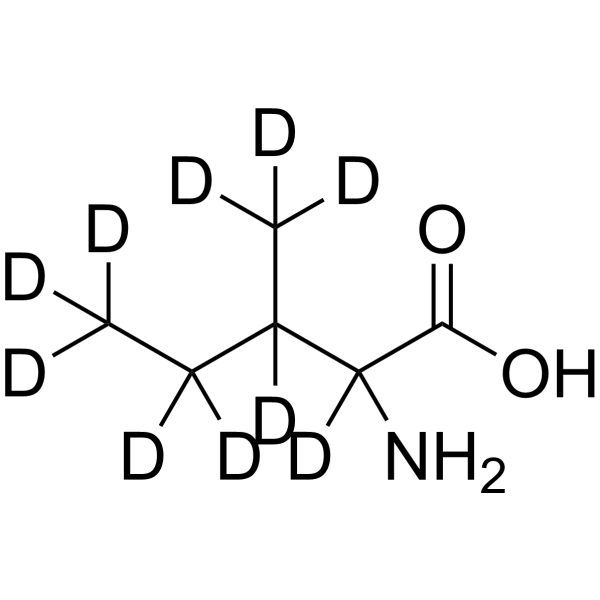 0 ImagesDL-Isoleucine-d10 is the deuterium labeled L-Isoleucine. L-isoleucine is a nonpolar hydrophobic amino acid. L-Isoleucine is an essential amino acid.
-
D-Mannitol-13C6
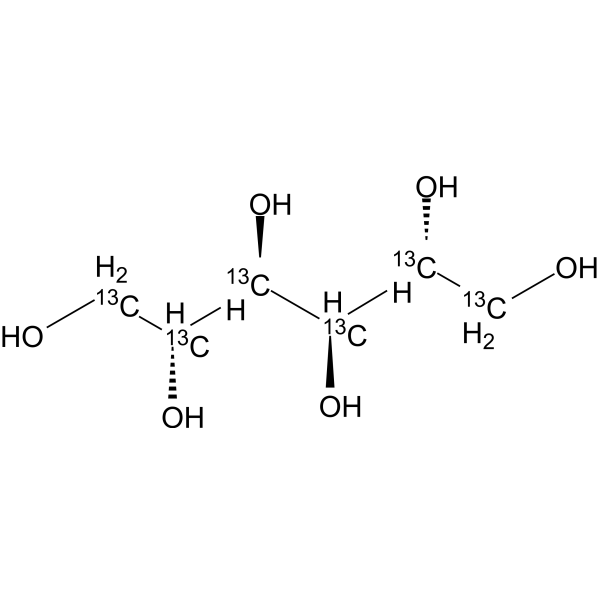 0 ImagesSynonyms: Mannitol-13C6; Mannite-13C6D-Mannitol-13C6 is the 13C labeled D-Mannitol (HY-N0378). D-Mannitol (Mannitol) is an oral, resistant sugar widely used in the food and pharmaceutical industries to promote the absorption and retention of calcium and magnesium through cecal fermentation, while acting as a osmotic diuretic to reduce tissue edema. D-Mannitol can enhance brown fat formation, improve insulin effect, reduce blood sugar levels, And through the start the β3-adrenergic receptor (β3-AR), PGC1α and PKA induced by means of white fat cells into brown fat cells. D-Mannitol is commonly used to maintain osmotic pressure between the plant cytoplasm and the culture medium and protect cells when the cell wall is weakened or even removed.
-
Mevalonic acid-13C,d3 sodium
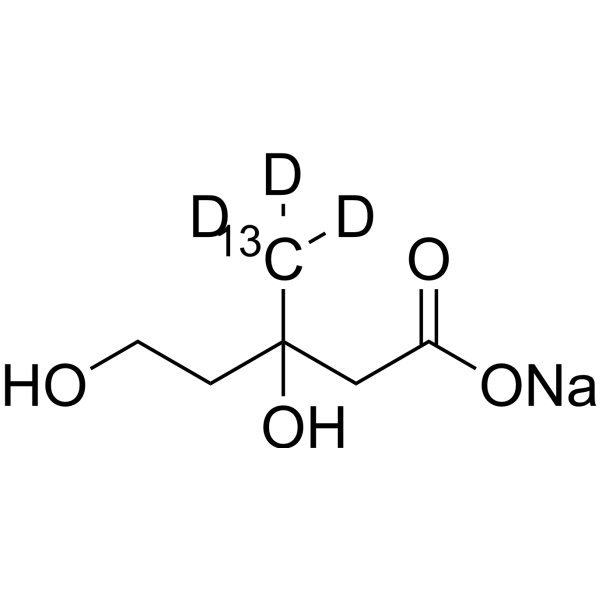 0 ImagesMevalonic acid-13C,d3 (sodium) is the 13C- and deuterium labeled Mevalonic acid.
-
Cariprazine-d8
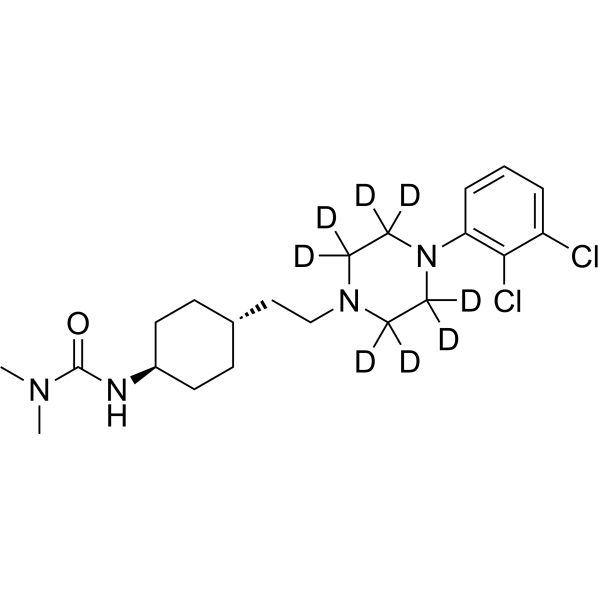 0 ImagesSynonyms: RGH-188 d8Cariprazine-d8 is a deuterium labeled Cariprazine. Cariprazine is a novel antipsychotic agent candidate that exhibits high affinity for the D3 (Ki=0.085 nM) and D2 (Ki=0.49 nM) receptors, and moderate affinity for the 5-HT1A receptor (Ki=2.6 nM).
-
Sotorasib-d7
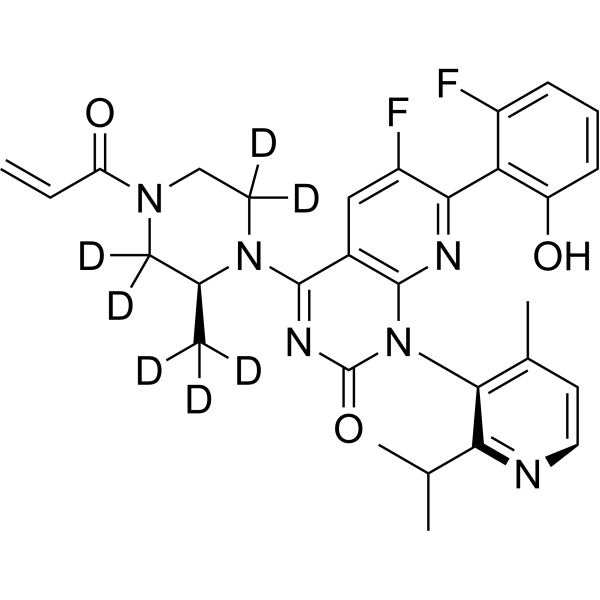 0 ImagesCat. No.: HY-114277SPurity: 98.90%Synonyms: AMG-510-d7Sotorasib-d7 (AMG-510-d7) is a deuterium-labeled Sotorasib (HY-114277). Sotorasib (AMG-510) is a first-in-class, orally bioavailable, and selective KRAS G12C covalent inhibitor. Sotorasib irreversibly inhibits KRAS G12C by locking it in an inactive GDP-bound state. Sotorasib leads to the regression of KRAS G12C‑mutated locally advanced or metastatic non‑small cell lung cancer (NSCLC).
-
Avibactam sodium salt-13C5
 0 ImagesCat. No.: HY-14879S2Purity: 99.9%Synonyms: NXL-104-13C5Avibactam sodium salt-13C5 (NXL-104-13C5) is 13C labeled Avibactam (sodium). Avibactam sodium (NXL-104) is a covalent and reversible non-β-lactam β-lactamase inhibitor which inhibits β-lactamase TEM-1 and CTX-M-15 with IC50s of 8 nM and 5 nM, respectively.
-
5-Aminosalicylic acid-d3
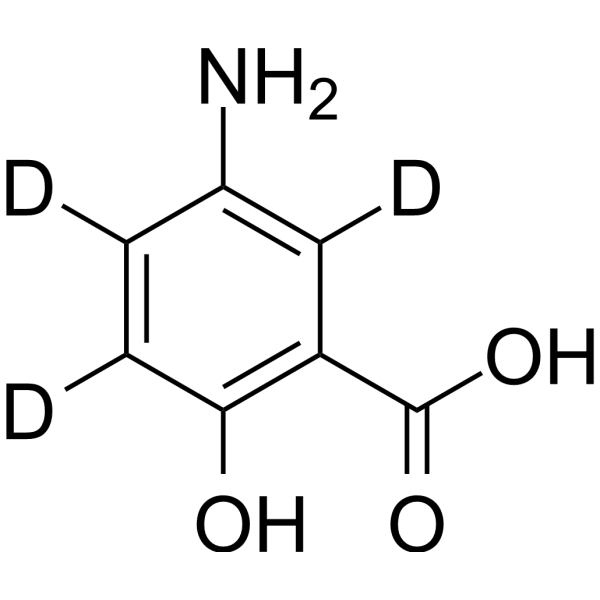 0 ImagesSynonyms: Mesalamine-d3; 5-ASA-d3; Mesalazine-d35-Aminosalicylic acid-d3 is the deuterium labeled 5-Aminosalicylic Acid. 5-Aminosalicylic acid (Mesalamine) acts as a specific PPARγ agonist and also inhibits p21-activated kinase 1 (PAK1) and NF-κB.
-
L-Histidine-15N hydrochloride hydrate
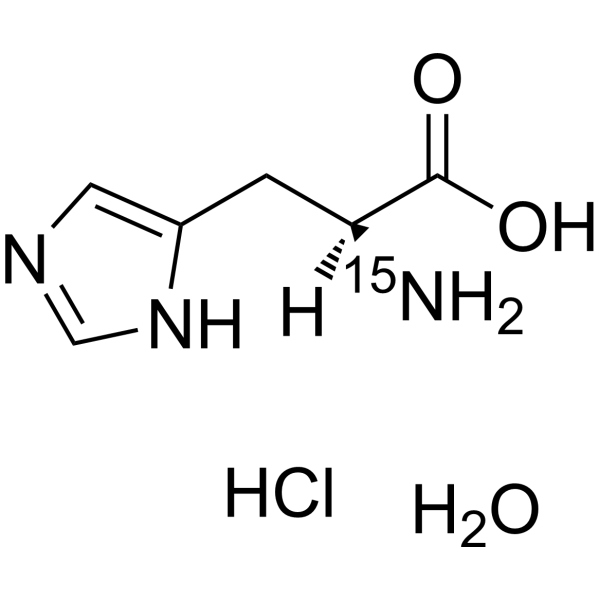 0 ImagesCat. No.: HY-W014423S6Purity: 99.94%Synonyms: H-His-OH-15N hydrochloride hydrateL-Histidine-15N hydrochloride hydrate is the 15N-labeled L-Histidine hydrochloride hydrate (HY-W014423). L-Histidine hydrochloride hydrate is an endogenous metabolite. L-Histidine hydrochloride hydrate scavenges hydroxyl radicals and singlet oxygen, regulate the absorption of zinc, copper and iron, exhibits anti-inflammatory and antioxidant activities. L-Histidine hydrochloride hydrate is blood brain barrier penetrable.
-
Glutathione oxidized-13C4,15N2
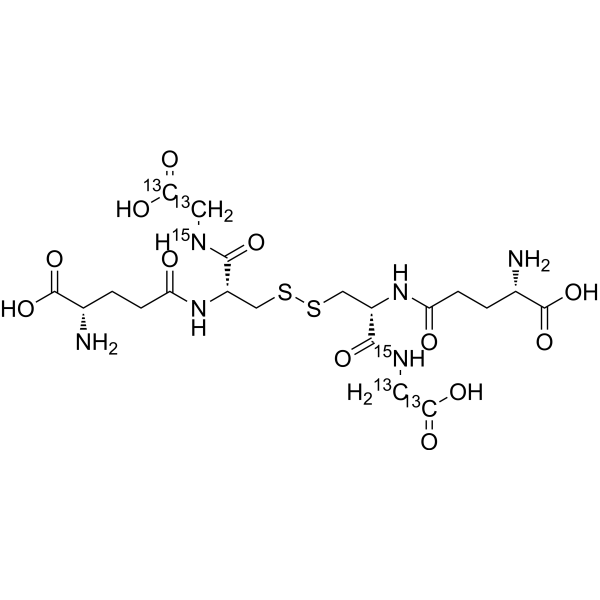 0 ImagesSynonyms: L-Glutathione oxidized-13C4,15N2; GSSG-13C4,15N2; Oxiglutatione-13C4,15N2Glutathione oxidized-13C4,15N2 is the 13C and 15N labeled Glutathione oxidized (HY-D0844). Glutathione oxidized is produced by the oxidation of glutathione. Detoxification of reactive oxygen species is accompanied by production of glutathione oxidized. Glutathione oxidized can be used for the research of sickle cells and erythrocytes.
-
Octanoyl-L-carnitine-d3 chloride
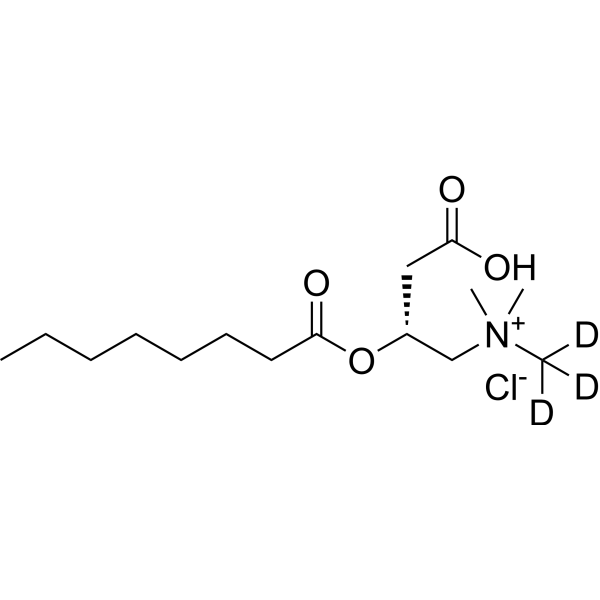 0 ImagesOctanoyl-L-carnitine-d3 (chloride) is the deuterium labeled Octanoyl-L-carnitine chloride.
-
Dibutyl phosphate-d18
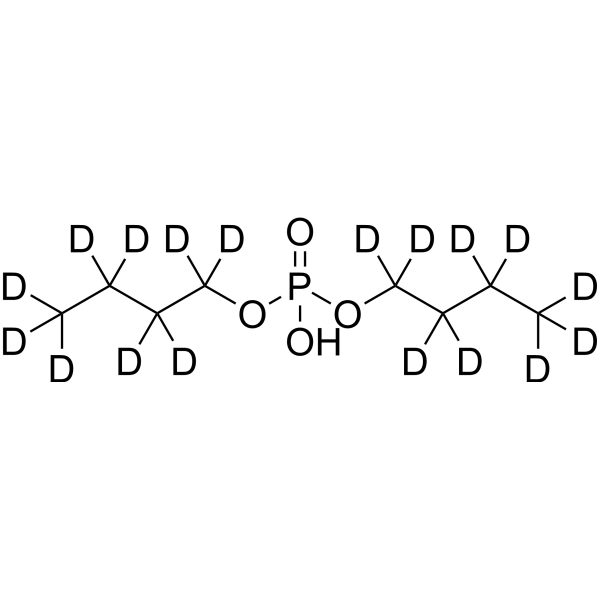 0 ImagesSynonyms: DBUP-d18Dibutyl Phosphate-d18 is a deuterium labeled compound.



