



Isotope-Labeled Compounds
Isotope-labeled compounds are chemical substances in which some atoms in their molecules are replaced by isotope atoms. The range of stable isotope products can cover from gases to complex molecules. Isotope-labeled compounds could provide a site-specific investigation of structures, making molecules easily detectable by mass spectrometry and NMR, and maintaining the physico-chemical properties of the target molecule at the same time.
MCE isotope-labeled compounds are all stable isotope-labeled compounds and are non-radioactive labeled substances. MCE isotope-labeled compounds are unique tools for identifying and understanding biological and chemical processes. Stable isotope-labeled products are now getting more and more popular among scientists. The scope of application is gradually penetrating into various scientific fields, such as life sciences, food and medicine, agriculture, environment, geology, etc. Stable isotope-labeled compounds have a wide range of applications in the Life Science areas, such as Metabolomics, Proteomics, Clinical studies, Deuterium drugs, etc.
All Product Categories
-
Isotope-Labeled Compounds Related Products (11128)
Related Products (11128)

-
D-Phenylalanine-d8
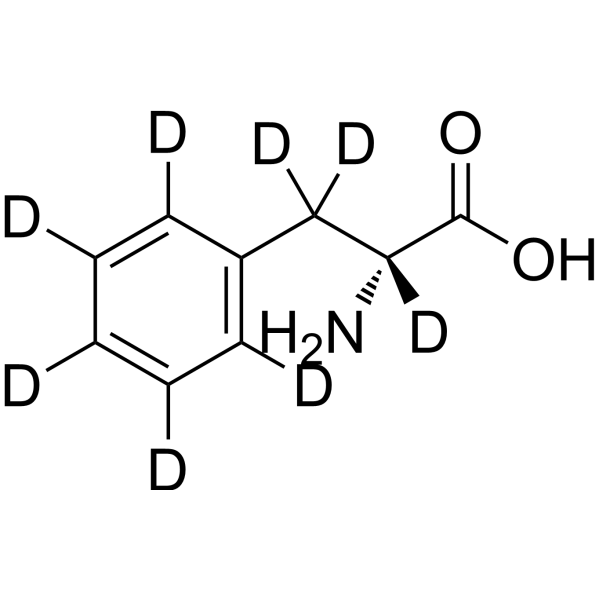 0 ImagesD-Phenylalanine-d8 is the deuterium labeled D-Phenylalanine. D-Phenylalanine is the synthetic dextro isomer of phenylalanine. D-Phenylalanine inhibits biofilm development of Pseudoalteromonas sp. SC2014.
-
Roxithromycin-d7
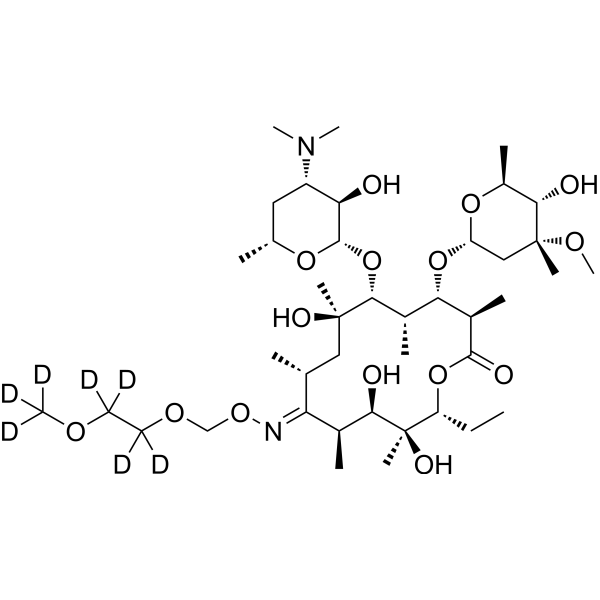 0 ImagesCat. No.: HY-B0435SPurity: 99.36%Synonyms: RU-28965-d7Roxithromycin-d7 (RU-28965-d7) is the deuterium labeled Roxithromycin (HY-B0435). Roxithromycin (RU-28965) is a semi-synthetic macrolide antibiotic.
-
Arachidic acid-d3
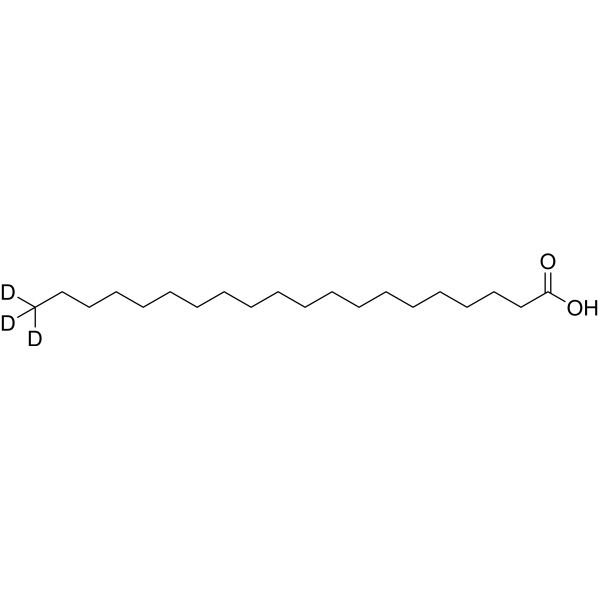 0 ImagesCat. No.: HY-W004260S2CAS No.: 202480-70-4Synonyms: Icosanoic acid-d3Arachidic acid-d3 is the deuterium labeled Arachidic acid (HY-W004260). Arachidic acid (Eicosanoic acid) is a long-chain saturated fatty acid. Arachidic acid can be found in the human organism from the plasma phospholipid, fish, cannabis and other plant oils. Arachidic acid conjugated with Chitosan oligosaccharide (HY-112108) can be used for anti-cancer drug delivery research.
-
L-Ornithine-15N2 hydrochloride
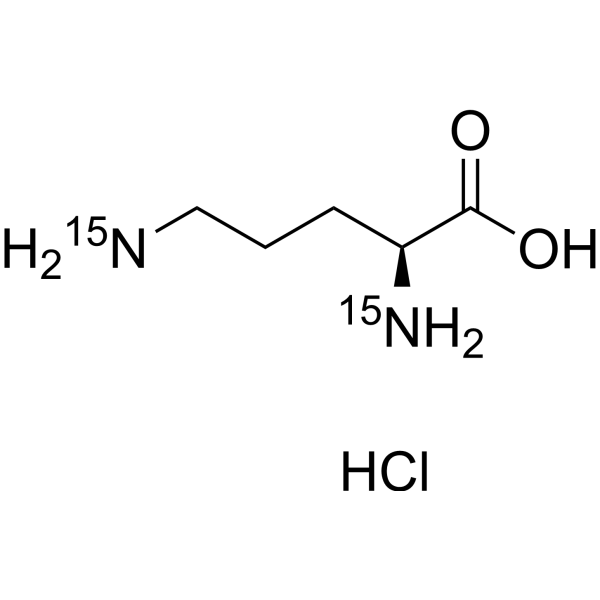 0 ImagesL-Ornithine-15N2 hydrochloride is the 15N-labeled L-Ornithine (hydrochloride) (HY-W017018). L-Ornithine hydrochloride is an orally active CaSR and p38 activator. L-Ornithine hydrochloride inhibits ROS and supports urea cycle function. L-Ornithine hydrochloride can be used to study kidney diseases involving proximal tubular cell damage caused by oxidative stress or crystallopathy, as well as research related to anxiety disorders.
-
Sodium α-ketoisocaproic acid-13C2
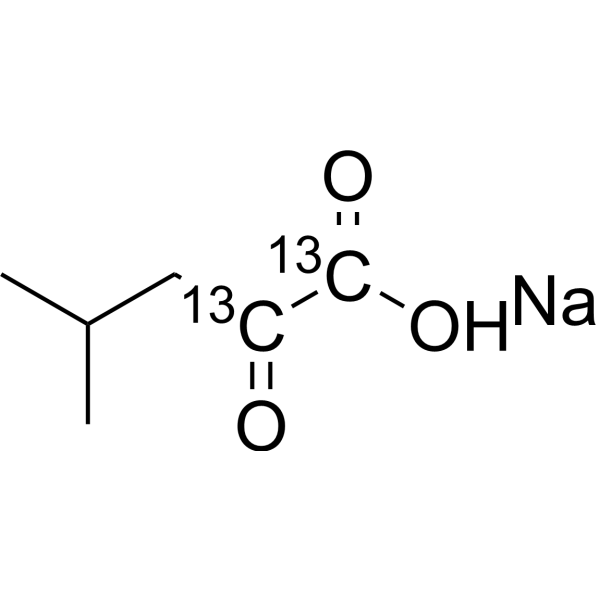 0 ImagesSynonyms: Sodium 4-methyl-2-oxopentanoate-13C2; 2-Ketoisocaproic acid-13C2 sodium saltSodium α-ketoisocaproic acid-13C2 is the 13C labeled Sodium α-ketoisocaproic acid.
-
delta-Valerobetaine-d9 chloride
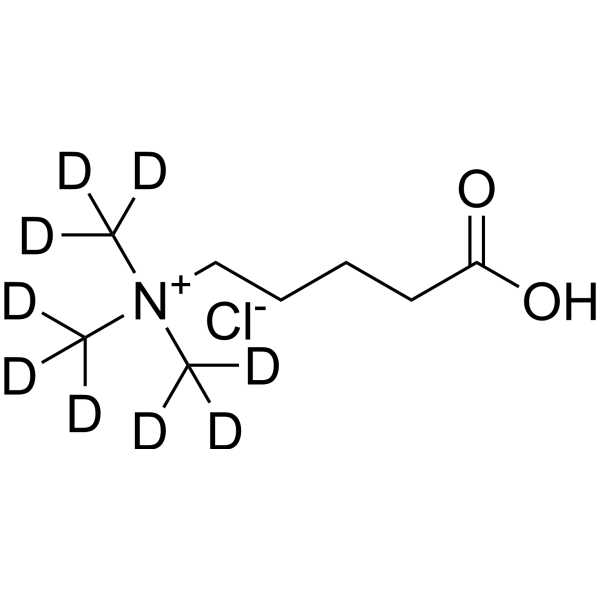 0 Imagesdelta-Valerobetaine-d9 chloride is the deuterium labeled delta-Valerobetaine (HY-114202). delta-Valerobetaine is a precursor of trimethylamine N-oxide (TMAO).
-
C18:1-Ceramide-13C18
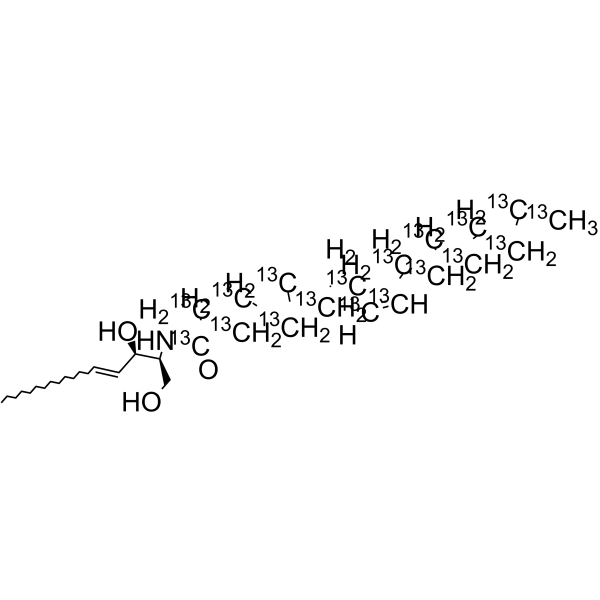 0 ImagesCat. No.: HY-141578SC18:1-Ceramide-13C18 is the 13C-labeled C18:1-Ceramide (HY-141578). C18:1-Ceramide is a ceramide subspecies belonging to bioactive lipids. C18:1-Ceramide exhibits activities of inducing skeletal muscle insulin resistance and affecting metabolism. C18:1-Ceramide can be used in the research of obesity, type 2 diabetes (T2D), insulin resistance and other related metabolic diseases.
-
2,4-D-d5
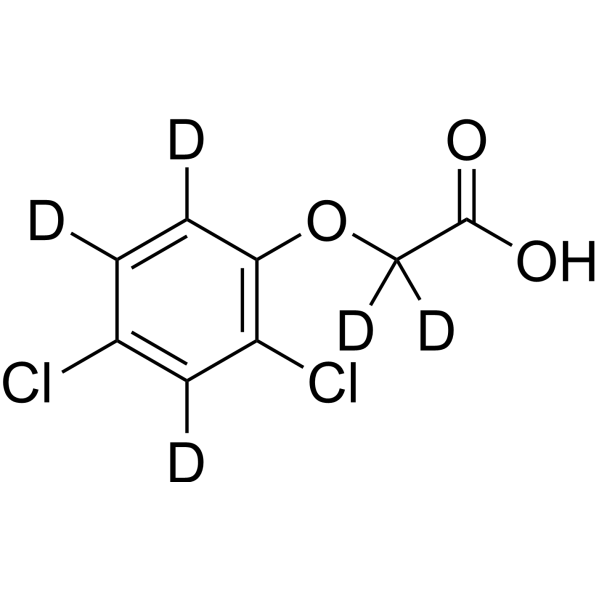 0 Images2,4-D-d5 (2,4-Dichlorophenoxyacetic acid-d5) is the deuterium labeled 2,4-D (HY-18572). 2,4-D (2,4-Dichlorophenoxyacetic acid) is a selective systemic herbicide for the control of broad-leaved weeds. 2,4-D acts as a plant hormone, causing uncontrolled growth in the meristematic tissues. 2,4-D inhibits DNA and protein synthesis and thereby prevents normal plant growth and development.
-
Vasopressin-d5 TFA
 0 ImagesCat. No.: HY-B1811AS1Purity: 98.03%Synonyms: Arginine vasopressin-d5 TFA; Antidiuretic hormone-d5 TFAVasopressin-d5 TFA is the TFA salt form of Vasopressin-d5 (HY-B1811S1). Vasopressin-d5 TFA is an isotope-labeled compound of Vasopressin (HY-B1811). Vasopressin is a cyclic nonapeptide that is synthesized centrally in the hypothalamus. Vasopressin participates in the hypothalamic-pituitary-adrenal axis and regulates pituitary corticotropin secretion by potentiating the stimulatory effects of the corticotropin-releasing factor. Vasopressin also can act as a neurotransmitter, exerting its action by binding to specific G protein-coupled receptors.
-
Palmitic acid-13C2
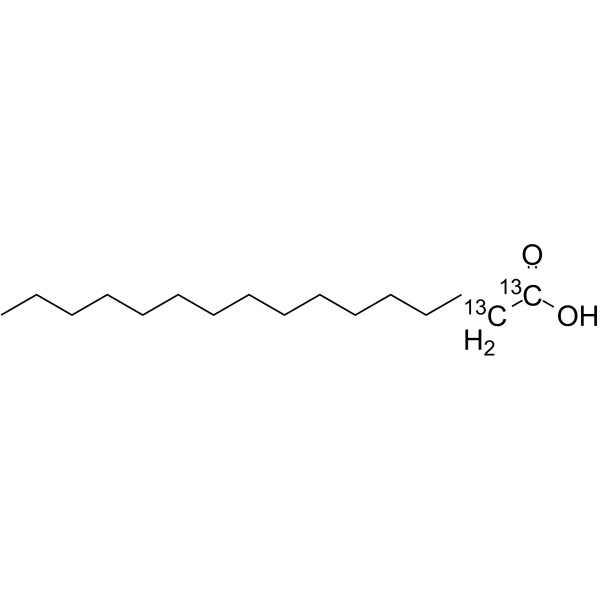 0 ImagesPalmitic acid-13C2 is the 13C-labeled Palmitic acid. Palmitic acid is a long-chain saturated fatty acid commonly found in both animals and plants. Palmitic acid can induce the expression of glucose-regulated protein 78 (GRP78) and CCAAT/enhancer binding protein homologous protein (CHOP) in in mouse granulosa cells.
-
Tofacitinib-13C3
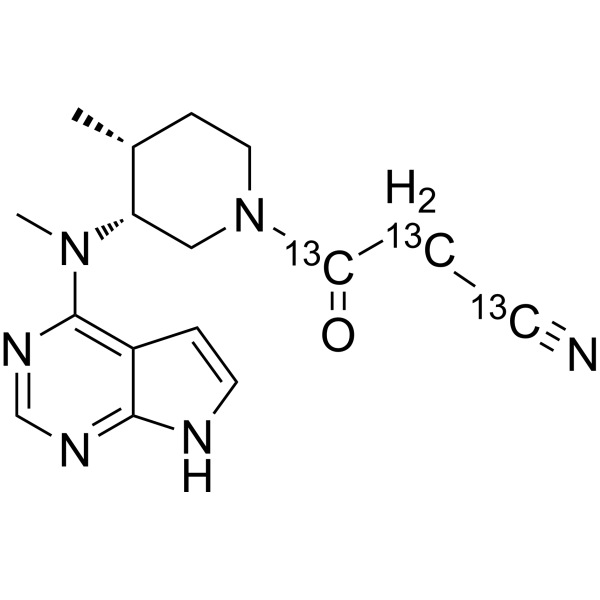 0 ImagesSynonyms: Tasocitinib-13C3; CP-690550-13C3Tofacitinib-13C3 (Tasocitinib-13C3; CP-690550-13C3) is the 13C-labeled Tofacitinib (HY-40354). Tofacitinib (Tasocitinib) is an orally active, blood-brain barrier permeable selective inhibitor of JAK1/JAK3. Tofacitinib blocks the JAK-STAT/NF-κB signaling pathway, inhibits cytokine signal transduction, phosphorylation of STAT1/STAT5, and suppresses innate and adaptive immune responses. Tofacitinib can be used in research related to major depressive disorder, rheumatoid arthritis, pulmonary diseases, systemic lupus erythematosus, and immune-mediated liver injury.
-
C24:1-Ceramide-d7
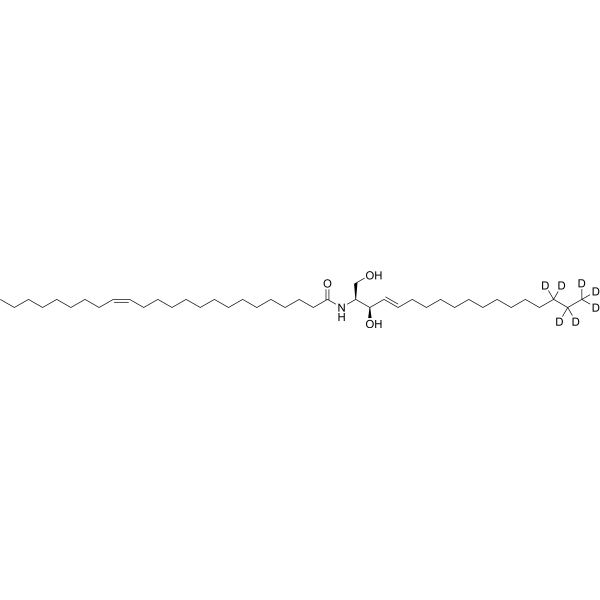 0 ImagesC24:1-Ceramide-d7 is the deuterium labeled C24:1-Ceramide.
-
Melatonin-d7
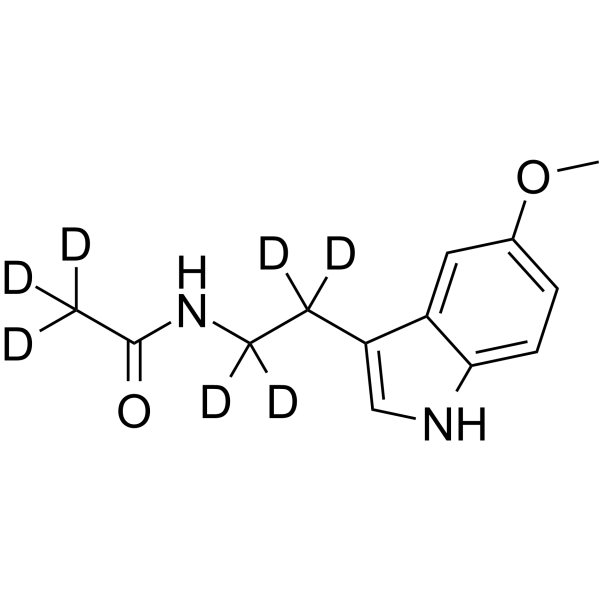 0 ImagesSynonyms: N-Acetyl-5-methoxytryptamine-d7Melatonin-d7 is the deuterium labeled Melatonin (HY-B0075). Melatonin is a hormone made by the pineal gland that can activates melatonin receptor. Melatonin plays a role in sleep and possesses important antioxidative and anti-inflammatory properties. Melatonin is a novel selective ATF-6 inhibitor and induces human hepatoma cell apoptosis through COX-2 downregulation. Melatonin attenuates palmitic acid-induced (HY-N0830) mouse granulosa cells apoptosis via endoplasmic reticulum stress.
-
Vitamin D2-d3
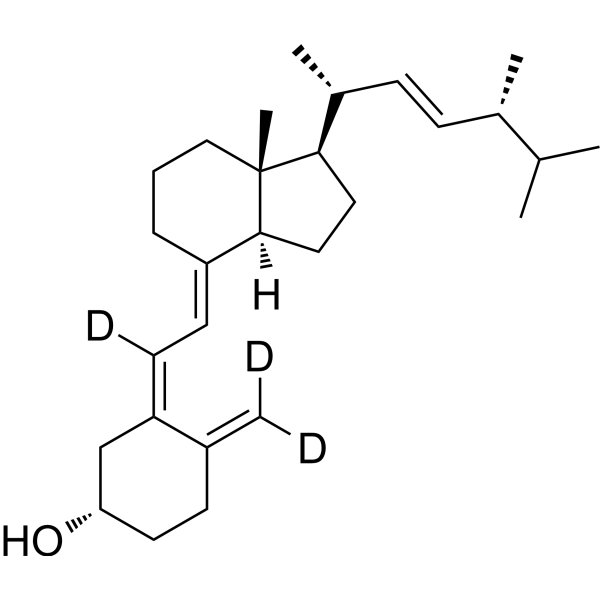 0 ImagesSynonyms: Ergocalciferol-d3; Calciferol-d3; VD2-d3Vitamin D2-d3 (Ergocalciferol-d3) is the deuterium labeled vitamin D2 (HY-76542), where the C-6 and C-19 protons are replaced by deuterium. Vitamin D2 (Ergocalciferol), drived from plant sources or dietary supplements, could be used as supplement of Vitamin D.
-
Glycyl-Exatecan-d5 hydrochloride
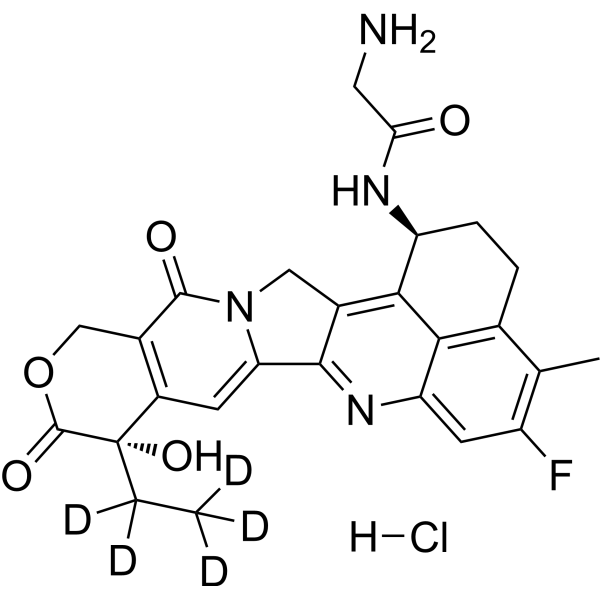 0 ImagesCat. No.: HY-128995ASPurity: 98.97%Synonyms: Glycyl-DX-8951-d5 hydrochloride; Exatecan analog 2-d5 hydrochlorideGlycyl-Exatecan-d5 (Glycyl-DX-8951-d5) hydrochloride is deuterium labeled Glycyl-Exatecan (HY-128995A). Glycyl-Exatecan (Glycyl-DX-8951), a derivative of Exatecan (HY-13631), is an anticancer agent. Glycyl-Exatecan has significantly antitumor activity. Glycyl-Exatecan can be used for cancers like solid tumors research.
-
(E,E)-Farnesol-d6
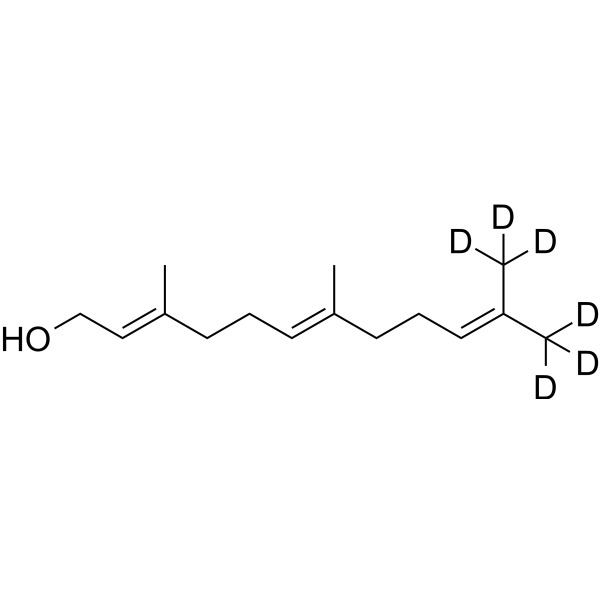 0 ImagesSynonyms: trans,trans-Farnesol-d6; (2E,6E)-Farnesol-d6(E,E)-Farnesol-d6 (trans,trans-Farnesol-d6) is deuterium labeled (E,E)-Farnesol (HY-Y0248). (E,E)-Farnesol (trans,trans-Farnesol) is a quorum-sensing molecule of Candida species. (E,E)-Farnesol can inhibit the growth, metabolism and biofilm formation of various Candida species, and affect their morphology and invasiveness.
-
4-Acetamidobutanoic acid-d3
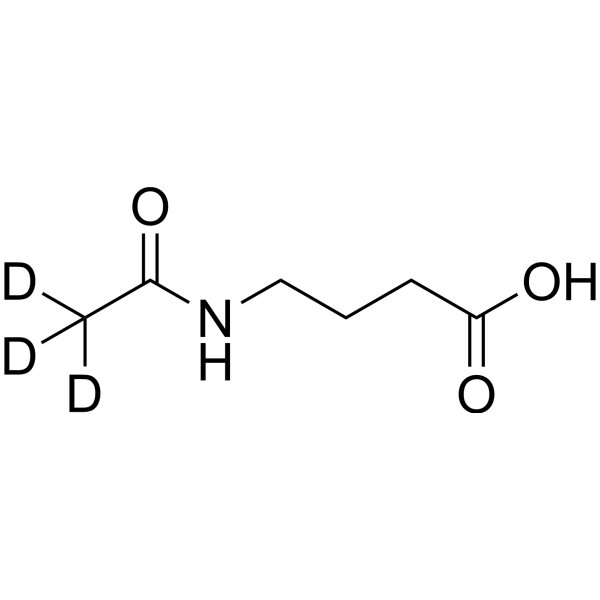 0 ImagesCat. No.: HY-101411SSynonyms: N-acetyl GABA-d34-Acetamidobutanoic acid-d3 is the deuterated analog of 4-Acetamidobutanoic acid (HY-101411). 4-Acetamidobutanoic acid (N-acetyl GABA), the main metabolite of GABA, exhibits antioxidant and antibacterial activities.
-
Gluconate-13C6 sodium
 0 ImagesSynonyms: D-Gluconic acid-13C6 sodium; D-Gluconate-13C6 sodiumGluconate sodium-13C6 (D-Gluconic acid sodium salt-13C6) is the 13C-labeled Gluconate sodium (HY-B1092A). Gluconate sodium (D-Gluconic acid sodium salt) is an orally active glucose derivative. Gluconate sodium reduces nitric oxide and inflammatory cytokines (IL-1β and IL-6). Gluconate sodium inhibits ERK phosphorylation. Gluconate sodium has antioxidant and antiplatelet activation activities. Gluconate sodium has antitumor activity against colorectal cancer. Gluconate sodium improves osteoarthritis, intestinal damage and acute lung injury.
-
Glycine-d3
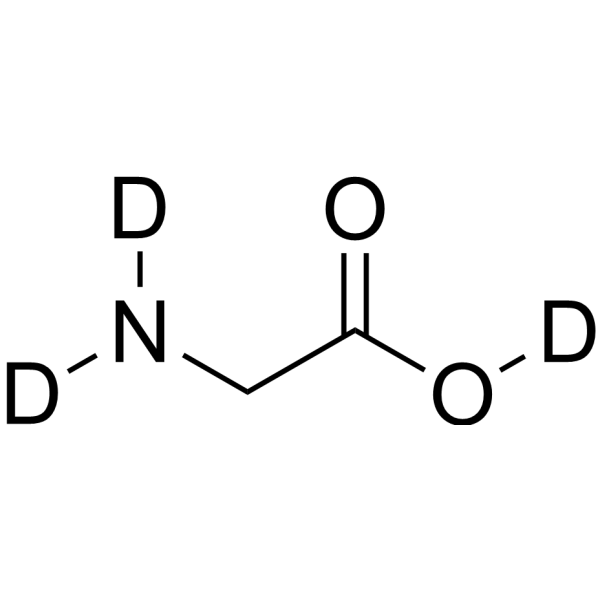 0 ImagesGlycine-d3 is the deuterium labeled Glycine. Glycine is an inhibitory neurotransmitter in the CNS and also acts as a co-agonist along with glutamate, facilitating an excitatory potential at the glutaminergic N-methyl-D-aspartic acid (NMDA) receptors.
-
Corticosterone-d4
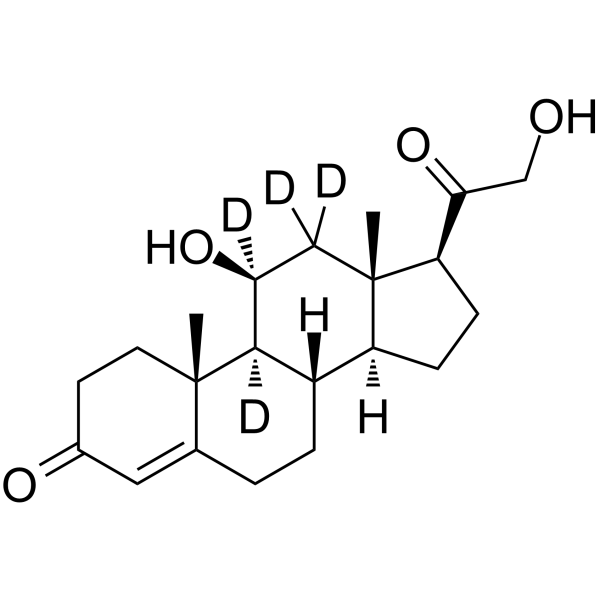 0 ImagesSynonyms: 17-Deoxycortisol-d4; 11β,21-Dihydroxyprogesterone-d4; Kendall's compound B-d4Corticosterone-d4 is the deuterium labeled Corticosterone. Corticosterone is an adrenocortical steroid that has modest but significant activities as a mineralocorticoid and a glucocorticoid.



