



mGluR
Metabotropic glutamate receptors
mGluR (metabotropic glutamate receptor) is a type of glutamate receptor that are active through an indirect metabotropic process. They are members of thegroup C family of G-protein-coupled receptors, or GPCRs. Like all glutamate receptors, mGluRs bind with glutamate, an amino acid that functions as an excitatoryneurotransmitter. The mGluRs perform a variety of functions in the central and peripheral nervous systems: mGluRs are involved in learning, memory, anxiety, and the perception of pain. mGluRs are found in pre- and postsynaptic neurons in synapses of the hippocampus, cerebellum, and the cerebral cortex, as well as other parts of the brain and in peripheral tissues. Eight different types of mGluRs, labeled mGluR1 to mGluR8, are divided into groups I, II, and III. Receptor types are grouped based on receptor structure and physiological activity.
mGluR Isoform Specific Products
All Product Categories
-
mGluR Related Products (400)
Related Products (400)

-
Antibodies (8)
-
mGluR Isoform Comparison
-
Oxomemazine
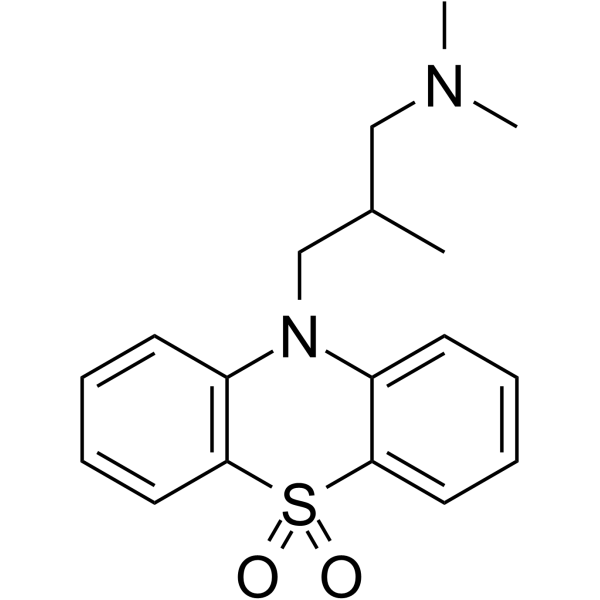 0 ImagesOxomemazine is a phenothiazine-based histamine H1-receptor blocker. Oxomemazine is a selective antagonist for muscarinic M1 receptor, displays about 20-fold difference in the affinity for high (Ki = 84 nM, M1 receptor) and low (Ki = 1.65 μM, M2 receptor) affinity sites. Oxomemazine is an antihistamine and anticholinergic agent used for the study of cough treatment. Oxomemazine is protective against anaphylactic microshock in guinea pigs.
-
LY367385
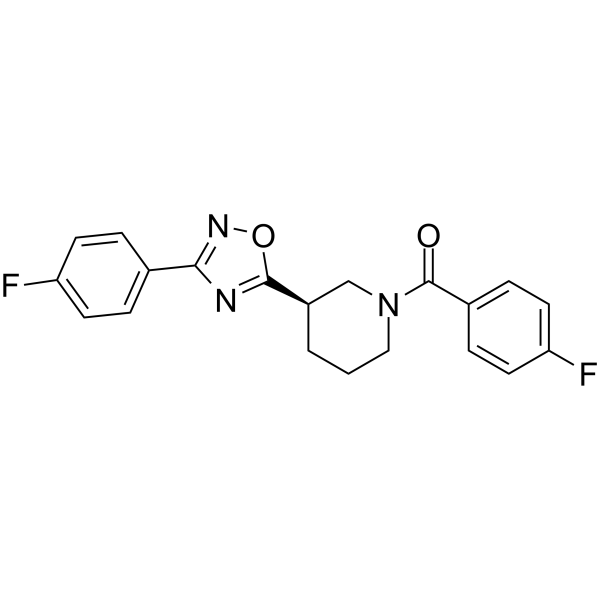
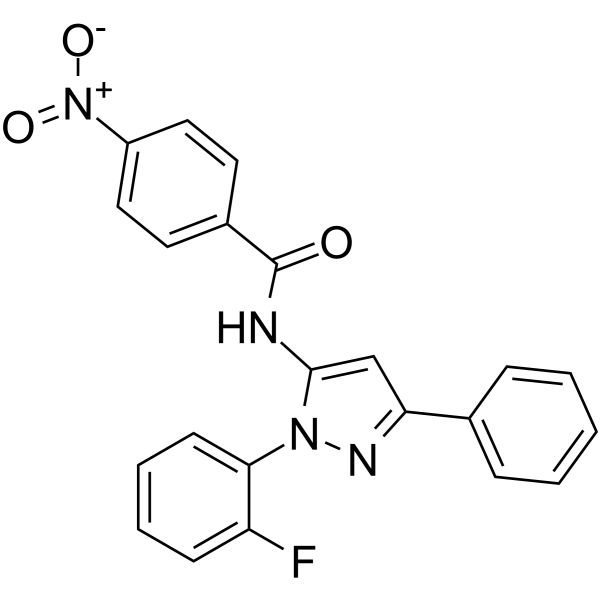
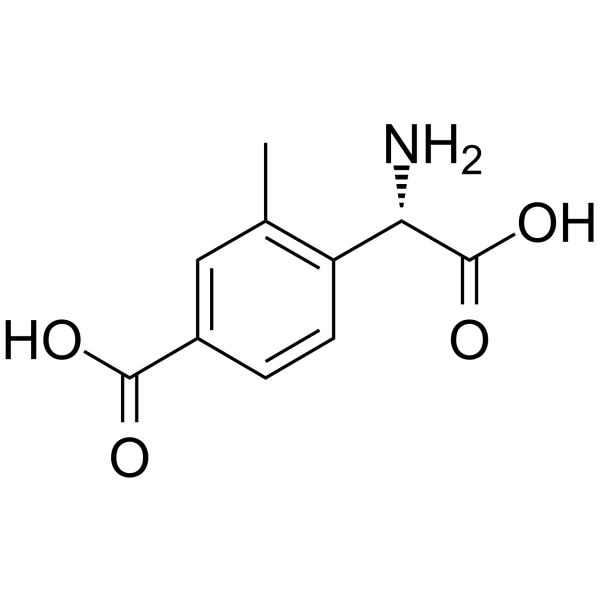 0 ImagesLY367385 is a highly selective and potent mGluR1a antagonist. LY367385 has an IC50 of 8.8 μM for inhibiting of quisqualate-induced phosphoinositide (PI) hydrolysis, compared with >100 μM for mGlu5a. LY367385 has neuroprotective, anticonvulsant and antiepileptic effects.
-
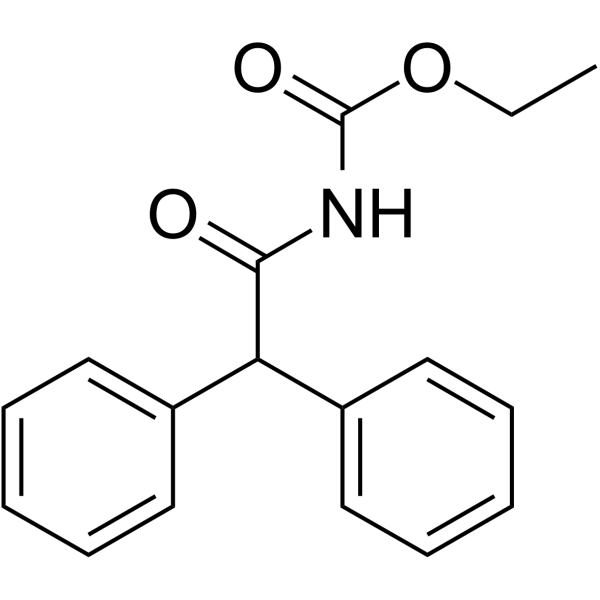
ML254
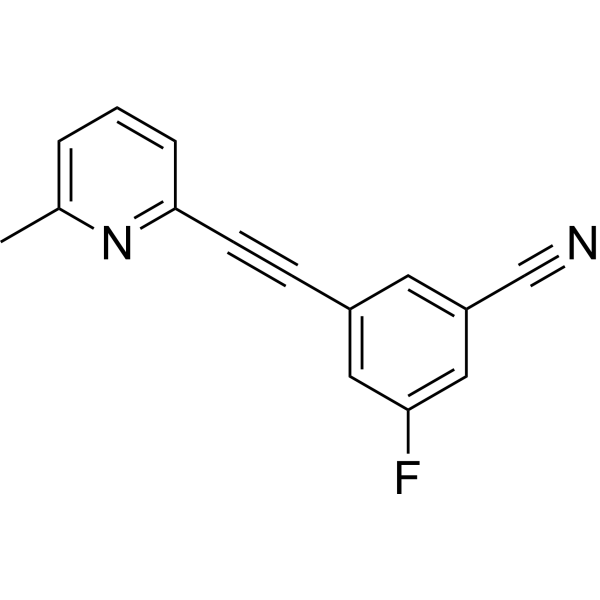
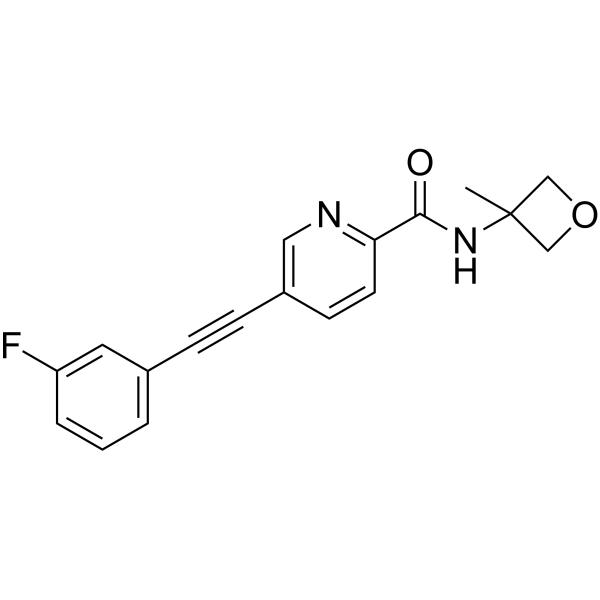 0 ImagesCat. No.: HY-16654CAS No.: 1428630-86-7ML254 is a potent mGlu5 potentiator, with EC50 and pEC50 of 9.3 nM and 8.03 nM for rat mGlu5, respectively. ML254 can be used for researching schizophrenia. ML254 is a click chemistry reagent, it contains an Alkyne group and can undergo copper-catalyzed azide-alkyne cycloaddition (CuAAc) with molecules containing Azide groups.
-
(2R,4R)-APDC hydrate
 0 ImagesCat. No.: HY-102091APurity: 98.0%Synonyms: (2R,4R)-4-Aminopyrrolidine-2,4-dicarboxylic acid hydrate(2R,4R)-APDC hydrate ((2R,4R)-4-Aminopyrrolidine-2,4-dicarboxylic acid hydrate) is a group II metabotropic glutamate receptor (mGluR) agonist. (2R,4R)-APDC hydrate affects cell proliferation by inhibiting glutamate release, enhancing motor responses produced by D1 receptor activation, or reducing brain-derived neurotrophic factor (BDNF) levels. (2R,4R)-APDC hydrate can be used in the study of epilepsy and other neurological diseases.
-
N,N-Dipropyldopamine hydrobromide
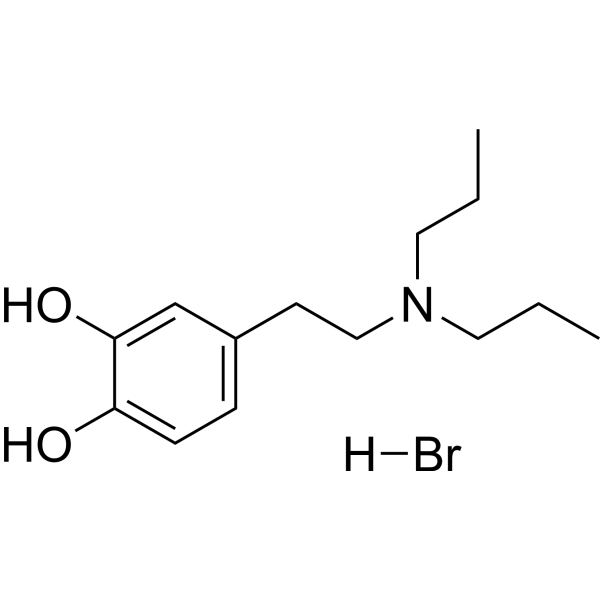 0 ImagesN. N-dipropyrldopamine is a potent inhibitor of glutamate release and has anticancer activity. The increase of glutamate secretion leads to cancer-induced bone pain (CIBP). N. N-dipropyrldopamine plays an analgesic role in CIBP.
-
PHCCC(4Me)
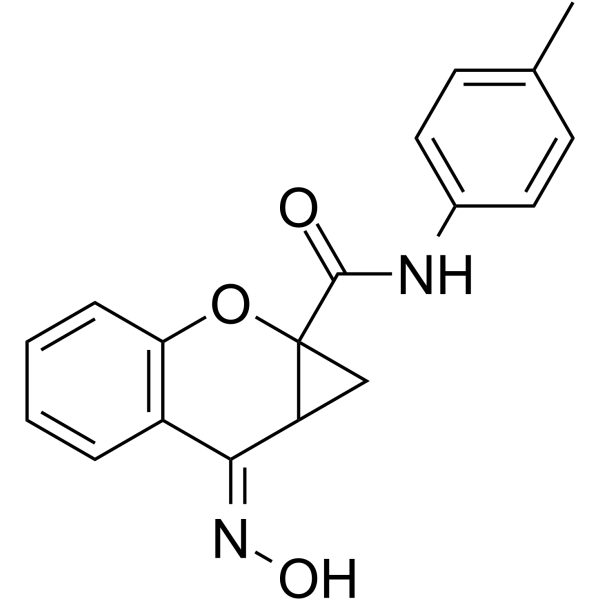 0 ImagesSynonyms: THCCC
-
LY3020371
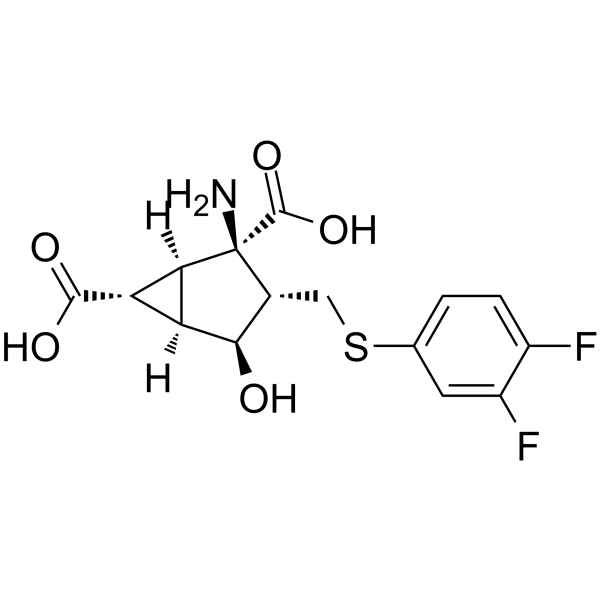 0 ImagesCat. No.: HY-131289CAS No.: 1377615-75-2LY3020371 is a potent and selective antagonist of glutamate (mGlu) 2/3 receptor, with Kis of 5.26 and 2.50 nM for hmGluR2 and hmGluR3, respectively. LY3020371 can be used for the research of depression.
-
EGLU
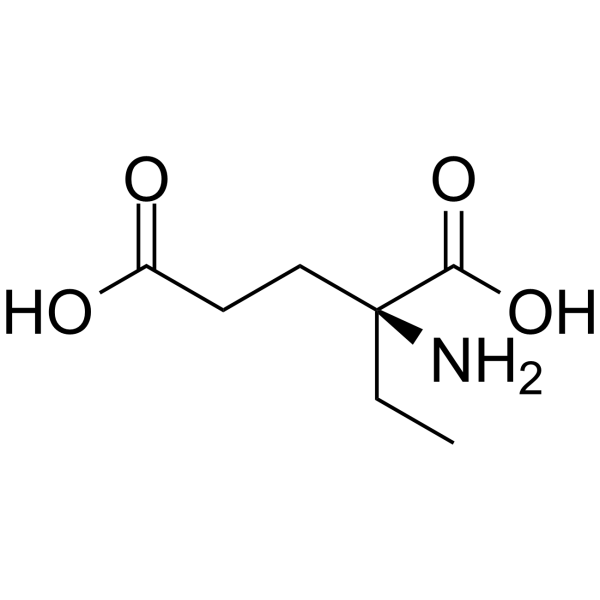 0 ImagesSynonyms: (2S)-α-Ethylglutamic acid; (2S)-α-EGLUEGLU ((2S)-α-Ethylglutamic acid; (2S)-α-EGLU) is a potent and competitive mGluR-2 receptor antagonist. EGLU interacts with (lS,3S)-ACPD-sensitive site with a Kd value of 66 μM. EGLU is an antidepressant agent.
-
LY2812223
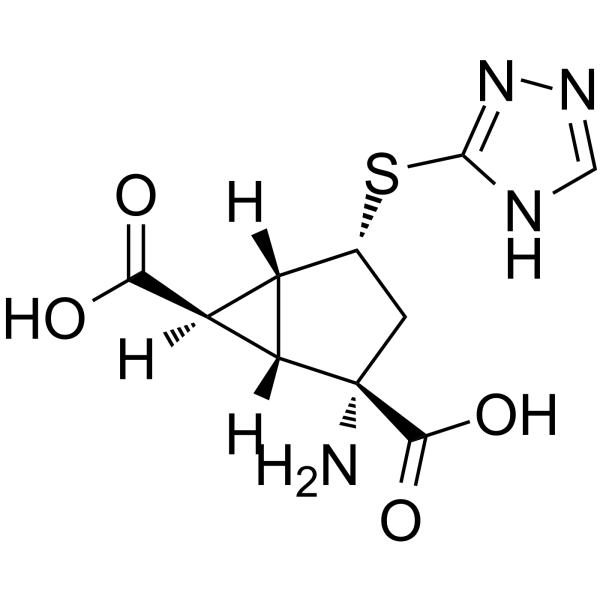 0 ImagesLY2812223 is a highly potent, functionally selective mGlu2 receptor agonist with mGlu2 binding affinity for mGlu2 and mGlu3 (Ki=144 nM and 156 nM, respectively).
-
L-Glutamine-d4
 0 ImagesCat. No.: HY-N0390S15Synonyms: L-Glutamic acid 5-amide-d4L-Glutamine-d4 (L-Glutamic acid 5-amide-d4) is the deuterium labeled L-Glutamine (HY-N0390). L-Glutamine is a non-essential amino acid present abundantly throughout the body and involved in many metabolic processes. L-Glutamine provides a source of carbons for oxidation in some cells.
-
(±)-LY367385
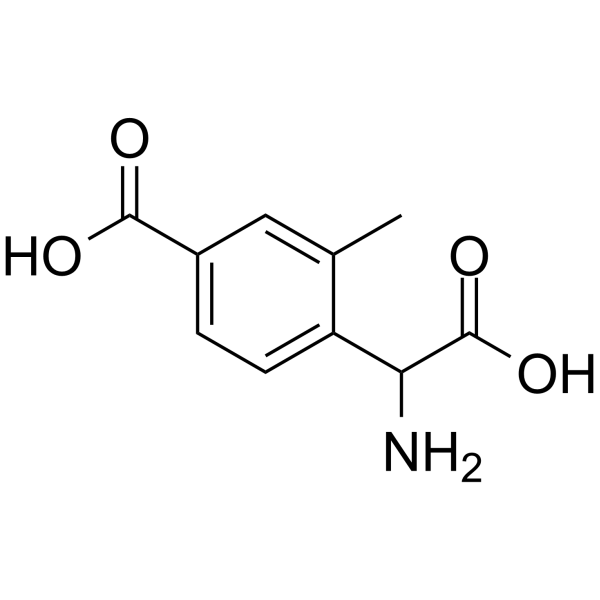 0 Images(±)-LY367385 is the racemate of LY367385. LY367385 is a highly potent and selective mGluR1a antagonist. LY367385 has an IC50 of 8.8 μM for inhibits of quisqualate-induced phosphoinositide (PI) hydrolysis, compared with > 100 μM for mGlu5a.
-
VU0364770 hydrochloride
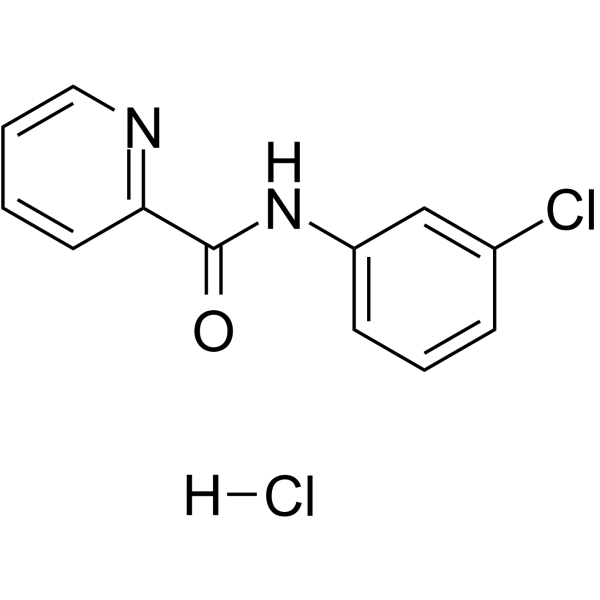 0 ImagesVU0364770 hydrochloride is a selective and potent positive allosteric modulator (PAM) of mGlu4. VU0346770 hydrochloride exhibits EC50s of 290 nM and 1.1 μM at rat mGlu4 and human mGlu4 receptor, respectively. VU0364770 hydrochloride exhibits antagonist activity at mGlu5 with a potency of 17.9 μM and PAM activity at mGlu6 with a potency of 6.8 μM. VU0364770 hydrochloride also possesses activity at MAO with Ki values of 8.5 and 0.72 μM for human MAO-A and human MAO-B, respectively.




