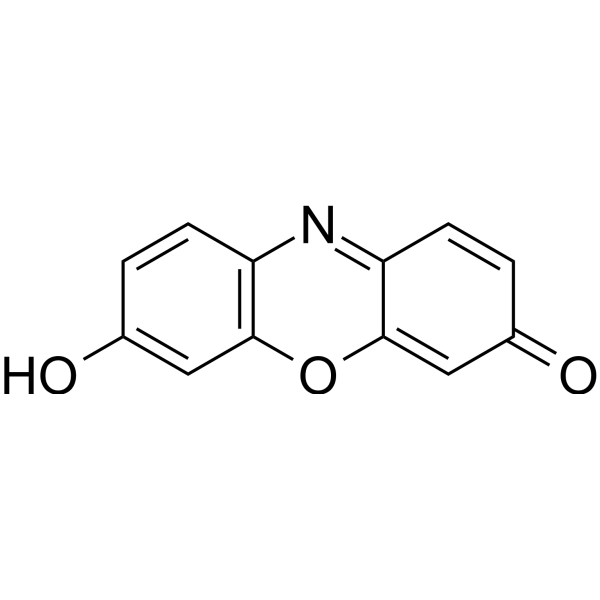
Reactive Oxygen Species (ROS)
Reactive oxygen species (ROS), such as superoxide anion (O2-), hydrogen peroxide (H2O2), and hydroxyl radical (HO•), consist of radical and non-radical oxygen species formed by the partial reduction of oxygen. Cellular ROS are generated endogenously during mitochondrial oxidative metabolism as well as in cellular response to xenobiotics, cytokines, and bacterial invasion.
ROS also activates MAPK pathways by the direct inhibition of MAPK phosphatases. Through PTEN, the PI3K pathway is subject to reversible redox regulation by ROS generated by growth factor stimulation. The activation of autophagy may be a cellular defense mechanism in response to ROS.
All Product Categories
-
Reactive Oxygen Species (ROS) Inhibitors
(1048)
View all products
-
Reactive Oxygen Species (ROS) Agonists
(37)
View all products
-
Reactive Oxygen Species (ROS) Antagonists
(2)
View all products
-
Reactive Oxygen Species (ROS) Activators
(511)
View all products
-
Reactive Oxygen Species (ROS) Modulators
(22)
View all products
-
Reactive Oxygen Species (ROS) MDM2 Inhibitor
(1)
View all products
-
Reactive Oxygen Species (ROS) Inducers
(628)
View all products
-
Reactive Oxygen Species (ROS) Controls
(5)
View all products
-
Reactive Oxygen Species (ROS) Substrates
(3)
View all products
-
Reactive Oxygen Species (ROS) Related Products (2786)
Related Products (2786)

-
Antibodies (8)
-
CL097
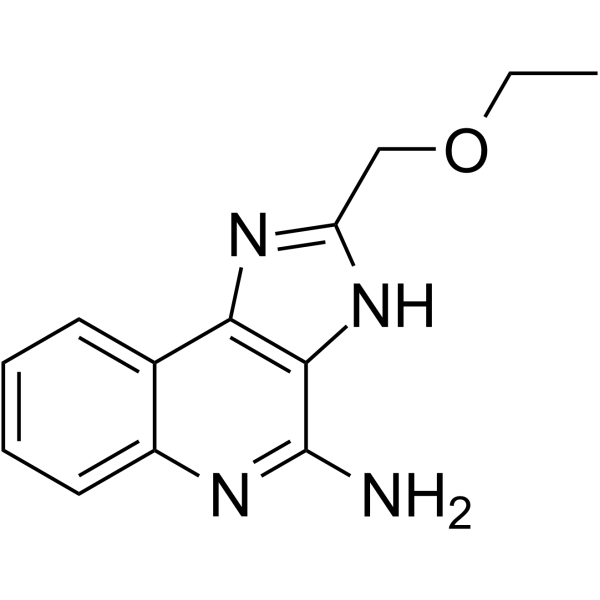 0 ImagesCL097, a potent TLR7 and TLR8 agonist, induces pro-inflammatory cytokines in macrophages. CL097 induces NADPH oxidase priming, resulting in an increase of the fMLF-stimulated ROS production.
-
MDH1-IN-2
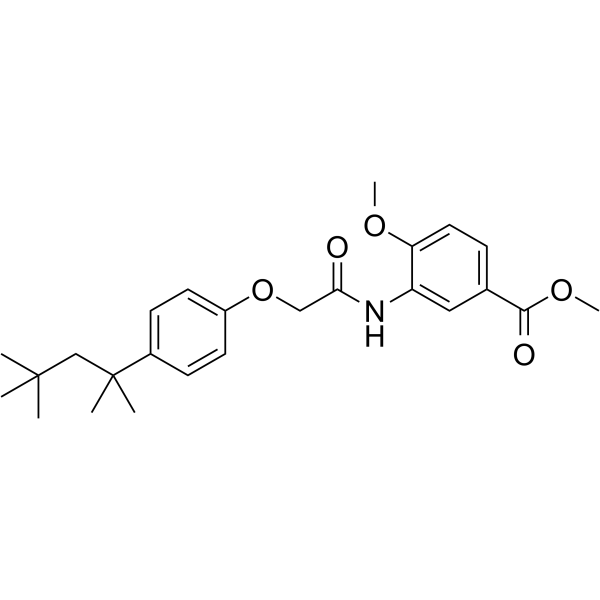 0 ImagesMDH1-IN-2 (Compound 7c) is a selective MDH1 inhibitor, with IC50 values of 2.27 and 27.47 μM for MDH1 and MDH2, respectively. MDH1-IN-2 can reduce the generation of ROS by inhibiting the conversion of 2-Ketoglutaric acid (HY-W013636) to α-Hydroxyglutaric acid (HY-113038B) mediated by MDH1, thereby suppressing 2-Ketoglutaric acid (HY-W013636)-induced ferroptosis.
-
Quinolinic acid-d3
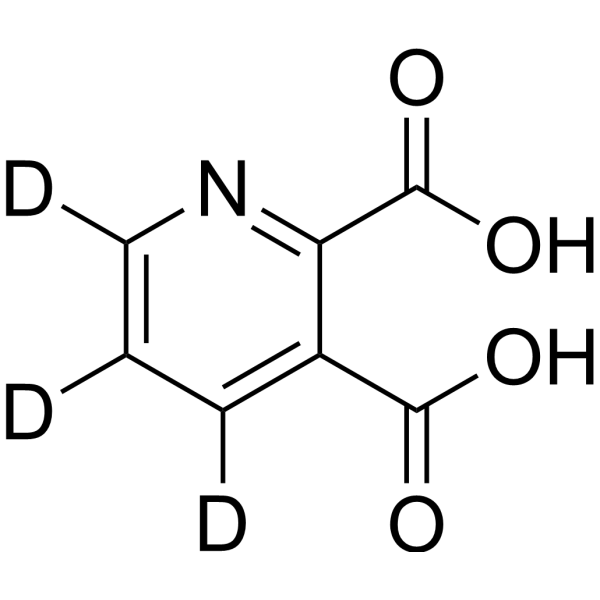 0 ImagesQuinolinic acid-d3 is the deuterium labeled Quinolinic acid. Quinolinic acid, an endogenous metabolite of tryptophan, is a N-methyl-D-aspartate receptor (NMDA receptor) agonist. Quinolinic acid increases glutamate efflux, induces the generation of ROS, activates nitric oxide synthase, produces excessive NO, leading to calcium ion influx and neuronal apoptosis.
-
Solasonine
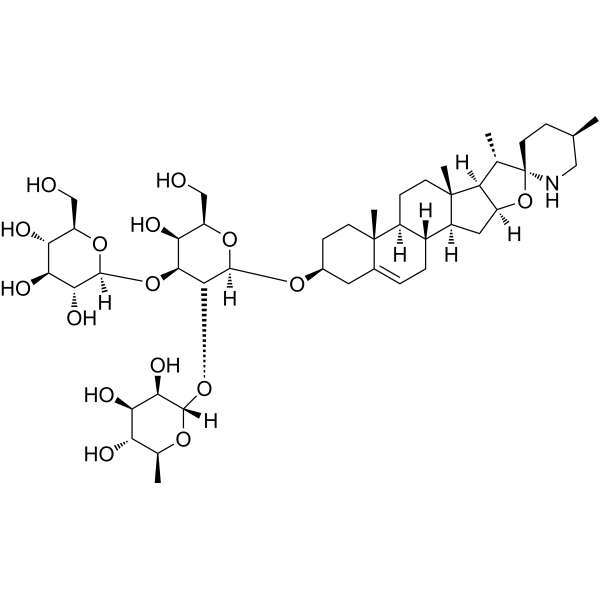 0 ImagesSolasonine is a ferroptosis inducer which can be isolated from Solanum melongena that has anti-infection, anti-cancer, and neurogenesis promoting properties. Solasonine promotes ferroptosis of HCC cells via destruction of the glutathione redox system induced by inhibiting GPX4, and can be used for cancer research.
-
Urolithin C
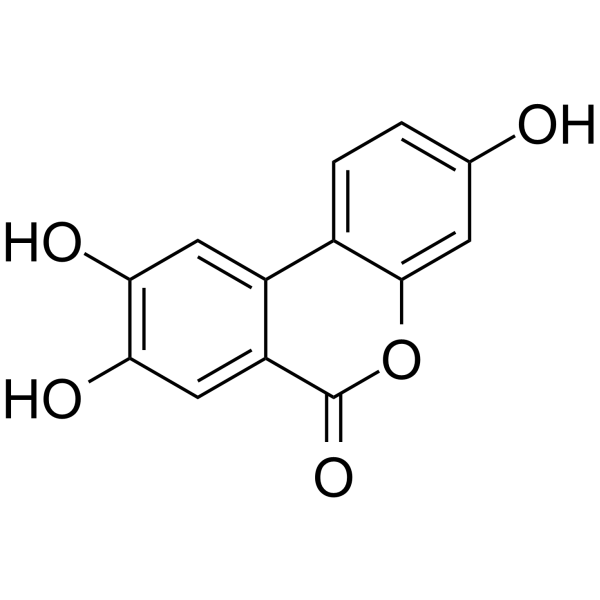 0 ImagesUrolithin C, a gut-microbial metabolite of Ellagic acid, is a glucose-dependent activator of insulin secretion. Urolithin C is a L-type Ca2+ channel opener and enhances Ca2+ influx. Urolithin C induces cell apoptosis through a mitochondria-mediated pathway and also stimulates reactive oxygen species (ROS) formation.
-
D-α-Hydroxyglutaric acid
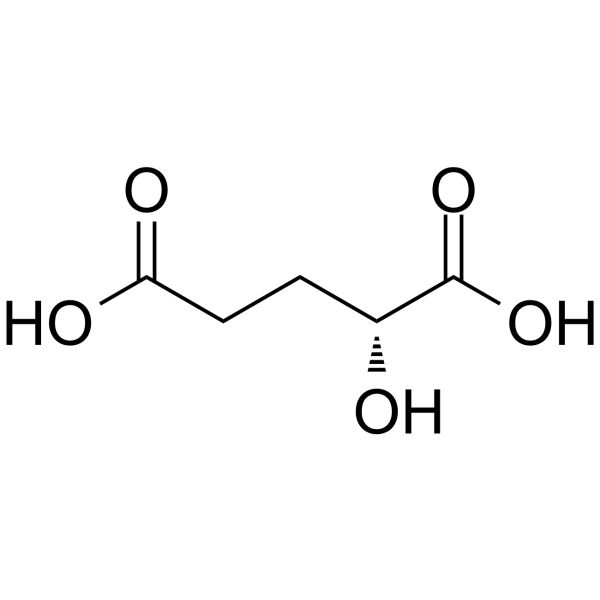 0 ImagesSynonyms: (R)-2-Hydroxyglutarate; (R)-2-Hydroxyglutaric acid; (R)-2-Hydroxypentanedioic acidD-α-Hydroxyglutaric acid ((R)-2-Hydroxyglutarate) is the principal metabolite accumulating in neurometabolic disease D-2-hydroxyglutaric aciduria. D-α-Hydroxyglutaric acid is a weak competitive antagonist of α-ketoglutarate (α-KG) and inhibits multiple α-KG-dependent dioxygenases with a Ki of 10.87 mM. D-α-Hydroxyglutaric acid increases reactive oxygen species (ROS) production. D-α-Hydroxyglutaric acid binds and inhibits ATP synthase and inhibits mTOR signaling.
-
Miglitol
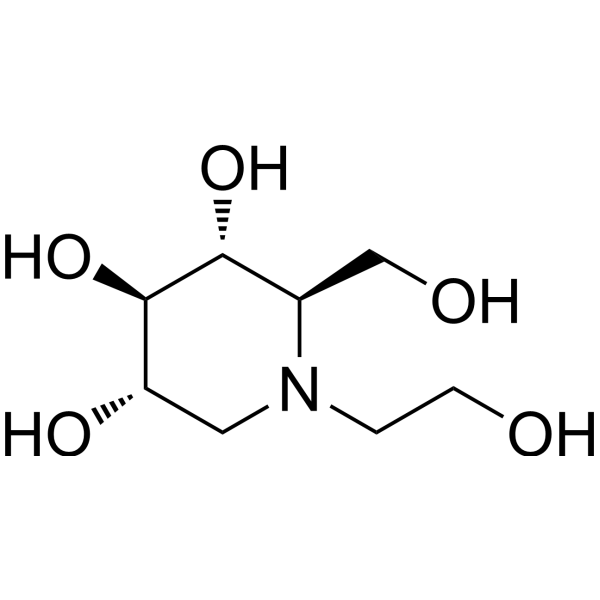 0 ImagesSynonyms: BAY1099; BAY-m1099Miglitol (BAY-m1099) is an orally active antidiabetic compound that inhibits the breakdown of glycoconjugates into glucose. Miglitol inhibits glycoside hydrolase enzymes called α-glucosidases. Miglitol inhibits oxidative stress-induced apoptosis and mitochondrial ROS over-production in endothelial cells by enhancement of AMP-activated protein kinase. Dietary supplementation with Miglitol from pre-onset stage in OLETF rats delays the onset and development of diabetes and preserves the insulin secretory function of pancreatic islets.
-
10-Gingerol
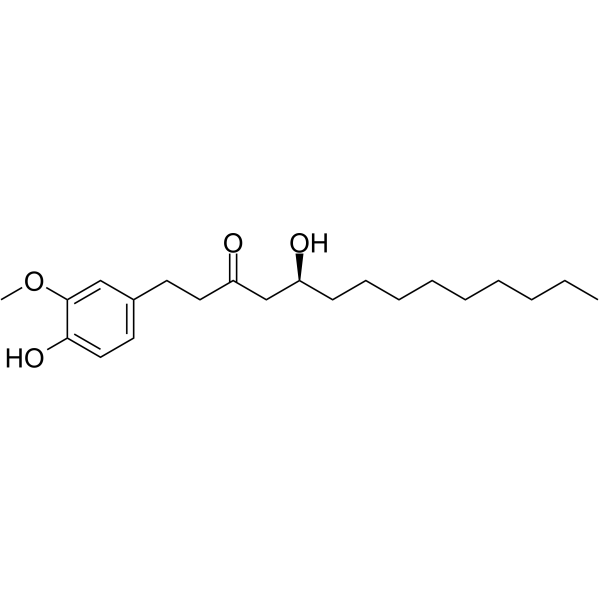 0 Images10-Gingerol is an AMPK agonist, which is found in the ginger oleoresin from fresh rhizome with anti-inflammatory, antioxidant and anti-proliferative activities. 10-Gingerol suppresses neointimal hyperplasia and inhibits vascular smooth muscle cell proliferation. 10-Gingerol exhibits substantial scavenging activities with an IC50 value of 10.47 μM against DPPH radical, an IC50 value of 1.68 μM against superoxide radical and an IC50 value of 1.35 μM against hydroxyl radical. 10-Gingerol inhibits the proliferation of MDA-MB-231 tumor cell line with an IC50 of 12.1 μM. 10-Gingerol suppresses the proliferation, migration, invasion, and induced apoptosis through targeting the PI3K/Akt signaling pathway in MDA-MB-231/IR cells. 10-Gingerol can be used in research on various common cancers such as ovarian cancer and colon cancer, as well as colitis and neurodegenerative diseases.
-
ssRNA40 sodium
 0 ImagesCat. No.: HY-160229Purity: 98.34%Synonyms: R-1075 sodiumssRNA40 sodium (R-1075 sodium) is a single-stranded RNA40 derived from HIV-1. ssRNA40 sodium activates the TLR7, TLR8, TLR2, RIG-I, MDA5, MyD88, Caspase-3, IRE1α, NLRP3 inflammasome and IRF7 signaling pathways. ssRNA40 sodium alters mRNA expression in neutrophils, induces pro-inflammatory cytokines, ROS, autophagy (autophagy), pyroptosis (pyroptosis), neuronal death, neurodegeneration, aggregate formation and NK cell activation. ssRNA40 sodium activates the expression of CD62L, CD11b, CD69, MX1, OAS1, ATG7, LC3B and XBP1 in immune cell and neuronal populations. ssRNA40 sodium causes cortical neuron loss and axonal damage in mice in a TLR7-dependent manner. ssRNA40 sodium can be used in research on HIV-1 infection, neurodegeneration, COVID-19 and HIV-associated neurological disorders.
-
L67
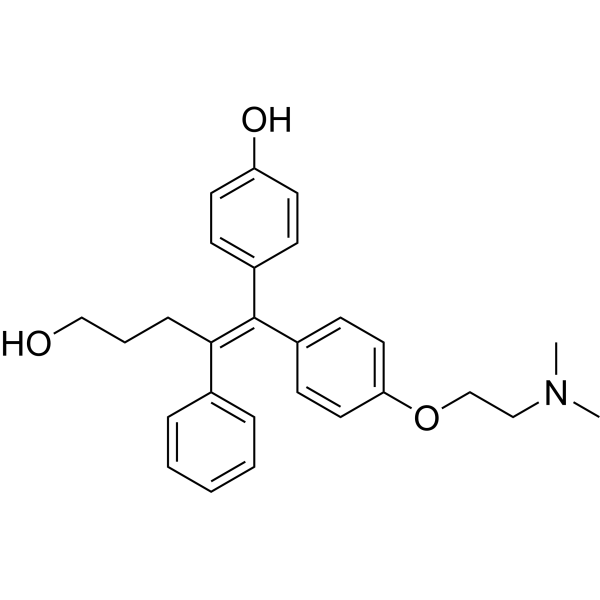
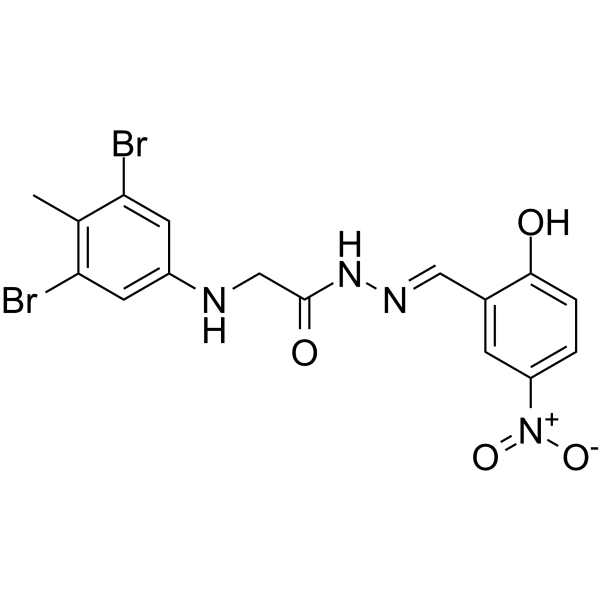 0 ImagesSynonyms: DNA Ligase InhibitorL67 (DNA Ligase Inhibitor) is a competitive DNA ligase inhibitor that effectively inhibits DNA ligases I/III (both IC50 are 10 μM). L67 can cause nuclear DNA damage by reducing levels of mitochondrial DNA and increasing levels of mitochondrially-generated ROS. L67 also activates the Caspase 1-dependent apoptosis pathway in cancer cells, can be used in cancer research.
-
N-trans-Caffeoyltyramine
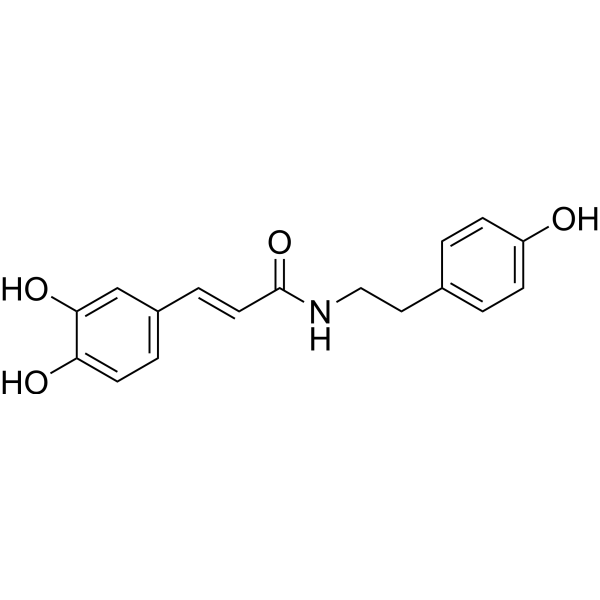 0 ImagesN-TRANS-CaffeoyLtyramine is an effective inflammatory response regulator, which has antioxidant activity and anticoagulation effects.
-
Ophthalmic acid
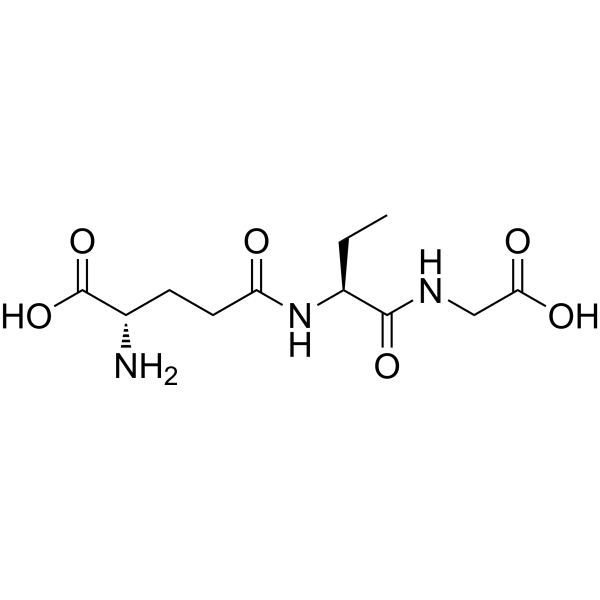 0 ImagesOphthalmic acid is a ubiquitous metabolite and glutathione modulator, with a Ki of 0.95 mM for glyoxalase I. Ophthalmic acid competitively inhibits glyoxalase I, glutathione S-transferase, glutaredoxin, glutamate-cysteine ligase, protein disulfide reductase (glutathione), as well as non-selective cation channels. Ophthalmic acid is applicable in diabetes-related research.
-
Enterobactin
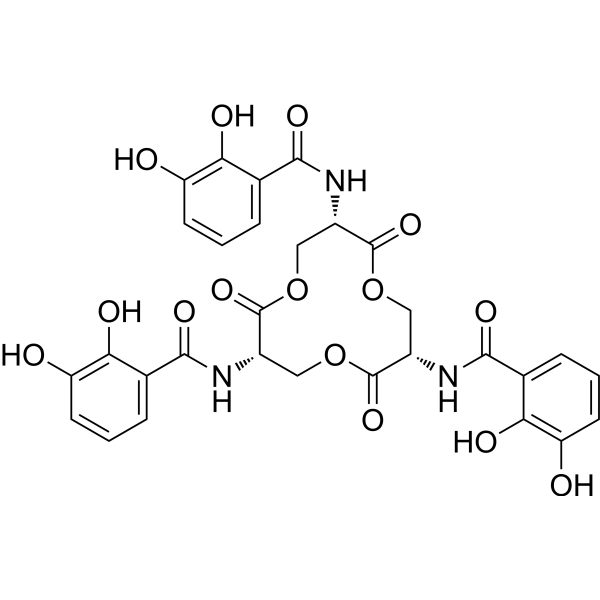 0 ImagesEnterobactin is a siderophore produced by Gram-negative bacteria and has an extremely high affinity for iron. During the process of Salmonella typhimurium infecting macrophages, Enterobactin can not only help bacteria uptake iron but also reduce the antibacterial activity of macrophages. In addition, Enterobactin is also involved in the oxidative stress response of Escherichia coli. Enterobactin can be hydrolyzed by Fes in the cell and exert antioxidant effects by scavenging free radicals.
-
Dapsone
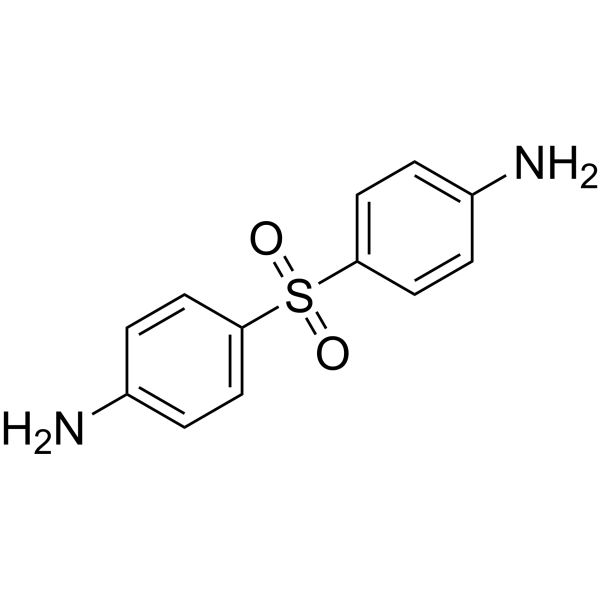 0 ImagesDapsone (4,4′-Diaminodiphenyl sulfone) is an orally active and blood-brain penetrant sulfonamide antibiotic with bacteriostatic, antimycobacterial and antiprotozoal activities. Dapsone?exerts effective antileprosy activity?and inhibits folate synthesis in cell extracts of?M. leprae. Dapsone is used for dermatologic disorder research, including leprosy, dermatitis herpetiformis, acne vulgaris et al.
-
Calycosin-7-O-β-D-glucoside
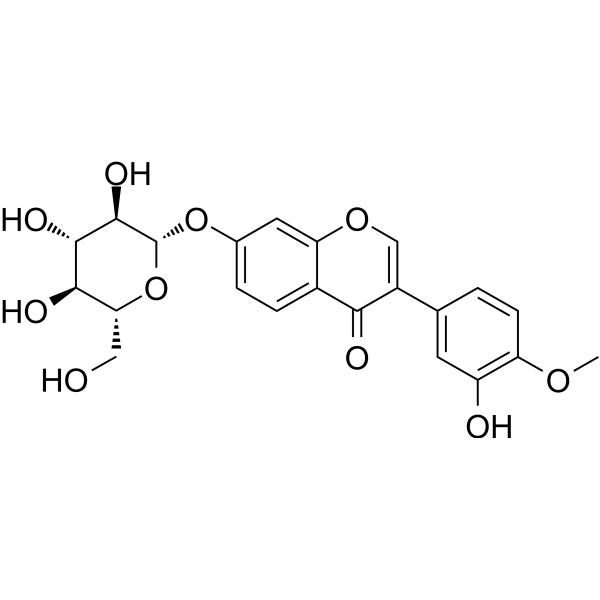 0 ImagesSynonyms: Calycosin-7-glucosideCalycosin-7-O-β-D-glucoside is an isoflavone isolated from Astragali Radix. Calycosin-7-O-β-D-glucoside has variety of biological activities, such as neuroprotective, cardioprotection, anti-inflammation, and antioxidative stress effects.