



Zonisamide sodium
Based on 4 publication(s) in Google Scholar
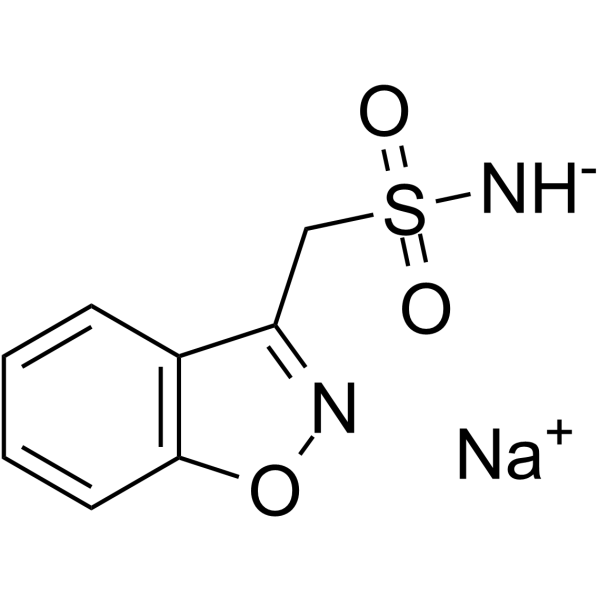
Zonisamide (AD 810) sodium is an orally active carbonic anhydrase inhibitor, with Kis of 35.2 and 20.6 nM for hCA II and hCA V, respectively. Zonisamide sodium exerts neuroprotective effects through anti-apoptosis and upregulating MnSOD levels. Zonisamide sodium also increases the expression of Hrd1, thereby improving cardiac function in AAC rats. Zonisamide sodium can be used in studies of seizure, parkinson’s disease and cardiac hypertrophy.
Nur für Forschungszwecke. Wir verkaufen nicht an Patienten.
- CAS. Nr.: 68291-98-5
- Formel: C8H7N2NaO3S
- Molecular Weight:234.21
-
Speicherung:
Please store the product under the recommended conditions in the Certificate of Analysis.

To place orders, for customer services and technical support, please contact: MedChemExpress USA
Tel: 609-228-6898 E-mail: [email protected] [email protected]


-
 Biologische Aktivität
-
Chemical Information
- Protokoll
- Reinheit & Dokumentation
- Verweise
-
 Help & FAQs


-
HY-B0124
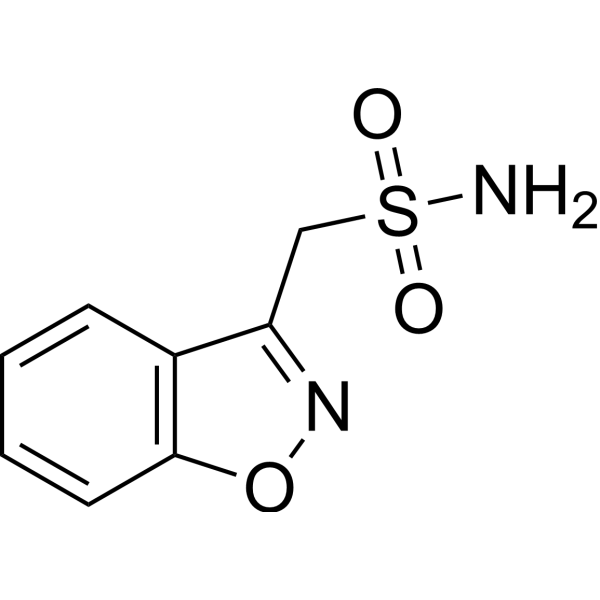
ZonisamideCarbonic Anhydrase Inhibitor -
HY-14650
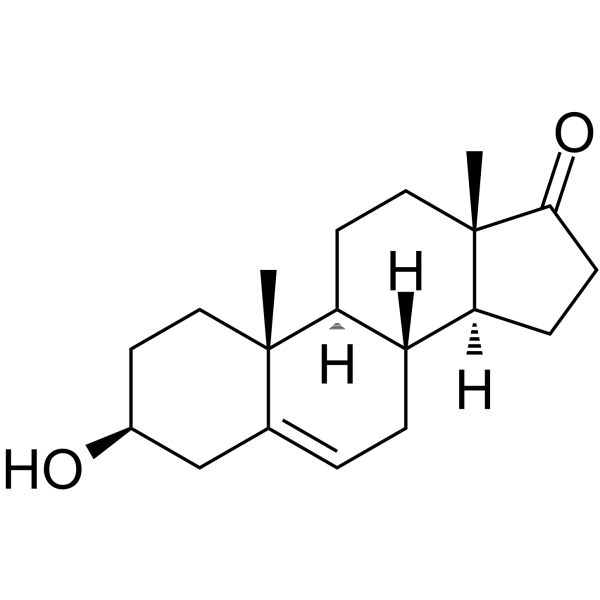
DHEASteroid Hormone -
HY-13434
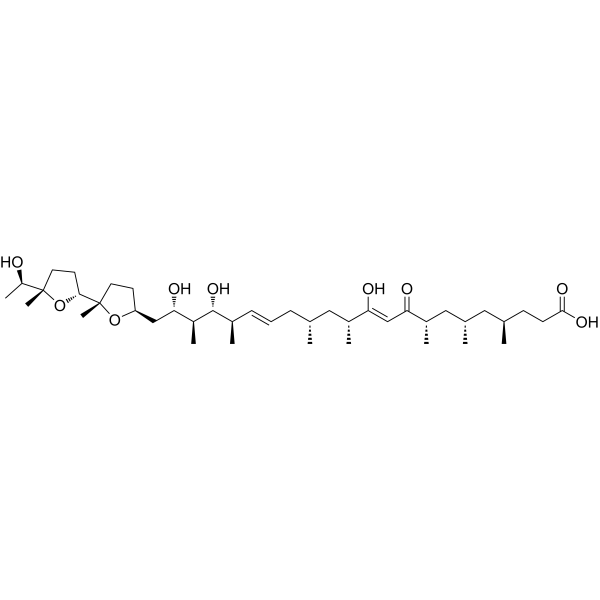
IonomycinCalcium Ionophore -
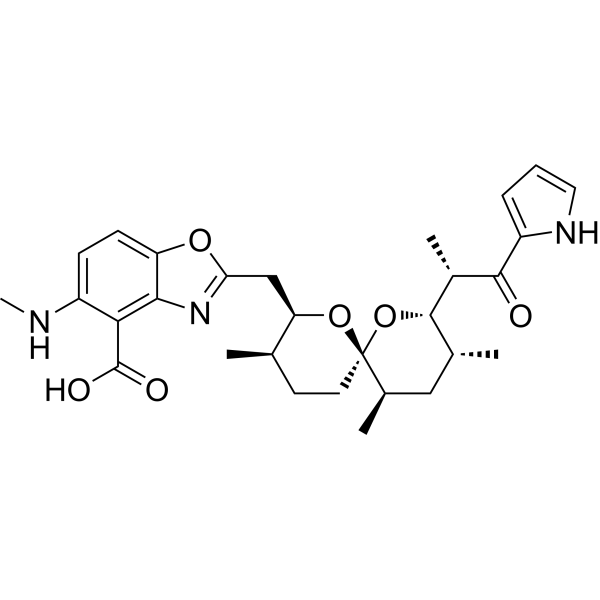
HY-N6687
CalcimycinCation Ionophore -
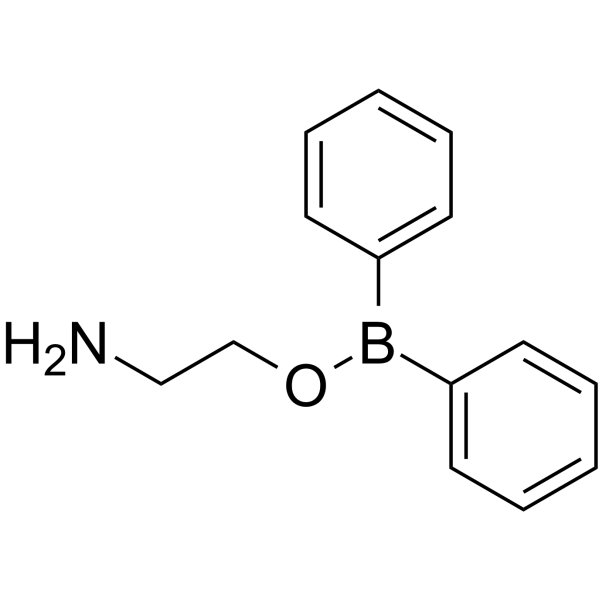
HY-W009724
2-Aminoethyl diphenylborinateIP3R Inhibitor -
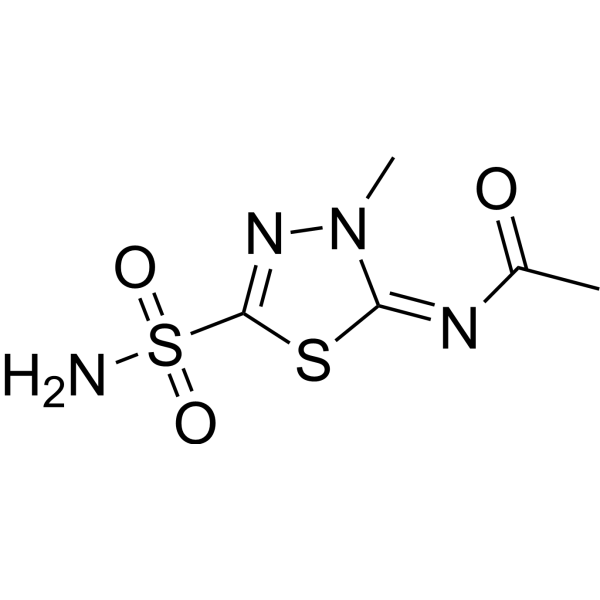
HY-B0553
MethazolamideCarbonic Anhydrase Inhibitor -
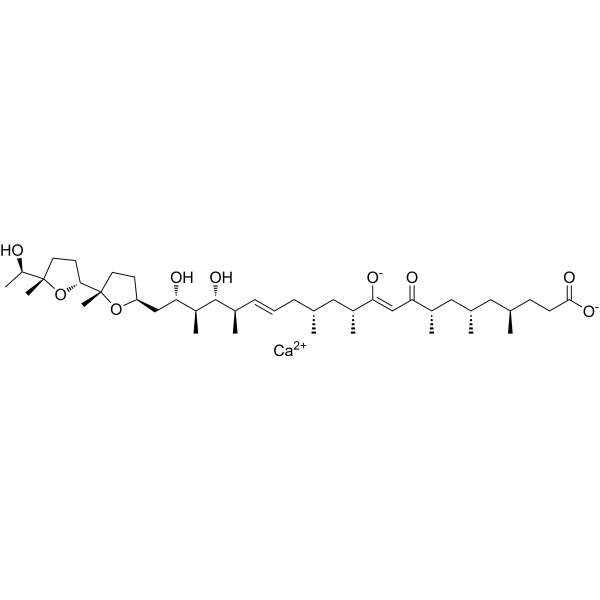
HY-13434A
Ionomycin calciumCalcium Ionophore -
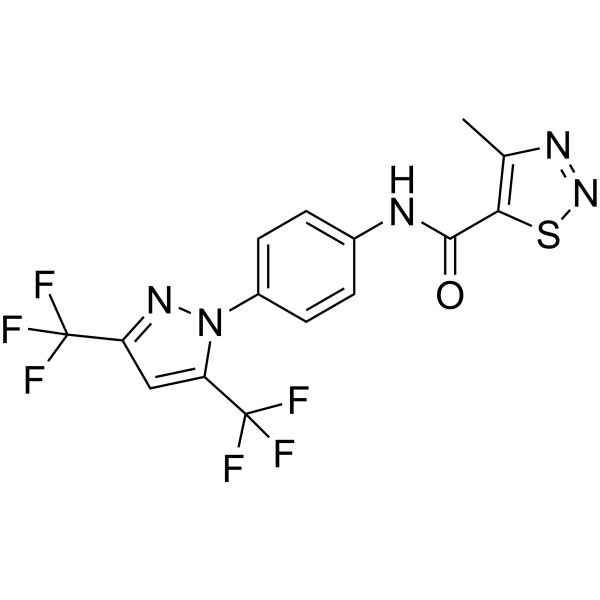
HY-100831
YM-58483CRAC Channel/SOCE Blocker -
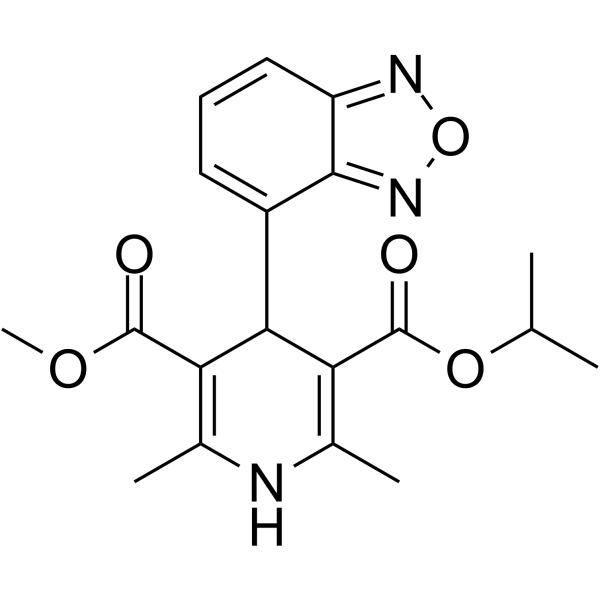
HY-B0233
IsradipineL-type Calcium Channel Blocker -
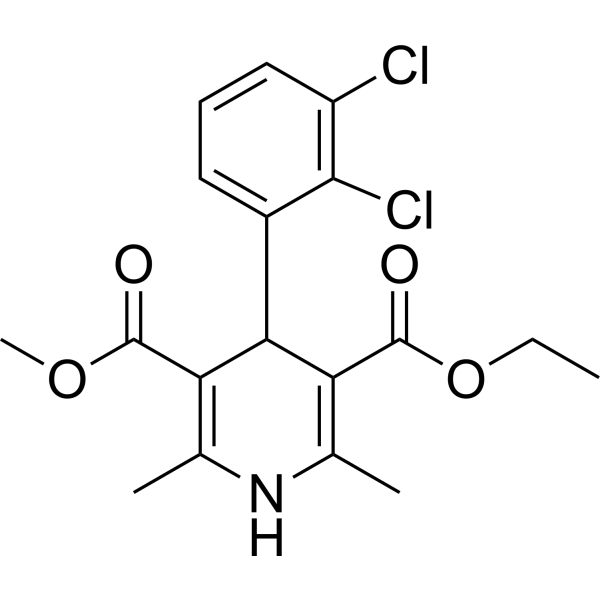
HY-B0309
FelodipineCalcium Channel Antagonist -
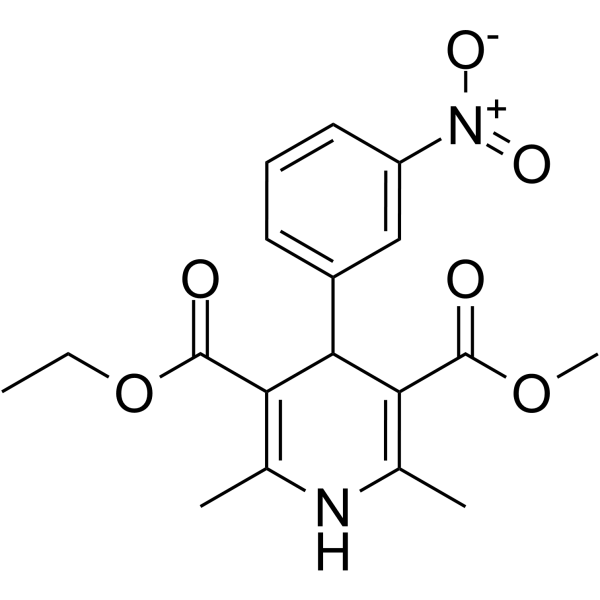
HY-B0424
NitrendipineCalcium Channel Blocker -
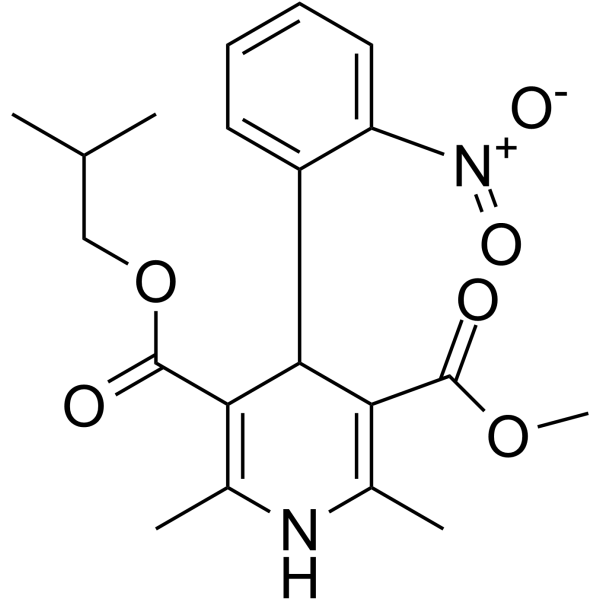
HY-17402
NisoldipineCalcium Channel Blocker
Publications Citing Use of MedChemExpress (MCE) Zonisamide sodium
More

Biologische Aktivität
Beschreibung
IC50 & Target
Ki: 35.2μM (hCA II) , 20.6 nM (hCA V)[2]
In Vitro
Zonisamide sodium (10, 50, 100, 200 µM; 24 h) increases viability of SH-SY5Y cells via an anti-apoptotic effect[1].
Zonisamide sodium (100 µM; 24 h) shows neuroprotective effects in PD-cellular models. (PD: parkinson’s disease)[1].
Zonisamide sodium (100 µM; 24 h) reduces levels of proapoptotic molecules, and upregulates levels of MnSOD (MnSOD over-expression attenuates MPTP toxicity and protects cells from apoptosis)[1].
Zonisamide sodium (0.1, 0.3, 1 μM; 24 h) inhibits cardiac hypertrophy and fibrosis in vitro[3].
Zonisamide sodium markedly increases the expression of Hrd1 in Ang II-treated NRCMs[3].
MedChemExpress (MCE) has not independently confirmed the accuracy of these methods. They are for reference only.
-
Cell Line:SH-SY5Y cells
-
Concentration:10, 50, 100, 200 µM
-
Incubation Time:24 h
-
Result:Induced an increase of cell viability, and with the greatest effect being at 100 µM.
Exhibited neuroprotective effect on SH-SY5Y cells (PD-cellular models) when at 100 µM.
-
Cell Line:SH-SY5Y cells
-
Concentration:100 µM
-
Incubation Time:24 h
-
Result:Showed an effect of anti-apoptotic.
-
Cell Line:NRCMs and cardiac fibroblasts (expose to Ang II for cardiomyocyte hypertrophy and fibrosis model)
-
Concentration:0.1, 0.3, 1 μM
-
Incubation Time:24 h
-
Result:Decreased the expression of atrial natriuretic factor (ANF) and cardiomyosin heavy chain β (β-MHC) but increased the expression of cardiac myosin heavy chain α (α-MHC) in NRCMs.
Decreased cardiac expression of the fibrosis-related gene Collagen 1A1 (Col1A1) in cardiac fibroblasts.
-
Cell Line:SH-SY5Y cells
-
Concentration:100 µM
-
Incubation Time:24 h
-
Result:Reduced the proapoptotic molecules levels of cleaved caspase-9, -3, and p-JNK, and blocked the activation of proapoptotic molecules in SH-SY5Y cells.
Induced an increase in MnSOD levels.(MnSOD over-expression attenuates MPTP toxicity and protects cells from apoptosis).
In Vivo
Zonisamide sodium (14, 28, 56 mg/kg; i.p.; single daily for 6 weeks) alleviates cardiac hypertrophy and improved cardiac function in rats subjected to AAC (abdominal aortic constriction)[3].
Zonisamide sodium (14, 28, 56 mg/kg; i.p.; single daily for 6 weeks) upregulates Hrd1 expression and accelerates ERAD in the hearts of AAC rats[3].
MedChemExpress (MCE) has not independently confirmed the accuracy of these methods. They are for reference only.
-
Animal Model:Male Wistar rats (200-250 g; FeCl3-induced chronic amygdalar seizures)[2].
-
Dosage:40 mg/kg
-
Administration:Intraperitoneal injection; single daily for 14 days.
-
Result:Showed activity of anti-seizures.
Significantly down-regulated GABA transporters GAT-1 in the hippocampus.
-
Animal Model:Adult male Sprague-Dawley rats (100-120 g; cardiac hypertrophy model)[3].
-
Dosage:14, 28, 56 mg/kg (dissolved in 1% DMSO)
-
Administration:Intraperitoneal injection; single daily for 6 weeks.
-
Result:Significantly attenuated cardiac hypertrophy and fibrosis.
Increased LV ejection fraction (EF), fractional shortening (FS) and E/A ratio.
Markedly increased the expression of Hrd1 in the hearts of AAC rats.
Clinical Trial
| NCT Number | Sponsor | Condition | Start Date |
Phase

|
|---|---|---|---|---|
| NCT01329991 | 2011-05 | PHASE1 |


Chemical Information
-
CAS. Nr. 68291-98-5
-
Molecular Weight 234.21
-
Formel C8H7N2NaO3S
-
SMILES
O=S(CC1=NOC2=C1C=CC=C2)([NH-])=O.[Na+]
-
Synonyms
AD 810 sodium; CI 912 sodium
-
Versand
Room temperature in continental US; may vary elsewhere.
-
Speicherung
Please store the product under the recommended conditions in the Certificate of Analysis.


Publications (4)
-
Journal Impact Factor
-
Most Recent
-
ACS Environ Au
Machine Learning-Assisted Recognition of Environmental Sulfur-Containing Chemicals in Nontargeted Mass Spectrometry Analysis of Inadequate Mass Resolution. [Abstract]2025 Aug 5;5(6):573-582. PMID: 41277996 -
EMBO Mol Med
2025 Jun;17(6):1325-1354. PMID: 40295888 -
Anal Chem
Exposome-Scale Investigation of Cl-/Br-Containing Chemicals Using High-Resolution Mass Spectrometry, Multistage Machine Learning, and Cloud Computing. [Abstract]2025 Jun 3;97(21):11099-11109. PMID: 40401576 -


Reinheit & Dokumentation
Verweise
[1]. Kawajiri S, et al. Zonisamide reduces cell death in SH-SY5Y cells via an anti-apoptotic effect and by upregulating MnSOD. Neurosci Lett. 2010 Sep 6;481(2):88-91. [Content Brief]
[2]. Ueda Y, et al. Effect of zonisamide on molecular regulation of glutamate and GABA transporter proteins during epileptogenesis in rats with hippocampal seizures. Brain Res Mol Brain Res. 2003 Aug 19;116(1-2):1-6. [Content Brief]
[3]. Wu Q, et al. Zonisamide alleviates cardiac hypertrophy in rats by increasing Hrd1 expression and inhibiting endoplasmic reticulum stress. Acta Pharmacol Sin. 2021 Oct;42(10):1587-1597. [Content Brief]
[4]. De Simone G, et al. Carbonic anhydrase inhibitors. Zonisamide is an effective inhibitor of the cytosolic isozyme II and mitochondrial isozyme V: solution and X-ray crystallographic studies. Bioorg Med Chem Lett. 2005 May 2;15(9):2315-20. [Content Brief]

Calculators
Konzentration (Stammlösung) × Volumen (Stammlösung) = Konzentration (Ziellösung) × Volumen (Ziellösung)


Zonisamide sodium Related Classifications
HY-B0124A Related Classifications
 Powered by Bioz