



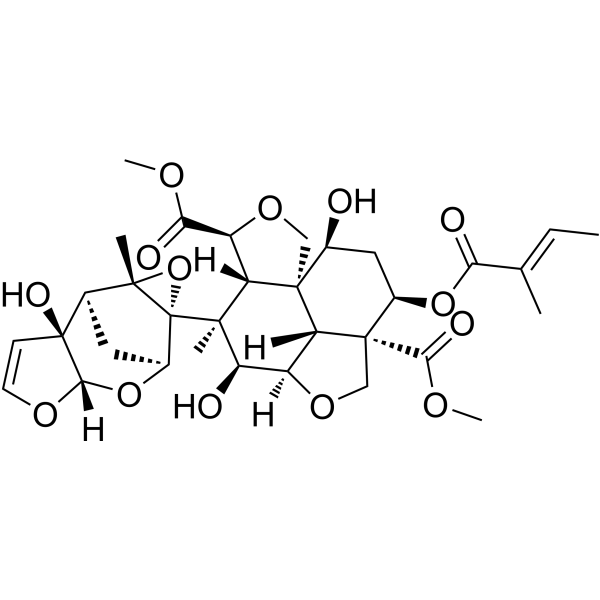
Azadirachtin B

Based on 1 Customer Validation
Azadirachtin B is an limonoid isolated from seed kernels of Azadirachta indica. Azadirachtin B increases alkaline phosphatase (ALP) activity and stimulates osteoblast differentiation. Azadirachtin B is active against the Epstein-Barr virus early antigen (EBV-EA). Azadirachtin B has insecticidal, nematocidal, anticancer, anti-inflammatory, antiviral and osteogenic properties.
For research use only. We do not sell to patients.
- Purity : 99.17%
- CAS No.: 106500-25-8
- Formula: C33H42O14
- Molecular Weight:662.68
-
Storage:
-20°C, protect from light, stored under nitrogen
* In solvent : -80°C, 6 months; -20°C, 1 month (protect from light, stored under nitrogen)

To place orders, for customer services and technical support, please contact: MedChemExpress USA
Tel: 609-228-6898 E-mail: [email protected] [email protected]


-
 Biological Activity
-
Chemical Information
-
Solvent & Solubility
- Protocols
- Purity & Documentation
- References
-
 Help & FAQs


-
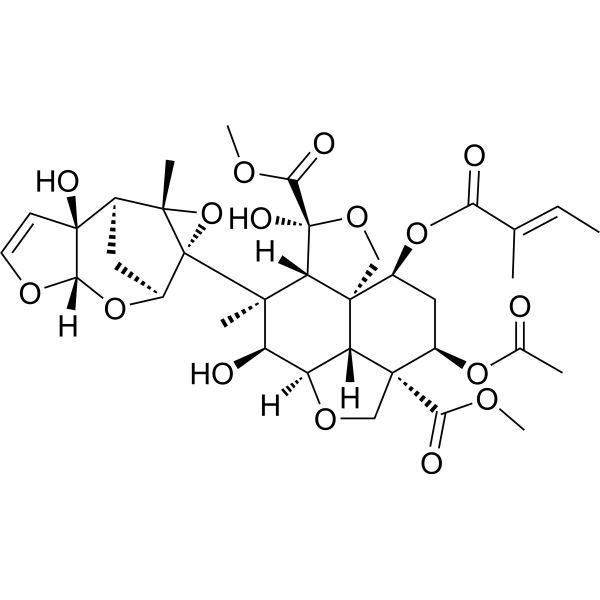
HY-126741
AzadirachtinInsecticide -
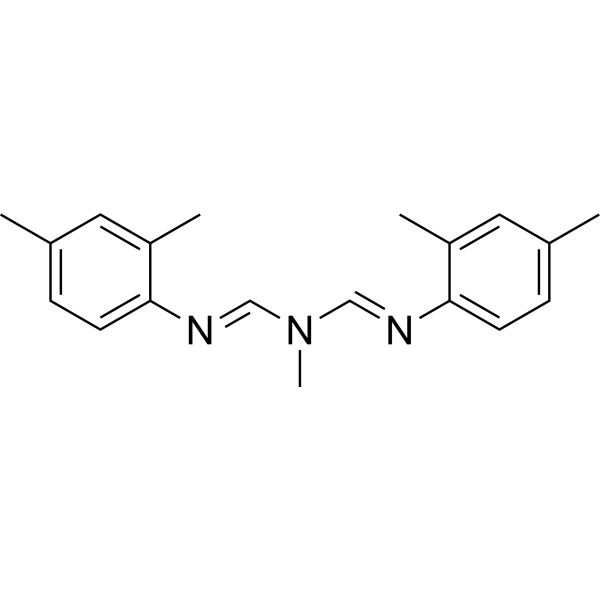
HY-B1111
AmitrazParasite Inhibitor -
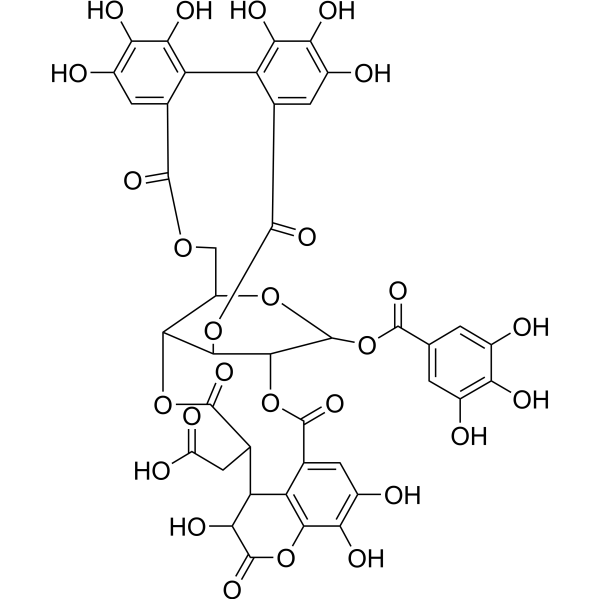
HY-N1996
Chebulagic acidCOX Inhibitor -

HY-B1111R
Amitraz (Standard)Parasite Inhibitor -
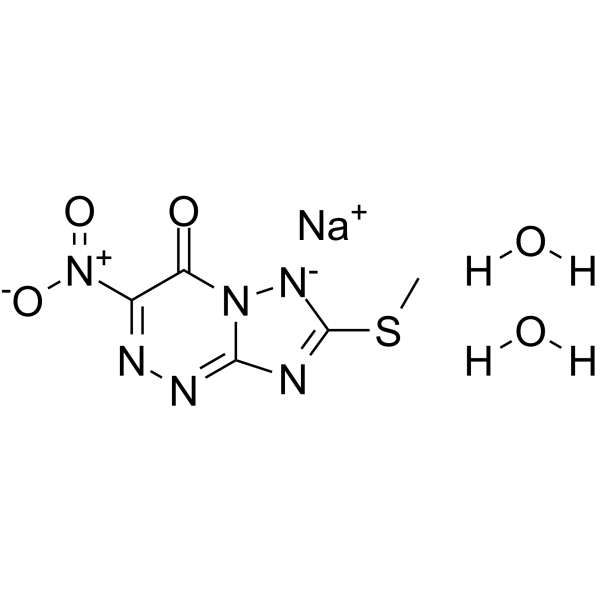
HY-19743
TriazavirinAntiviral Agent -
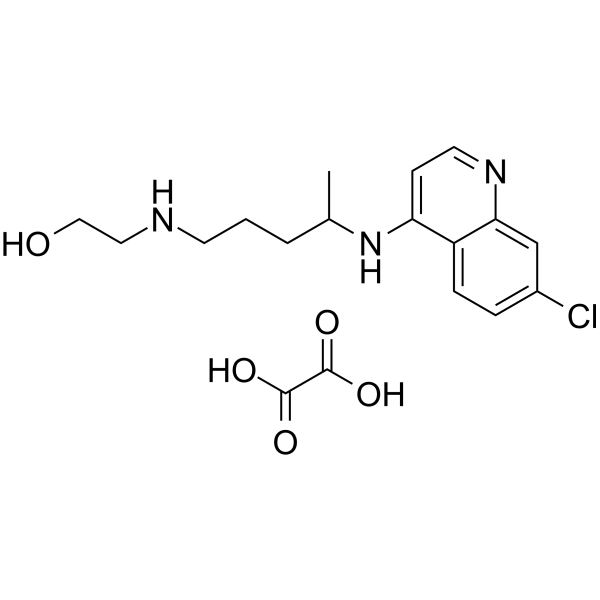
HY-135810A
Cletoquine oxalateAntiviral Agent -
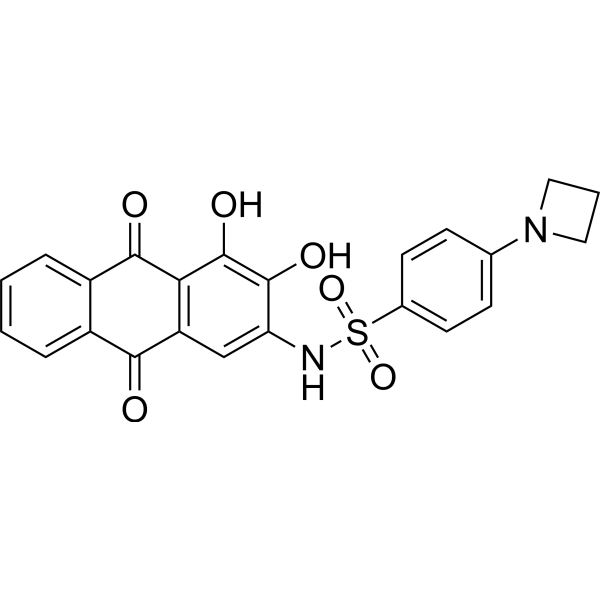
HY-148510
HKB99PGAM1 Inhibitor -
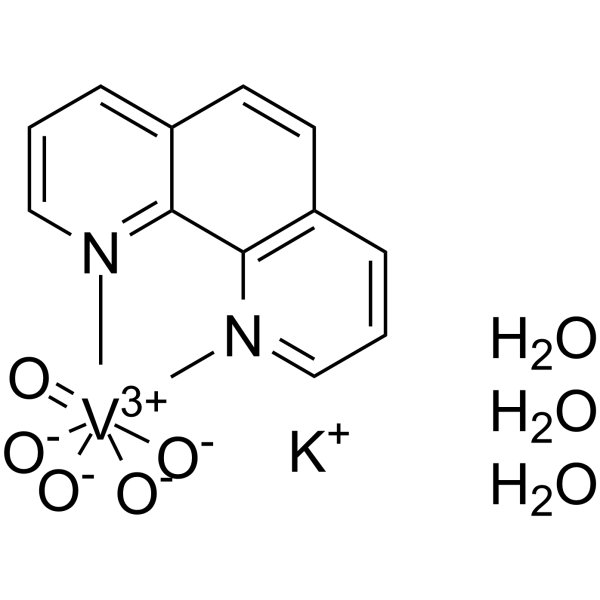
HY-122818
BpV(phen) trihydratePTP/PTEN Inhibitor -
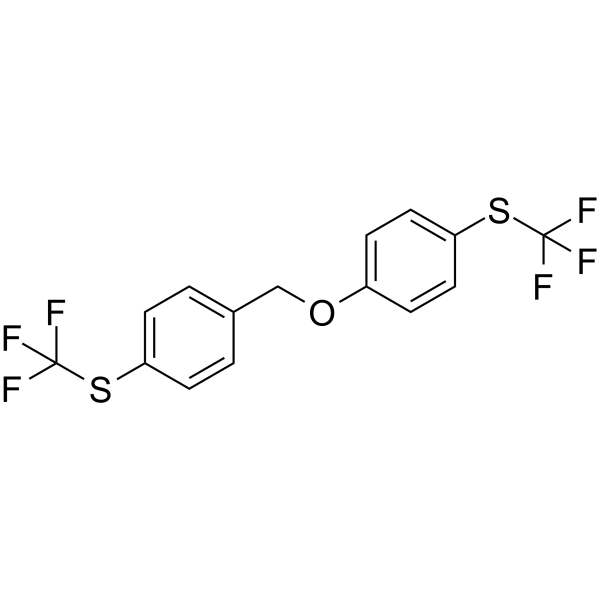
HY-123856
MY10RPTPβ/ζ Inhibitor -
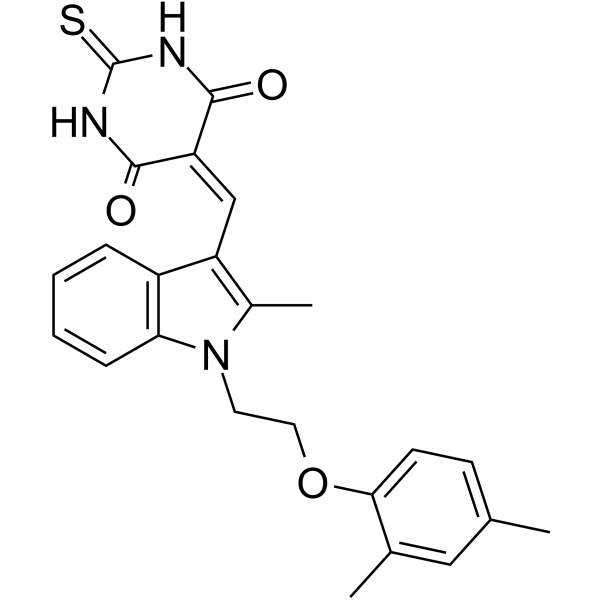
HY-123931
ZLDI-8ADAM-17 Inhibitor -

HY-N1996R
Chebulagic acid (Standard)COX Inhibitor -
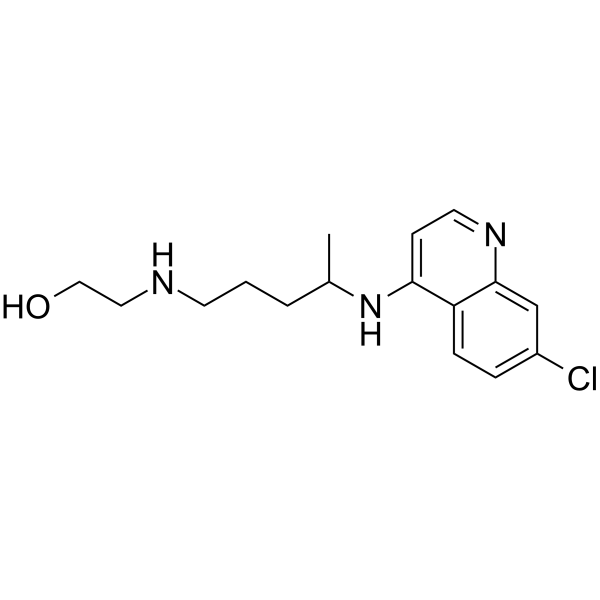
HY-135810
CletoquineAntiviral Agent
All Parasite Isoforms
More

Biological Activity
Description
IC50 & Target
Plutella xylostella[1]
Alkaline phosphatase (ALP)[2]
Epstein-Barr virus early antigen (EBV-EA)[3]
Cellular Effect
|
Cell Line

|
Type | Value | Description | References |
|---|---|---|---|---|
| A549 | IC50 |
>20 μM
Compound: 21
|
Cytotoxicity against human A549 cells assessed as cell viability after 48 hrs by MTT assay
Cytotoxicity against human A549 cells assessed as cell viability after 48 hrs by MTT assay
|
[PMID: 21381696] |
| AZ-521 cell line | IC50 |
>20 μM
Compound: 21
|
Cytotoxicity against human AZ-521 cells assessed as cell viability after 48 hrs by MTT assay
Cytotoxicity against human AZ-521 cells assessed as cell viability after 48 hrs by MTT assay
|
[PMID: 21381696] |
| HL-60 | IC50 |
>20 μM
Compound: 21
|
Cytotoxicity against human HL60 cells assessed as cell viability after 48 hrs by MTT assay
Cytotoxicity against human HL60 cells assessed as cell viability after 48 hrs by MTT assay
|
[PMID: 21381696] |
| SK-BR-3 | IC50 |
>20 μM
Compound: 21
|
Cytotoxicity against human SK-BR-3 cells assessed as cell viability after 48 hrs by MTT assay
Cytotoxicity against human SK-BR-3 cells assessed as cell viability after 48 hrs by MTT assay
|
[PMID: 21381696] |
In Vitro
Azadirachtin B (1 pM-100 μM; 48 hours; Osteoblast cells) treatment shows highest proliferation at 10 nM and 100 pM concentrations in osteoblast cells[1].
Azadirachtin B increases expression of RunX-2 ~2.5 fold at 10 nM concentration, ALP expression ~2.8 fold at 10 nM and 100 pM concentration and OCN expression ~2.5 folds at 10 nM as compared with control[1].
Azadirachtin B (Compound 4) exhibits toxicity to the diamondback moth (Plutella xylostella) with an LD50 of 4.85-1.06 μg/g body weight, in 92 h[2].
Azadirachtin B (compound 21) exhibits moderate or potent inhibitory effects (IC50 value of 384 mol ratio/32 pmol TPA) against the Epstein-Barr virus early antigen (EBV-EA) activation induced by tetradecanoylphorbol-13-acetate (TPA)[3].
MedChemExpress (MCE) has not independently confirmed the accuracy of these methods. They are for reference only. Further protocols information, click here.
-
Cell Line:Osteoblast cells
-
Concentration:1 pM, 100 pM, 10 nM, 1 µM, 100 µM
-
Incubation Time:48 hours
-
Result:Showed highest proliferation at 10 nM and 100 pM concentrations in osteoblast cells.
In Vivo
MedChemExpress (MCE) has not independently confirmed the accuracy of these methods. They are for reference only.


Chemical Information
-
CAS No. 106500-25-8
-
Appearance Solid
-
Molecular Weight 662.68
-
Formula C33H42O14
-
Color White to off-white
-
SMILES
C[C@@]1([C@@]([C@H]2C(OC)=O)([H])[C@]([C@H](C[C@H]3OC(/C(C)=C/C)=O)O)(CO2)[C@@]4([H])[C@](OC[C@@]43C(OC)=O)([H])[C@H]1O)[C@]([C@@H](O[C@]5([H])OC=C6)C[C@H]7[C@]56O)(O8)[C@]78C
-
Structure Classification
-
Initial Source
-
Shipping
Room temperature in continental US; may vary elsewhere.
-
Storage
-20°C, protect from light, stored under nitrogen
* In solvent : -80°C, 6 months; -20°C, 1 month (protect from light, stored under nitrogen)


Solvent & Solubility
In Vitro:
DMSO : 50 mg/mL (75.45 mM; Need ultrasonic; Hygroscopic DMSO has a significant impact on the solubility of product, please use newly opened DMSO)
Please refer to the solubility information to select the appropriate solvent. Once prepared, please aliquot and store the solution to prevent product inactivation from repeated freeze-thaw cycles.
Storage method and period of stock solution: -80°C, 6 months; -20°C, 1 month (protect from light, stored under nitrogen). When stored at -80°C, please use it within 6 months. When stored at -20°C, please use it within 1 month.
Please refer to the solubility information to select the appropriate solvent. Once prepared, please aliquot and store the solution to prevent product inactivation from repeated freeze-thaw cycles.
Storage method and period of stock solution: -80°C, 6 months; -20°C, 1 month (protect from light, stored under nitrogen). When stored at -80°C, please use it within 6 months. When stored at -20°C, please use it within 1 month.
Concentration (start) × Volume (start) = Concentration (final) × Volume (final)
In Vivo:
Select the appropriate dissolution method based on your experimental animal and administration route.
- For the following dissolution methods, please ensure to first prepare a clear stock solution using an In Vitro approach and then sequentially add co-solvents:
- To ensure reliable experimental results, the clarified stock solution can be appropriately stored based on storage conditions. As for the working solution for In Vivo experiments, it is recommended to prepare freshly and use it on the same day.
- The percentages shown for the solvents indicate their volumetric ratio in the final prepared solution. If precipitation or phase separation occurs during preparation, heat and/or sonication can be used to aid dissolution.
Add each solvent one by one: 10% DMSO 40% PEG300 5% Tween-80 45% Saline
Solubility: ≥ 2.5 mg/mL (3.77 mM); Clear solution
This protocol yields a clear solution of ≥ 2.5 mg/mL (saturation unknown).
Taking 1 mL working solution as an example, add 100 μL DMSO stock solution (25.0 mg/mL) to 400 μL PEG300, and mix evenly; then add 50 μL Tween-80 and mix evenly; then add 450 μL Saline to adjust the volume to 1 mL.
Preparation of Saline: Dissolve 0.9 g sodium chloride in ddH₂O and dilute to 100 mL to obtain a clear Saline solution.
In Vivo Dissolution Calculator
Please enter the basic information of animal experiments:
-
-
-
-
Recommended: Prepare an additional quantity of animals to account for potential losses during experiments.
Please enter your animal formula composition:
-
%DMSO +
Recommended: Keep the proportion of DMSO in working solution below 2% if your animal is weak.
-
%+
-
+%Tween-80 + +
-
%Saline +
The co-solvents required include: DMSO, . All of co-solvents are available by MedChemExpress (MCE). , Tween 80. All of co-solvents are available by MedChemExpress (MCE).
Working solution concentration: 0.22 mg/mL
Method for preparing stock solution: mg drug dissolved in μL DMSO. Stock solution concentration: mg/mL. * In solvent : -80°C, 6 months; -20°C, 1 month (protect from light, stored under nitrogen)
1. Take μL DMSO stock solution;
2. Add μL .
μL , mix evenly;
3. Then add μL Tween 80, mix evenly;
4. Then add μL
Please ensure that the stock solution in the first step is dissolved to a clear state, and add co-solvents in sequence. You can use ultrasonic heating (ultrasonic cleaner, recommended frequency 20-40 kHz), vortexing, etc. to assist dissolution.

Protocols
-
Research Protocol for Infectious Diseases
Infectious-disease experiments test how pathogens interact with host barriers, innate immune receptors, inflammatory signaling, pathogen replication, and tissue injury; pattern-recognition receptors such as TLRs, RIG-I-like receptors, NOD-like receptors, and inflammasomes detect microbial molecules and activate NF-κB, interferon, and cytokine responses. The central hypothesis is that infection severity reflects the balance between pathogen burden and host response: protective inflammation restricts pathogen growth, whereas excessive or mislocalized inflammation contributes to tissue damage and disease phenotype. Unresolved questions include which host pathways are protective versus pathogenic, why some infection models fail to translate to human disease, and which combined readouts best predict clinically relevant infection outcomes.
-
Mesenchymal stromal/stem cell osteogenic differentiation
Mesenchymal stromal/stem cells can be induced toward an osteoblast-like lineage in vitro by culture in osteogenic medium containing dexamethasone, ascorbic acid or ascorbate-2-phosphate, and β-glycerophosphate; the differentiation process is commonly evaluated by alkaline phosphatase activity, osteogenic marker expression, collagenous matrix formation, and calcium-rich matrix mineralization. The main readouts are alkaline phosphatase activity as an early osteogenic marker and Alizarin Red S staining as a calcium-deposit readout for mineralized extracellular matrix; Alizarin Red S can be inspected microscopically or extracted and measured colorimetrically at 405 nm.
-
Research Protocol for Inflammation-related Diseases
The NLRP3 inflammasome is a cytosolic innate immune signaling platform that integrates priming signals and danger-signal activation to promote caspase-1 activation, maturation of IL-1β and IL-18, and gasdermin D-mediated pyroptotic cell death. The core experimental logic is to determine whether inflammatory disease phenotypes are driven by increased NLRP3 expression, ASC-containing inflammasome assembly, caspase-1 cleavage, GSDMD cleavage, and extracellular release of IL-1β/IL-18 rather than by nonspecific cell injury alone. The pathway is strongly linked to inflammation-related disease phenotypes because monosodium urate crystals activate NALP3/NLRP3 inflammasome signaling in gout-like crystal inflammation, cholesterol crystals activate NLRP3 inflammasomes in atherogenesis models, and DSS-induced intestinal inflammation has been reported to involve NLRP3 inflammasome activity. However, experimental colitis studies also show context-dependent protective effects of NLRP3 inflammasome co


Purity & Documentation
-
Data Sheet (283 KB)
-
SDS (251 KB)
- English - EN (251 KB)
- Français - FR (251 KB)
- Deutsch - DE (251 KB)
- Norwegian - NO (251 KB)
- Español - ES (251 KB)
- Swedish - SV (251 KB)
- Italian - IT (251 KB)
- Korean - KR (251 KB)
- Portuguese - PT (251 KB)
-
Handling Instructions (2659 KB)
References
[1]. Kushwaha P, et al. Azadirachta indica triterpenoids promote osteoblast differentiation and mineralization in vitro and in vivo. Bioorg Med Chem Lett. 2016 Aug 1;26(15):3719-24. [Content Brief]
[2]. Kanokmedhakul S, et al. Azadirachtin derivatives from seed kernels of Azadirachta excelsa. J Nat Prod. 2005 Jul;68(7):1047-50. [Content Brief]
[3]. Akihisa T, et al. Melanogenesis inhibitory, anti-inflammatory, and chemopreventive effects of limonoids from the seeds of Azadirachta indicia A. Juss. (neem). J Oleo Sci. 2009;58(11):581-94. [Content Brief]


Complete Stock Solution Preparation Table
Please refer to the solubility information to select the appropriate solvent. Once prepared, please aliquot and store the solution to prevent product inactivation from repeated freeze-thaw cycles.
Storage method and period of stock solution: -80°C, 6 months; -20°C, 1 month (protect from light, stored under nitrogen). When stored at -80°C, please use it within 6 months. When stored at -20°C, please use it within 1 month.
| Optional Solvent | Concentration Solvent Mass | 1 mg | 5 mg | 10 mg | 25 mg |
|---|---|---|---|---|---|
| DMSO | 1 mM | 1.5090 mL | 7.5451 mL | 15.0902 mL | 37.7256 mL |
| 5 mM | 0.3018 mL | 1.5090 mL | 3.0180 mL | 7.5451 mL | |
| 10 mM | 0.1509 mL | 0.7545 mL | 1.5090 mL | 3.7726 mL | |
| 15 mM | 0.1006 mL | 0.5030 mL | 1.0060 mL | 2.5150 mL | |
| 20 mM | 0.0755 mL | 0.3773 mL | 0.7545 mL | 1.8863 mL | |
| 25 mM | 0.0604 mL | 0.3018 mL | 0.6036 mL | 1.5090 mL | |
| 30 mM | 0.0503 mL | 0.2515 mL | 0.5030 mL | 1.2575 mL | |
| 40 mM | 0.0377 mL | 0.1886 mL | 0.3773 mL | 0.9431 mL | |
| 50 mM | 0.0302 mL | 0.1509 mL | 0.3018 mL | 0.7545 mL | |
| 60 mM | 0.0252 mL | 0.1258 mL | 0.2515 mL | 0.6288 mL |


Azadirachtin B Related Classifications
HY-133108 Related Classifications
 Powered by Bioz