2438 Results for "

decrease

" in MedChemExpress (MCE) Product Catalog:
Products (2438)

2438 Results for "decrease" in MCE Product Catalog:

Cat. No.: HY-P11617
Domaines de recherche:  

Inflammation/Immunology

CLP-d2 is a multi-target anti-inflammatory agent, osteoclastogenesis inhibitor and immunomodulator with superior pharmacokinetic properties to Daptomycin (HY-B0108) and good safety profiles. CLP-d2 inhibits the NF-κB and MAPK signaling pathways by reducing the expression levels of c-Fos and NFATc1, and decreasing the phosphorylation levels of IκBα, p65, ERK and JNK, thereby reducing the secretion of pro-inflammatory cytokines such as IL-6, TNF-α and IL-1β to exert anti-inflammatory activity. CLP-d2 inhibits intra-articular osteoclastogenesis in mice, alleviates bone erosion and joint swelling, reduces synovial hyperplasia and inflammatory cell infiltration, and decreases serum rheumatoid factor (RF) levels. CLP-d2 is applicable to related research on rheumatoid arthritis .
loading...
    loading...
Cat. No.: HY-101931
CAS No.: 1637443-98-1
Pureté:  99.26%
Target:  

VEGFR

Domaines de recherche:  

Cancer

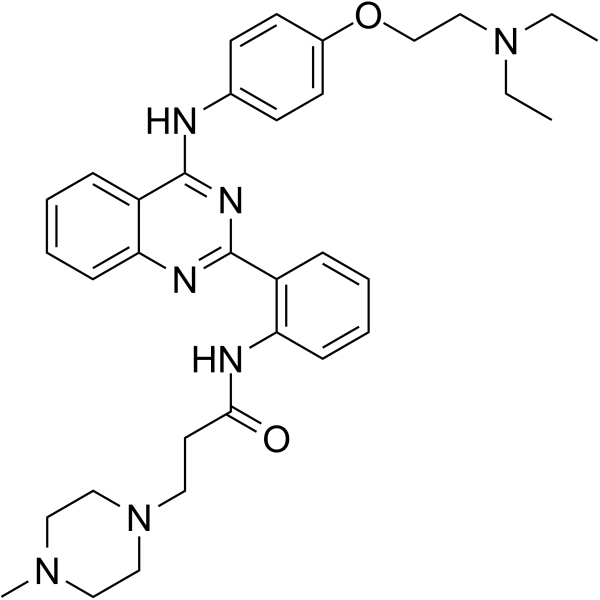
hVEGF-IN-1, a quinazoline derivative, could specifically bind to the G-rich sequence in the internal ribosome entry site A (IRES-A) and destabilize the G-quadruplex structure. hVEGF-IN-1 binds to the IRES-A (WT) with a Kd of 0.928 μM in SPR experiments. hVEGF-IN-1 could hinder tumor cells migration and repress tumor growth by decreasing VEGF-A protein expression .
loading...
    loading...
Cat. No.: HY-105034
CAS No.: 87691-91-6
Synonyms: BMY 13859-1 free base
Target:  

5-HT Receptor

Domaines de recherche:  

Neurological Disease

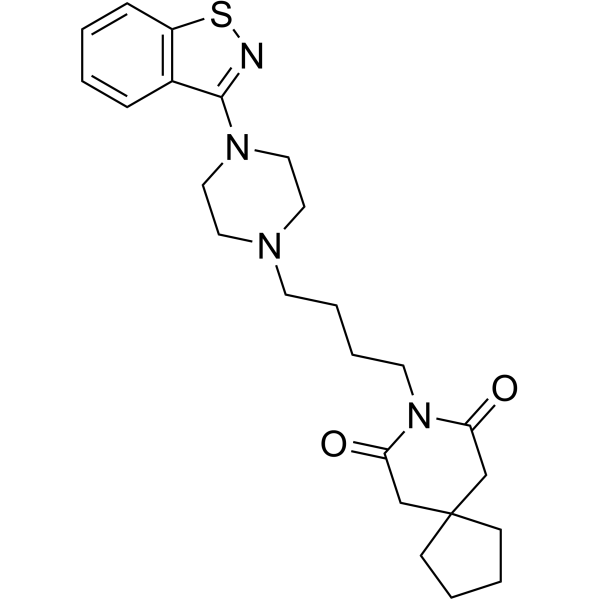
Tiospirone is a 5-HT2 receptor antagonist with affinity for D2, 5-HT1a, and 5-HT7, and sigma receptors. Tiospirone decreases consumption of ethanol while increasing food intake of rats. Tiospirone can also reduce the reinforcing properties of Cocaine exhibited in the conditioned place preference paradigm .
loading...
    loading...
Cat. No.: HY-105414
CAS No.: 125161-47-9
Target:  

Drug Derivative

Domaines de recherche:  

Cancer

Esterbut-3 is a potent anticancer agent. Esterbut-3 inhibits cell proliferation. Esterbut-3 decreases the antigen expression of 115D8, 140C1 and increases the antigen expression of 123C3. Esterbut-3 induces cell cycle arrest at G0/G1 phase .
loading...
    loading...
Cat. No.: HY-108257R
CAS No.: 134523-01-6
Atorvastatin sodium (Standard) is the analytical standard of Atorvastatin (sodium) (HY-108257). This product is intended for research and analytical applications. Atorvastatin sodium is an orally active HMG-CoA reductase inhibitor, has the ability to effectively decrease blood lipids. Atorvastatin sodium inhibits human SV-SMC proliferation and invasion with IC50s of 0.39 μM and 2.39 μM, respectively .
loading...
    loading...
Cat. No.: HY-109058R
CAS No.: 648927-86-0
Synonyms: QGC001 (Standard); RB150 (Standard)
Domaines de recherche:  

Cardiovascular Disease

Firibastat (Standard) is the analytical standard of Firibastat. This product is intended for research and analytical applications. Firibastat (QGC001), an orally active brain penetrating proagent of EC33, is a first-in-class brain aminopeptidase A (APA) inhibitor (Ki=200 nM). Firibastat selectively and specifically inhibits conversion of brain angiotensin-II into angiotensin-III and decreases blood pressure in hypertensive rats .
loading...
    loading...
Cat. No.: HY-113328R
CAS No.: 542-32-5
Aminoadipic acid (Standard) is the analytical standard of Aminoadipic acid. This product is intended for research and analytical applications. Aminoadipic acid is an orally active lysine oxide derivative. Aminoadipic acid induces ROS generation, increases free Ca2+, decreases SOD, and activates TXNIP/NLRP3 pathway. Aminoadipic acid has pro-inflammatory effects. Aminoadipic acid can be used in atherosclerosis research[1][2][3][4].
loading...
    loading...
Cat. No.: HY-118060
CAS No.: 24587-37-9
Pureté:  97.89%
Synonyms: N-Valyltryptophan; Val-Trp
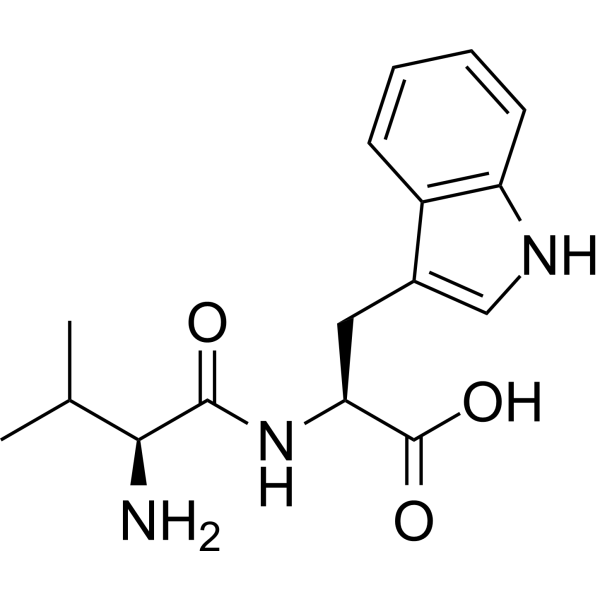
Dipeptide 2 (N-Valyltryptophan) is an orally active, competitive angiotensin-converting enzyme (ACE) inhibitory peptide with an IC50 of 10.50 μM. Dipeptide 2 reduces intracellular Calcium ions. Dipeptide 2 significantly increases the content of NO, inhibits the production of ET-1, and induces the phosphorylation of eNOS. Dipeptide 2 decreases the systolic and diastolic blood pressure of spontaneously hypertensive rats .
loading...
    loading...
Cat. No.: HY-118765
CAS No.: 110996-51-5
Domaines de recherche:  

Cardiovascular Disease

Ro 23-3423 is a thromboxane synthase inhibitor with an IC50 value of 0.33 μM for human platelet microsomal thromboxane synthase. Ro 23-3423 increases plasma levels of PGF and PGE2 in a dose-dependent manner, accompanied by a decrease in mean systemic arterial pressure and systemic vascular resistance. Ro 23-3423 can be used in the study of general anesthesia .
loading...
    loading...
Cat. No.: HY-122075
CAS No.: 112856-39-0
Target:  

Others

Domaines de recherche:  

Metabolic Disease

FR 78844 is an orally active bone resorption inhibitor. FR 78844 attenuates metaphyseal bone mineral density decreases in Streptozotocin (HY-13753)-induced diabetic rats, and Heparin (HY-17567A)-induced osteopenia, but does not affect vitamin D-deficient rat bone loss. FR 78844 can be used for the research of osteopenia .
loading...
    loading...
Cat. No.: HY-123851
CAS No.: 1460286-21-8
Pureté:  98.50%
Synonyms: M2912
Target:  

PARP

Domaines de recherche:  

Cancer

MSC2504877 (M2912) is a potent and orally active tankyrase inhibitor with IC50s of 0.0007, 0.0008, 0.54 µM for TNKS, TNKS2, PARP1, respectively. MSC2504877 increases the expression of AXIN2 and TNKS protein levels and decreases β-catenin levels. MSC2504877 shows anti-tumor activity .
loading...
    loading...
Cat. No.: HY-124051
CAS No.: 1194453-23-0
Target:  

Elastase

Domaines de recherche:  

Cardiovascular Disease Inflammation/Immunology

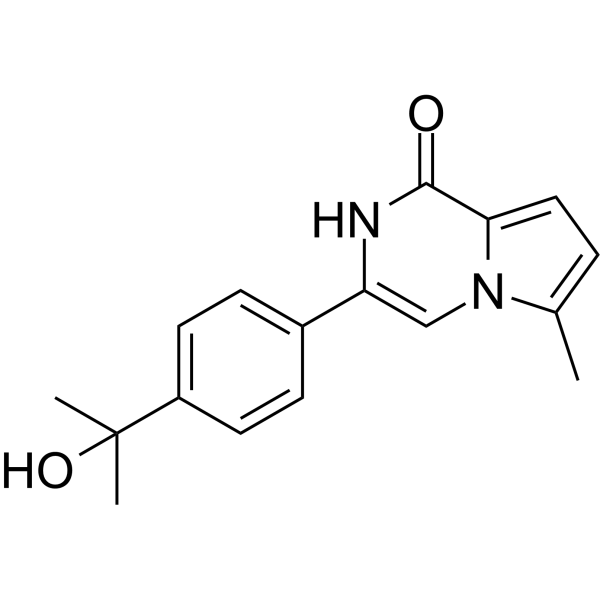
BAY-8040 is a pyrimidopyridazine derivative which has inhibitory activity against human neutrophil elastase (HNE). BAY-8040 decreases cardiac remodeling and ameliorates cardiac function in a Monocrotaline (HY-N0750)-induced rat model for pulmonary arterial hypertension. BAY-8040 is promising for research of inflammatory pathologies and cardiopulmonary pathologies .
loading...
    loading...
Cat. No.: HY-135488
CAS No.: 181490-18-6
Target:  

Adrenergic Receptor

Domaines de recherche:  

Cardiovascular Disease

A 131701 is a selective α1a- (Ki: 0.22 nM for human α1a) and α1d-adrenoceptor antagonist. A 131701 antagonizes epinephrine-induced increases in intraurethral pressure (IUP). A 131701 causes transient decreases in mean arterial blood pressure (MABP) and transient tachycardia. A 131701 can be used in the research of spontaneous hypertension .
loading...
    loading...
Cat. No.: HY-13676R
CAS No.: 595-33-5
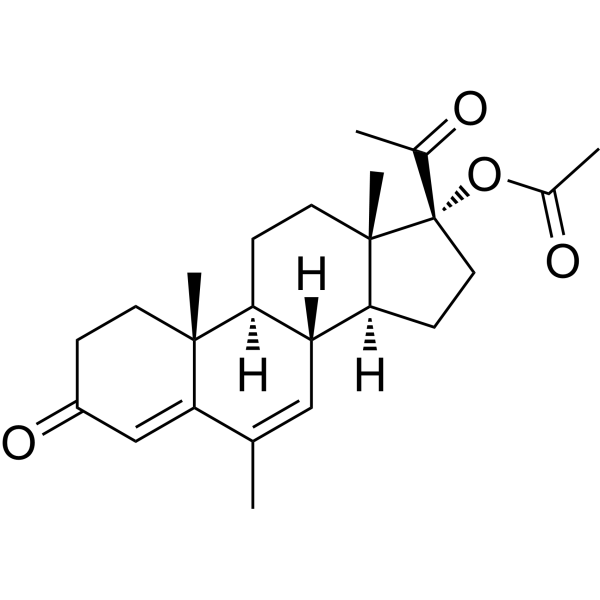
Megestrol acetate (Standard) is the analytical standard of Megestrol acetate. This product is intended for research and analytical applications. Megestrol acetate is a synthetic and orally active progesteronal agent. Megestrol acetate is effective as an appetite stimulant for wasting syndromes such as cachexia. Megestrol acetate decreases nuclear and cytosol androgen receptors human BPH tissue. Megestrol acetate has the potential for HIV study and downregulates autophagic catabolic pathway .
loading...
    loading...
Cat. No.: HY-139427
CAS No.: 5746-90-7
Pureté:  99.60%
Synonyms: β-Methylglutaconic acid
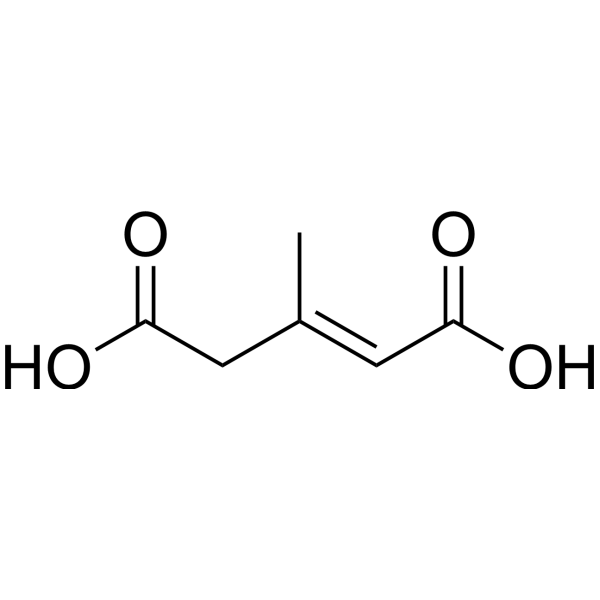
3-Methylglutaconic acid is the major metabolites accumulating in 3-Methylglutaconic aciduria (MGTA). 3-Methylglutaconic acid can induce lipid oxidative damage and protein oxidative. 3-Methylglutaconic acid decreases the non-enzymatic antioxidant defenses in cerebral cortex supernatants to elicit oxidative stress in the cerebral cortex. 3-Methylglutaconic acid can be used for brain damage disease research .
loading...
    loading...
Cat. No.: HY-139783
CAS No.: 65113-99-7
Pureté:  ≥98.0%
Domaines de recherche:  

Others

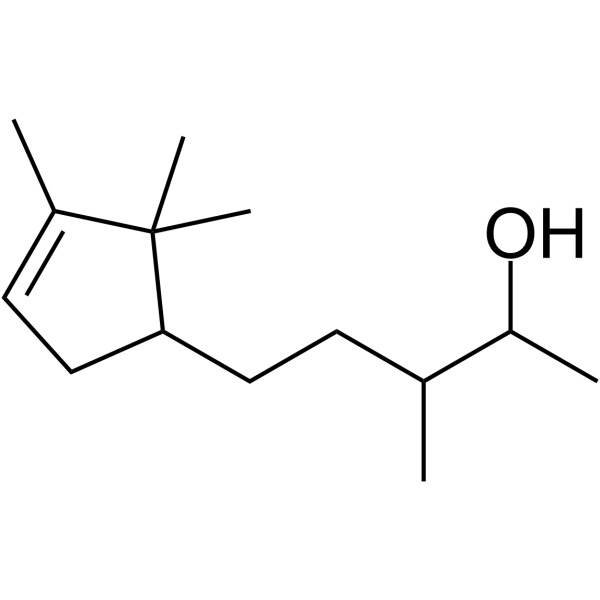
3-Campholenyl-2-butanol, a synthetic sandalwood odorant, is a selective olfactory receptor OR2AT4 agonist. 3-Campholenyl-2-butanol prolongs human hair growth ex vivo by decreasing apoptosis and increasing production of the anagen-prolonging growth factor IGF-1 in the outer root sheath (ORS) .
loading...
    loading...
Cat. No.: HY-143321
CAS No.: 2816929-48-1
Target:  

STING

Domaines de recherche:  

Cancer

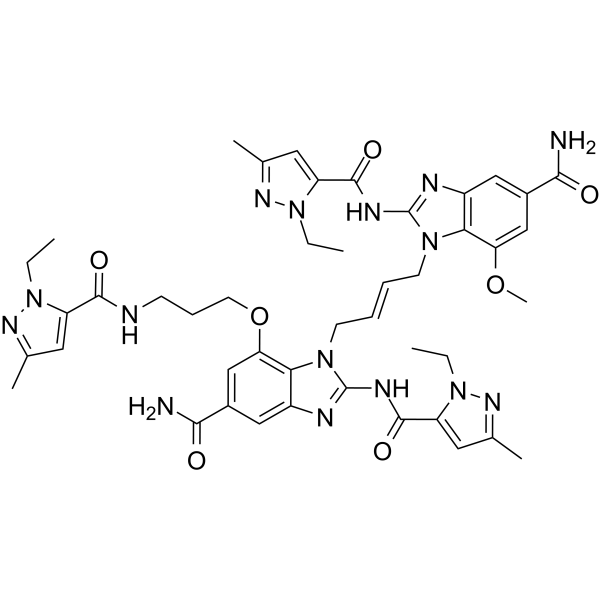
STING agonist-13 is a stimulator of interferon genes (STING) agonist, for cancer immunity via STING-mediated immune activation. STING agonist-13 can stimulate STING downstream signaling and promoting type I interferon immune responses. STING agonist-13 significantly decreases tumor volume and shows immunological memory-derived cancer inhibition .
loading...
    loading...
Cat. No.: HY-149333
Target:  

Bacterial

Domaines de recherche:  

Infection

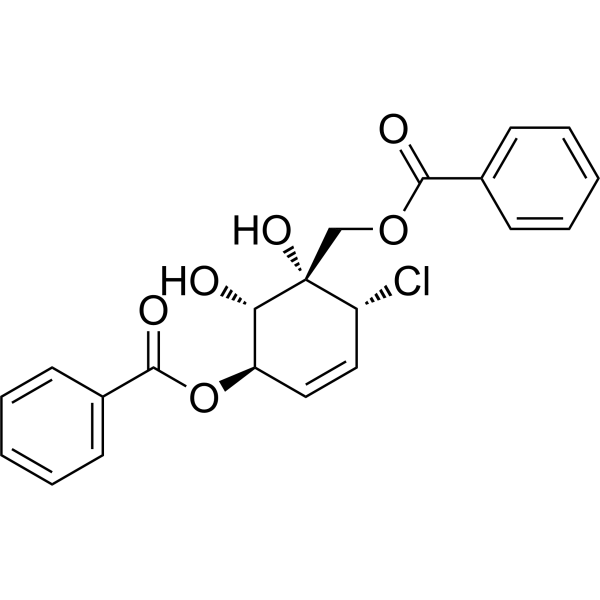
BO-1 is a benzoate ester with antibacterial activity. BO-1 inhibits multidrug-resistant Staphylococcus aureus, and acts function synergistically with antibiotic, such as Ciprofloxacin (HY-B0356). BO-1 can reverse the resistance of antibiotic-resistant S. aureus strains, and decreases the level of inflammatory factors IL-6 and C-reactive protein in vivo in mice .
loading...
    loading...
Cat. No.: HY-149346
CAS No.: 2861190-30-7
Target:  

Bacterial

Domaines de recherche:  

Infection

Mtb-IN-2 (compound 10c) is an antimicrobial agent against Mycobacterium tuberculosis (Mtb), without cytotoxicity. Mtb-IN-2 significantly decreases colony-forming units (CFU) in spleen of murine tuberculosis models, and distinguishes both drug-sensitive and drug-resistant Mtb H37Rv strains. Mtb-IN-2 affects methionine metabolism but not folate pathway directly.
loading...
    loading...
Cat. No.: HY-149708
CAS No.: 1621536-10-4
Pureté:  99.61%
Target:  

ICMT

Domaines de recherche:  

Others

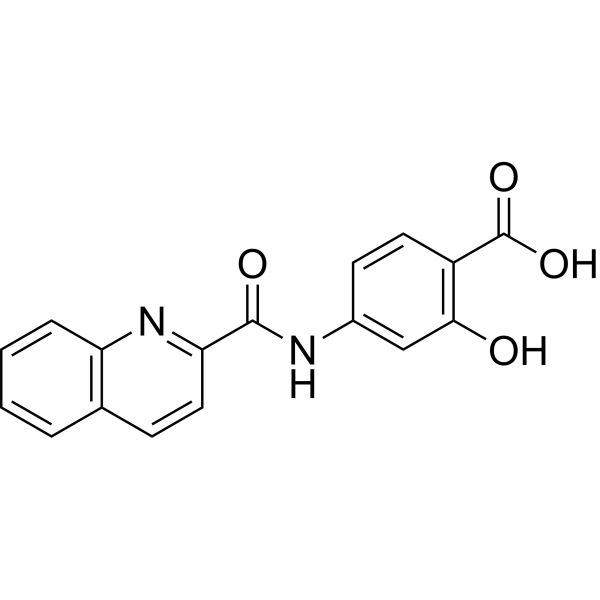
UCM-13207 is a selective isoprenylcysteine carboxylmethyltransferase (ICMT) inhibitor with a human IC50 of 1.4 μM and human Ka of 7.2 μM. UCM-13207 modulates progerin localization, stability, and levels, reduces DNA damage, increases cellular viability, and decreases tissue senescence. UCM-13207 can be used for the research of Hutchinson−Gilford progeria syndrome .
loading...
    loading...

