



Isoquercitrin
Based on 10 publication(s) in Google Scholar
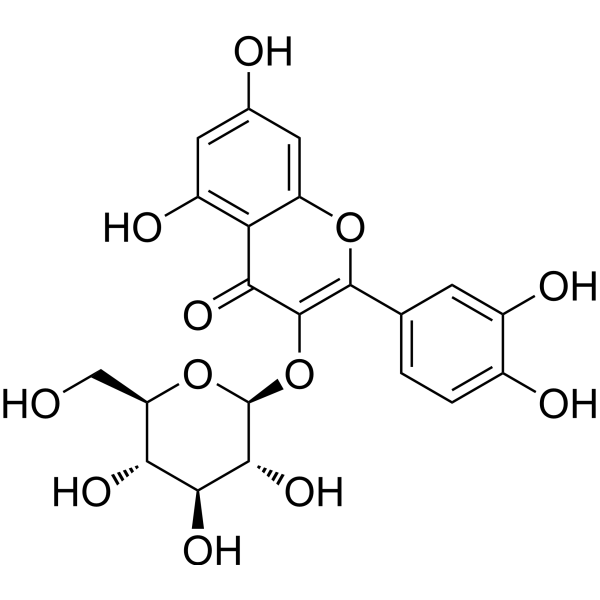
Isoquercetin (Quercetin 3-glucoside) is a naturally occurring polyphenol that has antioxidant, anti-proliferative, and anti-inflammatory properties. Isoquercetin alleviates ethanol-induced hepatotoxicity, oxidative stress, and inflammatory responses via the Nrf2/ARE antioxidant signaling pathway. Isoquercetin regulates the expression of nitric oxide synthase 2 (NO2) via modulating the nuclear factor-κB (NF-κB) transcription regulation system. Isoquercetin has high bioavailability and low toxicity, is a promising candidate agent to prevent birth defects in diabetic pregnancies.
For research use only. We do not sell to patients.
- Purity : 99.64%
- CAS No.: 482-35-9
- Formula: C21H20O12
- Molecular Weight:464.38
-
Storage:
4°C, protect from light
* In solvent : -80°C, 6 months; -20°C, 1 month (protect from light)

To place orders, for customer services and technical support, please contact: MedChemExpress USA
Tel: 609-228-6898 E-mail: [email protected] [email protected]


-
 Biological Activity
-
Chemical Information
-
Solvent & Solubility
- Protocols
- Purity & Documentation
- References
-
 Help & FAQs


-
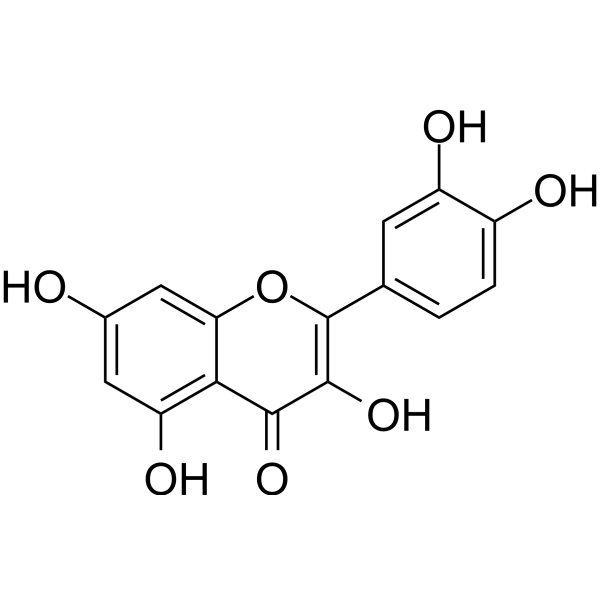
HY-18085
QuercetinFlavonoid Antioxidant -
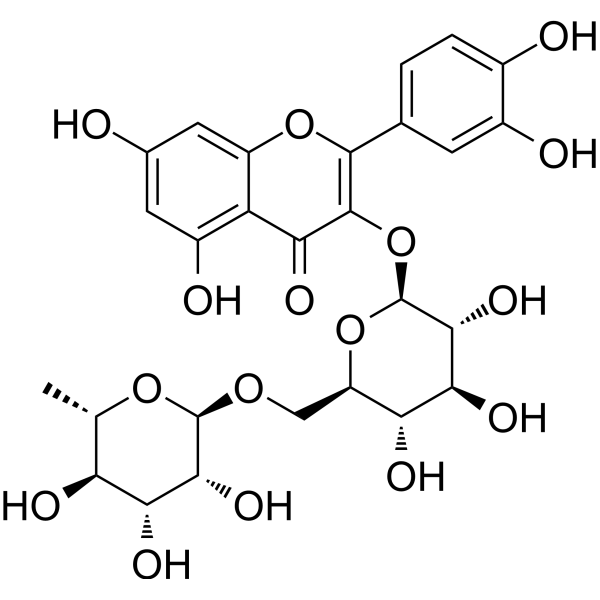
HY-N0148
RutinCBR1 Inhibitor -
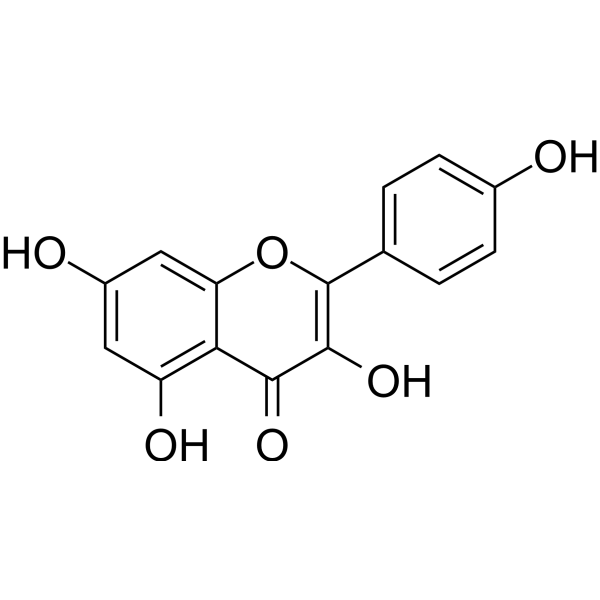
HY-14590
KaempferolEstrogen Receptor α Inhibitor -
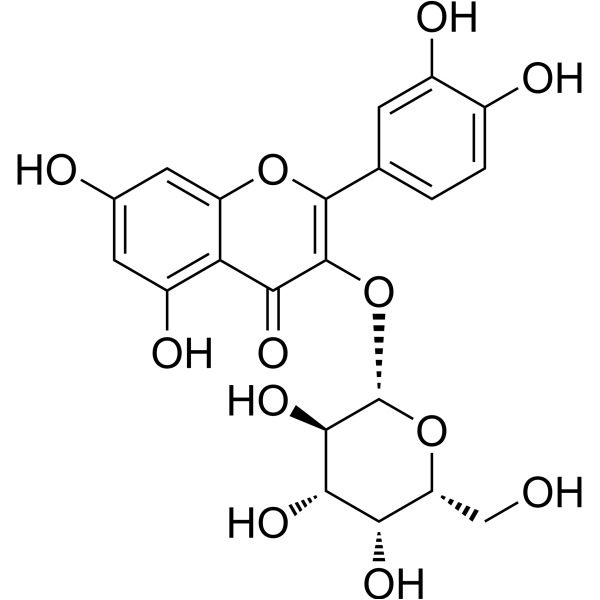
HY-N0452
HyperosideApoptosis Inducer -
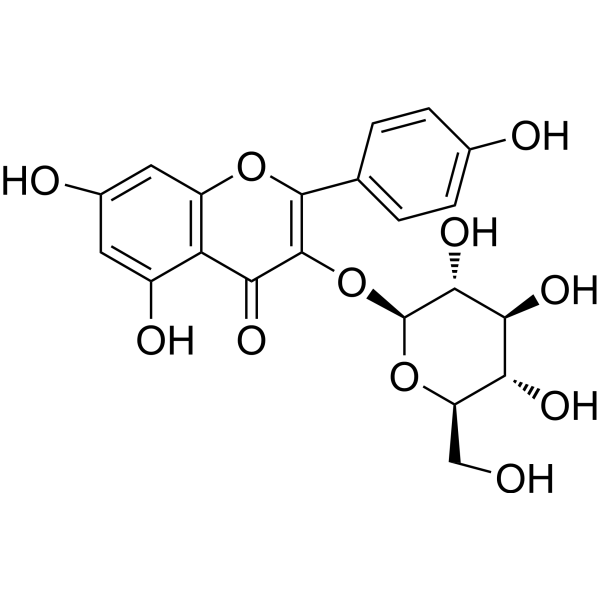
HY-N0015
AstragalinNF-κB Inhibitor -
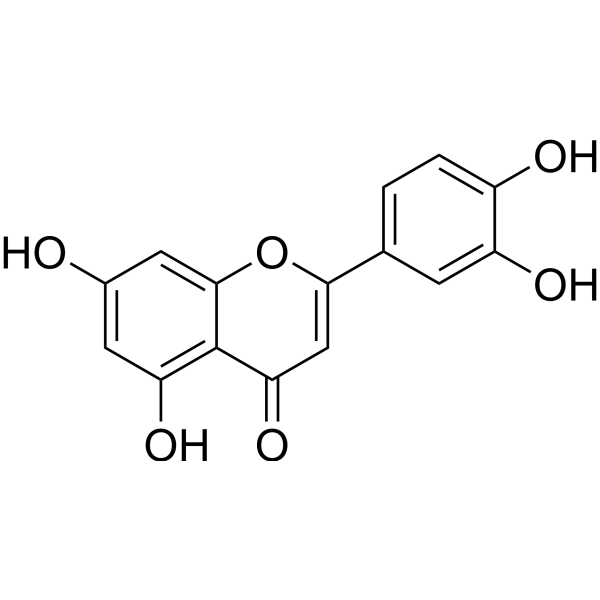
HY-N0162
LuteolinNrf2 Inhibitor -
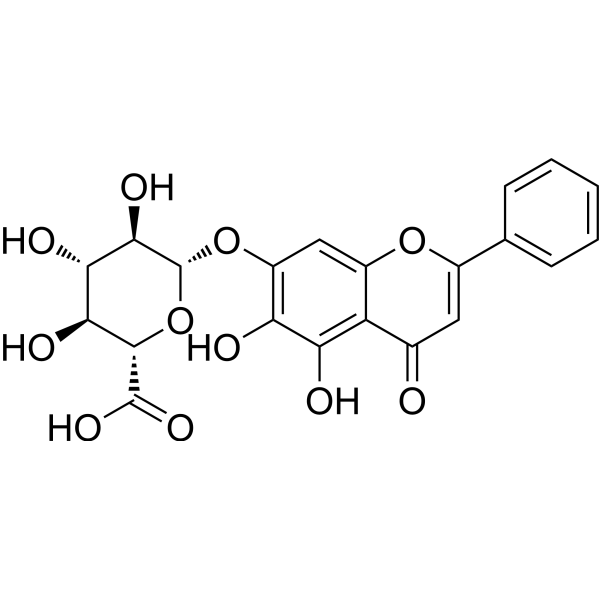
HY-N0197
BaicalinAutophagy Inducer -

HY-N1445R
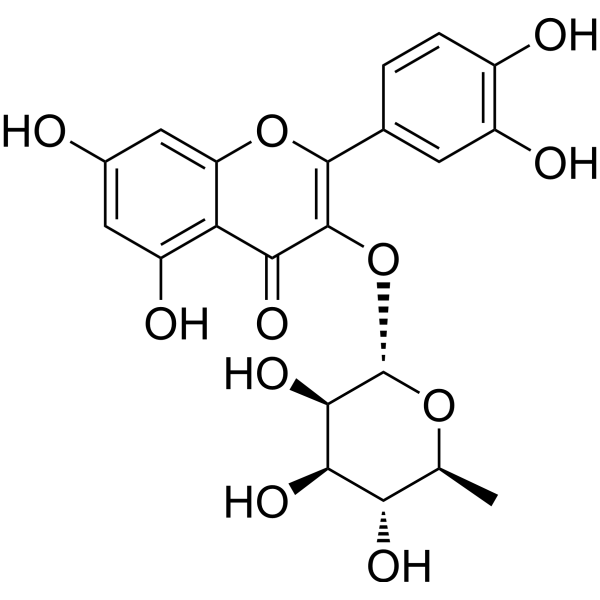
Isoquercitrin (Standard)NO Synthase Inhibitor -
HY-N0418
QuercitrinAnti-inflammatory Agent -
HY-N0001
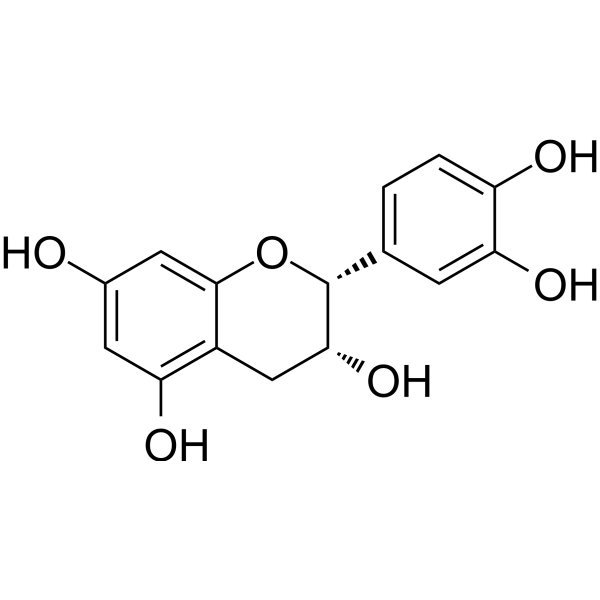
(-)-EpicatechinCOX Inhibitor -
HY-N0028
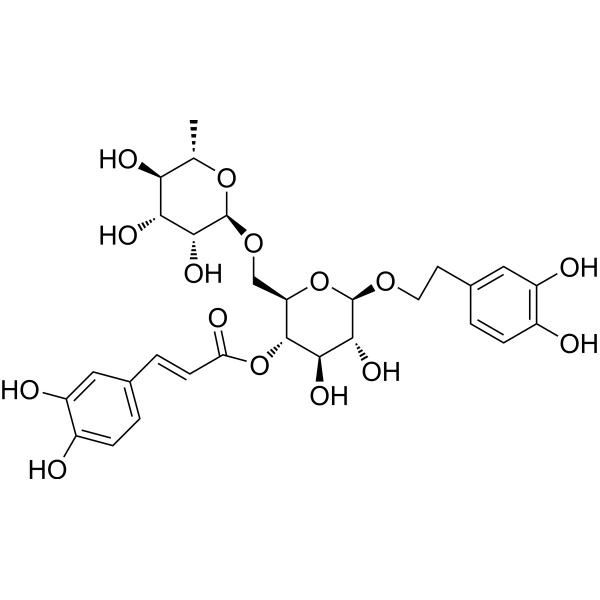
Forsythiaside AAnti-Inflammatory Agent -
HY-N0578
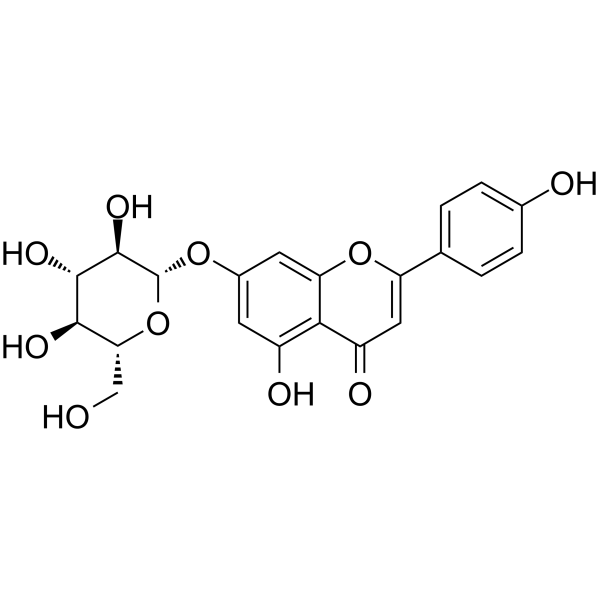
Apigenin 7-glucosideROS Scavenger
Publications Citing Use of MedChemExpress (MCE) Isoquercitrin
More- Nat Aging. 2024 Sep;4(9):1231-1248. [Abstract]
- Sci Adv. 2025 May 2;11(18):eadu6676. [Abstract]
- Phytother Res. 2025 Oct;39(10):4802-4820. [Abstract]
- J Anim Sci Biotechnol. 2026 Aug 9;17(1):161.
- Cell Rep. 2023 Nov 10;42(11):113417. [Abstract]
- Biochem Pharmacol. 2026 Oct:252:118212.
- Molecules. 2024 Oct 30;29(21):5130. [Abstract]
- J Sep Sci. 2026 Apr;49(4):e70402. [Abstract]
- Chem Biol Drug Des. 2024 Sep;104(3):e14620. [Abstract]
- Eur Rev Med Pharmacol Sci. 2025 Sep;29(9):425-433. [Abstract]
 Customer Validation & Images

-
Cell Imaging/Staining
-
RT-PCR
-
WB
-
In Vivo Imaging
-
Cell Imaging/Staining


Biological Activity
Description
IC50 & Target
|
iNOS |
Cellular Effect
|
Cell Line

|
Type | Value | Description | References |
|---|---|---|---|---|
| A549 | IC50 |
>10 μM
Compound: 11
|
Cytotoxicity against human A549 cells after 48 hrs by SRB assay
Cytotoxicity against human A549 cells after 48 hrs by SRB assay
|
[PMID: 28165740] |
| B16-4A5 | IC50 |
>100 μM
Compound: 9
|
Inhibition of melanogenesis in theophylline-stimulated mouse B16-4A5 cells after 72 hrs by microplate reader analysis
Inhibition of melanogenesis in theophylline-stimulated mouse B16-4A5 cells after 72 hrs by microplate reader analysis
|
[PMID: 25987378] |
| BMDC | IC50 |
>50 μM
Compound: 15
|
Inhibition of LPS-induced IL-12 p40 production in wild-type C57BL/6 mouse BMDC pretreated with compound for 1 hr before LPS treatment measured 16 hrs by ELISA
Inhibition of LPS-induced IL-12 p40 production in wild-type C57BL/6 mouse BMDC pretreated with compound for 1 hr before LPS treatment measured 16 hrs by ELISA
|
[PMID: 25769817] |
| BMDC | IC50 |
>50 μM
Compound: 15
|
Inhibition of LPS-induced IL-6 production in wild-type C57BL/6 mouse BMDC pretreated with compound for 1 hr before LPS treatment measured 16 hrs by ELISA
Inhibition of LPS-induced IL-6 production in wild-type C57BL/6 mouse BMDC pretreated with compound for 1 hr before LPS treatment measured 16 hrs by ELISA
|
[PMID: 25769817] |
| BMDC | IC50 |
>50 μM
Compound: 15
|
Inhibition of LPS-induced TNF-alpha production in wild-type C57BL/6 mouse BMDC pretreated with compound for 1 hr before LPS treatment measured 16 hrs by ELISA
Inhibition of LPS-induced TNF-alpha production in wild-type C57BL/6 mouse BMDC pretreated with compound for 1 hr before LPS treatment measured 16 hrs by ELISA
|
[PMID: 25769817] |
| BT-549 | IC50 |
>10 μM
Compound: 11
|
Cytotoxicity against human BT549 cells after 48 hrs by SRB assay
Cytotoxicity against human BT549 cells after 48 hrs by SRB assay
|
[PMID: 28165740] |
| BV-2 | IC50 |
13.39 μM
Compound: 5
|
Antineuroinflammatory activity in human BV2 cells assessed as inhibition of LPS-induced NO production after 24 hrs in presence of LPS by Griess reaction
Antineuroinflammatory activity in human BV2 cells assessed as inhibition of LPS-induced NO production after 24 hrs in presence of LPS by Griess reaction
|
[PMID: 27623545] |
| BV-2 | IC50 |
19.8 μM
Compound: 18
|
Antineuroinflammatory activity against mouse BV2 cells assessed as inhibition of LPS-induced nitric oxide production after 24 hrs by Griess method
Antineuroinflammatory activity against mouse BV2 cells assessed as inhibition of LPS-induced nitric oxide production after 24 hrs by Griess method
|
[PMID: 23149227] |
| BV-2 | IC50 |
55.59 μM
Compound: 11
|
Antiinflammatory activity in mouse BV2 cells assessed as inhibition of LPS-induced nitrite production after 24 hrs by Griess assay
Antiinflammatory activity in mouse BV2 cells assessed as inhibition of LPS-induced nitrite production after 24 hrs by Griess assay
|
[PMID: 28165740] |
| HEK293 | IC50 |
33.6 μM
Compound: 15
|
Inhibition of TNF-alpha-induced NFkappaB activation in human HEK293 cells after 6 hrs by luciferase reporter gene assay
Inhibition of TNF-alpha-induced NFkappaB activation in human HEK293 cells after 6 hrs by luciferase reporter gene assay
|
[PMID: 21261296] |
| Jurkat | IC50 |
>100 μg/mL
Compound: 10
|
Cytotoxicity against human Jurkat T cells after 36 hrs by MTT assay
Cytotoxicity against human Jurkat T cells after 36 hrs by MTT assay
|
[PMID: 21546250] |
| KB | ED50 |
>100 μg/mL
Compound: NSC-407304
|
Cytotoxicity against human KB cells
Cytotoxicity against human KB cells
|
[PMID: 469554] |
| MDCK | CC50 |
>400 μg/mL
Compound: 5
|
Antiviral activity against influenza virus type A H1N1 in MDCK cells assessed as inhibition of virus-induced cytopathic effect
Antiviral activity against influenza virus type A H1N1 in MDCK cells assessed as inhibition of virus-induced cytopathic effect
|
[PMID: 15104496] |
| MDCK | CC50 |
>431 μM
Compound: Isoquercitrin
|
Cytotoxicity against MDCK cells
Cytotoxicity against MDCK cells
|
[PMID: 25096296] |
| MDCK | CC50 |
23.4 μg/mL
Compound: 5
|
Antiviral activity against PIV3 in MDCK cells assessed as inhibition of virus-induced cytopathic effect
Antiviral activity against PIV3 in MDCK cells assessed as inhibition of virus-induced cytopathic effect
|
[PMID: 15104496] |
| MDCK | ED50 |
1.2 μM
Compound: 2, Isoquercetin
|
Antiviral activity against influenza A virus (A/swine/OH/511445/2007(H1N1)) Oh7 infected in MDCK cells assessed as inhibition of viral replication after 4 days by quantitative RT-PCR
Antiviral activity against influenza A virus (A/swine/OH/511445/2007(H1N1)) Oh7 infected in MDCK cells assessed as inhibition of viral replication after 4 days by quantitative RT-PCR
|
[PMID: 22115591] |
| MDCK | IC50 |
>500 μg/mL
Compound: 5
|
Antiviral activity against influenza virus type A H1N1 in MDCK cells assessed as inhibition of virus-induced cytopathic effect
Antiviral activity against influenza virus type A H1N1 in MDCK cells assessed as inhibition of virus-induced cytopathic effect
|
[PMID: 15104496] |
| MDCK | IC50 |
23.4 μg/mL
Compound: 5
|
Antiviral activity against PIV3 in MDCK cells assessed as inhibition of virus-induced cytopathic effect
Antiviral activity against PIV3 in MDCK cells assessed as inhibition of virus-induced cytopathic effect
|
[PMID: 15104496] |
| MDCK | IC50 |
23.4 μg/mL
Compound: 5
|
Cytotoxicity against MDCK cells
Cytotoxicity against MDCK cells
|
[PMID: 15104496] |
| MDCK | IC50 |
5.9 μg/mL
Compound: 5
|
Antiviral activity against RSV Long in MDCK cells assessed as inhibition of virus-induced cytopathic effect
Antiviral activity against RSV Long in MDCK cells assessed as inhibition of virus-induced cytopathic effect
|
[PMID: 15104496] |
| N9 | IC50 |
75.2 μM
Compound: 15
|
Antineuroinflammatory activity in mouse N9 cells assessed as inhibition of LPS-induced nitric oxide production after 24 hrs by Griess assay
Antineuroinflammatory activity in mouse N9 cells assessed as inhibition of LPS-induced nitric oxide production after 24 hrs by Griess assay
|
[PMID: 28073678] |
| Raji | IC50 |
570 molar ratio
Compound: 14
|
Inhibition of TPA-induced EBV-early antigen activation in human Raji cells relative to TPA
Inhibition of TPA-induced EBV-early antigen activation in human Raji cells relative to TPA
|
[PMID: 17190444] |
| RAW264.7 | IC50 |
>50 μM
Compound: 17
|
Antiinflammatory activity in mouse RAW264.7 cells assessed as inhibition of LPS-induced TNF-alpha secretion after 18 hrs by sandwich ELISA
Antiinflammatory activity in mouse RAW264.7 cells assessed as inhibition of LPS-induced TNF-alpha secretion after 18 hrs by sandwich ELISA
|
[PMID: 24679441] |
| RAW264.7 | IC50 |
61.2 μM
Compound: 10
|
Antiinflammatory activity in mouse RAW264.7 cells assessed as inhibition of LPS-induced nitric oxide production after 24 hrs by Griess method
Antiinflammatory activity in mouse RAW264.7 cells assessed as inhibition of LPS-induced nitric oxide production after 24 hrs by Griess method
|
[PMID: 21353543] |
| RAW264.7 | IC50 |
76.3 μM
Compound: 10
|
Antiinflammatory activity in mouse RAW264.7 cells assessed as inhibition of LPS-induced TNF-alpha secretion after 18 hrs
Antiinflammatory activity in mouse RAW264.7 cells assessed as inhibition of LPS-induced TNF-alpha secretion after 18 hrs
|
[PMID: 21353543] |
| SK-MEL-2 | IC50 |
>10 μM
Compound: 11
|
Cytotoxicity against human SK-MEL-2 cells after 48 hrs by SRB assay
Cytotoxicity against human SK-MEL-2 cells after 48 hrs by SRB assay
|
[PMID: 28165740] |
| SK-OV-3 | IC50 |
>10 μM
Compound: 11
|
Cytotoxicity against human SKOV3 cells after 48 hrs by SRB assay
Cytotoxicity against human SKOV3 cells after 48 hrs by SRB assay
|
[PMID: 28165740] |
In Vitro
Isoquercetin (Quercetin 3-glucoside; 5-20 μM; 24 hours) substantially reduces ethanol-induced cytotoxicity , protects hepatic cells against ethanol-stimulated liver injury[1]. Isoquercetin (10 μM; pre-treat 1 hour) dramatically downregulates the levels of ethanol-induced iNOS protein expression in HepG2 cells[1].
MedChemExpress (MCE) has not independently confirmed the accuracy of these methods. They are for reference only.
-
Cell Line:HepG2 cells
-
Concentration:5 μM, 10 μM, 20 μM
-
Incubation Time:24 hours
-
Result:Caused significantly enhanced cell viability as positive controls.
-
Cell Line:HepG2 cells
-
Concentration:10 μM
-
Incubation Time:1 hour
-
Result:Decreased ethanol‐ induced iNOS protein expression.
Clinical Trial
| NCT Number | Sponsor | Condition | Start Date |
Phase
|
|---|---|---|---|---|
| NCT01329991 | Plexxikon| | 2011-05 | PHASE1 |


Chemical Information
-
CAS No. 482-35-9
-
Appearance Solid
-
Molecular Weight 464.38
-
Formula C21H20O12
-
Color Light yellow to yellow
-
SMILES
O=C1C(O[C@H]2[C@@H]([C@H]([C@@H]([C@@H](CO)O2)O)O)O)=C(C3=CC=C(O)C(O)=C3)OC4=CC(O)=CC(O)=C14
-
Synonyms
Isoquercetin; Quercetin 3-glucoside
-
Structure Classification
-
Initial Source
-
Shipping
Room temperature in continental US; may vary elsewhere.
-
Storage
4°C, protect from light
* In solvent : -80°C, 6 months; -20°C, 1 month (protect from light)


Publications (10)
-
Journal Impact Factor
-
Most Recent
-
Nat Aging
Targeting senescence induced by age or chemotherapy with a polyphenol-rich natural extract improves longevity and healthspan in mice. [Abstract]2024 Sep;4(9):1231-1248. PMID: 38951692
Isoquercitrin purchased from MedChemExpress. Usage Cited in: Nat Aging. 2024 Sep;4(9):1231-1248. [Abstract]
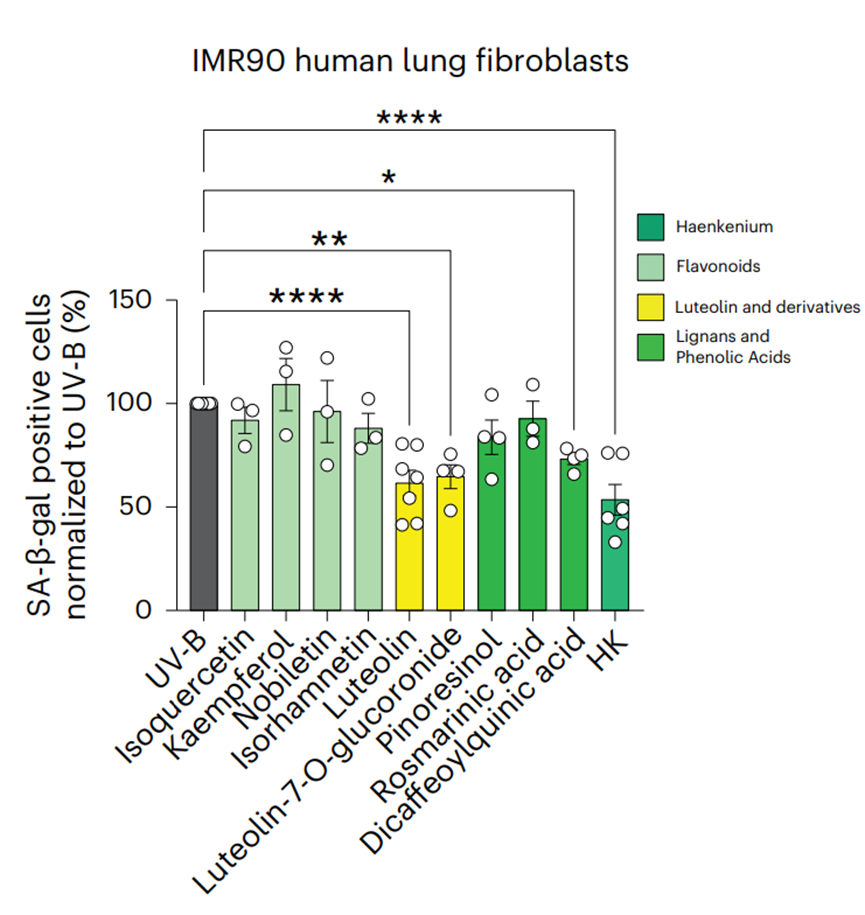
Quantification of SA-β-Gal assay of UV-B-irradiated IMR90 fibroblasts, treated with the indicated compounds at 1 μM concentration Isoquercetin.
-
Sci Adv
In situ protein corona-camouflaged supramolecular assemblies remodel thrombotic microenvironment for improved arterial homeostasis. [Abstract]2025 May 2;11(18):eadu6676. PMID: 40315315 -
Phytother Res
Isoquercitrin Promotes Angiogenesis Through the Genomic Signaling Pathway of the Estrogen Receptor-Alpha. [Abstract]2025 Oct;39(10):4802-4820. PMID: 40908639
Isoquercitrin purchased from MedChemExpress. Usage Cited in: Phytother Res. 2025 Oct;39(10):4802-4820. [Abstract]
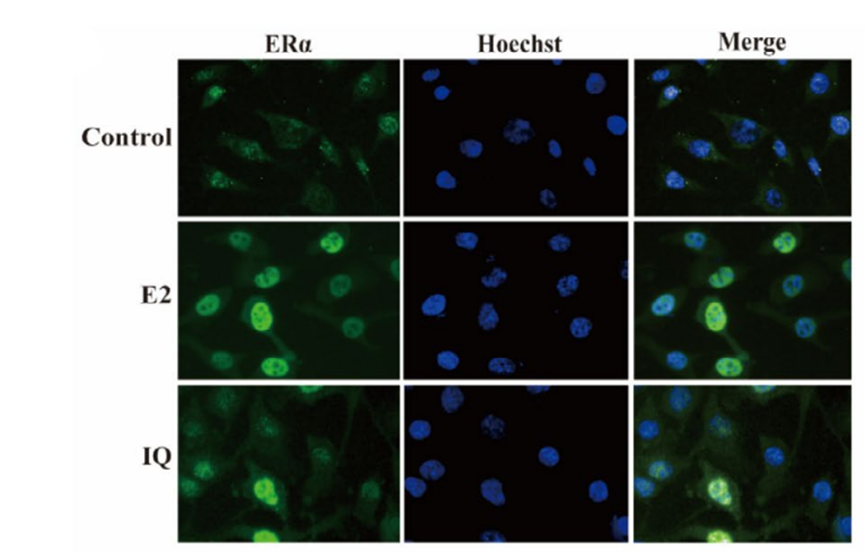
Fluorescence image of ERα nuclear translocation by 100 nM Isoquercitrin (IQ). 17β-estradiol (E2,10 nM) serves as a positive control.
Isoquercitrin purchased from MedChemExpress. Usage Cited in: Phytother Res. 2025 Oct;39(10):4802-4820. [Abstract]
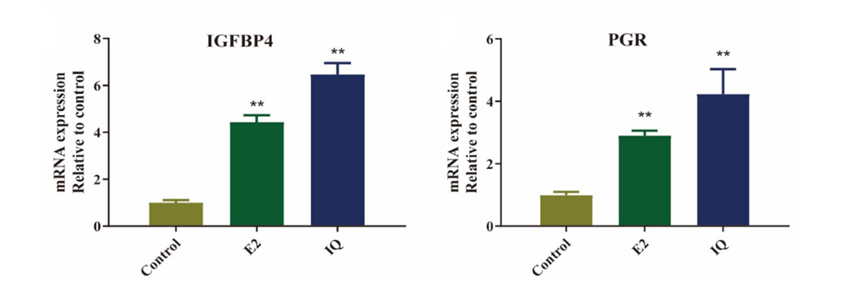
The mRNA expression of IGFBP4 and PGR was measured using RT-qPCR in EAhy926 KRR cells treated with 100 nM Isoquercitrin (IQ) or 10 nM E2.
Isoquercitrin purchased from MedChemExpress. Usage Cited in: Phytother Res. 2025 Oct;39(10):4802-4820. [Abstract]
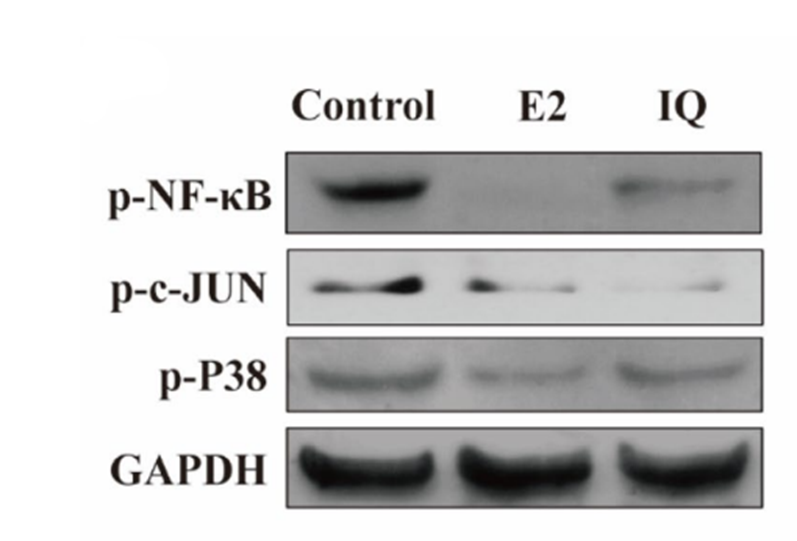
Isoquercitrin (IQ) (50 mg/kg, i.p.) suppresses the protein expression of p-NF-κB, p-c-JUN, and p-p38 by western blot.
Isoquercitrin purchased from MedChemExpress. Usage Cited in: Phytother Res. 2025 Oct;39(10):4802-4820. [Abstract]
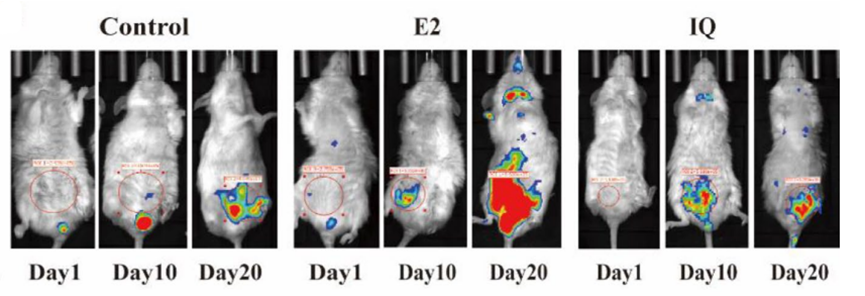
The mice were treated with 100 μg/kg E2 or 50 mg/kg Isoquercitrin (IQ) (i.p.) every day, the expression level of VEGFR2 in VEGFR2-Luc female mice was monitored by bioluminescent imaging.
-
-
Cell Rep
2023 Nov 10;42(11):113417. PMID: 37950872 -
-
Molecules
Roseoside Is a Bioactive Compound in Kirengeshoma koreana Nakai Extract with Potent In Vitro Antiviral Activity Against Hepatitis C Virus. [Abstract]2024 Oct 30;29(21):5130. PMID: 39519772 -
J Sep Sci
Oriented Immobilization Coupled With Ligand Fishing Strategy for Rapid Discovery of Direct HMGB1 Inhibitors in Taxus wallichiana var. mairei. [Abstract]2026 Apr;49(4):e70402. PMID: 41906428 -
Chem Biol Drug Des
Isoquercetin Ameliorates Osteoarthritis via Nrf2/NF-κB Axis: An In Vitro and In Vivo Study. [Abstract]2024 Sep;104(3):e14620. PMID: 39251394 -
Eur Rev Med Pharmacol Sci
Mulberry leaf extracts and quercetin glycosides promote glycogen accumulation in astrocytes. [Abstract]2025 Sep;29(9):425-433. PMID: 41059752


Solvent & Solubility
In Vitro:
DMSO : 100 mg/mL (215.34 mM; Need ultrasonic; Hygroscopic DMSO has a significant impact on the solubility of product, please use newly opened DMSO)
Please refer to the solubility information to select the appropriate solvent. Once prepared, please aliquot and store the solution to prevent product inactivation from repeated freeze-thaw cycles.
Storage method and period of stock solution: -80°C, 6 months; -20°C, 1 month (protect from light). When stored at -80°C, please use it within 6 months. When stored at -20°C, please use it within 1 month.
Please refer to the solubility information to select the appropriate solvent. Once prepared, please aliquot and store the solution to prevent product inactivation from repeated freeze-thaw cycles.
Storage method and period of stock solution: -80°C, 6 months; -20°C, 1 month (protect from light). When stored at -80°C, please use it within 6 months. When stored at -20°C, please use it within 1 month.
Concentration (start) × Volume (start) = Concentration (final) × Volume (final)
In Vivo:
Select the appropriate dissolution method based on your experimental animal and administration route.
- For the following dissolution methods, please ensure to first prepare a clear stock solution using an In Vitro approach and then sequentially add co-solvents:
- To ensure reliable experimental results, the clarified stock solution can be appropriately stored based on storage conditions. As for the working solution for In Vivo experiments, it is recommended to prepare freshly and use it on the same day.
- The percentages shown for the solvents indicate their volumetric ratio in the final prepared solution. If precipitation or phase separation occurs during preparation, heat and/or sonication can be used to aid dissolution.
Add each solvent one by one: 10% DMSO 40% PEG300 5% Tween-80 45% Saline
Solubility: ≥ 5 mg/mL (10.77 mM); Clear solution
This protocol yields a clear solution of ≥ 5 mg/mL (saturation unknown).
Taking 1 mL working solution as an example, add 100 μL DMSO stock solution (50.0 mg/mL) to 400 μL PEG300, and mix evenly; then add 50 μL Tween-80 and mix evenly; then add 450 μL Saline to adjust the volume to 1 mL.
Preparation of Saline: Dissolve 0.9 g sodium chloride in ddH₂O and dilute to 100 mL to obtain a clear Saline solution.
Add each solvent one by one: 10% DMSO 90% (20% SBE-β-CD in Saline)
Solubility: ≥ 5 mg/mL (10.77 mM); Clear solution
This protocol yields a clear solution of ≥ 5 mg/mL (saturation unknown).
Taking 1 mL working solution as an example, add 100 μL DMSO stock solution (50.0 mg/mL) to 900 μL 20% SBE-β-CD in Saline, and mix evenly.
Preparation of 20% SBE-β-CD in Saline (4°C, storage for one week): 2 g SBE-β-CD powder is dissolved in 10 mL Saline, completely dissolve until clear.
In Vivo Dissolution Calculator
Please enter the basic information of animal experiments:
-
-
-
-
Recommended: Prepare an additional quantity of animals to account for potential losses during experiments.
Please enter your animal formula composition:
-
%DMSO +
Recommended: Keep the proportion of DMSO in working solution below 2% if your animal is weak.
-
%+
-
+%Tween-80 + +
-
%Saline +
The co-solvents required include: DMSO, . All of co-solvents are available by MedChemExpress (MCE). , Tween 80. All of co-solvents are available by MedChemExpress (MCE).
Working solution concentration: 0.22 mg/mL
Method for preparing stock solution: mg drug dissolved in μL DMSO. Stock solution concentration: mg/mL. * In solvent : -80°C, 6 months; -20°C, 1 month (protect from light)
1. Take μL DMSO stock solution;
2. Add μL .
μL , mix evenly;
3. Then add μL Tween 80, mix evenly;
4. Then add μL
Please ensure that the stock solution in the first step is dissolved to a clear state, and add co-solvents in sequence. You can use ultrasonic heating (ultrasonic cleaner, recommended frequency 20-40 kHz), vortexing, etc. to assist dissolution.


Purity & Documentation
-
Data Sheet (281 KB)
-
SDS (394 KB)
- English - EN (394 KB)
- Français - FR (394 KB)
- Deutsch - DE (394 KB)
- Norwegian - NO (394 KB)
- Español - ES (394 KB)
- Swedish - SV (394 KB)
- Italian - IT (394 KB)
- Korean - KR (394 KB)
- Portuguese - PT (394 KB)
-
Handling Instructions (2659 KB)
References
[1]. Lee S, et al. Relative protective activities of quercetin, quercetin-3-glucoside, and rutin in alcohol-induced liver injury. J Food Biochem. 2019 Aug 5:e13002. [Content Brief]
[2]. Tan C, et al. Modulation of nuclear factor-κB signaling and reduction of neural tube defects by quercetin-3-glucoside in embryos of diabetic mice. Am J Obstet Gynecol. 2018 Aug;219(2):197.e1-197.e8. [Content Brief]


Complete Stock Solution Preparation Table
Please refer to the solubility information to select the appropriate solvent. Once prepared, please aliquot and store the solution to prevent product inactivation from repeated freeze-thaw cycles.
Storage method and period of stock solution: -80°C, 6 months; -20°C, 1 month (protect from light). When stored at -80°C, please use it within 6 months. When stored at -20°C, please use it within 1 month.
| Optional Solvent | Concentration Solvent Mass | 1 mg | 5 mg | 10 mg | 25 mg |
|---|---|---|---|---|---|
| DMSO | 1 mM | 2.1534 mL | 10.7670 mL | 21.5341 mL | 53.8352 mL |
| 5 mM | 0.4307 mL | 2.1534 mL | 4.3068 mL | 10.7670 mL | |
| 10 mM | 0.2153 mL | 1.0767 mL | 2.1534 mL | 5.3835 mL | |
| 15 mM | 0.1436 mL | 0.7178 mL | 1.4356 mL | 3.5890 mL | |
| 20 mM | 0.1077 mL | 0.5384 mL | 1.0767 mL | 2.6918 mL | |
| 25 mM | 0.0861 mL | 0.4307 mL | 0.8614 mL | 2.1534 mL | |
| 30 mM | 0.0718 mL | 0.3589 mL | 0.7178 mL | 1.7945 mL | |
| 40 mM | 0.0538 mL | 0.2692 mL | 0.5384 mL | 1.3459 mL | |
| 50 mM | 0.0431 mL | 0.2153 mL | 0.4307 mL | 1.0767 mL | |
| 60 mM | 0.0359 mL | 0.1795 mL | 0.3589 mL | 0.8973 mL | |
| 80 mM | 0.0269 mL | 0.1346 mL | 0.2692 mL | 0.6729 mL | |
| 100 mM | 0.0215 mL | 0.1077 mL | 0.2153 mL | 0.5384 mL |


Isoquercitrin Related Classifications
HY-N1445 Related Classifications
 Powered by Bioz