Branched Fatty Acids
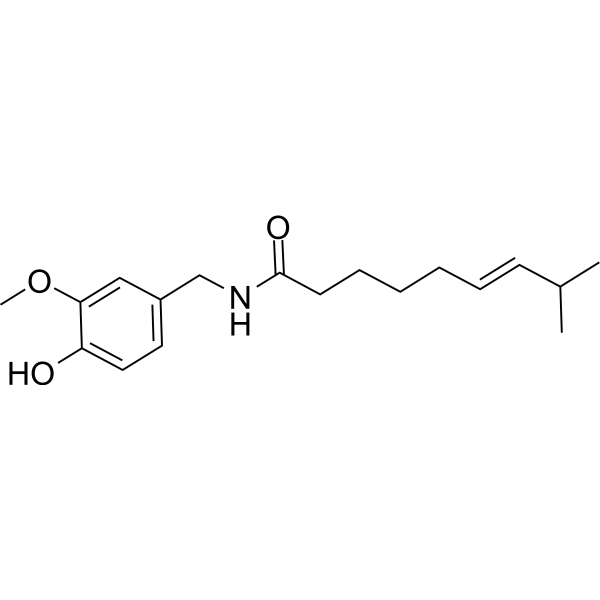
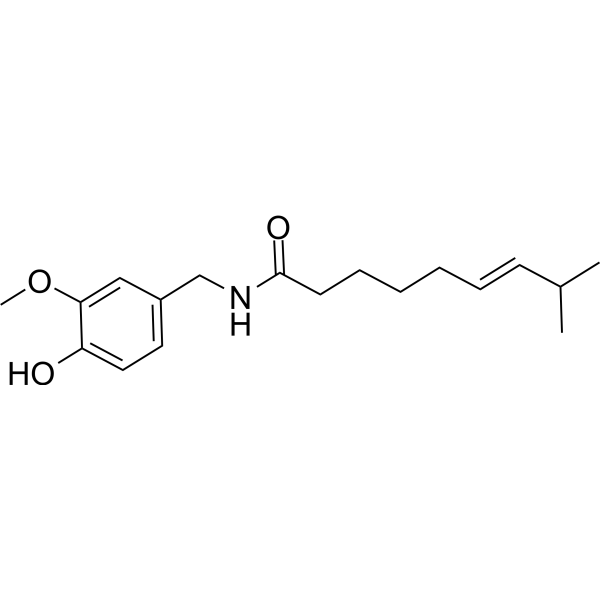
- Formula: C18H27NO3
- Molecular Weight: 305.41
Capsaicin ((E)-Capsaicin), an active component of chili peppers, is a TRPV1 agonist. Capsaicin induces a nociceptive response by binding to its receptors. Capsaicin has analgesic effects on neurological disorders. Capsaicin has antioxidant, anti-inflammatory, anti-cancer effects.
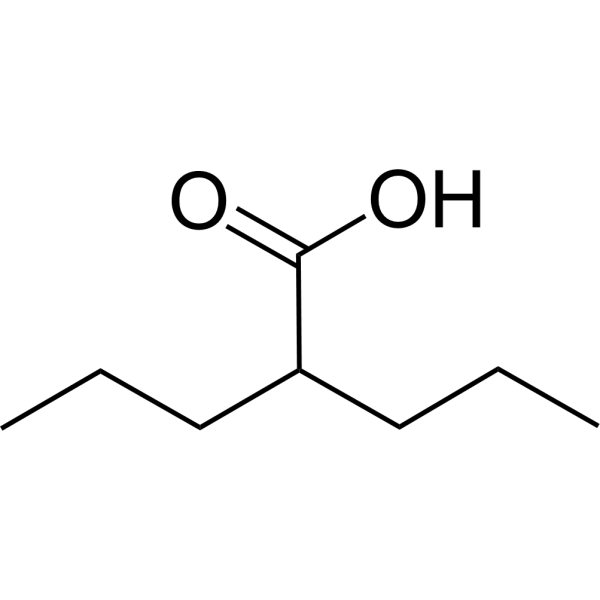
- Formula: C8H16O2
- Molecular Weight: 144.21
Valproic acid (VPA) is an orally active HDAC inhibitor, with IC50 in the range of 0.5 and 2 mM. Valproic acid inhibits HDAC1 (IC50, 400 μM), and induces proteasomal degradation of HDAC2. Valproic acid activates Notch1 signaling and inhibits proliferation in small cell lung cancer (SCLC) cells. Valproic acid is used in the epilepsy, bipolar disorder, metabolic disease, HIV infection and prevention of migraine headaches.
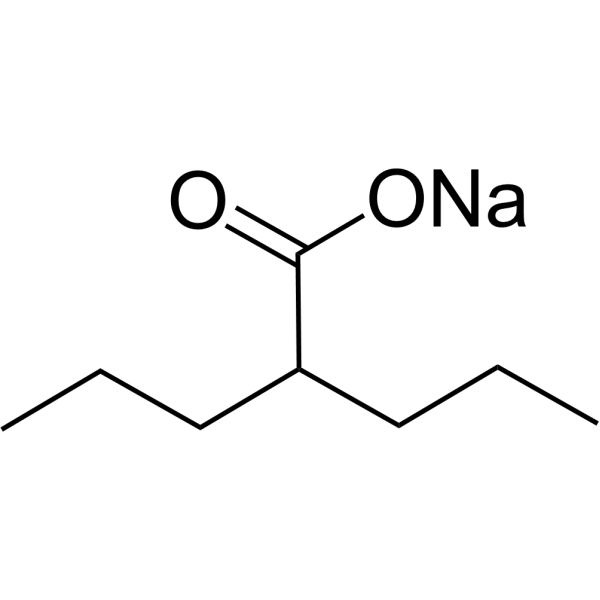
- Formula: C8H15NaO2
- Molecular Weight: 166.19
Valproic acid (Sodium Valproate) sodium is an orally active HDAC inhibitor, with IC50 in the range of 0.5 and 2 mM, also inhibits HDAC1 (IC50, 400 μM), and induces proteasomal degradation of HDAC2. Valproic acid sodium activates Notch1 signaling and inhibits proliferation in small cell lung cancer (SCLC) cells. Valproic acid sodium is used in the treatment of epilepsy, bipolar disorder, metabolic disease, HIV infection and prevention of migraine headaches.
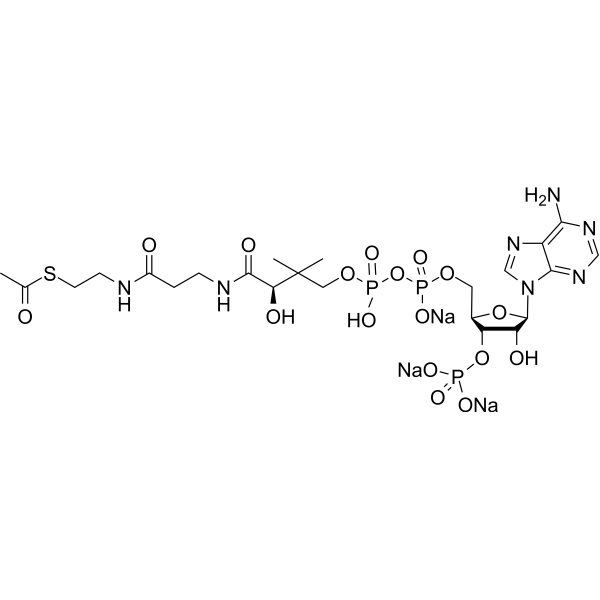
- Formula: C23H35N7Na3O17P3S
- Molecular Weight: 875.52
Acetyl-coenzyme A (Acetyl-CoA) trisodium is a membrane-impermeant central metabolic intermediate, participates in the TCA cycle and oxidative phosphorylation metabolism. Acetyl-coenzyme A trisodium, regulates various cellular mechanisms by providing (sole donor) acetyl groups to target amino acid residues for post-translational acetylation reactions of proteins. Acetyl Coenzyme A trisodium is also a key precursor of lipid synthesis.
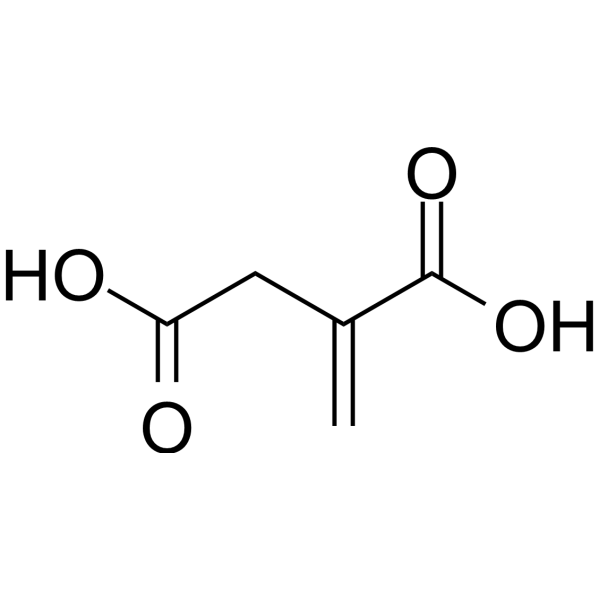
- Formula: C5H6O4
- Molecular Weight: 130.10
Itaconic acid, a precursor of polymers, chemicals, and fuels, can be synthesized by many fungi. Itaconic acid also is a macrophage-specific metabolite. Itaconic acid mediates crosstalk between macrophage metabolism and peritoneal tumors. Itaconic acid has anti-inflammatory, anti-microbial and immunomodulatory effect.
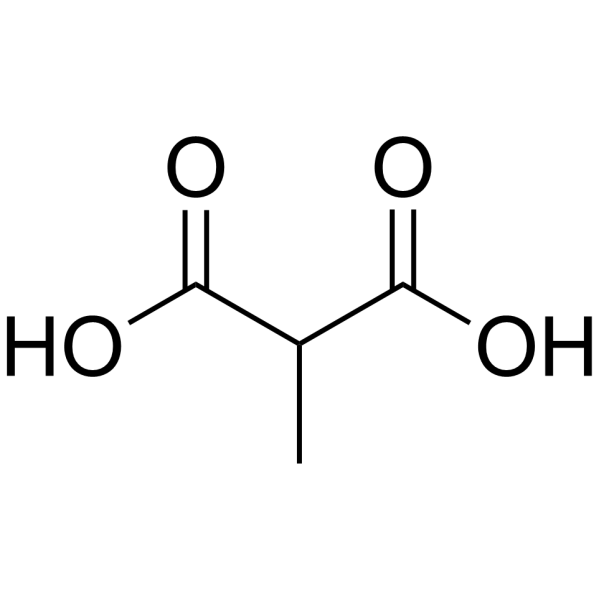
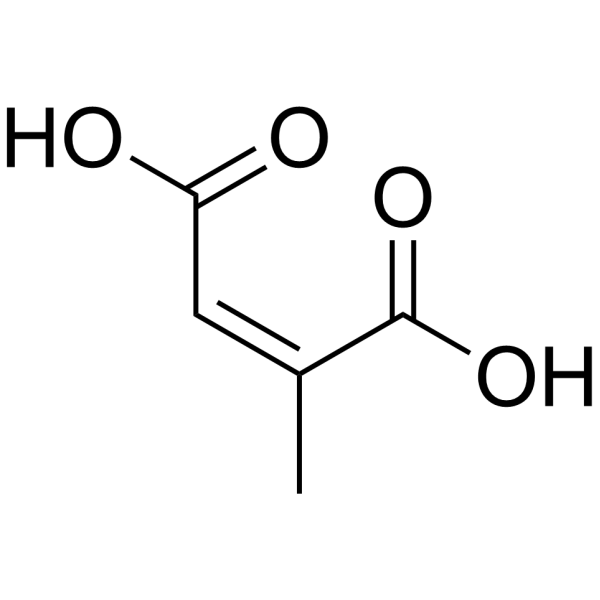
- Formula: C5H6O4
- Molecular Weight: 130.10
Citraconic acid (Methylmaleic acid) is an orally active inhibitor targeting the NLRP3 inflammasome and Keap1-Nrf2 pathway. Citraconic acid reduces reactive oxygen species (ROS) generation by inhibiting succinate dehydrogenase (SDH) activity. Citraconic acid also modifies the conformation of Keap1 protein, relieves its inhibition of Nrf2, promotes antioxidant gene expression, and inhibits NLRP3 activation and the release of pro-inflammatory factors such as IL-1β and IL-18. Citraconic acid has anti-inflammatory and antioxidant activities, can reduce oxidative stress and cell pyroptosis, improve tissue damage, and can be used for the research of inflammation-related diseases such as acute renal ischemia-reperfusion injury. Citraconic acid is an isomer of Itaconic acid (HY-Y052).
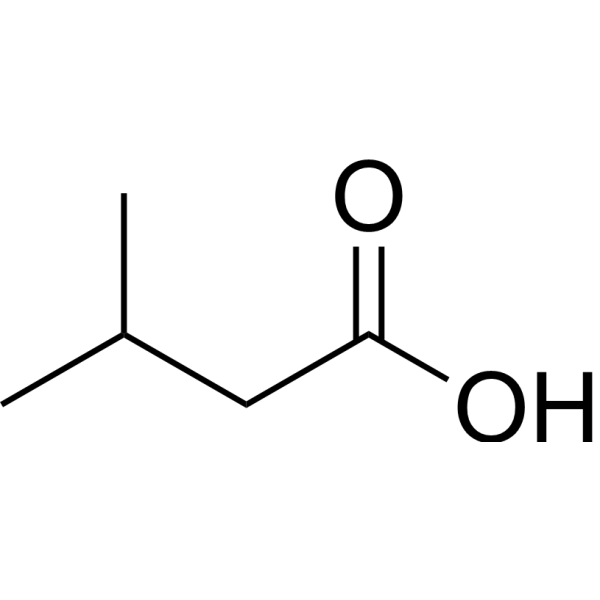
- Formula: C5H10O2
- Molecular Weight: 102.13
Isovaleric acid is an oral active short-chain fatty acid that inhibits osteoclast differentiation by stimulating AMPK phosphorylation and promotes colonic smooth muscle relaxation by activating the cAMP/PKA pathway. Isovaleric acid can be used in research on skeletal diseases (such as osteoporosis) and intestinal disorders.
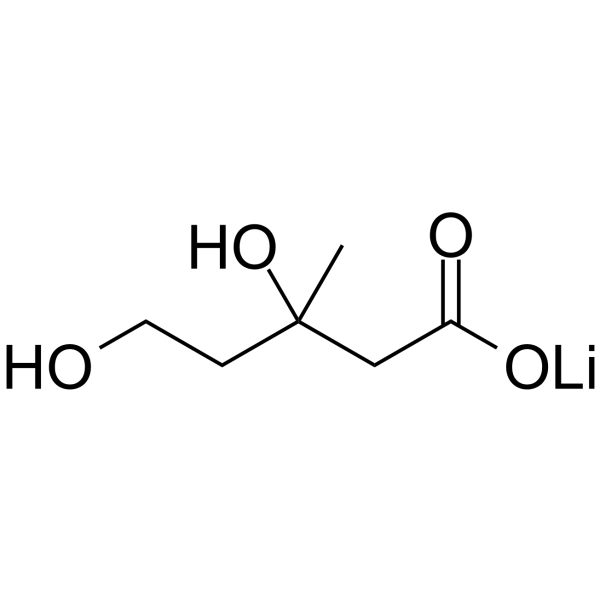
- Formula: C6H11LiO4
- Molecular Weight: 154.09
Mevalonic acid (MVA) lithium salt is a precursor substance of the mevalonate pathway, which is essential for cell growth and proliferation. Mevalonic acid lithium salt is effective in inhibiting Simvastatin (HY-17502)-induced decrease in C2C12 cell viability in vitro. Mevalonic acid lithium salt can be used in studies of myopathy and heart failure.
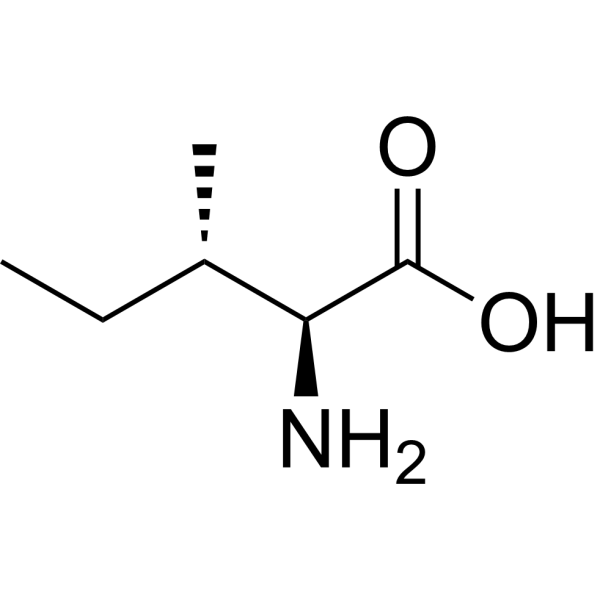
- Formula: C6H13NO2
- Molecular Weight: 131.18
L-Isoleucine is an orally active branched chain amino acid, which is the L-enantiomer of isoleucine. L-Isoleucine has a role as a Saccharomyces cerevisiae metabolite, an Escherichia coli metabolite, a plant metabolite, a human metabolite, an algal metabolite and a mouse metabolite. L-Isoleucine regulates the inflammatory response to protect against pathogens in vivo and in vitro.
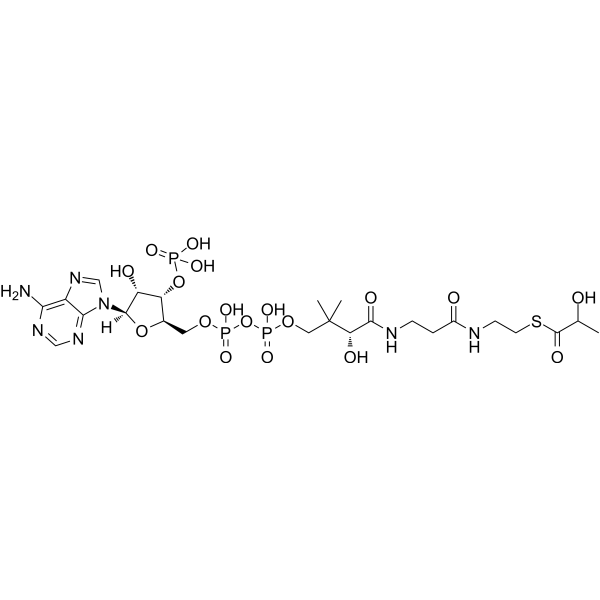
- Formula: C24H40N7O18P3S
- Molecular Weight: 839.60
Lactyl-CoA is an acyl-CoA formally condensed from the sulfhydryl group of CoA and the carboxyl group of lactic acid, also known as lactyl-CoA. Lactyl-CoA is essential for the biosynthesis of biodegradable and biocompatible lactic acid-based copolymers.
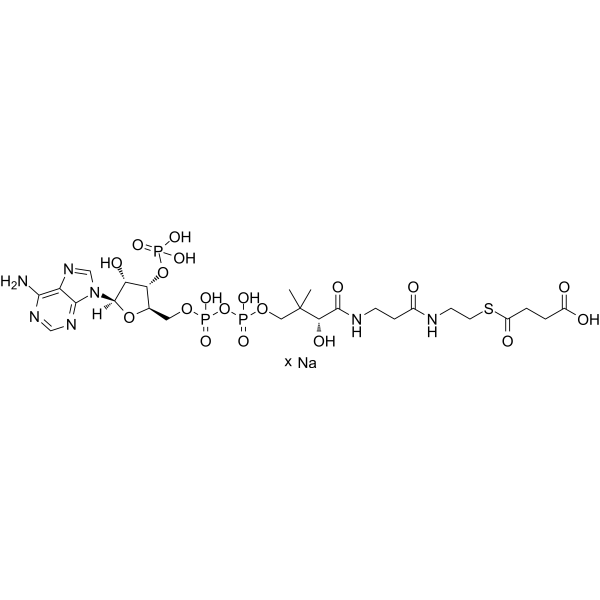
- Formula: C25H40N7NaO19P3S
Succinyl CoA (Succinyl-coenzyme A) sodium is a pivotal intermediate metabolite in the tricarboxylic acid cycle and a key coenzyme A metabolite. Succinyl CoA sodium is biosynthesized from α-ketoglutarate or propionyl-CoA. Succinyl CoA sodium acts as a critical precursor and substrate for heme biosynthesis and gluconeogenesis. Succinyl CoA sodium insufficiency caused by cobalamin deficiency is directly linked to growth retardation, impaired heme synthesis, tissue glycine accumulation and neurological abnormalities. Succinyl CoA sodium can be used in research on metabolic, neurological, and hematological abnormalities (such as porphyria) caused by nutritional vitamin B12 deficiency (leading to a lack of Succinyl-Coenzyme A synthesis).
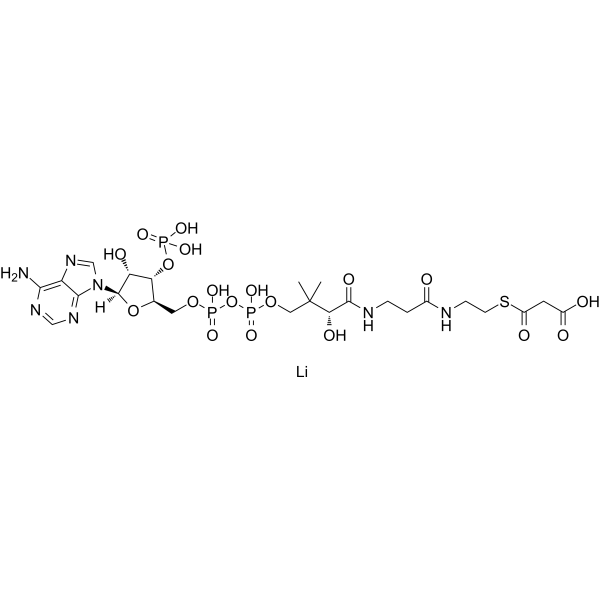
- Formula: C24H38N7O19P3S.xLi
Malonyl CoA (Malonyl Coenzyme A) lithium is an inhibitor of carnitine palmitoyl transferase 1 (CPT1). High Malonyl CoA lithium concentrations suppress fatty acid oxidation, while low Malonyl CoA lithium concentrations are permissive for fat oxidation.
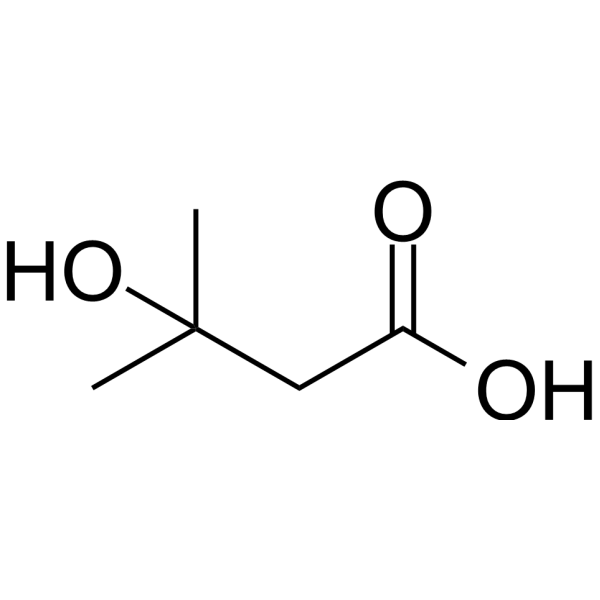
- Formula: C5H10O3
- Molecular Weight: 118.13
3-Hydroxyisovaleric acid is a normal endogenous metabolite excreted in the urine. The urinary excretion of 3-hydroxyisovaleric acid is early and sensitive indicator of biotin deficiency.
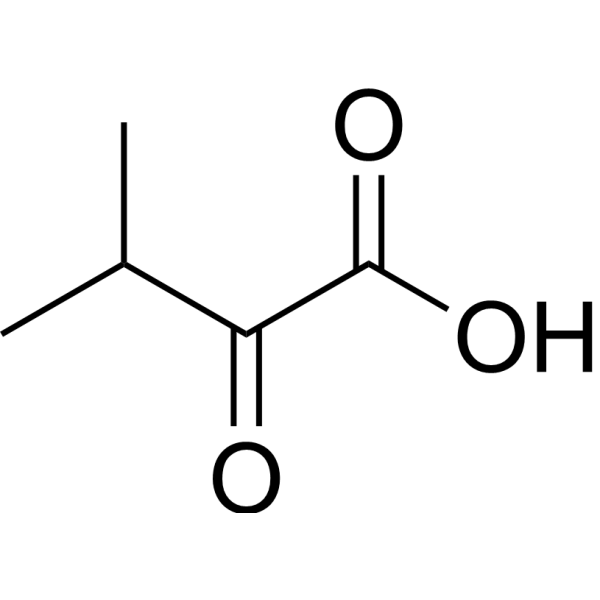
- Formula: C5H8O3
- Molecular Weight: 116.12
3-Methyl-2-oxobutanoic acid is a precursor of pantothenic acid in Escherichia coli.
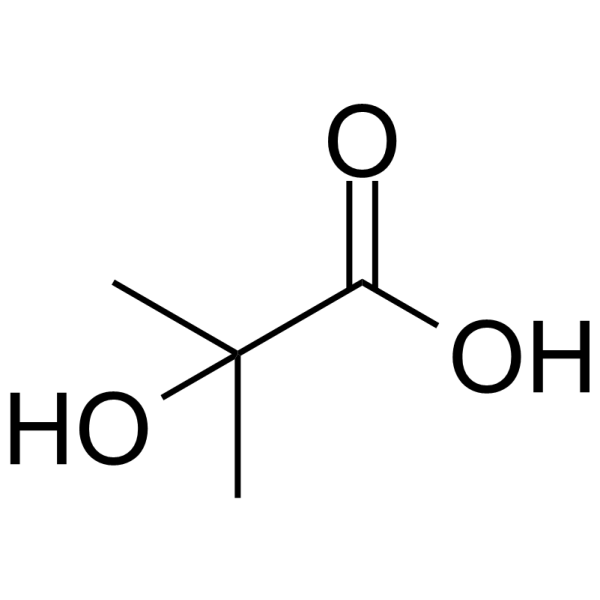
- Formula: C4H8O3
- Molecular Weight: 104.11
2-Hydroxyisobutyric acid (2-HIBA) is a selective modulator of the Insulin/IGF-1 pathway and the p38 MAPK pathway, which reduces reactive oxygen species (ROS) and fat accumulation in Caenorhabditis elegans. 2-Hydroxyisobutyric acid promotes β-oxidation and inhibits fatty acid synthesis by upregulating SKN-1/NRF2 and downregulating SREBP-1c transcription factors. 2-Hydroxyisobutyric acid has anti-aging and lipid-lowering effects, and can be used to study metabolic diseases such as obesity and diabetes. 2-Hydroxyisobutyric acid is also a renewable precursor of methacrylate through 2-HIB-CoA mutase-mediated biosynthesis[1][2].
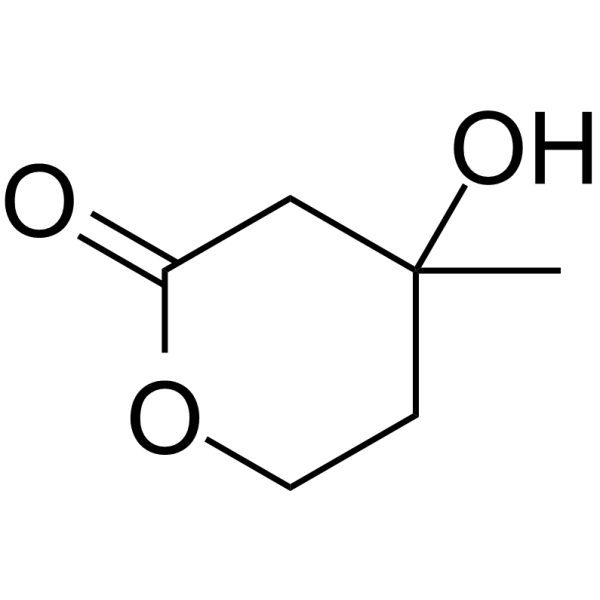
- Formula: C6H10O3
- Molecular Weight: 130.14
DL-Mevalonolactone ((±)-Mevalonolactone;Mevalolactone) is the δ-lactone form of mevalonic acid, a precursor in the mevalonate pathway. DL-Mevalonolactone is orally active against HMGCR mutation and statin caused myopathy. DL-Mevalonolactone induces inflammation and oxidative stress response with decreased mitochondrial membrane potential (MMP) and induces mitochondrial swelling[2][4].
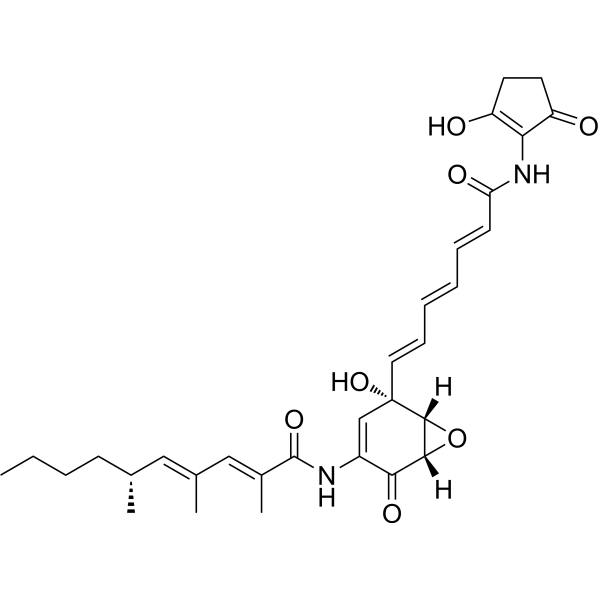
- Formula: C31H38N2O7
- Molecular Weight: 550.64
Manumycin A is a polyketide antibiotic and an inhibitor of thioredoxin reductase 1 (TrxR-1). Manumycin A can inhibit the growth of breast cancer cells and exert its anti-tumor activity through LC3. Manumycin A can downregulate the release of pro-inflammatory cytokines in human monocytes stimulated by TNF α, and has potential anti-inflammatory activity. Manumycin A can inhibit the Ras/Raf/ERK1/2 signaling and hnRNP H1 in castration resistant prostate cancer cells to suppress exosome biogenesis and secretion.
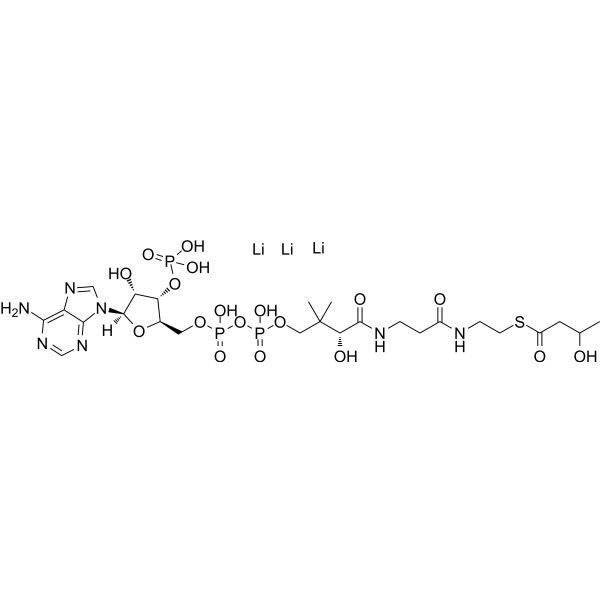
- Formula: C25H42Li3N7O18P3S
- Molecular Weight: 874.45
DL-β-Hydroxybutyryl coenzyme A lithium is an intermediate in the fermentation of butyric acid and the metabolism of lysine and tryptophan, and is produced from β-hydroxybutyric acid by short-chain-CoA synthase.