286 Results for "

HIF1

" in MedChemExpress (MCE) Product Catalog:
Products (286)

286 Results for "HIF1" in MCE Product Catalog:

Cat. No.: HY-116136
CAS No.: 119290-87-8
Synonyms: NP1302
Acanthoic acid (NP1302) is an orally active pimarane-type diterpenoid. Acanthoic acid is isolated from the root bark of Araliaceae family plant Eleutherococcus senticosus (Siberian ginseng). Acanthoic acid activates LXR and FXR. Acanthoic acid activates the AMPK-LKB1, SIRT1, and p38 MAPK signaling pathways and increases the phosphorylation level of ACC. Acanthoic acid downregulates the expression of SREBP-1, CYP2E1, HIF-1α, and PPARγ, and upregulates the expression of PPARα. Acanthoic acid induces Apoptosis by activating Caspase-3, promoting PARP cleavage, and downregulating Bcl-xL. Acanthoic acid exhibits antioxidant, anti-fibrotic, and hepatoprotective effects. It reduces lipid accumulation and lipogenesis. Acanthoic acid is used in studies on non-alcoholic fatty liver disease, alcoholic liver disease, acute promyelocytic leukemia, and Acetaminophen-induced hepatotoxicity [1] .
loading...
    loading...
Cat. No.: HY-N0390R
CAS No.: 56-85-9
Synonyms: L-Glutamic acid 5-amide (Standard)
L-Glutamine (Standard) is the analytical standard of L-Glutamine (HY-N0390). This product is intended for research and analytical applications. L-Glutamine is an orally active nutritional agent and cellular metabolism regulator. L-Glutamine is taken up in a Na +-dependent manner and targets multiple key molecules including glutaminase, mTORC1, NF-κB, STAT-3 and HIF-1α. L-Glutamine enhances glutaminolytic catabolism, drives the conversion of glutamate to α-ketoglutarate, thereby regulating gene expression, integrating metabolic signals, mediating glutamine flux and maintaining redox homeostasis. L-Glutamine also promotes cell proliferation, osteogenic differentiation and fracture healing, exerts neuroprotective and cardioprotective effects, and inhibits osteoarthritis. L-Glutamine can be applied to research related to osteoporosis, osteoarthritis, ischemic stroke and acute cantharidin-induced cardiotoxicity [1] .
loading...
    loading...
Cat. No.: HY-N0390S4
CAS No.: 159680-32-7
Synonyms: L-Glutamic acid 5-amide-5-13C
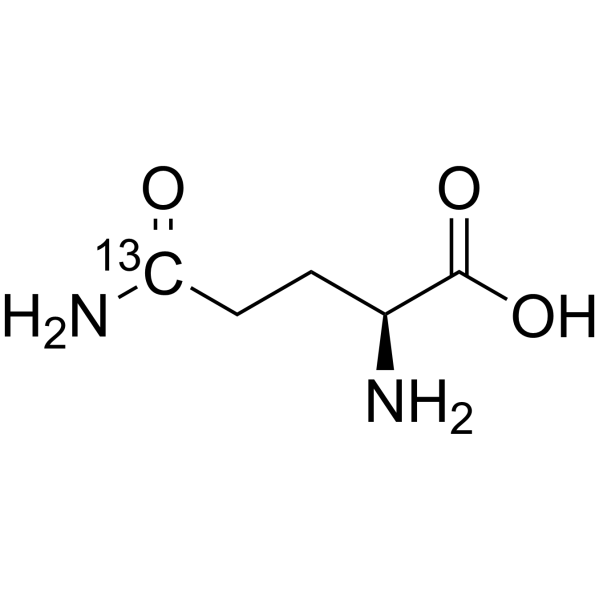
L-Glutamine-5- 13C is the 13C-labeled L-Glutamine (HY-N0390). L-Glutamine is an orally active nutritional agent and cellular metabolism regulator. L-Glutamine is taken up in a Na +-dependent manner and targets multiple key molecules including glutaminase, mTORC1, NF-κB, STAT-3 and HIF-1α. L-Glutamine enhances glutaminolytic catabolism, drives the conversion of glutamate to α-ketoglutarate, thereby regulating gene expression, integrating metabolic signals, mediating glutamine flux and maintaining redox homeostasis. L-Glutamine also promotes cell proliferation, osteogenic differentiation and fracture healing, exerts neuroprotective and cardioprotective effects, and inhibits osteoarthritis. L-Glutamine can be applied to research related to osteoporosis, osteoarthritis, ischemic stroke and acute cantharidin-induced cardiotoxicity [1] .
loading...
    loading...
Cat. No.: HY-183583
CAS No.: 2709068-47-1
Research Areas:  

Cancer

HIF-2α-IN-18 is a selective HIF-2α inhibitor with a human IC50 of 8.1 nM. HIF-2α-IN-18 binds to the HIF-2α PAS-B domain, induces conformational perturbations at the HIF-2α/ARNT dimerization interface, destabilizes the HIF-2α/ARNT heterodimer, and blocks HIF-2α-mediated transcriptional activity. HIF-2α-IN-18 inhibits hypoxia-induced expression of HIF-2α target genes EPO and SERPINE1, without inhibiting HIF-1α target genes PGK1 and PDK1. HIF-2α-IN-18 can be used for the research of clear cell renal cell carcinoma, hepatocellular carcinoma[1].
loading...
    loading...
Cat. No.: HY-N0390G
CAS No.: 56-85-9
L-Glutamine GMP is L-Glutamine (HY-N0390) produced by using GMP guidelines. GMP small molecules works appropriately as an auxiliary reagent for cell therapy manufacture. L-Glutamine is an orally active nutritional agent and cellular metabolism regulator. L-Glutamine is taken up in a Na +-dependent manner and targets multiple key molecules including glutaminase, mTORC1, NF-κB, STAT-3 and HIF-1α. L-Glutamine enhances glutaminolytic catabolism, drives the conversion of glutamate to α-ketoglutarate, thereby regulating gene expression, integrating metabolic signals, mediating glutamine flux and maintaining redox homeostasis. L-Glutamine also promotes cell proliferation, osteogenic differentiation and fracture healing, exerts neuroprotective and cardioprotective effects, and inhibits osteoarthritis. L-Glutamine can be applied to research related to osteoporosis, osteoarthritis, ischemic stroke and acute cantharidin-induced cardiotoxicity [1] .
loading...
    loading...
Cat. No.: HY-N0390S3
CAS No.: 2123439-02-9
Synonyms: L-Glutamic acid 5-amide-13C5,15N2,d5
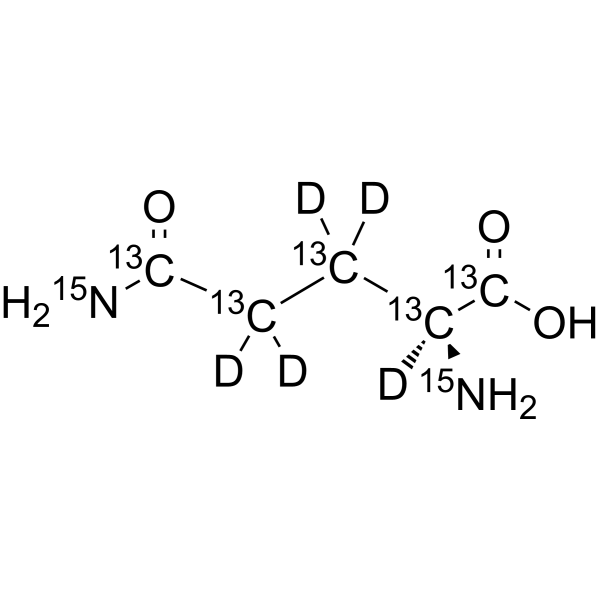
L-Glutamine- 13C5, 15N2,d5 is the deuterium, 13C-, and 15N-labeled L-Glutamine (HY-N0390). L-Glutamine is an orally active nutritional agent and cellular metabolism regulator. L-Glutamine is taken up in a Na +-dependent manner and targets multiple key molecules including glutaminase, mTORC1, NF-κB, STAT-3 and HIF-1α. L-Glutamine enhances glutaminolytic catabolism, drives the conversion of glutamate to α-ketoglutarate, thereby regulating gene expression, integrating metabolic signals, mediating glutamine flux and maintaining redox homeostasis. L-Glutamine also promotes cell proliferation, osteogenic differentiation and fracture healing, exerts neuroprotective and cardioprotective effects, and inhibits osteoarthritis. L-Glutamine can be applied to research related to osteoporosis, osteoarthritis, ischemic stroke and acute cantharidin-induced cardiotoxicity [1] .
loading...
    loading...
Cat. No.: HY-N0390S6
CAS No.: 285978-14-5
Synonyms: L-Glutamic acid 5-amide-13C5,15N2
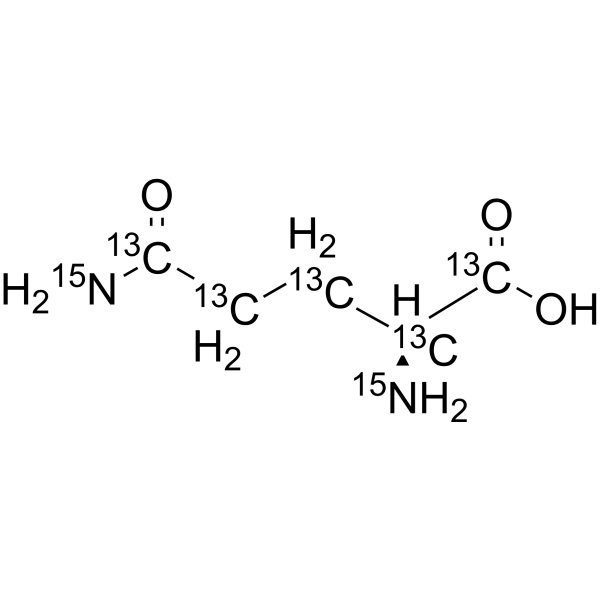
L-Glutamine- 13C5, 15N2 is the 13C- and 15N-labeled L-Glutamine (HY-N0390). L-Glutamine is an orally active nutritional agent and cellular metabolism regulator. L-Glutamine is taken up in a Na +-dependent manner and targets multiple key molecules including glutaminase, mTORC1, NF-κB, STAT-3 and HIF-1α. L-Glutamine enhances glutaminolytic catabolism, drives the conversion of glutamate to α-ketoglutarate, thereby regulating gene expression, integrating metabolic signals, mediating glutamine flux and maintaining redox homeostasis. L-Glutamine also promotes cell proliferation, osteogenic differentiation and fracture healing, exerts neuroprotective and cardioprotective effects, and inhibits osteoarthritis. L-Glutamine can be applied to research related to osteoporosis, osteoarthritis, ischemic stroke and acute cantharidin-induced cardiotoxicity [1] .
loading...
    loading...
Cat. No.: HY-N0390S7
Synonyms: L-Glutamic acid 5-amide-15N2,d5
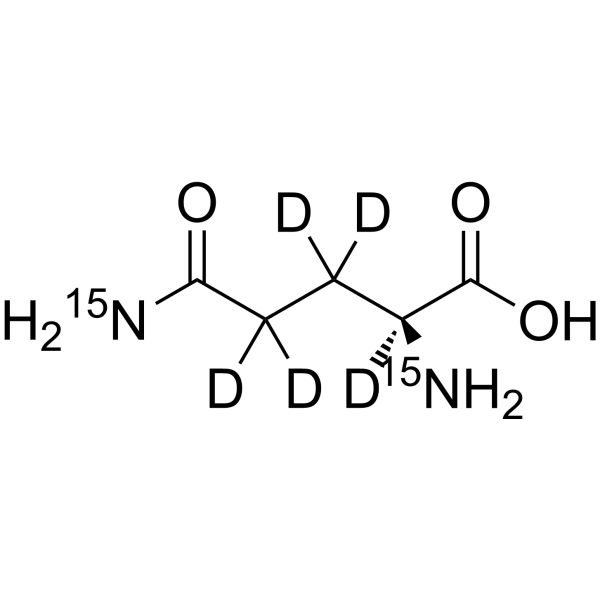
L-Glutamine- 15N2,d5 is the deuterium and 15N-labeled L-Glutamine (HY-N0390). L-Glutamine is an orally active nutritional agent and cellular metabolism regulator. L-Glutamine is taken up in a Na +-dependent manner and targets multiple key molecules including glutaminase, mTORC1, NF-κB, STAT-3 and HIF-1α. L-Glutamine enhances glutaminolytic catabolism, drives the conversion of glutamate to α-ketoglutarate, thereby regulating gene expression, integrating metabolic signals, mediating glutamine flux and maintaining redox homeostasis. L-Glutamine also promotes cell proliferation, osteogenic differentiation and fracture healing, exerts neuroprotective and cardioprotective effects, and inhibits osteoarthritis. L-Glutamine can be applied to research related to osteoporosis, osteoarthritis, ischemic stroke and acute cantharidin-induced cardiotoxicity [1] .
loading...
    loading...
Cat. No.: HY-138678
CAS No.: 2230826-33-0
Purity:  ≥95.0%
Target:  

Ligands for E3 Ligase

Research Areas:  

Cancer

(R,S,S)-VH032 is Ligand for E3 Ligase used in the synthesis of PROTACs. VH032 is a VHL ligand and VHL/HIF-1α interaction inhibitor that recruits von Hippel-Lindau (VHL) proteins. (R,S,S)-VH032 synthesizes the tau-targeting small molecule PROTAC C004019 (HY-138669) [1].
loading...
    loading...
Cat. No.: HY-19621
CAS No.: 62054-67-5
Research Areas:  

Cancer

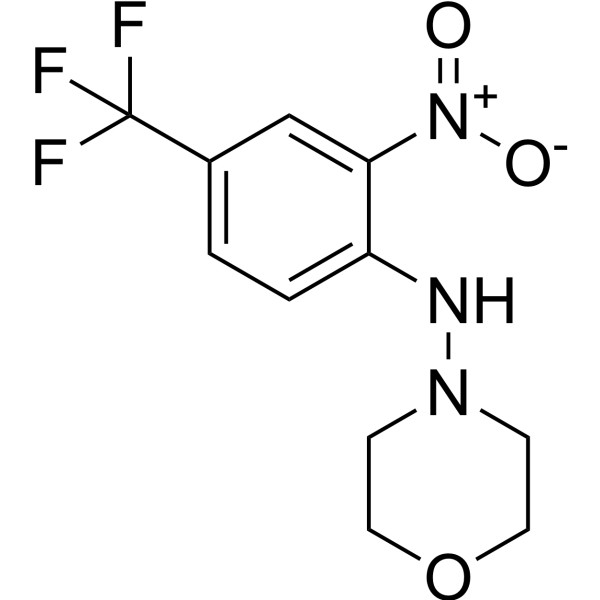
THS-044 is a modulator of the formation of the HIF2α/ARNT heterodimer. THS-044 binding stabilizes the HIF2α PAS-B folded state (KD = 2 μM), for regulating HIF2 activity in endogenous and pathological settings, and does not bind to HIF1α or ARNT PAS-B. THS-044 can be used for the study of diseases related to hypoxia [1].
loading...
    loading...
Cat. No.: HY-181955
MS1129 is a DNMT degrader that induces proteasomal degradation of DNMT1, DNMT3A and DNMT3B proteins. MS1129 upregulates TRAIL, DR4 and DR5 proteins, downregulates the decoy receptor DcR2, and activates TRAIL-dependent apoptosis via the HIF-1/2 and Caspase-10 pathways. MS1129 is applicable to the research of VHL-deficient clear cell renal cell carcinoma [1].
loading...
    loading...
Cat. No.: HY-122570
CAS No.: 1360616-29-0
Target:  

E1/E2/E3 Enzyme

Research Areas:  

Others

VHL Ligand 38 (Compound 1) is a competitive E3 ubiquitin-protein ligase VHL inhibitor with IC50s of 4.1 and 7.0 μM in 1% and 10% DMSO, respectively. VHL Ligand 38 contains a hydroxyproline residue and an isoxazolylacetamide fragment. VHL Ligand 38 significantly inhibits the binding of a fluorescent peptide derived from HIF1α (FAM-DEALA-Hyp-YIPD) (HY-P5908F) to VHL [1].
loading...
    loading...
Cat. No.: HY-136055
CAS No.: 2267282-19-7
Purity:  98.81%
Synonyms: VH032-C5-COOH
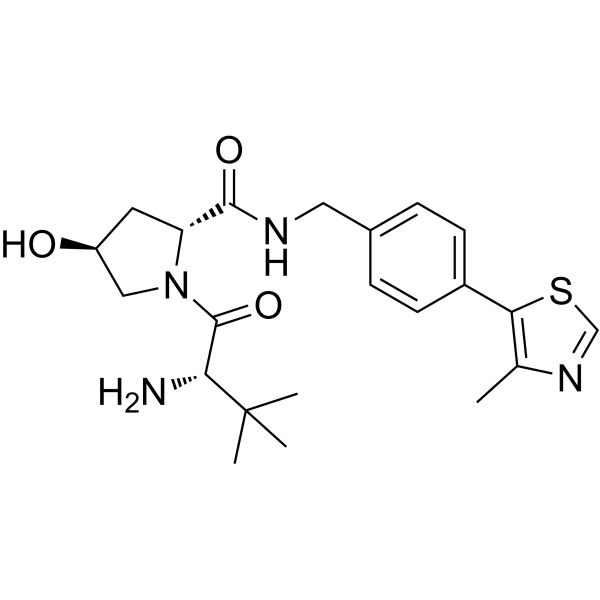
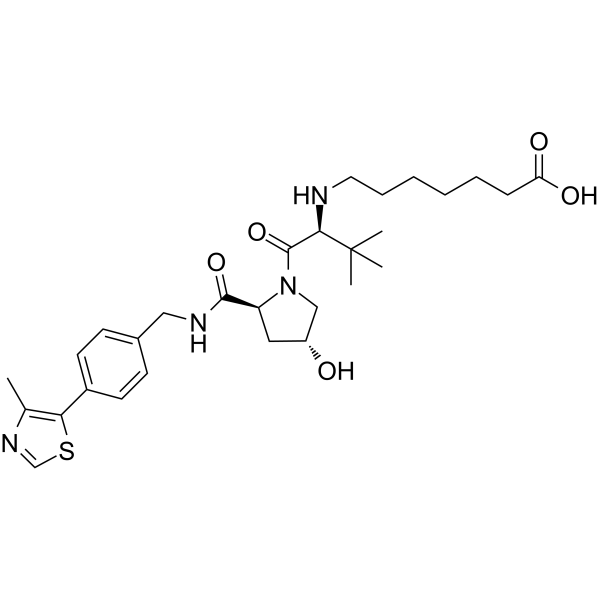
(S,R,S)-AHPC-C5-COOH (VH032-C5-COOH) is a synthesized E3 ligase ligand-linker conjugate, contains the VH032 VHL-based ligand and a linker to form PROTACs. VH-032 is a selective and potent inhibitor of VHL/HIF-1α interaction with a Kd of 185 nM, has the potential for the study of anemia and ischemic diseases [1].
loading...
    loading...
Cat. No.: HY-130413
CAS No.: 660430-03-5
Synonyms: Neuroprotectin D1; NPD1
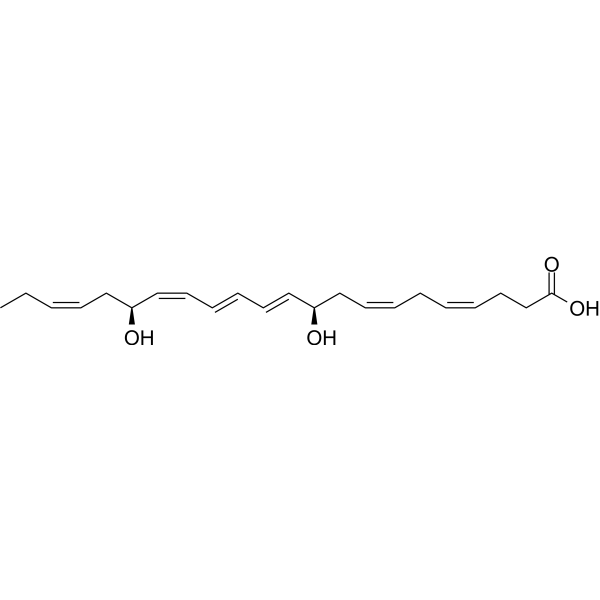
Protectin D1, a neuroprotectin D1 produced by neuronal cells, is a member of a newly discovered family of bioactive products derived from docosahexaenoic acid. Protectin D1 also serves as a specialized pro-resolving mediator, exhibiting effective in vivo pro-resolving activity in various human disease models. Additionally, Protectin D1 is an inhibitor of NALP3 inflammasomes and regulates the PI3K/AKT and HIF-1α signaling pathways. Protectin D1 exerts anti-inflammatory effects by reducing ROS levels, inhibiting the expression of NALP3, ASC, and Caspase-1, and consequently decreasing the release of pro-inflammatory cytokines IL-1β and IL-18. Furthermore, Protectin D1 enhances miRNA-210 expression, activates the PI3K/AKT signaling pathway, and exerts cardioprotective effects. Protectin D1 holds promise for research in cardiovascular diseases and inflammatory disorders [1] .
loading...
    loading...
Cat. No.: HY-W016409R
CAS No.: 3943-89-3
Synonyms: Protocatechuic acid ethyl ester (Standard)
Ethyl 3,4-dihydroxybenzoate (Standard) (Protocatechuic acid ethyl ester (Standard)) is the analytical standard of Ethyl 3,4-dihydroxybenzoate (HY-W016409). This product is intended for research and analytical applications. Ethyl 3,4-dihydroxybenzoate (Protocatechuic acid ethyl ester) is an orally effective, blood-brain barrier-permeable, competitive prolyl hydroxylase (PHD) inhibitor that inhibits the hydroxylation modification of hypoxia-inducible factor (HIF) by PHD. Ethyl 3,4-dihydroxybenzoate stabilizes HIF-1α by inhibiting PHD, activates downstream pathways to induce autophagy and apoptosis of tumor cells, and regulates inflammatory responses, inhibits the NF-κB pathway, improves vascular permeability, and promotes osteoblast differentiation. Ethyl 3,4-dihydroxybenzoate has anti-tumor, anti-hypoxic injury, and bone metabolism regulation effects. It can also be used in the research of cardiovascular protection (such as reducing myocardial ischemic damage), bone tissue engineering (promoting osteogenesis/inhibiting osteoclast differentiation), and prevention and treatment of high-altitude cerebral edema [1] .
loading...
    loading...
Cat. No.: HY-W778057
CAS No.: 1330195-40-8
Synonyms: Protocatechuic acid ethyl ester-13C3
Ethyl 3,4-Dihydroxybenzoate- 13C3 (Protocatechuic acid ethyl ester- 13C3) is the 13C-labeled Ethyl 3,4-dihydroxybenzoate (HY-W016409). Ethyl 3,4-dihydroxybenzoate (Protocatechuic acid ethyl ester) is an orally effective, blood-brain barrier-permeable, competitive prolyl hydroxylase (PHD) inhibitor that inhibits the hydroxylation modification of hypoxia-inducible factor (HIF) by PHD. Ethyl 3,4-dihydroxybenzoate stabilizes HIF-1α by inhibiting PHD, activates downstream pathways to induce autophagy and apoptosis of tumor cells, and regulates inflammatory responses, inhibits the NF-κB pathway, improves vascular permeability, and promotes osteoblast differentiation. Ethyl 3,4-dihydroxybenzoate has anti-tumor, anti-hypoxic injury, and bone metabolism regulation effects. It can also be used in the research of cardiovascular protection (such as reducing myocardial ischemic damage), bone tissue engineering (promoting osteogenesis/inhibiting osteoclast differentiation), and prevention and treatment of high-altitude cerebral edema [1] .
loading...
    loading...
Cat. No.: HY-13425R
CAS No.: 522-17-8
Synonyms: (-)-Deguelin (Standard); (-)-cis-Deguelin (Standard)
Deguelin (Standard) is the analytical standard of Deguelin. This product is intended for research and analytical applications. Deguelin, a naturally occurring rotenoid, acts as a chemopreventive agent by blocking multiple pathways like PI3K-Akt, IKK-NF-κB, and MAPK-mTOR-survivin-mediated apoptosis. Deguelin binding to Hsp90 leads to a decreased expression of numerous oncogenic proteins, including MEK1/2, Akt, HIF1α, COX-2, and NF-κB.
loading...
    loading...
Cat. No.: HY-170522
CAS No.: 2924181-80-4
Synonyms: ISM012-042
Research Areas:  

Inflammation/Immunology

Garutadustat (ISM012-042) is an orally active, selective inhibitor of PHD1 and PHD2, with IC50 values of 1.9 nM and 2.5 nM, respectively. Garutadustat stabilizes HIF1α protein in intestinal epithelial cells, thereby activating gene transcription programs associated with mucus production, tight junction formation, anti-inflammatory mediator generation and wound healing, which fundamentally promotes mucosal barrier repair and regulates intestinal immunity. Garutadustat can be used for the research of inflammatory bowel disease [1].
loading...
    loading...
Cat. No.: HY-180490
eIF3e-IN-1 (Compound 209) is an elF3e inhibitor with an EC50 of 18.3 μM. eIF3e-IN-1 significantly reduces the accumulation of HIF1α protein induced by hypoxia and inhibits the acute translation hypoxia response. eIF3e-IN-1 significantly inhibits the expression of ATF4 protein. eIF3e-IN-1 can be used in cancer research, such as in breast cancer studies [1].
loading...
    loading...
Cat. No.: HY-N11709
CAS No.: 220114-28-3
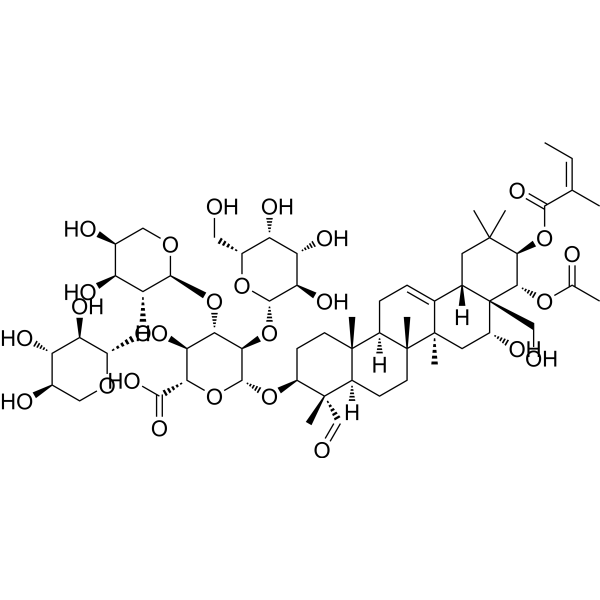
Theasaponin E1 is an orally effective tea saponin. Theasaponin E1 inhibits the proliferation of cancer cells by activating apoptosis. Theasaponin E1 inhibits angiogenesis in ovarian cancer cells and HUVECs by reducing the expression of VEGF. Theasaponin E1 upregulates the phosphorylation level of ATM protein and the expression level of PTEN protein in cancer cells, decreases the phosphorylation levels of Akt, mTOR, p70S6K and 4E-BP1 proteins, downregulates the expression of HIF-1α and NF-κB, and reduces the protein expression of Notch ligands Dll4 and Jagged1. Theasaponin E1 exerts neuroprotective effects by inhibiting the activity of acetylcholinesterase, activating α-secretase and neprilysin, reducing the concentration of Aβ, and inhibiting the activities of β-secretase and γ-secretase. Theasaponin E1 exhibits toxic effects on cancer cells and quinone reductase-inducing activity, and inhibits tumor growth in vivo. Theasaponin E1 induces ferroptosis in Pomacea canaliculata by synergistically disrupting cholesterol homeostasis and sphingolipid metabolism. Theasaponin E1 possesses anti-biofilm activity against Candida albicans. Theasaponin E1 can be used in the research of ovarian cancer, obesity, Alzheimer's disease and fungal infections [1] .
loading...
    loading...

