104 Results for "

TGF-alpha

" in MedChemExpress (MCE) Product Catalog:
Products (104)

104 Results for "TGF-alpha" in MCE Product Catalog:

1
1 Cited Publications
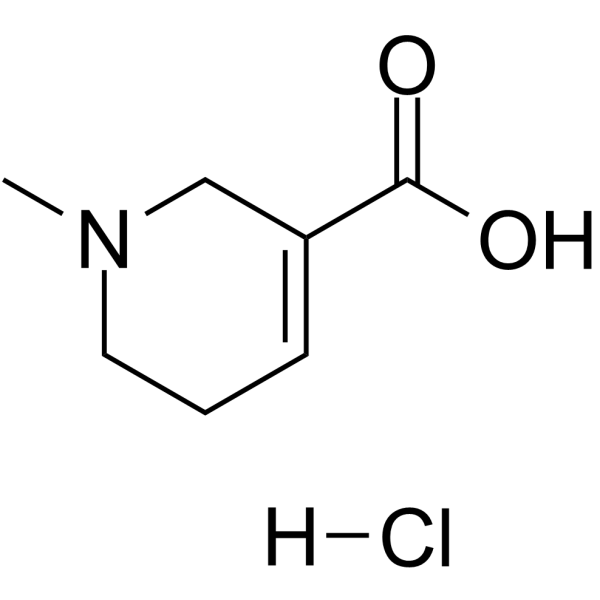
Cat. No.: HY-N2368A
CAS No.: 6018-28-6
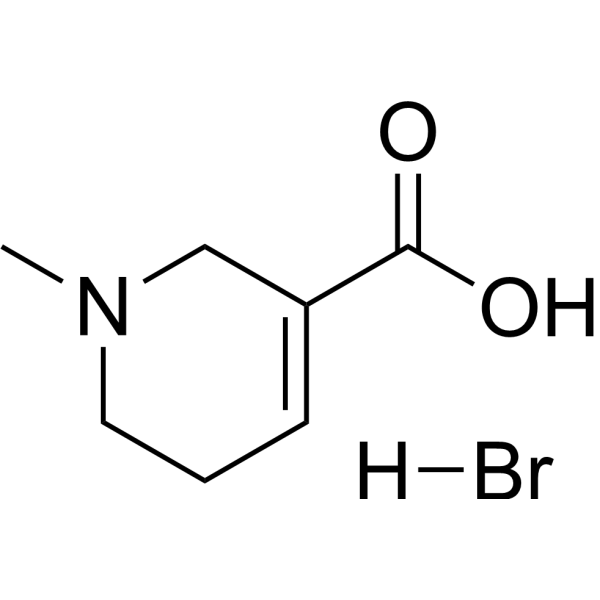
Arecaidine hydrochloride is a GABA transport system inhibitor. Arecaidine hydrochloride inhibits the proliferation of oral mucosal fibroblasts, increases the secretion of IL-6, TGF-β and TNF-α in cells, downregulates the expression of PPAR-γ and PCK1 in cells, and upregulates the expression of TGF-β1 . Arecaidine hydrochloride inhibits the uptake of γ-aminobutyric acid and β-alanine by the central nervous system of cats . Arecaidine hydrochloride inhibits hPAT1-mediated L-[ 3H]proline uptake in cells. Arecaidine hydrochloride can be used in research related to neurological diseases .
loading...
    loading...
1
1 Cited Publications
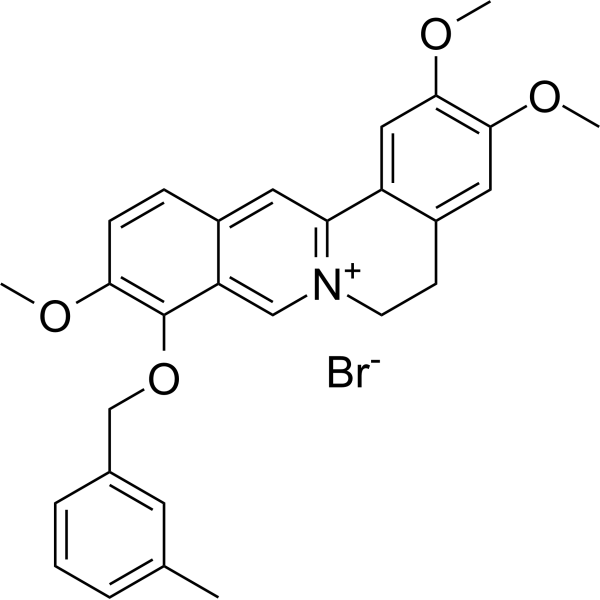
Cat. No.: HY-151932
CAS No.: 3037847-72-3
Purity:  95.94%
Target:  

FXR

Research Areas:  

Inflammation/Immunology

FXR agonist 3 is an anti-NASH agent, acting by activating FXR. FXR agonist 3 inhibits COL1A1, TGF-β1, α-SMA and TIMP1 expression with anti-fibrogenic activity. FXR agonist 3 significantly reduces liver steatosis and inflammation, improves liver fibrosis level .
loading...
    loading...
1
1 Cited Publications
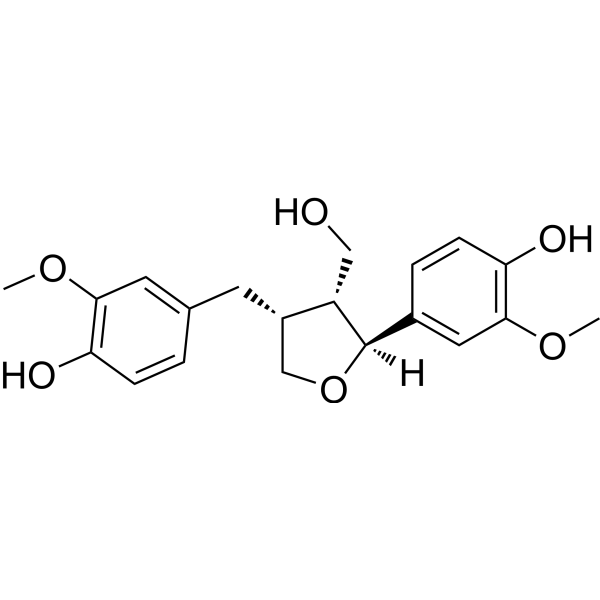
Cat. No.: HY-N3405
CAS No.: 27003-73-2
Lariciresinol is an orally active ingredient. Lariciresinol can be isolated from Arabidopsis thaliana. Lariciresinol inhibits α-glucosidase activity (IC50 of 6.97 μM; Ki of 0.046 μM). Lariciresinol dereases Bcl-2, upregulates Bax and induces Apoptosis. Lariciresinol regulates TGF-β and NF-κB pathways. Lariciresinol has antitumor activity against liver cancer, gastric cancer, and breast cancer. Lariciresinol shows antifungal activity and anti-diabetic activity .
loading...
    loading...
1
1 Cited Publications
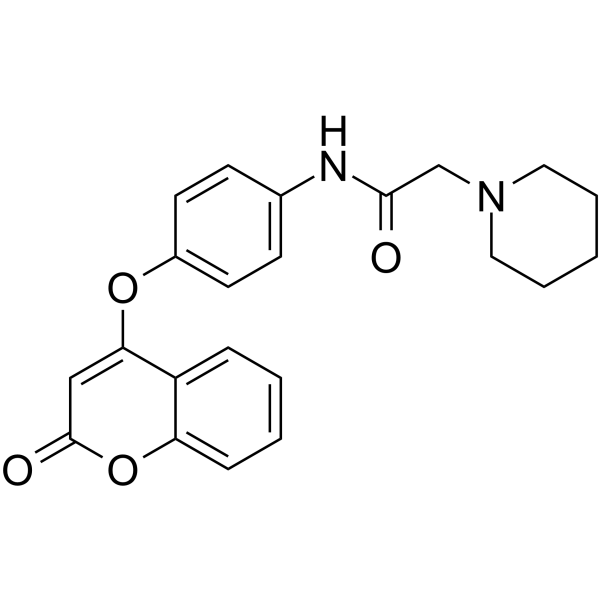
Cat. No.: HY-146434
CAS No.: 2387678-02-4
Purity:  99.37%
Target:  

TGF-beta/Smad

Research Areas:  

Inflammation/Immunology

TGFβ-IN-2 is an orally active TGF-β inhibitor. TGFβ-IN-2 suppresses the TGF-β-induced protein expression of COL1A1, α-SMA, and p-Smad3 in vitro. TGFβ-IN-2 demonstrates excellent anti-fibrotic efficacy in Bleomycin (HY-108345)-induced pulmonary fibrosis model. TGFβ-IN-2 can be used for the study of pulmonary fibrosis .
loading...
    loading...
1
1 Cited Publications
Cat. No.: HY-N2368B
CAS No.: 6013-57-6
Arecaidine hydrobromide is a GABA transport system inhibitor. Arecaidine hydrobromide inhibits the proliferation of oral mucosal fibroblasts, increases the secretion of IL-6, TGF-β and TNF-α in cells, downregulates the expression of PPAR-γ and PCK1 in cells, and upregulates the expression of TGF-β1 . Arecaidine hydrobromide inhibits the uptake of γ-aminobutyric acid and β-alanine by the central nervous system of cats . Arecaidine hydrobromide inhibits hPAT1-mediated L-[ 3H]proline uptake in cells. Arecaidine hydrobromide can be used in research related to neurological diseases .
loading...
    loading...
1
1 Cited Publications
Cat. No.: HY-N2421
CAS No.: 523-92-2
Synonyms: 5-O-Methyl-myo-inositol
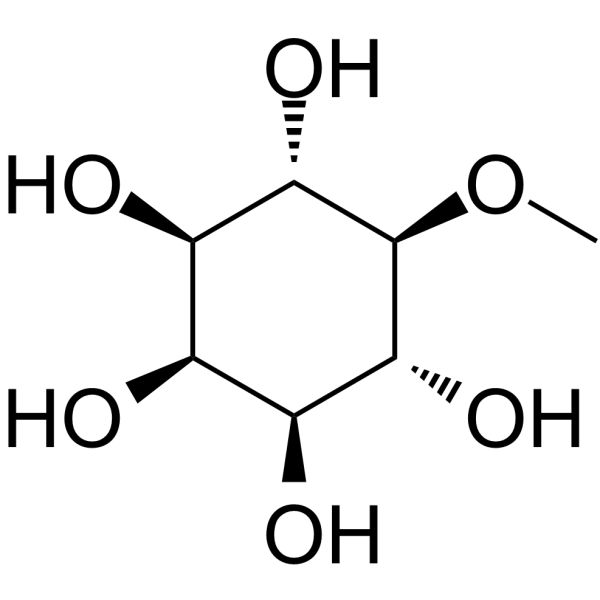
Sequoyitol (5-O-Methyl-myo-inositol) is an orally active hypoglycemic agent and antioxidant. Sequoyitol can be isolated from herbaceous plants. Sequoyitol downregulates the expression of NF-κB and TGF-β1, reduces ROS production and malondialdehyde levels, and enhances total antioxidant capacity. Sequoyitol activates the insulin signaling pathway, including the phosphorylation of IR, IRS1 and Akt. Sequoyitol increases serum insulin levels, inhibits hepatic glucose production, and promotes cellular glucose uptake. Sequoyitol antagonizes TNFα-induced inhibition of the insulin signaling pathway, and decreases blood urea nitrogen and serum creatinine levels. Sequoyitol elicits potential peaks in the chemosensors of adult and larval Atrophaneura alcinous, and acts as an oviposition stimulant for female Atrophaneura alcinous. Sequoyitol can be used in research related to type 2 diabetes, insulin resistance, hyperglycemia, impaired glucose tolerance and diabetic nephropathy .
loading...
    loading...
1
1 Cited Publications
Cat. No.: HY-P7296
Purity:  ≥ 95%, as determined by reducing SDS-PAGE.
Synonyms: TGFA; Transforming Growth Factor, alpha; Transforming Growth Factor alpha; TGF-alpha; Protransforming Growth Factor alpha; TFGA; Transforming Growth Factor, alpha, Isoform CRA_d
Species:  
Human
Source:  
CHO
loading...
    loading...
1
1 Cited Publications
Cat. No.: HY-P704765
Purity:  ≥ 95%, as determined by reducing SDS-PAGE.
Synonyms: LRP1; Apolipoprotein E Receptor; Prev. A2MR; TbetaR-V/LRP-1/IGFBP-3 Receptor; Prev. APR; Type V TGF-Beta Receptor; APOER; Alternative Protein LRP1; alpha-2-Macroglobulin Receptor; CD91 Antigen; IGFBP3R1; LRP1 Protein; IGFBP-3R; IGFBP3R; LRP1A; TGFBR5; CD9
Species:  
Human
Source:  
HEK293
loading...
    loading...
1
1 Cited Publications
Cat. No.: HY-P704766
Purity:  ≥ 95%, as determined by reducing SDS-PAGE.
Synonyms: LRP1; Apolipoprotein E Receptor; Prev. A2MR; TbetaR-V/LRP-1/IGFBP-3 Receptor; Prev. APR; Type V TGF-Beta Receptor; APOER; Alternative Protein LRP1; alpha-2-Macroglobulin Receptor; CD91 Antigen; IGFBP3R1; LRP1 Protein; IGFBP-3R; IGFBP3R; LRP1A; TGFBR5; CD9
Species:  
Human
Source:  
HEK293
loading...
    loading...
1
1 Cited Publications
Cat. No.: HY-P704767
Purity:  ≥ 90%, as determined by reducing SDS-PAGE.
Synonyms: LRP1; Apolipoprotein E Receptor; Prev. A2MR; TbetaR-V/LRP-1/IGFBP-3 Receptor; Prev. APR; Type V TGF-Beta Receptor; APOER; Alternative Protein LRP1; alpha-2-Macroglobulin Receptor; CD91 Antigen; IGFBP3R1; LRP1 Protein; IGFBP-3R; IGFBP3R; LRP1A; TGFBR5; CD9
Species:  
Human
Source:  
HEK293
loading...
    loading...
Cat. No.: HY-111253
CAS No.: 870762-83-7
Purity:  99.57%
Target:  

LPL Receptor

Research Areas:  

Neurological Disease

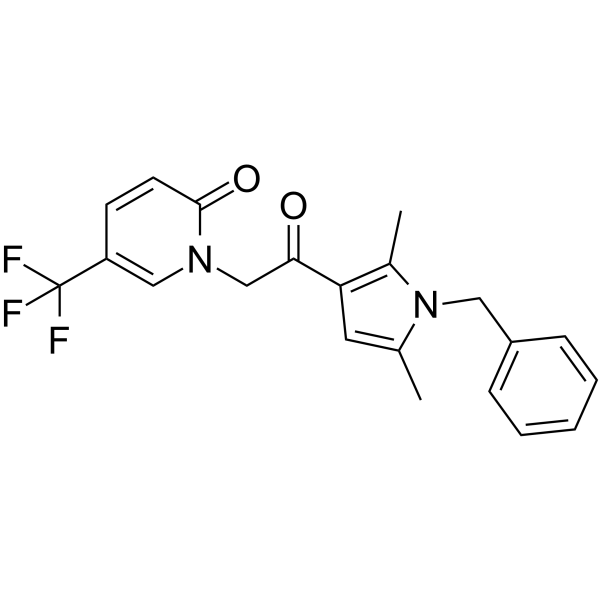
CYM-5478 is a potent and highly selective S1P2 agonist with an EC50 of 119 nM in a TGFα-shedding assay. CYM-5478 protects neural-derived cell lines against Cisplatin toxicity .
loading...
    loading...
Cat. No.: HY-N6017
CAS No.: 19906-72-0
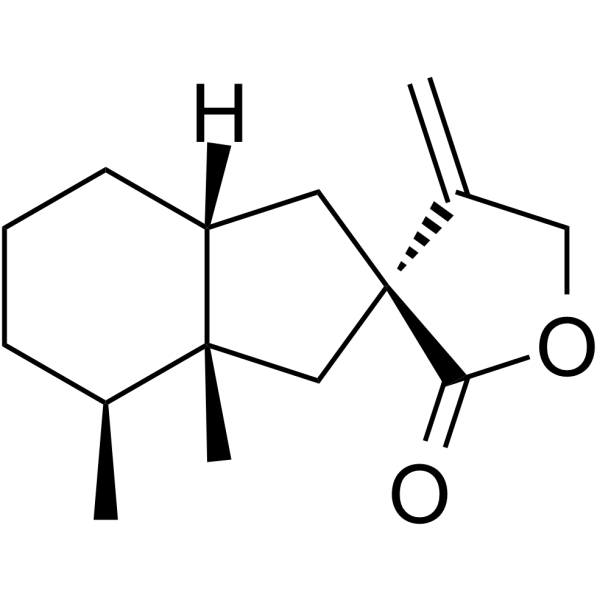
Bakkenolide A is an anticancer agent. Bakkenolide A reduces the viability of leukemia cells, inhibits cell colony formation and invasion, and downregulates the expression of HDAC3 in cells. Bakkenolide A downregulates the expression of pro-inflammatory cytokines including TNF-α, interleukins such as IL-1β, TGF-β1 and IFN-γ, as well as the expression of PI3K, PDK and PKC in leukemia cells. Bakkenolide A downregulates activated Akt, GSK and Bad, while upregulates Cyto-c, cleaved Caspase3 and cleaved Caspase7, induces apoptosis (apoptosis) in leukemia cells and thereby inhibits inflammatory responses in leukemia cells. Bakkenolide A significantly slows the growth of subcutaneous leukemia tumors in nude mice. Bakkenolide A is applicable to leukemia-related research .
loading...
    loading...
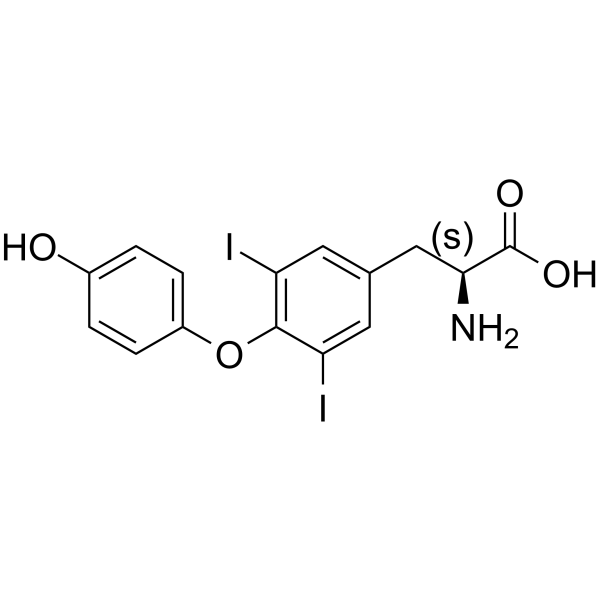
Cat. No.: HY-114557
CAS No.: 1041-01-6
Purity:  99.38%
Synonyms: 3,5-Diiodo-L-thyronine
NSC 90469 (3,5-Diiodo-L-thyronine) is an orally active thyroid hormone derivative. NSC 90469 inhibits JNK phosphorylation and NF-κB acetylation, blocks SIRT1 protein expression, induces elevated PGC-1α levels, and stimulates COX activity. NSC 90469 enhances UCP1-mediated thermogenesis, increases hepatic Dio1 activity, inhibits TSH levels and hypothalamic-pituitary-thyroid axis function, enhances lipid metabolism, and regulates energy metabolism via the mitochondrial pathway. NSC 90469 prevents blood glucose reduction, reduces urinary albumin excretion, inhibits renal matrix expansion, decreases TGF-β1 expression, and reduces renal fibronectin and type Ⅳ collagen deposition. NSC 90469 also increases energy expenditure and prevents diet-induced overweight. NSC 90469 can be used in studies related to diabetic nephropathy, hypothyroidism, non-alcoholic fatty liver disease, and diet-induced obesity .
loading...
    loading...
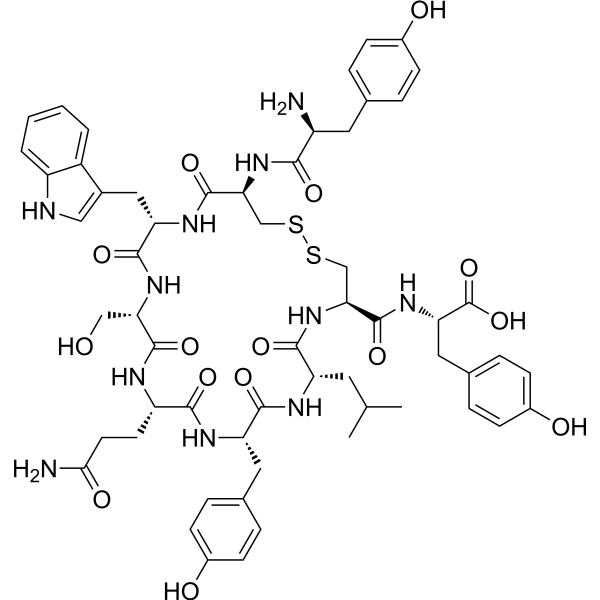
Cat. No.: HY-P2612
CAS No.: 199999-60-5
Research Areas:  

Inflammation/Immunology

WP9QY is an inhibitor targeting TNFα and RANKL, which blocks the TNFα-TNFR1 interaction and inhibits TNFα-mediated apoptosis, cytotoxicity and bone destruction. WP9QY inhibits osteoclastogenesis and promotes osteoblast differentiation, induces chondrocyte proliferation and glycosaminoglycan production, and synergizes with TGF-β3 to promote chondrogenesis. WP9QY effectively repairs full-thickness articular cartilage defects in rabbits via intra-articular injection, and inhibits methylmercury-induced reduction of NeuN-positive cells in mouse brain slices. WP9QY can be applied to the research of diseases related to methylmercury-induced neuronal death, cartilage injury, osteoarthritis and bone loss .
loading...
    loading...
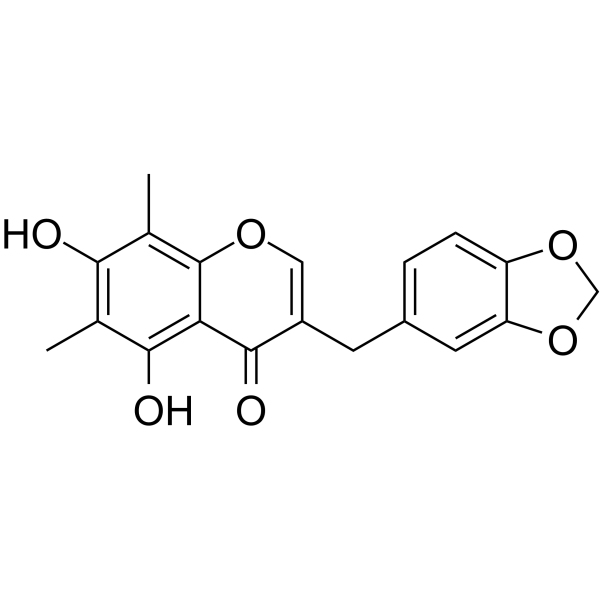
Cat. No.: HY-N2441
CAS No.: 74805-90-6
Methylophiopogonone A is a homoisoflavonoid compound found in the tuberous roots of Ophiopogon japonicus. Methylophiopogonone A inhibits lipopolysaccharide-induced NO production in mouse microglia with an IC50 of 19.2 μM. Methylophiopogonone A blocks the proliferation of LX-2 hepatic stellate cells and downregulates TGF-β1-induced expressions of type I collagen and α-SMA. Methylophiopogonone A blocks RELA/EGFR-mediated hepatic stellate cell activation, inhibits the MAPK12 pathway to reduce extracellular matrix accumulation, and simultaneously suppresses inflammatory signal transduction. Methylophiopogonone A can be used in studies related to chronic hepatitis B-associated hepatic fibrosis and neuroinflammation .
loading...
    loading...
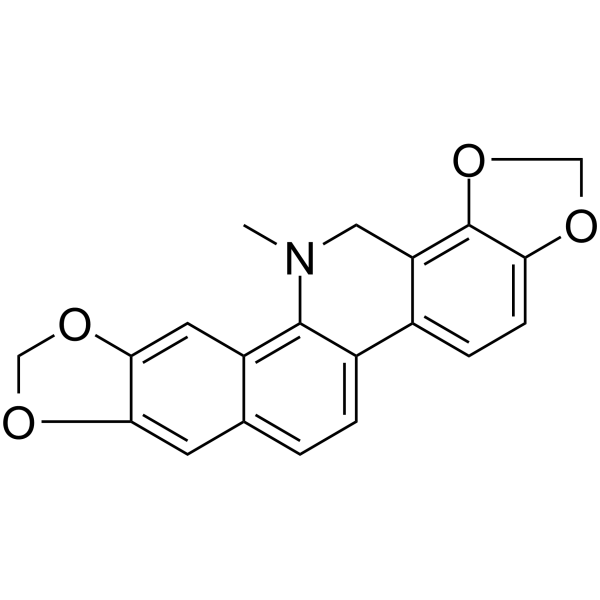
Cat. No.: HY-N0902
CAS No.: 3606-45-9
Synonyms: 13,14-Dihydrosanguinarine
Dihydrosanguinarine (13,14-Dihydrosanguinarine) is an alkaloid with antibacterial and anti-inflammatory activities, and also an important precursor of Sanguinarine (HY-N0052). Dihydrosanguinarine targets and regulates the TNF/IL-17/PI3K signaling pathway, downregulates the levels of pro-inflammatory factors such as IL-17A, TNF-α and IL-6, upregulates the expression of TGF-β, inhibits myeloperoxidase activity, and regulates the transcription of multiple inflammation-related genes. Dihydrosanguinarine exhibits antibacterial activity against a variety of oral microorganisms. Dihydrosanguinarine can be used in research related to liver inflammation and oral flora dysbiosis .
loading...
    loading...
Cat. No.: HY-P3136
CAS No.: 25849-90-5
Synonyms: TRV120055
Research Areas:  

Cardiovascular Disease

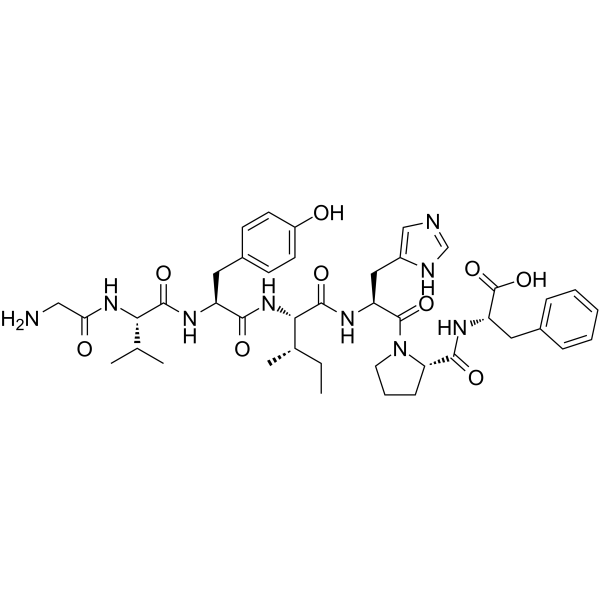
TRV055 (TRV120055) is a G protein-biased agonist of angiotensin II type 1 receptors (AT1Rs). TRV120055 induces fibroblast proliferation, overexpression of collagen I and α-SMA, and stress fibre formation in human cardiac fibroblasts. TRV055 activates AT1 receptor/Gαq-mediated signaling pathways, upregulates TGF-β1 and p-ERK1/2. TRV055 induces collagen secretion in adult rat myofibroblasts at a level comparable to Ang II. TRV055 can be used to study the role of G protein-biased signaling of AT1Rs in regulating fibrotic responses [1]
loading...
    loading...
Cat. No.: HY-N10423
CAS No.: 18423-69-3
Synonyms: (-)-Cubebin
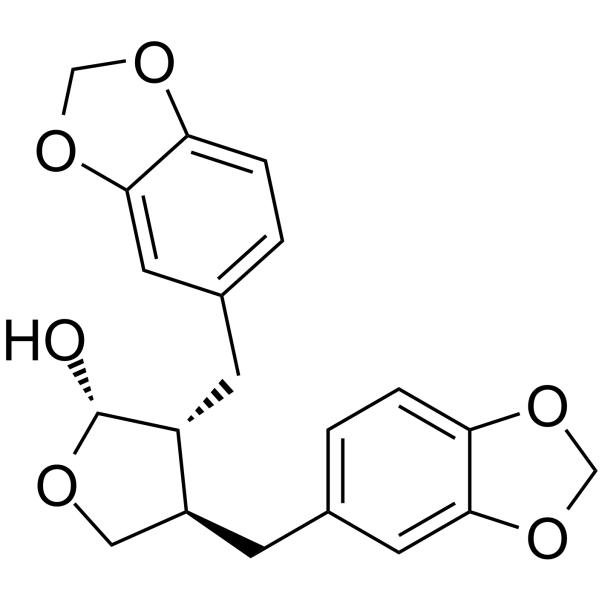
Cubebin ((-)-Cubebin), a dibenzyl butyrolactone lignan, is an orally active AChE inhibitor. Cubebin binds to active sites of NF-κB, TNF-α, and TGF-β1 via hydrogen and hydrophobic interactions, obstructing critical residues to inhibit pro-inflammatory or renal fibrosis-related activity. Cubebin enhances p38 MAPK phosphorylation to increase tyrosinase gene expression, stimulating melanogenesis via elevated tyrosinase activity, expression, and mRNA levels. Cubebin reduces oxidative stress via enhanced endogenous antioxidant enzyme activity and inhibited lipid peroxidation, regulates lipid metabolism, improves glycemic control, and exerts renoprotective effects via reduced renal dysfunction markers and improved renal architecture. Cubebin shows antimicrobial activity. Cubebin exerts larvicidal activity against Angiostrongylus cantonensis larvae, with no cytotoxicity toward monkey or human cell lines or Caenorhabditis elegans. Cubebin can be used for the research of diabetic nephropathy, melanoma, colon adenocarcinoma, neuroangiostrongyliasis, Alzheimer’s disease (AD) and depression .
loading...
    loading...
Cat. No.: HY-116392E
CAS No.: 109836-82-0
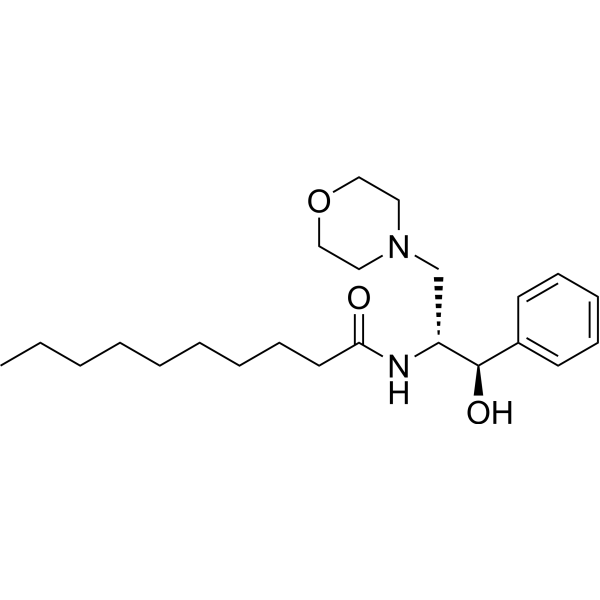
D-threo-PDMP is a potent glucoceramide synthase (GCS) inhibitor, which reduces the glycosphingolipids (such as GM3 and GD3) on the cell surface by inhibiting glycosylation, reduces the total length of the axon plexus and the number of axon branch points, and inhibits neurite growth. D-threo-PDMP inhibits the synthesis of GM3, thereby reducing the adhesion ability of B16 melanoma cells and mimicking the pathological effects of hyperglycemia/TGF-β1. D-threo-PDMP inhibits the synthesis of GD3, thereby protecting liver cells from apoptosis induced by TNF-α. D-threo-PDMP can be used to study diseases related to targeted glycosphingolipid metabolism .
loading...
    loading...
Cat. No.: HY-116392F
CAS No.: 139889-62-6
Purity:  ≥98.0%
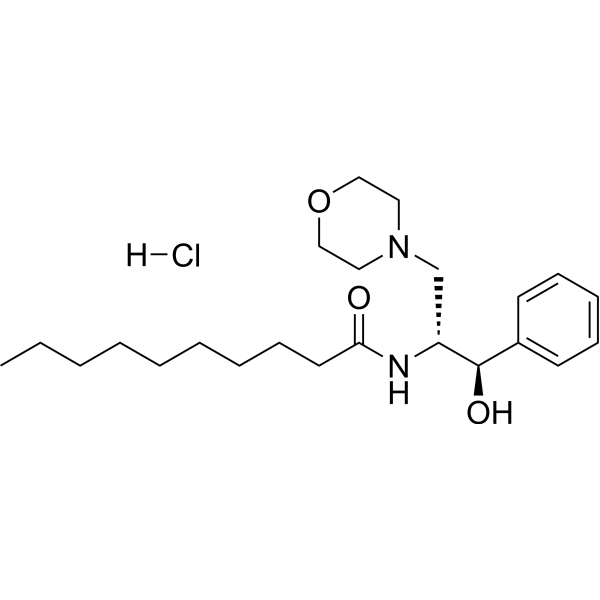
D-threo-PDMP hydrochloride is a potent glucoceramide synthase (GCS) inhibitor, which reduces the glycosphingolipids (such as GM3 and GD3) on the cell surface by inhibiting glycosylation, reduces the total length of the axon plexus and the number of axon branch points, and inhibits neurite growth. D-threo-PDMP hydrochloride inhibits the synthesis of GM3, thereby reducing the adhesion ability of B16 melanoma cells and mimicking the pathological effects of hyperglycemia/TGF-β1. D-threo-PDMP hydrochloride inhibits the synthesis of GD3, thereby protecting liver cells from apoptosis induced by TNF-α. D-threo-PDMP hydrochloride can be used to study diseases related to targeted glycosphingolipid metabolism .
loading...
    loading...

