

210 Results for "

eye

" in MedChemExpress (MCE) Product Catalog:
Products (210)

210 Results for "eye" in MCE Product Catalog:

1
1 Cited Publications
Cat. No.: HY-119442
CAS No.: 143816-42-6
Target:  

Leukotriene Receptor

Research Areas:  

Cardiovascular Disease

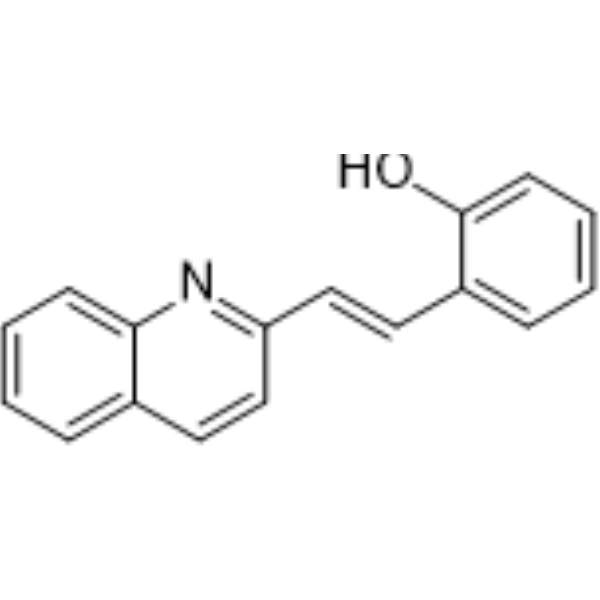
Quininib is a cysteinyl leukotriene 1 and 2 receptor antagonist with IC50s of 1.2 and 52 μM for CysLT1R and CysLT2R, respectively. Quininib is a potent inhibitor of developmental angiogenesis in the zebrafish eye. Quininib can be used for the research of ocular neovascular pathologies and may complement current anti-VEGF biological agents .
loading...
    loading...
1
1 Cited Publications
Cat. No.: HY-17039
CAS No.: 147084-10-4
Synonyms: R89674
Target:  

Histamine Receptor

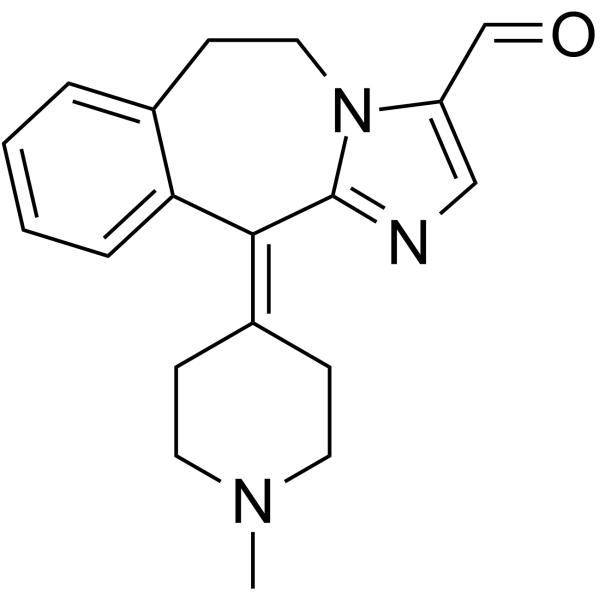
Alcaftadine (R89674) is a histamine H1 receptor antagonist, which is used to prevent eye irritation brought on by allergic conjunctivitis. Alcaftadine is a broad-spectrum antihistamine displaying a high affinity for histamine H1 and H2 receptors and a lower affinity for H4 receptors. Alcaftadine also exhibits modulatory action on immune cell recruitment and mast cell stabilizing effects .
loading...
    loading...
1
1 Cited Publications
Cat. No.: HY-A0079
CAS No.: 94-24-6
Synonyms: Amethocaine
Research Areas:  

Neurological Disease

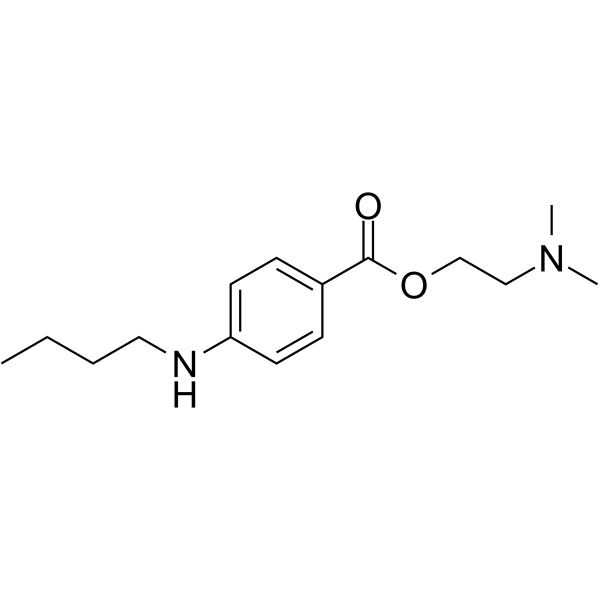
Tetracaine (Amethocaine) is a sodium channel inhibitor and ryanodine receptor (RyR) inhibitor. Tetracaine blocks sodium conduction across nerve cell membranes, preventing rapid sodium ion influx and depolarization. Tetracaine exhibits biphasic effects on spontaneous sarcoplasmic reticulum Ca 2+ release in Ca 2+-overloaded ventricular myocytes, and increases sarcoplasmic reticulum Ca 2+ load. Tetracaine can be used in research related to eye diseases .
loading...
    loading...
1
1 Cited Publications
Cat. No.: HY-110374
CAS No.: 1992047-61-6
Purity:  99.40%
Research Areas:  

Cancer

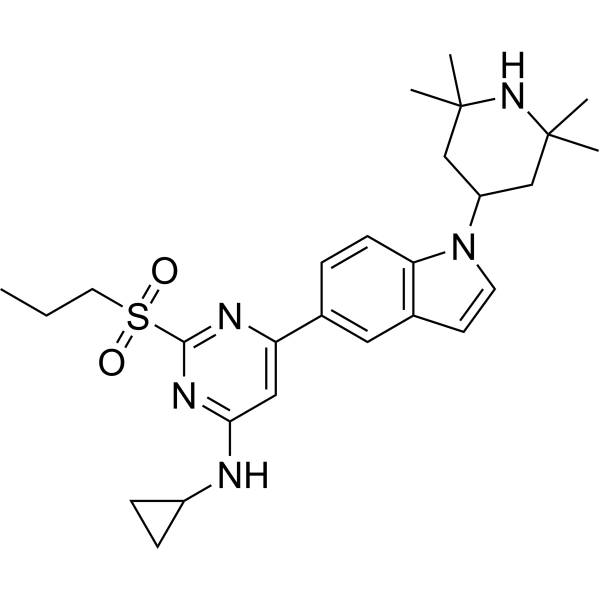
NVS-CECR2-1, a non-BET family Bromodomain (BRD) inhibitor, is a potent and selective cat eye syndrome chromosome region, candidate 2 (CECR2) inhibitor. NVS-CECR2-1 binds to CECR2 BRD with high affinity (IC50=47 nM; KD=80 nM). NVS-CECR2-1 exhibits cytotoxic activity and induces apoptosis against various cancer cells by targeting CECR2 as well as via CECR2-independent mechanism . NVS-CECR2-1 is a chemical probe.
loading...
    loading...
1
1 Cited Publications
Cat. No.: HY-N0114A
CAS No.: 518-18-3
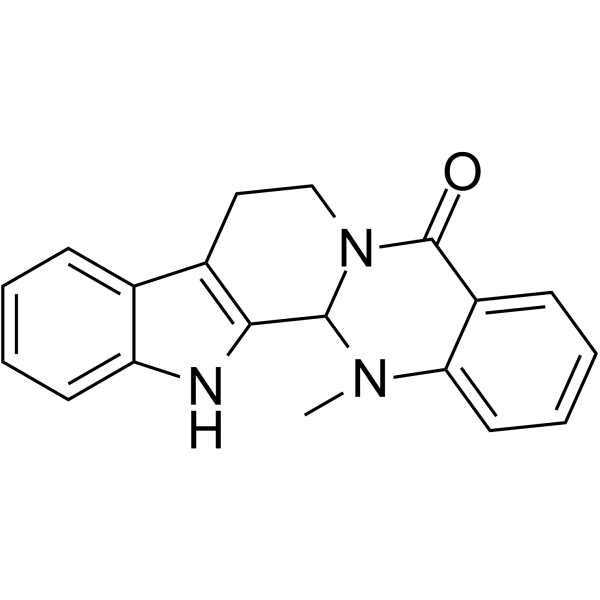
(±)-Evodiamine is an orally active indoloquinazoline alkaloid composed of equal amounts of enantiomers, with (+)-Evodiamine exerting the primary biological functions. (±)-Evodiamine is a Top1 inhibitor and a TRPV1 receptor agonist. (±)-Evodiamine induces cell cycle arrest and apoptosis by inhibiting Top1 and disrupting Tubulin polymerization, suppresses oncogenic signaling pathways such as NF-κB and Akt, and specifically agonizes TRPV1 receptors to regulate neuropeptide release and energy metabolism. (±)-Evodiamine is used in research on traumatic brain injury, obesity, cancer, neuropathy, dry eye disease, and colitis .
loading...
    loading...
1
1 Cited Publications
Cat. No.: HY-NP0147
Synonyms: WGA (Fluorescein)
Wheat Germ Agglutinin (WGA) Fluorescein is a classic fluorescent label that specifically binds to sugar residues such as N-acetylglucosamine, N-acetylneuraminic acid and sialic acid. Wheat Germ Agglutinin Fluorescein performs regionally differential fluorescent staining of the ocular surface epithelial glycocalyx to assess its integrity, and causes no damage to the eye at safe concentrations. Wheat Germ Agglutinin Fluorescein is also used for staining structures including red blood cells, cultured cells, bacteria and pine wood nematodes, and facilitates the isolation of wheat-associated plant-growth-promoting rhizobacterial strains. Wheat Germ Agglutinin Fluorescein can be applied to the detection of ocular glycocalyx integrity and the research of related diseases such as pine wilt disease .
loading...
    loading...
1
1 Cited Publications
Cat. No.: HY-127032
CAS No.: 75345-27-6
Purity:  ≥99.0%
Synonyms: Polidronium chloride
Research Areas:  

Infection

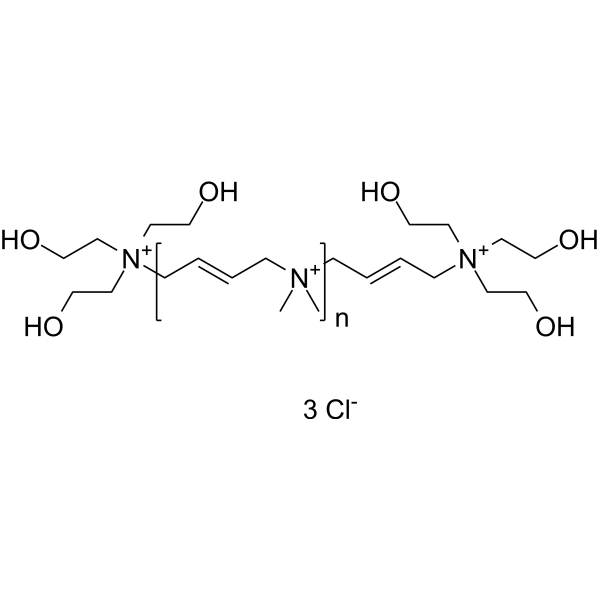
Polyquaternium-1 (Polidronium chloride; PQ-1) is an antimicrobial preservative and an activator of NF-κB. Polyquaternium-1 targets bacterial cell membranes, commonly used in ophthalmic surgery. Polyquaternium-1 adsorbs to the surface of microbial membranes through its polycationic properties, destroying membrane integrity and inducing potassium ion leakage, leading to bacterial death. Polyquaternium-1 exerts antimicrobial effects at a concentration of 0.001% and has low toxicity to mammalian cells. Polyquaternium-1 can be used to prepare products such as glaucoma eye drops (Travoprost preparations containing PQ-1), artificial tears, and contact lens solutions to reduce the ocular surface toxicity of traditional preservatives such as benzalkonium chloride (HY-B2232) .
loading...
    loading...
1
1 Cited Publications
Cat. No.: HY-15446
CAS No.: 802906-73-6
Purity:  ≥98.0%
Synonyms: RG7090; RO4917523
Target:  

mGluR

Research Areas:  

Neurological Disease

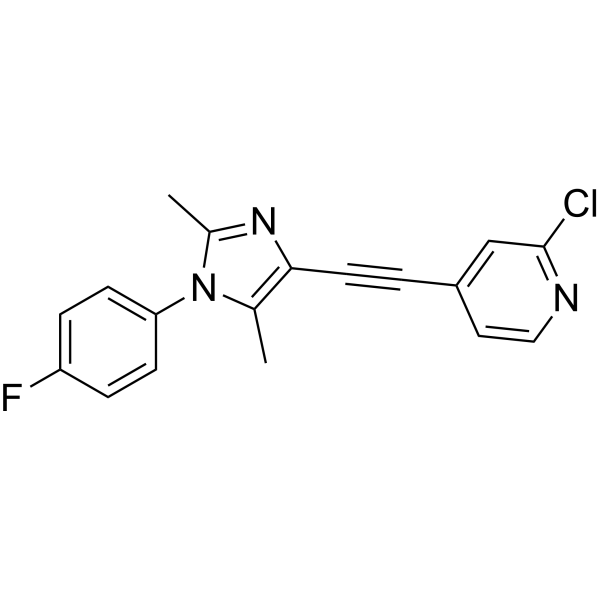
Basimglurant (RG7090; RO4917523) is a selective, orally active, blood-brain barrier permeable negative allosteric modulator of metabotropic glutamate receptor 5 (mGluR5), with a Ki of 1.4 nM (against [ 3H]-ABP688 (HY-110141)) and 35.6 nM (against [ 3H]-MPEP (HY-14609A)). Basimglurant inhibits mGlu5-mediated signaling pathways and receptor constitutive activity, regulates dopamine levels in the nucleus accumbens, exerts anxiolytic, antidepressant-like, analgesic and arousal-promoting effects, and alters δ-wave power during non-rapid eye movement sleep. Basimglurant can be used in research on depression, fragile X syndrome, anxiety disorders, etc .
loading...
    loading...
Cat. No.: HY-150069
CAS No.: 2271269-01-1
Purity:  99.16%
Target:  

Bcl-2 Family Apoptosis

Research Areas:  

Metabolic Disease

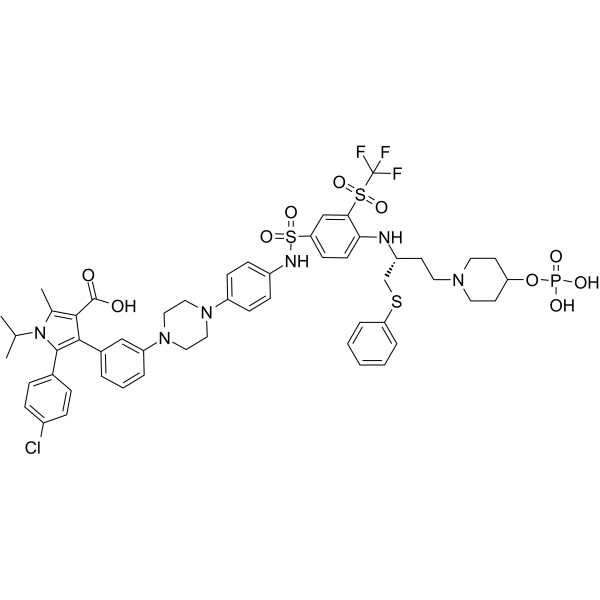
UBX1325 is an Bcl-xL inhibitor that promotes apoptosis in senescent cells. UBX1325 is a potent anti-aging agent that can be used in studies of age-related eye diseases such as diabetic macular oedema (DME), age-related macular degeneration (AMD) and diabetic retinopathy (DR) .
loading...
    loading...
Cat. No.: HY-76025S
CAS No.: 4165-56-4
Synonyms: p-Dibromobenzene-d4
1,4-Dibromobenzene-d4 is a deuterium labeled 1,4-Dibromobenzene. 1,4-Dibromobenzene is used as a fumigant and as a chemical intermediate for pharmaceuticals. Inhalation exposure gives rise to dizziness and chokingwhereas contact with skin or eye produces inflammation and burning in humans .
loading...
    loading...
Cat. No.: HY-109561
CAS No.: 222716-86-1
Purity:  98.09%
Synonyms: eye001; NX1838
Target:  

VEGFR

Pegaptanib sodium is an RNA aptamer with polyethylene glycol modifications, which is directed against vascular endothelial growth factor (VEGF)-165. Pegaptanib could be used for the study of neovascular age-related macular degeneration (AMD) .
loading...
    loading...
Cat. No.: HY-W019321
CAS No.: 17875-18-2
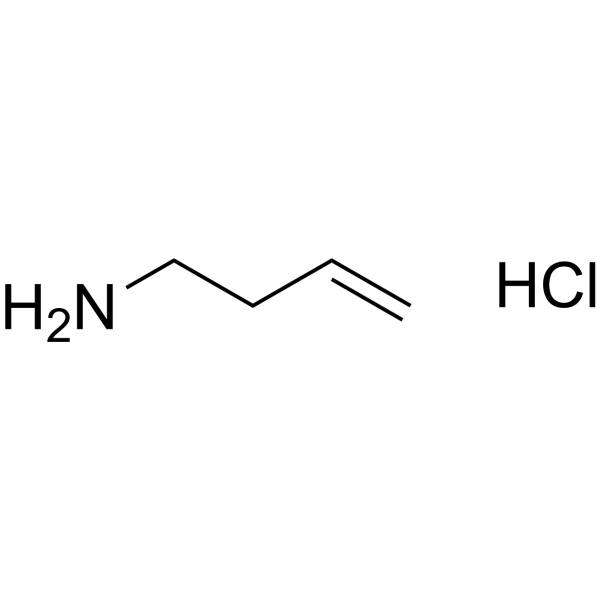
3-Butenylamine hydrochloride can be used as an intermediate in the production of polymers, adhesives, resins and other chemicals. 3-Butenylamine hydrochloride may cause skin and eye irritation or burns, severe eye damage, and breathing problems .
loading...
    loading...
Cat. No.: HY-A0142A
CAS No.: 72822-13-0
Target:  

Adrenergic Receptor

Research Areas:  

Endocrinology

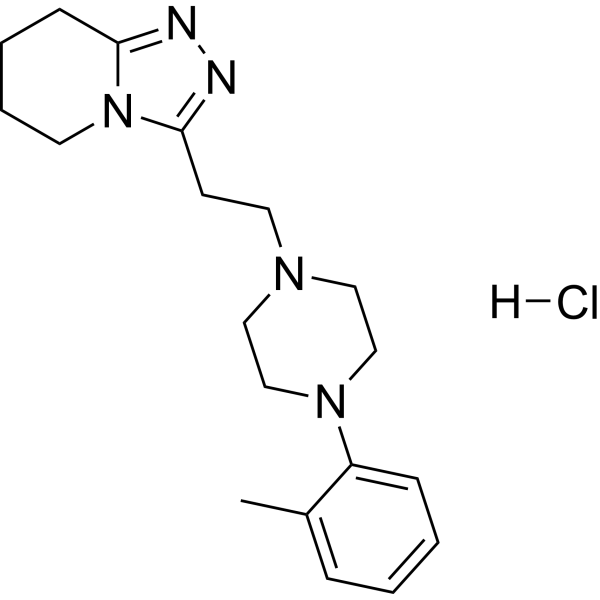
Dapiprazole hydrochloride is a potent, selective and orally active alpha-1 adrenoceptor antagonist. Dapiprazole hydrochloride suppresses the opioid withdrawal symptoms. Dapiprazole hydrochloride is also used as eye drops for reversing mydriasis .
loading...
    loading...
Cat. No.: HY-W143531
CAS No.: 133331-77-8
Synonyms: NOV03; SHR8058
Research Areas:  

Inflammation/Immunology

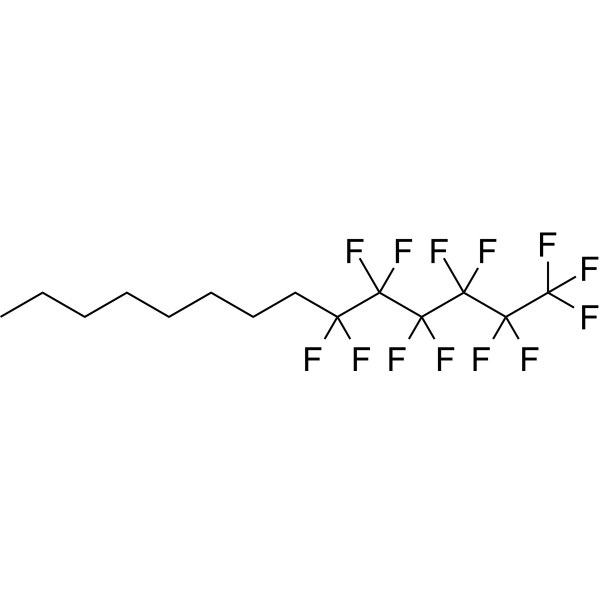
Perfluorohexyloctane (NOV03), a semifluorinated alkane, reduces tear film instability in Meibomian gland dysfunction and evaporative dry eye disease. Perfluorohexyloctane is a long-term tamponade agent. Perfluorohexyloctane increases tear film breakup time and lipid layer thickness .
loading...
    loading...
Cat. No.: HY-A0133
CAS No.: 104-29-0
Target:  

Bacterial Fungal

Research Areas:  

Inflammation/Immunology Cancer

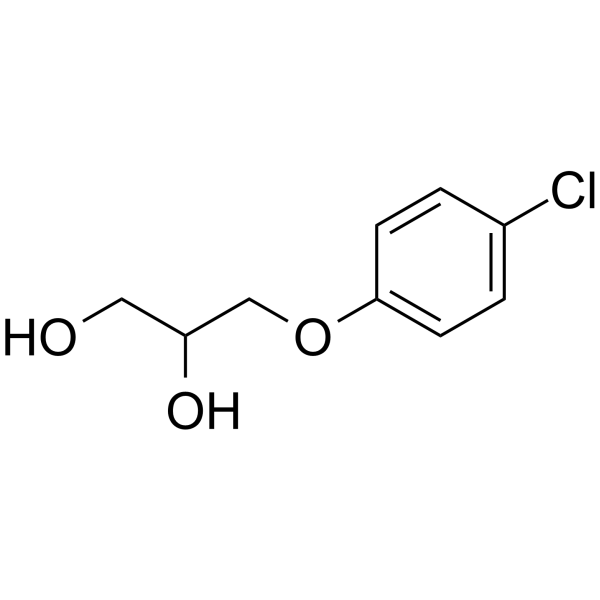
Chlorphenesin is a reversible antigen-associated immunosuppressant. Chlorphenesin is an antibacterial and antifungal agent used in numerous eye care cosmetics .
loading...
    loading...
Cat. No.: HY-152264
CAS No.: 2768261-09-0
Purity:  99.94%
Target:  

CFTR

Research Areas:  

Inflammation/Immunology

CFTR activator 1 is a potent and selective CFTR activator, with an EC50 of 23 nM. CFTR activator 1 can be used to ameliorate dry eye disease .
loading...
    loading...
Cat. No.: HY-P11273
CAS No.: 1610366-43-2
Synonyms: OK 101
Urcosimod (OK 101) is a lipid-coupled chemokine peptide, a ChemR23 G protein-coupled receptor agonist, which has been shown to have anti-inflammatory and analgesic activities. Urcosimod can be used for dry eye research .
loading...
    loading...
Cat. No.: HY-14460
CAS No.: 1206880-66-1
Purity:  99.72%
Target:  

FLAP

Research Areas:  

Inflammation/Immunology

AM679 is a potent, selective 5-lipoxygenase-activating protein (FLAP) inhibitor with an IC50 of 2 nM in a human FLAP membrane binding assay. AM679 markedly reduces the respiratory syncytial virus-driven ocular pathology as well as the synthesis of cysteinyl leukotrienes (CysLTs) in the eye .
loading...
    loading...
Cat. No.: HY-P990084
CAS No.: 2728655-31-8
Synonyms: AVE1642; VRDN-001
Target:  

IGF-1R Akt

Research Areas:  

Neurological Disease Endocrinology

Veligrotug (AVE1642) is a selective, fully human IGF-1R antagonist antibody with a Kd value of 0.55 nM for hIGF-1R. Veligrotug blocks the phosphorylation of downstream AKT. Veligrotug is applicable to research related to thyroid eye disease .
loading...
    loading...
Cat. No.: HY-B2206
CAS No.: 51-77-4
Target:  

Mucin

Research Areas:  

Inflammation/Immunology

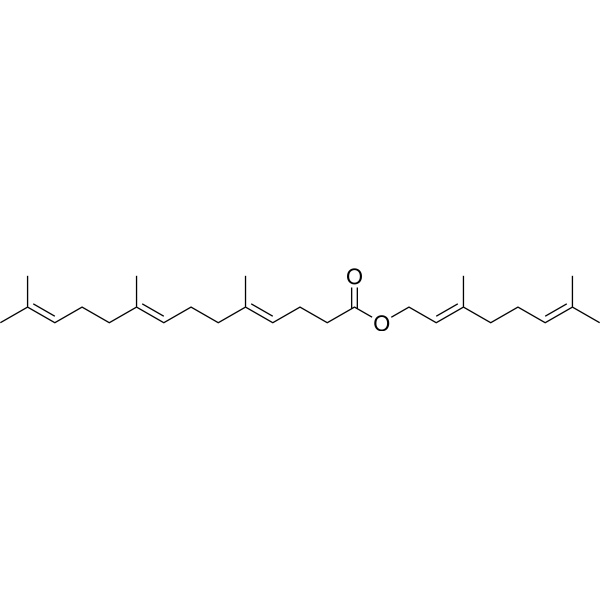
Gefarnate is a agent used for the treatment of gastritis and gastric ulcer, and has been proposed for use in the treatment of dry eye syndrome.
loading...
    loading...

