
314 Results for "

facultative organisms

" in MedChemExpress (MCE) Product Catalog:
Products (314)

314 Results for "facultative organisms" in MCE Product Catalog:

4
4 Cited Publications
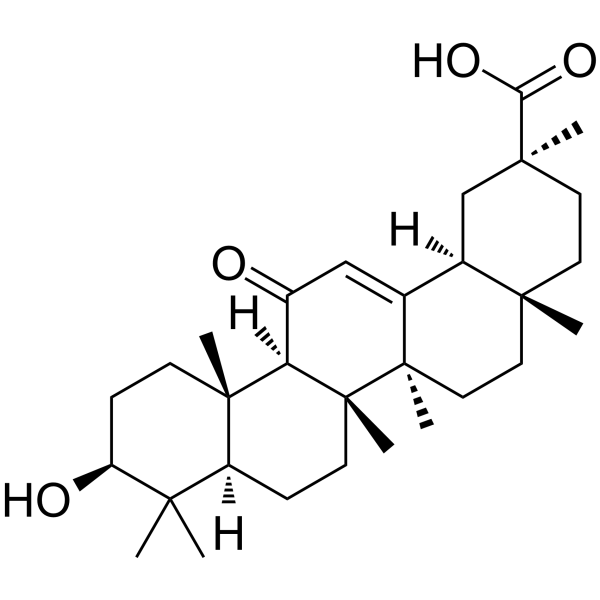
Cat. No.: HY-N0375
CAS No.: 1449-05-4
18α-Glycyrrhetinic acid, a diet-derived compound, is an inhibitor of NF-kB and an activator of proteasome, which serves as pro-longevity and anti-aggregation factor in a multicellular organism. 18α-Glycyrrhetinic acid induces apoptosis .
loading...
    loading...
4
4 Cited Publications
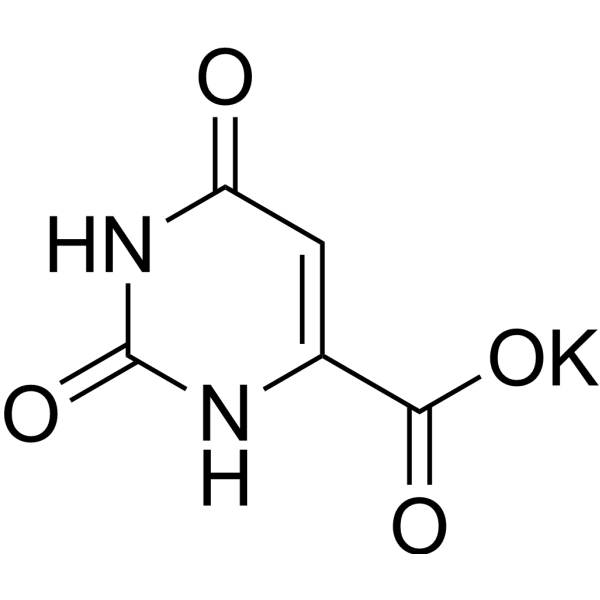
Cat. No.: HY-N0157C
CAS No.: 24598-73-0
Synonyms: 6-Carboxyuracil potassium; Vitamin B13 potassium
Orotic acid potassium (Vitamin B13 potassium) is a precursor of pyrimidine bases and is involved in the synthesis of DNA and RNA. Orotic acid potassium stimulates the growth of animals, plants and microorganisms, participates in carbohydrate metabolism, and is necessary for the growth and life activities of organisms. Orotic acid potassium is a measurement indicator in routine newborn screening for urea cycle abnormalities. Orotic acid potassium can cause hepatic steatosis and hepatomegaly in rats .
loading...
    loading...
3
3 Cited Publications
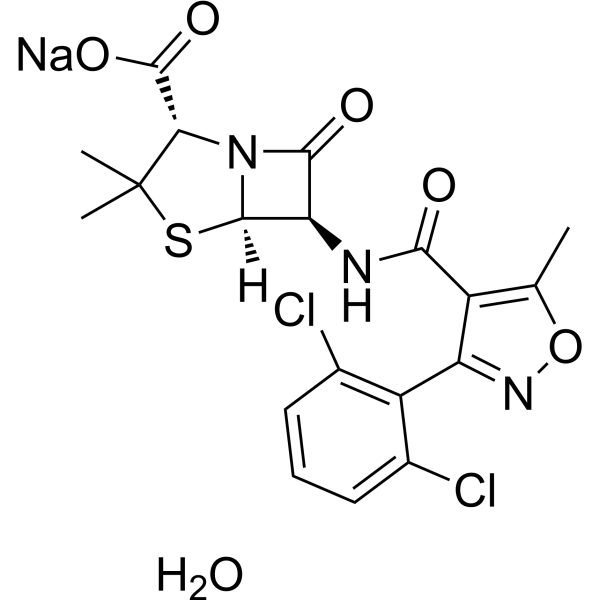
Cat. No.: HY-B0977
CAS No.: 13412-64-1
Synonyms: Dicloxacillin sodium salt monohydrate
Target:  

Bacterial Antibiotic

Research Areas:  

Infection Inflammation/Immunology

Dicloxacillin Sodium hydrate (Dicloxacillin sodium salt monohydrate) is a narrow-spectrum β-Lactam antibiotic of the penicillin class, is used to treat infections caused by susceptible Gram-positive bacteria, active against beta-lactamase-producing organisms such as Staphylococcus aureus .
loading...
    loading...
3
3 Cited Publications
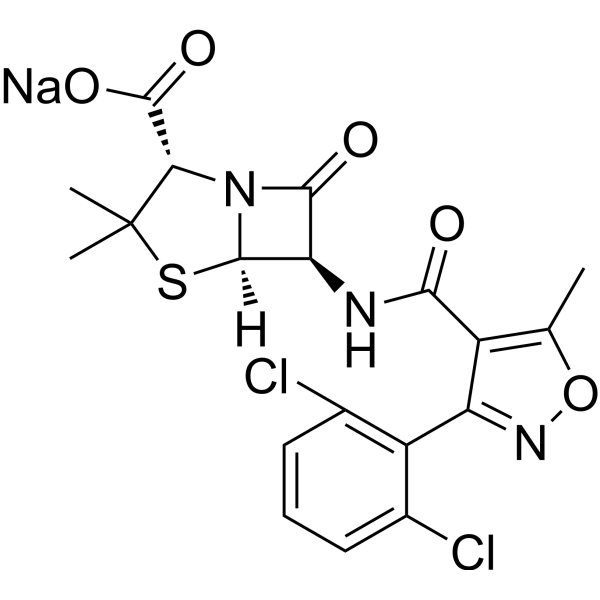
Cat. No.: HY-B1459
CAS No.: 343-55-5
Research Areas:  

Infection

Dicloxacillin sodium is a β-lactam antibiotic of the penicillin family. Dicloxacillin sodium against Gram-positive bacteria. Dicloxacillin sodium is active against β-lactamase-producing organisms such as Staphylococcus aureus .
loading...
    loading...
3
3 Cited Publications
Cat. No.: HY-D0047
CAS No.: 79955-27-4
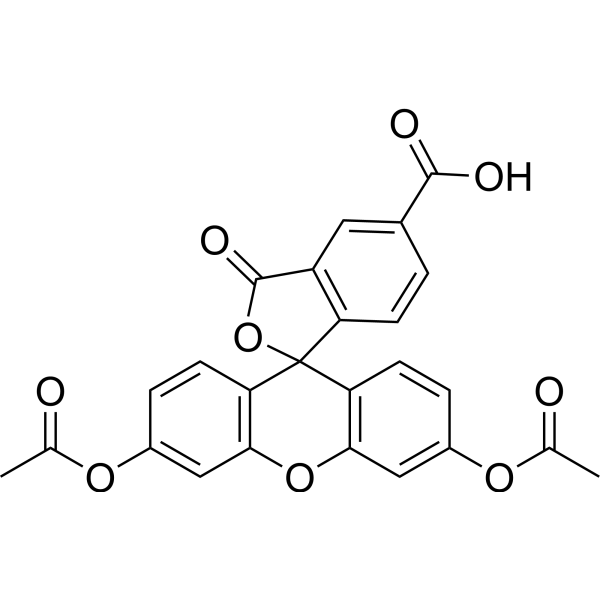
Synonyms: 5-Carboxyfluorescein diacetate
5-CFDA is a common aliphatic luciferin-line organism. CFDA conducts free diffusion into cells, and then it is hydrolyzed into carboxyl fluorescein (CF) by intracellular non-specific lipase. CF containing portion contains an additional negative charge so that it is better retained in cells, compared to fluorescein dyes .
loading...
    loading...
3
3 Cited Publications
Cat. No.: HY-W250118
CAS No.: 90989-93-8
Target:  

Liposome Autophagy

Research Areas:  

Endocrinology

Cephalin form bovine brain is an orally active phospholipid widely present in organisms.Cephalin form bovine brain participates in the formation of autophagosome membrane as a lipid anchor of autophagy-related protein Atg8/LC3. Cephalin form bovine brain enhances Autophagic flux, promotes cell differentiation, regulates lipid droplet fusion, delays aging, and also affects lipid metabolism and membrane integrity .
loading...
    loading...
3
3 Cited Publications
Cat. No.: HY-N0354
CAS No.: 84-65-1
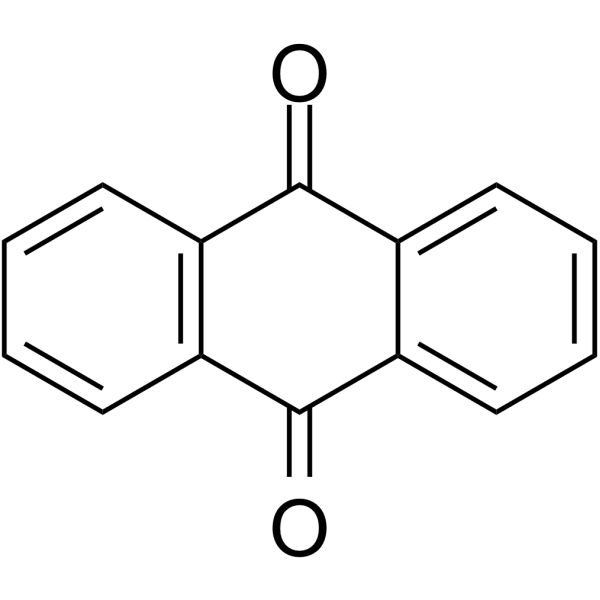
Anthraquinone is used as a precursor for dye formation and agrochemicals, existing in different organisms, such as bacteria, fungi, plants, and some animals. Anthraquinone has biological activities: anticancer, antiinflammatory, diuretic, antiarthritic, antifungal, antibacterial, antimalarial and antioxidant. Anthraquinone also plays an important role in the primary metabolism of plants by acting on the electron transport chain through the inhibition of energy transfer in the photosynthetic process. Anthraquinone can intercalates into DNA and inhibits the topoisomerase II (topo II) enzyme, resulting in cell death via Apoptosis .
loading...
    loading...
3
3 Cited Publications
Cat. No.: HY-B1831A
CAS No.: 192564-14-0
Synonyms: LY333328 diphosphate
Target:  

Bacterial Antibiotic

Research Areas:  

Infection Inflammation/Immunology

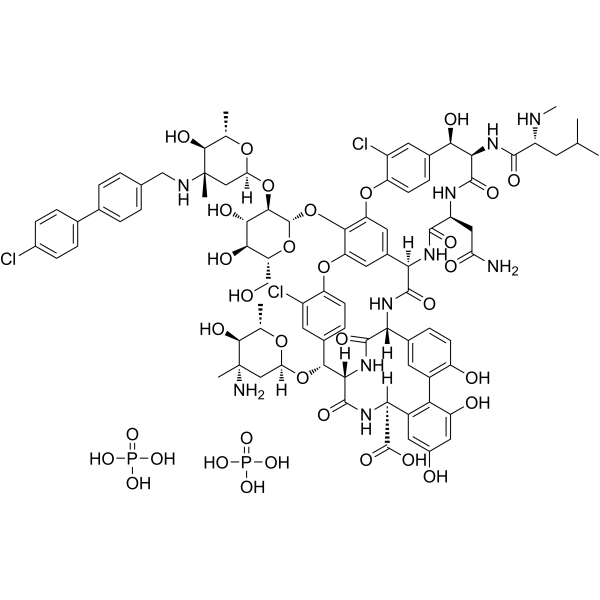
Oritavancin diphosphate (LY333328 diphosphate), a semisynthetic derivative of Vancomycin (HY-B0671), is an orally active glycopeptide antibiotic with bactericidal activity against gram-positive organisms. Oritavancin diphosphate shows antibacterial effect against B. anthracis, such as Ames strain with a MIC value of 0.015 g/mL. Oritavancin diphosphate inhibits cell wall synthesis and disrupts the membrane potential. Oritavancin diphosphate inhibits ArlS kinase activity thereby interfering the signal transduction. Oritavancin diphosphate enters cells by adsorptive endocytosis, which drives it to lysosomes, where it exerts antibiotic activity .
loading...
    loading...
3
3 Cited Publications
Cat. No.: HY-123960
CAS No.: 2022961-17-5
Purity:  99.75%
Target:  

Phosphatase

Research Areas:  

Neurological Disease

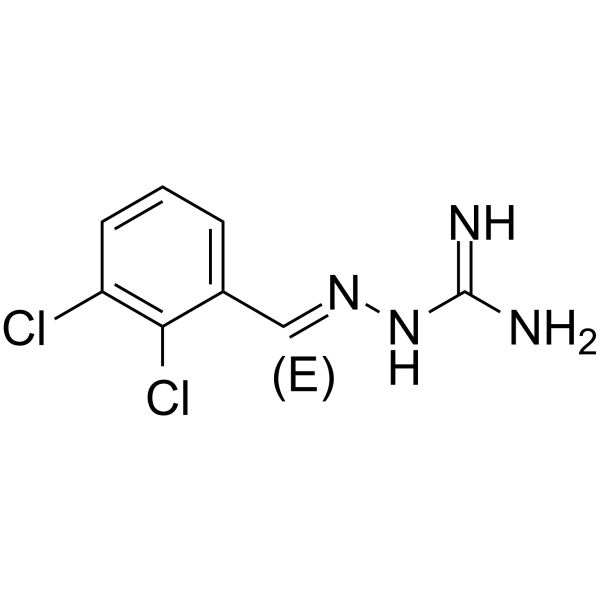
Raphin1 is an orally bioavailable, selective inhibitor of the regulatory phosphatase PPP1R15B (R15B). Raphin1 binds strongly to the R15B-PP1c holophosphatase (Kd=33 nM), and shows ~30-fold selective in binding R15B-PP1c over R15A-PP1c. Raphin1 crosses the blood-brain barrier, and reduces organismal and molecular deficits in a mouse model of a protein misfolding disease .
loading...
    loading...
3
3 Cited Publications
Cat. No.: HY-123960A
CAS No.: 2242616-04-0
Purity:  99.93%
Target:  

Phosphatase

Research Areas:  

Neurological Disease

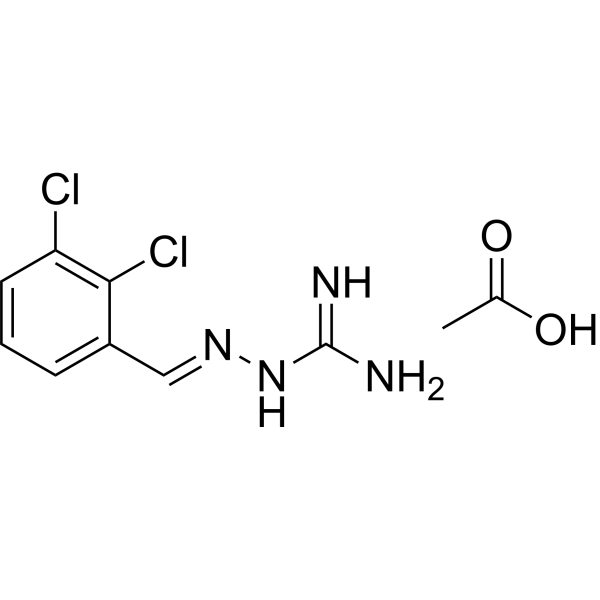
Raphin1 acetate is an orally bioavailable, selective inhibitor of the regulatory phosphatase PPP1R15B (R15B). Raphin1 acetate binds strongly to the R15B-PP1c holophosphatase (Kd=33 nM), and shows ~30-fold selective in binding R15B-PP1c over R15A-PP1c. Raphin1 acetate crosses the blood-brain barrier, and reduces organismal and molecular deficits in a mouse model of a protein misfolding disease .
loading...
    loading...
3
3 Cited Publications
Cat. No.: HY-W034953
CAS No.: 52698-84-7
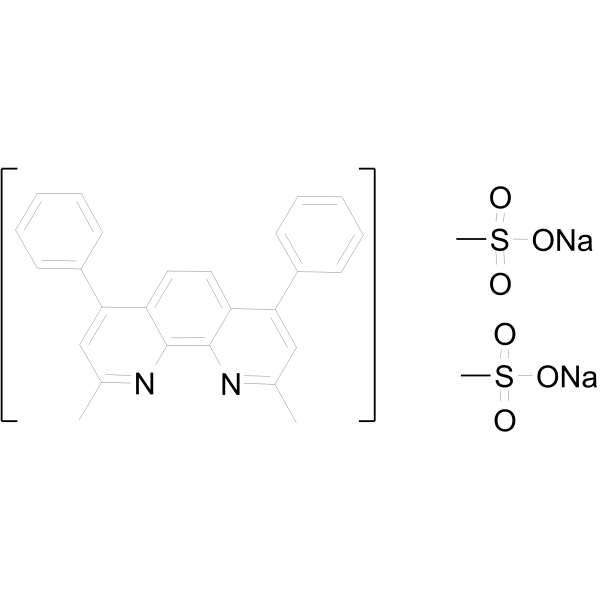
Bathocuproine disulfonate disodium (BCS) is an organic compound used as a highly sensitive colorimetric reagent for copper ions in biochemical and analytical applications. It has a bright yellow color and absorbs light at specific wavelengths, so it can be used to detect and quantify trace copper. In biochemical applications, BCS is commonly used to study the role of copper ions in various biological processes. Copper is an essential nutrient for many organisms, but it can also be toxic in high concentrations, so accurate measurement of copper levels is important to understand its impact on living systems. In terms of analysis, BCS is often used in environmental monitoring and water quality testing to detect copper pollution. It can detect copper even at very low concentrations, making it an invaluable tool for identifying potential sources of pollution and assessing the impact of industrial activities on aquatic ecosystems.
loading...
    loading...
2
2 Cited Publications
Cat. No.: HY-129065
CAS No.: 96736-11-7
Purity:  93.51%
Synonyms: Streptothricin sulfate
Research Areas:  

Infection

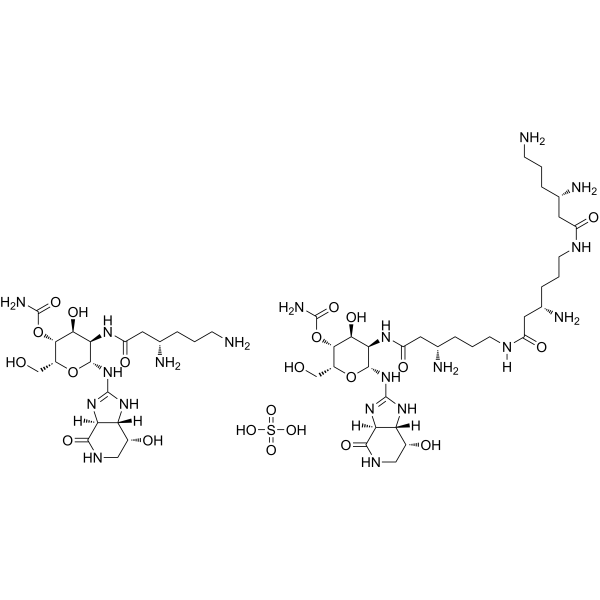
Nourseothricin sulfate (Streptothricin sulfate) is a broad-spectrum antibiotic that destroys the outer membrane of Gram-negative bacteria and is a dominant selective marker for Fonsecaea pedrosoi . Nourseothricin sulfate inhibits protein biosynthesis in prokaryotic cells and strongly inhibits the growth of eukaryotes like fungi and can also be used as a elective marker for a wide range of organisms including bacteria, yeast, filamentous fungi, and plant cells .
loading...
    loading...
2
2 Cited Publications
Cat. No.: HY-14737A
CAS No.: 400827-55-6
Purity:  98.88%
Synonyms: TAK-599 hydrate; PPI0903 hydrate
Target:  

Antibiotic Bacterial

Research Areas:  

Infection

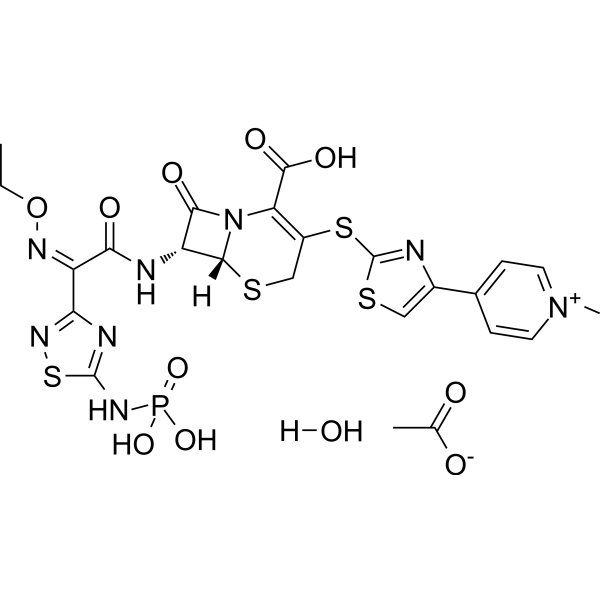
Ceftaroline fosamil hydrate is a potent cephalosporin antibiotic. Ceftaroline fosamil hydrateshows broad-spectrum activity against Gram-positive pathogens, including methicillin-resistant Staphylococcus aureus (MRSA) and multidrug-resistant Streptococcus pneumoniae, and common Gram-negative organisms. Ceftaroline fosamil hydrate has anti-infective activity, and can be used for the research of complicated skin and skin structure infections (cSSSIs) and community-acquired bacterial pneumonia (CABP) .
loading...
    loading...
2
2 Cited Publications
Cat. No.: HY-B1099
CAS No.: 3105-97-3
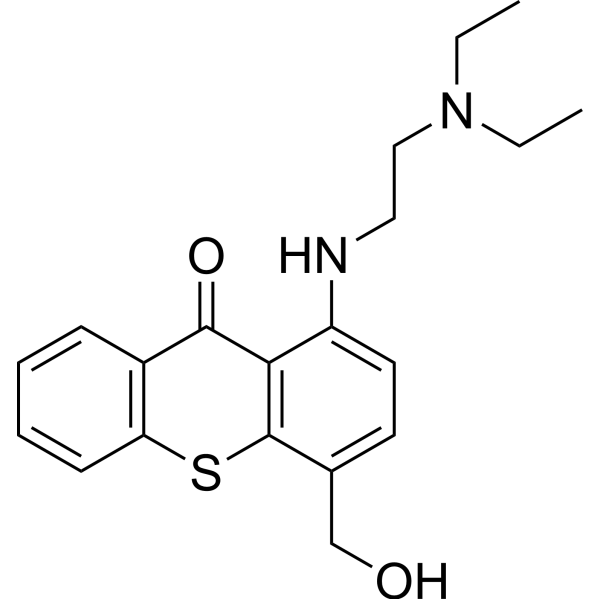
Hycanthone is an apurinic/apyrimidinic endonuclease 1 (APE1) inhibitor, DNA intercalator and Antischistosomal agent, with an IC50 of 80 nM against APE1. Hycanthone irreversibly inhibits thymidine incorporation into DNA in adult sensitive *Schistosoma mansoni*, while exerts weak inhibitory effects on uridine and leucine incorporation. Hycanthone reduces influenza virus-induced interferon production. Hycanthone exhibits mutagenic effects in various organisms, shows teratogenicity in mice and rabbits, and induces neoplastic liver lesions in partially hepatectomized mice. Hycanthone can be used in research related to schistosomiasis and cancer .
loading...
    loading...
2
2 Cited Publications
Cat. No.: HY-B1120
CAS No.: 3383-96-8
Synonyms: Temefos
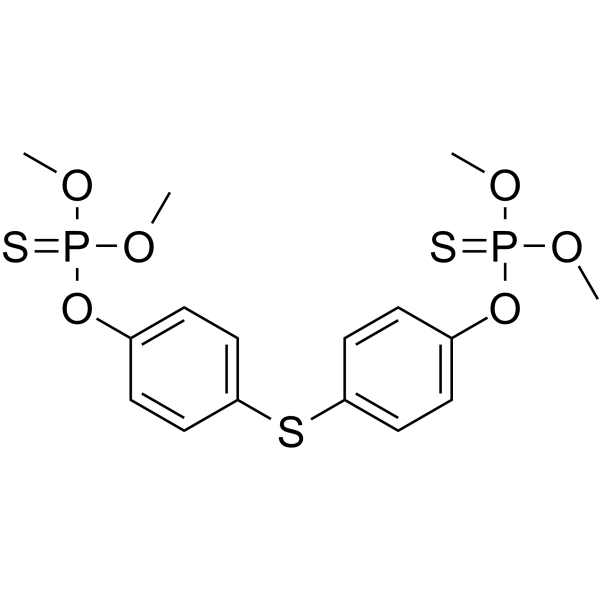
Temephos (Temefos) is an orally active, blood-brain barrier-permeable organophosphate insecticide and AChE inhibitor. By irreversibly inhibiting AChE to induce cholinergic overactivation, Temephos effectively blocks larval development of Aedes aegypti (yellow fever mosquito) and Aedes albopictus (Asian tiger mosquito), and is commonly used in studies related to Dengue Virus, Zika Virus and other relevant pathogens. Temephos exhibits genotoxicity and neurodevelopmental toxicity, and may also cause liver injury, reproductive system abnormalities and cholinergic poisoning symptoms in mammals. Temephos tends to accumulate in adipose tissues and aquatic organisms, and is excreted via feces after metabolism through oxidation and hydrolysis. Note that CYP-mediated metabolic detoxification may reduce the actual larvicidal efficacy of Temephos against some mosquito species. Temephos can be used in research related to dengue fever, Zika virus disease, chikungunya and dracunculiasis .
loading...
    loading...
1
1 Cited Publications
Cat. No.: HY-N0335
CAS No.: 482-89-3
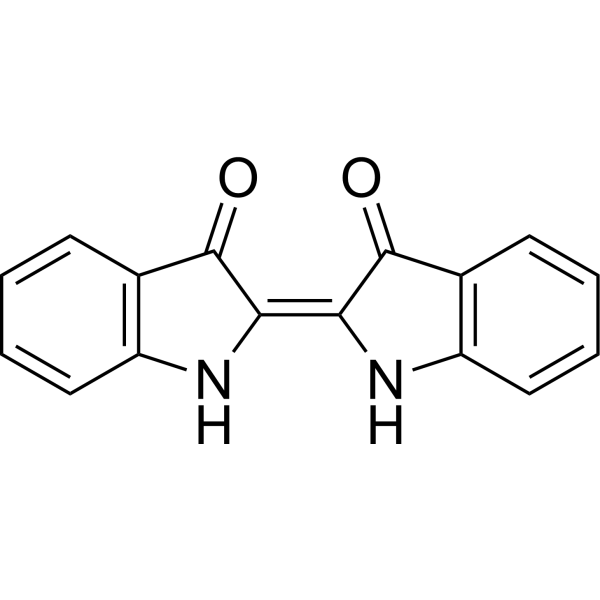
Indigo is a blue dye. Indigo stains cellulose fibers such as cotton. Indigo stains food or biological samples to visualize and quantify the uptake or distribution of substances by organisms .
loading...
    loading...
1
1 Cited Publications
Cat. No.: HY-B1881
CAS No.: 29232-93-7
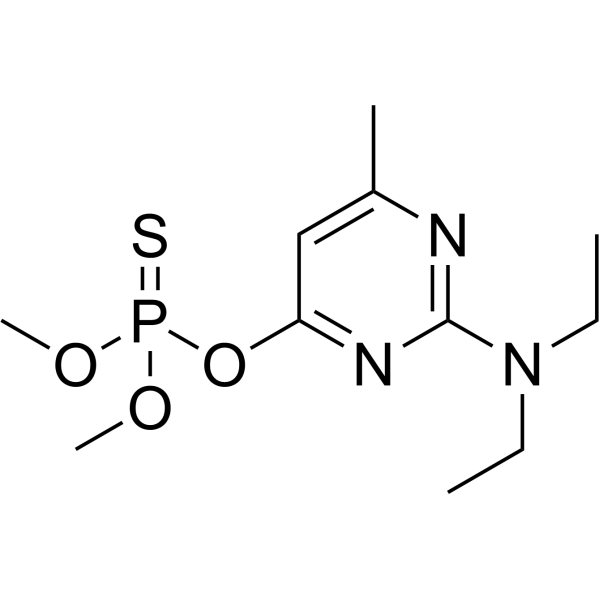
Pirimiphos-methyl is an organophosphorus insecticide and acaricide that can inhibit AChE in target organisms. Pirimiphos-methyl is often used for prevention and control of beetles, snout beetles, moths and Ephestia cautella during storage of agricultural grains .
loading...
    loading...
1
1 Cited Publications
Cat. No.: HY-17452
CAS No.: 104146-53-4
Synonyms: ME 1206
Research Areas:  

Infection Inflammation/Immunology

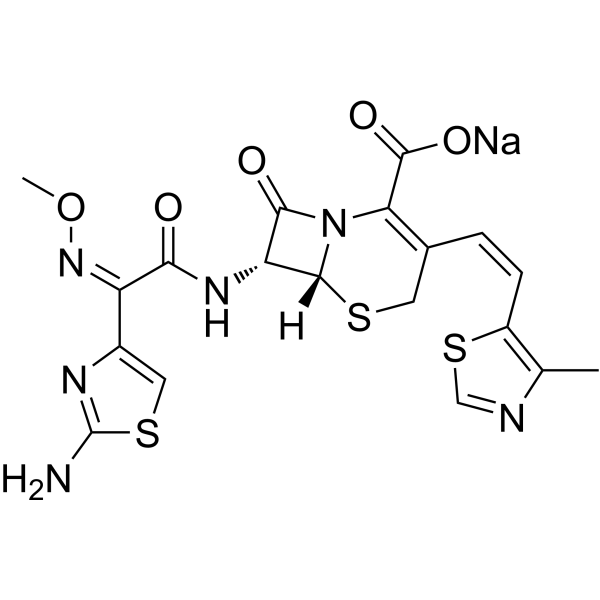
Cefditoren sodium (ME 1206) is a broad-spectrum, third-generation, oral cephalosporin antibacterial with enhanced stability against many common β lactamases. Cefditoren sodium has activity against Gram-negative organisms and Gram-positive organisms. Cefditoren sodium can be used in the research of infection diseases such as acute exacerbations of chronic bronchitis, community-acquired pneumonia (CAP), streptococcal pharyngitis/tonsillitis, or uncomplicated skin and skin structure infections .
loading...
    loading...
1
1 Cited Publications
Cat. No.: HY-N7819
CAS No.: 1921-70-6
Synonyms: Norphytane
Pristane (Norphytane) is a naturally occurring hydrocarbon oil found in small quantities in many plants, in various marine organisms, and as the most active component of mineral oil . Pristane is a non-antigenic adjuvant, and induces MHC class II-restricted, arthritogenic T cells in the rat .
loading...
    loading...
1
1 Cited Publications
Cat. No.: HY-B1945R
CAS No.: 117-81-7
Synonyms: Bis(2-ethylhexyl) phthalate (Standard); Ergoplast FDO (Standard); ESBO-D 82 (Standard)
DEHP (Standard) is the analytical standard of DEHP. This product is intended for research and analytical applications. DEHP (Bis(2-ethylhexyl) phthalate) is a widely used plasticizer, which has orally active. DEHP can produce a wide spectrum of toxic effects on organisms including neurotoxicity, liver toxicity, immunotoxicity, and reproductive toxicity .
loading...
    loading...

