

302 Results for "

superoxide

" in MedChemExpress (MCE) Product Catalog:
Products (302)

302 Results for "superoxide" in MCE Product Catalog:

  • Categories Recommended:
    More
5
5 Cited Publications
Cat. No.: HY-112540A
CAS No.: 3483-11-2
Purity:  ≥98.0%
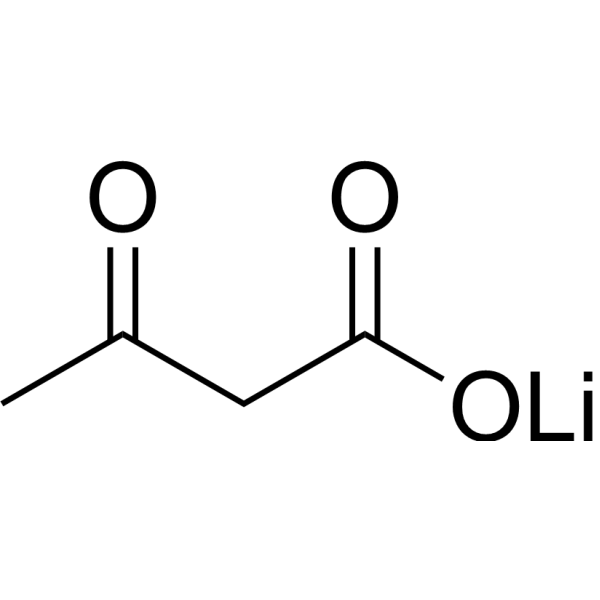
Acetoacetic acid lithium is an oxidative stress inducer that affects the antioxidant enzyme system and lipoprotein metabolism. Acetoacetic acid lithium induces oxidative stress by decreasing the mRNA expression and activity of superoxide dismutase (SOD), catalase (CAT), and glutathione peroxidase (GSH-Px), increasing MDA content, and inhibiting very low density lipoprotein (VLDL) assembly by downregulating apolipoprotein ApoB100, ApoE, and low density lipoprotein receptor (LDLR), leading to triglyceride (TG) accumulation in hepatocytes. Acetoacetic acid lithium can be used to study metabolic diseases .
loading...
    loading...
4
4 Cited Publications
Cat. No.: HY-N1579
CAS No.: 87-66-1
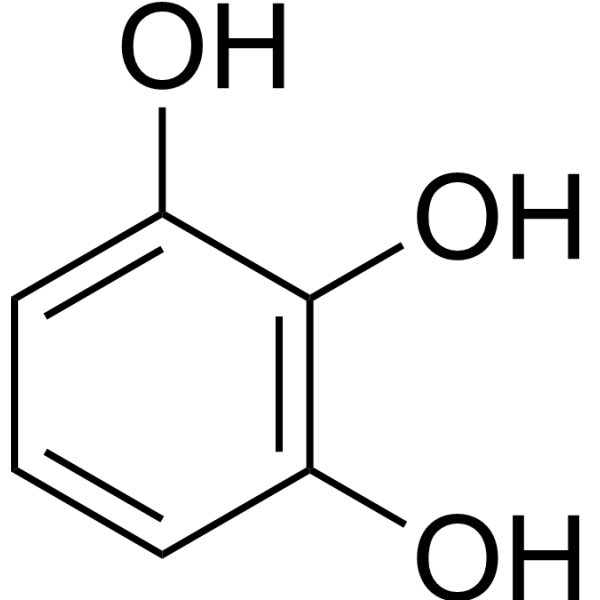
Pyrogallol is a polyphenol compound, which has anti-fungal and anti-psoriatic properties. Pyrogallol is a reductant that is able to generate free radicals, in particular superoxide anions.
loading...
    loading...
4
4 Cited Publications
Cat. No.: HY-115386
CAS No.: 1101113-39-6
Purity:  98.00%
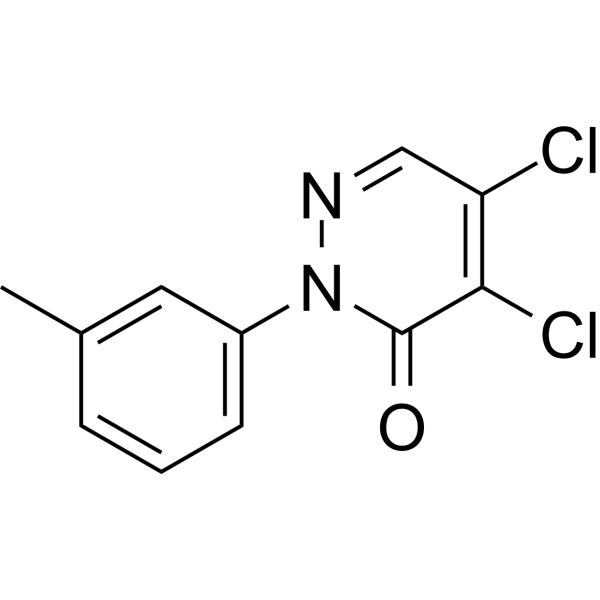
MitoTEMPOL is a mitochondria-targeted superoxide scavenger. MitoTEMPOL accumulates in mitochondria via membrane potential and locally scavenges superoxide anions. MitoTEMPOL alleviates hepatic oxidative stress and alterations in genes related to autophagy in STZ (HY-13753)-induced diabetic models. MitoTEMPOL inhibits diaphragmatic mitochondrial dysfunction and activation of proteolytic pathways in sepsis models. MitoTEMPOL also alleviates AGEs (HY-NP165)-induced ferritinophagy-dependent ferroptosis in human umbilical vein endothelial cells. MitoTEMPOL is used in research related to diabetes, sepsis, and vascular endothelial ferroptosis .
loading...
    loading...
4
4 Cited Publications
Cat. No.: HY-100581
CAS No.: 475473-26-8
Purity:  ≥97.0%
Research Areas:  

Inflammation/Immunology

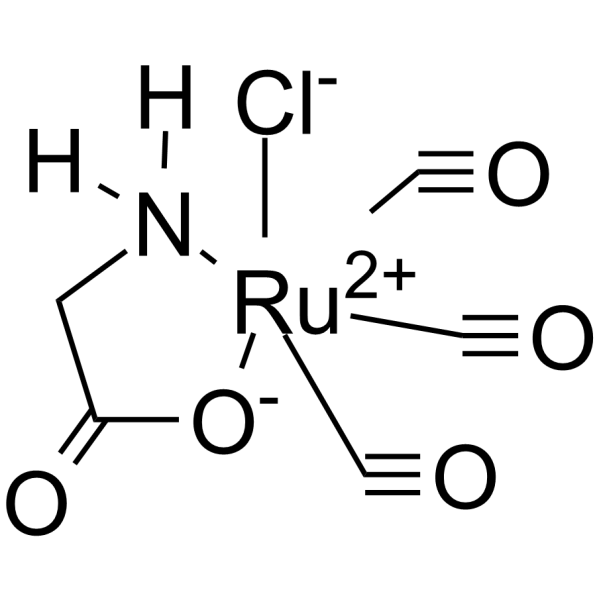
CORM-3, a carbon monoxide-releasing molecule, attenuates NF-κB p65 nuclear translocation, reduces ROS generation and enhances intracellular glutathione and superoxide dismutase levels. CORM-3 reduces NLRP3 inflammasome activation .
loading...
    loading...
4
4 Cited Publications
Cat. No.: HY-115445
CAS No.: 41931-13-9
Purity:  99.81%
Target:  

Apoptosis SOD

Research Areas:  

Cancer

LCS-1 is a superoxide dismutase 1 (SOD1) inhibitor. LCS-1 inhibits SOD1 activity with an IC50 value of 1.07 μM. LCS-1 induces the early- and late-stage apoptosis of multiple myeloma (MM.1S) cells .
loading...
    loading...
4
4 Cited Publications
Cat. No.: HY-N7075
CAS No.: 9005-80-5
Inulin is an orally active prebiotic targeting the intestinal microbiota, selectively promoting the proliferation and activity of beneficial bacteria such as bifidobacteria and lactic acid bacteria, and playing a role in regulating the intestinal microecology. The functions of Inulin include: Fermentation by probiotics in the colon to produce short-chain fatty acids (such as butyrate and propionate), lowering the intestinal pH and inhibiting the overgrowth of harmful bacteria; Enhancing the intestinal barrier function and reducing endotoxin translocation; Directly scavenging free radicals (such as superoxide free radicals, hydroxyl free radicals) and activating antioxidant enzymes (SOD, CAT) to reduce oxidative stress. Inulin can also be used in the study of intestinal diseases (constipation, IBD), metabolic syndrome (diabetes, obesity) and liver damage by regulating glucose and lipid metabolism (such as reducing triglycerides, improving insulin sensitivity) and immune response (enhancing NK cell activity, inhibiting inflammatory factors)[1][2][3][4].
loading...
    loading...
4
4 Cited Publications
Cat. No.: HY-N0448
CAS No.: 23513-15-7
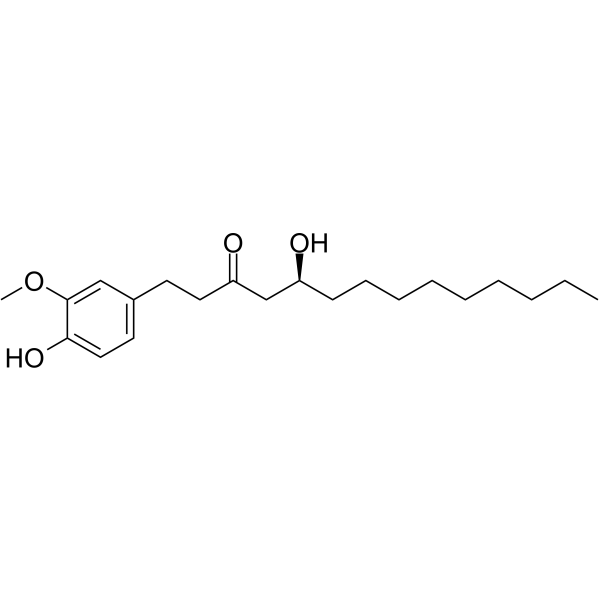
10-Gingerol is an AMPK agonist, which is found in the ginger oleoresin from fresh rhizome with anti-inflammatory, antioxidant and anti-proliferative activities. 10-Gingerol suppresses neointimal hyperplasia and inhibits vascular smooth muscle cell proliferation. 10-Gingerol exhibits substantial scavenging activities with an IC50 value of 10.47 μM against DPPH radical, an IC50 value of 1.68 μM against superoxide radical and an IC50 value of 1.35 μM against hydroxyl radical. 10-Gingerol inhibits the proliferation of MDA-MB-231 tumor cell line with an IC50 of 12.1 μM. 10-Gingerol suppresses the proliferation, migration, invasion, and induced apoptosis through targeting the PI3K/Akt signaling pathway in MDA-MB-231/IR cells. 10-Gingerol can be used in research on various common cancers such as ovarian cancer and colon cancer, as well as colitis and neurodegenerative diseases .
loading...
    loading...
3
3 Cited Publications
Cat. No.: HY-108537
CAS No.: 143556-24-5
Purity:  99.63%
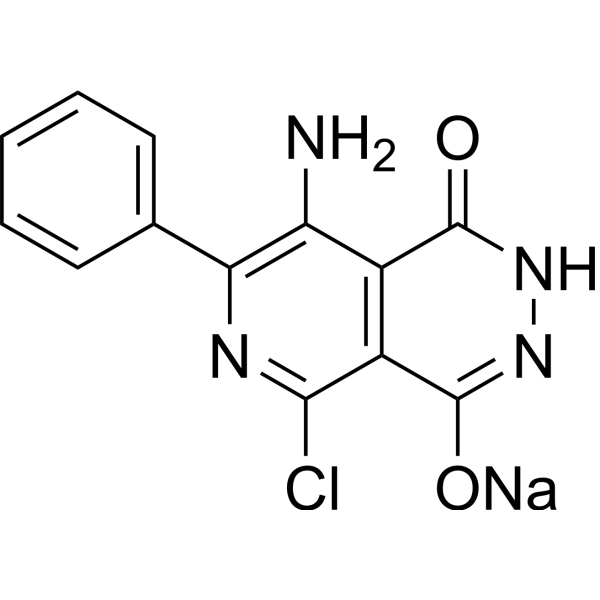
L 012 sodium salt is a luminal-based chemiluminescent probe. L 012 sodium salt can detect NADPH oxidase (Nox)-derived superoxide and nitrogen species (reactive oxygen species (ROS) and reactive nitrogen species (RNS)) .
loading...
    loading...
3
3 Cited Publications
Cat. No.: HY-121137
CAS No.: 387334-31-8
Purity:  98.36%
Synonyms: BocMPO
Research Areas:  

Others

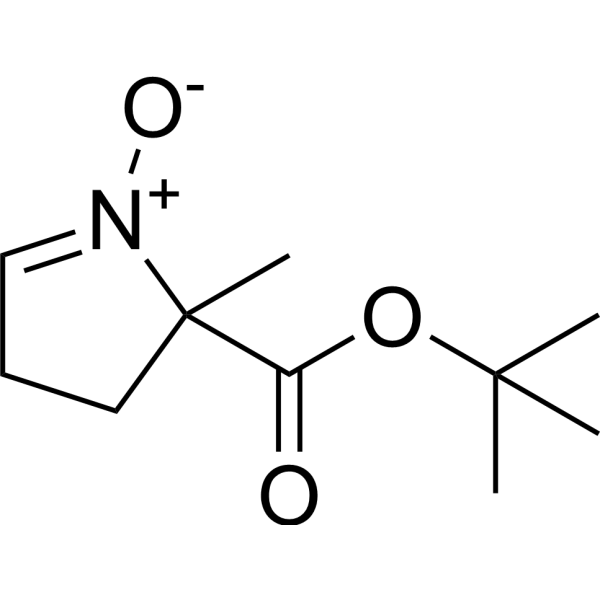
BMPO (BocMPO) is a cell-permeable superior spin trap with favorable chemical and spectroscopic features. BMPO (BocMPO) can be used for detecting thiyl radicals, hydroxyl radicals, superoxide anions and glutathiyl radicals .
loading...
    loading...
3
3 Cited Publications
Cat. No.: HY-118315
CAS No.: 143323-55-1
Target:  

Fluorescent Dye

Research Areas:  

Inflammation/Immunology

L-012 is a luminal-based chemiluminescent probe. L-012 sodium salt can detect NADPH oxidase (Nox)-derived superoxide and nitrogen species (reactive oxygen species (ROS) and reactive nitrogen species (RNS)) .
loading...
    loading...
3
3 Cited Publications
Cat. No.: HY-122984
CAS No.: 85-00-7
Purity:  99.86%
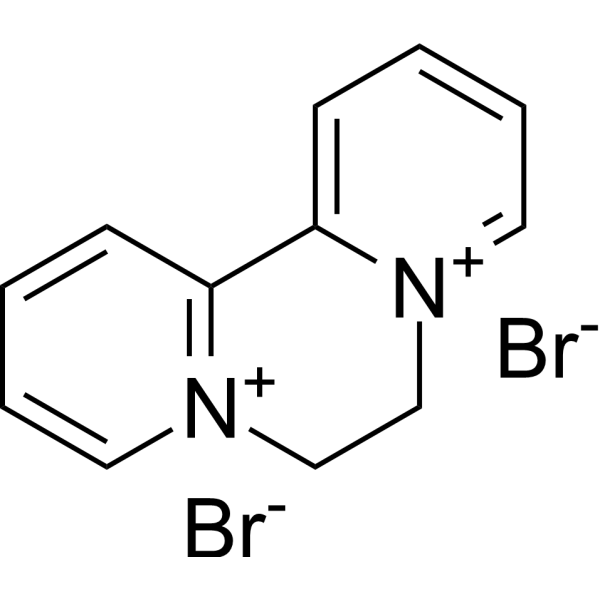
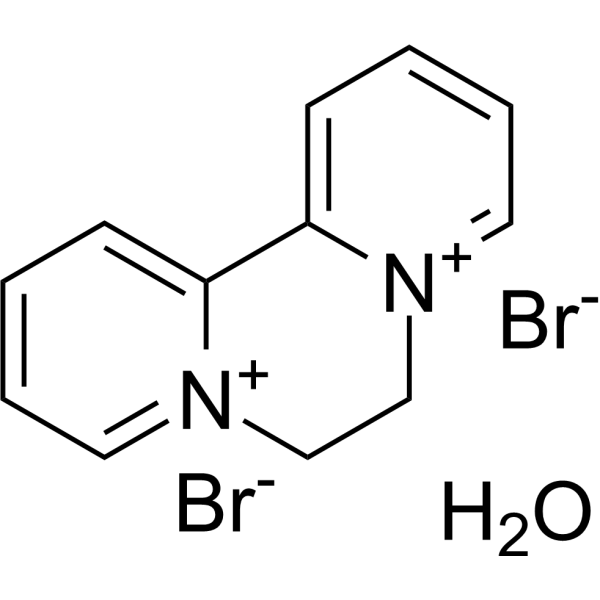
Diquat dibromide is a comprehensive herbicide. Diquat dibromide increases the production of ROS and triggers mitochondrial Autophagy. Diquat dibromide generates free radicals such as superoxide anions through redox cycles, which induce oxidative stress. Diquat dibromide is cytotoxic, reproductive, and neurotoxic. Diquat dibromide is used in cotton, soybean, and other crops to combat noxious weeds .
loading...
    loading...
3
3 Cited Publications
Cat. No.: HY-136372
CAS No.: 6385-62-2
Purity:  99.92%
Diquat dibromide hydrate is a comprehensive herbicide. Diquat dibromide hydrate increases the production of ROS and triggers mitophagy. Diquat dibromide hydrate generates free radicals such as superoxide anions through redox cycles, which induce oxidative stress. Diquat dibromide hydrate is cytotoxic, reproductive, and neurotoxic. Diquat dibromide hydrate is used in cotton, soybean, and other crops to combat noxious weeds .
loading...
    loading...
3
3 Cited Publications
Cat. No.: HY-13467
CAS No.: 1142214-62-7
Purity:  99.65%
Research Areas:  

Metabolic Disease

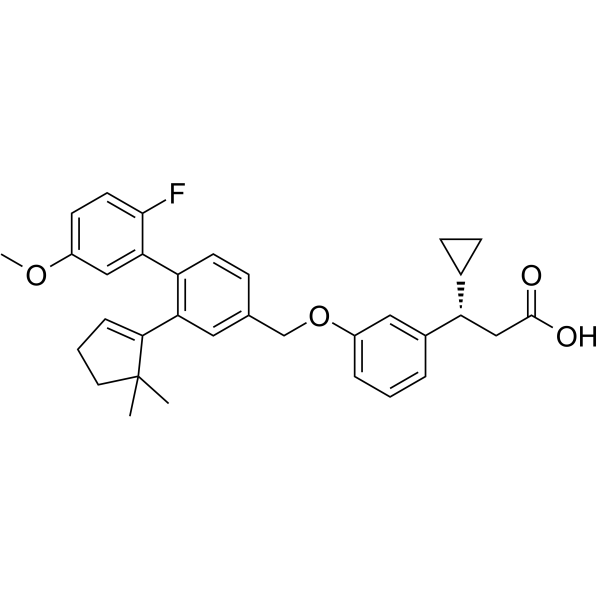
AM-1638 is an orally active full agonist of GPR40 (EC50: 0.16 μM). AM-1638 increases the expression of antioxidant molecules (HO-1 and NQO-1). AM1638 blocks Palmitate (HY-N0830)-mediated superoxide production and ER stress. AM-1638 has antidiabetic activity and improves glycemic control in BDF mice with diet-induced obesity (DIO). AM-1638 demonstrates excellent oral bioavailability (mouse, >100%; rat, 72%; and cyno, 71%) .
loading...
    loading...
2
2 Cited Publications
Cat. No.: HY-129064
CAS No.: 9054-89-1
Synonyms: SOD
Target:  

SOD

Research Areas:  

Inflammation/Immunology Cancer

Superoxide dismutase, Porcine erythrocytes (SOD) is the only antioxidant enzyme that scavenges the superoxide anion by converting this free radical to oxygen and hydrogen peroxide, thus preventing peroxynitrite production and further damage. Superoxide dismutase, Porcine erythrocytes is extensively researched and used in anti-inflammatory, antitumor, radiation protection, and antisenility applications .
loading...
    loading...
2
2 Cited Publications
Cat. No.: HY-13336
CAS No.: 218791-21-0
Purity:  98.15%
Synonyms: M40403; GC4403
Target:  

SOD

Research Areas:  

Cancer

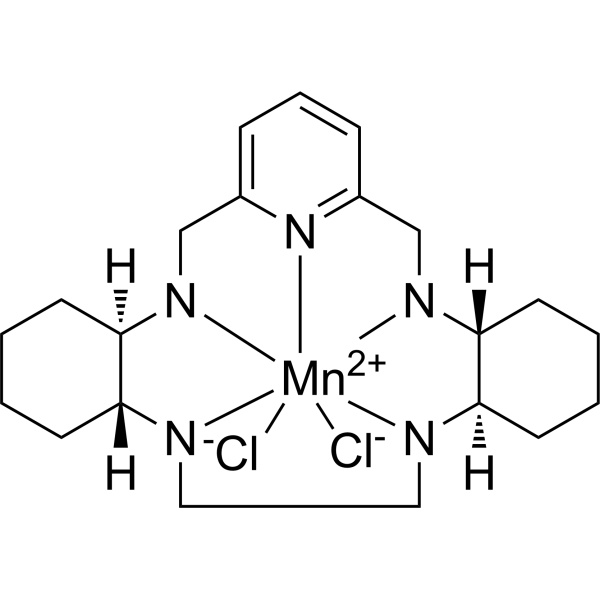
Imisopasem manganese (M40403) is a stable non-peptidyl mimetic of manganese superoxide MnSOD.
loading...
    loading...
2
2 Cited Publications
Cat. No.: HY-W013275
CAS No.: 128322-44-1
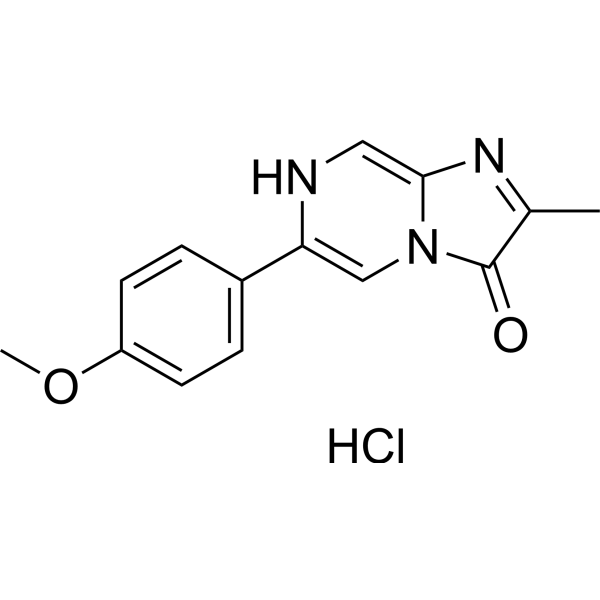
MCLA hydrochloride is a chemiluminescent reagent which can be used to quantify aqueous concentrations of superoxide.
loading...
    loading...
2
2 Cited Publications
Cat. No.: HY-130015
Purity:  98.99%
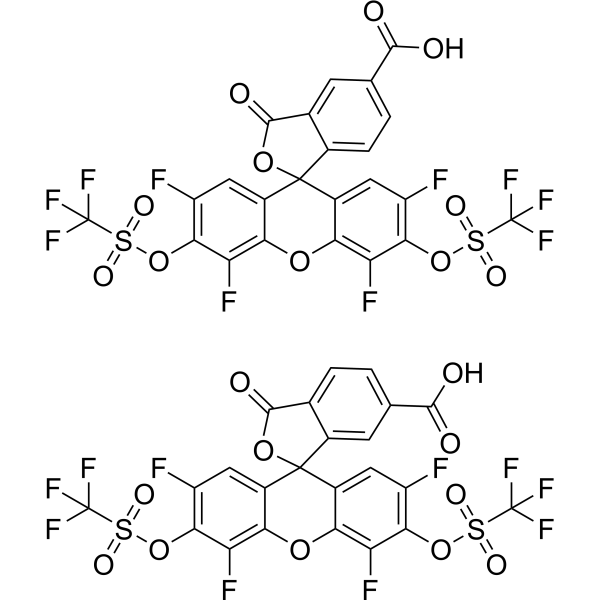
HKSOX-1 (5/6-mixture) is a fluorescent probe which is used for imaging and detection of endogenous superoxide in live cells and in vivo. HKSOX-1 (5/6-mixture) exhibits excellent selectivity and sensitivity towards superoxide anion radical (Ex/Em = 509/534 nm) .
loading...
    loading...
2
2 Cited Publications
Cat. No.: HY-W001583
CAS No.: 53177-12-1
Synonyms: EUK-8
Research Areas:  

Cardiovascular Disease

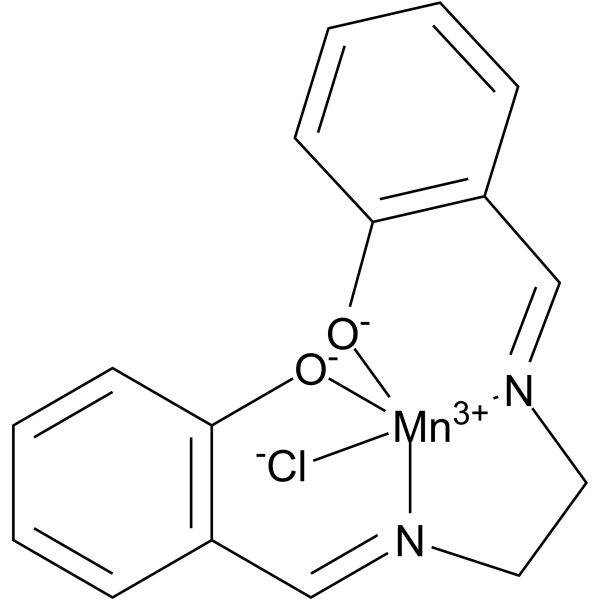
Manganese(salen) chloride (EUK-8), a superoxide dismutase and catalase mimetic, is an antioxidant with oxyradical scavenging properties. Manganese(salen) chloride ameliorates acute lung injury in endotoxemic swine .
loading...
    loading...
2
2 Cited Publications
Cat. No.: HY-129064B
Target:  

SOD

Research Areas:  

Metabolic Disease

Superoxide dismutase PEG (EC 1.15.1.1) is a mimetic of superoxide dismutase (SOD) and powerful free radical scavenger acts by reducing superoxide anions .
loading...
    loading...
2
2 Cited Publications
Cat. No.: HY-131648
CAS No.: 86390-77-4
Purity:  ≥99.0%
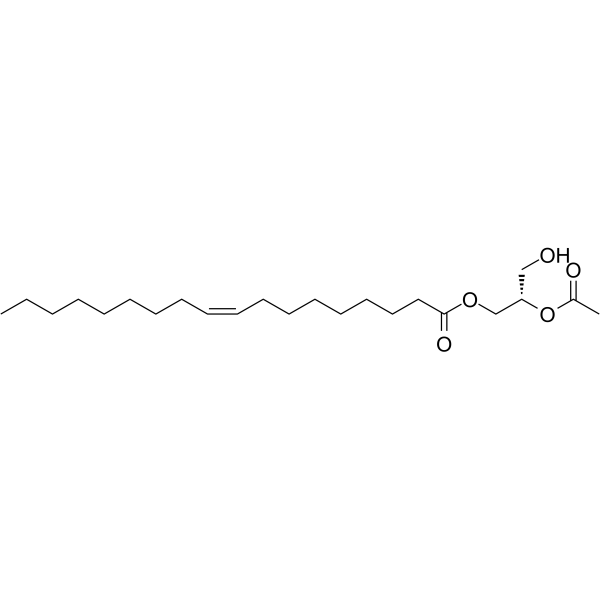
1-Oleoyl-2-acetyl-sn-glycerol is a cell-permeable analog of diacylglycerol (DAG) and can activate Protein kinase C (PKC). 1-Oleoyl-2-acetyl-sn-glycerol can activate the TRPC channels-mediated specific Ca 2+ influx. 1-Oleoyl-2-acetyl-sn-glycerol can stimulate superoxide-generation from human neutrophils. 1-Oleoyl-2-acetyl-sn-glycerol stimulates the formation of phosphatidylinositol 4-phosphate in intact human platelets. 1-Oleoyl-2-acetyl-sn-glycerol can stimulate ascites tumor cell proliferation .
loading...
    loading...

