139 Results for "

Genotoxicity

" in MedChemExpress (MCE) Product Catalog:
Products (139)

139 Results for "Genotoxicity" in MCE Product Catalog:

1
1 Cited Publications
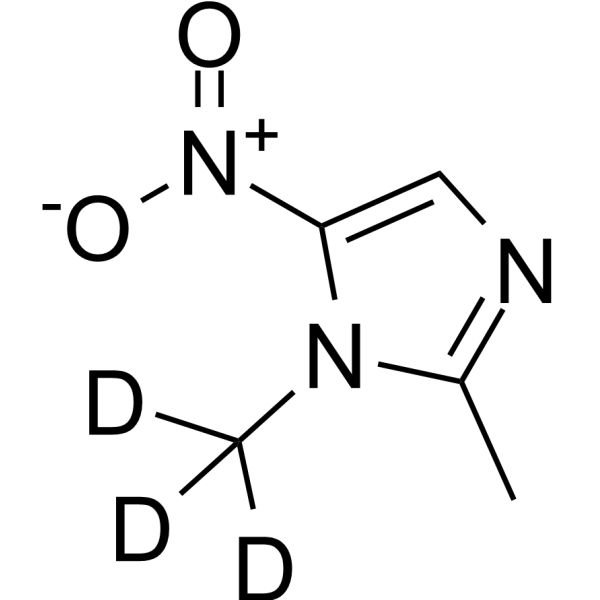
Cat. No.: HY-B1244S
CAS No.: 64678-69-9
Synonyms: 1,2-Dimethyl-5-nitroimidazole-d3
Dimetridazole-d3 (1,2-Dimethyl-5-nitroimidazole-d3) is a deuterium labeled Dimetridazole (HY-B1244). Dimetridazole is a nitroimidazole antibiotic. Dimetridazole inhibits protein synthesis in cultures of Campylobacter jejuni. Dimetridazole is genotoxic. Dimetridazole can be used in the research of protozoal and bacterial infections .
loading...
    loading...
1
1 Cited Publications
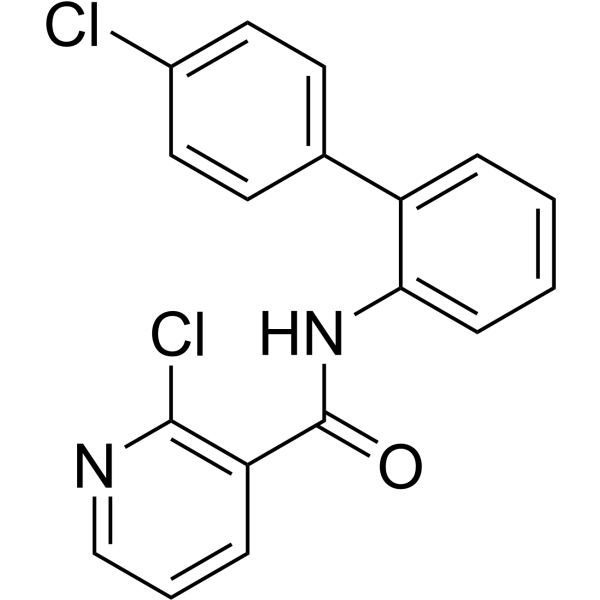
Cat. No.: HY-119976
CAS No.: 188425-85-6
Purity:  99.29%
Boscalid is a succinate dehydrogenase (SDHI) inhibitor with antifungal activity. Boscalid binds to the ubiquinone-binding site of fungal mitochondrial complex II, blocks ATP production and aerobic respiration, exhibits good control efficacy against a variety of plant fungal diseases including gray mold, sclerotinia rot and powdery mildew, and is widely used for disease control in agriculture. Boscalid induces apoptosis, altered lipid metabolism, mitochondrial dysfunction, respiratory impairment, oxidative stress, ROS accumulation and neurodevelopmental disorders in zebrafish. Boscalid reduces foraging ability, shortens median death time and causes chronic toxicity in exposed honeybees. Boscalid also possesses genotoxicity, cytotoxicity, elevated mitochondrial superoxide levels and early-stage apoptosis .
loading...
    loading...
1
1 Cited Publications
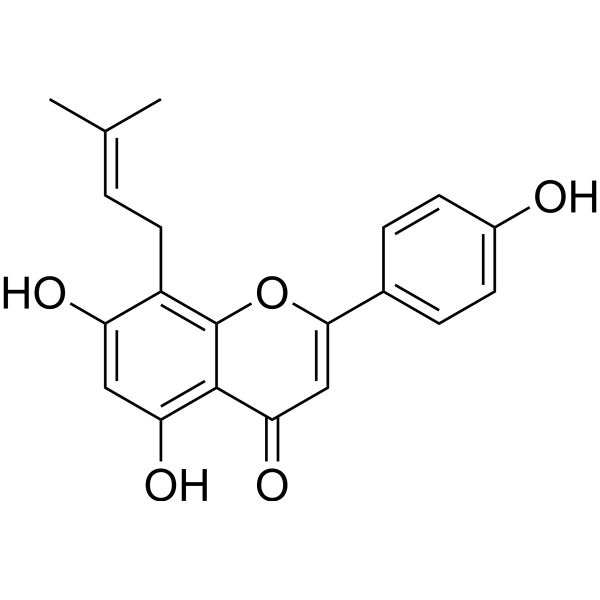
Cat. No.: HY-N4183
CAS No.: 72357-31-4
Licoflavone C is a broad-spectrum antiviral inhibitor with estrogen-like properties. Licoflavone C binds to viral endonuclease (CEN) and inhibits the replication of various bunyaviruses including severe fever with thrombocytopenia syndrome virus (SFTSV) and lymphocytic choriomeningitis virus in a non-substrate competitive manner. The IC50 values of Licoflavone C against SFTSV CEN and SFTSV CEN are 35.5 μM and 135.8 μM, respectively, and its Kd value against SFTSV CEN is 9.53 μM. After viral entry into cells, Licoflavone C reduces viral loads in mouse tissues in a dose-dependent manner, and exhibits extremely low cytotoxicity and genotoxicity. Licoflavone C induces apoptosis by increasing caspase 3/7 activity, blocks the cell cycle, and alleviates chemotherapy-induced chromosomal damage. Licoflavone C is applicable to the research on severe fever with thrombocytopenia syndrome and related viral infection mechanisms .
loading...
    loading...
Cat. No.: HY-Y0481
CAS No.: 7772-99-8
Synonyms: Stannous chloride, 98%; Tin(II) chloride, anhydrous, 98%; Anhydrous stannous chloride, 98%
Tin(II) chloride, 98% (Stannous chloride) is a biochemical reagent with genotoxicity, mutagenicity, mitotic recombinogenicity, and reactive oxygen species-inducing activity .
loading...
    loading...
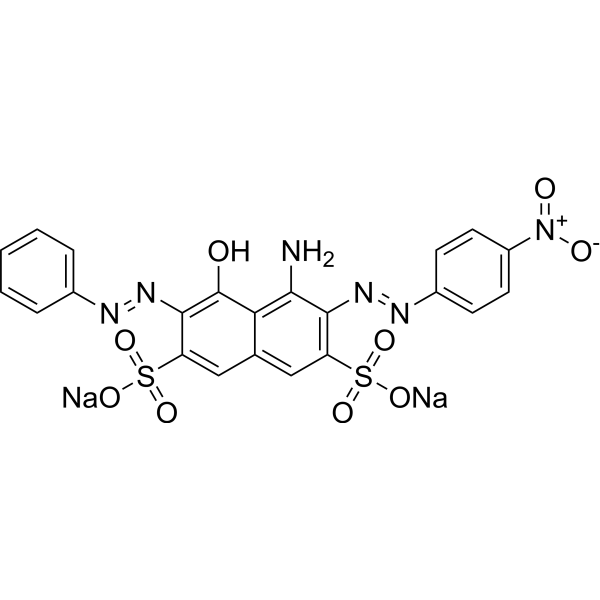
Cat. No.: HY-Y0695
CAS No.: 1064-48-8
Synonyms: Naphthol Blue Black
Amido Black 10B (Naphthol Blue Black) is a highly toxic azo dye. Amido Black 10B is genotoxic and mutagenic. Amido Black 10B can cause respiratory problems. Amido Black 10B is used for amino acid dyeing .
loading...
    loading...
Cat. No.: HY-Y0481A
CAS No.: 10025-69-1
Synonyms: Stannous chloride dihydrate; Tin dichloride dihydrate
Tin(II) chloride dihydrate (Stannous chloride dihydrate) is a biochemical reagent with genotoxicity, mutagenicity, mitotic recombinogenicity, and reactive oxygen species-inducing activity .
loading...
    loading...
Cat. No.: HY-121267
CAS No.: 1918-00-9
Purity:  99.95%
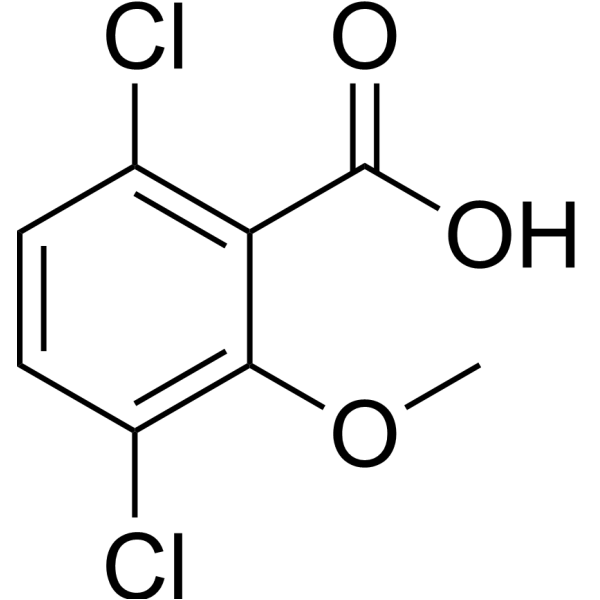
Dicamba is a herbicide. Dicamba is currently used in agriculture and gardening to control the growth of different unwanted vegetable species, mainly in cereal grain crops, but also on sugar cane and soybeans, among others. Dicambais induces significant DNA damage. Dicambais induces genotoxicity and cytotoxicity.
loading...
    loading...
Cat. No.: HY-141452
CAS No.: 542-78-9
Synonyms: Malondialdehyde
Target:  

Endogenous Metabolite

Research Areas:  

Neurological Disease

Propanedial (Malondialdehyde) (13.88 mM in water) is one of the final products of lipid peroxidation. Propanedial causes protein inactivation, DNA damage and cross-linking by forming stable covalent adducts with biological macromolecules, which is the main mechanism for its cytotoxicity and genotoxicity. Propanedial production increases with the elevation of free radicals. Propanedial is a key biomarker for evaluating the level of cellular oxidative stress [1][2][3].
loading...
    loading...
Cat. No.: HY-B0869A
CAS No.: 125401-92-5
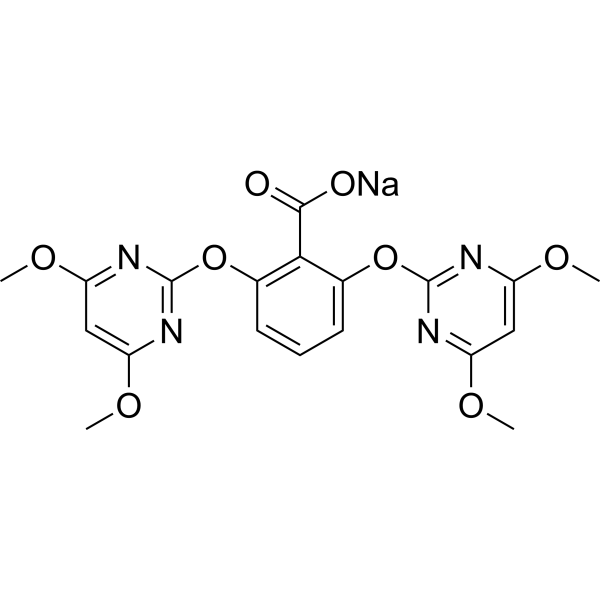
Bispyribac sodium is a selective, orally active, systemic and post-emergence herbicide. Bispyribac sodium reduces SOD levels and inhibits ALS activity. Bispyribac sodium blocks the biosynthesis of branched-chain amino acids, resulting in growth retardation, chlorosis and necrosis of weeds. Bispyribac sodium exerts herbicidal activity against grass, sedge and broadleaf weeds in rice fields. Bispyribac sodium is hepatotoxic and genotoxic .
loading...
    loading...
Cat. No.: HY-W014940
CAS No.: 97-90-5
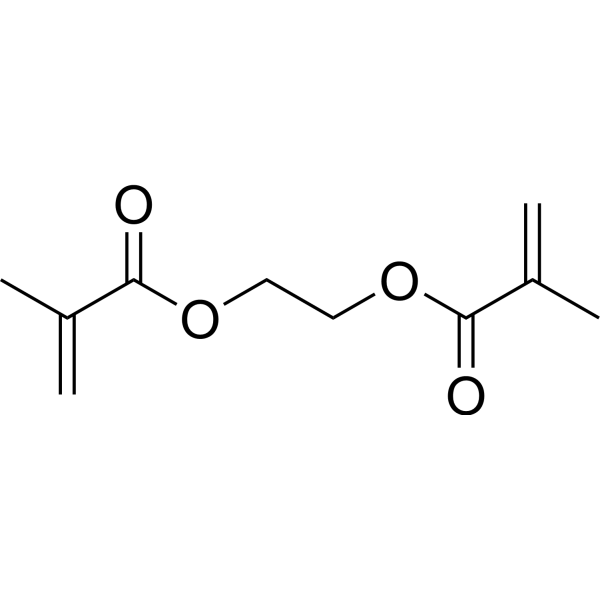
Ethylene glycol dimethacrylate is a diester formed by the condensation of Ethylene glycol (HY-Y0338) and Methacrylic acid. Ethylene glycol dimethacrylate is a cross-linking agent for polymers. Ethylene glycol dimethacrylate increases Apoptosis, GPx4, SOD2, ROS. Ethylene glycol dimethacrylate is cytotoxic and genotoxic. Ethylene glycol dimethacrylate exhibits cross-linking activity, enhancing the mechanical properties and stability of materials .
loading...
    loading...
Cat. No.: HY-N6714
CAS No.: 641-38-3
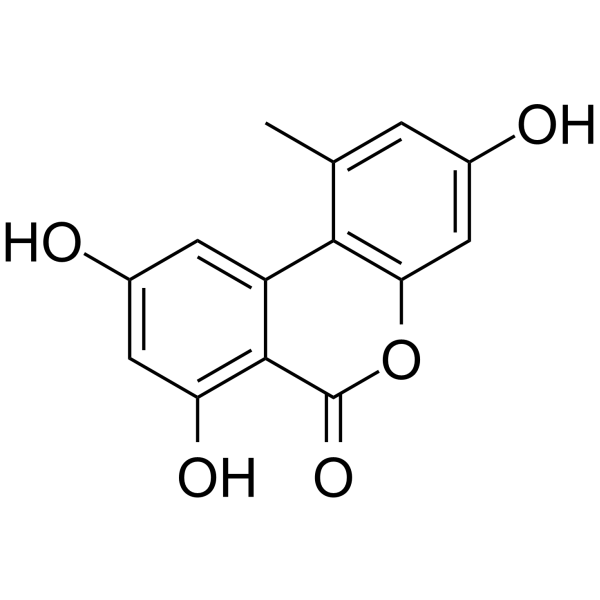
Alternariol is an orally ingested mycotoxin produced by Alternaria, capable of inhibiting the activity of topoisomerase I and II (topoisomerase I, topoisomerase II). Alternariol has weak estrogenic (Estrogen Receptor/ERR) and androgen/antiandrogen (Androgen Receptor) effects. Alternariol can induce apoptosis, trigger cell cycle arrest, suppress innate immune responses, and exhibit anti-tumor activity. Alternariol has genotoxic, mutagenic, and endocrine-disrupting effects .
loading...
    loading...
Cat. No.: HY-W043437
CAS No.: 6214-18-2
Synonyms: Isopropyl besylate
Target:  

Drug Intermediate

Research Areas:  

Others

Isopropyl benzenesulfonate (Isopropyl besylate) is an aromatic sulfonate compound and also a potentially genotoxic impurity .
loading...
    loading...
Cat. No.: HY-151629
CAS No.: 2797066-18-1
Target:  

Bacterial

Research Areas:  

Cancer

MRV03-069 (Compound 3) is a selective colibactin-activated peptidase (ClbP) inhibitor that blocks the genotoxic effect of Colibactin (HY-145930) on eukaryotic cells. MRV03-069 can be used in colorectal cancer research .
loading...
    loading...
Cat. No.: HY-W007577
CAS No.: 555-16-8
4-Nitrobenzaldehyde is a widely used industrial chemical intermediate and also the main photodegradation product of the broad-spectrum antibiotic Chloramphenicol (HY-B0239). 4-Nitrobenzaldehyde has genotoxic and mutagenic effects and poses a certain threat to human health and ecosystems .
loading...
    loading...
Cat. No.: HY-W012657
CAS No.: 4748-78-1
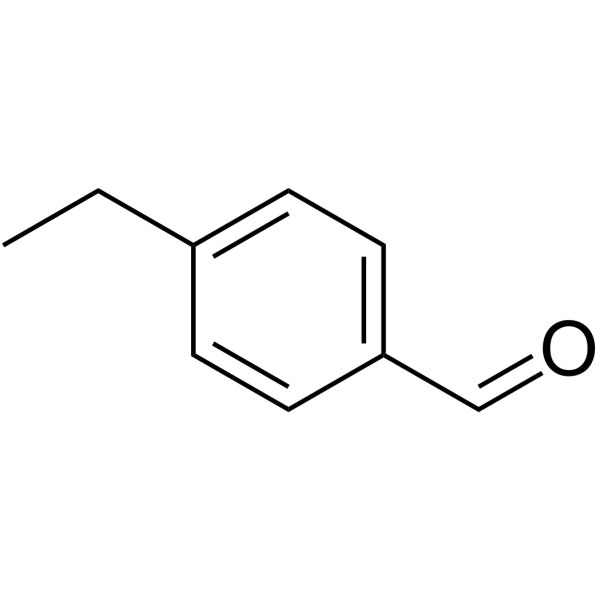
4-Ethylbenzaldehyde is an aldehyde type organic compound with an almond-like odor. 4-Ethylbenzaldehyde is naturally present in various foods such as grilled meat, black tea, peanuts, etc. 4-Ethylbenzaldehyde has significant effects in controlling plant parasitic nematodes. 4-Ethylbenzaldehyde has genotoxicity and potential for liver damage in zebrafish models .
loading...
    loading...
Cat. No.: HY-139984
CAS No.: 2247614-80-6
Purity:  99.85%
Synonyms: BIIB091
Target:  

Btk

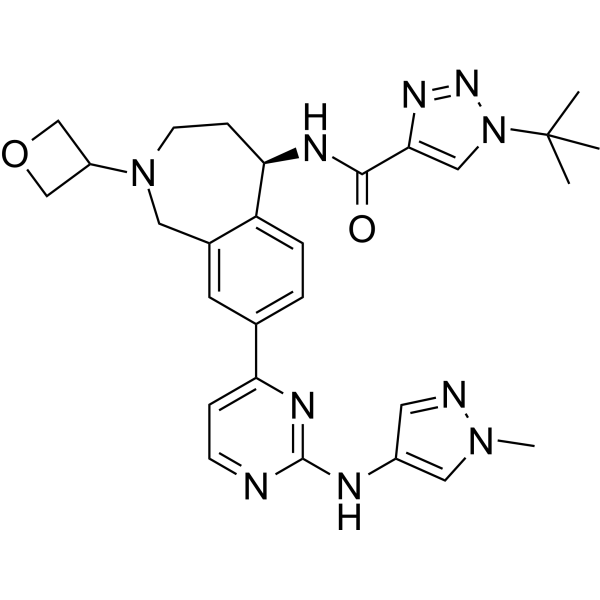
Corubrutinib (BIIB091) is an orally active BTK inhibitor with an IC50 of <0.5 nM, Kd of 0.07 nM, and >500-fold kinome selectivity. Corubrutinib suppresses B cell activation, proliferation, differentiation, antibody production, antigen presentation, cytokine secretion, and myeloid cell effector functions. Corubrutinib exhibits favorable pharmacokinetic and preclinical safety profiles, including low genotoxic potential, minimal hepatotoxicity, and no major transporter or CYP inhibition. Corubrutinib can be used for the research of multiple sclerosis .
loading...
    loading...
Cat. No.: HY-B1072
CAS No.: 26002-80-2
Research Areas:  

Infection

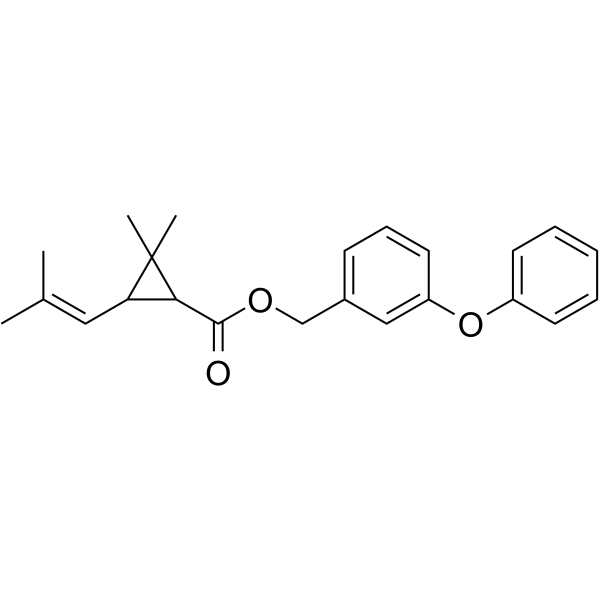
Phenothrin is a Type I pyrethroid insecticide. Phenothrin induces dose-dependent DNA damage in human peripheral blood lymphocytes and hepatocytes, and exhibits definite genotoxic potential. Phenothrin acts as an insecticide for pest control in agriculture, households and public health, as well as for the elimination of human head lice infestations .
loading...
    loading...
Cat. No.: HY-N8022
CAS No.: 29706-59-0
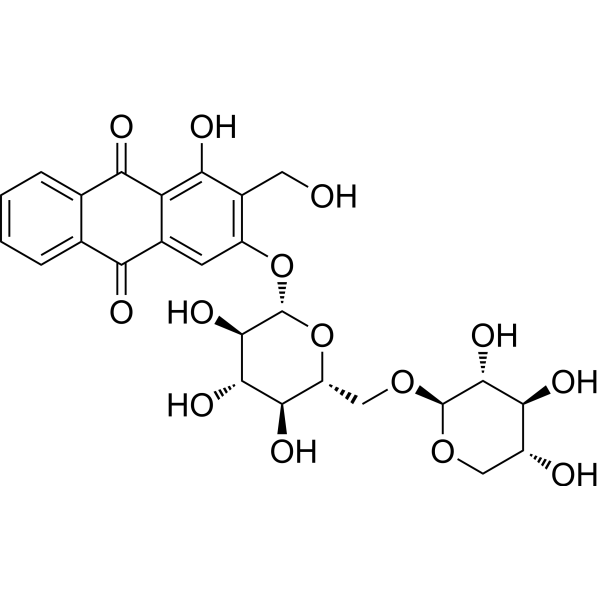
Synonyms: Lucidin 3-O-β-primeveroside
Lucidin primeveroside (Lucidin 3-O-β-primeveroside) is an anthraquinone derivative present in madder root, which has been used as a coloring agent and food additive. Lucidin primeveroside can be metabolically converted to genotoxic compound Lucidin, which subsequently forms lucidin-specific DNA adducts .
loading...
    loading...
Cat. No.: HY-136375
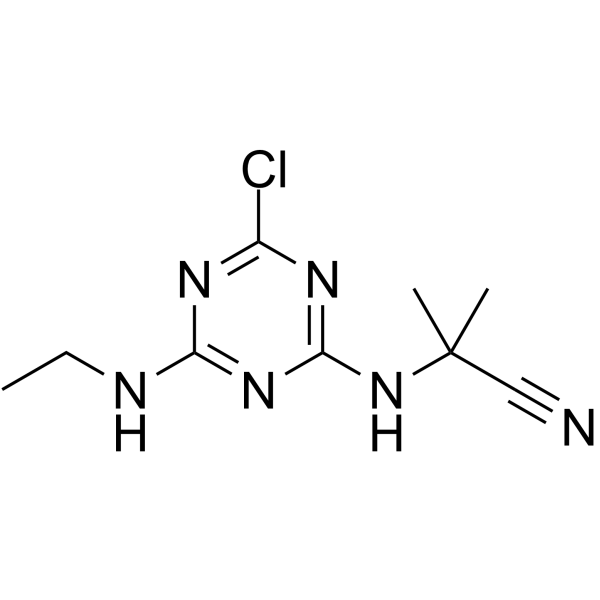
CAS No.: 21725-46-2
Purity:  99.73%
Research Areas:  

Others

Cyanazine, a triazine herbicide cyanazine, is used to control a variety of grass weeds and broadleaf weed. Cyanazine is proved non-genotoxic .
loading...
    loading...
Cat. No.: HY-N2627
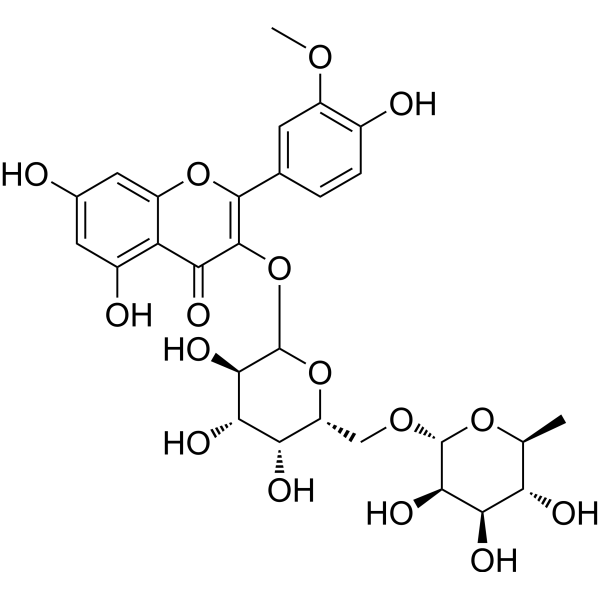
CAS No.: 53584-69-3
Isorhamnetin 3-O-robinobioside is a flavonoid compound. Isorhamnetin shows a protective effect against lipid peroxidation induced by H2O2. Isorhamnetin 3-O-robinobioside also inhibits the genotoxicity induced by hydroxyl radicals .
loading...
    loading...

