131 Results for "

fibrillation

" in MedChemExpress (MCE) Product Catalog:
Products (131)

131 Results for "fibrillation" in MCE Product Catalog:

1
1 Cited Publications
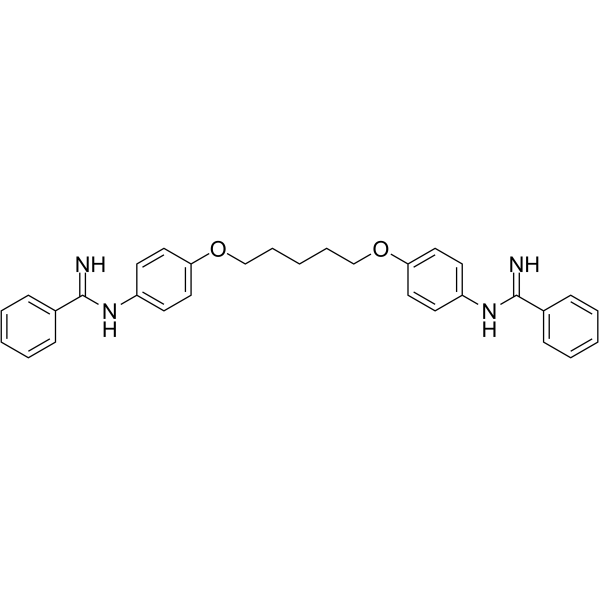
Cat. No.: HY-112544
CAS No.: 500715-03-7
Purity:  99.62%
Synonyms: PA-6
Target:  

Potassium Channel

Research Areas:  

Cardiovascular Disease

IK1 inhibitor PA-6 (PA-6), a pentamidine analogue, is a selective and potent IK1 (KIR2.x ion-channel-carried inward rectifier current) inhibitor, with IC50 values of 12-15 nM for human and mouse KIR2.x currents. IK1 inhibitor PA-6 (PA-6) elevates KIR2.1 protein expression and induces intracellular KIR2.1 accumulation. IK1 inhibitor PA-6 (PA-6) has the potential to treat atrial fibrillation and arrhythmia .
loading...
    loading...
1
1 Cited Publications
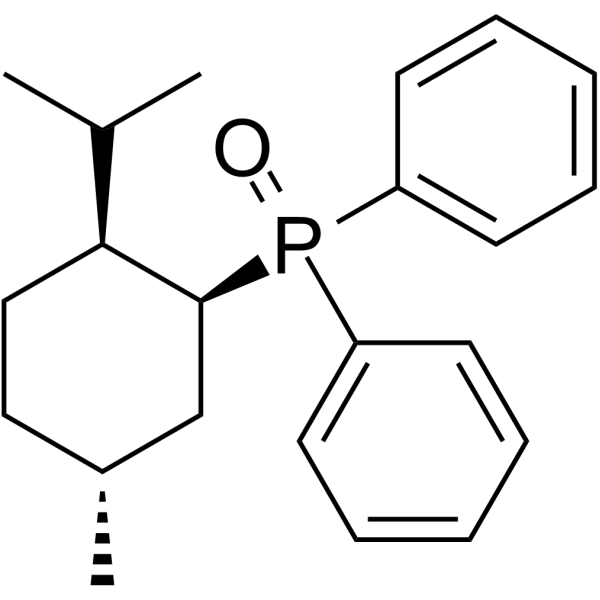
Cat. No.: HY-100712
CAS No.: 43077-30-1
Purity:  98.39%
DPO-1 is a potent Kv1.5 and Kv1.3 (EC50 = 3.1 μM) channels inhibitor with potential immunomodulatory and anti-inflammatory effects. DPO-1 reduces Kv1.3 current density, blunts Ca 2+ influx in Ca 2+-depleted Jurkat cells, and inhibits IL-2 secretion in activated Jurkat cells. DPO-1 inhibits Uric acid sodium (HY-B2130A) (MSU)-induced NLRP3 inflammasome activation by blocking Kv1.5-mediated K + efflux. DPO-1 can be used for the study of immunologic disorders and atrial fibrillation .
loading...
    loading...
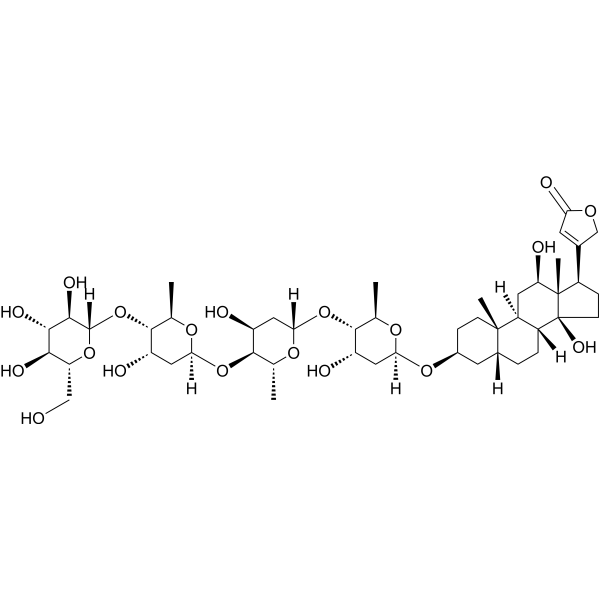
Cat. No.: HY-A0154
CAS No.: 17598-65-1
Synonyms: Deacetyllanatoside C; Desacetyllanatoside C
Deslanoside (Desacetyllanatoside C) is a rapidly acting cardiac glycoside used to treat congestive heart failure and supraventricular arrhythmias due to reentry mechanisms, and to control ventricular rate in the treatment of chronic atrial fibrillation. Deslanoside inhibits the Na-K-ATPase membrane pump, resulting in an increase in intracellular sodium and calcium concentrations .
loading...
    loading...
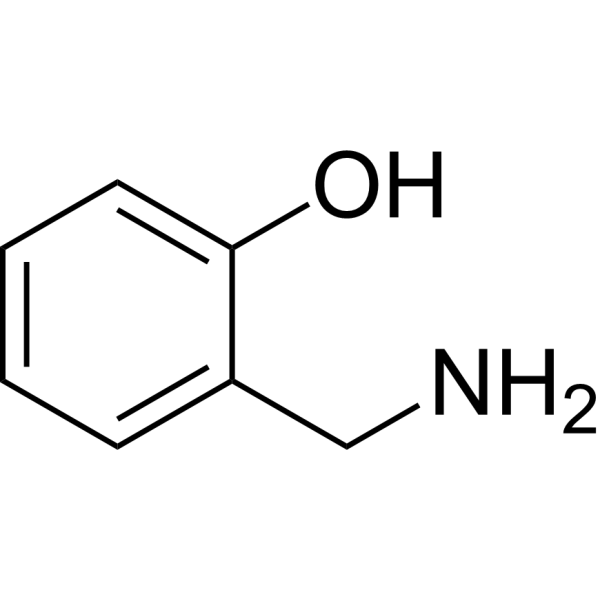
Cat. No.: HY-34350
CAS No.: 932-30-9
Synonyms: 2-Hydroxybenzylamine; o-Hydroxybenzylamine; 2-HOBA
2-(Aminomethyl)phenol (2-Hydroxybenzylamine) is a selective dicarbonyl scavenger. 2-(Aminomethyl)phenol is an antioxidant and scavanger of free radicals and isolevuglandins (IsoLGs). 2-(Aminomethyl)phenol can prevent early recurrence of atrial fibrillation. 2-(Aminomethyl)phenol can reduce inflammation and plaque apoptotic cells and promote efferocytosis and features of stable plaques. 2-(Aminomethyl)phenol can reduce malondialdehyde (MDA)-LDL and MDA-HDL levels in Ldlr -/- mouse model. 2-(Aminomethyl)phenol can be studied in the research of inflammation and cardiovascular disease, such as atherosclerosis, early recurrence of atrial fibrillation (AF) and arrhythmias .
loading...
    loading...
Cat. No.: HY-119124
CAS No.: 834919-19-6
Purity:  99.13%
Synonyms: D21-2393
Target:  

Factor Xa

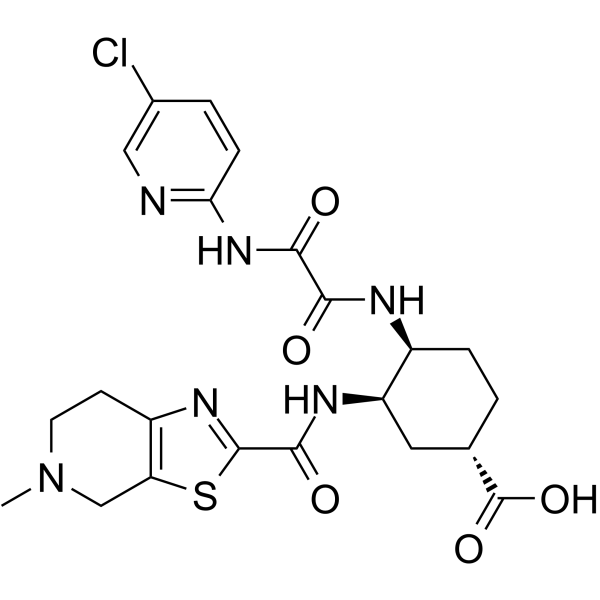
Edoxaban M4 (D21-2393) is an orally active and selective Factor Xa inhibitor with a human Factor Xa IC50 of 1.8 nM. Edoxaban M4 exhibits anticoagulant activity via Factor Xa inhibition. Edoxaban M4 can be used for the research of non-valvular atrial fibrillation, venous thromboembolisms, pulmonary embolism .
loading...
    loading...
Cat. No.: HY-157557
Purity:  99.99%
Target:  

Potassium Channel

Research Areas:  

Cardiovascular Disease

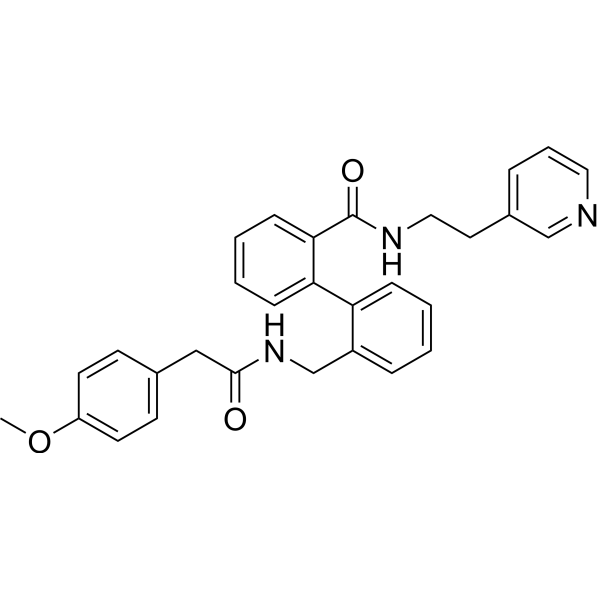
AP30663 is a KCa2 channel inhibitor that can be used for the study of atrial fibrillation .
loading...
    loading...
Cat. No.: HY-124098
CAS No.: 2903-45-9
Purity:  99.92%
Synonyms: Lidocaine N-oxide
Research Areas:  

Cardiovascular Disease

Lignocaine N-oxide (Lidocaine N-oxide) is a hypoxia-activated prodrug of lidocaine (HY-B0185). Lignocaine N-oxide exerts exactly the same sodium current-blocking effect as lidocaine only when it is converted to lidocaine under ischemic conditions. Lignocaine N-oxide possesses antiarrhythmic activity against ischemia-induced ventricular fibrillation. Lignocaine N-oxide can be used in studies related to ischemia-induced ventricular fibrillation .
loading...
    loading...
Cat. No.: HY-B0962
CAS No.: 129-77-1
Target:  

mAChR

Research Areas:  

Cardiovascular Disease

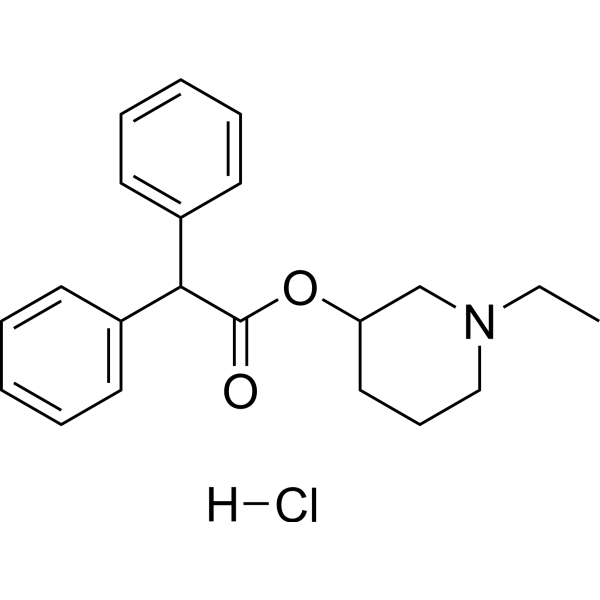
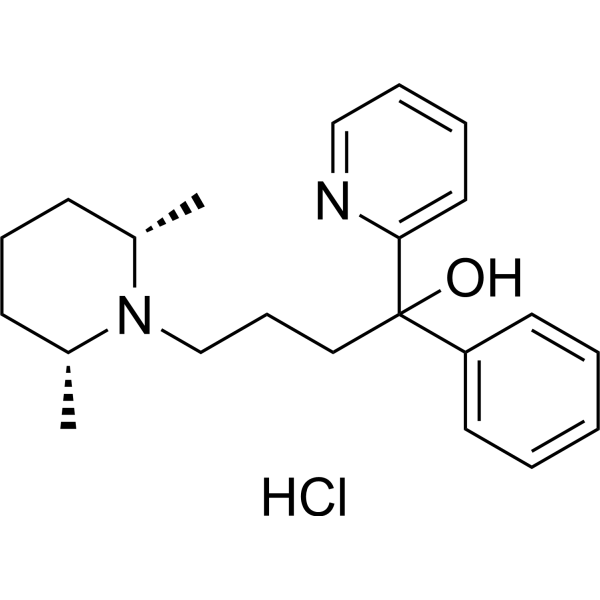
Piperidolate hydrochloride is a cholinergic antagonist. Piperidolate hydrochloride prevents ventricular fibrillation during hypothermic cardiac manipulations to support cardiac procedures post-preoperative defibrillation. Piperidolate hydrochloride causes dose-dependent cardiac depression. Piperidolate hydrochloride can be used for the research of ventricular fibrillation .
loading...
    loading...
Cat. No.: HY-B0962A
CAS No.: 82-98-4
Target:  

mAChR

Research Areas:  

Cardiovascular Disease

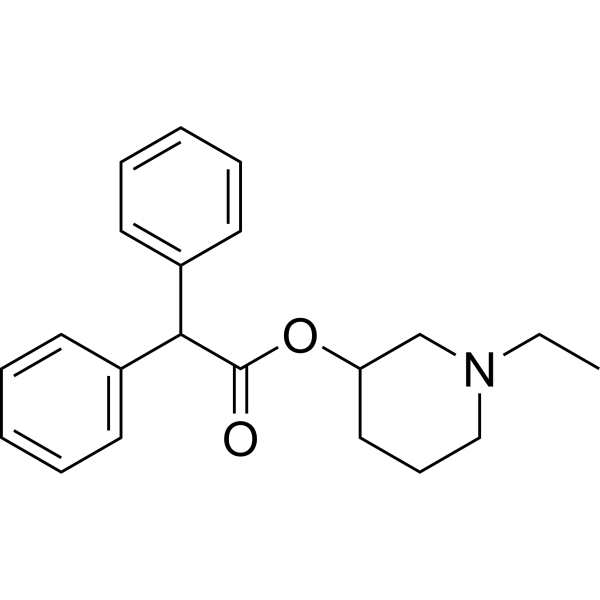
Piperidolate is a cholinergic antagonist. Piperidolate prevents ventricular fibrillation during hypothermic cardiac manipulations to support cardiac procedures post-preoperative defibrillation. Piperidolate causes dose-dependent cardiac depression. Piperidolate can be used for the research of ventricular fibrillation .
loading...
    loading...
Cat. No.: HY-12753S1
CAS No.: 1346598-70-6
Synonyms: SR35021-dd6 hydrochloride
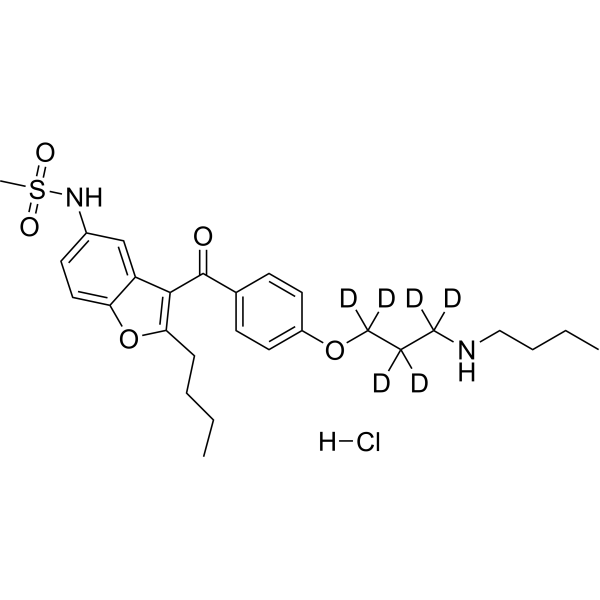
Debutyldronedarone-d6 hydrochloride (SR35021-d6 hydrochloride) is the deuterated-labeled Debutyldronedarone (HY-12753). Debutyldronedarone (SR35021) is a Cytochrome P450 enzyme inhibitor and a Thyroid Hormone Receptor inhibitor, and it is a metabolite of Dronedarone (HY-A0016). Debutyldronedarone inhibits the binding of T3 to TRα1 and TRβ1. Debutyldronedarone reduces the incidence of reperfusion-induced ventricular fibrillation in anesthetized rats, while decreasing their heart rate and blood pressure. Debutyldronedarone can be used in studies related to ventricular fibrillation and atrial fibrillation .
loading...
    loading...
Cat. No.: HY-119747
CAS No.: 137941-92-5
Target:  

Potassium Channel

Research Areas:  

Cardiovascular Disease

WAY-123223 is an orally active potassium channel (Potassium Channel) blocker. WAY-123223 prolongs the transmembrane action potential duration and cardiac refractory period of canine Purkinje fibers. In canine models, WAY-123223 increases the ventricular fibrillation threshold, restores sinus rhythm from ventricular fibrillation, and exerts antiarrhythmic effects. WAY-123223 can be used in research related to cardiovascular diseases such as arrhythmias .
loading...
    loading...
Cat. No.: HY-A0236
CAS No.: 37640-71-4
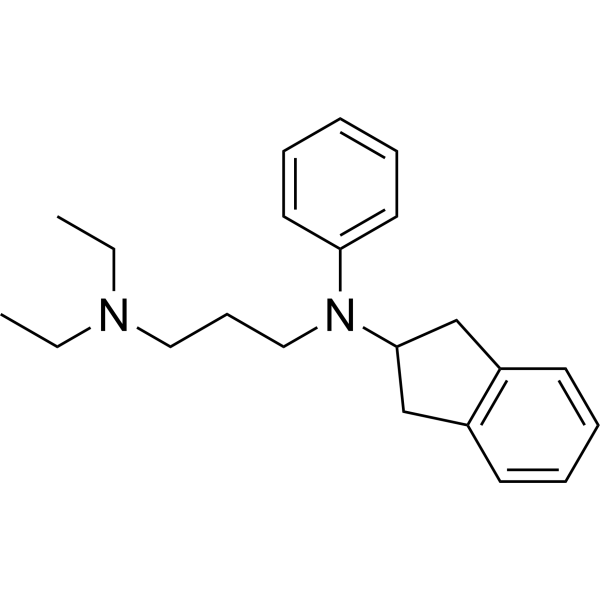
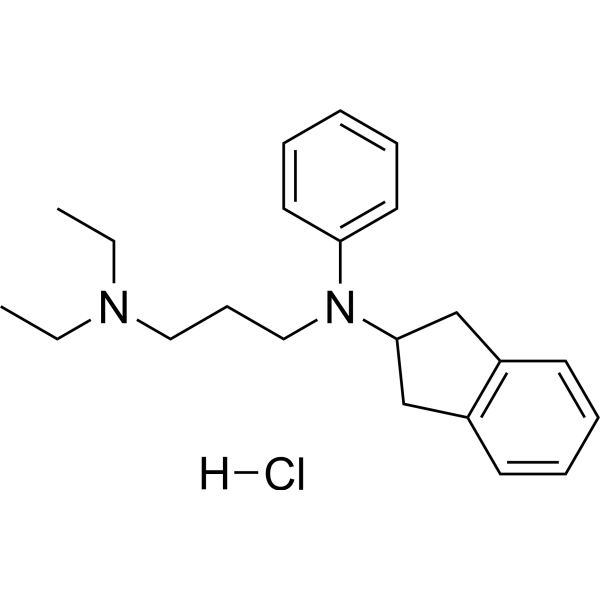
Aprindine is an Ib-class anti-arrhythmic agent. Aprindine mainly exerts its effect by blocking sodium channels (INa), thereby reducing the excitability and conduction velocity of cardiac muscle cells. Aprindine significantly inhibits delayed potassium currents, which helps to prolong the atrial effective refractory period (AERP) and inhibit the occurrence of atrial fibrillation. Aprindine can also regulate intracellular calcium ion concentration by inhibiting Na +/Ca 2+ exchange current (INCX), thereby further stabilizing cardiac electrical activity. Aprindine can be used for the study of atrial fibrillation (AF) and ventricular arrhythmias .
loading...
    loading...
Cat. No.: HY-126486
CAS No.: 767334-89-4
Purity:  98.61%
Synonyms: A293
Target:  

Potassium Channel

Research Areas:  

Cardiovascular Disease

AVE1231 (A293) is a dual-pore potassium channel TASK-1 inhibitor. AVE1231 blocks carbamoylcholine chloride (HY-B1208)-activated IKACh (IC50=8.4 μM). AVE1231 can be used in the study of arrhythmias and atrial fibrillation .
loading...
    loading...
Cat. No.: HY-108579
CAS No.: 199934-16-2
Purity:  98.07%
Target:  

Potassium Channel

Research Areas:  

Cardiovascular Disease

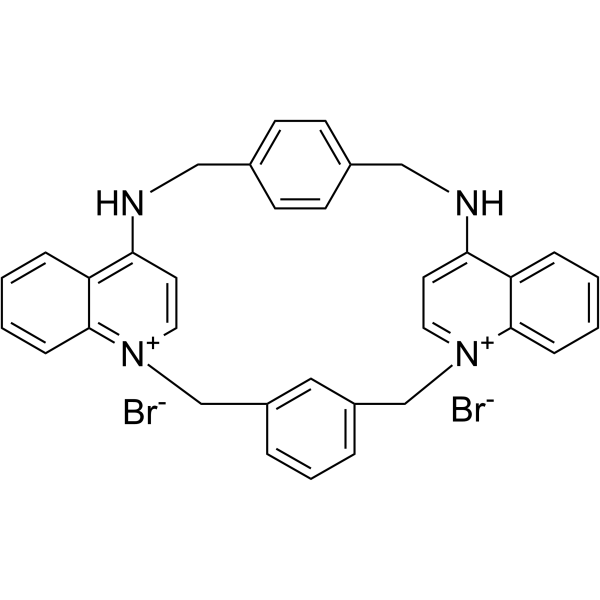
UCL 1684 (dibromide) is a first nanomolar, non-peptidic small conductance calcium-activated potassium (SK) channel blocker. UCL 1684 (dibromide) is effective in preventing the development of atrial fibrillation due to potent atrial-selective inhibition of INa. UCL 1684 (dibromide) causes atrial-selective prolongation of ERP secondary to induction of postrepolarization refractoriness .
loading...
    loading...
Cat. No.: HY-150682
CAS No.: 2816108-87-7
Target:  

Factor Xa

Research Areas:  

Cardiovascular Disease

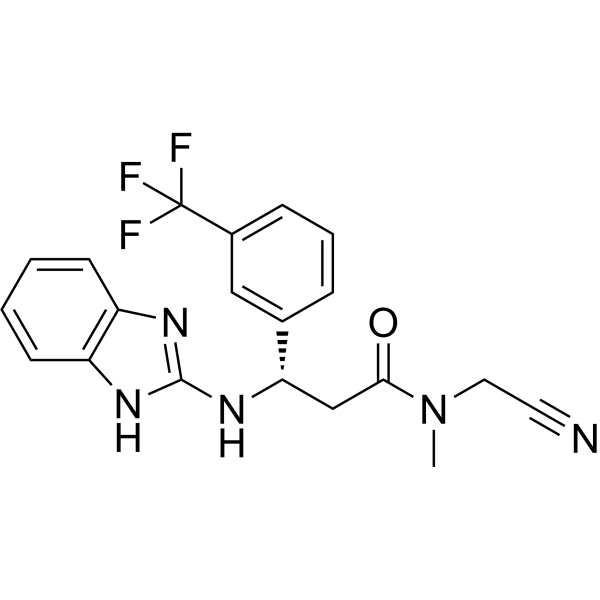
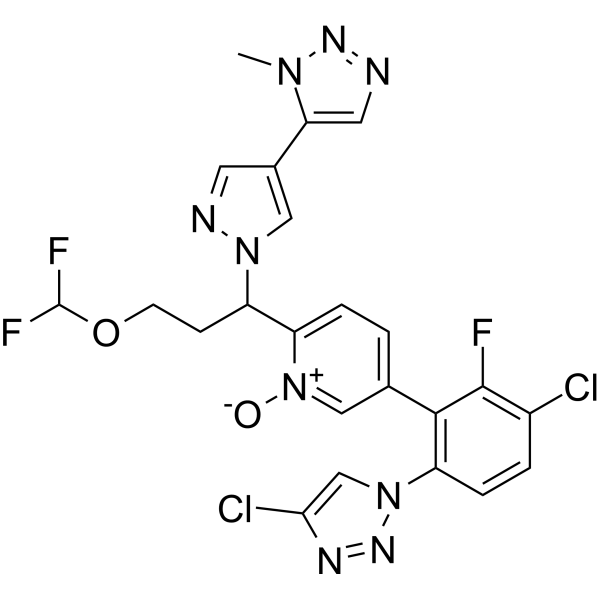
FXIa-IN-9 (compound 3f) is a potent and selective FXIa inhibitor. FXIa-IN-9 can bind with FXIa and form hydrogen bond (human FXIa Ki: 0.17 nM, rabbit FXIa Ki: 0.5 nM). FXIa-IN-9 also has anticoagulant activity, and can be used in the research of thromboembolic diseases such as atrial fibrillation, stroke, myocardial infarction, deep vein thrombosis, and pulmonary embolism .
loading...
    loading...
Cat. No.: HY-122033
CAS No.: 875562-81-5
Target:  

Potassium Channel

Research Areas:  

Cardiovascular Disease

MK-0448 is a specific Kv1.5 inhibitor used in the research of atrial fibrillation .
loading...
    loading...
Cat. No.: HY-100795A
CAS No.: 61477-94-9
Purity:  98.77%
Synonyms: (±)-Pirmenol hydrochloride; CI-845
Target:  

mAChR Potassium Channel

Research Areas:  

Cardiovascular Disease

Pirmenol ((±)-Pirmenol) hydrochloride is an orally active antiarrhythmic agent. Pirmenol hydrochloride inhibits IK.ACh (IC50: 0.1 μM) by blocking mAchR. Pirmenol hydrochloride can be used in the research of cardiovascular disease, such as atrial fibrillation .
loading...
    loading...
Cat. No.: HY-A0236A
CAS No.: 33237-74-0
Aprindine hydrochloride is an Ib-class anti-arrhythmic agent. Aprindine hydrochloride mainly exerts its effect by blocking sodium channels (INa), thereby reducing the excitability and conduction velocity of cardiac muscle cells. Aprindine hydrochloride significantly inhibits delayed potassium currents, which helps to prolong the atrial effective refractory period (AERP) and inhibit the occurrence of atrial fibrillation. Aprindine hydrochloride can also regulate intracellular calcium ion concentration by inhibiting Na +/Ca 2+ exchange current (INCX), thereby further stabilizing cardiac electrical activity. Aprindine hydrochloride can be used for the study of atrial fibrillation (AF) and ventricular arrhythmias .
loading...
    loading...
Cat. No.: HY-118387
CAS No.: 498577-53-0
Target:  

Potassium Channel

Research Areas:  

Cardiovascular Disease

AVE-0118 is a Kv1.5 potassium channel blocker and antiarrhythmic agent. AVE-0118 blocks neuronal Kv1.5 potassium channels, thereby enhancing the release of norepinephrine. AVE-0118 enhances field stimulation-induced neurogenic contraction, an effect sensitive to α1-adrenergic receptor blockade. AVE-0118 terminates persistent atrial fibrillation in some dogs. AVE-0118 is applicable to research related to atrial fibrillation and persistent atrial fibrillation .
loading...
    loading...
Cat. No.: HY-10274S
CAS No.: 2749293-92-1
Purity:  99.28%
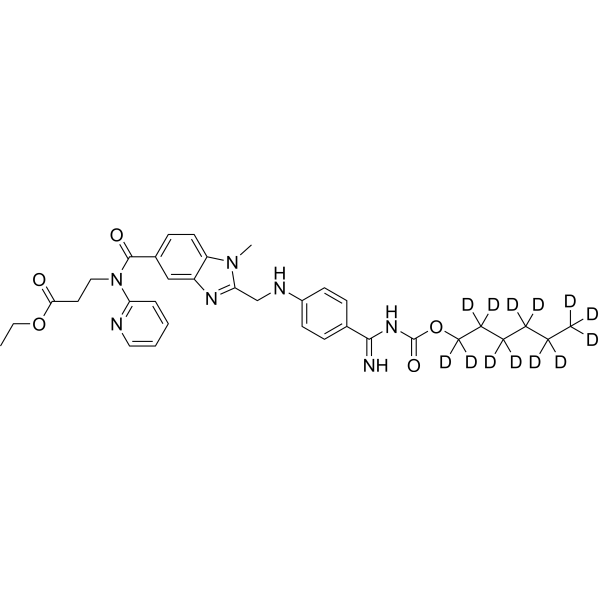
Dabigatran etexilate-d13 is the deuterium labeled Dabigatran etexilate. Dabigatran etexilate (BIBR 1048) is an orally active proagent of Dabigatran. Dabigatran etexilate has anticoagulant effects and is used for the prophylaxis of venousthromboembolism and stroke due to atrial fibrillation .
loading...
    loading...

