
359 Results for "

triglycerides

" in MedChemExpress (MCE) Product Catalog:
Products (359)

359 Results for "triglycerides" in MCE Product Catalog:

4
4 Cited Publications
Cat. No.: HY-148756
CAS No.: 2598242-66-9
Purity:  99.07%
Target:  

ATGL

Research Areas:  

Cancer

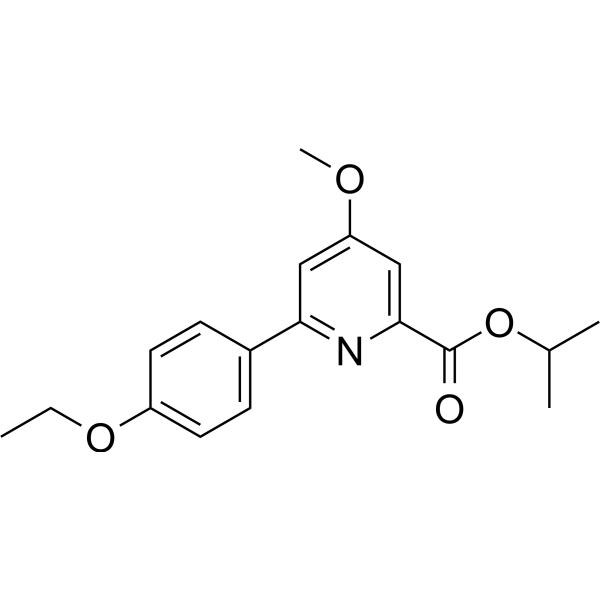
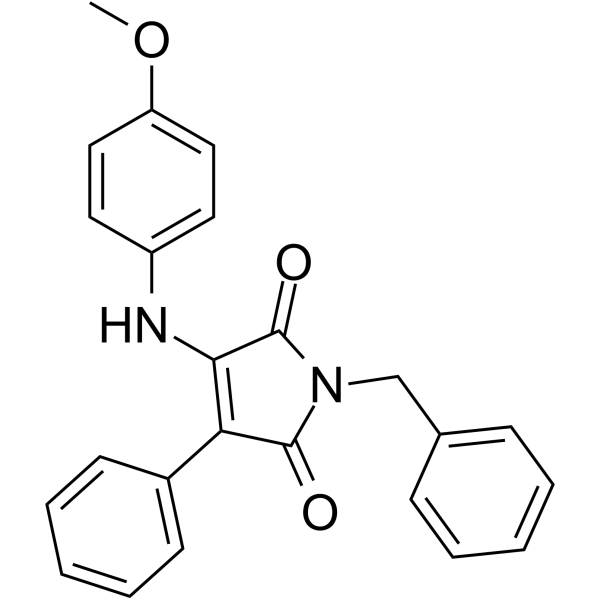
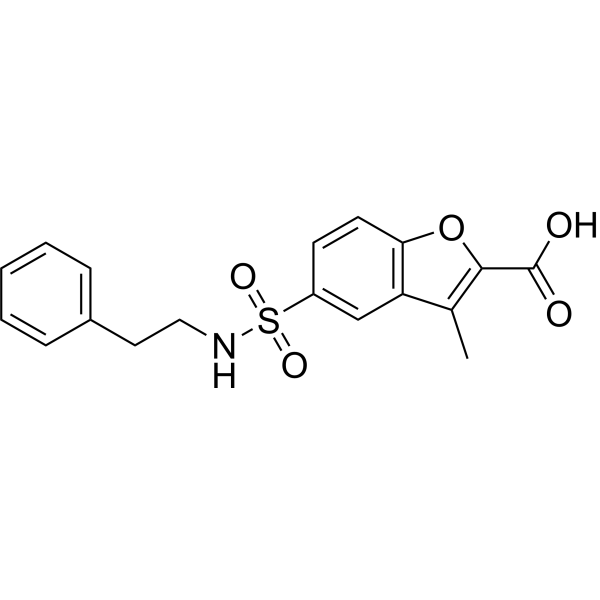
NG-497 is a selective human adipose triglyceride lipase (ATGL) inhibitor that targets the enzymatically active patatin-like domain of human ATGL. NG-497 has potential value for tumor research .
loading...
    loading...
4
4 Cited Publications
Cat. No.: HY-N7075
CAS No.: 9005-80-5
Inulin is an orally active prebiotic targeting the intestinal microbiota, selectively promoting the proliferation and activity of beneficial bacteria such as bifidobacteria and lactic acid bacteria, and playing a role in regulating the intestinal microecology. The functions of Inulin include: Fermentation by probiotics in the colon to produce short-chain fatty acids (such as butyrate and propionate), lowering the intestinal pH and inhibiting the overgrowth of harmful bacteria; Enhancing the intestinal barrier function and reducing endotoxin translocation; Directly scavenging free radicals (such as superoxide free radicals, hydroxyl free radicals) and activating antioxidant enzymes (SOD, CAT) to reduce oxidative stress. Inulin can also be used in the study of intestinal diseases (constipation, IBD), metabolic syndrome (diabetes, obesity) and liver damage by regulating glucose and lipid metabolism (such as reducing triglycerides, improving insulin sensitivity) and immune response (enhancing NK cell activity, inhibiting inflammatory factors)[1][2][3][4].
loading...
    loading...
4
4 Cited Publications
Cat. No.: HY-N2593
CAS No.: 32507-66-7
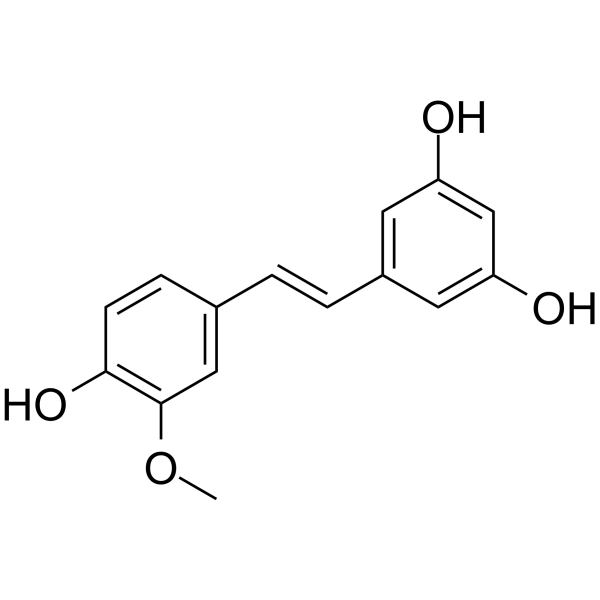
Isorhapontigenin is an orally active dietary polyphenol. Isorhapontigenin acts as a potent antioxidant that reduces the production of reactive oxygen species (ROS). Isorhapontigenin promotes the binding of JUN to the AP-1 site on the SESN2 promoter, induces SESN2 transcription, triggers MAPK8-dependent JUN activation, and upregulates the expression of PPAR-α, PGC-1α and CPT-1A to facilitate fatty acid oxidation. Isorhapontigenin induces autophagy, apoptosis and preadipocyte differentiation; it inhibits tumor growth, cell invasion, NF-κB transcriptional activity, the PI3K/Akt signaling pathway, STAT1 phosphorylation and MMP-2 expression. Isorhapontigenin alleviates oxidative stress, inflammatory cytokine release and triglyceride accumulation; it increases intracellular ATP levels and promotes Nrf2 nuclear translocation. Isorhapontigenin improves insulin sensitivity in adipose tissue and glucose tolerance, and reduces postprandial blood glucose, insulin and free fatty acid levels. Isorhapontigenin is applicable to research on bladder cancer, liver injury, chronic obstructive pulmonary disease, acute lung injury and type 2 diabetes .
loading...
    loading...
2
2 Cited Publications
Cat. No.: HY-N2118
CAS No.: 521-32-4
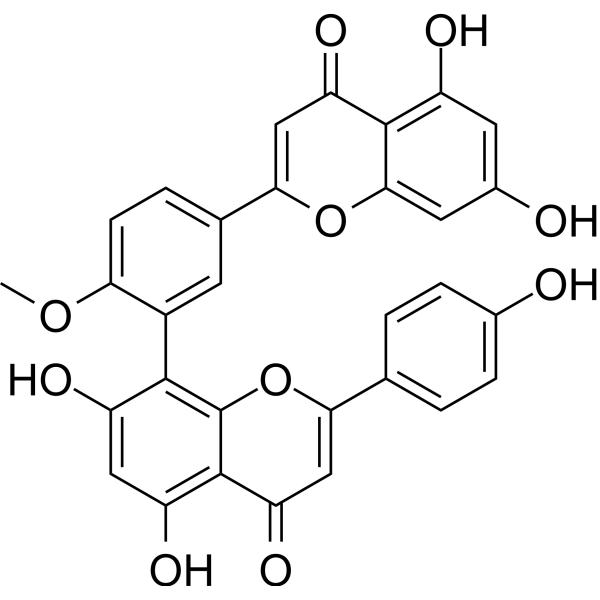
Bilobetin, an active component of Ginkgo biloba, can reduce blood lipids and improve the effects of insulin. Bilobetin ameliorated insulin resistance, increased the hepatic uptake and oxidation of lipids, reduced very-low-density lipoprotein triglyceride secretion and blood triglyceride levels, enhanced the expression and activity of enzymes involved in β-oxidation and attenuated the accumulation of triglycerides and their metabolites in tissues. Bilobetin also increased the phosphorylation, nuclear translocation and activity of PPARα accompanied by elevated cAMP level and PKA activity .
loading...
    loading...
2
2 Cited Publications
Cat. No.: HY-135087
CAS No.: 65381-09-1
Purity:  99.89%
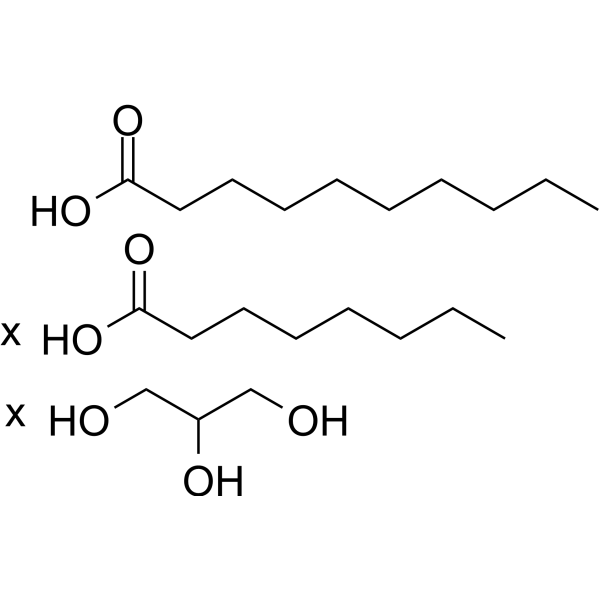
Caprylic/Capric Triglyceride is a mixed triester of Octanoic acid (Caprylic acid) (HY-41417) and Capric acid oil possessing excellent oxidation stability. Caprylic/Capric Triglyceride is used as a food additive and used in cosmetics .
loading...
    loading...
2
2 Cited Publications
Cat. No.: HY-123402
CAS No.: 264206-85-1
Purity:  99.19%
Target:  

LXR

Research Areas:  

Metabolic Disease

GSK3987 is a pan LXRα/β agonist with EC50s of 50 nM, 40 nM for LXRα-SRC1 and LXRβ-SRC1, respectively. GSK3987 increases the expression of ABCA1 and SREBP-1c. GSK3987 induces cellular cholesterol efflux and triglyceride accumulation .
loading...
    loading...
2
2 Cited Publications
Cat. No.: HY-P2733C
CAS No.: 9046-28-0
Synonyms: GPO, microorganism
Target:  

Endogenous Metabolite

Research Areas:  

Metabolic Disease

Glycerol-3-phosphate oxidase, microorganism is an enzyme that catalyzes the oxidation of glycerol-3-phosphate to dihydroxyacetone phosphate, producing hydrogen peroxide in the process. Glycerol-3-phosphate oxidase is located in the mitochondria of microorganisms and is involved in the glycerol-3-phosphate cycle, regulating cellular energy metabolism. Glycerol-3-phosphate oxidase, microorganism can be used in conjunction with Lipoprotein Lipase and Glycerol Kinase to determine triglyceride levels .
loading...
    loading...
2
2 Cited Publications
Cat. No.: HY-16278
CAS No.: 956136-95-1
Synonyms: LCQ-908
Target:  

Acyltransferase BCRP OAT

Research Areas:  

Infection Metabolic Disease

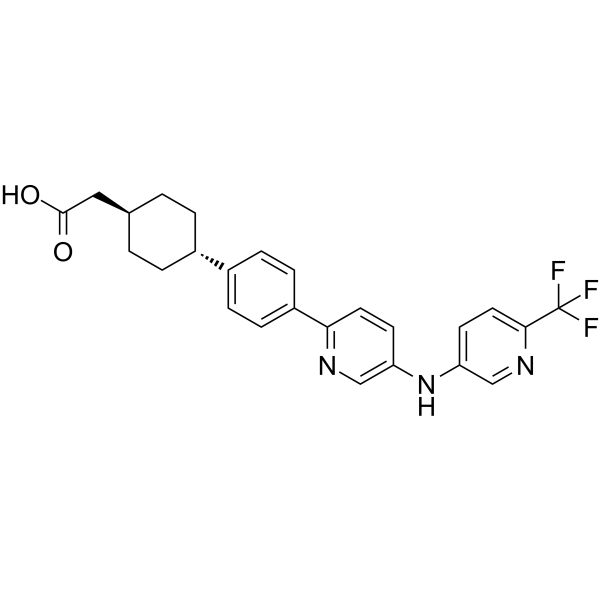
Pradigastat (LCQ-908) is a selective and orally effective diacylglyceryl acyltransferase 1 (DGAT1) inhibitor with IC50 at 0.157 µM. Pradigastat is primarily used to study diseases associated with abnormal triglyceride metabolism. Pradigastat has anti-obesity and anti-diabetic effects. Pradigastat inhibited BCRP, OATP1B1, OATP1B3 and OAT3 activities with IC50 of 5 µM, 1.66µM, 3.34µM and 0.973µM, respectively. In addition, Pradigastat has antiviral activity and can inhibit hepatitis C virus replication in vitro .
loading...
    loading...
1
1 Cited Publications
Cat. No.: HY-D0213
CAS No.: 4197-25-5
Research Areas:  

Others

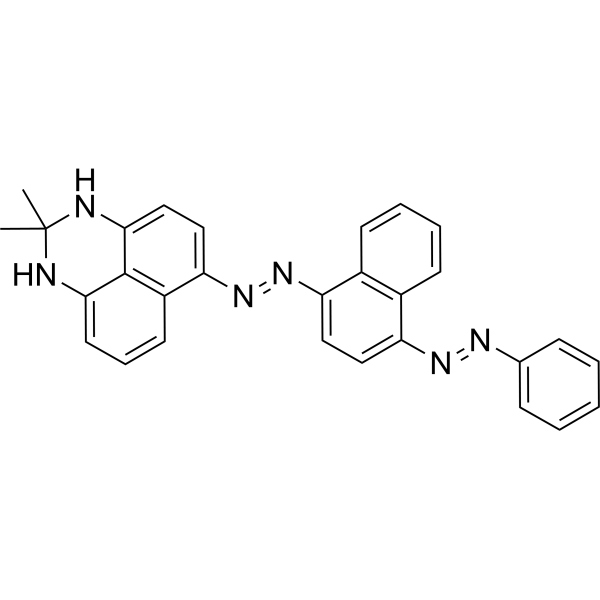
Sudan Black B, a fat-soluble diazo dye, is a histochemical stain. Sudan Black B can be used for staining of neutral triglycerides and lipids .
loading...
    loading...
1
1 Cited Publications
Cat. No.: HY-N0686
CAS No.: 102115-79-7
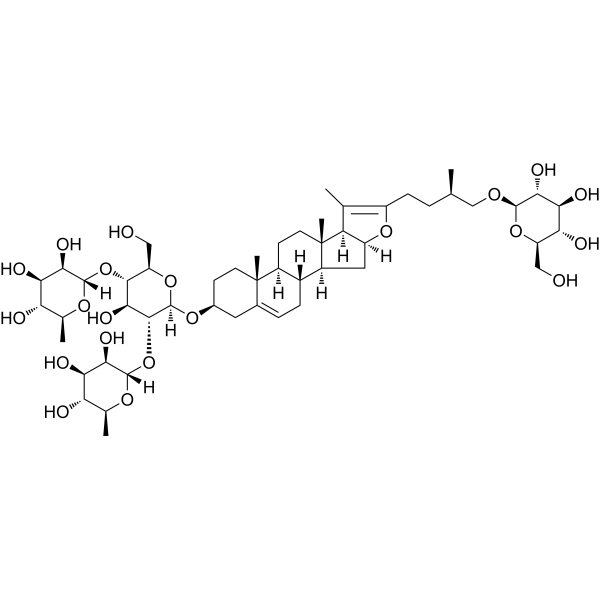
Pseudoprotodioscin, a furostanoside, inhibits SREBP1/2 and microRNA 33a/b levels and reduces the gene expression regarding the synthesis of cholesterol and triglycerides .
loading...
    loading...
1
1 Cited Publications
Cat. No.: HY-129098
CAS No.: 79066-03-8
Purity:  99.91%
Target:  

LXR

Research Areas:  

Metabolic Disease

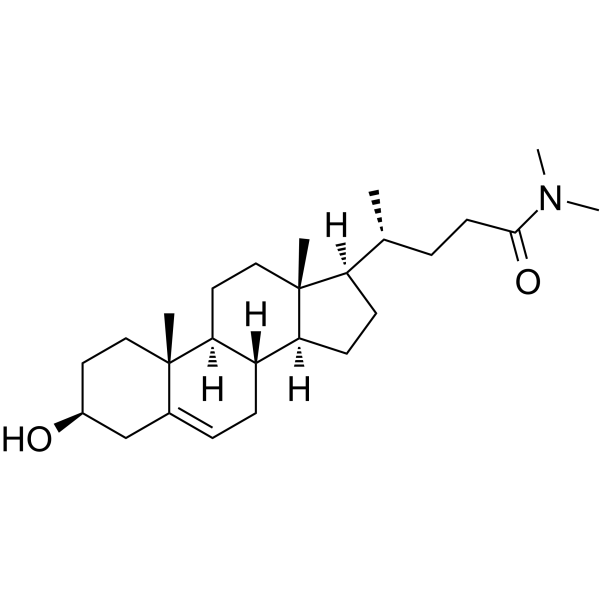
DMHCA, a potent and selective LXR agonist, specifically activates the cholesterol efflux arm of the LXR pathway without stimulating triglyceride synthesis. DMHCA has anti-inflammatory effects and can be used for the research of cholesterol homeostasis diabetes .
loading...
    loading...
1
1 Cited Publications
Cat. No.: HY-W011404
CAS No.: 60-01-5
Synonyms: Glyceryl tributyrate
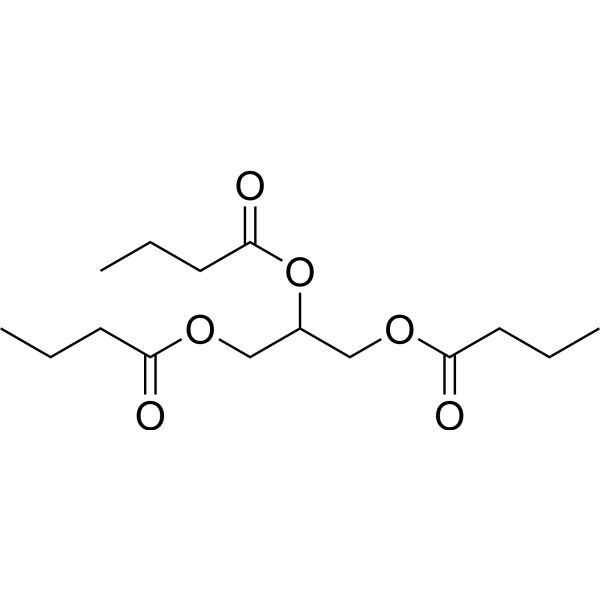
Tributyrin (Glyceryl tributyrate), a neutral short-chain fatty acid triglyceride, is a stable and rapidly absorbed proagent of Butyric Acid. Tributyrin diffuses through biological membranes and is metabolized by intracellular lipases, releasing effective butyrate directly into the cell in vivo. Tributyrin has potent antiproliferative, proapoptotic and differentiation-inducing effects .
loading...
    loading...
1
1 Cited Publications
Cat. No.: HY-W709553
CAS No.: 32765-69-8
Synonyms: Triglyceride
Glyceryl Triformate (Triglyceride) is the major form of storage and transport of fatty acids within cells and in the plasma. Glyceryl Triformate forms lipoproteins with cholesterol ester, and participates in the blood circulation. Glyceryl Triformate can lead to hypertriglyceridemia (HTG), which increases the risk of atherosclerotic cardiovascular disease (ASCVD) and pancreatitis .
loading...
    loading...
1
1 Cited Publications
Cat. No.: HY-111803
CAS No.: 6889-78-7
Purity:  98.00%
Target:  

Androgen Receptor SOD

Research Areas:  

Metabolic Disease Cancer

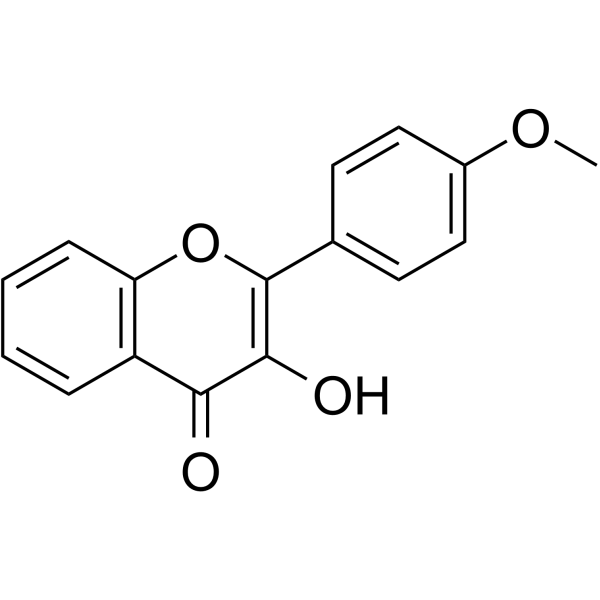
4'-Methoxyflavonol is a flavonol. 4'-Methoxyflavonol reduces androgen receptor and increases SOD. 4'-Methoxyflavonol reduces plasma glucose, cholesterol, and triglycerides. 4'-Methoxyflavonol has anti-stress and antioxidant activities. 4'-Methoxyflavonol can be used in prostate cancer research .
loading...
    loading...
1
1 Cited Publications
Cat. No.: HY-128393
CAS No.: 537-40-6
Purity:  ≥98.0%
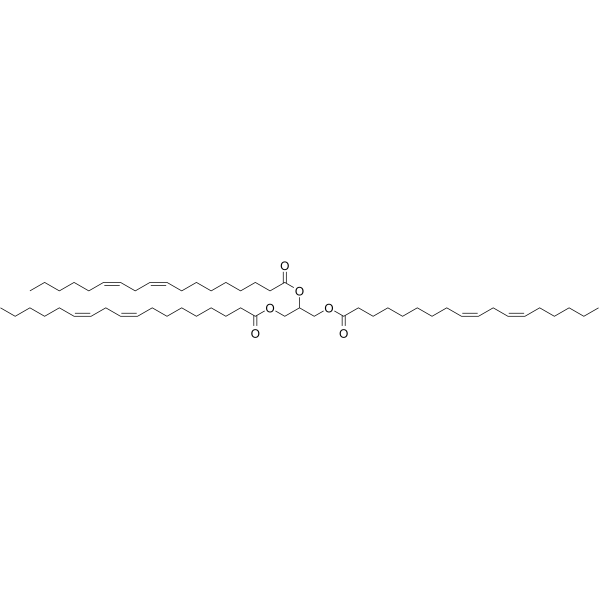
Trilinolein is an orally active triglyceride that inhibits the PI3K/Akt, Ras/MEK/ERK signaling pathways, and MMP-2. Trilinolein can reduce oxidative stress, induce apoptosis, and inhibit cell migration. Trilinolein can be used in the research fields of cardiovascular disease, cerebrovascular disease (such as cerebral ischemia), and non-small cell lung cancer .
loading...
    loading...
1
1 Cited Publications
Cat. No.: HY-17504BS
CAS No.: 1279031-70-7
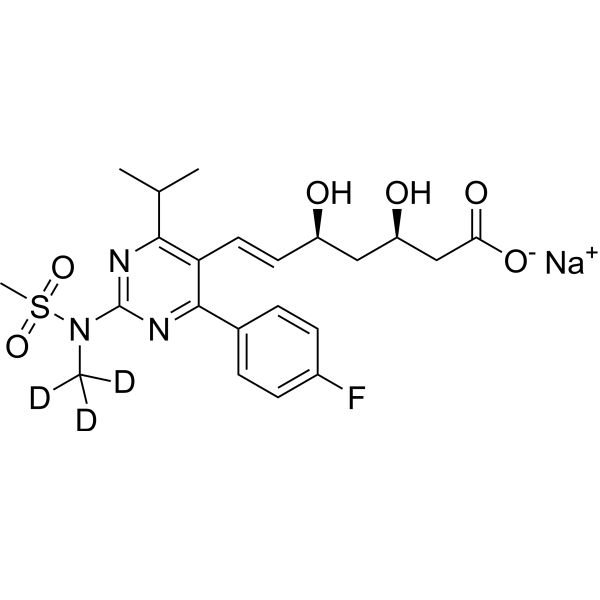
Rosuvastatin-d3 sodium is the deuterated-labeled Rosuvastatin Sodium (HY-17504B). Rosuvastatin Sodium is a competitive HMG-CoA reductase (HMGCR) inhibitor, with an IC50 of 11 nM. Rosuvastatin Sodium potently blocks hERG current with an IC50 of 195 nM . Rosuvastatin Sodium reduces the expression of the mature hERG and the interaction of heat shock protein 70 (Hsp70) with the hERG protein. Rosuvastatin Sodium effectively lowers low-density lipoprotein (LDL) cholesterol, triglycerides, and C-reactive protein levels .
loading...
    loading...
1
1 Cited Publications
Cat. No.: HY-12642A
CAS No.: 90-89-1
Purity:  99.83%
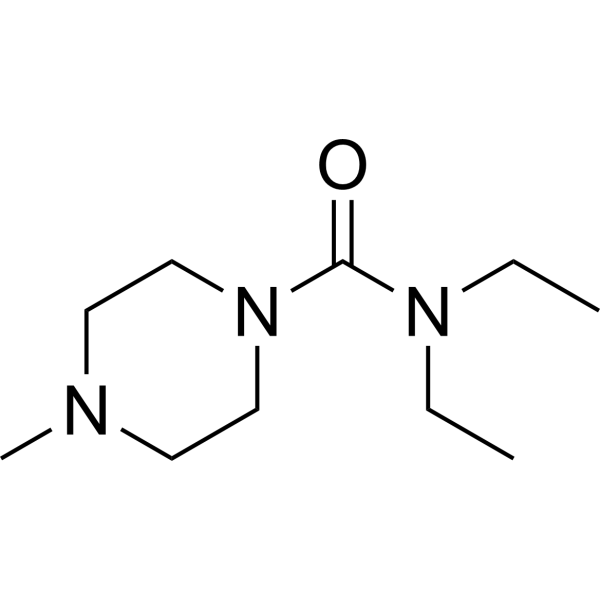
Diethylcarbamazine is an orally active microfilaricidal agent used originally in onchocerciasis and lymphatic filiariasis. Diethylcarbamazine reduces eosinophil trafficking to the lung tissue and exerts anti-allergic effects. Diethylcarbamazine reduces serum levels of leptin, TNF-α, IL-6, MCP-1, glucose, insulin, and triglycerides, and ameliorates insulin resistance without altering body, liver, or adipose tissue weights. Diethylcarbamazine enhances reactive oxygen intermediate expression by polymorphonuclear neutrophils, increases lymphocyte proliferation, and inhibits actinomycetoma lesion development. Diethylcarbamazine can be used for the researches of bronchial asthma, insulin resistance and infection .
loading...
    loading...
1
1 Cited Publications
Cat. No.: HY-12642
CAS No.: 1642-54-2
Purity:  99.95%
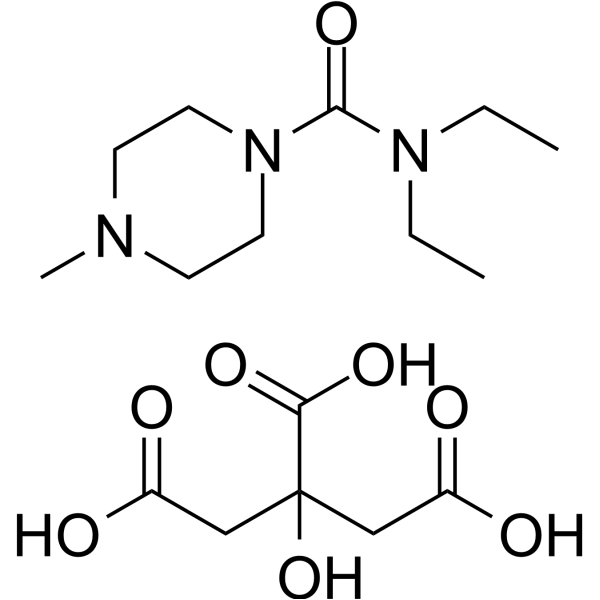
Diethylcarbamazine citrate is an orally active microfilaricidal agent used originally in onchocerciasis and lymphatic filiariasis. Diethylcarbamazine citrate reduces eosinophil trafficking to the lung tissue and exerts anti-allergic effects. Diethylcarbamazine citrate reduces serum levels of leptin, TNF-α, IL-6, MCP-1, glucose, insulin, and triglycerides, and ameliorates insulin resistance without altering body, liver, or adipose tissue weights. Diethylcarbamazine citrate enhances reactive oxygen intermediate expression by polymorphonuclear neutrophils, increases lymphocyte proliferation, and inhibits actinomycetoma lesion development. Diethylcarbamazine citrate can be used for the researches of bronchial asthma, insulin resistance and infection .
loading...
    loading...
1
1 Cited Publications
Cat. No.: HY-N6606
CAS No.: 28500-00-7
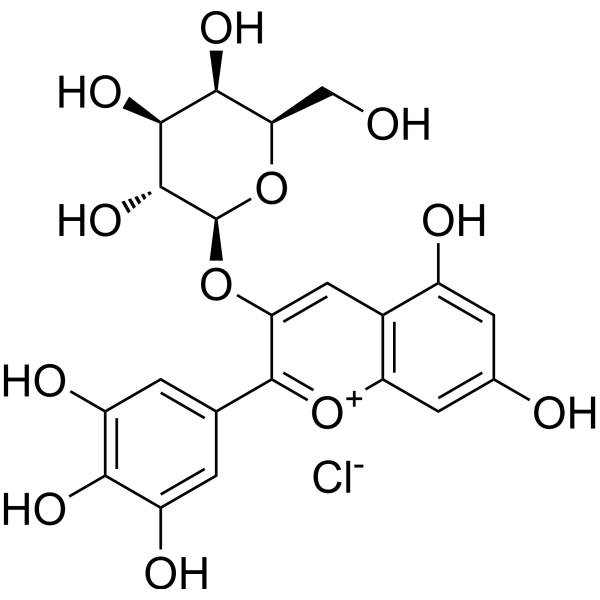
Delphinidin-3-O-galactoside chloride is an anthocyanin found in abbiteye blueberry. Delphinidin-3-O-galactoside chloride show inhibitory activitiesagainst α-glucosidase with an IC50 of 68.33 μM, and tyrosinase with an IC50 of 34.14 μM. Delphinidin-3-O-galactoside chloride attenuates HO-1 and HSP70 messenger RNA down-regulation, suppresses cytotoxicity, reduces endoplasmic reticulum stress responses, scavenges free radicals, reduces intracellular triglyceride levels and lipid droplet accumulation. Delphinidin-3-O-galactoside chloride can be used for the researches of diabesity, melanoma and inflammation .
loading...
    loading...
1
1 Cited Publications
Cat. No.: HY-157189
CAS No.: 898211-21-7
Purity:  99.72%
Synonyms: GPR132 antagonist 1
Target:  

G2A (GPR132)

Research Areas:  

Metabolic Disease

NOX-6-18 (GPR132 antagonist 1) is a GPR132 antagonist with an IC50 of 15.17 nM against the human target. NOX-6-18 inhibits GPR132 activation via interaction with non-conserved residues, blocks activities induced by endogenous agonists and 9 (S)-HODE, and exhibits selectivity for other fatty acid-binding GPCRs. NOX-6-18 regulates macrophage reprogramming, alleviates inflammatory responses, downregulates inflammatory markers and signaling pathways, and reduces the degree of hepatic steatosis and hepatic triglyceride levels. NOX-6-18 regulates metabolic homeostasis, reduces weight gain, enhances glucose metabolism, improves glucose tolerance, decreases fasting blood glucose and insulin levels, and partially reverses reductions in energy expenditure and respiratory quotient. NOX-6-18 can be used in the research of type 2 diabetes .
loading...
    loading...

