671 Results for "

Inflammatory model

" in MedChemExpress (MCE) Product Catalog:
Products (671)

671 Results for "Inflammatory model" in MCE Product Catalog:

3
3 Cited Publications
Cat. No.: HY-15698
CAS No.: 956123-34-5
Purity:  99.66%
Target:  

PKD Pim Apoptosis

Research Areas:  

Inflammation/Immunology Cancer

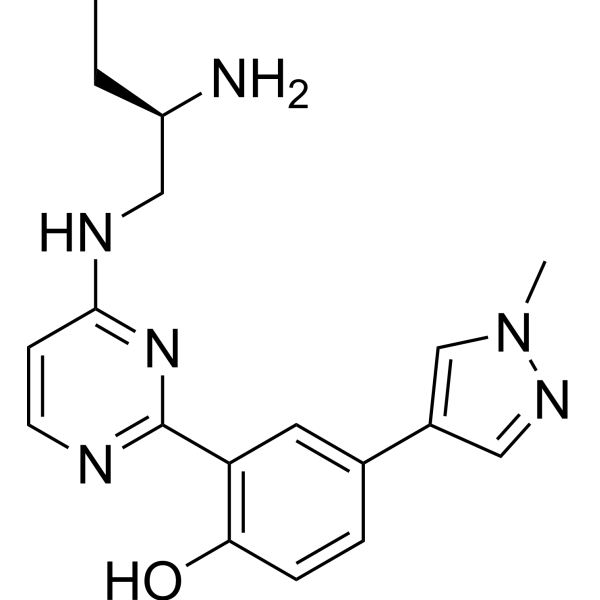
CRT0066101 is a potent and orally active PKD inhibitor with IC50 values of 1 nM, 2.5 nM and 2 nM for PKD1, PKD2, and PKD3, respectively . CRT0066101 is also a potent PIM2 inhibitor with an IC50 of ~135.7 nM. CRT0066101 exhibits anti-inflammatory activity in mice LPS (HY-D1056)-induced lung injury models, and has anticancer effects .
loading...
    loading...
3
3 Cited Publications
Cat. No.: HY-15698A
CAS No.: 1883545-60-5
Purity:  99.92%
Target:  

PKD Pim Apoptosis

Research Areas:  

Inflammation/Immunology Cancer

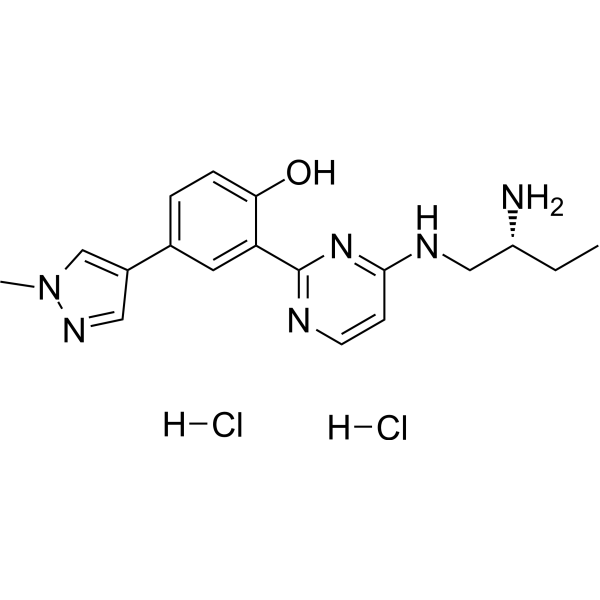
CRT0066101 dihydrochloride is a potent and orally active PKD inhibitor with IC50 values of 1 nM, 2.5 nM and 2 nM for PKD1, PKD2, and PKD3, respectively . CRT0066101 dihydrochloride is also a potent PIM2 inhibitor with an IC50 of ~135.7 nM. CRT0066101 dihydrochloride exhibits anti-inflammatory activity in mice LPS (HY-D1056)-induced lung injury models, and has anticancer effects .
loading...
    loading...
3
3 Cited Publications
Cat. No.: HY-15698B
CAS No.: 1781742-22-0
Target:  

PKD Pim Apoptosis

Research Areas:  

Inflammation/Immunology Cancer

CRT0066101 trihydrochloride is the trihydrochloride salt form of CRT0066101 (HY-15698). CRT0066101 trihydrochloride is an orally active PKD inhibitor with IC50 values of 1 nM, 2.5 nM and 2 nM for PKD1, PKD2, and PKD3, respectively. CRT0066101 trihydrochloride is also an inhibitor for PIM2 with an IC50 of ~135.7 nM. CRT0066101 trihydrochloride exhibits anti-inflammatory activity in mice LPS (HY-D1056)-induced lung injury models, and has anticancer effects .
loading...
    loading...
3
3 Cited Publications
Cat. No.: HY-150298
CAS No.: 2226636-04-8
Purity:  99.71%
Synonyms: CPI-818
Target:  

Itk

Research Areas:  

Inflammation/Immunology Cancer

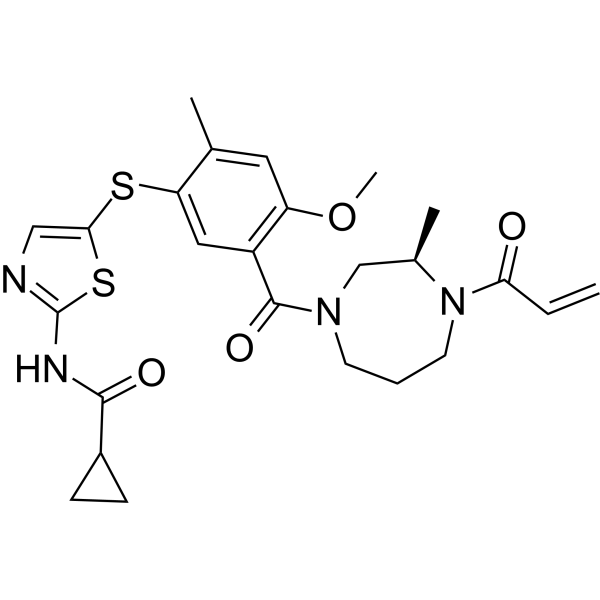
Soquelitinib (CPI-818) is an orally active and highly selective covalent interleukin-2-inducible kinase (ITK) inhibitor. Soquelitinib is active in six different models of T cell-mediated inflammatory and immune disease, including acute and chronic asthma, pulmonary fibrosis, systemic sclerosis (scleroderma), psoriasis, and acute graft versus host disease with Th2 cytokine product inhibition. Soquelitinib increases tumor infiltration of normal CD8 + cells that possess enhanced T effector function .
loading...
    loading...
3
3 Cited Publications
Cat. No.: HY-N6893
CAS No.: 54999-07-4
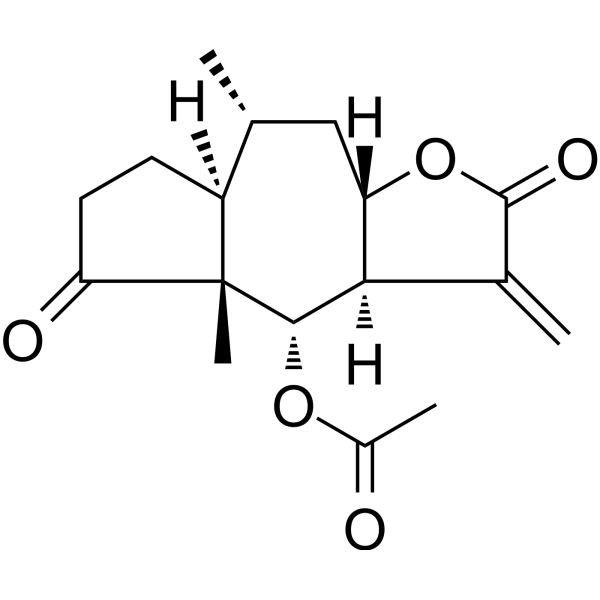
Ergolide is an orally active dual inhibitor targeting NF-κB/p65 and NLRP3. Ergolide blocks the NF-κB signaling pathway and the nuclear translocation of p65, and irreversibly binds to the NACHT domain of NLRP3 to inhibit inflammasome assembly. Ergolide significantly reduces the production of inflammatory mediators (e.g., NO, PGE2) and cytokines, induces cancer cell apoptosis, autophagy and ROS generation. Ergolide also enhances the anti-tumor effect of vincristine. Ergolide alleviates acute lung injury via an NLRP3-dependent mechanism, and effectively improves the survival rate and behavioral function of septic mice and inflammatory zebrafish models. Ergolide is used in the research of metastatic uveal melanoma, neurodegenerative diseases (such as Alzheimer's disease, Parkinson's disease), sepsis and acute lymphoblastic leukemia .
loading...
    loading...
3
3 Cited Publications
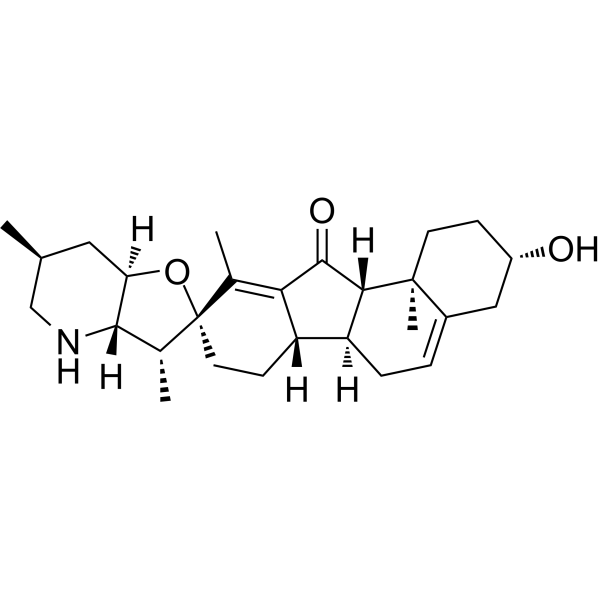
Cat. No.: HY-N0836
CAS No.: 469-59-0
Synonyms: 11-Ketocyclopamine
Jervine (11-Ketocyclopamine) is an orally active steroidal alkaloid and Hedgehog signaling pathway inhibitor. Jervine can be isolated from Veratrum californicum. Jervine regulates Wnt, inhibits the AKT/mTOR signaling pathway, and activates the AMPK signaling pathway. Jervine induces DNA damage, Apoptosis, Autophagy, ROS production and Mitochondrial damage. Jervine exhibits anti-cancer and anti-inflammatory activities. Jervine reduces tumor growth rate and weight in xenograft models. Jervine can be used in studies related to triple-negative breast cancer, nasopharyngeal carcinoma and non-small cell lung cancer .
loading...
    loading...
3
3 Cited Publications
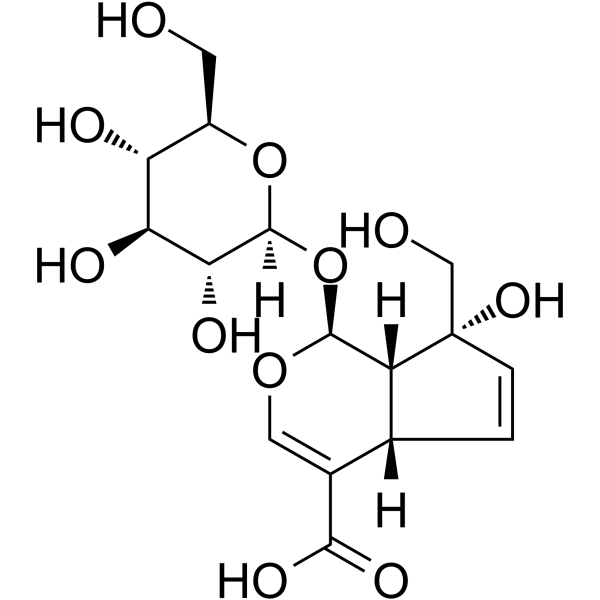
Cat. No.: HY-N0648
CAS No.: 5945-50-6
Monotropein is an iridoid glycoside that can be isolated from the roots of Morinda officinalis. Monotropein inhibits the expression of inflammatory mediators in dextran sulfate sodium (DSS)-induced colitis mouse model. Monotropein exerts protective effects against IL-1β-induced apoptosis and catabolic responses on osteoarthritis chondrocytes. Monotropein has cartilage protective activity. Monotropein can alleviate Cisplatin (HY-17394)-induced acute kidney injury by inhibiting oxidative damage, inflammation and apoptosis through activation of Nrf2/HO-1 pathway and inhibition of NF-κB signaling. Monotropein can be studied in research for osteoarthritis, acute kidney injury and acute lung injury .
loading...
    loading...
3
3 Cited Publications
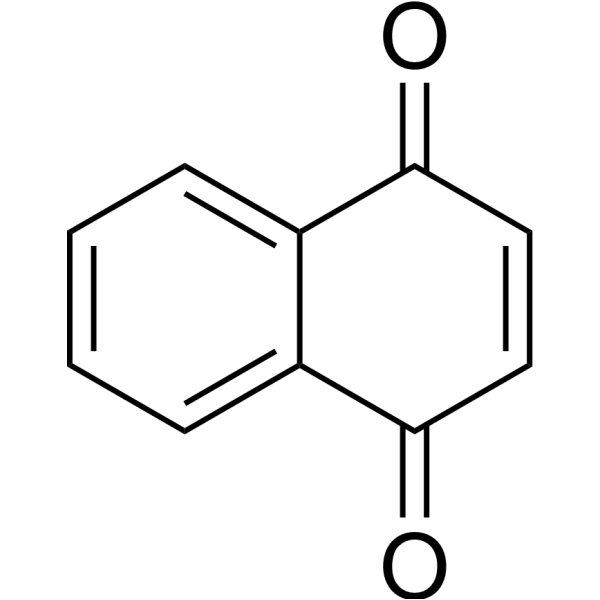
Cat. No.: HY-W015490
CAS No.: 130-15-4
1,4-Naphthoquinone is an inhibitor with broad-spectrum inhibitory activity targeting DNA polymerase, NF-κB and monoamine oxidase (MAO-A/B), with antibacterial and anti-biofilm efficacy. 1,4-Naphthoquinone is a competitive inhibitor of MAO-B (Ki=1.4 μM) and a non-competitive inhibitor of MAO-A (Ki=7.7 μM). 1,4-Naphthoquinone inhibits DNA polymerase pol α, β, γ, δ, ε, λ with IC50 ranging from 5.57-128 μM. 1,4-Naphthoquinone inhibits tumor cell proliferation, induces apoptosis and necrosis, and has anti-angiogenic and anti-inflammatory activities by inducing oxidative stress, depleting glutathione (GSH), inhibiting DNA polymerase-mediated DNA synthesis and blocking NF-κB nuclear translocation. 1,4-Naphthoquinone can be used in anti-bacterial , anti-tumor and anti-inflammatory studies, including inhibition of melanoma and colon cancer cell growth and endothelial cell function, as well as LPS-induced inflammation models .
loading...
    loading...
3
3 Cited Publications
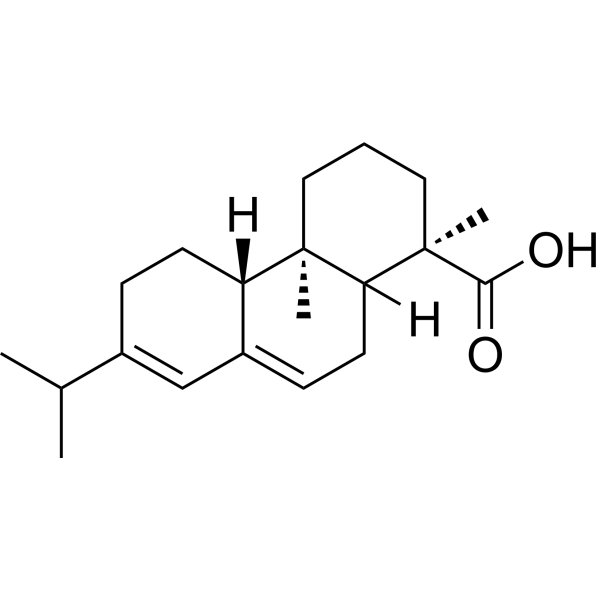
Cat. No.: HY-N6871
CAS No.: 514-10-3
Abietic acid, an orally active diterpene isolated from Colophony, displays significant anti-proliferative, anti-inflammatory, anti-obesity effect, bacteriostatic, cell cycle arresting and pro-apoptotic activities. Abietic acid inhibits lipoxygenase activity for allergy. Abietic acid enhances cell migration and tube formation in HUVECs. Abietic acid induces significant angiogenic potential, which is associated with upregulation of extracellular signal-regulated kinase (ERK) and p38 expression. Abietic acid attenuates sepsis-induced lung injury by inhibiting nuclear factor kappa-light-chain-enhancer of activated B cells (NF-κB) pathway to inhibit M1 macrophage polarization. Abietic acid exhibits a positive effect against liver injury by attenuating inflammation and ferroptosis. Abietic acid shows accelerated wound closure in a mouse model of cutaneous wounds. Abietic acid significantly reduces the proliferation and growth of NSCLC cells by IKKβ inhibition.Additionally, Abietic acid ameliorates psoriasis-like inflammation and modulates gut microbiota in mice. Abietic acid is promising for research in non-small-cell lung cancer (NSCLC), liver injury-related deseases and psoriasis .
loading...
    loading...
2
2 Cited Publications
Cat. No.: HY-N3029
CAS No.: 1013-69-0
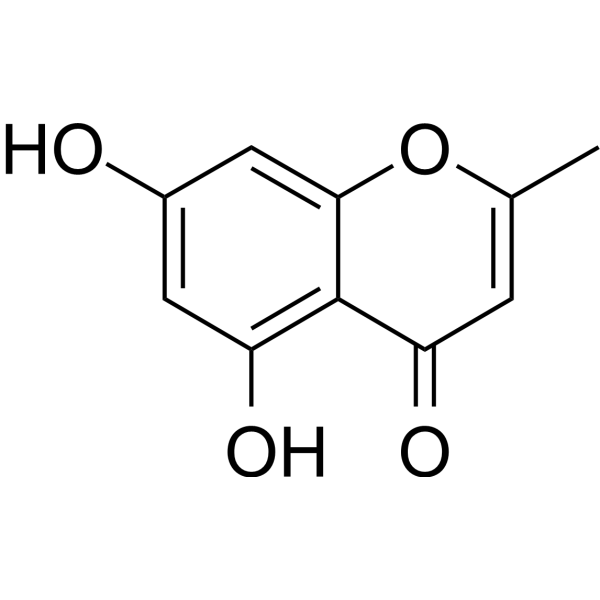
Noreugenin is a phenolic compound found in Calea uniflora Less. Noreugenin inhibits myeloperoxidase activity and reduces levels of proinflammatory cytokines IL-1β and IL-17A levels in LPS (HY-D1056)-induced murine pleurisy model. Noreugenin reduces apoptosis and necrosis. Noreugenin reduces lipid peroxidation, and antioxidant enzyme (CAT, SOD, GST) activity. Noreugenin exhibits anti-inflammatory and antioxidant effects. Noreugenin can be used for the research of inflammatory conditions, such as pleurisy .
loading...
    loading...
2
2 Cited Publications
Cat. No.: HY-111149A
CAS No.: 1596362-29-6
Purity:  95.03%
Target:  

CXCR

Research Areas:  

Inflammation/Immunology

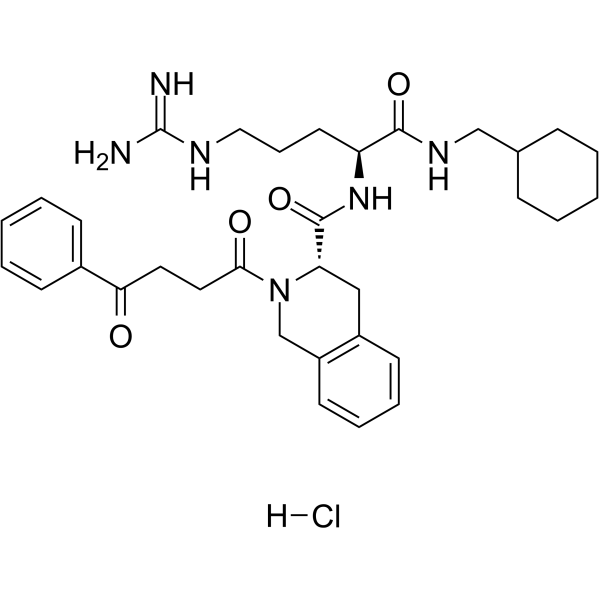
PS372424 hydrochloride, a three amino-acid fragment of CXCL10, is a specific human CXCR3 agonist with anti-inflammatory activity. PS372424 hydrochloride prevents human T-cell migration in a humanized model of arthritic inflammation .
loading...
    loading...
2
2 Cited Publications
Cat. No.: HY-N0632
CAS No.: 65497-07-6
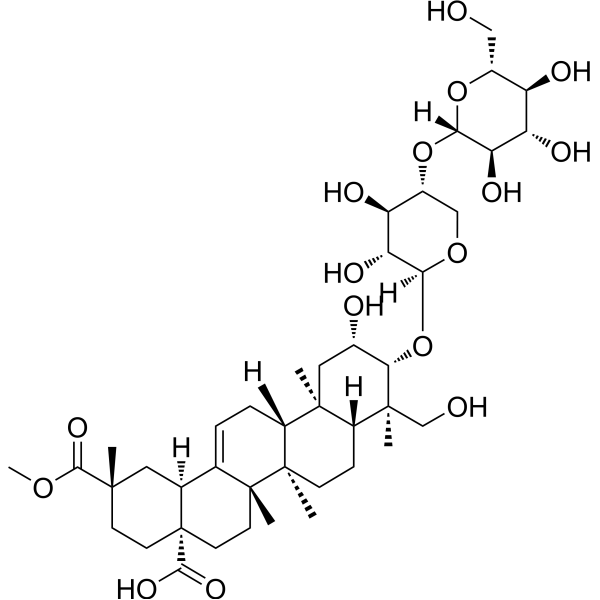
Esculentoside A (EsA), a kind of triterpene saponin isolated from roots of Phytolacca esculenta . Esculentoside A (EsA) possesses anti-inflammatory activity in acute and chronic experimental models , has selective inhibitory activity towards cyclooxygenase-2 (COX-2) . Esculentoside A (EsA) suppresses inflammatory responses in LPS-induced acute lung injury (ALI) through inhibition of the nuclear factor kappa B (NF-ΚB) and mitogen activated protein kinase (MAPK) signaling pathways .
loading...
    loading...
2
2 Cited Publications
Cat. No.: HY-117985B
CAS No.: 1222102-51-3
Purity:  99.71%
Synonyms: DA-1229 tartrate
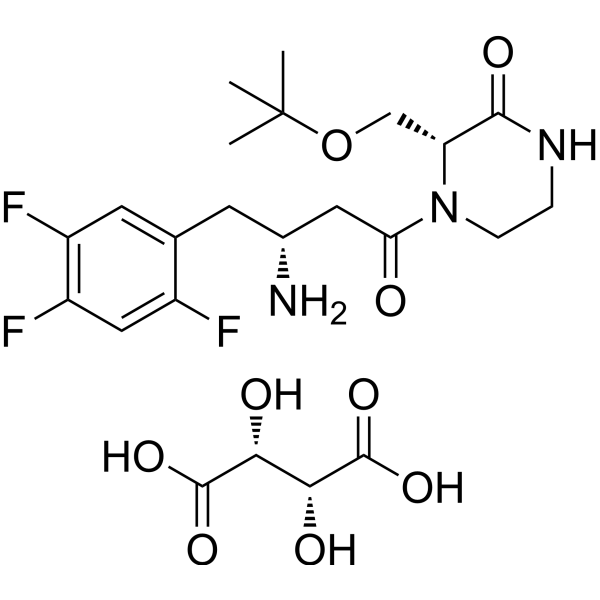
Evogliptin (DA-1229) tartrate is an orally active DPP4 inhibitor with significant and sustained hypoglycaemic effects in mouse models. Evogliptin tartrate also inhibits the production of inflammatory and fibrotic signals in hepatocytes by inducing autophagy. Evogliptin tartrate can be used in studies of type 2 diabetes, osteoporosis, renal impairment and chronic liver inflammation .
loading...
    loading...
2
2 Cited Publications
Cat. No.: HY-17484
CAS No.: 99464-64-9
Synonyms: CP 65703
Target:  

Drug Derivative

Research Areas:  

Inflammation/Immunology

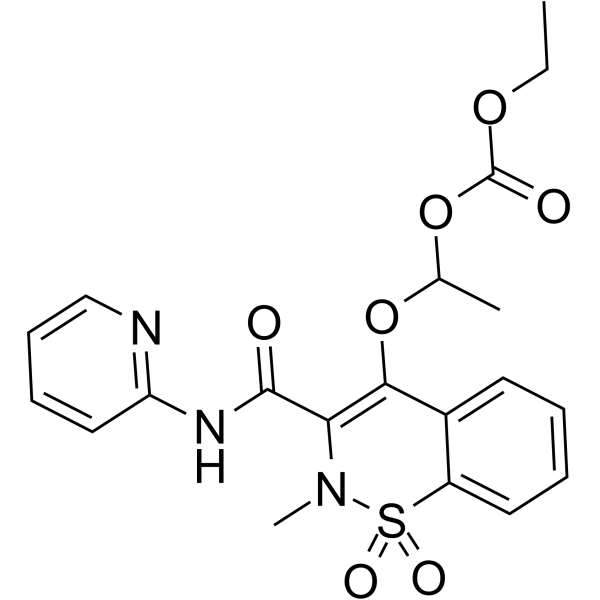
Ampiroxicam is an orally active prodrug of non-steroidal anti-inflammatory drug (NSAID). Ampiroxicam inhibits paw swelling in adjuvant-induced arthritis and acute inflammation models, and suppresses phenylbenzoquinone-induced stretching responses in mice. Ampiroxicam is rapidly and completely converted to Piroxicam (HY-B0253) via non-specific esterases and first-pass metabolism. Ampiroxicam induces contact hypersensitivity and photosensitivity reactions through photoproducts generated by UVA. Ampiroxicam can be used in research related to photosensitivity, adjuvant-induced arthritis, rheumatism, osteoarthritis and other inflammatory diseases .
loading...
    loading...
2
2 Cited Publications
Cat. No.: HY-13954
CAS No.: 870061-27-1
Purity:  98.08%
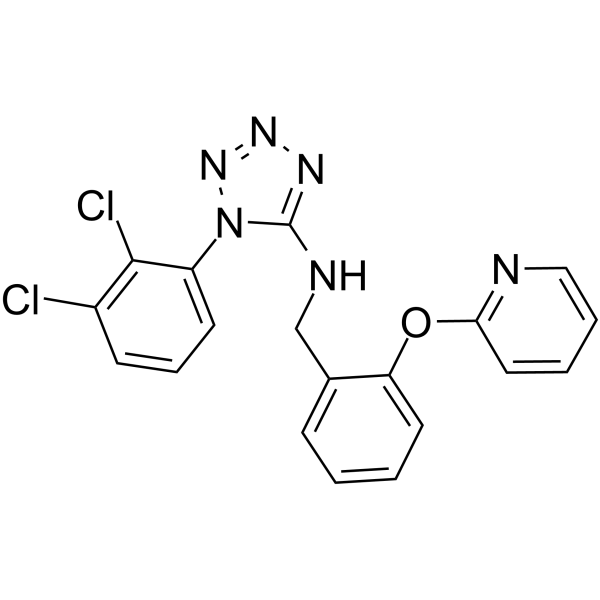
A 839977 is a P2X7 selective antagonist; it blocks BzATP-evoked calcium influx at recombinant human, rat and mouse P2X7 receptors (IC50 values are 20 nM, 42 nM and 150 nM respectively) and reduces inflammatory and neuropathic pain in animal models; the antihyperalgesic effects of P2X7 receptor blockade are mediated by blocking the release of IL-1beta .
loading...
    loading...
2
2 Cited Publications
Cat. No.: HY-W010983
CAS No.: 170569-86-5
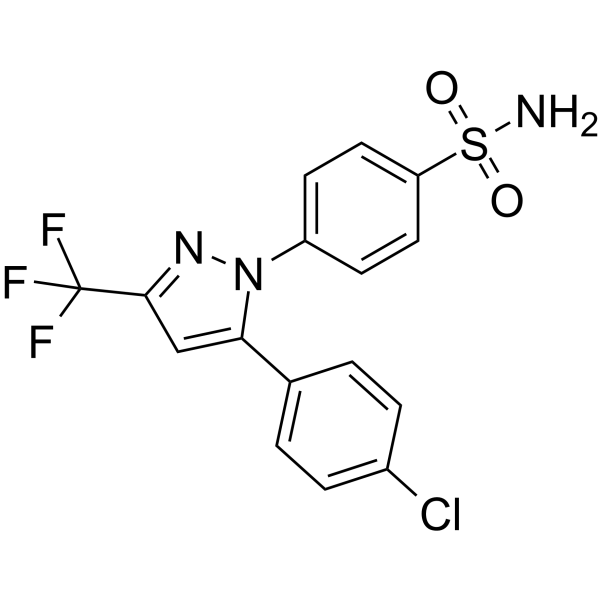
SC-236 is an orally active COX-2 specific inhibitor (IC50 = 10 nM) and a PPARγ agonist. SC-236 suppresses activator protein-1 (AP-1) through c-Jun NH2-terminal kinase. SC-236 exerts anti-inflammatory effects by suppressing phosphorylation of ERK in a murine model .
loading...
    loading...
2
2 Cited Publications
Cat. No.: HY-N7043
CAS No.: 142796-21-2
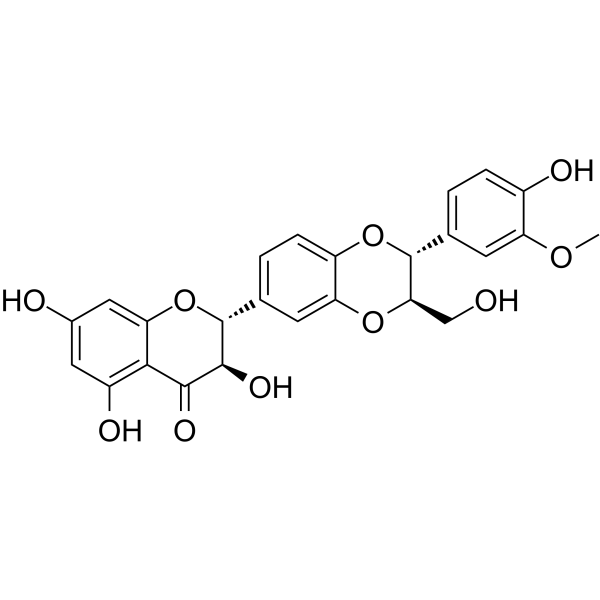
Isosilybin A is a PPARγ agonist that can be isolated from silymarin. Isosilybin A activates extrinsic and intrinsic pathways of apoptosis through targeting of the Akt-NF-kB-AR axis. Isosilybin A can relieve the inflammatory response in the rosacea model via inhibiting Erk and p38 signaling pathways and M1 macrophage polarization, with its targets related to RELA and VEGFA. Isosilybin A has anti-prostate cancer (PCA) activity [1][2][3].
loading...
    loading...
2
2 Cited Publications
Cat. No.: HY-160109
Target:  

Mucin

Research Areas:  

Inflammation/Immunology Cancer

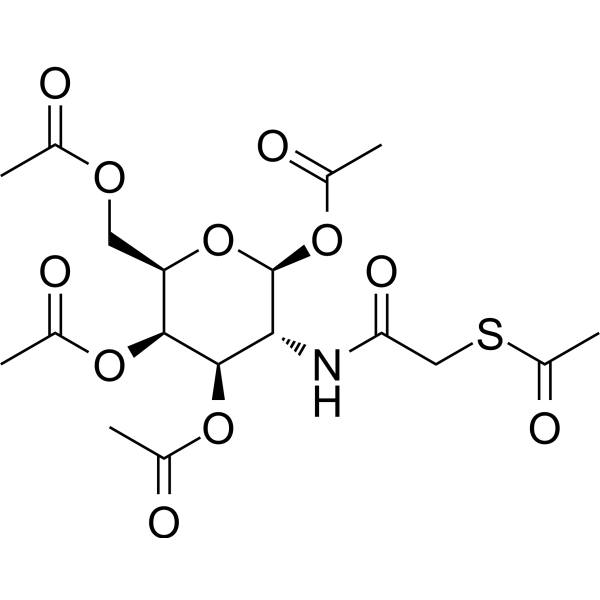
Ac5GalNTGc is a potent, peracetylated C-2 thioglycolyl-substituted GalNAc analog that efficiently inhibits mucin-type O-glycan biosynthesis. Ac5GalNTGc reduces leukocyte sialyl-Lewis-X expression and inhibits L-/P-selectin mediated rolling under flow, as well as P-selectin dependent leukocyte-platelet adhesion. Ac5GalNTGc exhibits anti-inflammatory activity in a thioglycollate-induced acute peritonitis model. Ac5GalNTGc can be used for studies of O-glycan/mucin biology, inflammation, and related translational research .
loading...
    loading...
2
2 Cited Publications
Cat. No.: HY-N0508
CAS No.: 85026-55-7
Rosin is a natural oleoresin found in coniferous trees of the genus Pinus, such as Pinus massoniana. Rosin exhibits cholesterol-lowering, anti-gastric ulcer, anti-tumor, blood glucose-lowering, and anti-macrocyte aggregation activities. Rosin inhibits TPA (HY-18739)-induced EBV-EA activation and suppresses papilloma formation in a two-stage mouse skin carcinogenesis model. WBR, a processed product of Rosin, inhibits the IL-23/IL-17 inflammatory axis and reduces Th1 and Th17 cell infiltration. Rosin is used in research on psoriasis and skin cancer .
loading...
    loading...
2
2 Cited Publications
Cat. No.: HY-N0493
CAS No.: 520-12-7
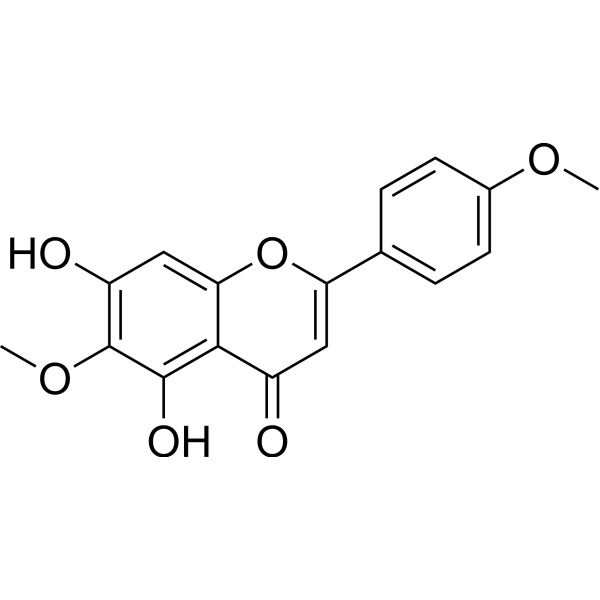
Pectolinarigenin is an orally active dual inhibitor of COX-2/5-LOX with anti-inflammatory, antioxidant, antitumor and neuroprotective activities. Pectolinarigenin exerts neuroprotective and anti-inflammatory effects on astrocyte inflammation via the NFκB and MAPK pathways. Pectolinarigenin inhibits LPS-induced phosphorylation of ERK1/2, N-FκB and p38MAPK, directly inhibits the enzymatic activity or binding of COX-2, 5-LOX and HIF-1α, and reduces the level of XIAP. Pectolinarigenin modifies Keap1 to promote nuclear accumulation of Nrf2, induces ARE-mediated antioxidant enzyme expression, and possesses direct free radical scavenging activity. Pectolinarigenin reduces the release of NO, proinflammatory mediators and leukotrienes, and increases the level of IL-10. Pectolinarigenin induces G2/M cell cycle arrest, apoptosis (Apoptosis) and autophagy (Autophagy) via the PI3K/AKT/mTOR signaling pathway. Pectolinarigenin reduces renal crystal deposition and inhibits melanin synthesis. Pectolinarigenin inhibits inflammation and alleviates allergy in mouse models of inflammation. Pectolinarigenin alleviates renal injury, inflammation and oxidative stress in mice by inhibiting HIF-1α activity. Pectolinarigenin can be used for the research of neurodegenerative diseases, inflammatory/allergic diseases, calcium oxalate nephrocalcinosis, gastric cancer, melasma, post-inflammatory diseases and chloasma .
loading...
    loading...

