1417 Results for "

ROS Inhibitor

" in MedChemExpress (MCE) Product Catalog:
Products (1417)

1417 Results for "ROS Inhibitor" in MCE Product Catalog:

22
22 Cited Publications
Cat. No.: HY-N0484
CAS No.: 2586-96-1
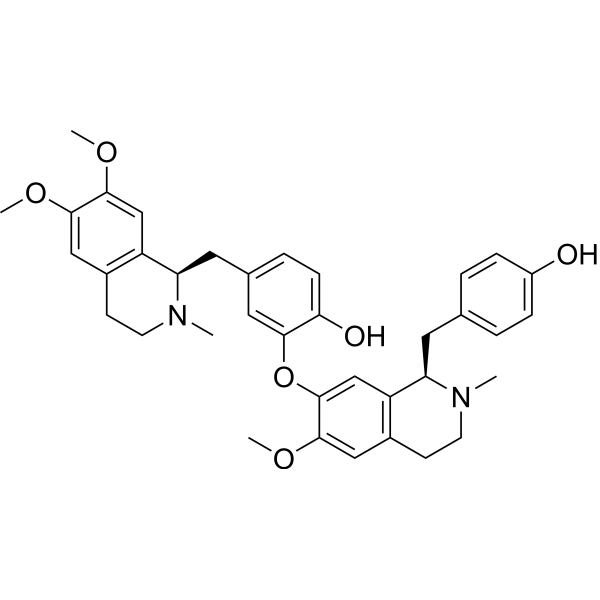
Liensinine is a bisbenzylisoquinoline alkaloid. By inhibiting the PI3K/AKT and JNK/p38-MAPK signaling pathways, Liensinine suppresses autophagy and apoptosis, clears , and exerts anti-inflammatory, antioxidant and neuroprotective effects. Liensinine activates AMPK and inhibits the expression of HIF-1α and VEGF, thereby suppressing angiogenesis. Liensinine exerts anti-tumor effects through ROS-mediated inhibition of the JAK2/STAT3 signaling pathway. Liensinine can be used for the research of diseases such as Alzheimer's disease, hepatocellular carcinoma, osteosarcoma, sepsis-induced organ injury and stroke .
loading...
    loading...
22
22 Cited Publications
Cat. No.: HY-N5014
CAS No.: 2385-63-9
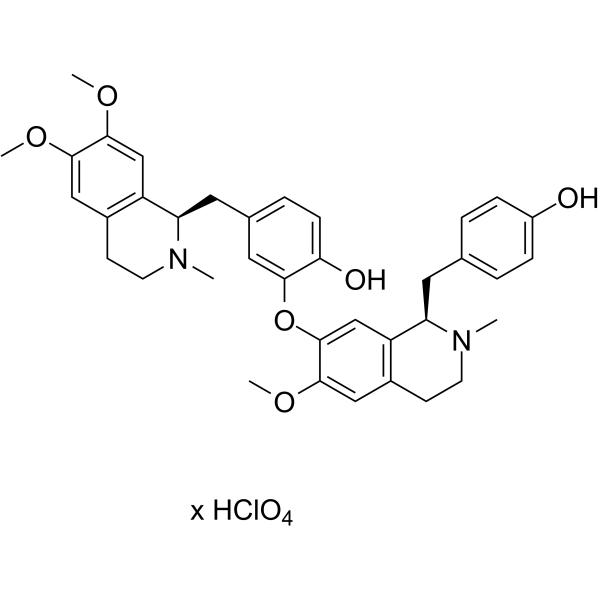
Liensinine perchlorate is a bisbenzylisoquinoline alkaloid. By inhibiting the PI3K/AKT and JNK/p38-MAPK signaling pathways, Liensinine perchlorate suppresses autophagy and apoptosis, clears , and exerts anti-inflammatory, antioxidant and neuroprotective effects. Liensinine perchlorate activates AMPK and inhibits the expression of HIF-1α and VEGF, thereby suppressing angiogenesis. Liensinine perchlorate exerts anti-tumor effects through ROS-mediated inhibition of the JAK2/STAT3 signaling pathway. Liensinine perchlorate can be used for the research of diseases such as Alzheimer's disease, hepatocellular carcinoma, osteosarcoma, sepsis-induced organ injury and stroke .
loading...
    loading...
21
21 Cited Publications
Cat. No.: HY-15468
CAS No.: 931398-72-0
Purity:  98.02%
Research Areas:  

Cancer

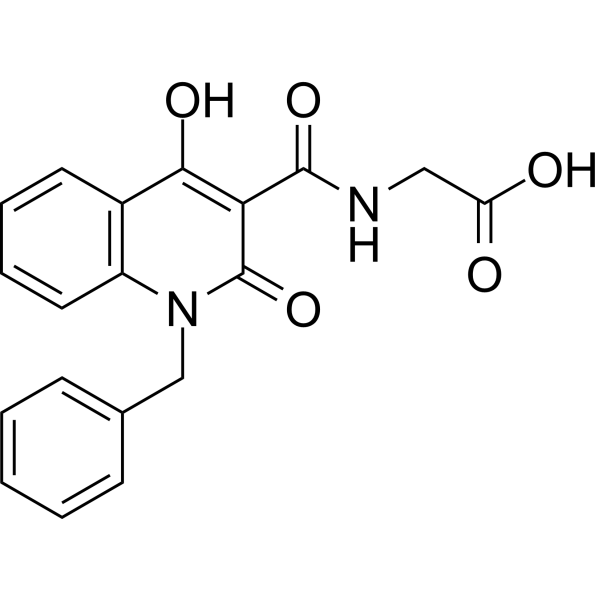
IOX2, a chemical probe, is a specific prolyl hydroxylase-2 (PHD2) inhibitor with IC50 of 22 nM. IOX2 regulates platelet function and arterial thrombosis by upregulating HIF-1α expression and inhibiting ROS production. IOX2 can be used in the study of thrombotic diseases .
loading...
    loading...
21
21 Cited Publications
Cat. No.: HY-N0305
CAS No.: 5451-09-2
Synonyms: 5-ALA hydrochloride; δ-Aminolevulinic acid hydrochloride; 5-Amino-4-oxopentanoic acid hydrochloride
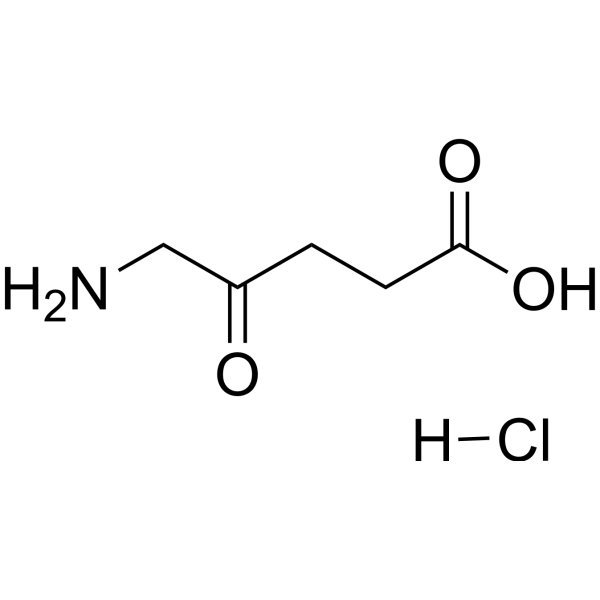
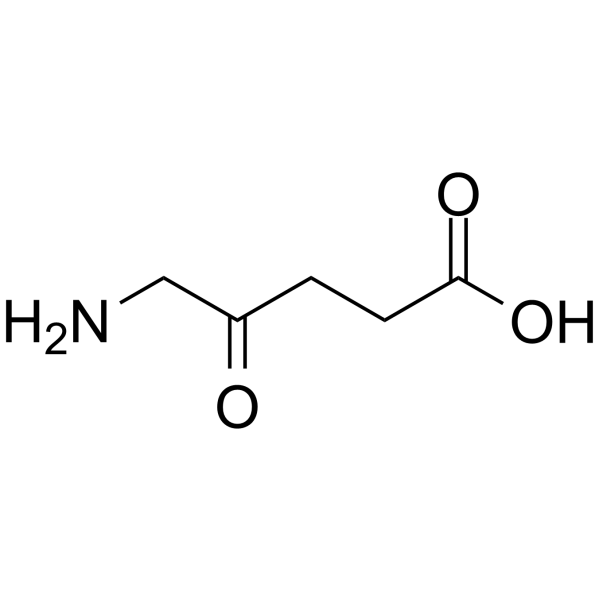
5-Aminolevulinic acid (5-ALA; δ-Aminolevulinic acid; 5-Amino-4-oxopentanoic acid) hydrochloride is an orally active heme precursor. 5-Aminolevulinic acid hydrochloride promotes aerobic energy metabolism and increases ATP levels by enhancing the activity of cytochrome c oxidase. 5-Aminolevulinic acid hydrochloride enhances LPS-induced proinflammatory cytokine production and gene activation, and restores the phagocytic activity and ROS generation capacity of neutrophils. 5-Aminolevulinic acid hydrochloride selectively accumulates protoporphyrin IX in tumor cells; as a photosensitizer and radiosensitizer, it induces ROS burst upon light or X-ray irradiation to inhibit tumor growth. 5-Aminolevulinic acid hydrochloride can be applied to the research of septic shock, melanoma, and cancer radiotherapy .
loading...
    loading...
21
21 Cited Publications
Cat. No.: HY-W000450
CAS No.: 106-60-5
Synonyms: 5-ALA; δ-Aminolevulinic acid; 5-Amino-4-oxopentanoic acid
5-Aminolevulinic acid (5-ALA; δ-Aminolevulinic acid; 5-Amino-4-oxopentanoic acid) is an orally active heme precursor. 5-Aminolevulinic acid promotes aerobic energy metabolism and increases ATP levels by enhancing the activity of cytochrome c oxidase. 5-Aminolevulinic acid enhances LPS-induced proinflammatory cytokine production and gene activation, and restores the phagocytic activity and ROS generation capacity of neutrophils. 5-Aminolevulinic acid selectively accumulates protoporphyrin IX in tumor cells; as a photosensitizer and radiosensitizer, it induces ROS burst upon light or X-ray irradiation to inhibit tumor growth. 5-Aminolevulinic acid can be applied to the research of septic shock, melanoma, and cancer radiotherapy .
loading...
    loading...
19
19 Cited Publications
Cat. No.: HY-12805
CAS No.: 6631-94-3
Purity:  99.82%
Synonyms: 2-Acetylphenothiazine; 2-APT
Target:  

NADPH Oxidase

Research Areas:  

Cardiovascular Disease

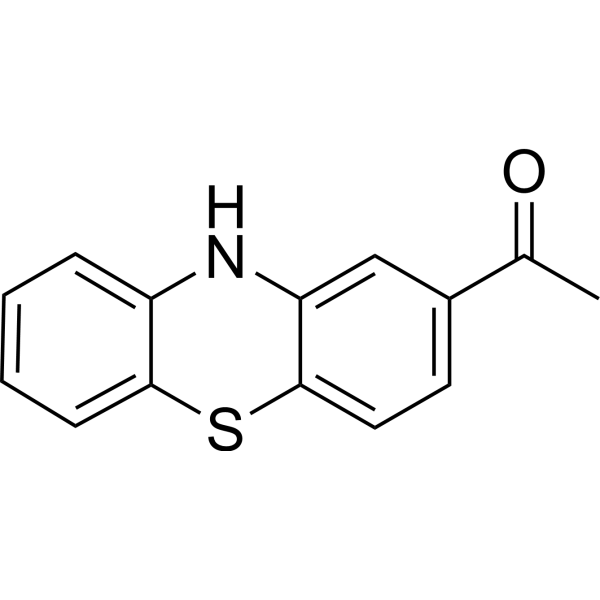
ML171 (2-Acetylphenothiazine;2-APT) is a potent and selective NADPH oxidase 1 (Nox1) inhibitor that blocks Nox1-dependent ROS generation, with an IC50 of 0.25 μM in HEK293-Nox1 confirmatory assay.
loading...
    loading...
18
18 Cited Publications
Cat. No.: HY-B1272
CAS No.: 58-28-6
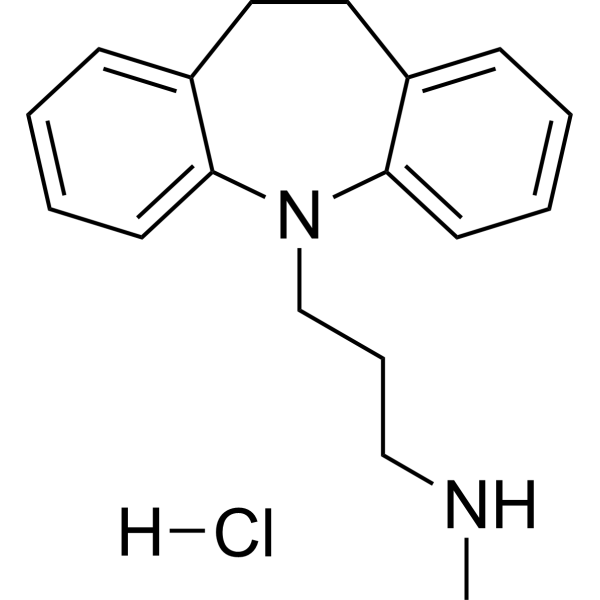
Desipramine hydrochloride is a first-generation tricyclic antidepressant. Desipramine hydrochloride selectively binds to norepinephrine transporter and blocks neuronal norepinephrine reuptake. Desipramine hydrochloride activates MAPK signaling via ERK1/2, JNK, and p38, represses NF-κB and AP-1 activity, and induces apoptosis via ROS elevation, mitochondrial membrane potential reduction, and intracellular calcium increase. Desipramine hydrochloride also shows anyi-inflammatory activity, inhibiting TNF-α production. Desipramine hydrochloride can be used for the research of hepatocellular cancer, inflammation, and neurological diseases .
loading...
    loading...
17
17 Cited Publications
Cat. No.: HY-115502
CAS No.: 1245792-51-1
Purity:  99.73%
Synonyms: (E)-BCI
Target:  

Phosphatase

Research Areas:  

Inflammation/Immunology

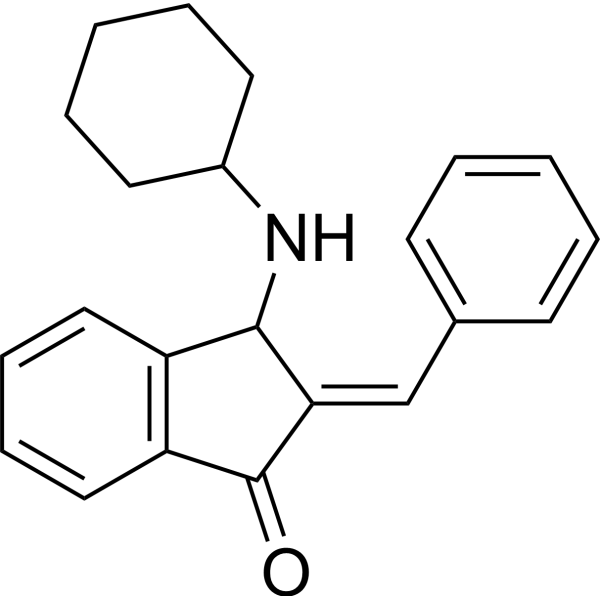
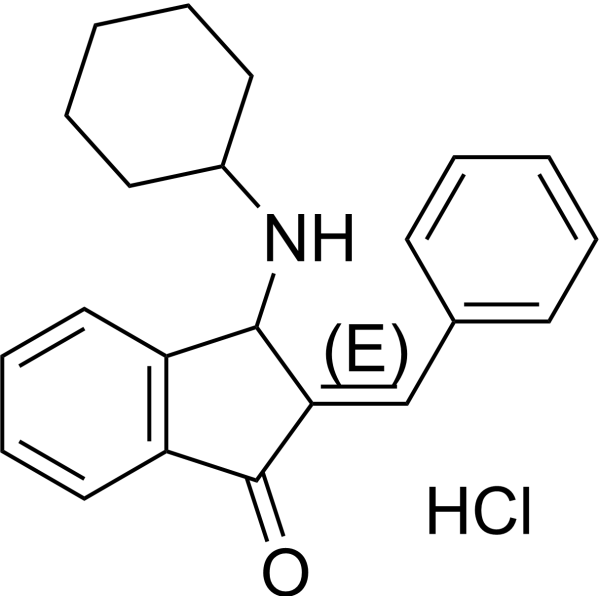
BCI ((E)-BCI) is a DUSP6 (dual specificity phosphatase 6) inhibitor. BCI shows anti-inflammatory activity and decreases reactive oxygen species (ROS) production. BCI can be used in inflammatory disease research .
loading...
    loading...
17
17 Cited Publications
Cat. No.: HY-115502A
CAS No.: 95130-23-7
Purity:  99.93%
Synonyms: (E)-BCI hydrochloride
Target:  

Phosphatase

Research Areas:  

Inflammation/Immunology

BCI ((E)-BCI) hydrochloride is a DUSP6 (dual specificity phosphatase 6) inhibitor. BCI hydrochloride shows anti-inflammatory activity and decreases reactive oxygen species (ROS) production. BCI hydrochloride can be used in inflammatory disease research .
loading...
    loading...
14
14 Cited Publications
Cat. No.: HY-12688A
CAS No.: 864167-45-3
Purity:  ≥98.0%
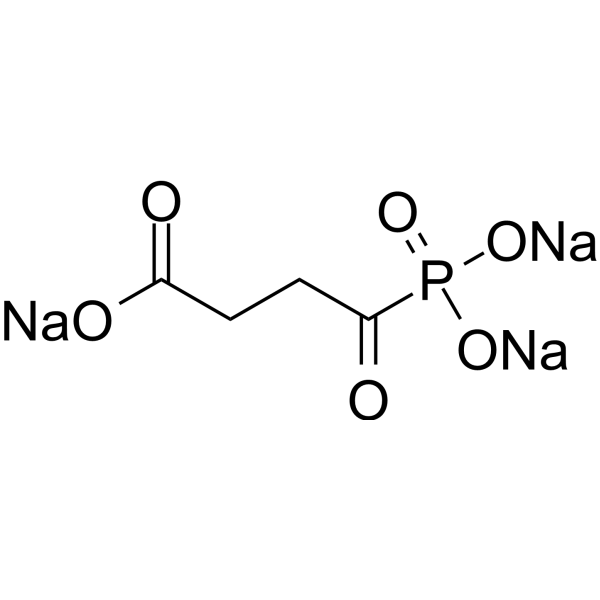
Succinyl phosphonate trisodium salt is a α-Ketoglutarate Dehydrogenase Complex (KGDHC) modulator with neuroprotective activity. Succinyl phosphonate trisodium salt protects this complex, reduces cellular succinyl-CoA concentration, downregulates protein succinylation levels, and inhibits the activity of the α-ketoglutarate dehydrogenase complex. Succinyl phosphonate trisodium salt corrects hypoxic or ethanol-induced behavioral impairments, modulates exploratory behavior and emotional stress responses, and improves hypoxia tolerance. Succinyl phosphonate trisodium salt reduces glutamate excitotoxicity, restores the activity of the α-ketoglutarate dehydrogenase complex, reverses the changes in glutamate dehydrogenase and glutamine synthetase activities induced by β-amyloid (Amyloid-β), modulates cognitive function, and prevents β-amyloid-induced neuronal damage. Succinyl phosphonate trisodium salt improves microglial senescence, alleviates neuroinflammation, reactive oxygen species (ROS) production, lipid peroxidation, and the expression of proinflammatory cytokines. Succinyl phosphonate trisodium salt can be used in the research of Alzheimer's disease, aging-related neuroinflammation, and Parkinson's disease .
loading...
    loading...
13
13 Cited Publications
Cat. No.: HY-109804
CAS No.: 1001015-18-4
Purity:  98.27%
Research Areas:  

Inflammation/Immunology

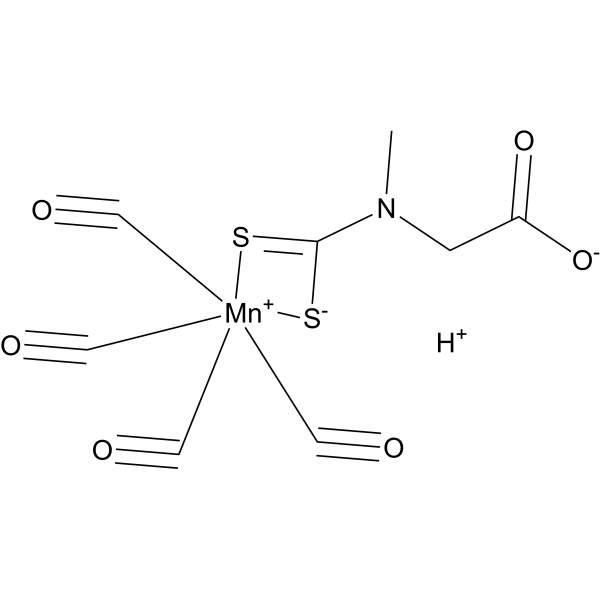
CORM-401 is an oxidant-sensitive CO-releasing molecule. CORM-401 induces NO increase in the regulation of endothelial calcium signalling. CORM-401 reduces TNF-α/CHX and H2O2-induced ROS production. CORM-401 uncouples mitochondrial respiration and inhibits glycolysis .
loading...
    loading...
13
13 Cited Publications
Cat. No.: HY-109566
CAS No.: 2089288-03-7
Purity:  99.22%
Synonyms: AZD1390
Research Areas:  

Cancer

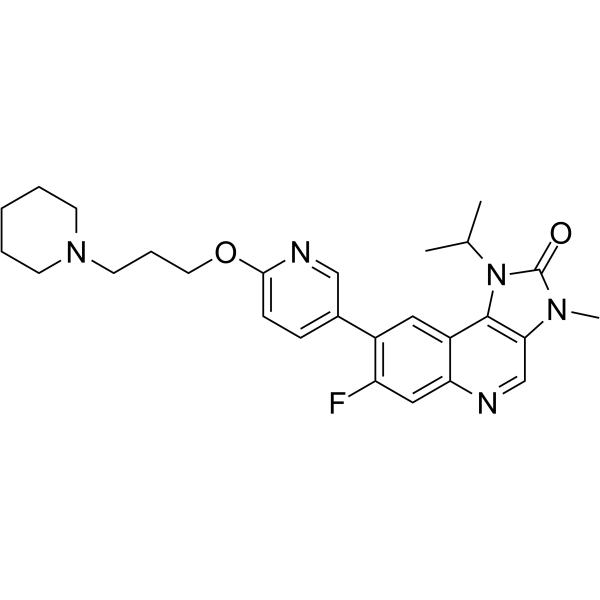
Elrelesertib (AZD1390) is an orally active, brain-penetrant ATM kinase inhibitor with IC50 values of 0.78 nM. Elrelesertib blocks ATM-dependent DNA damage response, inhibits ATM autophosphorylation and downstream Chk2, Rad50 phosphorylation, and accumulates at DNA breaks. Elrelesertib acts as a radiosensitizer, induces apoptosis, genomic instability, G2-M cell cycle arrest, ROS elevation, and mitochondrial membrane potential alteration. Elrelesertib has low efflux liability against P-gp and BCRP. Elrelesertib can be used for the research of central nervous system malignancies, glioblastoma multiforme, glioma, lung cancer brain metastases, and breast cancer .
loading...
    loading...
13
13 Cited Publications
Cat. No.: HY-B0331
CAS No.: 75847-73-3
Synonyms: MK-421
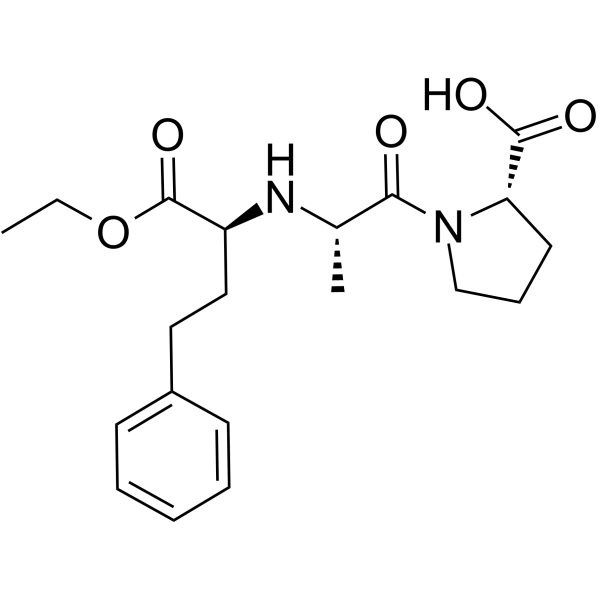
Enalapril (MK-421) is an orally active angiotensin-converting enzyme inhibitor. Enalapril blocks the conversion of angiotensin I to angiotensin II, regulates the renin-angiotensin system, reduces preload and afterload, and decreases plasma angiotensin II levels. Enalapril inhibits apoptosis, reduces nitric oxide metabolite levels, stabilizes endothelial cells, enhances endothelial antioxidant defense, scavenges reactive oxygen species (ROS), and alleviates neuronal damage. Enalapril attenuates glutathione depletion, protein/lipid oxidation, tissue damage, and type III collagen immunolabeling in organs of diabetic rats. Enalapril reduces systolic blood pressure and urinary albumin excretion, and delays the progression of diabetic cardiac/renal injury. Enalapril is used in research related to asymptomatic left ventricular dysfunction, congestive heart failure, Alzheimer's disease, diabetes mellitus, acute myocardial infarction, atrial fibrillation, hypertension, cerebral ischemia, chronic heart failure, and single-ventricle physiology .
loading...
    loading...
13
13 Cited Publications
Cat. No.: HY-B0331A
CAS No.: 76095-16-4
Synonyms: MK-421 maleate
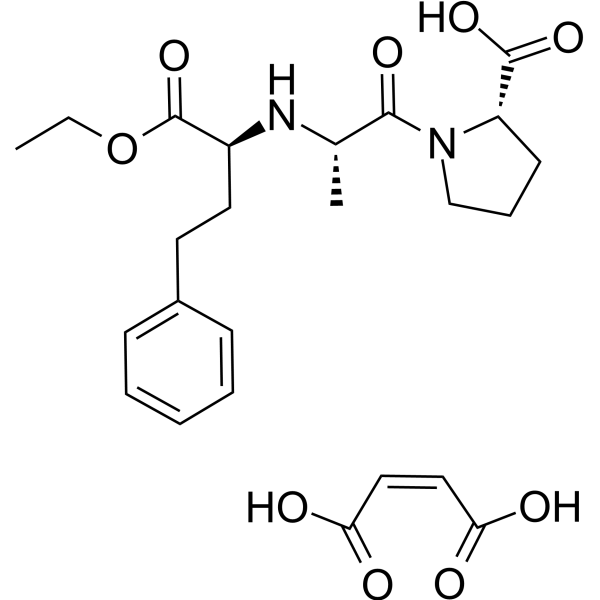
Enalapril maleate (MK-421 maleate) is an orally active angiotensin-converting enzyme inhibitor. Enalapril maleate blocks the conversion of angiotensin I to angiotensin II, regulates the renin-angiotensin system, reduces preload and afterload, and decreases plasma angiotensin II levels. Enalapril maleate inhibits apoptosis, reduces nitric oxide metabolite levels, stabilizes endothelial cells, enhances endothelial antioxidant defense, scavenges reactive oxygen species (ROS), and alleviates neuronal damage. Enalapril maleate attenuates glutathione depletion, protein/lipid oxidation, tissue damage, and type III collagen immunolabeling in organs of diabetic rats. Enalapril maleate reduces systolic blood pressure and urinary albumin excretion, and delays the progression of diabetic cardiac/renal injury. Enalapril maleate is used in research related to asymptomatic left ventricular dysfunction, congestive heart failure, Alzheimer's disease, diabetes mellitus, acute myocardial infarction, atrial fibrillation, hypertension, cerebral ischemia, chronic heart failure, and single-ventricle physiology .
loading...
    loading...
12
12 Cited Publications
Cat. No.: HY-13535
CAS No.: 262438-43-7
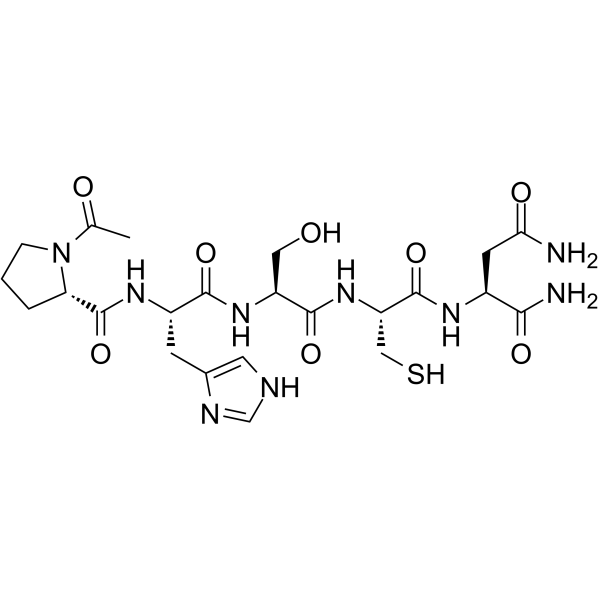
ATN-161 is an antagonist of α5β1 integrin and αvβ3 integrin, as well as an inhibitor of fibrosis, an inhibitor of oxidative stress, a tight junction stabilizer, a mitochondrial integrity protector, an angiogenesis inhibitor and an antiviral agent. ATN-161 inhibits NLRP3, MAPK, and ROS. ATN-161 protects mice from SARS-CoV-2 infection . ATN-161 reduces infarct volume, alleviates edema, decreases immune cell infiltration, reduces the area of choroidal neovascularization lesions, lowers tumor microvessel density and viral load. ATN-161 can be used in research related to ischemic stroke, choroidal neovascularization, breast cancer, coronavirus disease 2019 (COVID-19), and liver metastasis of colorectal cancer .
loading...
    loading...
12
12 Cited Publications
Cat. No.: HY-N2037A
CAS No.: 11041-94-4
Synonyms: Norcoclaurine hydrochloride
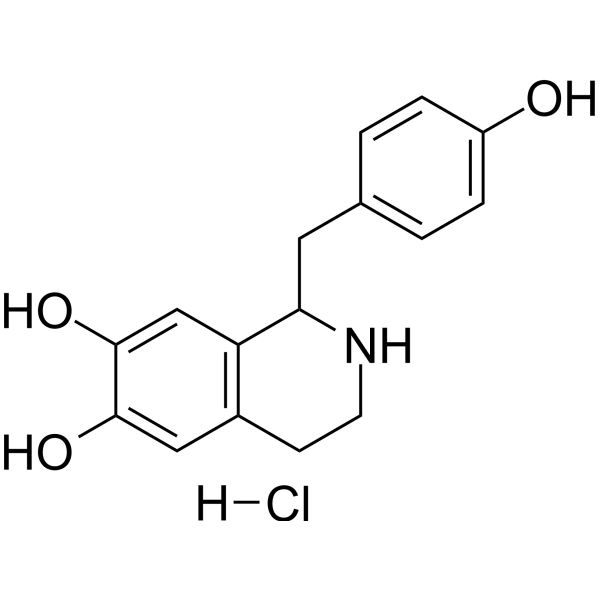
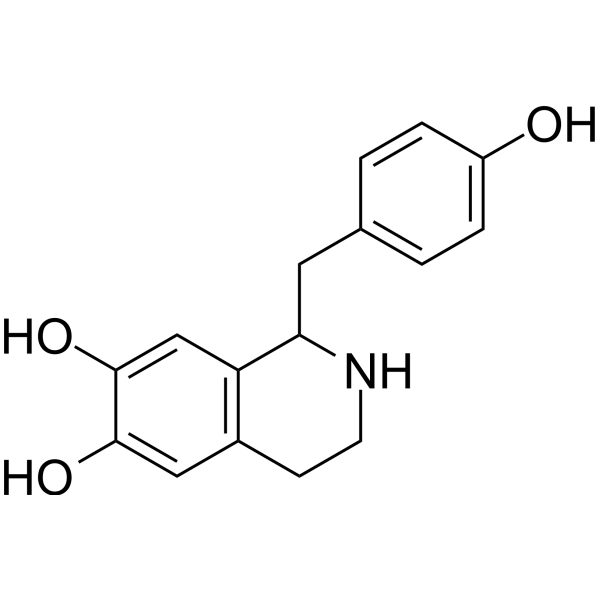
Higenamine hydrochloride is a selective LSD1 inhibitor (IC50=1.47 μM) that can be isolated from aconite. Higenamine hydrochloride has anti-inflammatory and antibacterial activity. Higenamine (Norcoclaurine) can attenuate IL-1β-induced Apoptosis through ROS-mediated PI3K/Akt signaling pathway. Higenamine hydrochloride protects brain cells from oxygen deprivation. Higenamine can promote bone formation in osteoporosis through the SMAD2/3 pathway. Higenamine hydrochloride can be used to study cancer, inflammation, cardiorenal syndrome and other diseases .
loading...
    loading...
12
12 Cited Publications
Cat. No.: HY-N2037
CAS No.: 5843-65-2
Synonyms: Norcoclaurine; Demethyl-Coclaurine
Higenamine (Norcoclaurine), a β2-AR agonist with antioxidant capability, is a key component of the Chinese herb aconite root that prescribes for treating symptoms of heart failure in the oriental Asian countries. Higenamine is also a α1-adrenergic receptor antagonist with hypotensive effect. is a selective LSD1 inhibitor (IC50=1.47 μM) that can be isolated from aconite. Higenamine hydrochloride has anti-inflammatory and antibacterial activity. Higenamine protects myocyte Apoptosis and ischemia/reperfusion (I/R) injury through selective activation of beta2-adrenergic receptor (β2-AR). Higenamine also reduces I/R-induced myocardial infarction in mice. Higenamine can attenuate IL-1β-induced Apoptosis through ROS-mediated PI3K/Akt signaling pathway. Higenamine protects brain cells from oxygen deprivation. Higenamine can promote bone formation in osteoporosis through the SMAD2/3 pathway. Higenamine can be used to study cancer, inflammation, cardiorenal syndrome and other diseases .
loading...
    loading...
11
11 Cited Publications
Cat. No.: HY-12970
CAS No.: 1700663-41-7
Purity:  98.07%
EPZ020411 is a selective, blood-brain barrier-permeable PRMT6 inhibitor with an IC50 of 0.010 μM. EPZ020411 blocks PRMT6-mediated histone H3R2 methylation, reduces ROS production, and inhibits Apoptosis. EPZ020411 is applicable to research related to neuropathic pain, colorectal cancer, ototoxicity, hearing loss and glioblastoma .
loading...
    loading...
11
11 Cited Publications
Cat. No.: HY-12970A
CAS No.: 2070015-25-5
Purity:  98.15%
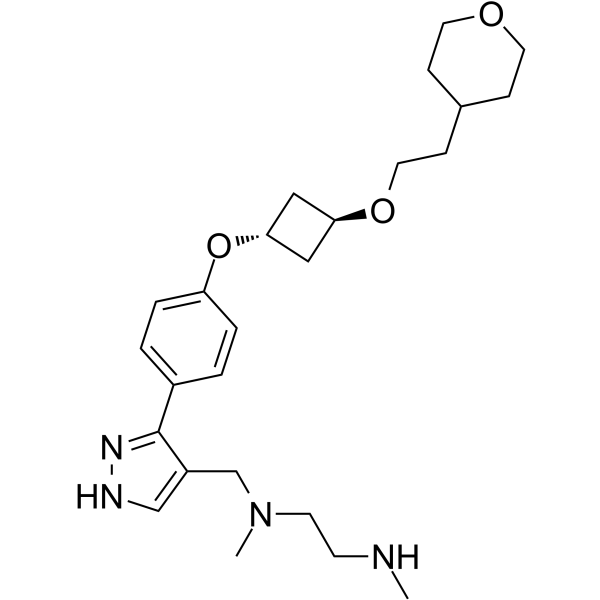
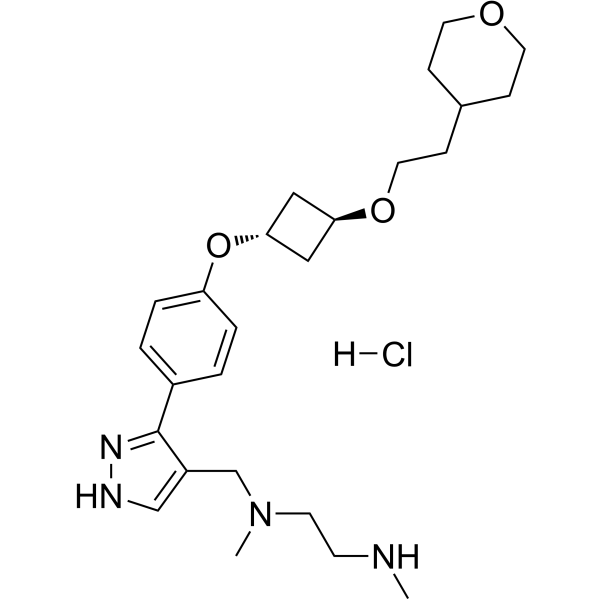
EPZ020411 hydrochloride is a selective, blood-brain barrier-permeable PRMT6 inhibitor with an IC50 of 0.010 μM. EPZ020411 hydrochloride blocks PRMT6-mediated histone H3R2 methylation, reduces ROS production, and inhibits Apoptosis. EPZ020411 hydrochloride is applicable to research related to neuropathic pain, colorectal cancer, ototoxicity, hearing loss and glioblastoma .
loading...
    loading...
11
11 Cited Publications
Cat. No.: HY-N0264
CAS No.: 1124-11-4
Synonyms: Chuanxiongzine; Tetramethylpyrazine
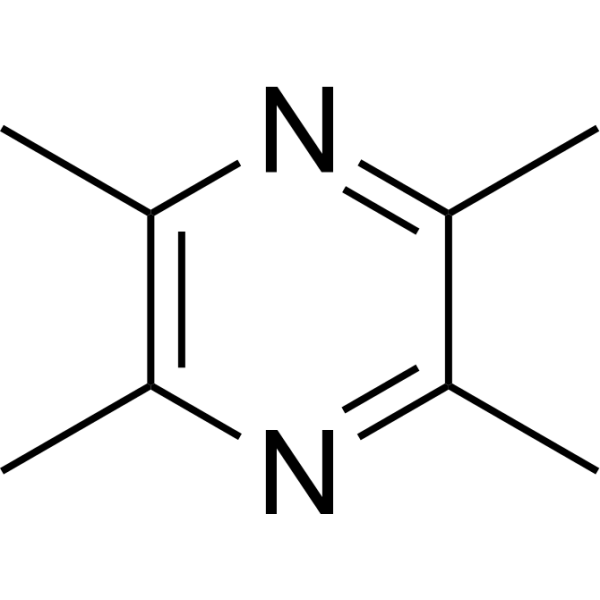
Ligustrazine (Chuanxiongzine) is an orally active, blood-brain barrier-permeable alkaloid. It can be isolated from Ligusticum striatum DC. Ligustrazine reduces ROS, upregulates the levels of p-Akt/Akt and p-eNOS/eNOS, and decreases ALT and AST. It inhibits glutamate excitotoxicity, calcium overload, oxidative stress, ischemia-reperfusion injury and atherosclerotic plaque progression, enhances synaptic plasticity, and improves neurological function, cerebral infarct volume and brain water content. Ligustrazine possesses anti-inflammatory, antioxidant, lipid-lowering, endothelial protective and hepatoprotective activities. It can be used in studies related to ischemic stroke, cerebral ischemia-reperfusion injury and atherosclerosis .
loading...
    loading...

