251 Results for "

anticancer properties

" in MedChemExpress (MCE) Product Catalog:
Products (251)

251 Results for "anticancer properties" in MCE Product Catalog:

2
2 Cited Publications
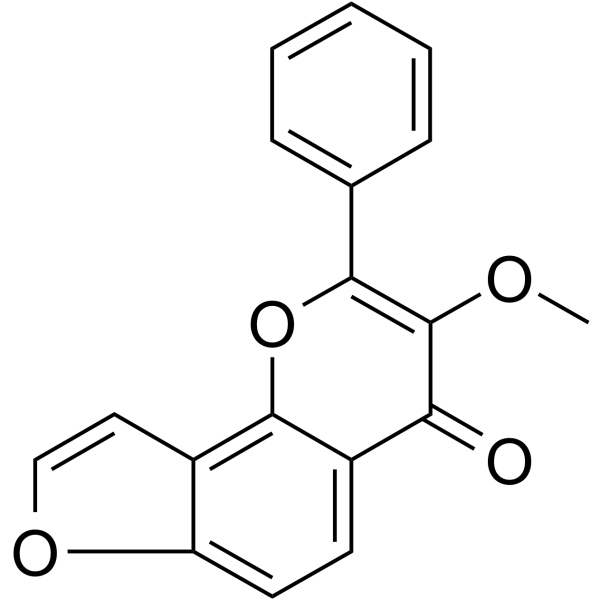
Cat. No.: HY-N2534
CAS No.: 521-88-0
Karanjin is an orally active furanoflavonoid which can be isolated from several Leguminosae. Karanjin exhibits evident anti-diabetic, anti-cancer, anti-inflammatory, antioxidant, anticolitis, anti-ulcer, anti-Alzheimer properties and multiple insect repellent/insecticidal, acaricide properties, suggesting the potential of Karanjin to be applied to relevant research .
loading...
    loading...
2
2 Cited Publications
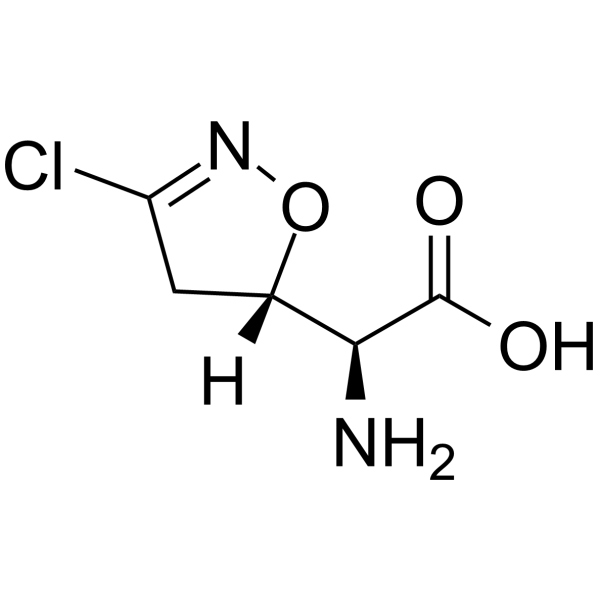
Cat. No.: HY-W016586
CAS No.: 42228-92-2
Synonyms: AT-125; U-42126
Acivicin (AT-125), a natural product produced by Streptomyces sviceus is a γ-glutamyl transpeptidase (GGT) inhibitor. Acivicin can across the blood-brain barrier and has anti-cancer, anti-parasitic properties .
loading...
    loading...
2
2 Cited Publications
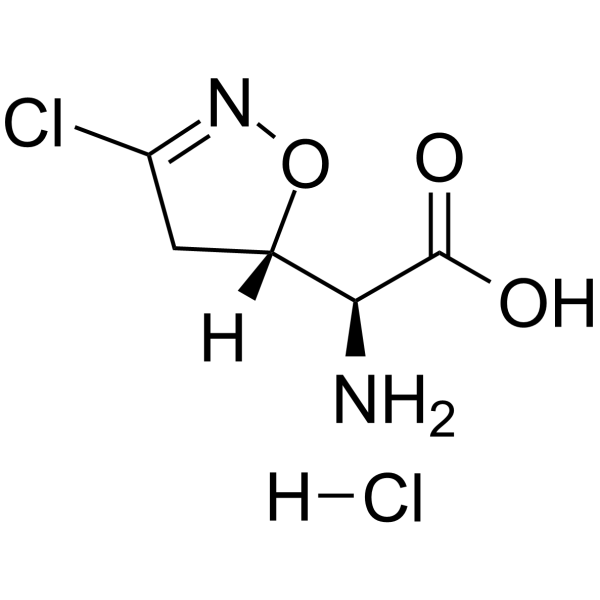
Cat. No.: HY-W016586A
CAS No.: 161922-40-3
Synonyms: AT-125 hydrochloride; U-42126 hydrochloride
Acivicin hydrochloride (AT-125 hydrochloride), a natural product produced by Streptomyces sviceus, is a γ-glutamyl transpeptidase (GGT) inhibitor. Acivicin hydrochloride can across the blood-brain barrier and has anti-cancer, anti-parasitic properties .
loading...
    loading...
2
2 Cited Publications
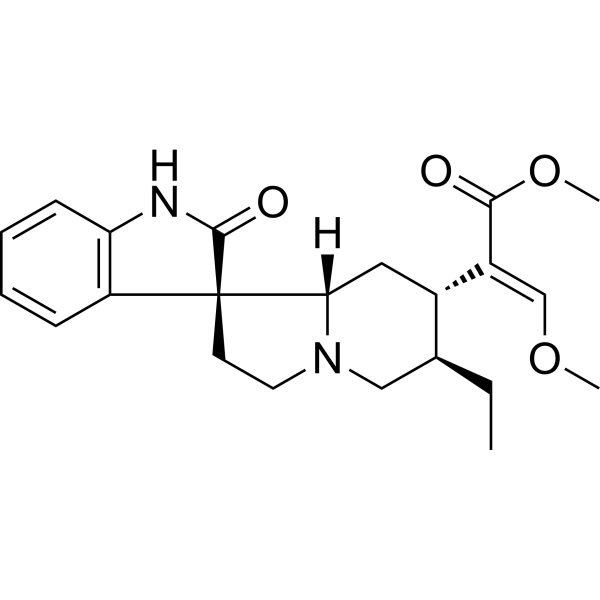
Cat. No.: HY-N0766
CAS No.: 6859-01-4
Isorhynchophylline is an alkaloid isolated from Crocus sativus with anticancer, antihypertensive, anti-inflammatory, and neuroprotective properties. Isorhynchophylline can be applied to cardiovascular and neurological disorders, and cancer studies .
loading...
    loading...
2
2 Cited Publications
Cat. No.: HY-N1944
CAS No.: 7212-44-4
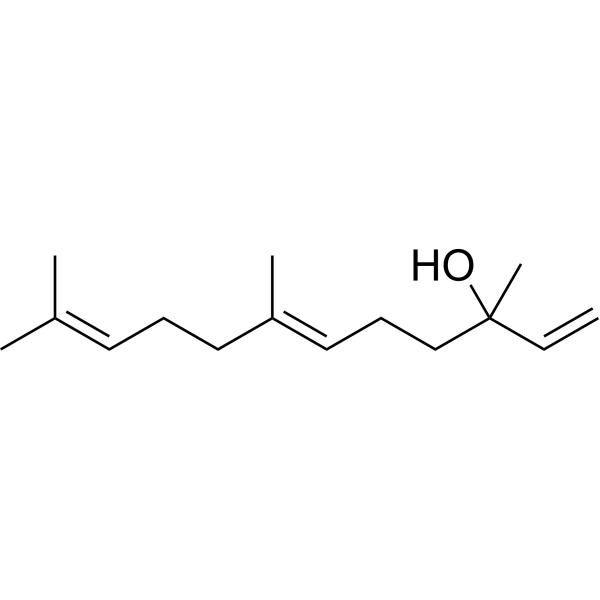
Nerolidol has multiple natural membrane activities, possesses anti-cancer, anti-inflammatory, antibacterial and anti-insect activity. Nerolidol Suppresses parasitic activity, suppresses bloodsucking diseases, bloodworm diseases, and other diseases. Nerolidol can protect the cells from lipid and protein properties, damage to DNA, and protect the cells from damage .
loading...
    loading...
2
2 Cited Publications
Cat. No.: HY-B1114
CAS No.: 33342-05-1
Synonyms: AR-DF 26
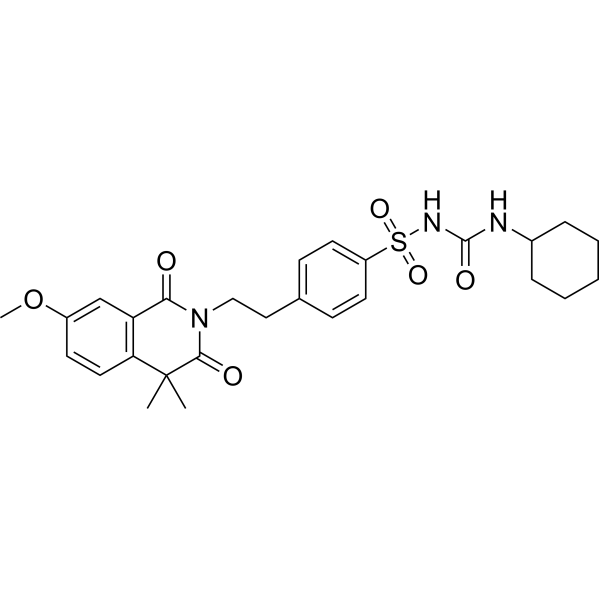
Gliquidone can bind to the pancreatic β-cells and increases insulin release to regulate blood glucose levels. Gliquidone significantly decreases LPS (HY-D1056)-induced proinflammatory responses and inhibits ERK/STAT3/NF-κB phosphorylation in BV2 microglial cells. Gliquidone can suppress microgliosis, microglial hypertrophy mediated by LPS, and proinflammatory cytokine COX-2 and IL-6 levels in murine model. Gliquidone also exhibits good anticancer activity in lung carcinoma cells. Gliquidone has antioxidant property. Gliquidone can be studied in research for type 2 diabetes and cancers .
loading...
    loading...
1
1 Cited Publications
Cat. No.: HY-N7148
CAS No.: 54-28-4
Synonyms: D-γ-Tocopherol; (+)-γ-Tocopherol
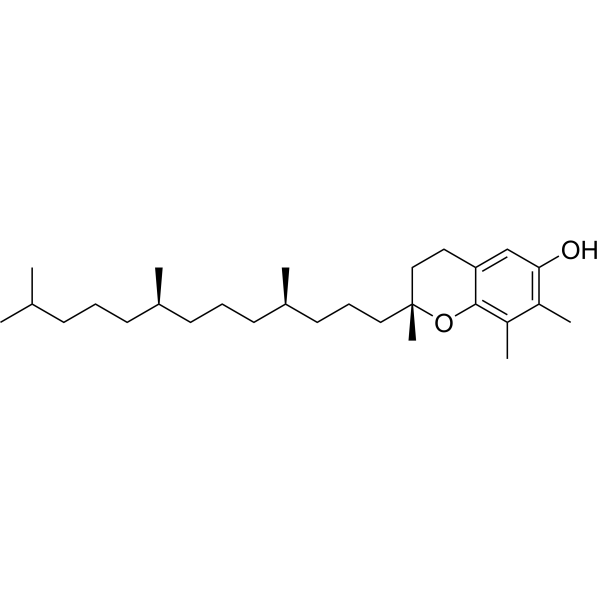
γ-Tocopherol (D-γ-Tocopherol) is a potent cyclooxygenase (COX) inhibitor. γ-Tocopherol is a naturally occurring form of Vitamin E in many plant seeds, such as corn oil and soybeans. γ-Tocopherol possesses antiinflammatory properties and anti-cancer activity .
loading...
    loading...
1
1 Cited Publications
Cat. No.: HY-100618
CAS No.: 555-55-5
Purity:  99.94%
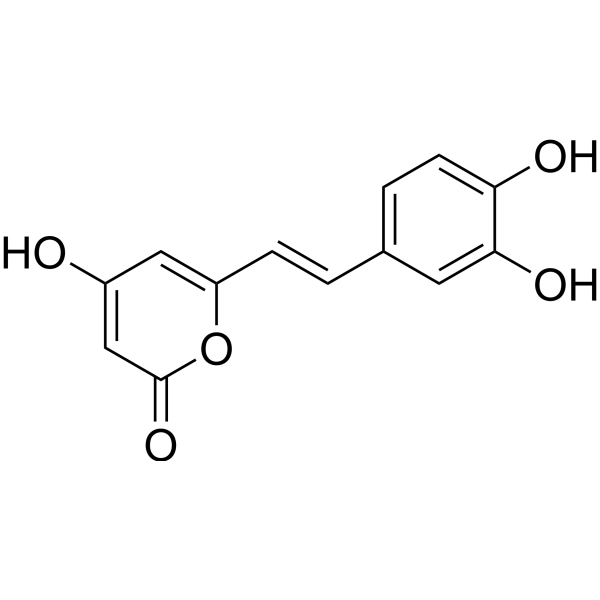
Hispidin, a PKC inhibitor and a phenolic compound can be found in Phellinus linteus, has been shown to possess strong anti-oxidant, anti-cancer, anti-diabetic, and anti-dementia properties .
loading...
    loading...
1
1 Cited Publications
Cat. No.: HY-136203
CAS No.: 861446-16-4
Purity:  98.40%
Research Areas:  

Inflammation/Immunology Cancer

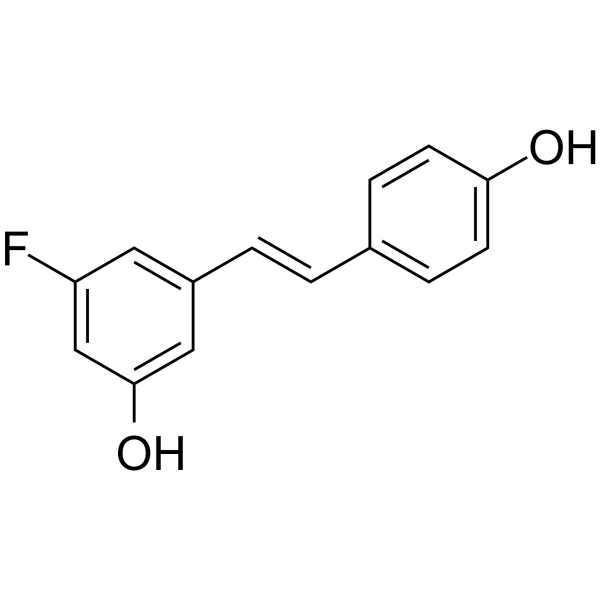
Resveratrol analog 1 is an analog of Resveratrol (HY-16561), compound 48. Resveratrol is a natural polyphenolic phytoalexin that possesses anti-oxidant, anti-inflammatory, cardioprotective, and anti-cancer properties.
loading...
    loading...
1
1 Cited Publications
Cat. No.: HY-124962
CAS No.: 35922-06-6
Purity:  99.74%
Synonyms: (1R,2R)-B13
Target:  

iGluR

Research Areas:  

Neurological Disease Cancer

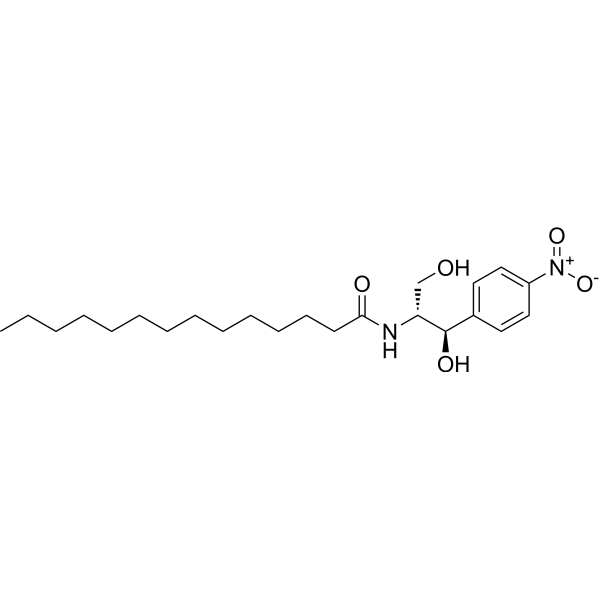
D-NMAPPD ((1R,2R)-B13) is an acid ceramidase inhibitor. D-NMAPPD regulates NMDA receptor properties by enhancing endogenous production of ceramides. D-NMAPPD has anticancer effecs .
loading...
    loading...
1
1 Cited Publications
Cat. No.: HY-W039865
CAS No.: 19879-84-6
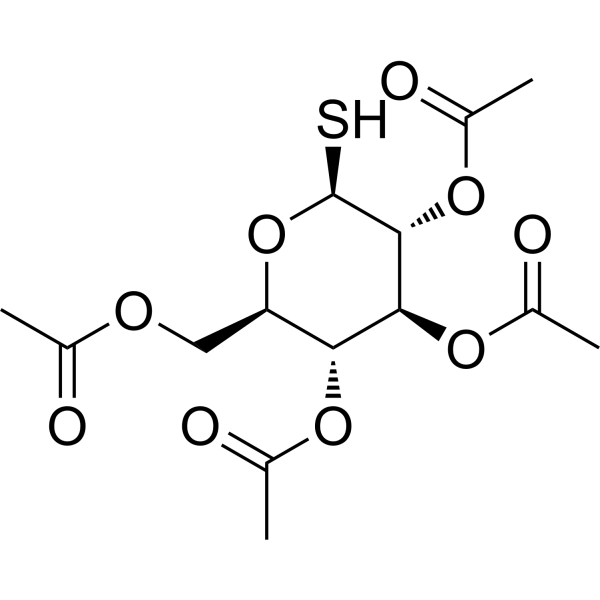
1-Thio-beta-D-glucose tetraacetate exhibits cytotoxicity in cells HeLa and human ocular lens epithelium CECH with IC50s of >250 and >200 μM. 1-Thio-beta-D-glucose tetraacetate reveals moderate anticancer property .
loading...
    loading...
1
1 Cited Publications
Cat. No.: HY-N1109
CAS No.: 545-46-0
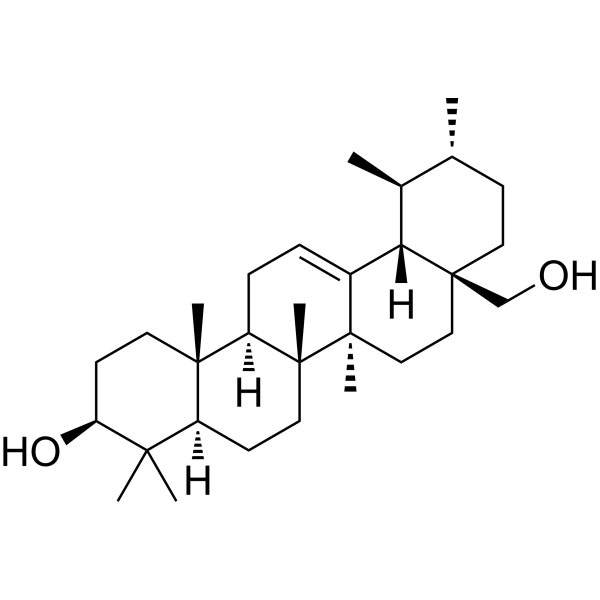
Uvaol, a triterpene present in olives and virgin olive oil, possesses anti-inflammatory properties and antioxidant effects. Uvaol is an orally active inducer of apoptosis in astroglioma cells. Uvaol also has anti-cancer activities. Uvaol attenuates pleuritis and eosinophilic inflammation in ovalbumin-induced allergy in mice .
loading...
    loading...
1
1 Cited Publications
Cat. No.: HY-N4107
CAS No.: 10351-88-9
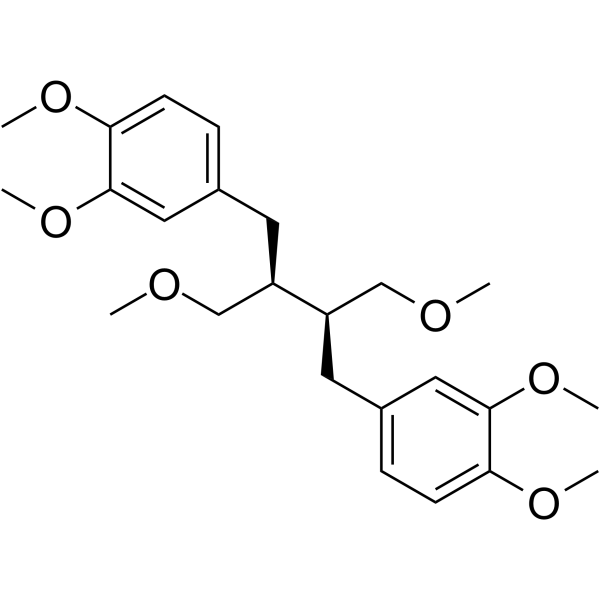
Phyllanthin is an effective oral anticancer agent. Phyllanthin inhibits MOLT-4 cell viability, increases apoptosis, inhibits cell migration and invasion. Phyllanthin exerts anti-fibrotic effects by down-regulating TGF signaling pathway via ALK5 and Smad2/3. Phyllanthin also has anti-inflammatory and antibacterial properties .
loading...
    loading...
1
1 Cited Publications
Cat. No.: HY-N0162R
CAS No.: 491-70-3
Synonyms: Luteoline(Standard); Luteolol(Standard); Digitoflavone (Standard)
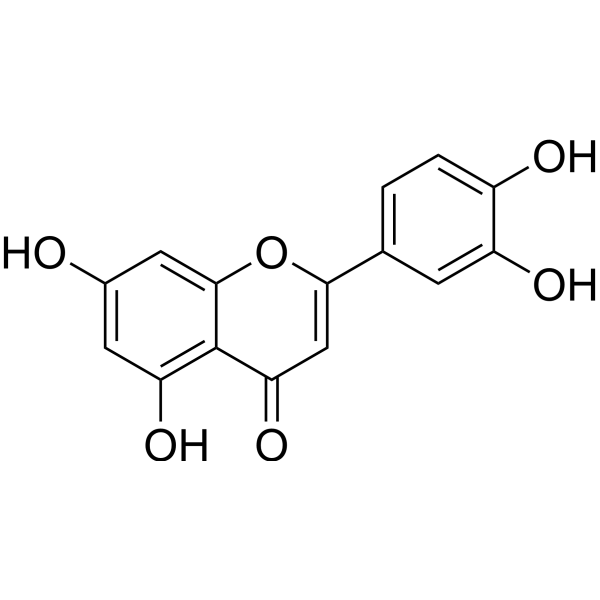
Luteolin (Standard) is the analytical standard of Luteolin. This product is intended for research and analytical applications. Luteolin (Luteoline), a flavanoid compound, is a potent Nrf2 inhibitor. Luteolin has anti-inflammatory, anti-cancer properties, including the induction of apoptosis and cell cycle arrest, and the inhibition of metastasis and angiogenesis, in several cancer cell lines, including human non-small lung cancer cells .
loading...
    loading...
1
1 Cited Publications
Cat. No.: HY-N2071
CAS No.: 77-53-2
Synonyms: (+)-Cedrol; α-Cedrol
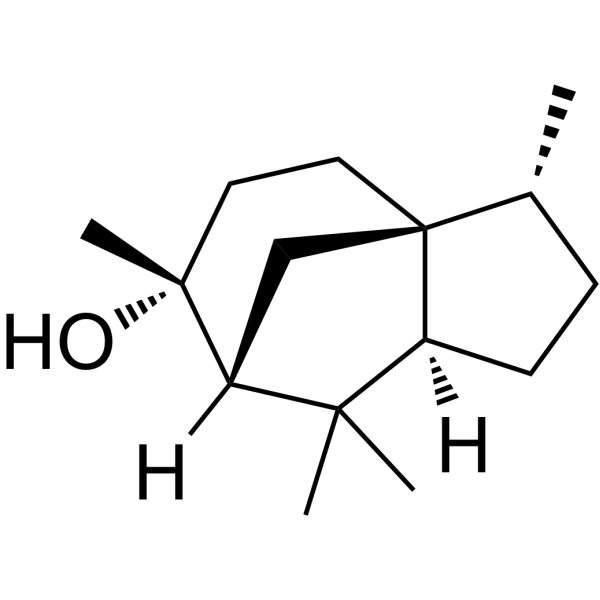
Cedrol is a potent competitive inhibitor of cytochrome P-450(CYP) enzyme. Cedrol plays an anticancer role by inducing cell cycle arrest and Caspase-dependent apoptosis. Cedrol acts as a neutrophil agonist that can desensitize cells to subsequent stimulation of N-formyl peptides. Cedrol prevents neuropathic pain caused by chronic contractile injury by inhibiting oxidative stress and inflammation. In addition, Cedrol has antibacterial, hair loss prevention and anti-anxiety properties .
loading...
    loading...
1
1 Cited Publications
Cat. No.: HY-N3610
CAS No.: 486-39-5
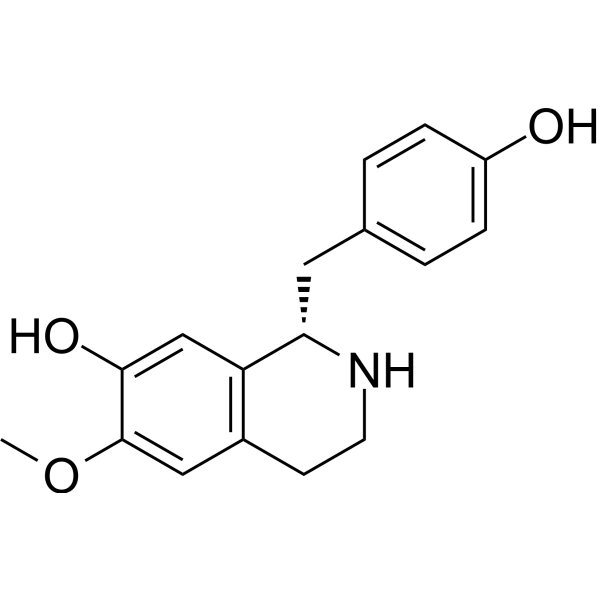
Coclaurine is a class of tetrahydroisoquinoline alkaloids that can be isolated from Sarcopetalum harveyanum with anticancer activity. Coclaurine is a nicotinic acetylcholine receptor (nAChRs) antagonist. Coclaurine is a key molecule in S. tetrandra responsible for EFHD2 inhibition. Coclaurine can downregulate EFHD2-related NOX4-ABCC1 signaling and enhanced Cisplatin (HY-17394) sensitivity. Coclaurine suppresses the stemness and metastatic properties of NSCLC cells. Coclaurine disrupts the interaction between the transcription factor FOXG1 and the EFHD2 promoter, leading to a reduction in EFHD2 transcription .
loading...
    loading...
1
1 Cited Publications
Cat. No.: HY-N0711R
CAS No.: 499-75-2
Synonyms: Cymophenol (Standard)
Carvacrol (Standard) is the analytical standard of Carvacrol. This product is intended for research and analytical applications. Carvacrol is an orally active and blood-brain barrier-permeable monoterpenic phenol that can be extract from an abundant number of aromatic plants, including thyme and oregano, possessing antioxidant, antibacterial, antifungal, anticancer, anti-inflammatory, hepatoprotective, spasmolytic, and vasorelaxant properties. Carvacrol also causes cell cycle arrest in G0/G1, downregulates Notch-1, and Jagged-1, and induces apoptosis. Carvacrol is used in low concentrations as a food flavoring ingredient and preservative, as well as a fragrance ingredient in cosmetic formulations .
loading...
    loading...
1
1 Cited Publications
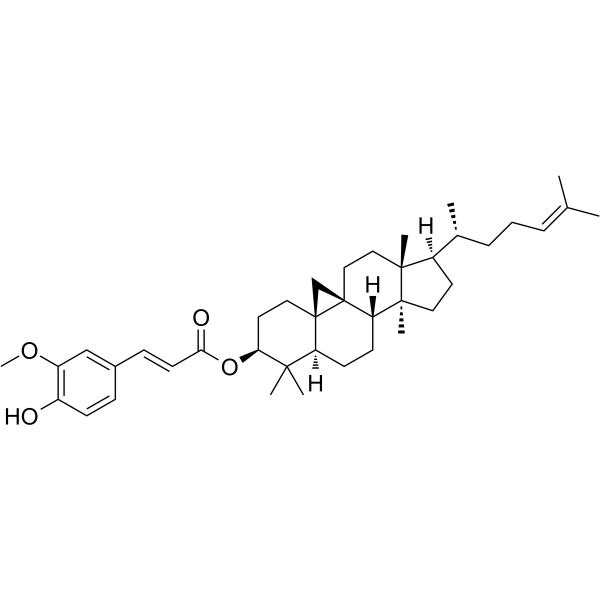
Cat. No.: HY-125938
CAS No.: 21238-33-5
Purity:  98.98%
Synonyms: Cycloartenol ferulate; Cycloartenol ferulic acid ester
Cycloartenyl ferulate (Cycloartenol ferulate; Cycloartenol ferulic acid ester) is a derivative of γ-oryzanol (HY-B2194) with multiple biological activities including antioxidant, anti-inflammatory, and anti-tumor properties. Cycloartenyl ferulate selectively binds to IFNγR1 (binding affinity Kd = 0.5 μM) to activate the canonical JAK1/2-STAT1 signaling pathway. Cycloartenyl ferulate inhibits paraquat (PQ)-triggered apoptosis and ROS in HK2 cells. Cycloartenyl ferulate enhances the activation and cytolytic activity of natural killer (NK) cells by upregulating the expression of NK cell activation receptors (NKG2D, NKp30, NKp44) and the release of cytotoxic molecules and cytokine IFNγ. Cycloartenyl ferulate exerts anti-cancer effects in tumor mice models. Cycloartenyl ferulate can be used for the study of cancer and allergic inflammation intervention .
loading...
    loading...
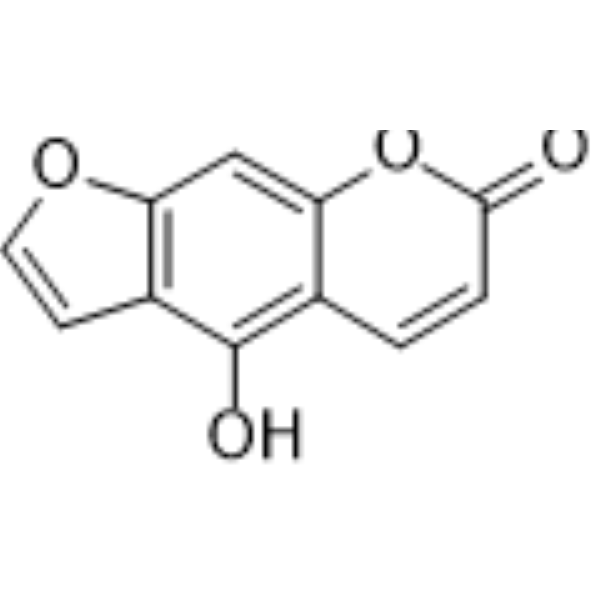
Cat. No.: HY-76316
CAS No.: 486-60-2
Synonyms: 5-Hydroxypsoralen; 4-Hydroxybergapten
Bergaptol is an inhibitor of debenzylation of the CYP3A4 enzyme with an IC50 of 24.92 μM. Recent studies have shown that it has anti-proliferative and anti-cancer properties .
loading...
    loading...
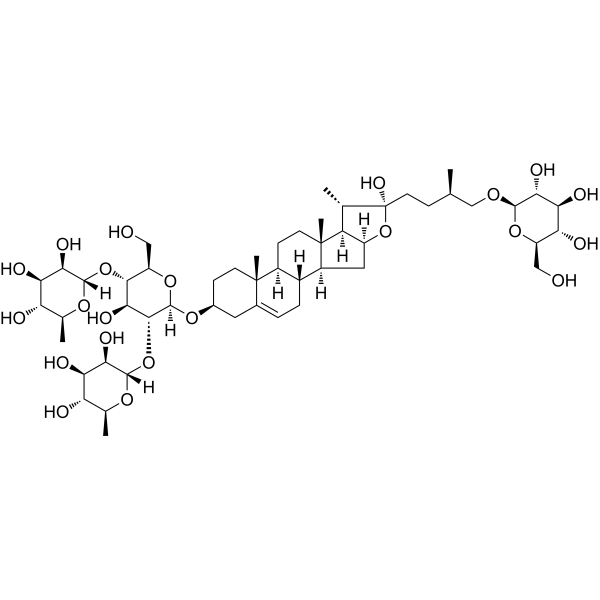
Cat. No.: HY-N0799
CAS No.: 55056-80-9
Protodioscin, a major steroidal saponin in Trigonella foenum-graecum Linn., has been shown to exhibit multiple biological actions, such as anti-hyperlipidemia, anti-cancer, sexual effects and cardiovascular properties.
loading...
    loading...

