1197 Results for "

nanoparticles

" in MedChemExpress (MCE) Product Catalog:
Products (1197)

1197 Results for "nanoparticles" in MCE Product Catalog:

1
1 Cited Publications
Cat. No.: HY-113217
CAS No.: 303-43-5
Purity:  ≥99.0%
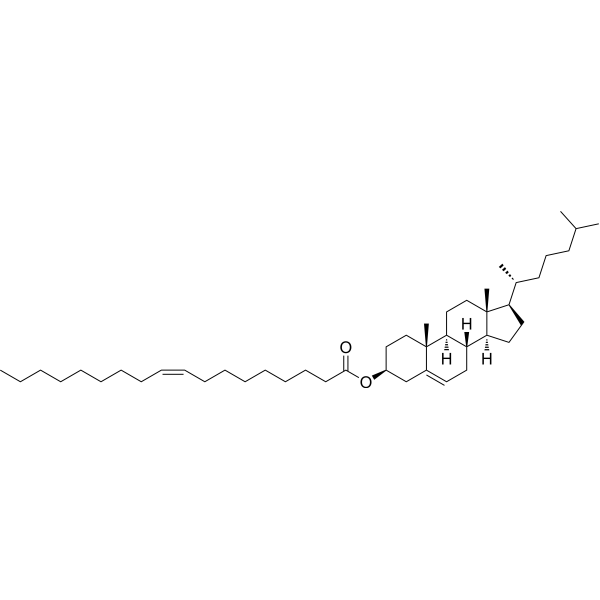
Cholesteryl oleate is an ester compound formed from Cholesterol (HY-N0322) and Oleic acid (HY-N1446), which is involved in lipid transport, storage and cell membrane formation in living organisms. Cholesteryl oleate may serve as a potential biomarker for prostate cancer. Cholesteryl oleate can also prepare cationic solid lipid nanoparticles (SLNs) for efficient gene silencing .
loading...
    loading...
1
1 Cited Publications
Cat. No.: HY-D1540
CAS No.: 2097714-45-7
Synonyms: Cy 5.5 amine; Lumiprobe Cy 5.5 amine
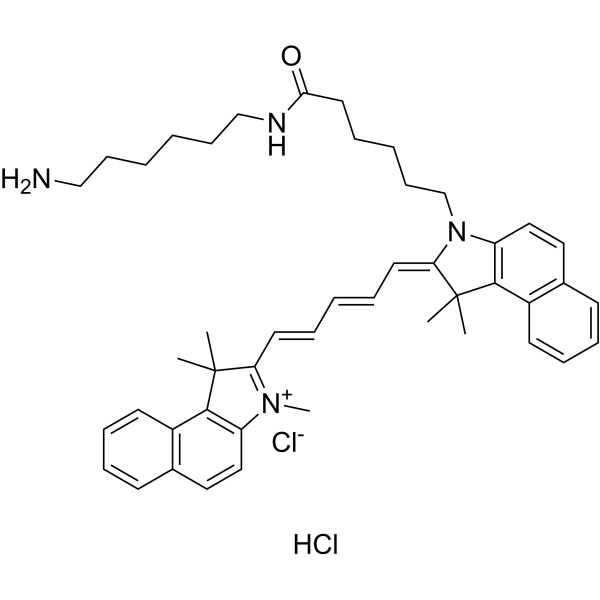
Cyanine5.5 amine (Cy 5.5 amine), a Cy5.5 Analogue, is a near-infrared (NIR) fluorescent dye (Ex=648 nm, Em=710 nm). Cyanine5.5 amine can be used in the preparation of Cy5.5-labeled nanoparticles, which can be tracked and imaged with low fluorescence background using confocal microscopy .
loading...
    loading...
1
1 Cited Publications
Cat. No.: HY-145799
CAS No.: 1857341-90-2
Purity:  95.98%
Target:  

Liposome

Research Areas:  

Cancer

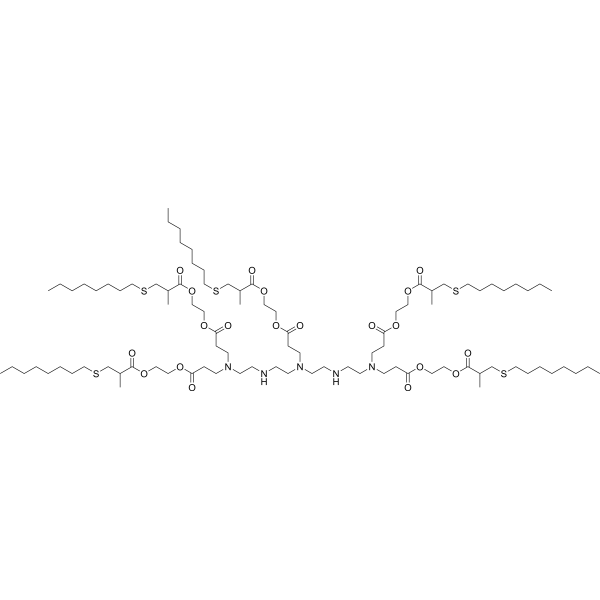
5A2-SC8 is an ionizable amino lipid in lipid nanoparticles (LNPs) that shows high delivery potential and low in vivo toxicity, enabling efficient delivery of small RNAs such as siRNA and miRNA into tumor cells. 5A2-SC8 LNPs can confer a unique delivery fate of RNA within the liver, thereby changing the therapeutic outcomes in cancer models .
loading...
    loading...
1
1 Cited Publications
Cat. No.: HY-148033
CAS No.: 52349-26-5
Synonyms: N,N,N-Trimethylchitosan
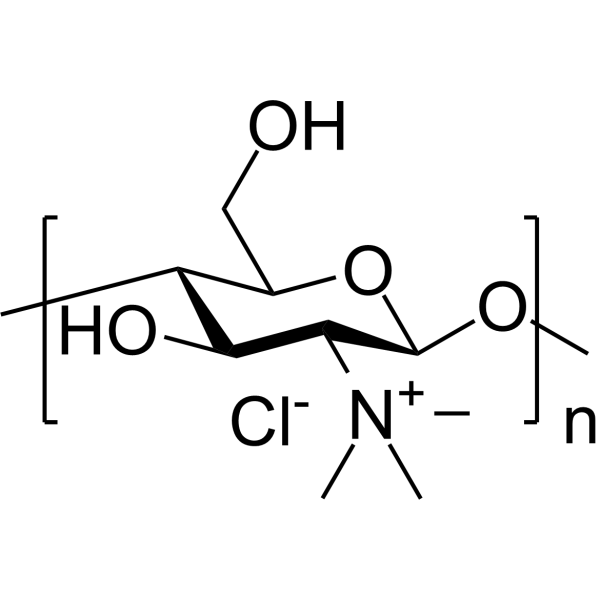
Trimethyl chitosan (N,N,N-Trimethylchitosan) is a multifunctional polymer and a derivative of Chitosan (HY-B2144A). Trimethyl chitosan targets the absorption enhancing proteins of tight junctions of intestinal and mucosal epithelial cells, induces tight junction protein rearrangement, and increases intercellular permeability. Trimethyl chitosan can stimulate the activity of promoting transmembrane transport of hydrophilic drugs (such as peptides and proteins) and can be used for drug delivery and synthesis of nanoparticles .
loading...
    loading...
1
1 Cited Publications
Cat. No.: HY-145799A
Purity:  98.03%
Target:  

Liposome

Research Areas:  

Cancer

5A2-SC8 TFA is an ionizable amino lipid in lipid nanoparticles (LNPs) that shows high delivery potential and low in vivo toxicity, enabling efficient delivery of small RNAs such as siRNA and miRNA into tumor cells. 5A2-SC8 TFA LNPs can confer a unique delivery fate of RNA within the liver, thereby changing the therapeutic outcomes in cancer models .
loading...
    loading...
1
1 Cited Publications
Cat. No.: HY-N7076
CAS No.: 533-87-9
Synonyms: (±)-erythro-Aleuritic acid; α-Aleuritic acid
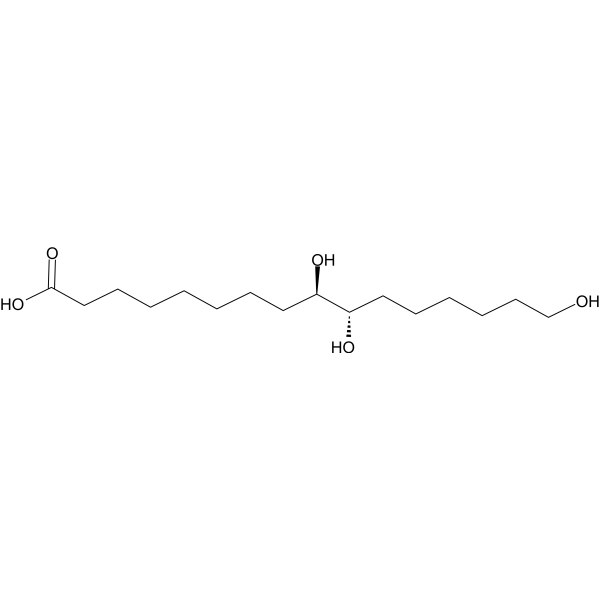
Aleuritic acid ((±)-erythro-Aleuritic acid; α-Aleuritic acid) is a polyhydroxy fatty acid found in plant cutin and shellac. Aleuritic acid disrupts the Mycobacterium tuberculosis Nei2-β-clamp (DnaN) interaction and binds to the Mycobacterium tuberculosis β-clamp without affecting the intrinsic DNA glycosylase activity of Nei2. Aleuritic acid self-assembles with pectin to form cutin body nanoparticles. Aleuritic acid is the major component of Croton crassifolius. Aleuritic acid is used in mycobacterial and fragrance-related research .
loading...
    loading...
1
1 Cited Publications
Cat. No.: HY-W010572
CAS No.: 96-27-5
Synonyms: alpha-Thioglycerol
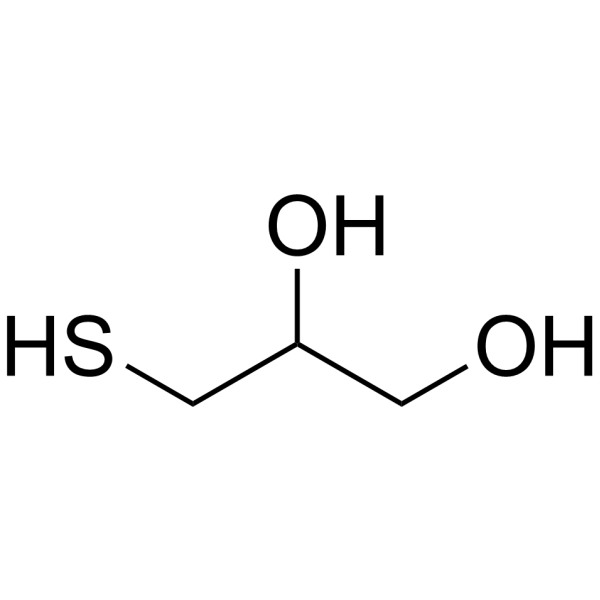
1-Thioglycerol, commonly used as a reducing agent in various biochemical and biophysical applications, especially in protein chemistry and molecular biology, it can protect proteins from oxidation and denaturation, and can reduce disulfide bonds to thiols base, which can then be modified or analyzed. In addition, 1-Thioglycerol has been investigated for potential medical applications, including as an inhibitor of cystic fibrosis, which may help improve the function of lung cells, and has also been studied for Used in the preparation of metal nanoparticles and as a stabilizer for certain pharmaceutical preparations.
loading...
    loading...
1
1 Cited Publications
Cat. No.: HY-140739A
CAS No.: 185844-12-6
Target:  

Liposome

Research Areas:  

Neurological Disease Cancer

DSPE-PEG2000-Maleimide free acid is a phospholipid-PEG conjugate. DSPE-PEG2000-Maleimide free acid utilizes the amphiphilicity of DSPE to insert into the lipid bilayer of liposomes or nanoparticles. DSPE-PEG2000-Maleimide free acid covalently couples to the sulfhydryl (-SH) of ligands (such as antibodies, peptides, or proteins) via thiol-maleimide click chemistry, giving the particles targeting capabilities. DSPE-PEG2000-Maleimide free acid can be used in the researches of breast cancer, lymphoma, and inherited retinal degeneration .
loading...
    loading...
1
1 Cited Publications
Cat. No.: HY-153229
Research Areas:  

Others

Firefly luciferase mRNA-LNP is a lipid nanoparticle (LNP) containing firefly luciferase mRNA. Firefly luciferase mRNA-LNP exhibits a stable nanostructure, in which LNP plays a key role in effectively protecting and transporting mRNA to cells. Luciferase is a bioluminescent reporter gene for gene regulation and functional studies. Firefly Luciferase mRNA-LNP expresses firefly luciferase protein after entering the cells, which is often used for promoter activity detection or dual fluorescent molecular complementation experiments. Firefly luciferase mRNA-LNP is studied in research for RNA delivery, cell viability, and translation efficiency .
loading...
    loading...
1
1 Cited Publications
Cat. No.: HY-142978
CAS No.: 156543-00-9
Synonyms: DSPE-mPEG2000
Target:  

Liposome

Research Areas:  

Others

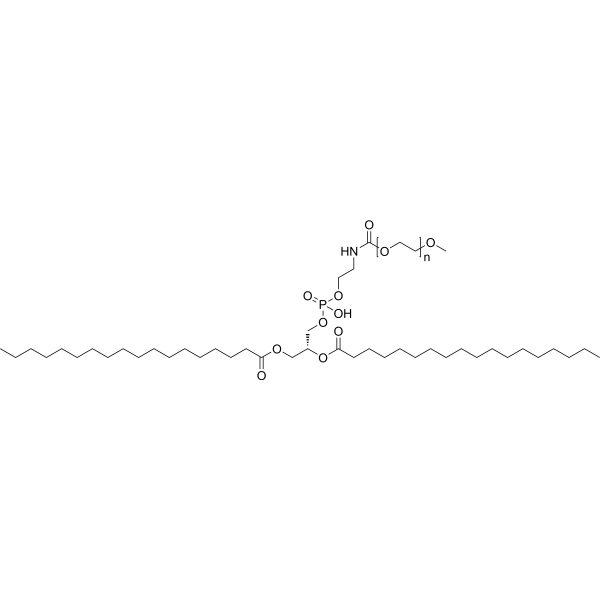
18:0 mPEG2000 PE (DSPE-mPEG2000) ammonium is a kind of amphiphilic polymer material. 18:0 mPEG2000 PE ammonium combines hydrophobic lipids (18:0 stearic acid chain) with hydrophilic polyethylene glycol (2 kDa) chains to form amphiphilic molecules, which are used to construct stable liposomes/nanoparticles, thereby enhancing drug delivery, prolonging circulation time, and achieving targeted effects through its functional terminal groups (usually biotin or carboxyl groups). 18:0 mPEG2000 PE ammonium can be used for the research of nanoprobes and drug delivery .
loading...
    loading...
1
1 Cited Publications
Cat. No.: HY-15929
CAS No.: 14348-40-4
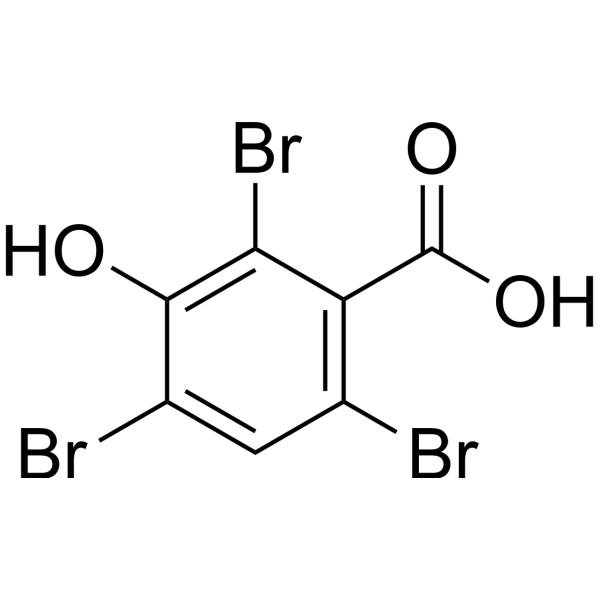
Synonyms: 2,4,6-Tribromo-3-hydroxybenzoic acid
TBHBA (2,4,6-Tribromo-3-hydroxybenzoic acid) is a chemical colorimetric agent and nanomaterial surface modifier. TBHBA can react with some oxidants (such as H2O2) to generate high-absorbance quinoneimine dyes, which enhance the sensitivity of HDL cholesterol enzymatic determination. TBHBA can be used as a bromine-containing coupling agent to modify the surface of silica nanoparticles through esterification reaction. Thereby, organic flame retardant groups are introduced to improve the thermal stability and flame retardant properties of nanocomposites. TBHBA can be used in clinical biochemical testing (such as serum lipoprotein analysis) and the preparation of flame-retardant polymer nanocomposites .
loading...
    loading...
1
1 Cited Publications
Cat. No.: HY-W583868
CAS No.: 26662-94-2
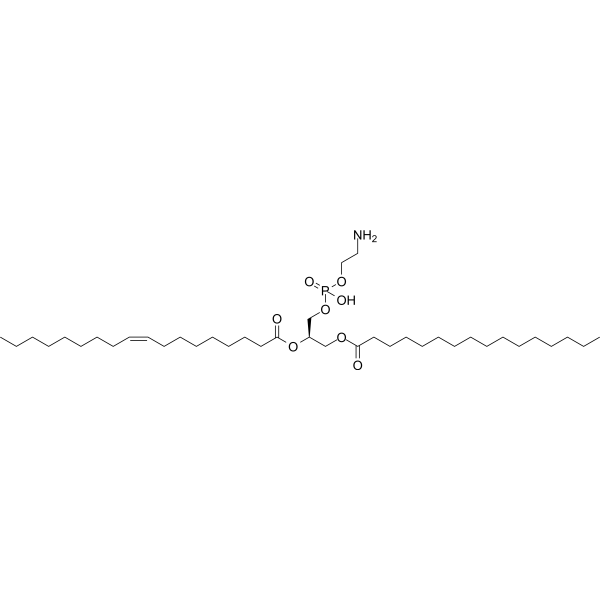
Synonyms: 1,2-POPE; 16:0-18:1 PE
Target:  

Liposome

Research Areas:  

Others

1-Palmitoyl-2-oleoyl-sn-glycero-3-PE (1,2-POPE; 16:0-18:1 PE) is a phosphatidylethanolamine (PE) lipid. 1-Palmitoyl-2-oleoyl-sn-glycero-3-PE can induce lipid bilayer to form a hexagonal phase (HII) structure in an acidic environment and promote membrane fusion. 1-Palmitoyl-2-oleoyl-sn-glycero-3-PE can enhance the endosomal escape ability of lipid nanoparticles (LNPs) and improve the cellular delivery efficiency of nucleic acid drugs such as mRNA. 1-Palmitoyl-2-oleoyl-sn-glycero-3-PE can be used for LNP carrier targeting of gene therapy and mRNA vaccines .
loading...
    loading...
1
1 Cited Publications
Cat. No.: HY-112624I
CAS No.: 9004-54-0
Synonyms: Dextran 3; Dextran D3; Dextran T3(MW 2400-3600)
Dextran T3 (Dextran 3; Dextran T3(MW 2400-3600)) is a neural tracer and intestinal permeability probe that can move anterogradely and retrogradely in neuronal axons by passive diffusion. Dextran T3 (MW 3,000) is able to permeate across the intestinal epithelial cell membrane in the presence of cholera toxin-induced cytoskeletal disturbance. Dextran T3 (MW 3,000) is used as a fluorescent marker to rapidly label developing neurons (such as Xenopus retinal ganglion cells) and to assess intestinal barrier function. It can be used to study axonal transport in neuroanatomy and permeability changes in intestinal pathophysiology. The Dextran series of compounds are also natural polysaccharide drug carriers that can be connected to drugs through covalent bonding methods such as ester bonds, amide bonds or click chemistry, or self-assembled to form carriers such as nanoparticles and hydrogels. Dextran is biodegradable and biocompatible, and can achieve targeted delivery and controlled release of drugs. Dextran derivatives can prolong the half-life of drugs, increase local concentrations, and reduce the activity of immune clearance .
loading...
    loading...
1
1 Cited Publications
Cat. No.: HY-148775B
Purity:  ≥95.0%
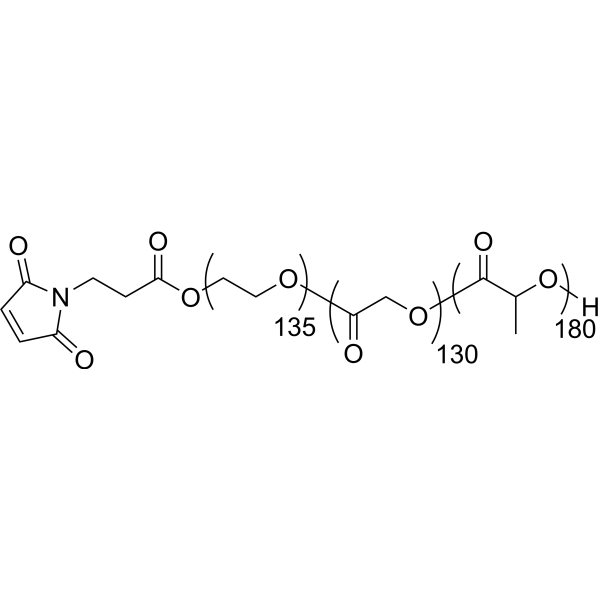
PLGA-PEG-MAL (20KDA-5.0KDA, LA:GA RATIO 40:60) is a biodegradable amphipathic polymeric nanocarrier of poly (lactic-co-glycolic acid)-block-poly (ethylene glycol) (PLGA-PEG-Mal) that allows covalent modification of functional molecules. PLGA-PEG-MAL (20KDA-5.0KDA, LA:GA RATIO 40:60) modified with Angiopep-2 can cross the blood-brain barrier and exhibits targeting selectivity for glioblastoma cells. PLGA-PEG-MAL (20KDA-5.0KDA, LA:GA RATIO 40:60) can capture tumor-derived protein antigens, and exerts immunomodulatory effects when conjugated with anti-OX40 antibody; when used in combination with A2-CL/Dbait nanoparticles and radiotherapy, it prolongs survival time and reduces tumor volume in glioblastoma mouse models. PLGA-PEG-MAL (20KDA-5.0KDA, LA:GA RATIO 40:60) can be used for studies related to bacterial wound infections and glioblastoma .
loading...
    loading...
Cat. No.: HY-W011696
CAS No.: 112-90-3
Synonyms: cis-1-Amino-9-octadecene, 80-90%
Oleylamine, 80-90% (cis-1-Amino-9-octadecene, 80-90%) is a multifunctional reagent used for metal ion coordination and nanoparticle surface modification, and acts as a solvent, surfactant and reducing agent in the synthesis of metal oxide nanoparticles. Oleylamine, 80-90% regulates nanoparticle morphology, magnetization intensity and water proton relaxation rate via thiol-ene "click" reaction, and enhances the colloidal stability of nanoparticles in organic reagents. Oleylamine, 80-90% is mainly used in research and applications in fields such as nanomaterial synthesis, biomedical imaging (MRI contrast agents, fluorescent probes), cancer cell targeting and drug delivery .
loading...
    loading...
Cat. No.: HY-46759
CAS No.: 1450888-71-7
Target:  

Liposome

Research Areas:  

Infection

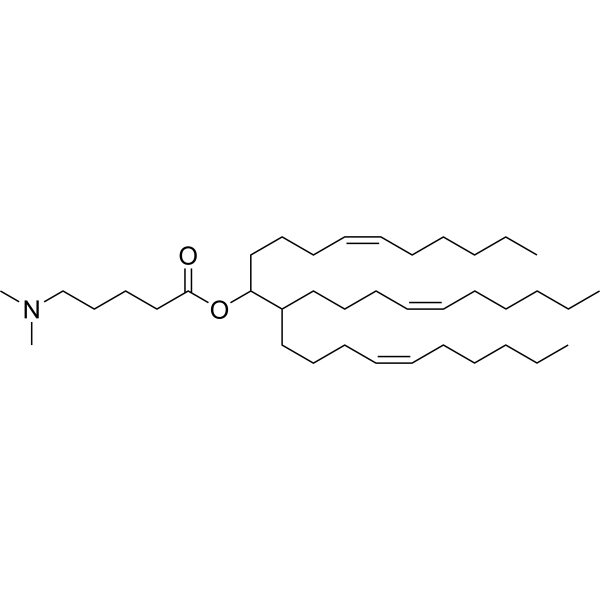
Genevant CL1 is an ionizable lipid (pKa = 6.3) suitable for the preparation of lipid nanoparticles (LNPs) for delivering nucleic acid payloads and intramuscular vaccines. Genevant CL1 is a component of lipid nanoparticle delivery systems for mRNA vaccines .
loading...
    loading...
Cat. No.: HY-N16040
CAS No.: 2936622-30-7
Category:  

Lipids

Target:  

Liposome

DMG-pSar25 is a double lipid-tailed polysarcosine lipid with 25 sarcosine moieties, serving as a PEG lipid substitute in lipid nanoparticle formulations for mRNA delivery. DMG-pSar25 supports mRNA delivery in lipid nanoparticle formulations .
loading...
    loading...
Cat. No.: HY-N6613
CAS No.: 25990-10-7
Synonyms: Galacturonic acid polymer
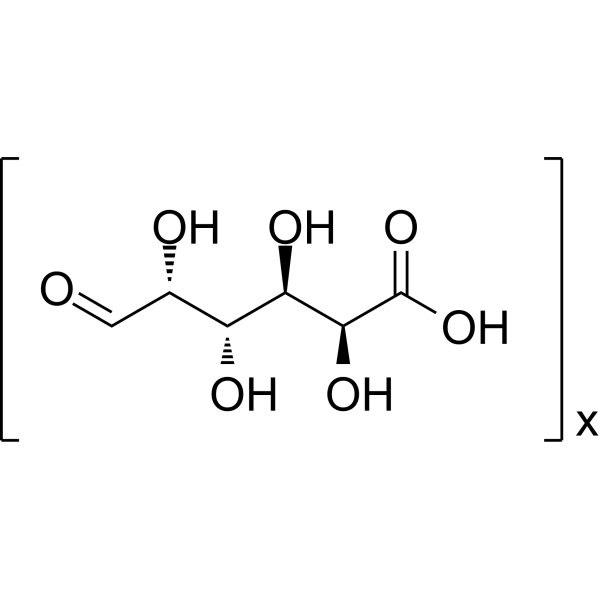
Polygalacturonic acid (Galacturonic acid polymer) is transparent colloid, is a major component of the cell wall. Polygalacturonic acid can be used to prepare silver nanoparticles (AgNPs), as an antioxidant and anti-inflammatory that protect cells from destructive effect of elevated ROS and accelerate wound healing. Polygalacturonic acid nanoparticles also displays anti-bacterial activity .
loading...
    loading...
Cat. No.: HY-W094492
CAS No.: 6156-78-1
Synonyms: Manganese(Ii) acetate tetrahydrate
Research Areas:  

Others

Manganese acetate tetrahydrate (Manganese (II) acetate tetrahydrate) is a manganese (II) salt precursor that can be used in research related to material synthesis. Manganese acetate tetrahydrate can be used to synthesize manganese (III) acetate dihydrate via potassium permanganate oxidation, chlorine oxidation or anodic oxidation. Manganese acetate tetrahydrate serves as a precursor for the synthesis of manganese nanoparticles with antibacterial activity against Escherichia coli and Staphylococcus aureus. Manganese acetate tetrahydrate acts as a precursor for the synthesis of manganese-doped zinc oxide nanoparticles and manganese (III) oxide nanoparticles .
loading...
    loading...
Cat. No.: HY-134782
CAS No.: 1853202-95-5
Purity:  97.82%
Target:  

Liposome

Research Areas:  

Others

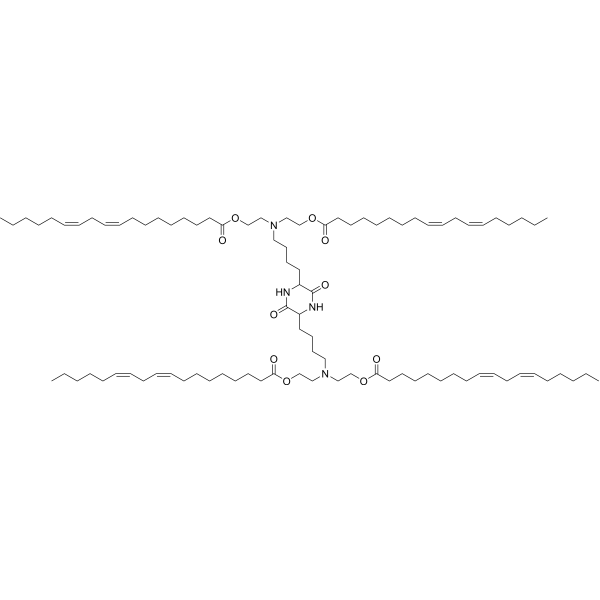
OF-Deg-Lin is an ionizable amino lipid used for the generation of Lipid nanoparticles (LNPs).
loading...
    loading...

