728 Results for "

Bcl2

" in MedChemExpress (MCE) Product Catalog:
Products (728)

728 Results for "Bcl2" in MCE Product Catalog:

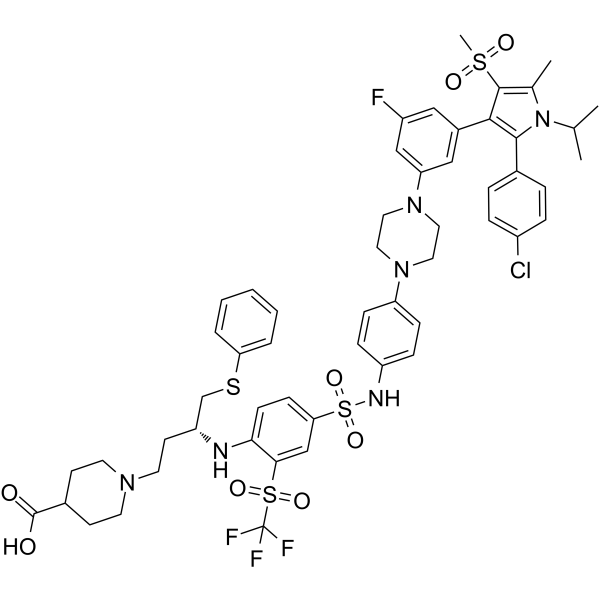
Cat. No.: HY-138832
CAS No.: 1619923-32-8
Purity:  99.85%
Synonyms: APG-1252-M1
Research Areas:  

Cancer

BM-1244 (APG-1252-M1) is a Bcl-xL/Bcl-2 inhibitor with Kis of 134 nM and 450 nM. BM-1244 has anti-tumor effects by inducing apoptosis and suppressing tumor growth. BM-1244 can induce cytochrome C and Smac release from mitochondria with caspase-3 and PARP cleavage. BM-1244 exhibits synergy with chemotherapy in vivo. BM-1244 can be studied in research for colorectal cancer, acute myeloid leukemia and gastric cancer [2] .
loading...
    loading...
Cat. No.: HY-182284
Anticancer agent 310 is an antitumor agent. Anticancer agent 310 releases nitric oxide to induce mitochondrial ROS burst, triggers mitochondrial dysfunction and activates the Bax/Bcl-2-Cyt c-Caspase-9/Caspase-3 apoptotic pathway. Anticancer agent 310 also reduces the levels of SHMT2 and MTHFD2, decreases the ratios of NADPH/NADP + and GSH/GSSG, thereby disrupting redox homeostasis and exacerbating intracellular ROS accumulation. Anticancer agent 310 can be used in research related to gastric cancer .
loading...
    loading...
Cat. No.: HY-189664
Research Areas:  

Cancer

Topoisomerase I/II-IN-10 is a Topoisomerase I/II inhibitor. Topoisomerase I/II-IN-10 inhibits TrxR1 activity, impairs the thioredoxin antioxidant system, and promotes oxidative stress. Topoisomerase I/II-IN-10 does not intercalate into DNA and does not induce DNA relaxation in the absence of topoisomerase. Topoisomerase I/II-IN-10 induces Apoptosis, increases the intracellular total oxidation state, and increases the Bax/Bcl-2 ratio. Topoisomerase I/II-IN-10 can be used for research on lung cancer .
loading...
    loading...
Cat. No.: HY-178911
TS-IN-8 is a potent thymidylate synthase (TS) inhibitor. TS-IN-8 can induce apoptosis and cause cell cycle arrest at the G2/M in MCF-7 cells. TS-IN-8 can induce nuclear morphological changes. TS-IN-8 can increase intracellular reactive oxygen species (ROS) levels. TS-IN-8 can activate intrinsic apoptosis pathways by regulating apoptosis-related proteins such as the bax/bcl-2 ratio and caspase activation. TS-IN-8 can be used for the study of breast cancer .
loading...
    loading...
Cat. No.: HY-170929
CAS No.: 2930726-89-7
Research Areas:  

Cancer

EMT inhibitor-3 (compound 11i) is a epithelial-mesenchymal transition (EMT) inhibitor. EMT inhibitor-3 inhibits neuroblastoma SK-N-SH cells with an IC50 of 2.5 μM. EMT inhibitor-3 inhibits SK-N-SH cell proliferation, migration, and invasion. EMT inhibitor-3 increases the Bax/Bcl-2 protein expression ratio, promotes Cytochrome C ( HY-125857) release from mitochondria, and activates caspases 9 and caspases 3, inducing mitochondria-mediated endogenous tumor cell Apoptosis. EMT inhibitor-3 is potential for cancer research .
loading...
    loading...
Cat. No.: HY-178099
Research Areas:  

Cancer

Apoptosis inducer 45 is an apoptosis inducer. Apoptosis inducer 45 is cytotoxically active against the MCF-7 cell line. Apoptosis inducer 45 elicits MCF-7 cell apoptosis via the mitochondrial pathway (increases the Bax/Bcl-2 ratio) by activating cleavage of caspase-9, thereby inducing the fragmentation of DNA repair protein PARP. Apoptosis inducer 45 also can induce caspase-8 cleavage, subsequently initiating cleavage of caspase-3 and its downstream protein PARP to culminate in the extrinsic apoptosis. Apoptosis inducer 45 can be used in the research of breast cancer .
loading...
    loading...
Cat. No.: HY-N0307R
CAS No.: 114902-16-8
Ciwujianoside B (Standard) is the analytical standard of Ciwujianoside B. This product is intended for research and analytical applications. Ciwujianoside B is an orally active, blood-brain barrier penetrable radioprotective agent and memory enhancer. Ciwujianoside B reduces radiation-induced DNA damage, cell cycle arrest and apoptosis, downregulates NF-κB and the Bax/Bcl-2 ratio, and enhances the proliferative capacity of bone marrow cells. Ciwujianoside B enhances object recognition memory in normal mice and induces dendritic extension in primary cultured cortical neurons. Ciwujianoside B can be used in studies related to hematopoietic system radiation injury and memory enhancement.
loading...
    loading...
Cat. No.: HY-167825
CAS No.: 24506-68-1
Barakol is an anticancer and anxiolytic agent identified in Cassia siamea. Barakol inhibits MMP-3 activity and enhances the cytotoxicity and antimetastatic effects of Doxorubicin (HY-15142) against cancer cells. Barakol induces apoptosis via reactive oxygen species (ROS) production, upregulation of the Bax/Bcl-2 protein ratio, and activation of caspase-9. Barakol exerts anxiolytic activity with diazepam-like effects, increases spontaneous longitudinal smooth muscle contraction of rat ileum in a concentration-dependent manner (EC50 = 0.3 mM), and inhibits norepinephrine-induced contraction suppression. Barakol can be used in research related to anxiety, intestinal motility, and neuroblastoma [2] .
loading...
    loading...
Cat. No.: HY-P86277
Synonyms: TP53BP2; ASPP2; BBP; Apoptosis-stimulating of p53 protein 2 ; Bcl2-binding protein; Bbp; Renal carcinoma antigen NY-REN-51; Tumor suppressor p53-binding protein 2; 53BP2; p53-binding protein 2; p53BP2;

Host:  

Rabbit

Application:  

WB, IHC-P, ICC/IF

Reactivity:  

Human

loading...
    loading...
Cat. No.: HY-175021
HDAC-IN-91 is a multiple inhibitor of HDAC (IC50 = 134.22 nM for HDAC1, 66.29 nM for HDAC2), carbonic anhydrase (CA) (Ki = 72.03 nM for CA IX, 50.76 nM for XII), and tubulin polymerization ( IC50 = 2.56 μM). HDAC-IN-91 inhibits PARP1 and increases the Bax/Bcl-2 ratio. HDAC-IN-91 blocks the cell cycle at the G2/M phase and induces apoptosis through a mitochondrial apoptosis activation mechanism. HDAC-IN-91 can exert potent cytotoxic activity through tubulin polymerization inhibition. HDAC-IN-91 can be used in breast, colorectal, cervical and lung cancer research .
loading...
    loading...
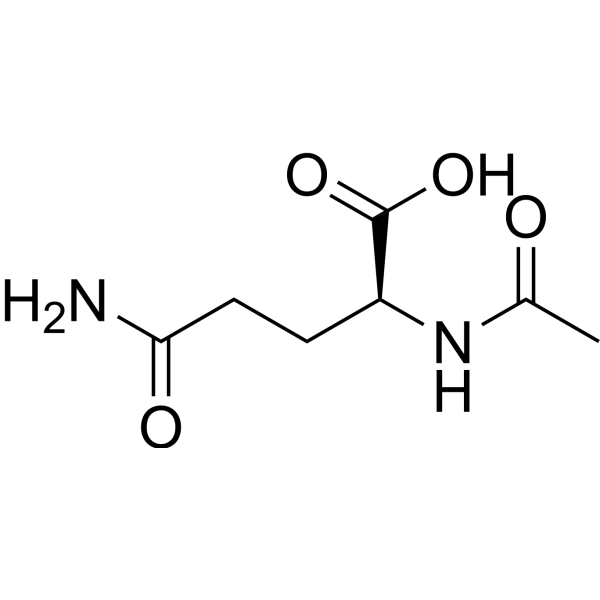
Cat. No.: HY-B1065
CAS No.: 2490-97-3
Synonyms: α-N-Acetyl-L-glutamine; N2-Acetylglutamine
Aceglutamide (α-N-Acetyl-L-glutamine; N2-Acetylglutamine) is a neuroprotectant that can penetrate the blood-brain barrier. Aceglutamide can enhance the antioxidant systems of glutathione (GSH), thioredoxin (Trx) and Nrf2. Aceglutamide also inhibits ASK1 and TRAF1, activates the Akt/Bcl-2 anti-apoptotic pathway, enhances the activity of antioxidant enzymes and reduces oxidative damage. Aceglutamide can improve neurological deficits after cerebral ischemia, reduce infarct volume, and inhibit neuronal apoptosis, especially substantia nigra dopaminergic neurons. Aceglutamide can reduce cerebral ischemia/reperfusion injury, improve motor dysfunction, and is used in ischemic stroke-related research [2].
loading...
    loading...
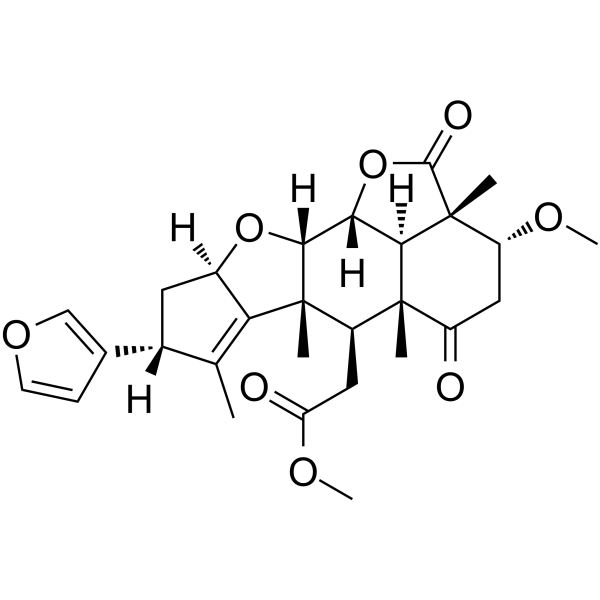
Cat. No.: HY-N10091
CAS No.: 1607828-35-2
Target:  

Apoptosis

Research Areas:  

Others

2,3-Dihydro-3α-methoxynimbolide is a limonoid compound isolated from the extracts of bark, leaves, roots, and seeds of Azadirachta indica A. Juss. var. siamensis Valeton. 2,3-Dihydro-3α-methoxynimbolide exhibits potent cyto-toxicities against one or more cell lines. 2,3-Dihydro-3α-methoxynimbolide activates caspases-3, -8, and -9, while increases the ratio of Bax/Bcl-2. 2,3-Dihydro-3α-methoxynimbolide induces apoptosis via both mitochondrial and death receptor pathways in AZ521 .
loading...
    loading...
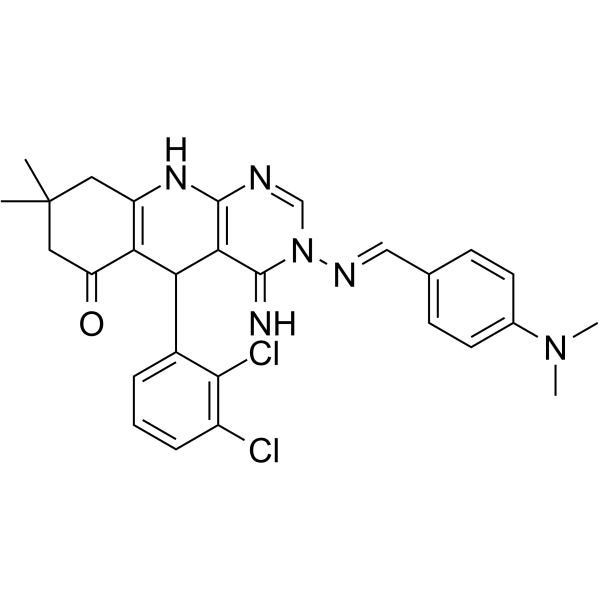
Cat. No.: HY-147826
CAS No.: 2699877-43-3
Target:  

EGFR Apoptosis

Research Areas:  

Cancer

EGFR-IN-60 (Compound 7d) shows obvious inhibition of EGFR WT, EGFR T790M, EGFR L858R and JAK3 with IC50s of 83, 26, 53, and 69 nM, respectively. EGFR-IN-60 potently inhibits the growth of H1975 cells harboring EGFR T790M mutation (IC50=1.32 µM) over A431 cells overexpressing EGFR WT (IC50=4.96 µM). EGFR-IN-60 exhibits good oral absorption, potent and safe antitumor activity. EGFR-IN-60 induces cell death through apoptosis supported by increased Bax/Bcl-2 ratio .
loading...
    loading...
Cat. No.: HY-174232
Research Areas:  

Cancer

EGFR/CA-IX-IN-1 (Compound 14) is a dual inhibitor against epidermal growth factor receptor (EGFR) and carbonic anhydrase IX (CA-IX) with IC50 values of 5.92 nM and 63 nM, respectively. EGFR/CA-IX-IN-1 shows strong cytotoxicity against breast cancer cells (MDA-MB-231, MCF-7) with IC50 values of 5.78 μM and 8.05 μM, respectively. EGFR/CA-IX-IN-1 inhibits the catalytic activity of CA-IX, up-regulates BAX/Bcl-2, activates caspases, and arrests the cell cycle at the G1 phase. EGFR/CA-IX-IN-1 is promising for research of breast cancer .
loading...
    loading...
Cat. No.: HY-77572
CAS No.: 78454-17-8
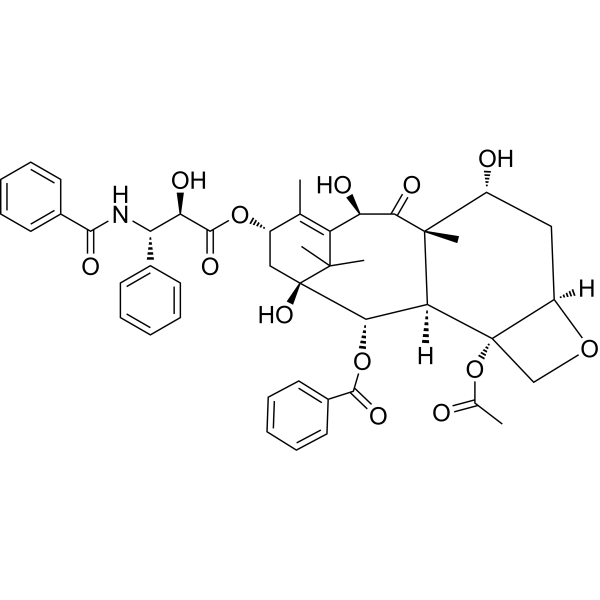
Synonyms: 7-epi-10-deacetyltaxol; 10-Deacetyl-7-epipaclitaxel
7-Epi 10-desacetyl paclitaxel (7-epi-10-deacetyltaxol; 10-Deacetyl-7-epipaclitaxel) is a taxane diterpenoid that can be found in Taxus species and is also produced by the endophytic fungus Pestalotiopsis microspora. 7-Epi 10-desacetyl paclitaxel inhibits cancer cell proliferation and induces apoptosis and cell cycle arrest. 7-Epi 10-desacetyl paclitaxel induces apoptosis through the intrinsic mitochondrial pathway, a process associated with ROS generation, an increased Bax/Bcl-2 ratio, and PARP cleavage. 7-Epi 10-desacetyl paclitaxel can be used in research on hepatocellular carcinoma [2].
loading...
    loading...
Cat. No.: HY-119979
CAS No.: 501-26-8
Purity:  98.02%
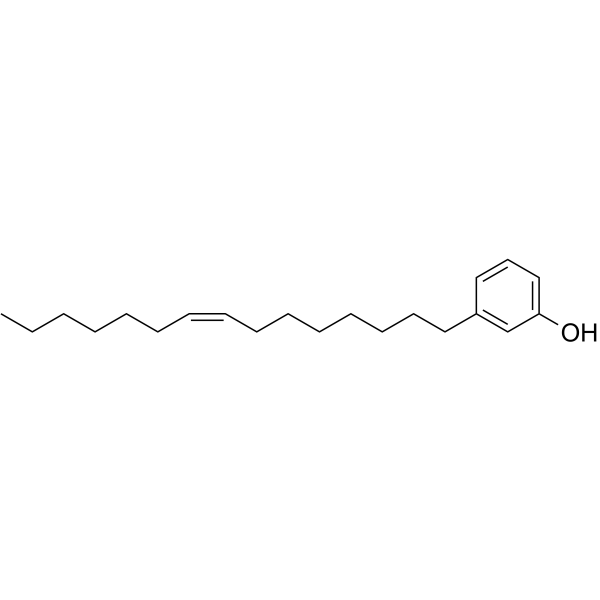
Synonyms: Cardanol C15:1
Cardanol monoene (Cardanol C15:1) is a phenolic compound which can be found in cashew nut shell liquid. Cardanol monoene can inhibit cancer cells proliferation, migration, cause S phase arrest, induce apoptosis, ROS production and mitochondrial depolarization. Cardanol monoene downregulates MMP-2, MMP-9, cyclinA1 expression, regulates CDK2, p53, Bax, cytochrome c, cleaved caspase-3, cleaved PARP, Apaf-1 expression and Bax/Bcl-2 ratio. Cardanol monoene shows weak DPPH radical scavenging activity and AChE inhibition activity. Cardanol monoene is lethal to Artemia salina nauplii. Cardanol monoene. Cardanol monoene can be used for the research of cancer, infection and inflamation [2].
loading...
    loading...
Cat. No.: HY-126421
CAS No.: 57701-86-7
Purity:  99.81%
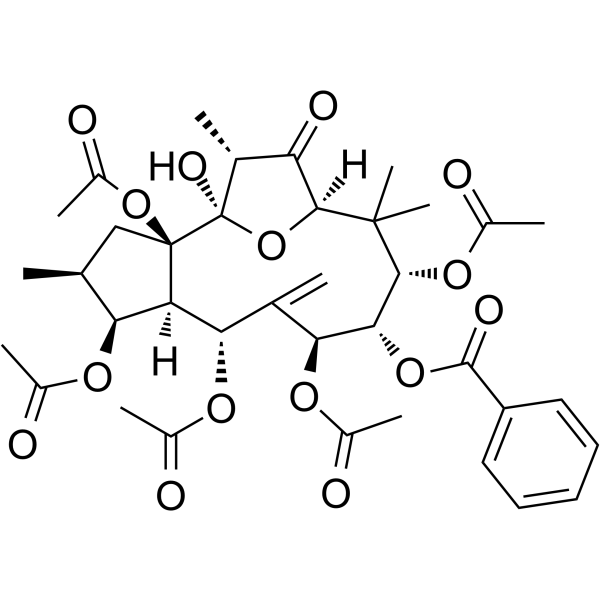
Kansuinine A is a diterpenoid compound. Kansuinine A is isolated from the roots of Euphorbia kansui. Kansuinine A inhibits H2O2-mediated upregulation of phosphorylated IKKβ, NF-κB and IκBα. Kansuinine A inhibits ROS production, reduces the Bax/Bcl-2 ratio and the expression of cleaved Caspase-3. Kansuinine A upregulates the expression of SOCS-3 and blocks IL-6-induced signal transduction. Kansuinine A decreases the expression of LOX-1 and inhibits Apoptosis. Kansuinine A reduces the atherosclerotic lesion area of the aortic arch, improves glucose/insulin tolerance, and enhances antioxidant capacity. Kansuinine A exhibits antiviral and antitumor activities. Kansuinine A can be used in research related to atherosclerosis, liver cancer and type 2 diabetes [2] .
loading...
    loading...
Cat. No.: HY-175841
CAS No.: 3075165-36-2
Tau Protein Phosphorylation-IN-1 is a tau protein phosphorylation inhibitor that potently protects PC12 cells against Aβ25–35-induced cytotoxicity (EC50 = 1.93 μM), and can penetrate the blood-brain barrier (BBB).Tau Protein Phosphorylation-IN-1 reverses the hyperphosphorylation of tau, significantly inhibits the expression of certain immune-related cytotoxic factors, suppresses the MAPK and NF-κB signaling pathways, and significantly inhibits the expression of RAGE and the apoptosis factors Bax/Bcl-2, both in vitro and in vivo. Tau Protein Phosphorylation-IN-1 relieves nerve damage, and improves learning and memory in an Alzheimer’s disease (AD) mouse model. Tau Protein Phosphorylation-IN-1 can be used for AD research .
loading...
    loading...
Cat. No.: HY-179439
Multi-kinase-IN-8 is a muti-kinase inhibitor. Multi-kinase-IN-8 inhibits COX-1 (IC50 of 12.6 μM), COX-2 (IC50 of 0.05 μM) and VEGFR-2 (IC50 of 0.12 nM). Multi-kinase-IN-8 inhibits tumor-associated carbonic anhydrases (CA IX and CA XII with Ki of 31.5 nM and 386.9 nM, respectively). Multi-kinase-IN-8 triggers cell cycle arrest and apoptosis through upregulation of Caspase 9 and Bax along with downregulation of Bcl 2. Multi-kinase-IN-8 suppresses PGE2, p-VEGFR-2, MMP-9 and HIF-1α and exhibits growth-inhibitory activity against breast cancer, lung cancer, and colorectal adenocarcinoma .
loading...
    loading...
Cat. No.: HY-128483
CAS No.: 536-69-6
Purity:  99.94%
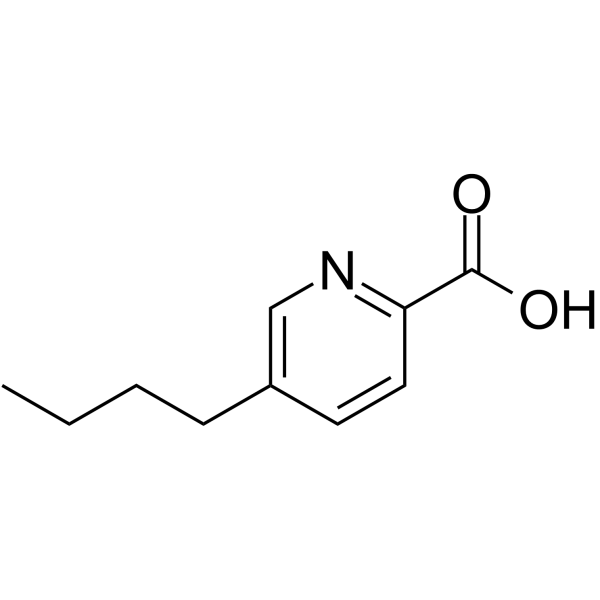
Fusaric acid is an orally active multi-pathway inhibitor with the activity of inducing oxidative stress and apoptosis. Fusaric acid can chelate divalent metal cations, damage mitochondrial membrane structure, and activate apoptosis-related proteases such as Caspase-3/7, -8, and -9. Fusaric acid also regulates Bax/Bcl-2 protein, inhibits fibrosis-related signaling pathways such as NF-κB, TGF-β1/SMADs, and PI3K/AKT/mTOR, and reduces collagen deposition. Fusaric acid is also a dopamine β-hydroxylase inhibitor, which reduces endogenous levels of norepinephrine and epinephrine in the brain, heart, spleen, and adrenal glands. Fusaric acid can play a role in myocardial fibrosis and improve cardiac hypertrophy in heart disease, and can also be used in the study of esophageal cancer and liver cancer [2] .
loading...
    loading...

