2419 Results for "

decrease

" in MedChemExpress (MCE) Product Catalog:
Products (2419)

2419 Results for "decrease" in MCE Product Catalog:

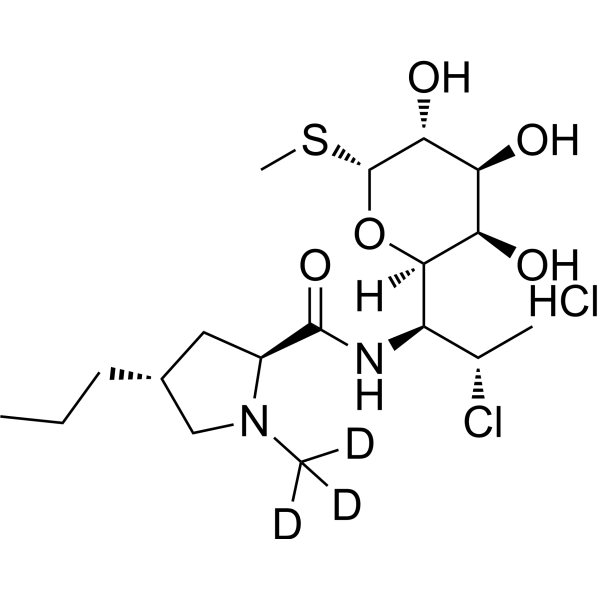
Cat. No.: HY-B1455S
CAS No.: 1356933-72-6
Clindamycin-d3 (hydrochloride) is the deuterium labeled Clindamycin. Clindamycin is an orally active and broad-spectrum bacteriostatic lincosamide antibiotic. Clindamycin can inhibit bacterial protein synthesis, possessing the ability to suppress the expression of virulence factors in Staphylococcus aureus at sub-inhibitory concentrations (sub-MICs). Clindamycin resistance results from enzymatic methylation of the antibiotic binding site in the 50S ribosomal subunit (23S rRNA). Clindamycin decreases the production of Panton-Valentine leucocidin (PVL), toxic-shock-staphylococcal toxin (TSST-1) or alpha-haemolysin (Hla). Clindamycin also can be used for researching malaria .
loading...
    loading...
Cat. No.: HY-D3111
CAS No.: 1240465-12-6
Target:  

Fluorescent Dye

Research Areas:  

Neurological Disease

DBHA is a long-wavelength polarity-sensitive fluorescent probe based on Nile Red. Under the catalysis of Pd (OAc)2/TPPTS, DBHA site-selectively labels protein tyrosine residues via a π-allyl palladium complex intermediate. Utilizing the property that its maximum emission wavelength blue-shifts with decreasing local polarity (650 nm in aqueous solution → 584-608 nm in hydrophobic domains), it detects changes in local polarity and conformation of protein tyrosine domains under acid/thermal denaturation conditions. DBHA can be used in studies related to SOD1-associated oxidative stress neurodegenerative diseases .
loading...
    loading...
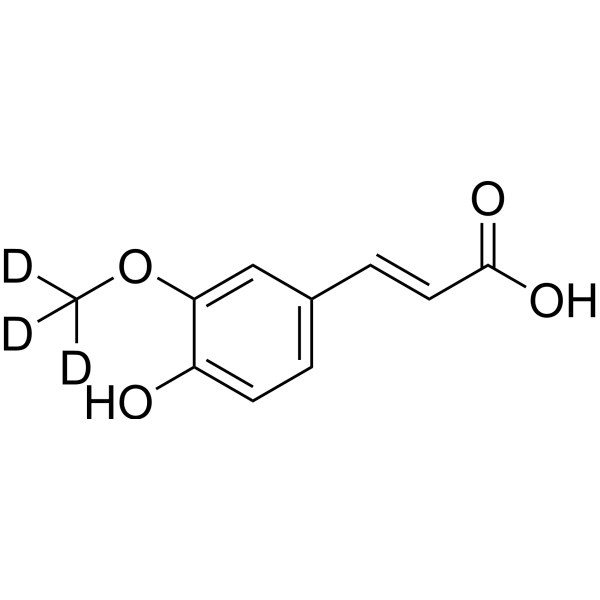
Cat. No.: HY-N0060BS
CAS No.: 860605-59-0
Synonyms: (E)-Coniferic acid-d3
(E)-Ferulic acid-d3 is the deuterium labeled (E)-Ferulic acid. (E)-Ferulic acid is a isomer of Ferulic acid which is an aromatic compound, abundant in plant cell walls. (E)-Ferulic acid causes the phosphorylation of β-catenin, resulting in proteasomal degradation of β-catenin and increases the expression of pro-apoptotic factor Bax and decreases the expression of pro-survival factor survivin. (E)-Ferulic acid shows a potent ability to remove reactive oxygen species (ROS) and inhibits lipid peroxidation. (E)-Ferulic acid exerts both anti-proliferation and anti-migration effects in the human lung cancer cell line H1299 .
loading...
    loading...
Cat. No.: HY-N5092R
CAS No.: 2445-83-2
7-Methylcoumarin (Standard) is the analytical standard of 7-Methylcoumarin. This product is intended for research and analytical applications. 7-Methylcoumarin is a coumarin derivative with potent hepatoprotective and antioxidant properties. 7-Methylcoumarin is a mechanism-based inhibitor for CYP2A6. 7-Methylcoumarin significantly decreases alanine aminotransferase (ALT), aspartate aminotransferase (AST), and serum bilirubin (TB) in rats with CCl4-induced liver damage, whilst restoring total protein (TP) and albumin (TA) levels in serum as well as preventing oxidative stress. 7-Methylcoumarin can decline mitotic activity of A. sativum promeristem .
loading...
    loading...
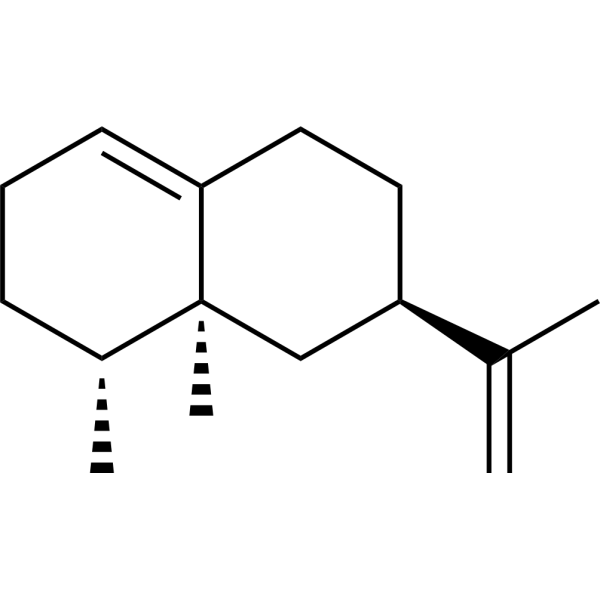
Cat. No.: HY-N6636R
CAS No.: 4630-07-3
Valencene (Standard) is the analytical standard of Valencene. This product is intended for research and analytical applications. Valencene is a sesquiterpene that can be isolated from Cyperus rotundus. Valencene possesses antiallergic, antimelanogenesis, anti-infammatory, and antioxidant activitivies. Valencene inhibits the exaggerated expression of Th2 chemokines and proinflammatory chemokines through blockade of the NF-κB pathway. Valencene inhibits the production and expression of proinflammatory cytokines IL-1β and IL-6 in LPS-stimulated RAW 264.7 cells. Valencene can reduce atopic dermatitis symptoms and recover decreased expression of filaggrin in DNCB-sensitized mouse model .
loading...
    loading...
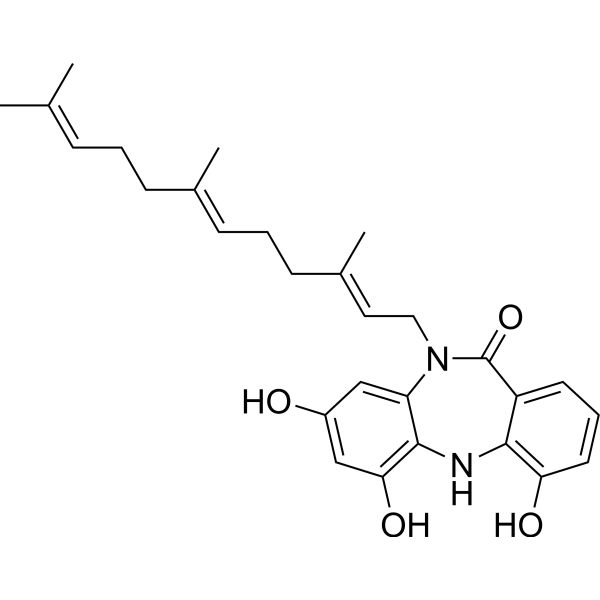
Cat. No.: HY-N6674
CAS No.: 733035-26-2
Synonyms: ECO-4601; TLN-4601; BU 4664L
Diazepinomicin (ECO-4601) is a reagent with both anticancer and antibacterial activities. . Diazepinomicin decreases Bcl2 and BAX expression, induces dose-dependent cell death and apoptotic bodies, and inhibits Ras-MAPK signaling and tumor growth/proliferation. Diazepinomicin induces apoptosis through caspase 3 activation, PARP cleavage, cytochrome C release, loss of membrane potential, and DNA fragmentation, independent of PBR expression. Diazepinomicin binds PBR/TSPO and displaces PK11195 through its farnesyl side chain rather than the dibenzodiazepinone core. Diazepinomicin can be used in research on hepatocellular carcinoma, Gram-positive bacterial infections, and glioma .
loading...
    loading...
Cat. No.: HY-N7506
CAS No.: 178765-49-6
Synonyms: Delta3,2-Hydroxylbakuchiol
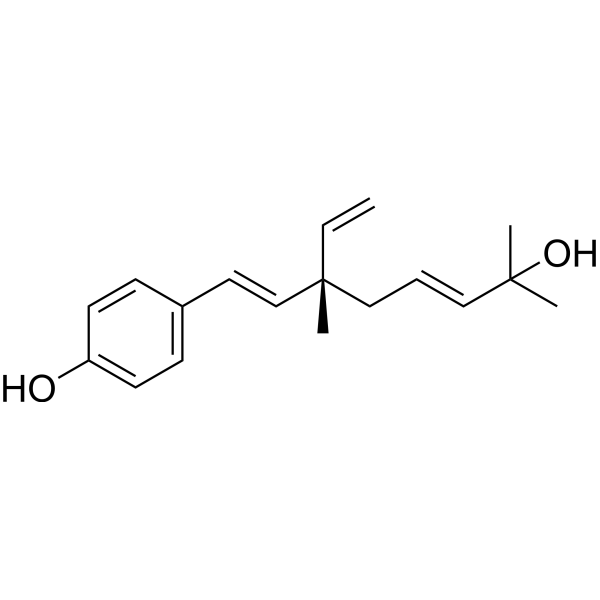
13-Hydroxyisobakuchiol (Delta3,2-Hydroxylbakuchiol), an analog of Bakuchiol (HY-N0235) that can be isolated from Psoralea corylifolia (L.), is a potent selective monoamine transporter inhibitor. 13-Hydroxyisobakuchiol is more selective for the dopamine transporter (DAT) (IC50 = 0.58 μM) and norepinephrine transporter (NET) (IC50 = 0.69 μM) than for the serotonin transporter (SERT) (IC50 = 312.02 μM). 13-Hydroxyisobakuchiol increases the activity of intact mice and improves the decreased activity of reserpinized mice in vivo. 13-Hydroxyisobakuchiol can be used for the research of disorders such as Parkinson's disease and depression .
loading...
    loading...
Cat. No.: HY-P11358
CAS No.: 159718-10-2
IRW is an orally active tripeptide produced from egg white with angiotensin converting enzyme (ACE) inhibitory properties. IRW can prevent high-fat diet (HFD)-induced Non-alcoholic fatty liver disease (NAFLD) by modulating hepatic lipid metabolism and increasing mitochondrial content. IRW decreases hepatic triglyceride content and lipid droplet size. IRW increases the hepatic mitochondrial complexes and citrate synthase activity, phosphorylation of 5’-AMP-activated protein kinase and microsomal triglyceride transfer protein abundance. IRW increases phosphorylated acetyl CoA carboxylase and mitochondrial complexes, IRW can be used for the research of inflammation .
loading...
    loading...
Cat. No.: HY-P4882
CAS No.: 183449-57-2
Target:  

Amyloid-β

Research Areas:  

Neurological Disease

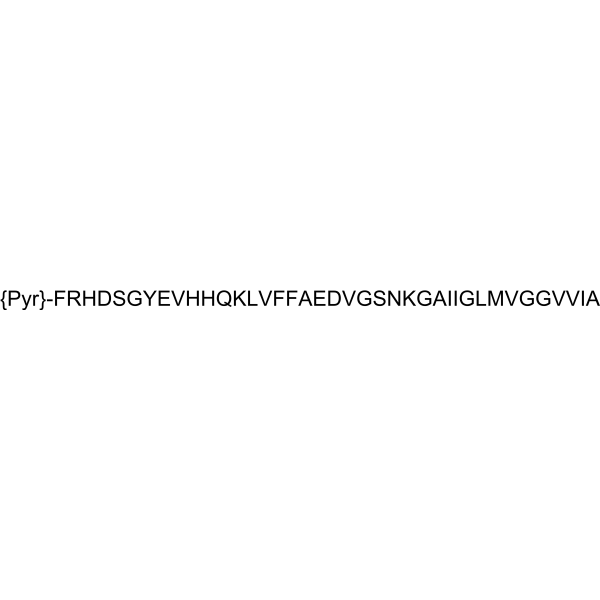
(Pyr3)-Amyloid β-Protein (3-42) is an N-terminally truncated and pyroglutamate-modified amyloid β peptide. (Pyr3)-Amyloid β-Protein (3-42) spontaneously aggregates into soluble oligomers and β-sheet-structured fibrils, causing neuronal cytotoxicity and leading to decreased expression of postsynaptic density protein 95 (PSD-95) in mouse cortex, thereby inducing synaptic dysfunction in spatial and short-term memory. (Pyr3)-Amyloid β-Protein (3-42) can be used for research on Alzheimer's disease .
loading...
    loading...
Cat. No.: HY-P991595
CAS No.: 2790610-50-1

Target:  

Interleukin Related

Research Areas:  

Inflammation/Immunology

HB-0017 is a humanized IgG1κ monoclonal antibody inhibitor, targeting IL-17A. HB-0017 inhibits the IL-6 secretion induced by IL-17A with an IC50 of 2.09 nM. HB-0017 significantly decreases ear thickness in Imiquimod (HY-B0180)-induced psoriasis-like mice model and alleviates inflammations in IL-17A-induced arthritis and air pouch mice model. The isotype control for the HB-0017 can be referenced as Human IgG1 kappa, Isotype Control (HY-P99001) .
loading...
    loading...
Cat. No.: HY-W145486
CAS No.: 299-28-5
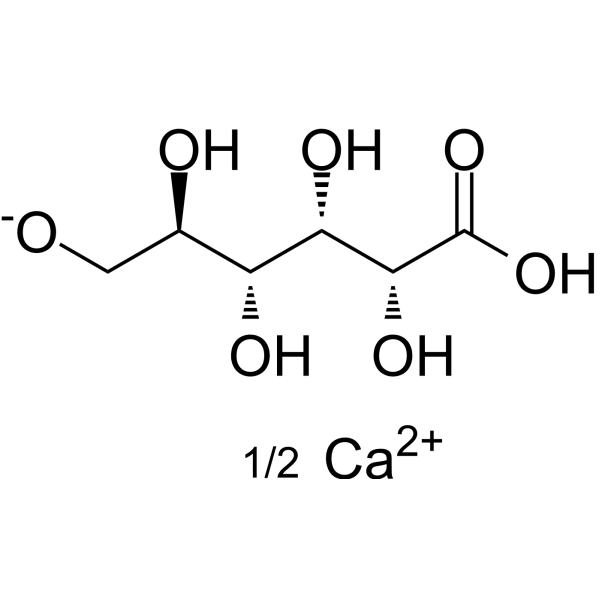
Calcium gluconate is an orally effective calcium salt supplement . Calcium gluconate reduces elevated serum potassium, decreased serum calcium, and postoperative myalgia associated with succinylcholine administration. Calcium gluconate restores calcium homeostasis, skeletal integrity, bone mineralization and bone density, and maintains levels of parathyroid hormone, bone resorption markers and osteoclasts. Calcium gluconate reverses LPS (HY-D1056)-induced ERK phosphorylation, inflammatory cytokine release and acute lung injury, alleviates airway inflammatory damage and suppresses immune responses. Calcium gluconate can be used in research related to postoperative myalgia, osteoporosis/osteomalacia and acute lung injury .
loading...
    loading...
Cat. No.: HY-W271506
CAS No.: 10135-38-3
Synonyms: 3,3,5,5-Tetramethyl-1-pyrroline 1-oxide
TMPO (3,3,5,5-Tetramethyl-1-pyrroline 1-oxide) is a spin trap targeting free radicals. TMPO is capable of scavenging superoxide, hydroxyl radicals and inhibits thymocyte apoptosis with EC50 values of 19.1 mM (MPS-induced) to 30.7 mM (Etoposide-induced) for inhibiting DNA fragmentation. TMPO reacts with intracellular free radicals to form stable nitroxide radical products, reducing oxidative stress (e.g., decreasing peroxide levels, maintaining glutathione content) and blocking oxidative events in the apoptotic pathway. TMPO is promising for research of apoptosis in immune cells like thymocytes .
loading...
    loading...
Cat. No.: HY-W283930
CAS No.: 132858-26-5
YHV98-4 is a selective, blood-brain barrier-permeable Hv1 inhibitor with an IC50 of 0.7 μM. YHV98-4 reduces ROS production and restores the SHP-1-pAKT signaling pathway. YHV98-4 decreases the spread of hyperphosphorylated Tau protein. YHV98-4 alleviates inflammation and produces analgesic effects. YHV98-4 improves cognitive function in mouse models of Alzheimer's disease. YHV98-4 can be used in research related to inflammatory pain, neuropathic pain and Alzheimer's disease .
loading...
    loading...
Cat. No.: HY-W414644
CAS No.: 229977-93-9
Fluacrypyrim, a Miticide, is a STAT3 inhibitor. Fluacrypyrim significantly increases the protein tyrosine phosphatases(PTPs) activity. Fluacrypyrim inhibits the growth of leukemia cells by a predominant G1 arrest with significant decrease of the protein and mRNA levels of cyclin D1. Fluacrypyrim selectively inhibits STAT3 signaling, inducing growth arrest and apoptosis in STAT3-dependent cancer cells. Fluacrypyrim mitigates IR-induced hematopoietic system injury mainly by preventing apoptosis in the HSCs. Fluacrypyrim demonstrates significant analgesic and anti-inflammatory effects by inhibiting uterine smooth muscle contraction and inflammatory responses .
loading...
    loading...
Cat. No.: HY-W419589
CAS No.: 16545-23-6
Xanthomicrol is extracted from the resin of the plant called Chinese bellflower (a member of the Scrophulariaceae family) and is a monoamine oxidase (MAOs) inhibitor. Xanthomicrol has anti-tumor and anti-inflammatory properties, with IC50 values of 0.88 and 1.69 μg/mL in HL60 and K562 cells. Xanthomicrol's the main metabolite of 5DT in mouse colon, and it can reduce levels of iNOS protein and mRNA, as well as COX-2 protein levels. Additionally, Xanthomicrol decreases the production of the pro-inflammatory cytokine IL-1β and induces the expression of the antioxidant enzyme HO-1 .
loading...
    loading...
Cat. No.: HY-W584165
CAS No.: 13983-17-0
Wollastonite is a white, chain-structured pyroxene silicate mineral with biocompatibility, biodegradability, osteogenicity and antibacterial properties. Wollastonite induces transient pulmonary inflammatory responses, reversible alveolar macrophage responses, early inflammatory/proliferative mesothelial cell responses, ROS production, and mild chronic pulmonary interstitial inflammation in rats. Wollastonite induces osteogenic differentiation, promotes bone growth, supports angiogenesis, and facilitates the formation of hydroxycarbonate apatite on its surface. Wollastonite enhances the strength, bioactivity and biodegradability of hydroxyapatite scaffolds, and is used to construct porous bone tissue engineering scaffolds. Wollastonite is applied in research related to diseases such as bronchitis, decreased lung function and bone defects .
loading...
    loading...
Cat. No.: HY-W744923
CAS No.: 93589-69-6
Synonyms: DD-70
Target:  

COX

Research Areas:  

Cardiovascular Disease

Bis[2-(4-hydroxyphenylthio) ethoxy]methane (DD-70) is a Bisphenol A (HY-18260) substitute and a COX-1 inhibitor. Bis[2-(4-hydroxyphenylthio) ethoxy]methane blocks platelet aggregation induced by Arachidonic acid (HY-109590) and U-46619 (HY-108566). Bis[2-(4-hydroxyphenylthio) ethoxy]methane alters hemostatic function. Bis[2-(4-hydroxyphenylthio) ethoxy]methane reduces embryonic survival rate, decreases embryonic mass and increases gallbladder mass in chicken embryos .
loading...
    loading...
Cat. No.: HY-W750960R
CAS No.: 1377605-22-5
Biotinylated isoxazole (Standard) is the analytical standard of Biotinylated isoxazole (HY-W750960). This product is intended for research and analytical applications. Biotinylated isoxazole is a chemical probe that selectively precipitates proteins containing prion-like low-complexity domains and Cross-β prion-like polymers through recognition of Cross-β structure. Biotinylated isoxazole induces precipitation of proteins containing intrinsically disordered regions through microcrystal formation in solution. Biotinylated isoxazole enables enrichment of Amyloid oligomers for ELISA-based detection. Biotinylated isoxazole decreases Gems and increases misfolded PFN1 aggregates .
loading...
    loading...
Cat. No.: HY-W777365
CAS No.: 1215408-17-5
Synonyms: EDTA-13C4
Ethylenediaminetetraacetic acid- 13C4 (EDTA- 13C4) is the 13C-labeled Ethylenediaminetetraacetic acid (HY-Y0682). Ethylenediaminetetraacetic acid (EDTA) is a kind of metal chelating agent (binds to bivalent and trivalent metal cations, including calcium). Ethylenediaminetetraacetic acid has antibacterial, anti-inflammatory, antioxidant, anti-hypercalcemia and anticoagulant activities. Ethylenediaminetetraacetic acid decreases the metal ion-catalyzed oxidative damage to proteins, and allows maintenance of reducing environment during protein purification. Ethylenediaminetetraacetic acid can alleviate the liver fibrosis. Ethylenediaminetetraacetic acid can be used for coronary artery disease and neural system disease research .
loading...
    loading...
Cat. No.: HY-Y0682S2
CAS No.: 15251-22-6
Synonyms: EDTA-d4
Ethylenediaminetetraacetic acid-d4 (EDTA-d4) is the deuterium labeled Ethylenediaminetetraacetic acid (HY-Y0682). Ethylenediaminetetraacetic acid (EDTA) is a kind of metal chelating agent (binds to bivalent and trivalent metal cations, including calcium). Ethylenediaminetetraacetic acid has antibacterial, anti-inflammatory, antioxidant, anti-hypercalcemia and anticoagulant activities. Ethylenediaminetetraacetic acid decreases the metal ion-catalyzed oxidative damage to proteins, and allows maintenance of reducing environment during protein purification. Ethylenediaminetetraacetic acid can alleviate the liver fibrosis. Ethylenediaminetetraacetic acid can be used for coronary artery disease and neural system disease research .
loading...
    loading...

