58 Results for "

σ1 receptor antagonist

" in MedChemExpress (MCE) Product Catalog:
Products (58)

58 Results for "σ1 receptor antagonist" in MCE Product Catalog:

4
4 Cited Publications
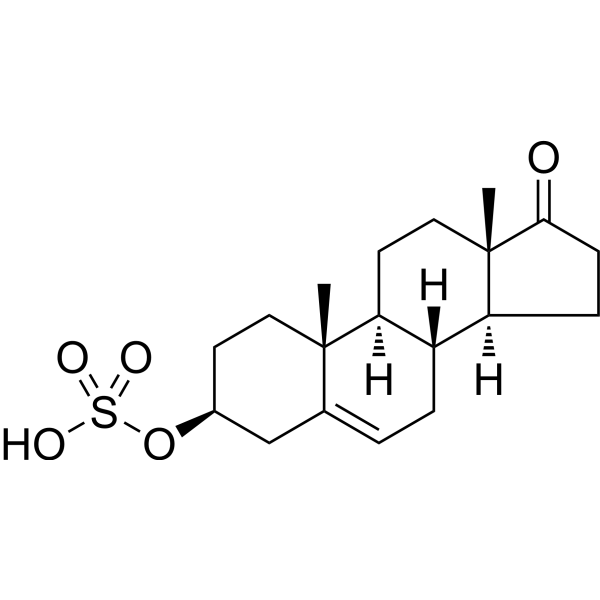
Cat. No.: HY-113416
CAS No.: 651-48-9
Purity:  99.93%
Synonyms: DHEA sulfate; Prasterone sulfate
Dehydroepiandrosterone sulfate (DHEA sulfate; Prasterone sulfate) is a neurosteroid and the main secretion product of the adrenal gland. Dehydroepiandrosterone sulfate has both non-competitive antagonist activity of GABAA receptor and agonist activity of σ1 receptor. Dehydroepiandrosterone sulfate can partially penetrate the blood-brain barrier, inhibit GABAA receptor-mediated chloride influx, enhance NMDA receptor activity through σ1 receptors, exert anti-inflammatory, anti-glucocorticoid and antidepressant effects, and increase convulsive sensitivity. Dehydroepiandrosterone sulfate participates in neuroprotection, neurite growth regulation and catecholamine secretion regulation, and can be used in the study of depression, post-traumatic stress disorder (PTSD), Alzheimer's disease, etc. Dehydroepiandrosterone sulfate may also be a biomarker for cardiovascular disease mortality, and its concentration is independently and negatively correlated with mortality [1] .
loading...
    loading...
4
4 Cited Publications
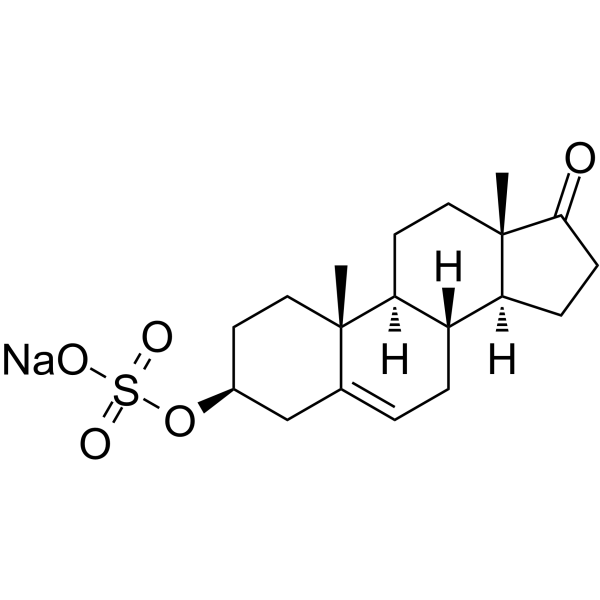
Cat. No.: HY-B0765
CAS No.: 1099-87-2
Synonyms: DHEA sulfate sodium; Prasterone sulfate sodium
Dehydroepiandrosterone sulfate (DHEA sulfate; Prasterone sulfate) sodium salt is a neurosteroid and the main secretion product of the adrenal gland. Dehydroepiandrosterone sulfate sodium salt has both non-competitive antagonist activity of GABAA receptor and agonist activity of σ1 receptor. Dehydroepiandrosterone sulfate sodium salt can partially penetrate the blood-brain barrier, inhibit GABAA receptor-mediated chloride influx, enhance NMDA receptor activity through σ1 receptors, exert anti-inflammatory, anti-glucocorticoid and antidepressant effects, and increase convulsive sensitivity. Dehydroepiandrosterone sulfate sodium salt participates in neuroprotection, neurite growth regulation and catecholamine secretion regulation, and can be used in the study of depression, post-traumatic stress disorder (PTSD), Alzheimer's disease, etc. Dehydroepiandrosterone sulfate sodium salt may also be a biomarker for cardiovascular disease mortality, and its concentration is independently and negatively correlated with mortality [1] .
loading...
    loading...
4
4 Cited Publications
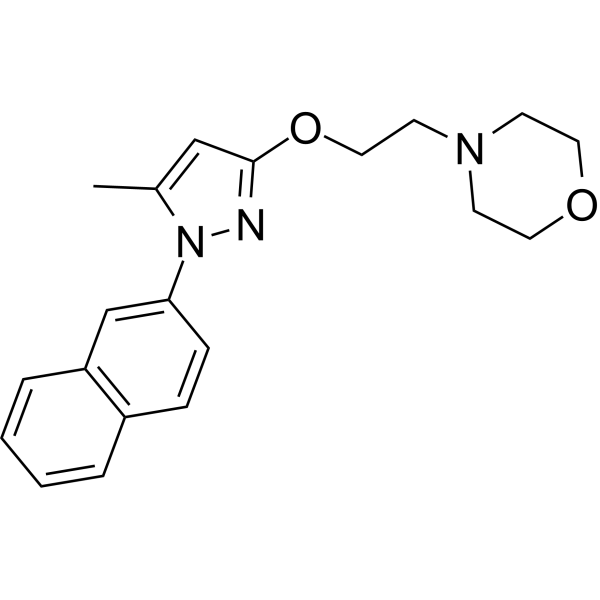
Cat. No.: HY-18099
CAS No.: 878141-96-9
Synonyms: E-52862
Research Areas:  

Neurological Disease

S1RA (E-52862) is a highly selective σ1 receptor (σ1R) antagonist with Kis of 17 nM and 23.5 nM for human σ1R and guinea pig σ1R, respectively. S1RA has Moderate antagonistic activity for human 5-HT2B receptor (Ki= 328 nM). S1RA has antinociceptive effects in neuropathic pain models. S1RA prevents mechanical and cold hypersensitivity in Oxaliplatin (HY-17371)-treated mice [1] .
loading...
    loading...
4
4 Cited Publications
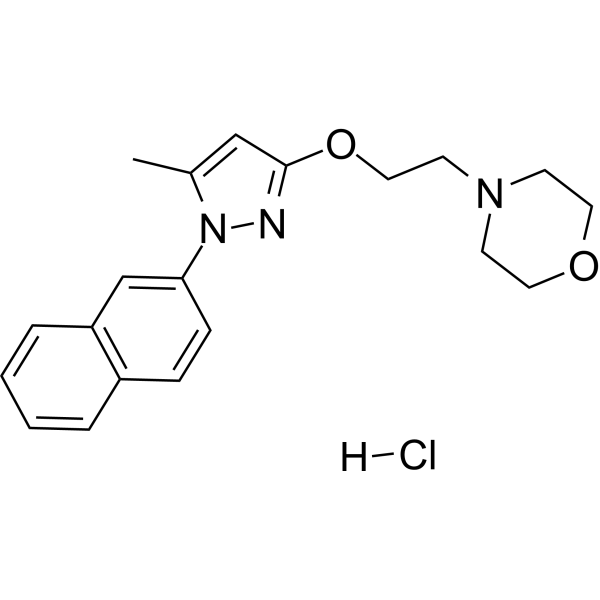
Cat. No.: HY-18099A
CAS No.: 1265917-14-3
Synonyms: E-52862 hydrochloride
Research Areas:  

Neurological Disease

S1RA (E-52862) hydrochloride is an orally active and selective sigma-1 receptor (σ1R) antagonist with a Ki value of 17 nM. S1RA hydrochloride shows good selectivity against σ2R (Ki >1000 nM). S1RA hydrochloride is a human 5-HT2B receptor antagonist with an IC50 value of 4.7 μM. S1RA hydrochloride inhibits neuropathic pain and activity-induced spinal sensitization [1] .
loading...
    loading...
3
3 Cited Publications
Cat. No.: HY-18101A
CAS No.: 206996-13-6
Research Areas:  

Neurological Disease

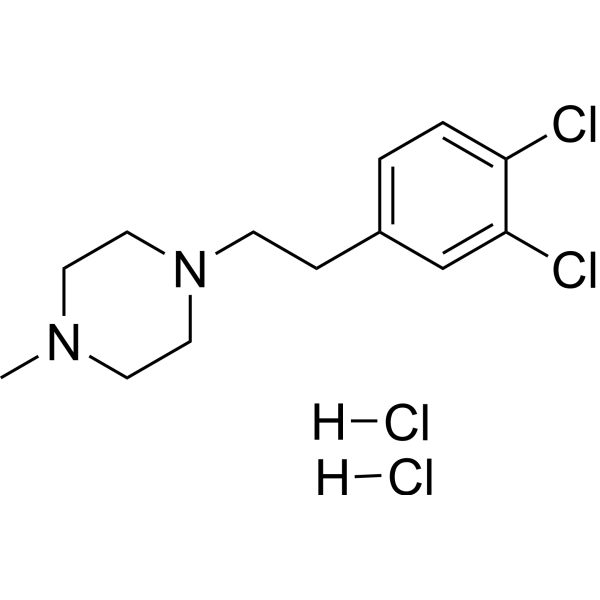
BD-1063 dihydrochloride is a selective σ-1 receptor antagonist with inhibitory activity against TRPC5 and TRPM3. BD-1063 dihydrochloride exerts anti-hyperalgesic and anti-allodynic effects by inhibiting sustained calcium influx mediated by TRPC5 and TRPM3, and reverses the effects of Carrageenan (HY-125474). BD-1063 dihydrochloride also significantly reduces excessive ethanol self-administration behavior. BD-1063 dihydrochloride is widely used in studies on the mechanisms underlying neuropathic pain, inflammatory hyperalgesia, and alcohol abuse and dependence [1] .
loading...
    loading...
1
1 Cited Publications
Cat. No.: HY-101484A
CAS No.: 149409-57-4
Purity:  98.20%
Target:  

Sigma Receptor ATF6

Research Areas:  

Neurological Disease

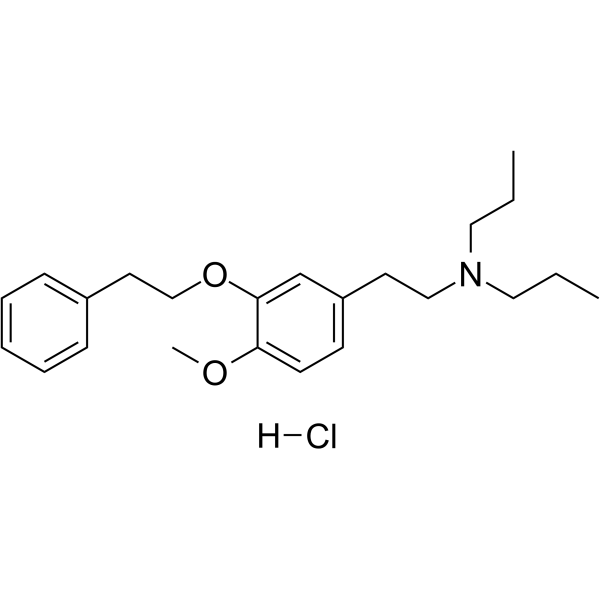
NE-100 hydrochloride is an orally active and selective sigma-1 receptor antagonist with an IC50 of 4.16 nM. NE-100 hydrochloride can improve cognitive impairment and has neuroprotective and antipsychotic activities. NE-100 hydrochloride can be used for research on nervous system diseases [1] .
loading...
    loading...
1
1 Cited Publications
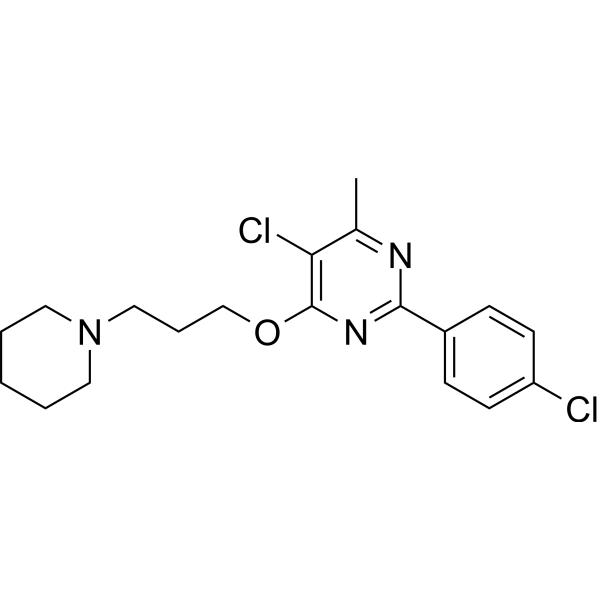
Cat. No.: HY-10815
CAS No.: 1204401-49-9
Purity:  99.89%
Research Areas:  

Neurological Disease Cancer

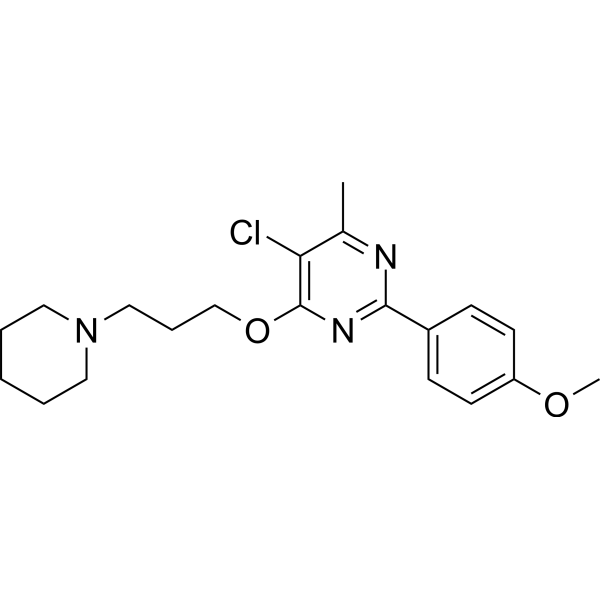
σ1 Receptor antagonist-1 is a highly potent and selective sigma 1 receptor antagonist (pKi=10.28). σ1 Receptor antagonist-1 inhibits cell growth, arrests cell cycle at G0/G1 phase and induces apoptosis of MCF-7/ADR cells [1].
loading...
    loading...
1
1 Cited Publications
Cat. No.: HY-113416R
CAS No.: 651-48-9
Synonyms: DHEA sulfate (Standard); Prasterone sulfate (Standard)
Dehydroepiandrosterone sulfate (DHEA sulfate; Prasterone sulfate) (Standard) is the analytical standard of Dehydroepiandrosterone sulfate (HY-113416). This product is intended for research and analytical applications. Dehydroepiandrosterone sulfate (DHEA sulfate; Prasterone sulfate) is a neurosteroid and the main secretion product of the adrenal gland. Dehydroepiandrosterone sulfate has both non-competitive antagonist activity of GABAA receptor and agonist activity of σ1 receptor. Dehydroepiandrosterone sulfate can partially penetrate the blood-brain barrier, inhibit GABAA receptor-mediated chloride influx, enhance NMDA receptor activity through σ1 receptors, exert anti-inflammatory, anti-glucocorticoid and antidepressant effects, and increase convulsive sensitivity. Dehydroepiandrosterone sulfate participates in neuroprotection, neurite growth regulation and catecholamine secretion regulation, and can be used in the study of depression, post-traumatic stress disorder (PTSD), Alzheimer's disease, etc. Dehydroepiandrosterone sulfate may also be a biomarker for cardiovascular disease mortality, and its concentration is independently and negatively correlated with mortality [1] .
loading...
    loading...
Cat. No.: HY-134004
CAS No.: 77-23-6
Purity:  98.91%
Synonyms: Carbetapentane
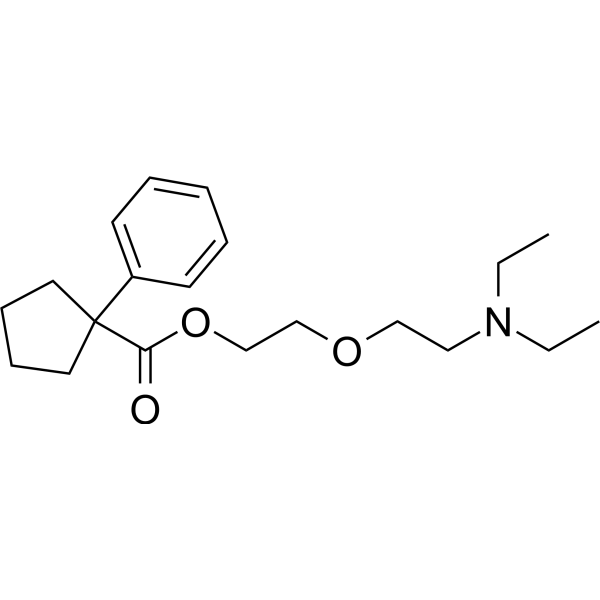
Pentoxyverine (Carbetapentane) is an orally active sigma-1 receptor agonist, with Kis of 41 nM, 894 nM and 75 nM for σ1, σ2 and guinea-pig brain membran σ1, respectively. Pentoxyverine is a muscarinic antagonist. Pentoxyverine is a potent antitussive, anticonvulsant, and spasmolytic agent. Pentoxyverine can be used for inhibiting bronchial interceptor, weakening of cough reflex, bronchial smooth muscle relaxation and reduction of airway resistance [1] .
loading...
    loading...
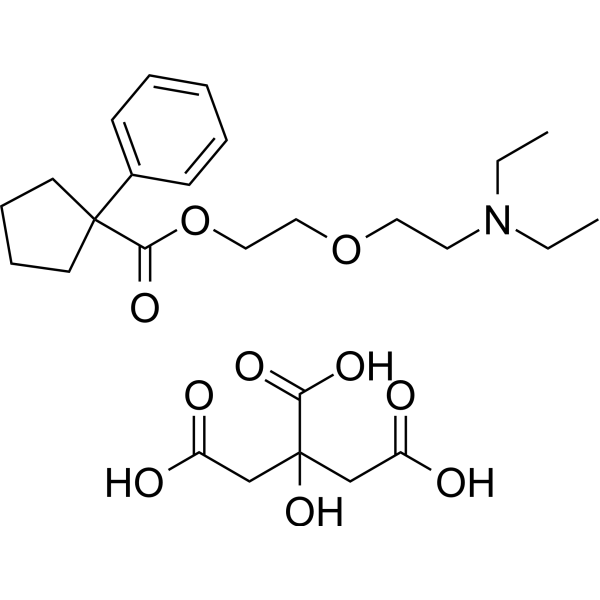
Cat. No.: HY-B1055
CAS No.: 23142-01-0
Synonyms: Carbetapentane citrate
Pentoxyverine (Carbetapentane) citrate is an orally active and blood-brain barrier permeability sigma-1 receptor agonist, with Kis of 41 nM, 894 nM and 75 nM for σ1, σ2 and guinea-pig brain membrane σ1, respectively. Pentoxyverine citrate is a muscarinic antagonist. Pentoxyverine citrate is a potent antitussive, anticonvulsant, and spasmolytic agent. Pentoxyverine citrate can be used for inhibiting bronchial interceptor, weakening of cough reflex, bronchial smooth muscle relaxation and reduction of airway resistance [1] .
loading...
    loading...
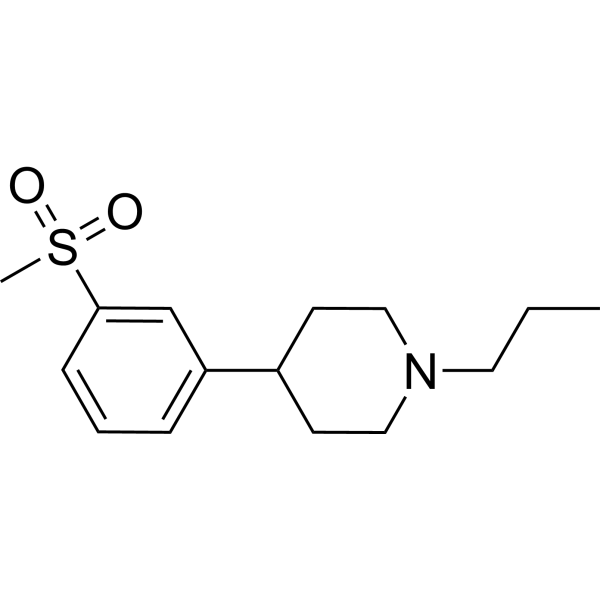
Cat. No.: HY-10684
CAS No.: 346688-38-8
Purity:  99.85%
Synonyms: ACR16; ASP2314; FR310826
Target:  

Dopamine Receptor

Research Areas:  

Neurological Disease

Pridopidine, a dopamine (DA) stabilizer, acts as a low affinity dopamine D2 receptor (D2R) antagonist. Pridopidine exerts high affinity towards sigma 1 receptor (S1R) with Ki between 70 and 80 nM, which is ~100× higher than its affinity toward D2R.
loading...
    loading...
Cat. No.: HY-135608
CAS No.: 138356-08-8
Purity:  98.41%
Target:  

Sigma Receptor

Research Areas:  

Neurological Disease

BD-1008 is a nonselective σ receptor antagonist with Kis against σ1 receptor and σ2 receptor of 2 nM and 8 nM. The BD-1008 has an extremely low affinity for the D2 receptor (Ki = 1112 nM) and dopamine transporter (DAT) (Ki > 10,000 nM). BD-1008 significantly antagonizes dopamine release in the shell region of the nucleus accumbens via the σ₂ receptor. BD-1008 blocks the self-administration behavior of σ agonists.BD-1008 can be used for the study of addiction therapy that target the σ receptor [1] .
loading...
    loading...
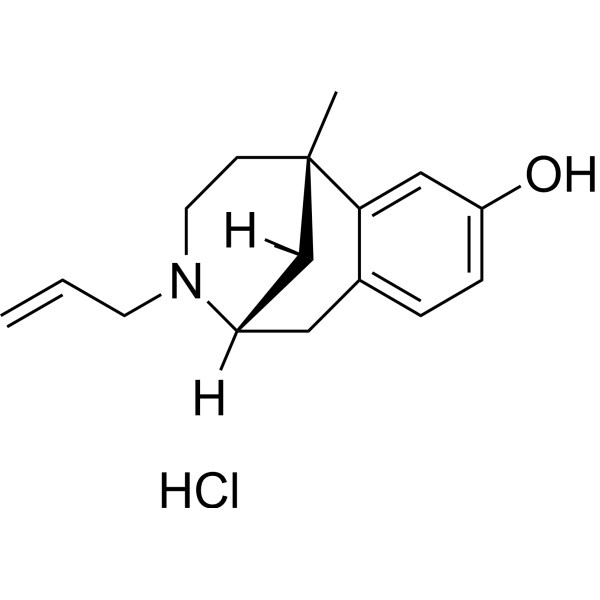
Cat. No.: HY-101376
CAS No.: 133005-41-1
Purity:  ≥99.0%
Synonyms: (+)-SKF 10047 hydrochloride; (+)-N-Allyl-N-normetazocine hydrochloride
Target:  

Opioid Receptor

Research Areas:  

Neurological Disease

(+)-N-Allylnormetazocine ((+)-SKF 10047) hydrochloride is a benzomorphan opioid with psychotomi metic effects. (+)-N-Allylnormetazocine hydrochloride is an opioid receptor antagonist with Ki values of 300 nM and 27 μM for σ1 and σ2 opioid receptors, respectively. (+)-N-Allylnormetazocine hydrochloride can be used for the research of neurological disease [1] .
loading...
    loading...
Cat. No.: HY-125821
CAS No.: 1639220-19-1
Purity:  98.64%
Target:  

Sigma Receptor

Research Areas:  

Neurological Disease

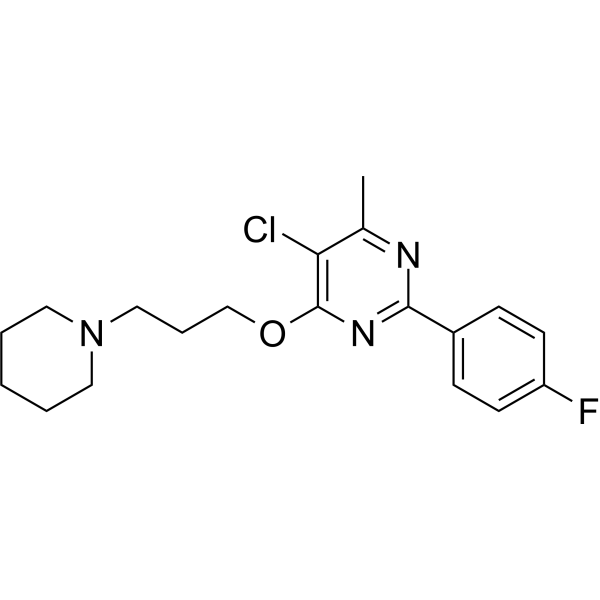
Sigma‑1 receptor antagonist 1 (compound 137) is a potent and selective sigma-1 receptor (σ1R) antagonist, with a high binding affinity to σ1R receptor (Ki = 1.06 nM). Sigma‑1 receptor antagonist 1 exhibits antineuropathic pain activity and acts as a promising agent for the treatment of neuropathic pain [1].
loading...
    loading...
Cat. No.: HY-125819
CAS No.: 1639220-15-7
Purity:  99.76%
Target:  

Sigma Receptor

Research Areas:  

Neurological Disease

Sigma-1 receptor antagonist 2 is a potent and selective sigma 1 receptor (σ1 R) antagonist with Kis of 3.88 and 1288 nM for σ1 and σ2 receptor, respectively [1].
loading...
    loading...
Cat. No.: HY-141921S
CAS No.: 1261254-41-4
Purity:  99.61%
Synonyms: DHEA sulfate sodium-d6; Prasterone sulfate sodium-d6
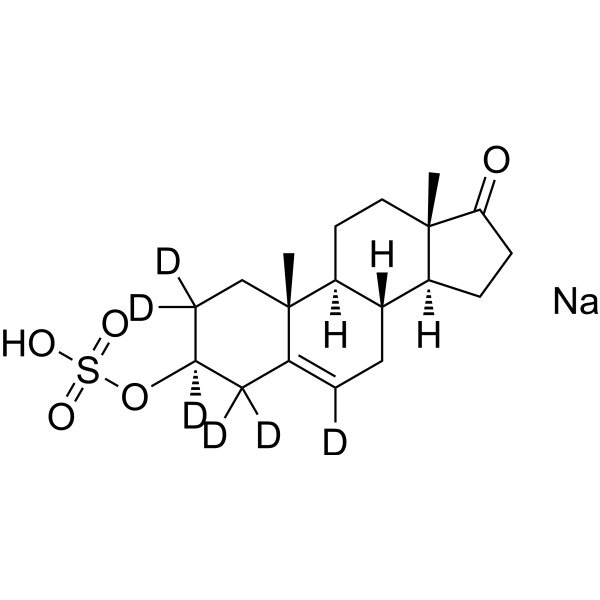
Dehydroepiandrosterone sulfate sodium salt-d6 (DHEA sulfate sodium salt-d6; Prasterone sulfate sodium salt-d6) is the deuterium labeled Dehydroepiandrosterone sulfate sodium salt (HY-B0765). Dehydroepiandrosterone sulfate (DHEA sulfate; Prasterone sulfate) sodium salt is a neurosteroid and the main secretion product of the adrenal gland. Dehydroepiandrosterone sulfate sodium salt has both non-competitive antagonist activity of GABAA receptor and agonist activity of σ1 receptor. Dehydroepiandrosterone sulfate sodium salt can partially penetrate the blood-brain barrier, inhibit GABAA receptor-mediated chloride influx, enhance NMDA receptor activity through σ1 receptors, exert anti-inflammatory, anti-glucocorticoid and antidepressant effects, and increase convulsive sensitivity. Dehydroepiandrosterone sulfate sodium salt participates in neuroprotection, neurite growth regulation and catecholamine secretion regulation, and can be used in the study of depression, post-traumatic stress disorder (PTSD), Alzheimer's disease, etc. Dehydroepiandrosterone sulfate sodium salt may also be a biomarker for cardiovascular disease mortality, and its concentration is independently and negatively correlated with mortality [1] .
loading...
    loading...
Cat. No.: HY-108511
CAS No.: 172907-03-8
Purity:  99.63%
Research Areas:  

Infection Cancer

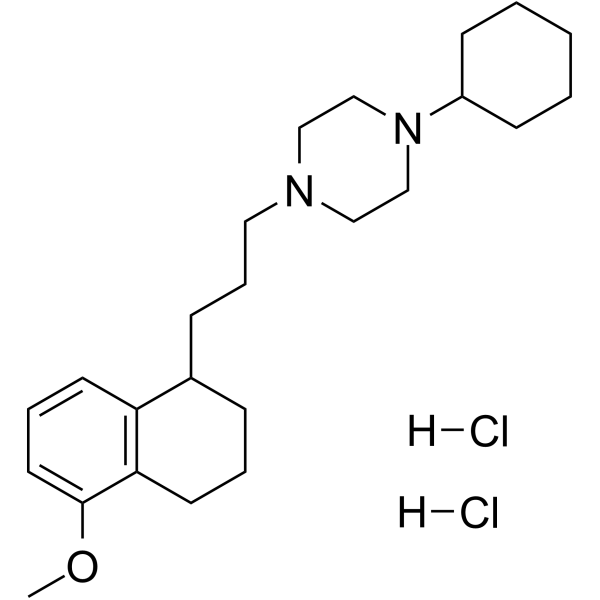
PB28 dihydrochloride, a cyclohexylpiperazine derivative, is a high affinity and selective sigma 2 (σ2) receptor agonist with a Ki of 0.68 nM. PB28 dihydrochloride is also a σ1 antagonist with a Ki of 0.38 nM. PB28 dihydrochloride is less affinity for other receptors. PB28 dihydrochloride inhibits electrically evoked twitch in guinea pig bladder and ileum with EC50 values of 2.62 μM and 3.96 μM, respectively. PB28 dihydrochloride can modulate SARS-CoV-2-human protein-protein interaction. PB28 dihydrochloride induces caspase-independent apoptosis and has antitumor activity [1] .
loading...
    loading...
Cat. No.: HY-125820
CAS No.: 1639220-17-9
Purity:  99.47%
Research Areas:  

Neurological Disease

Sigma-1 receptor antagonist 3 (compound135) is a potent and selective Sigma-1 (σ1) receptor antagonist with a Ki of 1.14 nM. Sigma-1 receptor antagonist 3 inhibits Human Ether-a-go-go-Related Gene (hERG) with an IC50 of 1.54 μM. Sigma-1 receptor antagonist 3 has the potential for the neuropathic pain [1].
loading...
    loading...
Cat. No.: HY-101043
CAS No.: 201216-39-9
Purity:  99.63%
Target:  

Sigma Receptor iGluR

Research Areas:  

Neurological Disease

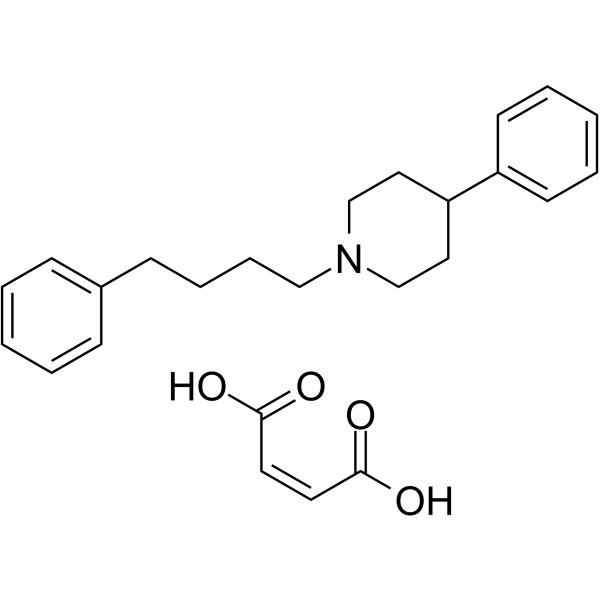
4-PPBP maleate is a potent σ 1 receptor ligand and agonist. 4-PPBP maleate is a non-competitive, selective NR1a/2B NMDA receptors (expressed in Xenopus oocytes) antagonist. 4-PPBP maleate provides neuroprotection [1] .
loading...
    loading...
Cat. No.: HY-P1341
CAS No.: 343268-91-7
Synonyms: Orexin A (17-33) (human, mouse, rat, bovine)
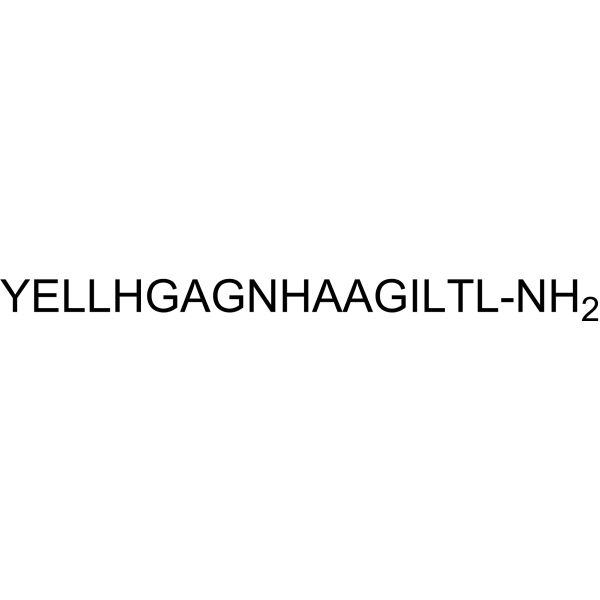
OXA (17-33) (Orexin A (17-33) (human, mouse, rat, bovine)) is the shortest active orexin peptide that selectively targets OX1 (EC50=8.29 nM), with 23-fold selectivity for the OX1 receptor over the OX2 receptor. The activity of OXA (17-33) depends on the Tyr17, Leu20, Asn25, His26 residues and the spatial conformation of the α-helix. OXA (17-33) activates signaling pathways involving inositol-1,4,5-trisphosphate receptor (IP3R), phospholipase D (PL-D) and choline-Sigma-1R, thereby increasing the cytoplasmic Ca 2+ level in nucleus accumbens neurons, an effect that is blocked by Sigma-1R antagonists. OXA (17-33) serves as an important biological probe for investigating the function of the OX1 receptor. OXA (17-33) can be modified via incorporation of mixed disulfide bonds of homocysteine and cysteamine, and is widely used in studies related to insomnia and narcolepsy [1] .
loading...
    loading...

