1. Search Result
Search Result
Results for "

nociception

" in MedChemExpress (MCE) Product Catalog:

72

Inhibitors & Agonists

19

Peptides

12

Natural
Products

3

Isotope-Labeled Compounds

Cat. No. Product Name Target Research Areas Chemical Structure
  • HY-B0219
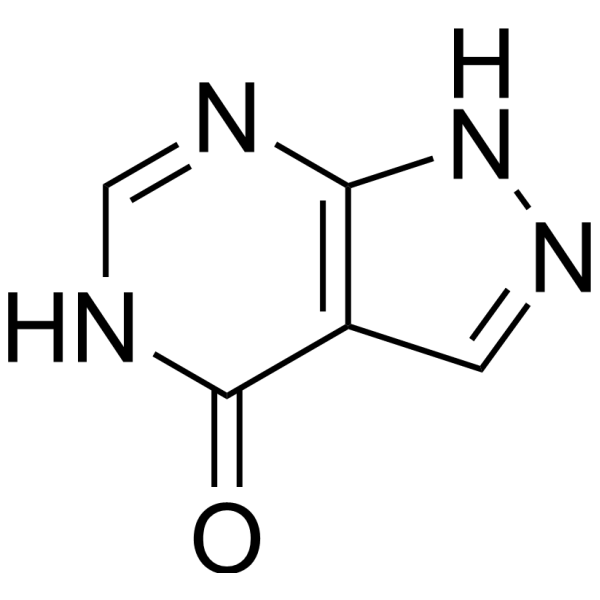
    Allopurinol
    10+ Cited Publications

    Xanthine Oxidase Infection Neurological Disease Inflammation/Immunology Cancer
    Allopurinol is a potent and orally active xanthine oxidase inhibitor with an IC50 value of 0.2-50 μM. Allopurinol can be used in the research of hyperuricemia and gout. Allopurinol decreases the expression of HIF-1α and HIF-2α protein. Allopurinol shows anti-depressant and anti-nociception activity. Anti-leishmanial effect .
    Allopurinol
  • HY-136278
    DETA NONOate
    5+ Cited Publications

    Diethylamine NONOate; NOC-18

    NO Synthase Cardiovascular Disease
    DETA NONOate (NOC 18) is an exogenous nitric oxide (NO) donor. DETA NONOate shows a slow release normal amounts of NO and long-acting .
    DETA NONOate
  • HY-100001
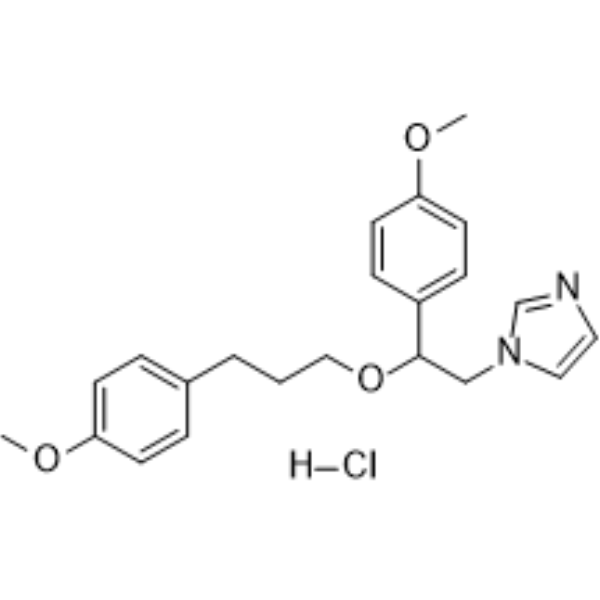
    SKF-96365 hydrochloride
    Maximum Cited Publications
    27 Publications Verification

    TRP Channel CRAC Channel Autophagy CaMK Akt Apoptosis Na+/Ca2+ Exchanger Calcium Channel Neurological Disease Inflammation/Immunology Cancer
    SKF-96365 hydrochloride is a TRPC channel antagonist and store-operated calcium entry (SOCE) inhibitor. SKF-96365 hydrochloride reduces calcium ion influx by inhibiting the activity and expression of TRPC6, STIM1 and Orai1. SKF-96365 hydrochloride inhibits voltage-gated sodium current (cardiac INa/NaV1.5) and slows myocardial conduction. SKF-96365 hydrochloride inhibits phosphorylation/activation of CaMKIIγ and suppresses the downstream AKT signaling pathway. SKF-96365 hydrochloride induces G2/M phase cell cycle arrest, apoptosis and cytoprotective autophagy in colorectal cancer cells. SKF-96365 hydrochloride alleviates allergic rhinitis symptoms by reducing inflammatory cytokine levels. SKF-96365 hydrochloride reduces intracellular calcium overload, inhibits Homer1 expression, prevents nuclear damage and suppresses apoptosis. SKF-96365 hydrochloride inhibits the growth of colorectal cancer xenografts in nude mice . SKF-96365 hydrochloride is applicable to research related to allergic rhinitis, colorectal cancer, Parkinson's disease, persistent spontaneous nociception and hyperalgesia .
    SKF-96365 hydrochloride
  • HY-18732A
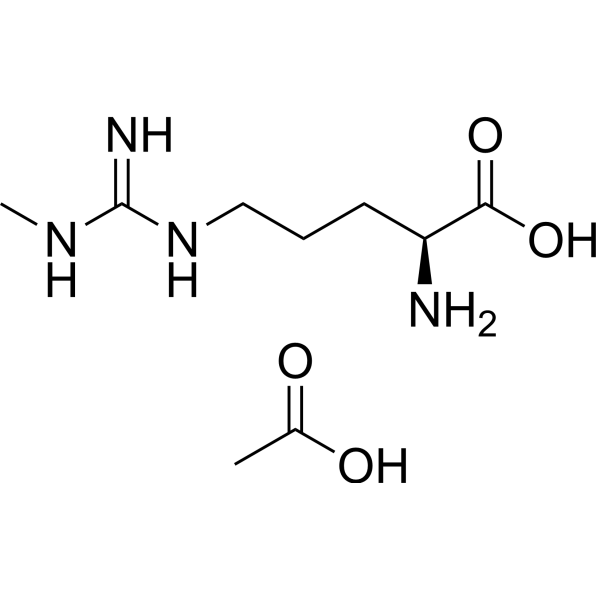
    L-NMMA acetate
    10+ Cited Publications

    Tilarginine acetate; Methylarginine acetate

    NO Synthase Neurological Disease Inflammation/Immunology Cancer
    L-NMMA (Tilarginine) acetate is a non-selective and competitive inhibitor of nitric oxide synthase. L-NMMA acetate inhibits three subtypes, namely nNOS, eNOS, and iNOS, and reduces NO production . L-NMMA acetate alleviates mechanical allodynia, thermal hyperalgesia, and choroidal fibrosis. L-NMMA acetate is applicable to research related to nociception, bone cancer pain, and myopia .
    L-NMMA acetate
  • HY-11079
    A-803467
    3 Publications Verification

    Sodium Channel Neurological Disease Inflammation/Immunology Cancer
    A-803467 is a potent and selective tetrodotoxin-resistant Nav1.8 sodium channel blocker (IC50=8 nM). A-803467 has shown significant anti-nociception in neuropathic and inflammatory pain models. A-803467 enhances the chemosensitivity of conventional anticancer agents through interaction with the ATP-binding cassette subfamily G member 2 (ABCG2) transporter .
    A-803467
  • HY-14407A
    Fosaprepitant dimeglumine
    3 Publications Verification

    MK-0517; L785298

    Neurokinin Receptor Neurological Disease Endocrinology Cancer
    Fosaprepitant dimeglumine (MK-0517) is a proagent of Aprepitant (HY-10052). Fosaprepitant dimeglumine is a neurokinin-1 receptor antagonist, which is development for the prevention of chemotherapy-induced nausea and vomiting (CINV) .
    Fosaprepitant dimeglumine
  • HY-P1852
    TIP 39, Tuberoinfundibular Neuropeptide
    1 Publications Verification

    Adenylate Cyclase PTHR Neurological Disease
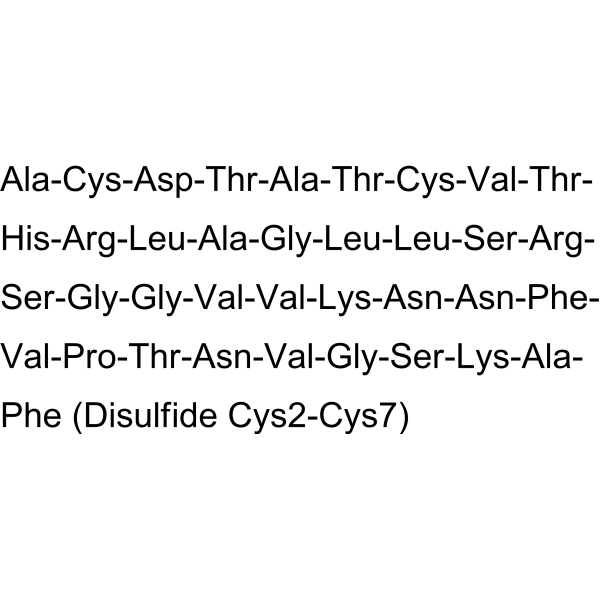
    TIP 39, Tuberoinfundibular Neuropeptide is an endogenous PTH2 receptor agonist and antihypertensive agent. TIP 39, Tuberoinfundibular Neuropeptide selectively activates the PTH2 receptor with no activity on the PTH1 receptor, stimulates cAMP production, activates adenylate cyclase, and elevates intracellular calcium levels via mobilization from intracellular stores. TIP 39, Tuberoinfundibular Neuropeptide is highly conserved in humans, mice, and rats. TIP 39, Tuberoinfundibular Neuropeptide is applicable to research related to nociception and inflammation-induced pain .
    TIP 39, Tuberoinfundibular Neuropeptide
  • HY-B0219A
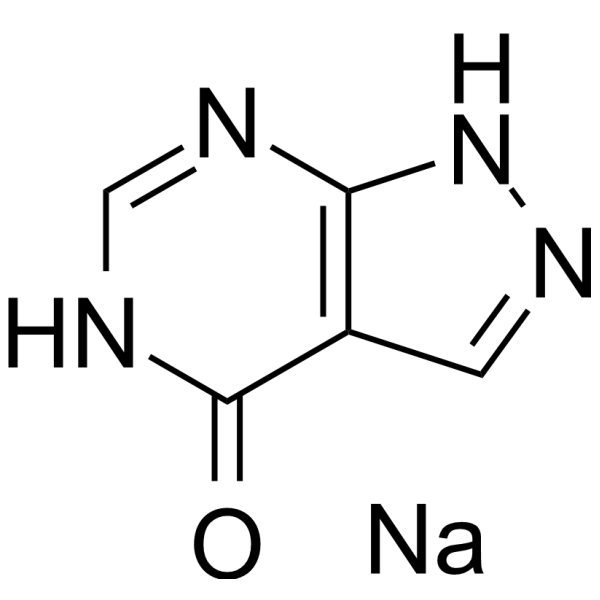
    Allopurinol sodium
    10+ Cited Publications

    Xanthine Oxidase Infection Neurological Disease Inflammation/Immunology Cancer
    Allopurinol sodium is a potent and orally active xanthine oxidase inhibitor with an IC50 value of 0.2-50 μM. Allopurinol sodium can be used in the research of hyperuricemia and gout. Allopurinol sodium decreases the expression of HIF-1α and HIF-2α protein. Allopurinol sodium shows anti-depressant and anti-nociception activity. Anti-leishmanial effect .
    Allopurinol sodium
  • HY-N7126

    Environmental Pollutants Potassium Channel Neurological Disease
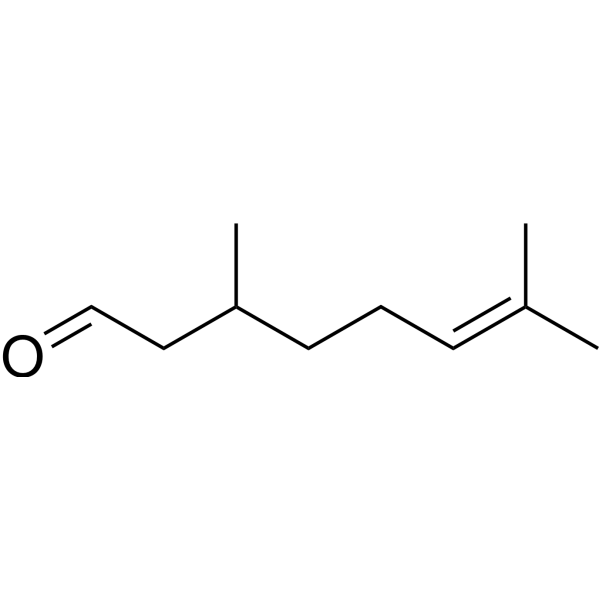
    Citronellal is a monoterpene that can be found in the essential oils in various aromatic species of plants, with antiinflammatory and antinociceptive properties. Citronellal attenuates mechanical nociception, mediated in part by the NO-cGMP-ATP-sensitive K+ channel pathway. Citronellal induces reduction of spontaneuous activity, ataxia, analgesia, and sedation in vivo. Citronellal can attenuate mechanical nociception response in mouse model .
    Citronellal
  • HY-103368
    Eact
    1 Publications Verification

    Chloride Channel Neurological Disease
    Eact is a selective and potent activator of TMEM16A, directly activates the TRPV1 channels in sensory nociceptors and produces itch, acute nociception and thermal hypersensitivity .
    Eact
  • HY-111664

    (+)-Citronellal

    Bacterial Fungal Insecticide Taste Receptor Opioid Receptor Infection Neurological Disease Inflammation/Immunology
    (R)-(+)-Citronellal ((+)-Citronellal) is a monoterpenoid compound and is one of the main components of essential oils from plants such as lemon grass. (R)-(+)-Citronellal has antibacterial, antifungal, and insecticidal activities. (R)-(+)-Citronellal alleviates the bitterness of caffeine by antagonizing the bitter taste receptors Tas2r43 (IC50 = 84 μM) and Tas2R46. (R)-(+)-Citronellal generates analgesic activity by activating the opioid receptor (broad-spectrum opioid receptor) pathway, and its effect is particularly significant for inflammatory pain .
    (R)-(+)-Citronellal
  • HY-N8487

    Cytochrome P450 Neurological Disease Inflammation/Immunology Cancer
    7-Methoxyflavone is a flavonoid compound that can be isolated from Zornia brasiliensis. 7-Methoxyflavone can bind to human serum albumin and is an aromatase inhibitor. 7-Methoxyflavone has peripheral analgesic and certain antitumor activities. 7-Methoxyflavone is effective against chemical pain but has no significant effect on thermal pain .
    7-Methoxyflavone
  • HY-P1248

    NPFF

    Neuropeptide FF Receptor Cardiovascular Disease Neurological Disease
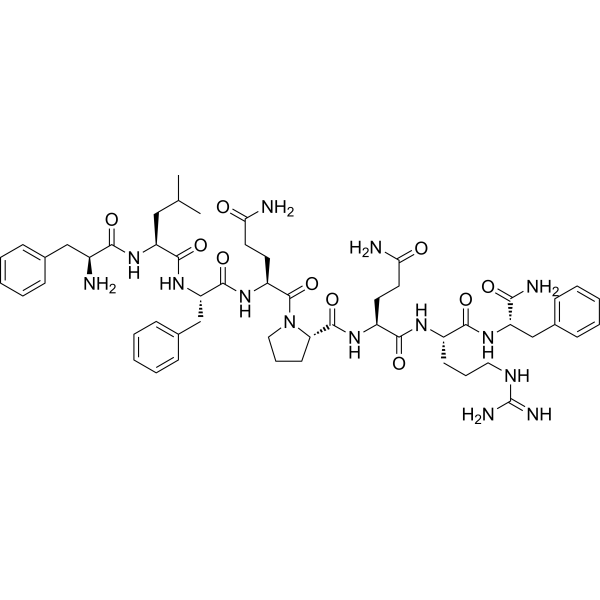
    Neuropeptide FF (NPFF), an octapeptide belonging to the RF-amide family of peptides, is a NPFF1 and NPFF2 receptors agonist with Ki values of 2.82 nM and 0.21 nM, respectively. Neuropeptide FF induces abstinence syndrome, exerts antiopioid and analgesic effects, releases via calcium-dependent mechanisms from rat spinal cord, regulates memory, autonomic function, and neuroendocrine function, modulates pain and opioid antinociception, reduces food intake, stimulates water intake, alters cardiovascular parameters, and shows differential activity in hypothalamic paraventricular nucleus neurons. Neuropeptide FF is present in mammalian central nervous system and periphery, with NPFF-immunoreactivity increases in rat cerebrospinal fluid during opiate tolerance, and its NPFF gene and NPFF-R2 gene are up-regulated in rat spinal cord and dorsal root ganglia during peripheral inflammation. Neuropeptide FF can be used for the research of opioid tolerance, morphine-induced analgesia, abstinence syndrome, pain, hypertension, nociception, inflammatory pain, and neuropathic pain .
    Neuropeptide FF
  • HY-N7144A

    Environmental Pollutants PKC TRP Channel PKA Neurological Disease
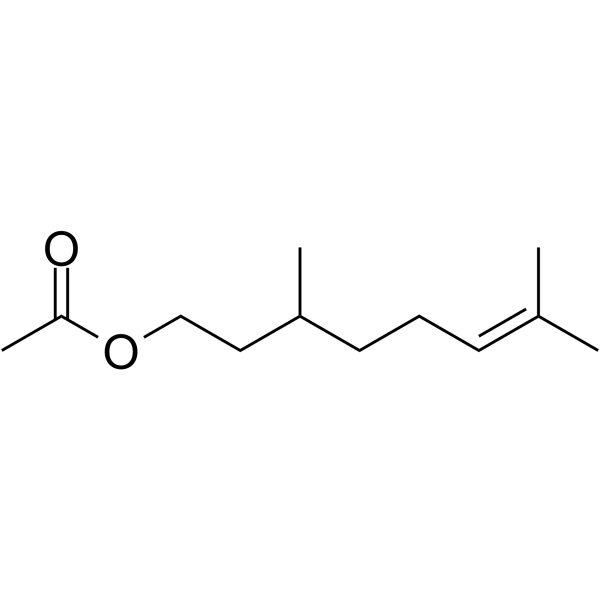
    Citronellyl acetate, a monoterpene product of the secondary metabolism of plants, is an orally active antinociceptive agent. Citronellyl acetate modulates TRPV1, TRPM8, ASIC, glutamate receptors, PKC, and PKA-mediated nociception. Citronellyl acetate can be used for the research of acute pain .
    Citronellyl acetate
  • HY-18732
    L-NMMA
    10+ Cited Publications

    Tilarginine; Methylarginine

    NO Synthase Neurological Disease Inflammation/Immunology Cancer
    L-NMMA (Tilarginine) is a non-selective and competitive inhibitor of nitric oxide synthase. L-NMMA inhibits three subtypes, namely nNOS, eNOS, and iNOS, and reduces NO production . L-NMMA alleviates mechanical allodynia, thermal hyperalgesia, and choroidal fibrosis. L-NMMA is applicable to research related to nociception, bone cancer pain, and myopia .
    L-NMMA
  • HY-P4058

    CGRP free acid

    CGRP Receptor Neurological Disease
    Calcitonin gene-related peptide (CGRP) free acid is a 37-amino acid neuropeptide, which represents the deamidated form of α-CGRP (human) (HY-P1071). Calcitonin gene-related peptide free acid is produced in the central and peripheral nervous systems of rats, and localizes to specific sensory, integrative and motor neuron systems, including those involved in nociception/thermoreception, feeding behavior, olfaction and visceral motor functions .
    Calcitonin gene-related peptide free acid
  • HY-14350
    AC-55541
    1 Publications Verification

    Protease Activated Receptor (PAR) Others
    AC-55541 is a highly selective protease-activated receptor 2 (PAR2) agonist (pEC50=6.7), displays no activity at other PAR subtypes or at over 30 other receptors involved in nociception and inflammation. AC-55541 has pEC50 values of 5.9 and 6.6 in PI hydrolysis assays and Ca 2+ mobilization assays and exhibits pronociceptive activity in vivo .
    AC-55541
  • HY-P1345A
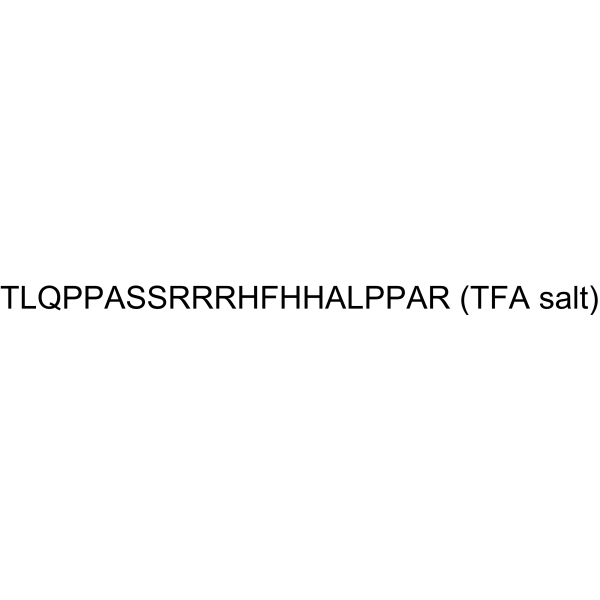
    TLQP-21 TFA
    2 Publications Verification

    Complement System Neurological Disease Endocrinology
    TLQP-21 TFA, a VGF-derived peptide endowed of endocrine and extraendocrine properties, is a potent G-protein-coupled receptor complement-3a receptor1 (C3aR1) agonist (EC50: mouse TLQP-21=10.3 μM; human TLQP-21=68.8μM). TLQP-21 TFA activates C3aR1 to induce an increase of intracellular Ca 2+. TLQP-21 TFA is used for the research in regulation of nociception and other relevant physiologic functions .
    TLQP-21 TFA
  • HY-112692

    Opioid Receptor Neurological Disease
    AT-121 is a bifunctional nociception and mu opioid receptor agonist, with Kis of 3.67 and 16.49 nM, respectively. AT-121 is a safe, non-addictive analgesic, and shows antinociceptive and antiallodynic effects .
    AT-121
  • HY-W097625

    Toll-like Receptor (TLR) MyD88 p38 MAPK NF-κB Heme Oxygenase (HO) Neurological Disease Inflammation/Immunology Cancer
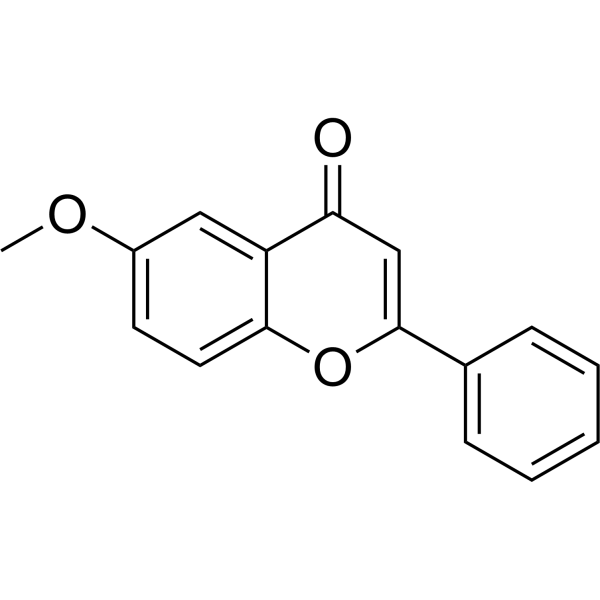
    6-Methoxyflavone is an orally active methoxyflavone. 6-Methoxyflavone suppresses neuroinflammation in microglia through the inhibition of TLR4/MyD88/p38 MAPK/NF-κB dependent pathways and the activation of HO-1/NQO-1 signaling. 6-Methoxyflavone induces S-phase arrest through the CCNA2/CDK2/p21CIP1 signaling pathway in HeLa cells. 6-Methoxyflavone inhibits NFAT Translocation into the nucleus and suppresses T cell activation. 6-Methoxyflavone partially restores chronic ethanol-induced behavioral deficits in mice. 6-Methoxyflavone antagonizes chronic constriction injury and diabetes associated neuropathic nociception expression. 6-Methoxyflavone can be used for the study of cancer, inflammation and neurological diseases .
    6-Methoxyflavone
  • HY-P1238A

    Neuromedin U (rat) TFA; Rat neuromedin U-23 TFA

    Neuromedin U Receptor (NMUR) Neurological Disease
    Neuromedin U, rat TFA is a 23-amino acid brain-gut peptide. Neuromedin U (NMU), through its cognate receptor NMUR2 in the central nervous system, regulates several important physiological functions, including energy balance, stress response, and nociception.
    Neuromedin U, rat TFA
  • HY-P1302

    Opioid Receptor Neurological Disease
    Orphanin FQ(1-11), a orphanin FQ or nociceptin (OFQ/N) fragment, is a potent NOP receptor (ORL-1; OP4) agonist, with a Ki of 55 nM. Orphanin FQ(1-11) has no affinity for μ, δ, κ1 and κ3 receptors (Ki>1000 nM). Orphanin FQ(1-11) is analgesic in CD-1 mice .
    Orphanin FQ(1-11)
  • HY-B0219R

    Reference Standards Xanthine Oxidase Infection Neurological Disease Inflammation/Immunology Cancer
    Allopurinol (Standard) is the analytical standard of Allopurinol. This product is intended for research and analytical applications. Allopurinol is a potent and orally active xanthine oxidase inhibitor with an IC50 value of 0.2-50 μM. Allopurinol can be used in the research of hyperuricemia and gout. Allopurinol decreases the expression of HIF-1α and HIF-2α protein. Allopurinol shows anti-depressant and anti-nociception activity. Anti-leishmanial effect .
    Allopurinol (Standard)
  • HY-125942
    SKF-96365
    Maximum Cited Publications
    27 Publications Verification

    CRAC Channel TRP Channel CaMK Akt Apoptosis Autophagy Na+/Ca2+ Exchanger Calcium Channel Neurological Disease Inflammation/Immunology Cancer
    SKF-96365 is a TRPC channel antagonist and store-operated calcium entry (SOCE) inhibitor. SKF-96365 reduces calcium ion influx by inhibiting the activity and expression of TRPC6, STIM1 and Orai1. SKF-96365 inhibits voltage-gated sodium current (cardiac INa/NaV1.5) and slows myocardial conduction. SKF-96365 inhibits phosphorylation/activation of CaMKIIγ and suppresses the downstream AKT signaling pathway. SKF-96365 induces G2/M phase cell cycle arrest, apoptosis and cytoprotective autophagy in colorectal cancer cells. SKF-96365 alleviates allergic rhinitis symptoms by reducing inflammatory cytokine levels. SKF-96365 reduces intracellular calcium overload, inhibits Homer1 expression, prevents nuclear damage and suppresses apoptosis. SKF-96365 inhibits the growth of colorectal cancer xenografts in nude mice . SKF-96365 is applicable to research related to allergic rhinitis, colorectal cancer, Parkinson's disease, persistent spontaneous nociception and hyperalgesia .
    SKF-96365
  • HY-135809

    Potassium Channel Neurological Disease
    A2764 dihydrochloride is a highly selective inhibitor of TRESK (TWIK-related spinal cord K + channel, K2P18.1), which has moderate inhibitory effects on TREK-1 and TALK-1. A2764 dihydrochloride is more sensitive to the activated mTRESK channels (IC50=6.8 μM) than the basal current. A2764 dihydrochloride can lead to cell depolarization and increased excitability in native cells, it has the potential for probing the role of TRESK channel in migraine and nociception .
    A2764 dihydrochloride
  • HY-116005

    Adenosine Kinase Neurological Disease Inflammation/Immunology
    A-286501 is an orally active and potent carbocyclic nucleoside adenosine kinase inhibitor with an IC50 value of 0.47 nM, which shows analgesic and anti-inflammatory effects. A-286501 reduces nociception in animal models of acute (thermal), inflammatory (formalin and carrageenan) and neuropathic (L5/L6 nerve ligation and streptozotocin-induced diabetic) pain. A-286501 also reduces Carrageenan (HY-125474)-induced paw edema and myeloperoxidase activity in the injured paw. A-286501 is promising for research of analgesic and anti-inflammatory agents .
    A-286501
  • HY-P1345

    Complement System Neurological Disease Endocrinology
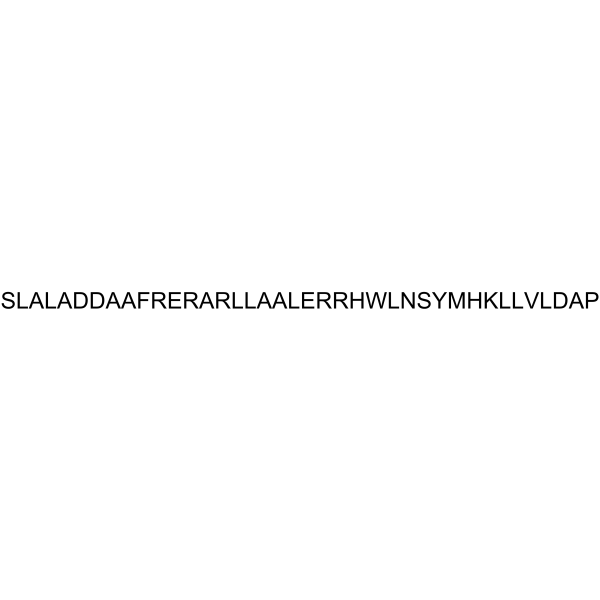
    TLQP-21, a VGF-derived peptide endowed of endocrine and extraendocrine properties, is a potent G-protein-coupled receptor complement-3a receptor 1 (C3aR1) agonist (EC50: mouse TLQP-21=10.3 μM; human TLQP-21=68.8 μM). TLQP-21 activates C3aR1 to induce an increase of intracellular Ca 2+. TLQP-21 is used for the research in regulation of nociception and other relevant physiologic functions .
    TLQP-21
  • HY-P5152

    Sodium Channel Neurological Disease
    Scorpion toxin Tf2 is a β-scorpion toxin, which is firstly identified in the venom of the Brazilian scorpion Tityus fasciolatus. Scorpion toxin Tf2 is a Nav1.3 activator, which is a neuronal voltage-gated sodium (Nav) subtype implicated in epilepsy and nociception. Scorpion toxin Tf2 enhances hNav1.3 activation voltage and opens the channel at resting membrane potentials .
    Scorpion toxin Tf2
  • HY-14407

    L-758298

    Neurokinin Receptor Neurological Disease Endocrinology Cancer
    Fosaprepitant (L-785298) is a proagent of Aprepitant (HY-10052). Fosaprepitant is a neurokinin-1 receptor antagonist, which is development for the prevention of chemotherapy-induced nausea and vomiting (CINV) .
    Fosaprepitant
  • HY-147306

    NO Synthase Neurological Disease
    ZLc-002 is a selective inhibitor of nNOS-Capon coupling. ZLc-002 suppresses inflammatory nociception and chemotherapy-induced neuropathic pain. ZLc-002 can be used for the research of anxiety disorder and inflammation .
    ZLc-002
  • HY-B0352B

    (R)-Org3770; (R)-6-Azamianserin

    5-HT Receptor Neurological Disease
    (R)-Mirtazapine ((R)-Org3770) is a R( )-enantiomer of Mirtazapine with antinociceptive properties in an animal model of acute thermal nociception. (R)-Mirtazapine is a 5-HT3 receptor antagonist. (R)-Mirtazapine is mainly metabolized by CYP3A4 .
    (R)-Mirtazapine
  • HY-P1238

    Neuromedin U (rat); Rat neuromedin U-23

    Neuromedin U Receptor (NMUR) Neurological Disease
    Neuromedin U, rat is a 23-amino acid brain-gut peptide. Neuromedin U (NMU), through its cognate receptor NMUR2 in the central nervous system, regulates several important physiological functions, including energy balance, stress response, and nociception.
    Neuromedin U, rat
  • HY-107561

    Histamine Receptor Inflammation/Immunology
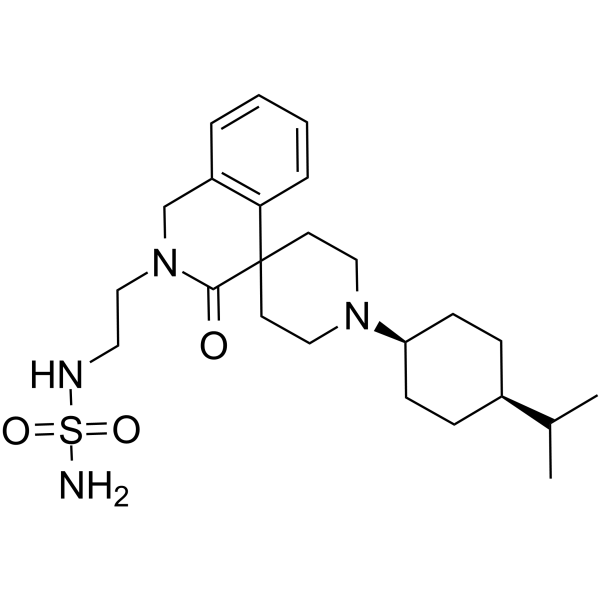
    A-943931 (Compound 10) is a histamine H4 receptor antagonists. A-943931 has improved pharmacotropic and in vivo efficacy in models of pain and inflammation. A-943931 can be used in vivo anti-inflammatory and anti-nociception research .
    A-943931 hydrochloride
  • HY-B0352A

    (S)-Org3770; (S)-6-Azamianserin

    5-HT Receptor Neurological Disease
    (S)-Mirtazapine ((S)-Org3770) is a S(+)-enantiomer of Mirtazapine with pronociceptive properties in an animal model of acute thermal nociception. (S)-Mirtazapine is a stereoselective 5-HT2 receptor antagonist. (S)-Mirtazapine is metabolized by CYP2D6 and CYP1A2 .
    (S)-Mirtazapine
  • HY-N2433

    Potassium Channel Neurological Disease
    Paederosidic acid methyl ester is a ATP‐sensitive K + channel activator, isolated from P. scandens. Paederosidic acid methyl ester exhibits significant central analgesic activity, and enhances the threshold of pain by activating ATP‐sensitive K + channel in the brain and spinal cord level .
    Paederosidic acid methyl ester
  • HY-B0219S1

    Isotope-Labeled Compounds Xanthine Oxidase Infection Neurological Disease Inflammation/Immunology Cancer
    Allopurinol- 13C, 15N2 is the 13C- and 15N-labeled labeled Allopurinol (HY-B0219). Allopurinol is a potent and orally active xanthine oxidase inhibitor with an IC50 value of 0.2-50 μM. Allopurinol can be used in the research of hyperuricemia and gout. Allopurinol decreases the expression of HIF-1α and HIF-2α protein. Allopurinol shows anti-depressant and anti-nociception activity. Anti-leishmanial effect .
    Allopurinol-13C,15N2
  • HY-P3820

    Neurokinin Receptor Neurological Disease Inflammation/Immunology
    [Dehydro-Pro4] Substance P (4-11) is a peptide fragment of Substance P. Substance P is a peptide mainly secreted by neurons. Substance P takes part in many biological processes, including nociception, inflammation and immunity .
    [Dehydro-Pro4] Substance P (4-11)
  • HY-147306A

    NO Synthase Neurological Disease
    (S)-ZLc002 is a S-enantiomer of ZLc-002. ZLc-002 is a selective inhibitor of nNOS-Capon coupling. ZLc-002 suppresses inflammatory nociception and chemotherapy-induced neuropathic pain .
    (S)-ZLc002
  • HY-112692A

    Opioid Receptor Neurological Disease
    AT-121 hydrochloride is a bifunctional nociception and mu opioid receptor agonist, with Kis of 3.67 and 16.49 nM, respectively. AT-121 hydrochloride is a safe, non-addictive analgesic, and shows antinociceptive and antiallodynic effects .
    AT-121 hydrochloride
  • HY-106732

    Opioid Receptor Neurological Disease
    AT-076 is an opioid pan antagonist at nociception, kappa, mu, and delta opioid receptors, with Ki values of 1.75 nM (NOP), 1.67 nM (MOP), 1.14 nM (KOP) and 19.6 nM (DOP), respectively .
    AT-076
  • HY-P1302A

    Opioid Receptor Neurological Disease
    Orphanin FQ(1-11) TFA, a orphanin FQ or nociceptin (OFQ/N) fragment, is a potent NOP receptor (ORL-1; OP4) agonist, with a Ki of 55 nM. Orphanin FQ(1-11) TFA has no affinity for μ, δ, κ1 and κ3 receptors (Ki>1000 nM). Orphanin FQ(1-11) TFA is analgesic in CD-1 mice .
    Orphanin FQ(1-11) TFA
  • HY-14407AR

    MK-0517 (Standard); L785298 (Standard)

    Reference Standards Neurokinin Receptor Neurological Disease Endocrinology Cancer
    Fosaprepitant (dimeglumine) (Standard) is the analytical standard of Fosaprepitant (dimeglumine). This product is intended for research and analytical applications. Fosaprepitant dimeglumine (MK-0517) is a proagent of Aprepitant (HY-10052). Fosaprepitant dimeglumine is a neurokinin-1 receptor antagonist, which is development for the prevention of chemotherapy-induced nausea and vomiting (CINV) .
    Fosaprepitant dimeglumine (Standard)
  • HY-P3933

    Neurokinin Receptor Neurological Disease Inflammation/Immunology
    [Tyr8,Nle11] Substance P is a Substance P (HY-P0201) analog. Substance P is a peptide mainly secreted by neurons and is involved in many biological processes, including nociception and inflammation .
    [Tyr8,Nle11] Substance P
  • HY-119097

    mGluR Neurological Disease
    LY456066 is a selective non-competitive metabotropic glutamate receptors (mGluR1) antagonist with an IC50 value of 52.0 nM. LY456066 is effective in rodent models of anxiolysis and nociception. LY456066 reduces hyperalgesia and the amount of licking and flinching following formalin injection, which is promising for research of analgesics for chronic pain .
    LY456066
  • HY-139703

    Biochemical Assay Reagents Inflammation/Immunology
    Se-DMC attenuates complete Freund’s adjuvant (CFA)-induced inflammatory response, nociception, and neurobehavioral deficits in mice.
    Se-DMC
  • HY-N7126R

    Reference Standards Potassium Channel Neurological Disease
    Citronellal (Standard) is the analytical standard of Citronellal. This product is intended for research and analytical applications.Citronellal is a monoterpene that can be found in the essential oils in various aromatic species of plants, with antiinflammatory and antinociceptive properties. Citronellal attenuates mechanical nociception, mediated in part by the NO-cGMP-ATP-sensitive K+ channel pathway. Citronellal induces reduction of spontaneuous activity, ataxia, analgesia, and sedation in vivo. Citronellal can attenuate mechanical nociception response in mouse model .
    Citronellal (Standard)
  • HY-P1300A

    Opioid Receptor Neurological Disease
    [(pF)Phe4]Nociceptin(1-13)NH2 TFA is a highly potent and selective NOP receptor (OP4) agonist, with a pKi of 10.68 and a pEC50 of 9.31. [(pF)Phe4]Nociceptin(1-13)NH2 TFA displays high selectivity over δ, κ, and μ opioid receptors (>3000 fold) .
    [(pF)Phe4]Nociceptin(1-13)NH2 TFA
  • HY-P1300

    Opioid Receptor Neurological Disease
    [(pF)Phe4]Nociceptin(1-13)NH2 is a highly potent and selective NOP receptor (OP4) agonist, with a pKi of 10.68 and a pEC50 of 9.31. [(pF)Phe4]Nociceptin(1-13)NH2 displays high selectivity over δ, κ, and μ opioid receptors (>3000 fold) .
    [(pF)Phe4]Nociceptin(1-13)NH2
  • HY-P1301

    Opioid Receptor Neurological Disease
    [Arg14,Lys15]Nociceptin is a highly potent and selective NOP receptor (ORL1; OP4) agonist, with an EC50 of 1 nM. [Arg14,Lys15]Nociceptin displays high selectivity over opioid receptors, with IC50s of 0.32, 280, >10000 and 1500 nM for NOP, μ, δ and κ receptors, respectively .
    [Arg14,Lys15]Nociceptin
  • HY-P1301A

    Opioid Receptor Neurological Disease
    [Arg14,Lys15]Nociceptin TFA is a highly potent and selective NOP receptor (ORL1; OP4) agonist, with an EC50 of 1 nM. [Arg14,Lys15]Nociceptin TFA displays high selectivity over opioid receptors, with IC50s of 0.32, 280, >10000 and 1500 nM for NOP, μ, δ and κ receptors, respectively .
    [Arg14,Lys15]Nociceptin TFA

Inquiry Online

Your information is safe with us. * Required Fields.

Salutation


Country or Region *

Applicant Name *


Organization Name *

Department *


Email Address *


Product Name *

Cat. No.


Requested quantity *

Phone Number *


Remarks

Inquiry Online

Inquiry Information

Product Name:
Cat. No.:
Quantity:
MCE Japan Authorized Agent:

