

1. Search Result
Search Result
Pathways Recommended: Stem Cell/Wnt Cell Cycle/DNA Damage
Results for "

renal cell carcinoma

" in MedChemExpress (MCE) Product Catalog:

124

Inhibitors & Agonists

1

Fluorescent Dyes

3

Peptides

16

Inhibitory Antibodies

18

Natural
Products

1

Recombinant Proteins

6

Isotope-Labeled Compounds

12

Antibodies

2

Click Chemistry

3

Oligonucleotides

Cat. No. Product Name Target Research Areas Chemical Structure
  • HY-125840
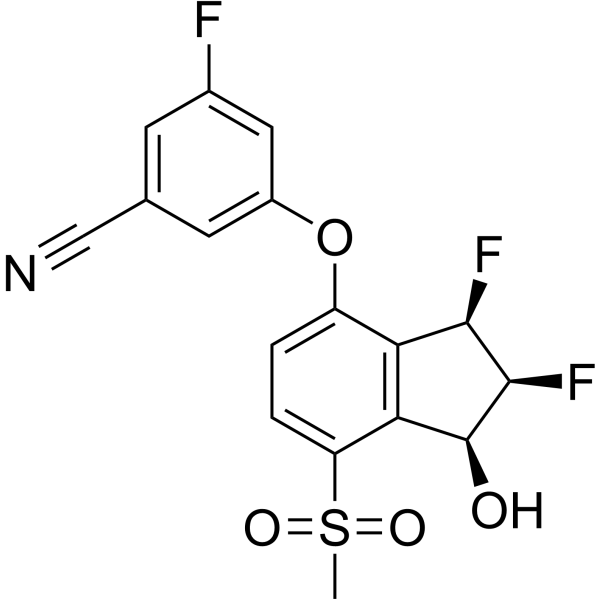
    Belzutifan
    10+ Cited Publications

    PT2977; MK-6482

    HIF/HIF Prolyl-Hydroxylase Cancer
    Belzutifan (PT2977) is an orally active and selective HIF-2α inhibitor with an IC50 of 9 nM. Belzutifan, as a second-generation HIF-2α inhibitor, increases potency and improves pharmacokinetic profile. Belzutifan is a potential treatment for clear cell renal cell carcinoma (ccRCC) .
    Belzutifan
  • HY-B1204
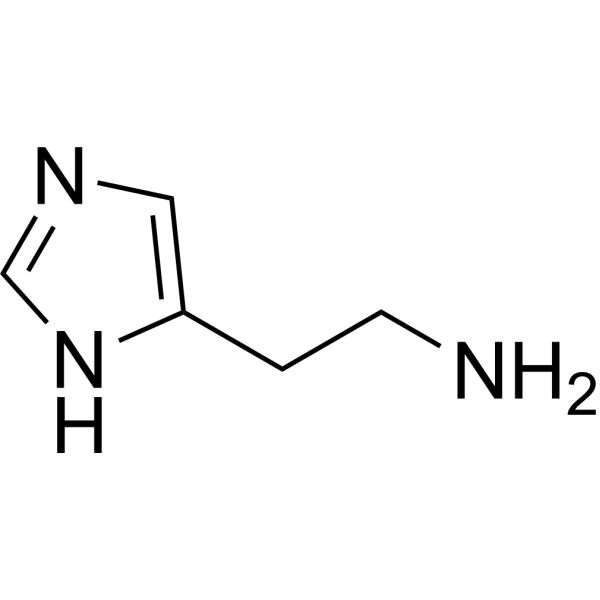
    Histamine
    Maximum Cited Publications
    20 Publications Verification

    Ergamine

    Histamine Receptor p38 MAPK Akt Reactive Oxygen Species (ROS) Apoptosis Endogenous Metabolite Neurological Disease Inflammation/Immunology Endocrinology Cancer
    Histamine is the agonist for histamine receptor and a vasodilator. Histamine is an organic nitrogen compound that participates in local immune responses, regulates intestinal physiological functions, and acts as a neurotransmitter. Histamine affects p38 MAPK/Akt signaling pathway, exhibits antitumor, antioxidant and anti-inflammatory activities. Histamine can be used in the research of acute myeloid leukemia, malignant melanoma, and renal cell carcinoma .
    Histamine
  • HY-10977
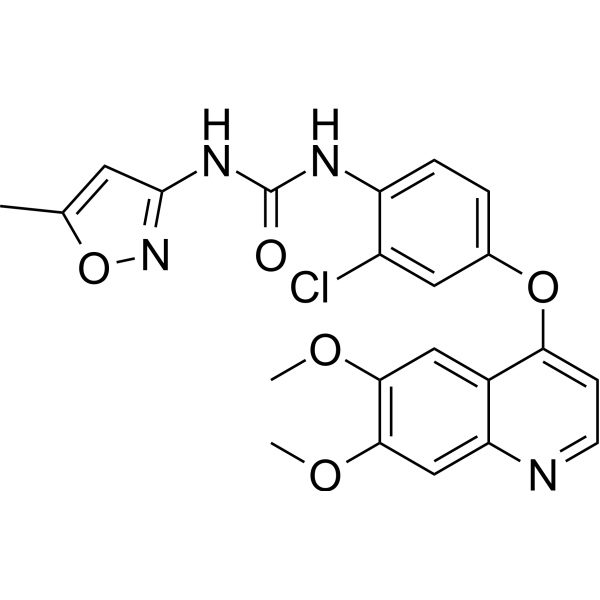
    Tivozanib
    5+ Cited Publications

    AV-951; KRN951

    VEGFR Cancer
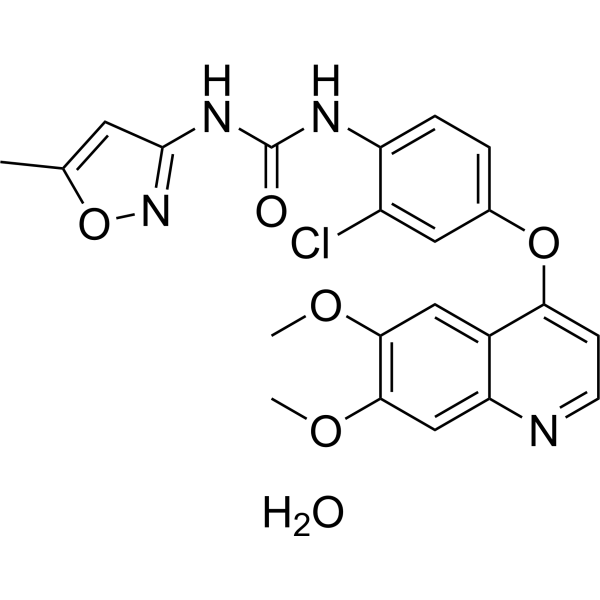
    Tivozanib (AV-951; KRN951) is a selective, orally active inhibitor for vascular endothelial growth factor receptor (VEGFR)-1, 2 3, with IC50s of 30, 6.5 and 15 nM, respectively. Tivozanib exhibits antitumor efficacy .
    Tivozanib
  • HY-B0722
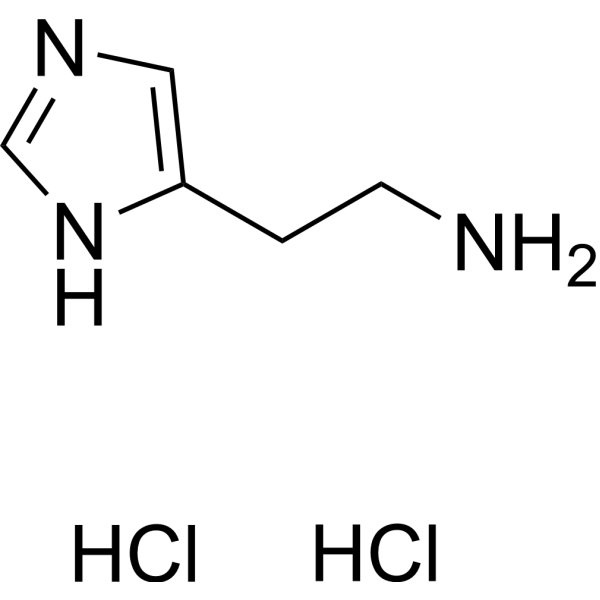
    Histamine dihydrochloride
    Maximum Cited Publications
    20 Publications Verification

    Histamine Receptor p38 MAPK Akt Reactive Oxygen Species (ROS) Apoptosis Endogenous Metabolite Neurological Disease Inflammation/Immunology Endocrinology Cancer
    Histamine dihydrochloride is the agonist for histamine receptor and a vasodilator. Histamine dihydrochloride is an organic nitrogen compound that participates in local immune responses, regulates intestinal physiological functions, and acts as a neurotransmitter. Histamine dihydrochloride affects p38 MAPK/Akt signaling pathway, exhibits antitumor, antioxidant and anti-inflammatory activities. Histamine dihydrochloride can be used in the research of acute myeloid leukemia, malignant melanoma, and renal cell carcinoma .
    Histamine dihydrochloride
  • HY-P99023
    Girentuximab
    1 Publications Verification

    G250; cG250

    Carbonic Anhydrase Cancer
    Girentuximab (G250) is a chimeric monoclonal antibody that binds carbonic anhydrase IX (CAIX), a cell surface glycoprotein ubiquitously expressed in clear cell renal cell carcinoma (ccRCC) .
    Girentuximab
  • HY-164734

    R-DXd; DS-6000

    Antibody-Drug Conjugates (ADCs) Cancer
    Raludotatug Deruxtecan is an antibody-drug conjugate targeting CDH6, with an EC50 of 64.7 ng/mL in humans, 70.4 ng/mL in cynomolgus monkeys, and 228 ng/mL in mice. Raludotatug Deruxtecan specifically binds to CDH6 on the surface of cancer cells, triggers lysosomal internalization, and releases the DXd payload that inhibits TOP1. Raludotatug Deruxtecan induces DNA damage, Chk1 phosphorylation, caspase-3 cleavage, apoptosis, and bystander cell death. Raludotatug Deruxtecan is applicable to research related to serous ovarian cancer and renal cell carcinoma .
    Raludotatug Deruxtecan
  • HY-133168
    Englerin A
    1 Publications Verification

    TRP Channel Cancer
    Englerin A is a potent and selective activator of TRPC4 and TRPC5 channels, with EC50s of 11.2 and 7.6 nM, respectively. Englerin A can induce renal carcinoma cells death by elevated Ca 2+ influx and Ca 2+ cell overload .
    Englerin A
  • HY-A0129
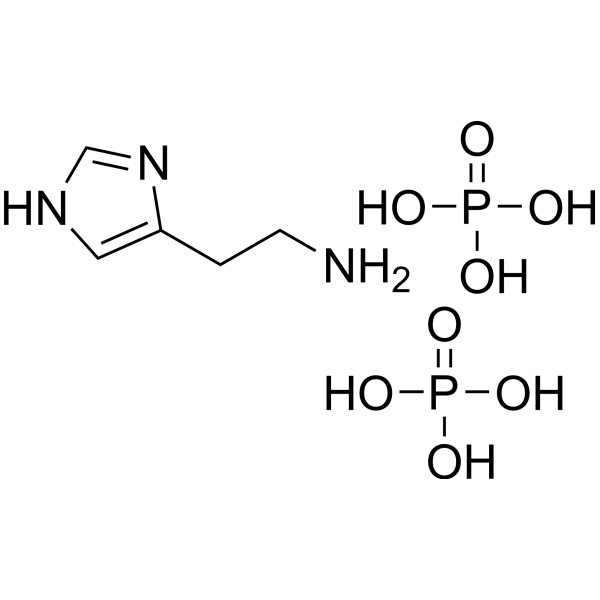
    Histamine phosphate
    Maximum Cited Publications
    20 Publications Verification

    Histamine diphosphate

    Histamine Receptor p38 MAPK Akt Reactive Oxygen Species (ROS) Apoptosis Endogenous Metabolite Neurological Disease Inflammation/Immunology Endocrinology Cancer
    Histamine phosphate is the agonist for histamine receptor and a vasodilator. Histamine phosphate is an organic nitrogen compound that participates in local immune responses, regulates intestinal physiological functions, and acts as a neurotransmitter. Histamine phosphate affects p38 MAPK/Akt signaling pathway, exhibits antitumor, antioxidant and anti-inflammatory activities. Histamine phosphate can be used in the research of acute myeloid leukemia, malignant melanoma, and renal cell carcinoma .
    Histamine phosphate
  • HY-121360

    DNA/RNA Synthesis Reactive Oxygen Species (ROS) Cancer
    Cylindrospermopsin, a cyanotoxin, is a polycyclic uracil derivative containing guanidine and sulfate groups, which can inhibit protein synthesis and covalently modify DNA or RNA. Cylindrospermopsin induces hepatocellular hypertrophy, renal cellular hypertrophy, intracellular reactive oxygen species (ROS), DNA strand breaks, mitochondrial hyperpolarisation, ultrastructural damage, and altered gene expression in liver, kidney, and intestinal cells. Cylindrospermopsin can be used in research including hepatocellular carcinoma and water quality testing .
    Cylindrospermopsin
  • HY-18728
    STF-31
    15+ Cited Publications

    GLUT Autophagy Cancer
    STF-31 is a selective inhibitor of glucose transporter 1 (GLUT1), with an IC50 of 1 μM. STF-31 is also a NAMPT inhibitor. STF-31 inhibits glucose uptake in renal cell carcinoma (RCC) 4 cells .
    STF-31
  • HY-W013274
    CPTH2
    1 Publications Verification

    Histone Acetyltransferase Apoptosis Cancer
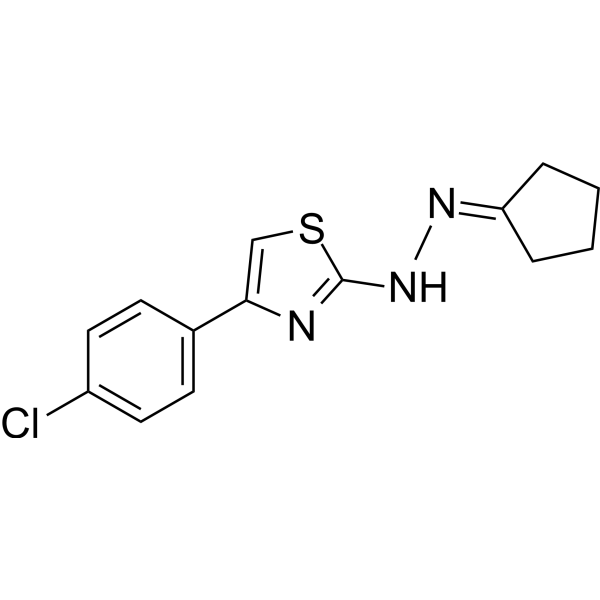
    CPTH2 is a potent histone acetyltransferase (HAT) inhibitor. CPTH2 selectively inhibits the acetylation of histone H3 by Gcn5. CPTH2 induces apoptosis and decreases the invasiveness of a clear cell renal carcinoma (ccRCC) cell line through the inhibition of acetyltransferase p300 (KAT3B) .
    CPTH2
  • HY-139782
    SKLB325
    2 Publications Verification

    Histone Demethylase Apoptosis Cancer
    SKLB325 is a Jumonji domain-containing 6 (JMJD6) inhibitor with a binding affinity (KD) value of 0.755 μM, and the IC50 value of 0.7797 μM. SKLB325 exhibits antitumor effects on ovarian cancer in vivo and in vitro. SKLB325 induces apoptosis . SKLB325 exhibits remarkable antitumor efficacy in renal cell carcinoma (RCC) .
    SKLB325
  • HY-110228

    1,1-Dimethylbiguanide-d6 hydrochloride

    Isotope-Labeled Compounds AMPK Autophagy Mitophagy Apoptosis mTOR Cardiovascular Disease Metabolic Disease
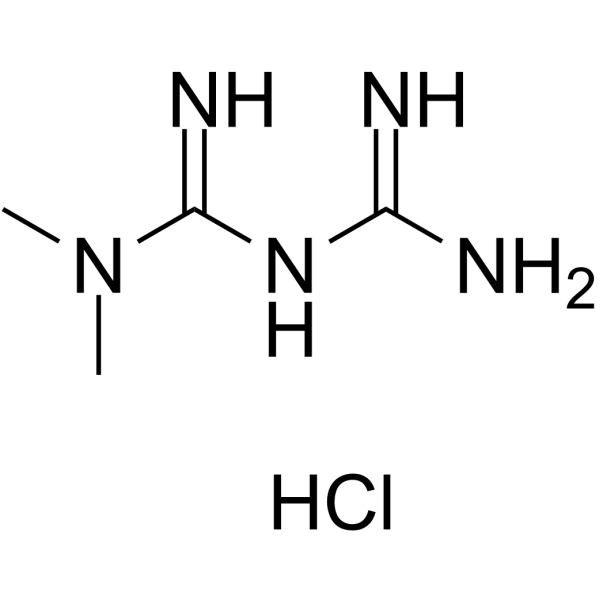
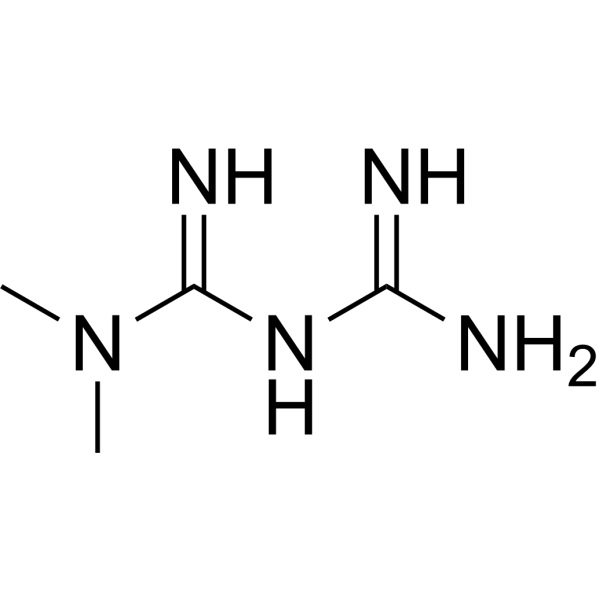
    Metformin-d6 hydrochloride is a deuterium labeled Metformin hydrochloride. Metformin hydrochloride inhibits the mitochondrial respiratory chain in the liver, leading to AMPK activation and enhancing insulin sensitivity, and can be used in the study of type 2 diabetes. Metformin hydrochloride also inhibits liver oxidative stress, nitrosative stress, inflammation, and apoptosis caused by liver ischemia/reperfusion injury. In addition, metformin hydrochloride regulates the expression of autophagy-related proteins by activating AMPK and inhibiting the mTOR signaling pathway, thereby inducing tumor cell autophagy and inhibiting the growth of renal cell carcinoma in vitro and in vivo .
    Metformin-d6 hydrochloride
  • HY-W195984
    Z57346765
    1 Publications Verification

    Phosphoglycerate Kinase (PGK) Cancer
    Z57346765 is an inhibitor that targets the ADP-binding pocket of PGK1, with a Kd of 20.9 μM for human PGK1, and exhibits anticancer activity. Z57346765 reduces the activity of the metabolic enzyme PGK1 during glycolysis, regulates lipid peroxidation and cancer cell proliferation, and promotes lipid peroxidation in cervical cancer cells. Z57346765 inhibits the proliferation of cervical cancer and clear cell renal cell carcinoma cells in xenograft mouse models, and induces the expression of genes associated with cell metabolism, DNA replication and cell cycle. Z57346765 is used in research related to cervical cancer, clear cell renal cell carcinoma and breast cancer .
    Z57346765
  • HY-152830

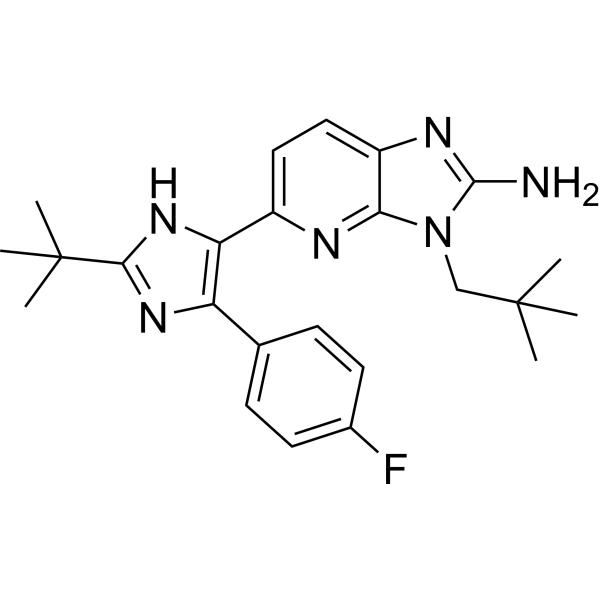
    Q702

    c-Fms TAM Receptor MHC Cancer
    Adrixetinib (Q702) is an orally active triple inhibitor against CSF1R, Mer, and Axl, with Kd values of 8.7 nM, 0.8 nM, and 0.3 nM, respectively. Adrixetinib acts as a potent immune modulator that remodels the tumor microenvironment. Adrixetinib increases the abundance of M1 macrophages and CD8⁺ T cells, while decreasing the levels of M2 macrophages and myeloid-derived suppressor cells (MDSCs). Adrixetinib upregulates the expression of MHC class I and E-cadherin in tumor cells. Adrixetinib shows remarkable antitumor efficacy in syngeneic mouse tumor models. Adrixetinib is suitable for the research of breast cancer, renal adenocarcinoma, colon carcinoma, and melanoma .
    Adrixetinib
  • HY-13241A
    Ralimetinib
    10+ Cited Publications

    LY2228820

    p38 MAPK Autophagy Cancer
    Ralimetinib is an ATP-competitive p38α and p38β MAPK inhibitor with an IC50 of 5.3 nmol/L against human p38α and an IC50 of 3.2 nmol/L against human p38β. Ralimetinib slows tumor growth in preclinical in vivo cancer models, exhibits oral bioavailability in mice, and achieves sustained target inhibition for 4 to 8 h. Ralimetinib is applicable for research on melanoma, non-small cell lung cancer, ovarian cancer, glioma, multiple myeloma, breast cancer, renal cancer, and head and neck squamous cell carcinoma .
    Ralimetinib
  • HY-103706
    ROC-325
    3 Publications Verification

    Autophagy Apoptosis Cancer
    ROC-325 is a potent and orally active autophagy inhibitor with a strong anticancer activity. ROC-325 induces the deacidification of lysosomes, accumulation of autophagosomes, and disrupted autophagic flux. ROC-325 also induces renal cell carcinoma apoptosis .
    ROC-325
  • HY-159644

    AB521

    HIF/HIF Prolyl-Hydroxylase VEGFR Cancer
    Casdatifan (AB521) is an orally active and selective allosteric small-molecule inhibitor of hypoxia-inducible factor 2α (HIF-2α). Casdatifan inhibits pro-tumor gene transcription by blocking the heterodimerization of HIF-2α with ARNT, and significantly suppresses tumor growth in clear cell renal cell carcinoma (ccRCC) models either as a monotherapy or in combination with agents such as Zimberelimab (HY-P99109). Casdatifan is applicable for the research of ccRCC .
    Casdatifan
  • HY-100746
    STF-62247
    2 Publications Verification

    Autophagy Cancer
    STF-62247 is an autophagy inducer that selectively cytotoxic to VHL-deficient renal cell carcinoma (IC50 of 0.625 μM and 16 μM in RCC4 and RCC4/VHL cells, respectively) .
    STF-62247
  • HY-P99273

    TNF Receptor Cancer
    Vorsetuzumab (Anti-Human CD70 Recombinant Antibody) is a human anti-CD70 antibody. Vorsetuzumab enhances macrophage-related phagocytosis of renal carcinoma cells, shows inhibitory efficacy against Burkitt’s lymphoma .
    Vorsetuzumab
  • HY-N2115
    Araloside A
    2 Publications Verification

    Chikusetsusaponin IV

    Renin Apoptosis Bcl-2 Family Interleukin Related Cardiovascular Disease Inflammation/Immunology Cancer
    Araloside A (Chikusetsusaponin IV), triterpenoid saponins, is an orally active component of Aralia elata. Araloside A shows low-renin-inhibitory activity with an IC50 of 77.4 μM. Araloside A can inhibit cell proliferation and induce apoptosis. Araloside A suppresses inflammatory cytokines IL-1β and IL-6 production. Araloside A can be used for the researches of cancer, inflammation and cardiovascular disease, such as renal cell carcinoma and rheumatoid arthritis .
    Araloside A
  • HY-112056
    DIM-C-pPhCO2Me
    1 Publications Verification

    Nuclear Hormone Receptor 4A/NR4A Apoptosis DAPK Isocitrate Dehydrogenase (IDH) PERK Cancer
    DIM-C-pPhCO2Me is a nuclear receptor 4A1 (NR4A1) antagonist. DIM-C-pPhCO2Me induces Apoptosis. DIM-C-pPhCO2Me decreases PAX3-FOXO1A, N-Myc, Rassf4, MyoD1, Grem1, and DAPK1 proteins. DIM-C-pPhCO2Me decreases expression of TXNDC5 and IDH1, induces markers of ER stress (CHOP, ATF4 and p-PERK). DIM-C-pPhCO2Me inhibits renal cell carcinoma, breast cancer. DIM-C-pPhCO2Me can also be used in rhabdomyosarcoma research .
    DIM-C-pPhCO2Me
  • HY-122615
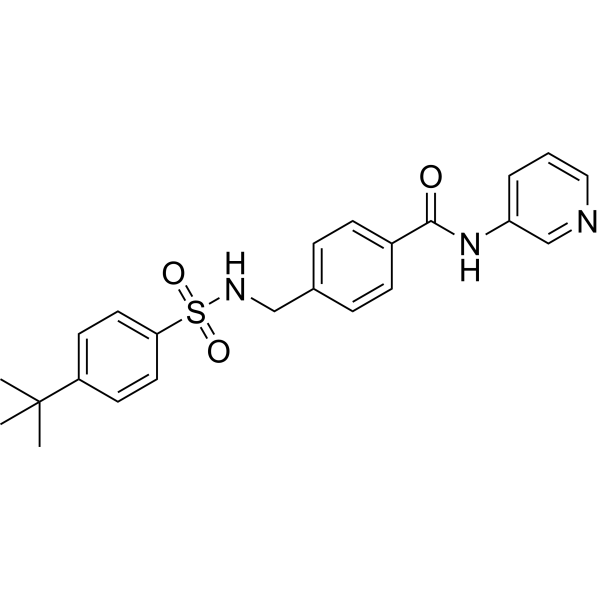
    SPOP-IN-6b
    3 Publications Verification

    E1/E2/E3 Enzyme Cancer
    SPOP-IN-6b is a speckle-type POZ protein (SPOP) inhibitor with an IC50 of 3.58 μM (patent CN 107141287, SPOP-B-88) .
    SPOP-IN-6b
  • HY-P2324
    Gramicidin A
    1 Publications Verification

    Bacterial HIF/HIF Prolyl-Hydroxylase Antibiotic Infection Cancer
    Gramicidin A is a peptide component of gramicidin, an antibiotic mixture originally isolated from B. brevis. Gramicidin A is a highly hydrophobic channel-forming ionophore that forms channels in model membranes that are permeable to monovalent cations. Gramicidin A induces degradation of hypoxia inducible factor 1 α (HIF-1α) .
    Gramicidin A
  • HY-157231A

    PERK Cancer
    HC-5404-Fu is an orally active PERK inhibitor with an IC50 of 0.001 μM against human PERK. HC-5404-Fu blocks PERK activation induced by VEGFR-TKI and disrupts the adaptive stress response triggered by VEGFR-TKI. HC-5404-Fu enhances anti-angiogenic effects by inhibiting newly formed and mature tumor blood vessels in renal cell carcinoma models. HC-5404-Fu can be used in research related to renal cell carcinoma .
    HC-5404-Fu
  • HY-10977A
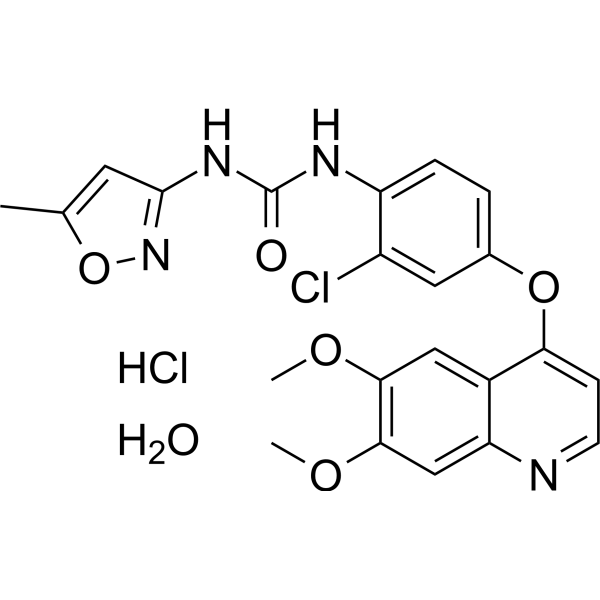
    Tivozanib hydrochloride hydrate
    5+ Cited Publications

    AV-951 hydrochloride hydrate; KRN951 hydrochloride hydrate

    VEGFR Cancer
    Tivozanib hydrochloride hydrate is the hydrate hydrochloride form of Tivozanib (HY-10977). Tivozanib hydrochloride hydrate is a selective, orally active inhibitor for vascular endothelial growth factor receptor (VEGFR)-1, 2 3, with IC50s of 30, 6.5 and 15 nM, respectively. Tivozanib hydrochloride hydrate exhibits antitumor efficacy .
    Tivozanib hydrochloride hydrate
  • HY-P99463
    Batiraxcept
    2 Publications Verification

    AVB-500; AVB-S6-500

    TAM Receptor PI3K Akt p38 MAPK Cancer
    Batiraxcept (AVB-500; AVB-S6-500) is a selective, soluble AXL receptor and GAS6 inhibitor that targets the GAS6-AXL signaling axis. Batiraxcept is orally inactive and does not cross the blood-brain barrier. Batiraxcept competitively binds to GAS6 ((KD <1 nM), preventing its interaction with the AXL receptor tyrosine kinase, thereby inhibiting downstream PI3K/AKT and MAPK signaling pathways, reducing tumor cell glycolysis, angiogenesis, and metastatic potential. Batiraxcept has demonstrated antitumor activity in preclinical models of endometrial, cholangiocarcinoma, and ovarian cancer by inhibiting tumor growth, invasion, and metastasis .
    Batiraxcept
  • HY-175247

    Large Tumor Suppressor (LATS) E1/E2/E3 Enzyme YAP Cancer
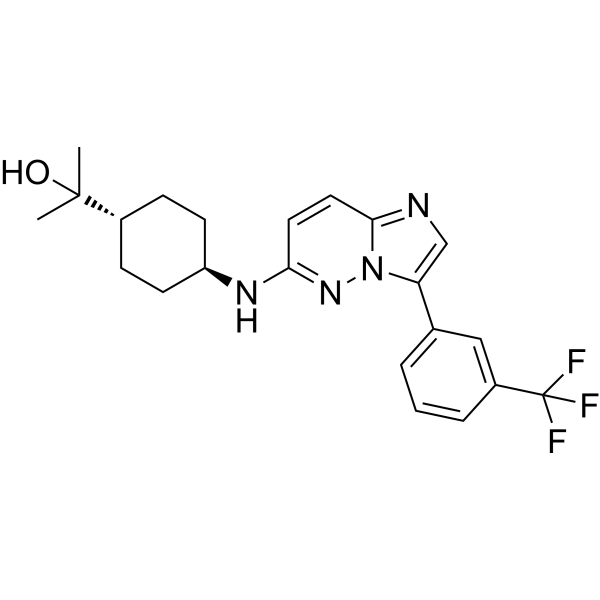
    DDO-4033 is a SPOP inhibitor (IC50 = 16.9 μM, Kd = 15.1 μM). DDO-4033 impairs the malignant migration, invasion, and proliferation of clear cell renal cell carcinoma (ccRCC) cell lines. DDO-4033 disrupts SPOP recruitment to its substrate LATS1, inhibits its polyubiquitination and subsequent degradation, and upregulates LATS1 expression. DDO-4033 has promising antitumor activity and is promising for renal cell carcinoma research .
    DDO-4033
  • HY-P99161

    BGB149

    TAM Receptor Cancer
    Tilvestamab (BGB149) is a humanized anti-AXL antibody that blocks AXL-mediated cell signaling. Tilvestamab significantly inhibits Gas6-induced AXL activation in 786-0-Luc RCC cells and inhibits downstream AKT phosphorylation. Tilvestamab can be used in cancer research, particularly in AXL overexpressing renal cell carcinomas .
    Tilvestamab
  • HY-P99287

    B-E8; Anti-IL-6 MAB B-E8

    Interleukin Related Inflammation/Immunology Cancer
    Elsilimomab (B-E8) is a IgG1 monoclonal antibody against interleukin-6 (IL-6), with a KD of 22 pM and an IC50 of 1.4 nM. Elsilimomab can be used for the research of multiple myeloma, renal cell carcinoma, and rheumatoid arthritis (RA) .
    Elsilimomab
  • HY-155374

    Phosphatase Apoptosis Caspase Cancer
    PP5-IN-1 is a competitive and selective serine/threonine protein phosphatase 5 (PP5) inhibitor with a Ki value of 244 nM. PP5-IN-1 induces extrinsic apoptosis (Apoptosis), disrupts the integrity of complex II, and activates Caspase 8. PP5-IN-1 can be used in research related to clear cell renal cell carcinoma .
    PP5-IN-1
  • HY-147426

    ADS-007; ARO HIF2

    Small Interfering RNA (siRNA) HIF/HIF Prolyl-Hydroxylase Cancer
    Zifcasiran (ADS-007; ARO HIF2) is an siRNA synthetic double-stranded RNAi trigger. Zifcasiran sodium selectively target hypoxia-inducible factor-2α (HIF2α) interrupting downstream pro-oncogenic signaling in clear cell renal cell carcinoma (ccRCC). Zifcasiran sodium engages the cell's RNAi machinery to target HIF2α (EPAS1) mRNA for degradation, thereby reducing the amount of free HIF2α mRNA available for translation .
    Zifcasiran
  • HY-P99318

    LT 1009; Anti-Human S1P Recombinant Antibody

    LPL Receptor Cancer
    Sonepcizumab (LT 1009) is a fully human anti-S1P monoclonal antibody. Sonepcizumab has the potential for the research of metastatic renal cell carcinoma (mRCC) .
    Sonepcizumab
  • HY-N0885
    Telocinobufagin
    1 Publications Verification

    Telobufotoxin; Telocinobufogenin

    JAK STAT mTOR PI3K Akt Polo-like Kinase (PLK) Na+/K+ ATPase Apoptosis Bacterial Infection Cardiovascular Disease Neurological Disease Inflammation/Immunology Cancer
    Telocinobufagin (Telobufotoxin; Telocinobufogenin) is an orally active bufadienolide with potential anti-tumor effects. Telocinobufagin exerts its anti-cancer effects on non-small cell carcinoma, osteosarcoma, thyroid cancer, breast cancer and head and neck squamous cell carcinoma by inhibiting the STAT3, JAK2/STAT3, LARP1-mTOR, PI3K/Akt/Snail and PLK1 pathways, and can also induce tumor cell apoptosis. Telocinobufagin enhances the Th1 immune response and protects against Salmonella typhimurium infection. Telocinobufagin has a strong cardiac-stimulating effect by inhibiting the activity of Na +/K +-ATPase, and it can promote renal fibrosis. Telocinobufagin demonstrates non-opioid analgesic effects in various acute pain models .
    Telocinobufagin
  • HY-121936

    Adrenergic Receptor Drug Derivative Cardiovascular Disease Inflammation/Immunology Cancer
    Yohimbic acid is a derivative of Yohimbine Hydrochloride (HY-N0127). Yohimbic acid exhibits vasodilatory and anticancer activities. Yohimbic acid can be used for the research of cancer, inflammation and cardiovascular disease .
    Yohimbic acid
  • HY-172423

    KO-2806

    Farnesyl Transferase mTOR VEGFR Cancer
    Darlifarnib (KO-2806) is an orally active farnesyl transferase inhibitor. Darlifarnib inhibits the mTORC1 signaling pathway, thereby enhancing the anti-angiogenic properties of tyrosine kinase inhibitors. When used in combination with anti-VEGFR tyrosine kinase inhibitors, Darlifarnib promotes renal cell carcinoma tumor regression and inhibits tumor neovascularization. Darlifarnib sensitizes renal cell carcinoma tumors that progress after anti-VEGFR TKI treatment .
    Darlifarnib
  • HY-119425

    ICRF 159

    Topoisomerase Cancer
    Razoxane (ICRF 159), a EDTA (HY-Y0682) derivative, is an orally active antiangiogenic topoisomerase II inhibitor. Razoxane has antineoplastic, antiangiogenic, and antimetastatic activities. Razoxanecan be used for the research of renal cell carcinoma (RCC), lung cancer and melanoma cancer .
    Razoxane
  • HY-165245

    Transmembrane Glycoprotein Cancer
    SBI-183 is an orally active inhibitor of QSOX1 (Kd: 20 μM). SBI-183 suppresses the proliferative and invasive phenotype of renal cancer cell lines, including triple negative breast cancer cell line, lung adenocarcinoma cell line and pancreatic ductal adenocarcinoma. SBI-183 inhibits tumor growth in two human xenograft mouse models of renal cell carcinoma in vivo .
    SBI-183
  • HY-161251

    E1/E2/E3 Enzyme Cancer
    SPOP-IN-2 (compound E1) is a Speckle-type POZ protein (SPOP) inhibitor with IC50 of 0.58 μM, which disrupt the SPOP-subtrate interaction and selectively inhibits proliferation of ccRCC .
    SPOP-IN-2
  • HY-156382

    Akt ERK E1/E2/E3 Enzyme Cancer
    SPOP-IN-1 is a selective SPOP E3 ubiquitin ligase inhibitor. SPOP-IN-1 leads to the accumulation of tumor suppressors PTEN and DUSP7 and decreased levels of phosphorylated AKT and ERK in clear-cell renal cell carcinoma .
    SPOP-IN-1
  • HY-161865

    Apoptosis Cancer
    Antitumor agent-180 (Compound 13a) is an inhibitor for BUB1 mitotic checkpoint serine/threonine kinase B (BUB1B). Antitumor agent-180 inhibits the proliferation of ccRCC cell Caki-1 with IC50 of 2.047 µM. Antitumor agent-180 induces necrosis and apoptosis in Caki-1 .
    Antitumor agent-180
  • HY-16191
    ELR510444
    1 Publications Verification

    Microtubule/Tubulin Apoptosis HIF/HIF Prolyl-Hydroxylase Mitosis Cancer
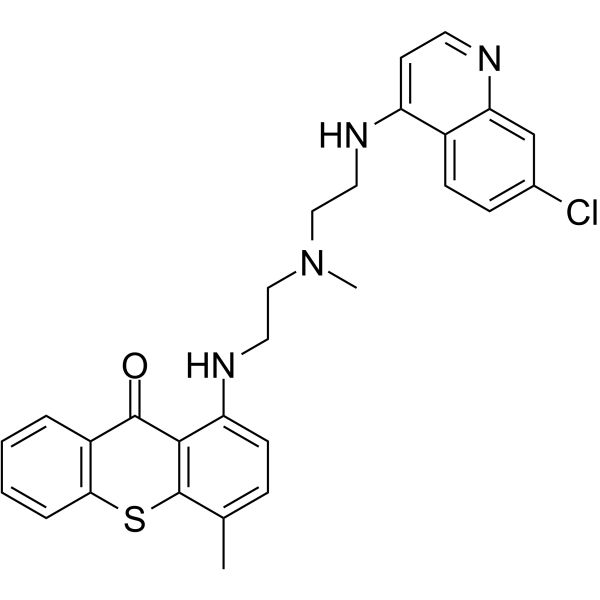
    ELR510444 is an orally active tubulin inhibitor with an IC50 of 10 μM. ELR510444 binds to the colchicine-binding site on β-tubulin, inhibits tubulin assembly, depolymerizes microtubules and blocks HIF activity. ELR510444 induces cellular microtubule loss, abnormal mitotic spindle, mitotic arrest, apoptosis, morphological changes in tumor endothelial cells, and inhibits cancer cell proliferation, angiogenesis and tumor growth. ELR510444 can be used in research related to various cancers such as renal cell carcinoma .
    ELR510444
  • HY-B1204R

    Ergamine (Standard)

    Reference Standards Histamine Receptor p38 MAPK Akt Reactive Oxygen Species (ROS) Apoptosis Endogenous Metabolite Neurological Disease Inflammation/Immunology Endocrinology Cancer
    Histamine (Standard) is the analytical standard of Histamine (HY-B1204). This product is intended for research and analytical applications. Histamine is the agonist for histamine receptor and a vasodilator. Histamine is an organic nitrogen compound that participates in local immune responses, regulates intestinal physiological functions, and acts as a neurotransmitter. Histamine affects p38 MAPK/Akt signaling pathway, exhibits antitumor, antioxidant and anti-inflammatory activities. Histamine can be used in the research of acute myeloid leukemia, malignant melanoma, and renal cell carcinoma .
    Histamine (Standard)
  • HY-B0722R

    Reference Standards Histamine Receptor p38 MAPK Akt Reactive Oxygen Species (ROS) Apoptosis Endogenous Metabolite Neurological Disease Inflammation/Immunology Endocrinology Cancer
    Histamine dihydrochloride (Standard) is the analytical standard of Histamine dihydrochloride (HY-B0722). This product is intended for research and analytical applications. Histamine dihydrochloride is the agonist for histamine receptor and a vasodilator. Histamine dihydrochloride is an organic nitrogen compound that participates in local immune responses, regulates intestinal physiological functions, and acts as a neurotransmitter. Histamine dihydrochloride affects p38 MAPK/Akt signaling pathway, exhibits antitumor, antioxidant and anti-inflammatory activities. Histamine dihydrochloride can be used in the research of acute myeloid leukemia, malignant melanoma, and renal cell carcinoma .
    Histamine dihydrochloride (Standard)
  • HY-W661499

    Phosphatase Apoptosis Reactive Oxygen Species (ROS) Caspase Cancer
    Orellanine, a nephrotoxic alkaloid found in Cortinarius orellanus, is an orally active and selective non-competitive inhibitor of alkaline phosphatase. Orellanine chelates iron, generates reactive oxygen species (ROS), induces DNA scission, forms ortho-semiquinone radicals, downregulates antioxidant defenses, and inhibits mitochondrial function. Orellanine induces caspase 8/9-mediated apoptosis. Orellanine inhibits synthesis of proteins, RNA, DNA, and mitochondrial protein synthesis, with metabolic activation required for cell-free protein synthesis inhibition. Orellanine can be used for the research of metastatic clear cell renal cell carcinoma, acute renal failure, chronic renal insufficiency, and kidney damage .
    Orellanine
  • HY-164429

    Integrin Elastase Cancer
    VIP236 is a small-molecule drug conjugate targeting αvβ3 integrin. VIP236 achieves tumor homing via specific binding to αvβ3 integrin and delivers its payload to the tumor microenvironment. The linker of VIP236 is cleavable by neutrophil elastase, which is highly expressed in the tumor microenvironment, to release the payload 7-ethylcamptothecin. This payload induces DNA damage by inhibiting topoisomerase 1, thereby exerting anti-tumor effects. VIP236 exhibits excellent plasma stability and tumor targeting property, with a tumor/plasma payload ratio 10-fold higher than that of the single administration. It effectively induces tumor regression, reduces metastasis formation, and shows good tolerance in mouse models. VIP236 has been used in studies related to non-small cell lung cancer, clear cell renal cell carcinoma, colon cancer, triple-negative breast cancer, small cell lung cancer, and metastatic solid tumors .
    VIP236
  • HY-145835

    PERK Cancer
    PERK-IN-5 is a highly potent, selectively and orally bioavailable PERK inhibitor (IC50s of 2 and 9 nM for PERK and p-eIF2α, respectively). PERK-IN-5 can significantly inhibit tumor growth in the 786-O renal cell carcinoma xenograft tumor model .
    PERK-IN-5
  • HY-125840R

    PT2977 (Standard); MK-6482 (Standard)

    HIF/HIF Prolyl-Hydroxylase Reference Standards Cancer
    Belzutifan (Standard) is the analytical standard of Belzutifan. This product is intended for research and analytical applications. Belzutifan (PT2977) is an orally active and selective HIF-2α inhibitor with an IC50 of 9 nM. Belzutifan, as a second-generation HIF-2α inhibitor, increases potency and improves pharmacokinetic profile. Belzutifan is a potential treatment for clear cell renal cell carcinoma (ccRCC) .
    Belzutifan (Standard)
  • HY-142125

    Xanthine Oxidase Reactive Oxygen Species (ROS) Apoptosis Inflammation/Immunology Cancer
    Broussochalcone A is an antioxidant and an inhibitor of Xanthine Oxidase (IC50=2.21 μM), with free radical scavenging activity. Broussochalcone A inhibits iron-induced lipid peroxidation and nitric oxide synthesis in lipopolysaccharide (LPS) -activated macrophages. Broussochalcone A also induces Apoptosis of human renal carcinoma cells by increasing ROS levels and activating FOXO3 signaling pathways .
    Broussochalcone A
  • HY-161740

    AUTOTACs Estrogen Receptor/ERR Autophagy Cancer
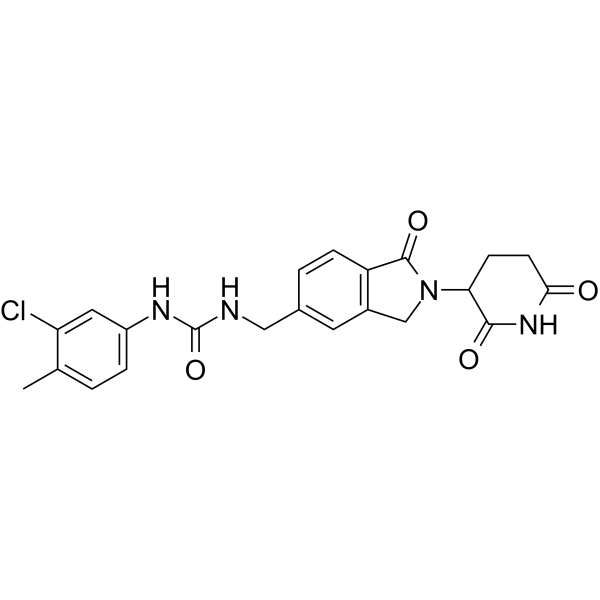
    PHTPP-1304 is a PHTPP-based autophagy targeting chimera (AUTOTAC). PHTPP-1304 induces the degradation of estrogen receptor ERβ through the autophagy pathway, rather than ubiquitination (DC50 ≈ 2 nM, in HEK293T cells; < 100 nM in ACHN renal carcinoma and MCF-7 breast cancer cells). PHTPP-1304 can induce the self-oligomerization of p62. PHTPP-1304 can be used to study various cancers mediated by ERβ .
    PHTPP-1304

Inquiry Online

Your information is safe with us. * Required Fields.

Salutation


Country or Region *

Applicant Name *


Organization Name *

Department *


Email Address *


Product Name *

Cat. No.


Requested quantity *

Phone Number *


Remarks

Inquiry Online

Inquiry Information

Product Name:
Cat. No.:
Quantity:
MCE Japan Authorized Agent:

