

1. Search Result
Search Result
Results for "

Aβ deposition

" in MedChemExpress (MCE) Product Catalog:

78

Inhibitors & Agonists

2

Screening Libraries

1

Fluorescent Dyes

3

Biochemical Assay Reagents

7

Peptides

3

Inhibitory Antibodies

20

Natural
Products

6

Isotope-Labeled Compounds

1

GMP Molecules

Targets Recommended:
Cat. No. Product Name Target Research Areas Chemical Structure
  • HY-10358
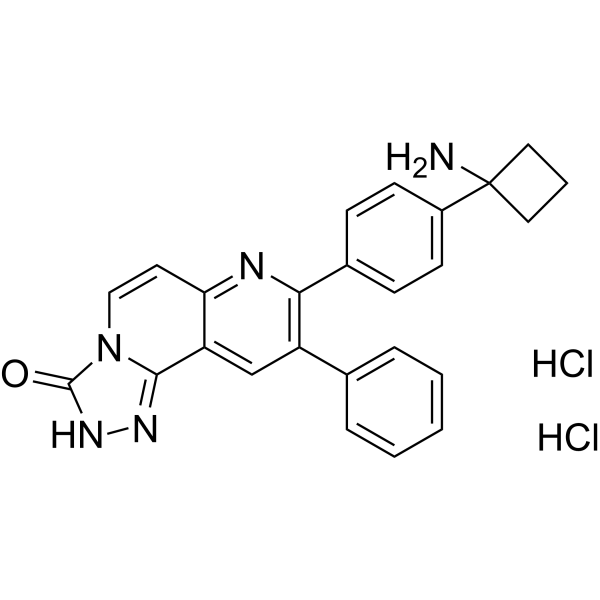
    MK-2206 dihydrochloride
    Maximum Cited Publications
    462 Publications Verification

    MK-2206 (2HCl)

    Bcl-2 Family Apoptosis mTOR Akt GSK-3 Cardiovascular Disease Inflammation/Immunology Cancer
    MK-2206 dihydrochloride (MK-2206 2HCl) is an orally active pan-AKT inhibitor, with IC50 values of 8 nM, 12 nM and 65 nM against AKT1, AKT2 and AKT3, respectively. MK-2206 dihydrochloride inhibits the Akt/mTOR signaling pathway and reduces the levels of downstream GSK3β and Mcl-1 via proteasomal degradation. MK-2206 dihydrochloride induces G1-phase cell cycle arrest, apoptosis, epithelial-mesenchymal transition, fibroblast activation and extracellular matrix deposition. MK-2206 dihydrochloride causes transient hyperglycemia and hyperinsulinemia in animals. MK-2206 dihydrochloride can be used in research related to solid tumors, renal fibrosis and hypercholesterolemia .
    MK-2206 dihydrochloride
  • HY-P1061
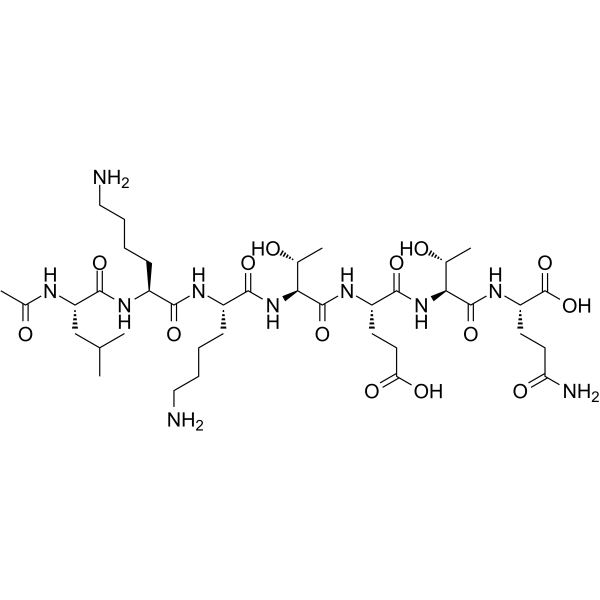
    Colivelin
    Maximum Cited Publications
    92 Publications Verification

    STAT Amyloid-β Neurological Disease
    Colivelin is a brain penetrant neuroprotective peptide and a potent activator of STAT3, suppresses neuronal death by activating STAT3 in vitro . Colivelin exhibits long-term beneficial effects against neurotoxicity, Aβ deposition, neuronal apoptosis, and synaptic plasticity deficits in neurodegenerative disease . Colivelin has the potential for the treatment of alzheimer's disease and ischemic brain injury
    Colivelin
  • HY-108232
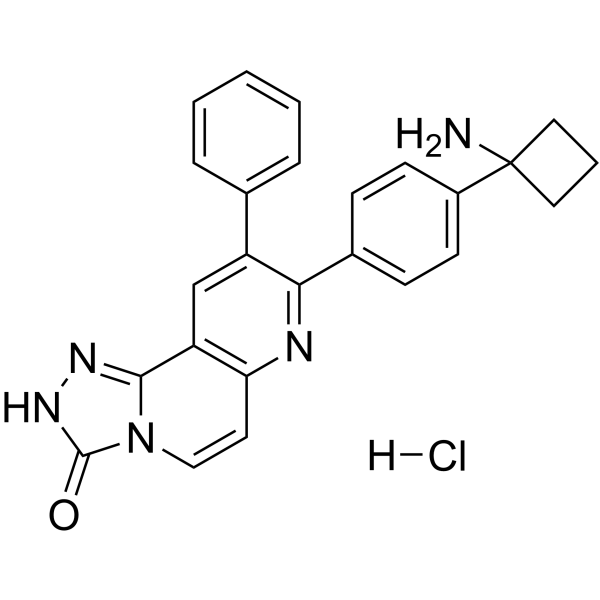
    MK-2206
    Maximum Cited Publications
    462 Publications Verification

    Bcl-2 Family Apoptosis mTOR Akt GSK-3 Metabolic Disease Inflammation/Immunology Cancer
    MK-2206 is an orally active pan-AKT inhibitor, with IC50 values of 8 nM, 12 nM and 65 nM against AKT1, AKT2 and AKT3, respectively. MK-2206 inhibits the Akt/mTOR signaling pathway and reduces the levels of downstream GSK3β and Mcl-1 via proteasomal degradation. MK-2206 induces G1-phase cell cycle arrest, apoptosis, epithelial-mesenchymal transition, fibroblast activation and extracellular matrix deposition. MK-2206 causes transient hyperglycemia and hyperinsulinemia in animals. MK-2206 can be used in research related to solid tumors, renal fibrosis and hypercholesterolemia .
    MK-2206
  • HY-N6006

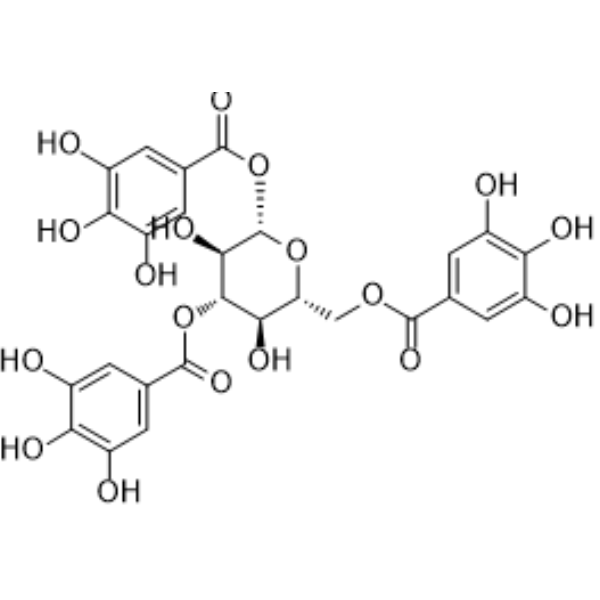
    1,3,6-Tri-O-galloyl-β-D-glucose

    Others Others
    1,3,6-Tri-O-galloyl-beta-D-glucose is a non-covalent inhibitor of tyrosinase (TYR), which can block the rate-limiting step of melanin synthesis and inhibit melanin deposition. 1,3,6-Tri-O-galloyl-beta-D-glucose has antioxidant and anti-inflammatory activities and can be used as a natural active ingredient to develop anti-freckle and whitening skin care products .
    1,3,6-Tri-O-galloyl-beta-D-glucose
  • HY-P0170
    TB500
    1 Publications Verification

    Drug Derivative Akt P2X Receptor Inflammation/Immunology
    TB500 is a synthetic version of an active region of thymosin β4. TB500 exhibits anti-fibrotic and wound healing activities by inhibiting the Akt signaling pathway and binding to actin. TB500 is claimed to promote endothelial cell differentiation, angiogenesis in dermal tissues, keratinocyte migration, collagen deposition and decrease inflammation .
    TB500
  • HY-107588
    TC-I 15
    2 Publications Verification

    Integrin Cardiovascular Disease
    TC-I 15 (TC-I-15) is a type of allosteric collagen-binding integrin α2β1 inhibitor, and it also inhibits α1β1 and α11β1. TC-I 15 inhibits platelet adhesion to collagen and thrombus deposition. TC-I 15 prevents the formation of a pre-metastatic microenvironment by inhibiting the uptake of cancer-associated fibroblast (CAF) extracellular vesicles (EVs) by lung fibroblasts, which reduces the metastasis of salivary gland adenocystic carcinoma (SACC) to the lungs in mouse models, .
    TC-I 15
  • HY-138794
    XL177A
    5 Publications Verification

    Deubiquitinase Histone Demethylase SARS-CoV Cancer
    XL177A is a covalent USP7 inhibitor that blocks the deubiquitinase activity of USP7. XL177A destabilizes non-canonical PRC1 complexes or KDM6A and reduces chromatin deposition of H2AK119Ub, thereby relieving the repression of neuronal differentiation programs. Meanwhile, XL177A also regulates the ELOF1-UVSSA-USP7-nuclear β-catenin axis, decreasing the transcription levels of related proteins and the accumulation of nuclear β-catenin. XL177A exerts antiviral effects by reducing the expression levels of coronavirus receptors, and exhibits inhibitory activity against APC-mutated colorectal cancer cells, neuroblastoma, and coronaviruses including SARS-CoV-2 variants. XL177A is mainly used in studies related to colorectal cancer, neuroblastoma, and coronavirus infections .
    XL177A
  • HY-P1061A
    Colivelin TFA
    Maximum Cited Publications
    92 Publications Verification

    STAT Amyloid-β Apoptosis Neurological Disease
    Colivelin TFA is a brain penetrant neuroprotective peptide and a potent activator of STAT3, suppresses neuronal death by activating STAT3 in vitro . Colivelin TFA exhibits long-term beneficial effects against neurotoxicity, Aβ deposition, neuronal apoptosis, and synaptic plasticity deficits in neurodegenerative disease . Colivelin TFA has the potential for the treatment of alzheimer's disease and ischemic brain injury .
    Colivelin TFA
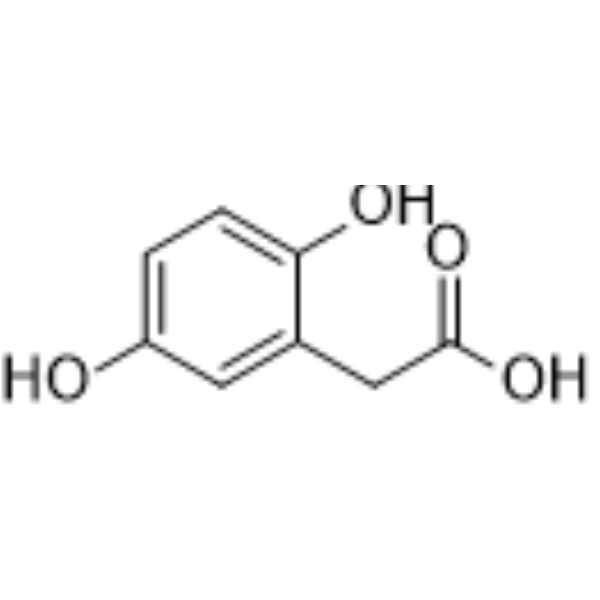
  • HY-113283

    Amyloid-β Natriuretic Peptide Receptor (NPR) α-synuclein Transthyretin (TTR) Claudin Neurological Disease Metabolic Disease Cancer
    Homogentisic acid is an orally active, blood-brain barrier-permeable amyloidogenic compound that functions as both an amyloid component and a pigment precursor. Accumulation of homogentisic acid downregulates tight junction proteins (such as claudin-5, occludin, ZO-1) and impairs blood-brain barrier integrity. Homogentisic acid and its oxidation product benzoquinone acetic acid not only induce the aggregation and fibrosis of multiple proteins (such as Aβ1-42, α-synuclein, SAA, Transthyretin (TTR), atrial natriuretic peptide), but also trigger oxidative stress, damage to the Wnt/β-catenin pathway, and neurotoxicity, leading to ochronosis pigment deposition and synaptic dysfunction. At specific concentrations, homogentisic acid exerts no cytotoxicity or genotoxicity on human peripheral blood lymphocytes, and even counteracts the genotoxicity induced by Irinotecan (HY-16562). Homogentisic acid serves as an important tool molecule for investigating the mechanisms of diseases including ochronosis, secondary amyloidosis, Alzheimer's disease, and colorectal cancer .
    Homogentisic acid
  • HY-128483

    TGF-beta/Smad PI3K NF-κB Akt Apoptosis Dopamine β-hydroxylase mTOR Adrenergic Receptor Cardiovascular Disease Endocrinology Cancer
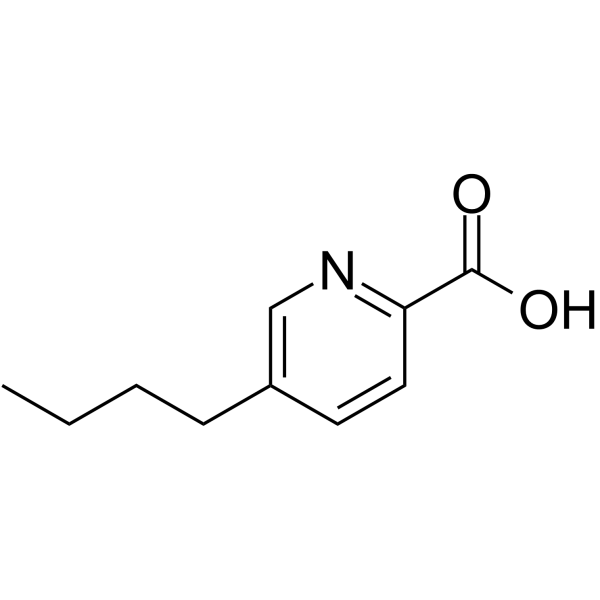
    Fusaric acid is an orally active multi-pathway inhibitor with the activity of inducing oxidative stress and apoptosis. Fusaric acid can chelate divalent metal cations, damage mitochondrial membrane structure, and activate apoptosis-related proteases such as Caspase-3/7, -8, and -9. Fusaric acid also regulates Bax/Bcl-2 protein, inhibits fibrosis-related signaling pathways such as NF-κB, TGF-β1/SMADs, and PI3K/AKT/mTOR, and reduces collagen deposition. Fusaric acid is also a dopamine β-hydroxylase inhibitor, which reduces endogenous levels of norepinephrine and epinephrine in the brain, heart, spleen, and adrenal glands. Fusaric acid can play a role in myocardial fibrosis and improve cardiac hypertrophy in heart disease, and can also be used in the study of esophageal cancer and liver cancer .
    Fusaric acid
  • HY-W011927

    Bisphenol S; Bis(4-hydroxyphenyl) sulfone

    Estrogen Receptor/ERR Histone Methyltransferase Thyroid Hormone Receptor PI3K Akt mTOR Androgen Receptor Drug Derivative Cardiovascular Disease Neurological Disease Metabolic Disease Inflammation/Immunology Cancer
    4,4'-Sulfonyldiphenol (Bisphenol S; Bis(4-hydroxyphenyl) sulfone), a substitute for Bisphenol A (HY-18260), is widely used in industrial and consumer products. 4,4'-Sulfonyldiphenol is an oally ative estrogen receptor (ER) agonist and can competitively bind to thyroid hormone receptors (TR) with IC50 values for TRα and TRβ are 2650 μM and 2294 μM respectively, thereby affecting breast development and reducing the expression of androgen receptor (AR) in fetal testes. 4,4'-Sulfonyldiphenol promotes the progression of glioblastoma by upregulating the EZH2 mediated PI3K/AKT/mTOR pathway. Under chronic exposure, 4,4'-Sulfonyldiphenol can cause significant lipid deposition and dyslipidemia in the mouse liver by upregulating JunB and Atf3, and has a role in causing obesity at low doses. 4,4'-Sulfonyldiphenol induces intestinal inflammation by altering the intestinal microbiome. 4,4'-Sulfonyldiphenol accelerates the progression of atherosclerosis in zebrafish embryo larvae .
    4,4'-Sulfonyldiphenol
  • HY-N6985
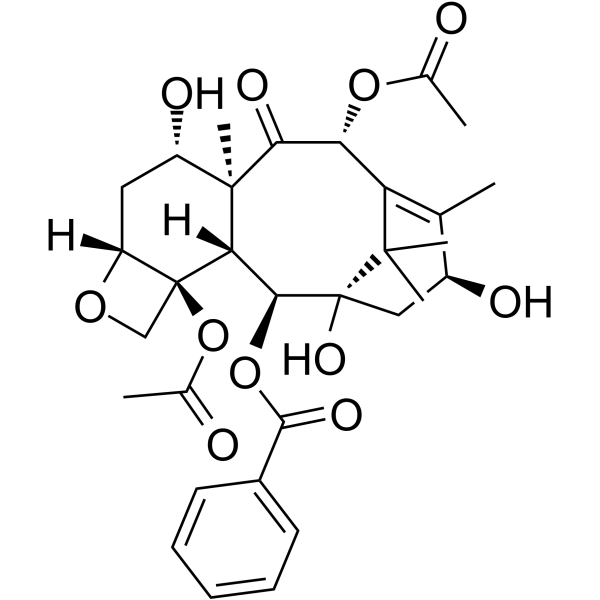
    Baccatin III
    2 Publications Verification

    Others Cancer
    Baccatin III is an orally available, selective inhibitor of the TGF-β1 signaling pathway and myeloid-derived suppressor cell (MDSC) activation. Baccatin III targets the AKT/STAT6 and Smad2/3 pathways, blocking TGF-β1-induced fibroblast differentiation and MDSC-mediated immunosuppression. Baccatin III exerts anti-inflammatory and anti-fibrotic effects by inhibiting macrophage activation and extracellular matrix deposition, and shows potential in the treatment of pulmonary fibrosis and cancer in terms of regulating the tumor immune microenvironment .
    Baccatin III
  • HY-149136

    Integrin TGF-beta/Smad Inflammation/Immunology
    MORF-627 is a highly selective, orally active integrin αvβ6 inhibitor. By blocking TGF-β1 activation and pSMAD2 signaling, MORF-627 significantly reduces collagen deposition, epithelial-mesenchymal transition markers, and structural changes in fibrotic cells. MORF-627 exhibits significant antifibrotic efficacy without genotoxicity in idiopathic pulmonary fibrosis models. However, MORF-627 induces bladder epithelial proliferation and early invasive urothelial carcinoma in cynomolgus monkeys and human cells, and this toxic effect can be reversed by exogenous TGF-β. MORF-627 can be used for studying the pathological mechanisms of pulmonary fibrosis and evaluating drug safety .
    MORF-627
  • HY-N0671
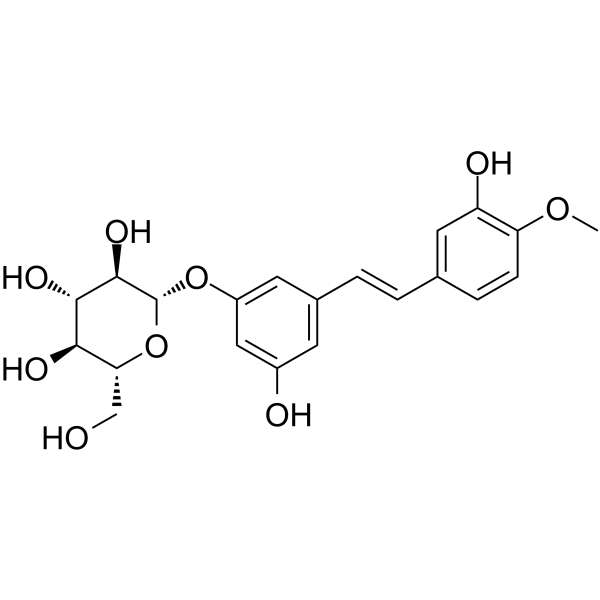
    Rhapontin
    2 Publications Verification

    Rhaponiticin

    Apoptosis Cardiovascular Disease Metabolic Disease Inflammation/Immunology Cancer
    Rhapontin (Rhaponiticin) is an orally aactive SIRT1 agonist and AMPK activator with anti-inflammatory and anti-fibrotic activities. Rhapontin inhibits NLRP3 inflammasome activation by activating SIRT1 and inhibits TGF-β/Smad signaling via the AMPK pathway. Rhapontin reduces intestinal and lung inflammation, inhibits fibroblast differentiation and extracellular matrix deposition, and enhances tight junction protein expression to repair epithelial barriers. Rhapontin can be used in the study of inflammatory bowel diseases (such as ulcerative colitis) and pulmonary fibrosis .
    Rhapontin
  • HY-126192

    PiB; 6-OH-BTA-1

    Amyloid-β Neurological Disease
    Pittsburgh Compound B (PiB) is a blood-brain barrier-permeable, specific Aβ deposition PET tracer that binds to Aβ(1-40) fibrils with a Ki value of 678.4 nM. Through click chemical modification (a clickable Pittsburgh Compound B derivative is prepared by introducing a PEG3 linker and an alkynyl group at the 6-hydroxy site of Pittsburgh Compound B, followed by covalent conjugation with azide-labeled fluorescent dyes or affinity tags via copper-catalyzed azide-alkyne cycloaddition (CuAAC)), Pittsburgh Compound B and its conjugates can be used for fluorescence imaging, ultrastructural studies, and enrichment and characterization of Aβ complexes. Pittsburgh Compound B is applicable to Alzheimer's disease research .
    Pittsburgh Compound B
  • HY-N1535
    Ponicidin
    4 Publications Verification

    Rubescensine B

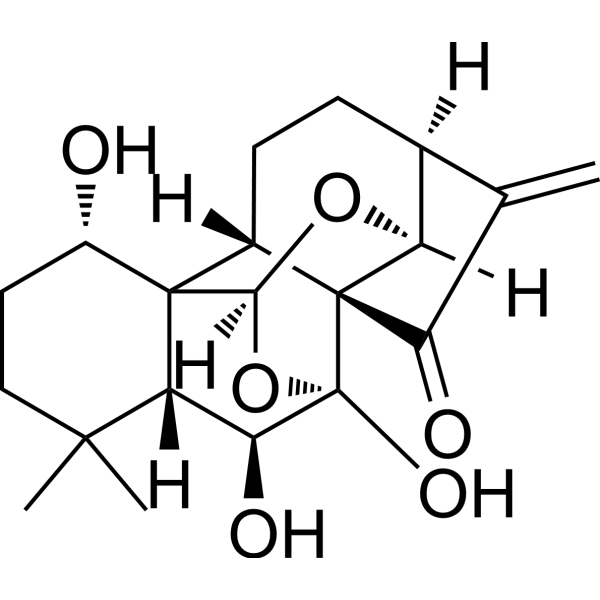
    RIP kinase Apoptosis Reactive Oxygen Species (ROS) JAK STAT PI3K Akt Sirtuin Necroptosis Amyloid-β Neurological Disease Cancer
    Ponicidin (Rubescensine B) is an orally active RIPK1 inhibitor with a Kd value of 135 nM. Ponicidin inhibits the JAK2/STAT3 pathway to induce apoptosis, activates the PI3K/Akt pathway, upregulates SIRT1 expression, alleviates oxidative stress, suppresses inflammatory responses and necroptosis, and blocks cell cycle progression. Ponicidin induces ROS production to exert antiproliferative and antiviral effects, while also improving cognitive function and reducing Aβ plaque deposition. Ponicidin can be used in studies related to hepatocellular carcinoma, Alzheimer's disease, and gastric cancer .
    Ponicidin
  • HY-124481

    COX Reactive Oxygen Species (ROS) NO Synthase Keap1-Nrf2 Heme Oxygenase (HO) Amyloid-β Parasite Infection Neurological Disease Inflammation/Immunology Cancer
    Oleocanthal is an orally active phenolic seciridoid compound. Oleocanthal can be extracted from olive oil. Oleocanthal inhibits COX-1 and COX-2, reduces ROS and NO, and upregulates Nrf-2 and HO-1. Oleocanthal reduces Aβ deposition. Oleocanthal exhibits anti-Leishmania activity against promastigotes and amastigotes of L. major, with IC50 values of 18.7 and 87 μg/mL, respectively. Oleocanthal exhibits anticancer activity against colon, breast, liver, and melanoma cancers. Oleocanthal also exhibits anti-inflammatory and neuroprotective properties. Oleocanthal can be used in Alzheimer's disease research .
    Oleocanthal
  • HY-N1570

    Salt-inducible Kinase (SIK) KLF Amyloid-β Cardiovascular Disease Neurological Disease Metabolic Disease Inflammation/Immunology Endocrinology
    Pterosin B is an orally active indanone. Pterosin B can be obtained from Pteridium aquilinum. Pterosin B is a Sik3 signaling inhibitor. Pterosin B inhibits Klf5 expression and reduces β-amyloid deposition. Pterosin B prevents chondrocyte hypertrophy and osteoarthritis in mice. Pterosin B inhibits cardiomyocyte hypertrophy, improves cognitive impairment, and lowers blood glucose. Pterosin B can be used in research on arthritis, Alzheimer's disease, pathological cardiac hypertrophy and diabetes .
    Pterosin B
  • HY-13769A
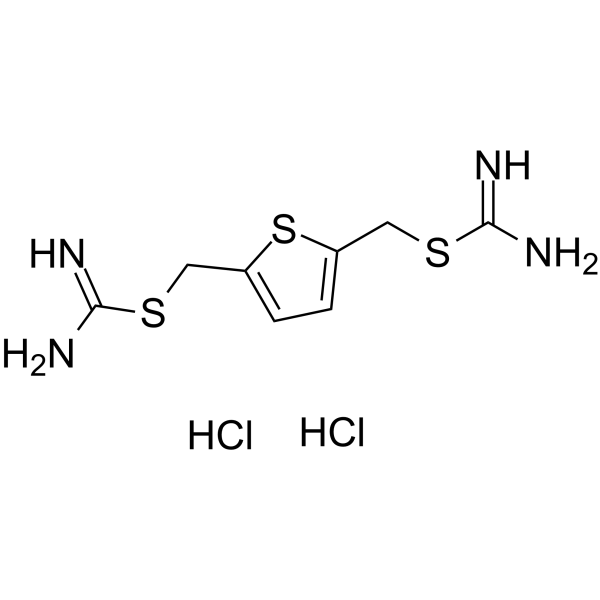
    TPT-260 Dihydrochloride
    2 Publications Verification

    NSC55712; TPU-260 Dihydrochloride

    Drug Derivative Amyloid-β Beta-secretase Cardiovascular Disease Neurological Disease Inflammation/Immunology
    TPT-260 Dihydrochloride (NSC55712), a thiophene thiourea derivative, is a retromer complex stabilizer against thermal denaturation (Kd = ~5 µM). TPT-260 Dihydrochloride increases the levels of retromer proteins, shifts amyloid-precursor protein (APP) away from the endosome, and decreases the pathogenic processing of APP. TPT-260 Dihydrochloride inhibits TLR4 upregulation, IKKβ phosphorylation, NF-κB p65 nuclear translocation, and NLRP3 inflammasome formation. TPT-260 Dihydrochloride improves retromer-mediated cargo trafficking, reduces brain infarct area, and decreases amyloid plaque deposition. TPT-260 Dihydrochloride exhibits minimal cytotoxicity to primary microglia at tested concentrations. TPT-260 Dihydrochloride can be used for the research of inflammatory bowel disease, ischemic stroke and Alzheimer's disease .
    TPT-260 Dihydrochloride
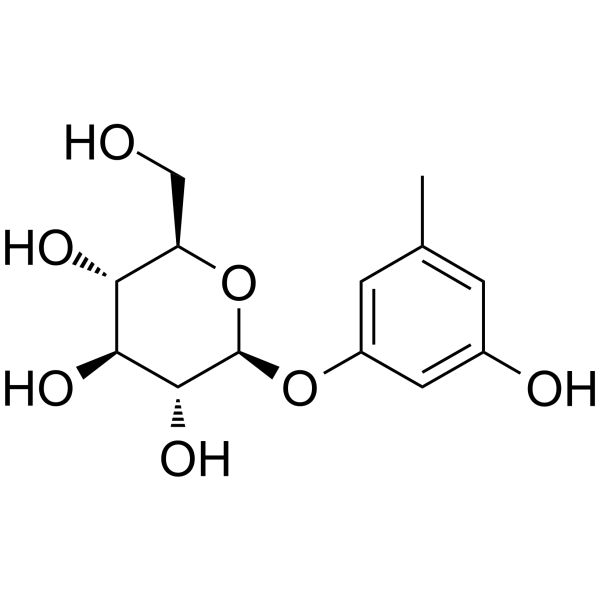
  • HY-N0008

    Wnt p38 MAPK mTOR Keap1-Nrf2 TGF-β Receptor Neurological Disease Metabolic Disease
    Orcinol glucoside is an orally active, blood-brain barrier permeable osteoblast proliferation promoter that targets the Nrf2/Keap1, mTOR and p38 signaling pathways. Orcinol glucoside promotes Nrf2 nuclear translocation, upregulates antioxidant enzyme levels, enhances the phosphorylation of mTOR and p70S6K, and inhibits the enzymatic activity of HAS2 as well as the nuclear translocation of GR. Orcinol glucoside also alleviates oxidative stress, inhibits autophagic flux, osteoclastogenesis and TGF-β1-induced M2 polarization, while reducing collagen deposition and effectively promoting the proliferation, differentiation and mineralization of osteoblasts. Orcinol glucoside also exhibits anti-pulmonary fibrosis, anxiolytic and antidepressant activities. Orcinol glucoside can be used in the research of senile and glucocorticoid-induced osteoporosis, idiopathic pulmonary fibrosis (IPF), anxiety and other related diseases .
    Orcinol glucoside
  • HY-114557

    3,5-Diiodo-L-thyronine

    JNK NF-κB Sirtuin PGC-1α COX TGF-β Receptor Collagen Metabolic Disease Inflammation/Immunology Endocrinology
    NSC 90469 (3,5-Diiodo-L-thyronine) is an orally active thyroid hormone derivative. NSC 90469 inhibits JNK phosphorylation and NF-κB acetylation, blocks SIRT1 protein expression, induces elevated PGC-1α levels, and stimulates COX activity. NSC 90469 enhances UCP1-mediated thermogenesis, increases hepatic Dio1 activity, inhibits TSH levels and hypothalamic-pituitary-thyroid axis function, enhances lipid metabolism, and regulates energy metabolism via the mitochondrial pathway. NSC 90469 prevents blood glucose reduction, reduces urinary albumin excretion, inhibits renal matrix expansion, decreases TGF-β1 expression, and reduces renal fibronectin and type Ⅳ collagen deposition. NSC 90469 also increases energy expenditure and prevents diet-induced overweight. NSC 90469 can be used in studies related to diabetic nephropathy, hypothyroidism, non-alcoholic fatty liver disease, and diet-induced obesity .
    NSC 90469
  • HY-B1421

    LY031537

    Adrenergic Receptor Trace Amine-associated Receptor (TAAR) Metabolic Disease
    Ractopamine hydrochloride (LY031537) is a potent and orally active β-adrenergic receptor (βAR) agonist with Kd value of ~25 nM for pig β1AR and β2AR. Ractopamine hydrochloride also is a mTAAR1 agonist with an EC50 of 16 μM. Ractopamine hydrochloride promotes muscle mass development, limits fat deposition, reduces feed consumption, increases total cellular protein synthesis, and improves growth rate and feed efficiency in finishing swine. Ractopamine hydrochloride can be used for researching to increase lean tissue growth and improve production efficiency in pigs .
    Ractopamine hydrochloride
  • HY-N1414

    Trk Receptor NF-κB Amyloid-β Neurological Disease
    (E)-3',6-Disinapoylsucrose is an orally active, blood-brain barrier permeable neuroprotective agent that inhibits protein aggregation. (E)-3',6-Disinapoylsucrose exerts anxiolytic, anti-inflammatory and cognitive-enhancing effects. (E)-3',6-Disinapoylsucrose regulates the TrkB/BDNF signaling pathway, inhibits the expression of NF-κB p65, reduces pro-inflammatory cytokine levels, and alleviates neuronal damage. (E)-3',6-Disinapoylsucrose also enhances the functions of central 5-HT and noradrenergic systems, thereby improving spatial learning and memory abilities and reducing anxiety-like behaviors. (E)-3',6-Disinapoylsucrose can be used for the research of related diseases such as Alzheimer's disease, depression, memory impairment and anxiety disorder .
    (E)-3',6-Disinapoylsucrose
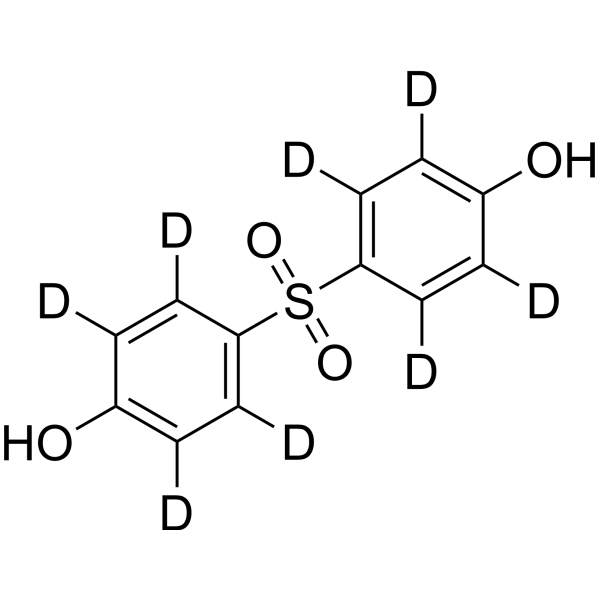
  • HY-W011927S
    4,4'-Sulfonyldiphenol-d8
    1 Publications Verification

    Bisphenol S (4,4'-Sulfonyldiphenol)-d8

    Isotope-Labeled Compounds Estrogen Receptor/ERR Histone Methyltransferase Thyroid Hormone Receptor PI3K Akt mTOR Androgen Receptor Cardiovascular Disease Metabolic Disease Inflammation/Immunology Endocrinology Cancer
    4,4'-Sulfonyldiphenol-d8 (Bisphenol S (4,4'-Sulfonyldiphenol)-d8) is the deuterium labeled 4,4'-Sulfonyldiphenol (HY-W011927).4,4'-Sulfonyldiphenol (Bisphenol S; Bis(4-hydroxyphenyl) sulfone), a substitute for Bisphenol A (HY-18260), is widely used in industrial and consumer products. 4,4'-Sulfonyldiphenol is an estrogen receptor (ER) agonist and can competitively bind to thyroid hormone receptors (TR) with IC50 values for TRα and TRβ are 2650 μM and 2294 μM respectively, thereby affecting breast development and reducing the expression of androgen receptor (AR) in fetal testes. 4,4'-Sulfonyldiphenol promotes the progression of glioblastoma by upregulating the EZH2 mediated PI3K/AKT/mTOR pathway. Under chronic exposure, 4,4'-Sulfonyldiphenol can cause significant lipid deposition and dyslipidemia in the mouse liver by upregulating JunB and Atf3, and has a role in causing obesity at low doses. 4,4'-Sulfonyldiphenol induces intestinal inflammation by altering the intestinal microbiome. 4,4'-Sulfonyldiphenol accelerates the progression of atherosclerosis in zebrafish embryo larvae.
    4,4'-Sulfonyldiphenol-d8
  • HY-121235

    SCH-10304

    COX Calcium Channel TGF-β Receptor Neurological Disease Inflammation/Immunology
    Clonixin (SCH-10304) is an orally active non-steroidal anti-inflammatory agent (NSAID) that inhibits COX synthesis. Clonixin acts as a voltage-gated L-type calcium channel blocker, exerts vasodilatory effects by antagonizing Ca 2+ in vascular smooth muscle. Clonixin inhibits TGF-β, reduces lung coefficient, immune cell infiltration level, oxidative stress response, airway resistance, hydroxyproline content and collagen deposition. Clonixin can be used in research related to inflammation such as idiopathic pulmonary fibrosis and moderate to severe pain .
    Clonixin
  • HY-121811

    Lanceolatin C

    Glycosidase Phosphatase Interleukin Related TNF Receptor COX Beclin1 GLUT FAK Akt mTOR p38 MAPK Keap1-Nrf2 Apoptosis Amyloid-β Tau Protein Autophagy Neurological Disease Inflammation/Immunology Cancer
    Pongamol (Lanceolatin C) is an orally active flavonoid with an IC50 of 75 μM and a Ki of 58 μM against PTPase-1B, and an IC50 of 103.5 μM against intestinal α-Glycosidase. Pongamol reduces the release of IL‑1β, TNF‑α, COX‑2 and iNOS in cells, reverses the nuclear translocation of NF‑κB, and upregulates the levels of Beclin 1 and LC3 Ⅱ/LC3 Ⅰ. Pongamol promotes glucose uptake by increasing the level of GLUT4 on the surface of skeletal muscle cells. Pongamol inhibits epithelial-mesenchymal transition by suppressing the FAK/Akt-mTOR signaling pathway. Pongamol inhibits neuronal cytotoxicity, suppresses cell apoptosis and extends the lifespan of Caenorhabditis elegans by activating the MAPKs/Nrf2 signaling pathway. Pongamol exerts hypoglycemic effects in diabetic mouse models. Pongamol exhibits antibacterial activity. Pongamol alleviates oxidative stress, neuroinflammation, Aβ deposition and excessive phosphorylation of Tau Protein, and restores autophagy function in Alzheimer's disease mouse models by inhibiting the Akt/mTOR signaling pathway. Pongamol is applicable to research related to Alzheimer's disease, type 2 diabetes, non-small cell lung cancer and postprandial hyperglycemia .
    Pongamol
  • HY-116586

    Sigma Receptor mAChR ERK Amyloid-β Tau Protein Neurological Disease
    AF710B is an orally effective allosteric agonist for the M1 muscarinic receptor and σ1 receptor. AF710B activates the downstream phosphorylated ERK1/2 and phosphorylated CREB signaling pathways. AF710B simultaneously improves cognitive function and alleviates the core pathological features of Alzheimer's disease, including Aβ deposition, excessive Tau phosphorylation and neuroinflammation. AF710B is applicable to the research of Alzheimer's disease .
    AF710B
  • HY-N0671R
    Rhapontin (Standard)
    2 Publications Verification

    Rhaponiticin (Standard)

    Reference Standards Apoptosis Cardiovascular Disease Metabolic Disease Inflammation/Immunology Cancer
    Rhapontin (Standard) is the analytical standard of Rhapontin (HY-N0671). This product is intended for research and analytical applications. Rhapontin (Rhaponiticin) is an orally aactive SIRT1 agonist and AMPK activator with anti-inflammatory and anti-fibrotic activities. Rhapontin inhibits NLRP3 inflammasome activation by activating SIRT1 and inhibits TGF-β/Smad signaling via the AMPK pathway. Rhapontin reduces intestinal and lung inflammation, inhibits fibroblast differentiation and extracellular matrix deposition, and enhances tight junction protein expression to repair epithelial barriers. Rhapontin can be used in the study of inflammatory bowel diseases (such as ulcerative colitis) and pulmonary fibrosis .
    Rhapontin (Standard)
  • HY-178821

    ROCK TGF-beta/Smad STAT Inflammation/Immunology
    ROCK2-IN-12 (Compound A25) is a selective ROCK2 inhibitor with an IC50 of 7.0  nM for ROCK2 over ROCK1. ROCK2-IN-12 has potent antifibrotic effects via the TGF-β/Smad and ROCK2/STAT3 signaling pathways. ROCK2-IN-12 significantly reduces collagen deposition and reverses fibrotic progression in Bleomycin (HY-108345)-induced pulmonary fibrosis (PF) mouse models. ROCK2-IN-12 can be used for lung diseases like pulmonary fibrosis research .
    ROCK2-IN-12
  • HY-171348

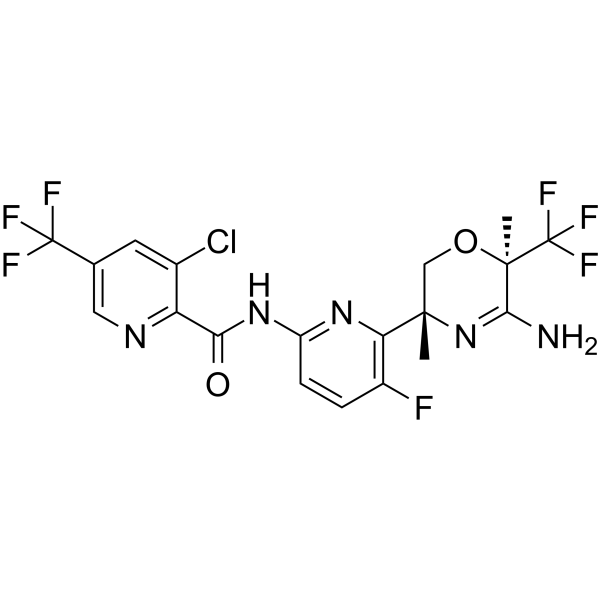
    Amyloid-β γ-secretase Neurological Disease
    Amyloid-β-IN-2 (Compound EX.112) is a selective γ-secretase inhibitor. Amyloid-β-IN-2 inhibits Aβ42 secretion in H4 cells with an EC50 value of 226 nM. Amyloid-β-IN-2 is promising for research of Alzheimer's disease (AD) and other diseases related to Aβ deposition .
    Amyloid-β-IN-2
  • HY-W011927R

    Bisphenol S (Standard); Bis(4-hydroxyphenyl) sulfone (Standard)

    Reference Standards Estrogen Receptor/ERR Histone Methyltransferase Thyroid Hormone Receptor PI3K Akt mTOR Androgen Receptor Drug Derivative Cardiovascular Disease Metabolic Disease Inflammation/Immunology Endocrinology Cancer
    4,4'-Sulfonyldiphenol (Bisphenol S; Bis(4-hydroxyphenyl) sulfone) (Standard) is the analytical standard of 4,4'-Sulfonyldiphenol (HY-W011927). This product is intended for research and analytical applications. 4,4'-Sulfonyldiphenol, a substitute for Bisphenol A (HY-18260), is widely used in industrial and consumer products. 4,4'-Sulfonyldiphenol is an estrogen receptor (ER) agonist and can competitively bind to thyroid hormone receptors (TR) with IC50 values for TRα and TRβ are 2650 μM and 2294 μM respectively, thereby affecting breast development and reducing the expression of androgen receptor (AR) in fetal testes. 4,4'-Sulfonyldiphenol promotes the progression of glioblastoma by upregulating the EZH2 mediated PI3K/AKT/mTOR pathway. Under chronic exposure, 4,4'-Sulfonyldiphenol can cause significant lipid deposition and dyslipidemia in the mouse liver by upregulating JunB and Atf3, and has a role in causing obesity at low doses. 4,4'-Sulfonyldiphenol induces intestinal inflammation by altering the intestinal microbiome. 4,4'-Sulfonyldiphenol accelerates the progression of atherosclerosis in zebrafish embryo larvae.
    4,4'-Sulfonyldiphenol (Standard)
  • HY-171349

    γ-secretase Amyloid-β Neurological Disease
    Amyloid-β-IN-3 (EX.113) is a selective γ-secretase inhibitor. Amyloid-β-IN-3 inhibits Aβ42 secretion in H4 cells with an EC50 value of 148 nM. Amyloid-β-IN-3 regulates the γ-secretase catalytic activity to decrease Aβ42 production, thereby alleviating neurotoxicity caused by Aβ deposition. Amyloid-β-IN-3 is promising for research of Alzheimer's disease (AD) .
    Amyloid-β-IN-3
  • HY-146205

    Phosphodiesterase (PDE) Cardiovascular Disease
    ATX inhibitor 18 is a potent ATX inhibitor with an IC50 value of 24.2 nM. ATX inhibitor 18 shows antiproliferative activity and anti-fibrosis activity. ATX inhibitor 18 suppresses collagen deposition in TGF-β-mediated cardiac fibrosis .
    ATX inhibitor 18
  • HY-N10359

    NOD-like Receptor (NLR) Caspase Akt GSK-3 β-catenin Metabolic Disease Inflammation/Immunology Cancer
    Isoandrographolide is an orally active NLRP3 inflammasome inhibitor and AKT/GSK-3β/β-catenin pathway inhibitor. Isoandrographolide inhibits the expression of NLRP3, ASC, and caspase-1, and reduces the levels of phosphorylated AKT, phosphorylated GSK-3β, and β-catenin. Isoandrographolide alleviates inflammatory responses, reduces collagen deposition, suppresses epithelial-mesenchymal transition (EMT), induces differentiation of leukemia cells, inhibits the growth of leukemia cells, protects lung and kidney tissues, regulates cytokine levels, and also exhibits hepatoprotective effects. Isoandrographolide can be used in studies related to silicosis, murine myeloid leukemia, renal tubulointerstitial fibrosis, and non-alcoholic fatty liver disease .
    Isoandrographolide
  • HY-P4866

    Integrin Transglutaminase Akt p38 MAPK ERK Caspase Apoptosis Cardiovascular Disease Metabolic Disease Inflammation/Immunology
    Q-Peptide is an angiopoietin-1 derived peptide (QHREDGS). Q-Peptide interacts with β1-integrin, binds to integrins on the surface of osteoblasts, and serves as an acyl donor substrate for Streptomyces mobaraensis transglutaminase. Q-Peptide activates Akt, MAPKp42/44, ILK, ERK1/2, and downregulates caspase-3/7. Q-Peptide inhibits cell apoptosis, enhances cell adhesion and migration, and promotes osteoblast differentiation, bone matrix deposition and mineralization. Q-Peptide can be used in studies related to myocardial infarction, bone regeneration, diabetic wound repair and human induced pluripotent stem cells .
    Q-Peptide
  • HY-138794A

    Deubiquitinase Cancer
    (Rac)-XL177A is the racemic isomer of XL177A (HY-138794). XL177A is a covalent USP7 inhibitor that blocks the deubiquitinase activity of USP7. XL177A destabilizes non-canonical PRC1 complexes or KDM6A and reduces chromatin deposition of H2AK119Ub, thereby relieving the repression of neuronal differentiation programs. Meanwhile, XL177A also regulates the ELOF1-UVSSA-USP7-nuclear β-catenin axis, decreasing the transcription levels of related proteins and the accumulation of nuclear β-catenin. XL177A exerts antiviral effects by reducing the expression levels of coronavirus receptors, and exhibits inhibitory activity against APC-mutated colorectal cancer cells, neuroblastoma, and coronaviruses including SARS-CoV-2 variants. XL177A is mainly used in studies related to colorectal cancer, neuroblastoma, and coronavirus infections .
    (Rac)-XL177A
  • HY-10357

    Akt mTOR Apoptosis GSK-3 Bcl-2 Family Metabolic Disease Inflammation/Immunology Cancer
    MK-2206 free base is an orally active pan-AKT inhibitor, with IC50 values of 8 nM, 12 nM and 65 nM against AKT1, AKT2 and AKT3, respectively. MK-2206 free base inhibits the Akt/mTOR signaling pathway and reduces the levels of downstream GSK3β and Mcl-1 via proteasomal degradation. MK-2206 free base induces G1-phase cell cycle arrest, apoptosis, epithelial-mesenchymal transition, fibroblast activation and extracellular matrix deposition. MK-2206 free base causes transient hyperglycemia and hyperinsulinemia in animals. MK-2206 free base can be used in research related to solid tumors, renal fibrosis and hypercholesterolemia .
    MK-2206 free base
  • HY-P1787

    Amyloid-β Neurological Disease
    β-Amyloid (4-10) is an epitope for the polyclonal anti-Aβ(1-42) antibody, reduces amyloid deposition in a transgenic Alzheimer disease mouse model .
    β-Amyloid (4-10)
  • HY-N0582

    Amyloid-β Neurological Disease
    Otophylloside B, a C-21 steroidal glycoside isolated from Qingyangshen. Otophylloside B protects against Aβ toxicity, which decreases Aβ deposition by decreasing the expression of Aβ at the mRNA level. Otophylloside B has antiepileptic activity .
    Otophylloside B
  • HY-W098905

    GSK-3 Cytochrome P450 Amyloid-β Tau Protein Neurological Disease
    GSK3β-IN-3 is an ATP-competitive GSK-3β inhibitor (IC50 = 0.90 μM). GSK3β-IN-3 can reduce the phosphorylation level of tau protein in the BR5706 strain and reduce the deposition of Aβ aggregates in the CL2006 strain, and can be used to research Alzheimer's disease (AD) .
    GSK3β-IN-3
  • HY-110246

    Formyl Peptide Receptor (FPR) Inflammation/Immunology
    Quin C1 is a highly specific and potent agonist for formyl peptide receptor 2 (FPR2/ALX). Quin-C1 significantly reduces the neutrophil and lymphocyte counts in BALF, diminishes expression of TNF-α, IL-1β, KC, and TGF-β1, and decreases collagen deposition in lung tissue. Quin C1 has the potential for the research of lung injury .
    Quin C1
  • HY-P11226

    Amyloid-β CaMK Apoptosis Neurological Disease
    TI-16 is a peptide that targets β-amyloid (Aβ) protein. TI-16 can cross the blood-brain barrier. TI-16 can increase the concentration of intracellular free CaM, thereby restoring calcium ion homeostasis and reducing Aβ toxicity. TI-16 can reduce the deposition of Aβ in the brain, improve neuronal pathology, inhibit cell apoptosis, and improve cognitive function in mice. TI-16 is commonly used in the study of Alzheimer's disease .
    TI-16
  • HY-175662

    TGF-beta/Smad Inflammation/Immunology
    TGF-β/Smad-IN-2 is an orally active TGF-β/Smad inhibitor. TGF-β/Smad-IN-2 inhibits TGF-β-induced fibroblast-to-myofibroblast differentiation and collagen deposition, with an IC50 value of 102 μM for collagen reduction in LL29 cells. TGF-β/Smad-IN-2 exerts its effects through modulation of the SMAD3/SMAD7 signaling pathway. TGF-β/Smad-IN-2 reduces lung index in pulmonary fibrosis mice. TGF-β/Smad-IN-2 can be used for the study of pulmonary fibrosis .
    TGF-β/Smad-IN-2
  • HY-N10183

    Reactive Oxygen Species (ROS) Neurological Disease
    Crocin-4, a carotenoid constituent of saffron, is a potent and brain-penetrant antioxidant agent. Crocin-4 can inhibit the aggregation and the concomitant deposition of Aβ fibrils in the brain. Crocin-4 can be used for the research of Alzheimer's Disease. Crocin-4 also exhibits antitumor and anti-inflammatory activities .
    Crocin-4
  • HY-179042

    TGF-beta/Smad p38 MAPK Phosphodiesterase (PDE) Inflammation/Immunology
    TGF-β/Smad-IN-3 (Compound 4w) is an effective TGF-β/Smad inhibitor. TGF-β/Smad-IN-3 exerts anti-pulmonary fibrosis activity by simultaneously inhibiting the TGF-β/Smad and MAPK signaling pathways. TGF-β/Smad-IN-3 significantly inhibits collagen deposition induced by TGF-β1, with its IC50 value being 3.21 μM. TGF-β/Smad-IN-3 has an IC₅₀ of 46.77 nM for the autocrine motility factor (ATX). TGF-β/Smad-IN-3 significantly reduces the expression levels of α-SMA, COL1A1 and FN in TGF-β1-induced CCC-HPF-1 cells, and effectively inhibited TGF-β1-induced cell migration. TGF-β/Smad-IN-3 can be used for the study of pulmonary fibrosis .
    TGF-β/Smad-IN-3
  • HY-W841438

    Amyloid-β Tau Protein Neurological Disease
    Lithium orotate is an orally active lithium supplement with reduced binding that can bypass amyloid sequestration in AD mice models. Lithium orotate can prevent Aβ plaque deposition and phospho-tau accumulation and reverse AD pathology, neuroinflammatory changes and memory loss in AD mice models and ageing wild-type mice. Lithium orotate can be used for the research of alcoholism and Alzheimer’s disease .
    Lithium orotate
  • HY-185104

    LXR Cardiovascular Disease
    Ginsenoside C-K hexapropionate ester (Structure 2) is a selective agonist of LXRα, with no significant activation effect on LXRβ. Ginsenoside C-K hexapropionate ester upregulates the expression of downstream genes such as ABCA1 by activating LXRα, promoting reverse cholesterol transport, and reducing lipid deposition in macrophage-derived foam cells. It can be used in the research of atherosclerosis. Ginsenoside C-K hexapropionate ester is a derivative synthesized from ginsenoside Compound K, an active metabolite of Panax notoginseng saponins, by modification with propionic anhydride .
    Ginsenoside C-K hexapropionate ester
  • HY-N1570R

    Reference Standards Salt-inducible Kinase (SIK) KLF Amyloid-β Cardiovascular Disease Neurological Disease Metabolic Disease Inflammation/Immunology Endocrinology
    Pterosin B (Standard) is the analytical standard of Pterosin B (HY-N1570). This product is intended for research and analytical applications. Pterosin B is an indanone. Pterosin B can be obtained from Pteridium aquilinum. Pterosin B is a Sik3 signaling inhibitor. Pterosin B inhibits Klf5 expression and reduces β-amyloid deposition. Pterosin B prevents chondrocyte hypertrophy and osteoarthritis in mice. Pterosin B inhibits cardiomyocyte hypertrophy, improves cognitive impairment, and lowers blood glucose. Pterosin B can be used in research on arthritis, Alzheimer's disease, pathological cardiac hypertrophy and diabetes .
    Pterosin B (Standard)
  • HY-13769

    TPU260

    Drug Derivative Beta-secretase Amyloid-β Cardiovascular Disease Neurological Disease Inflammation/Immunology
    TPT-260 (TPU260), a thiophene thiourea derivative, is a retromer complex stabilizer against thermal denaturation (Kd = ~5 µM). TPT-260 increases the levels of retromer proteins, shifts amyloid-precursor protein (APP) away from the endosome, and decreases the pathogenic processing of APP. TPT-260 inhibits TLR4 upregulation, IKKβ phosphorylation, NF-κB p65 nuclear translocation, and NLRP3 inflammasome formation. TPT-260 improves retromer-mediated cargo trafficking, reduces brain infarct area, and decreases amyloid plaque deposition. TPT-260 exhibits minimal cytotoxicity to primary microglia at tested concentrations. TPT-260 can be used for the research of inflammatory bowel disease, ischemic stroke and Alzheimer's disease .
    TPT-260
  • HY-P5370

    Amyloid-β Others
    Scrambled β-amyloid (1-40) is a biological active peptide. (Aβ (1-40) together with Aβ (1-42) are two major C-terminal variants of the Aβ protein constituting the majority of Aβs. These undergo post-secretory aggregation and deposition in the Alzheimer’s disease brain. This peptide is the scrambled sequence of Abeta 1-40 HY-P0265)
    Scrambled β-amyloid (1-40)

Inquiry Online

Your information is safe with us. * Required Fields.

Salutation


Country or Region *

Applicant Name *


Organization Name *

Department *


Email Address *


Product Name *

Cat. No.


Requested quantity *

Phone Number *


Remarks

Inquiry Online

Inquiry Information

Product Name:
Cat. No.:
Quantity:
MCE Japan Authorized Agent:

