1. Search Result
Search Result
Results for "

ACh

" in MedChemExpress (MCE) Product Catalog:

112

Inhibitors & Agonists

1

Biochemical Assay Reagents

3

Peptides

15

Natural
Products

12

Recombinant Proteins

7

Isotope-Labeled Compounds

3

Antibodies

1

Oligonucleotides

Targets Recommended:
Cat. No. Product Name Target Research Areas Chemical Structure
  • HY-B0282
    Acetylcholine chloride
    20+ Cited Publications

    ACh chloride

    nAChR Calcium Channel Endogenous Metabolite Infection Neurological Disease Cancer
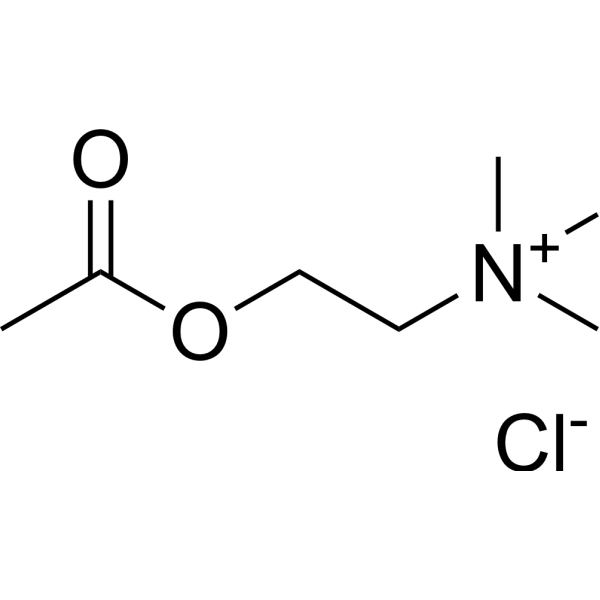
    Acetylcholine chloride (ACh chloride), a neurotransmitter, is a potent and BBB-permeable cholinergic agonist. Acetylcholine chloride is a modulator of the activity of dopaminergic (DAergic) neurons through the stimulation of nicotinic acetylcholine receptors (nAChRs) . Acetylcholine chloride inhibits p53 mutant peptide aggregation in vitro .
    Acetylcholine chloride
  • HY-B1205
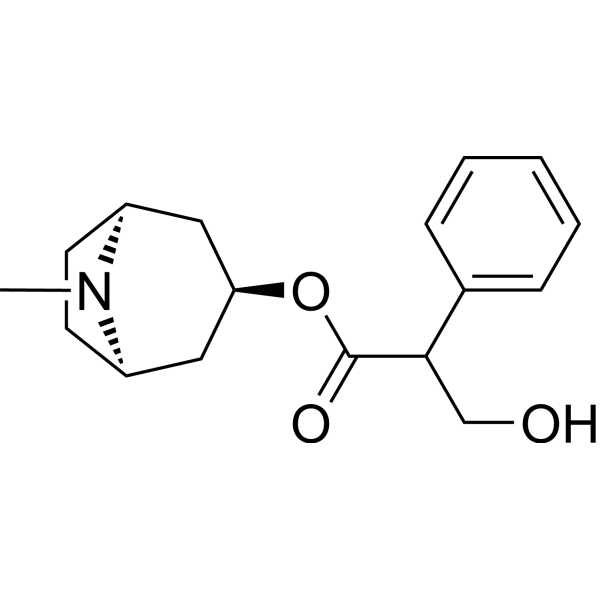
    Atropine
    Maximum Cited Publications
    25 Publications Verification

    Tropine tropate; DL-Hyoscyamine

    Environmental Pollutants Endogenous Metabolite mAChR Cardiovascular Disease Neurological Disease Cancer
    Atropine (Tropine tropate) is a competitive muscarinic acetylcholine receptor (mAChR) antagonist with IC50 values of 0.39 and 0.71 nM for Human mAChR M4 and Chicken mAChR M4, respectively. Atropine inhibits ACh-induced relaxations in human pulmonary veins. Atropine can be used for research of anti-myopia and bradycardia .
    Atropine
  • HY-N7038
    Phytohemagglutinin
    5+ Cited Publications

    PHA-M

    NF-κB COX Interleukin Related Reactive Oxygen Species (ROS) Neurological Disease Inflammation/Immunology Cancer
    Phytohemagglutinin (PHA-M), the major seed lectin of the common bean, Phaseolus vulgaris, is a T-cell activator. Phytohemagglutinin stimulates human mononuclear leukocytes, inducing the expression of ChAT mRNA and potentiating ACh synthesis. Phytohemagglutinin induces dose- and time-dependent toxicity in THP-1 monocytes/macrophages, alters cellular morphology, causes organelle dysfunction, and increases the expression of NF-κB, COX2, IL-1β .
    Phytohemagglutinin
  • HY-117930
    Danicopan
    4 Publications Verification

    ACh-4471

    Complement System Inflammation/Immunology
    Danicopan (ACH-4471), a selective and orally active small-molecule factor D inhibitor, shows high binding affinity to human Factor D with Kd value of 0.54 nM. Danicopan (ACH-4471) inhibits alternative pathway of complement (APC) activity, has potential to block the alternative pathway of complement in paroxysmal nocturnal hemoglobinuria (PNH) and atypical hemolytic uremic syndrome (aHUS) .
    Danicopan
  • HY-P2860

    AChE; EC 3.1.1.7

    Cholinesterase (ChE) Neurological Disease
    Acetylcholinesterase, Fly head (ACHE; EC 3.1.1.7) is a cholinergic enzyme mainly found in neuromuscular junctions and cholinergic type chemical synapses used in biochemical research. Acetylcholinesterase, Fly head catalyzes the breakdown or hydrolysis of acetylcholine and some other choline esters that act as neurotransmitters into acetate and choline. Acetylcholinesterase, Fly head's main role is to terminate neuronal transmission and signaling between synapses to prevent ACh spread and activation of nearby receptors .
    Acetylcholinesterase, Fly head
  • HY-B0282S

    ACh-d4 chloride

    nAChR Calcium Channel Endogenous Metabolite Neurological Disease Cancer
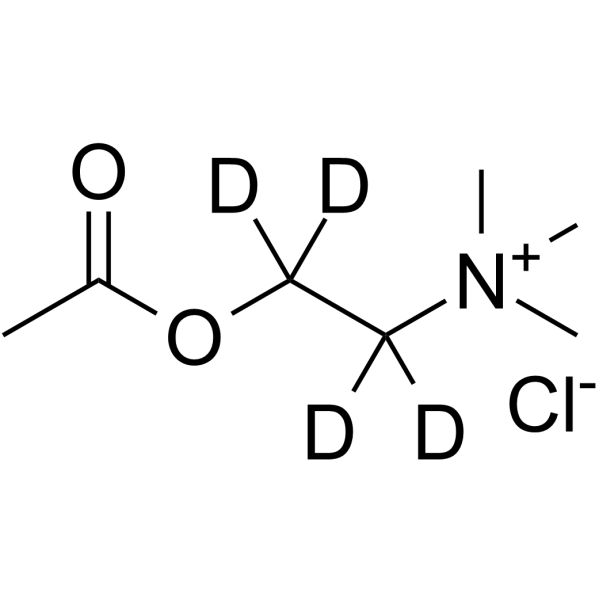
    Acetylcholine-d4 (chloride) is the deuterium labeled Acetylcholine chloride. Acetylcholine chloride (ACh chloride), a neurotransmitter, is a potent and BBB-permeable cholinergic agonist. Acetylcholine chloride is a modulator of the activity of dopaminergic (DAergic) neurons through the stimulation of nicotinic acetylcholine receptors (nAChRs) . Acetylcholine chloride inhibits p53 mutant peptide aggregation in vitro .
    Acetylcholine-d4 chloride
  • HY-B0394
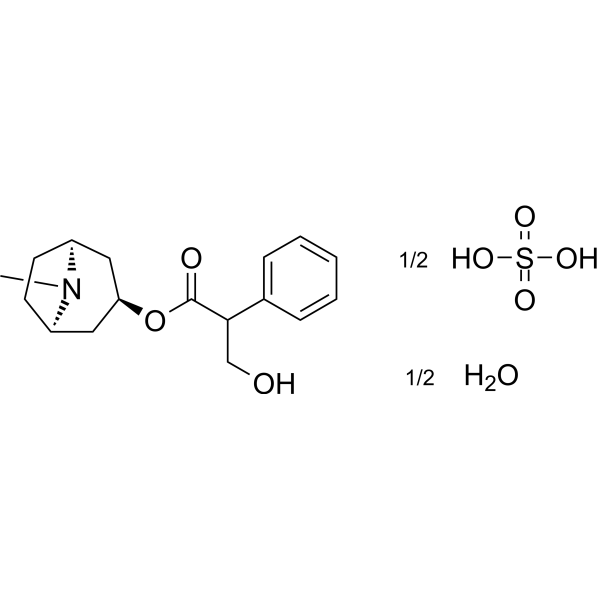
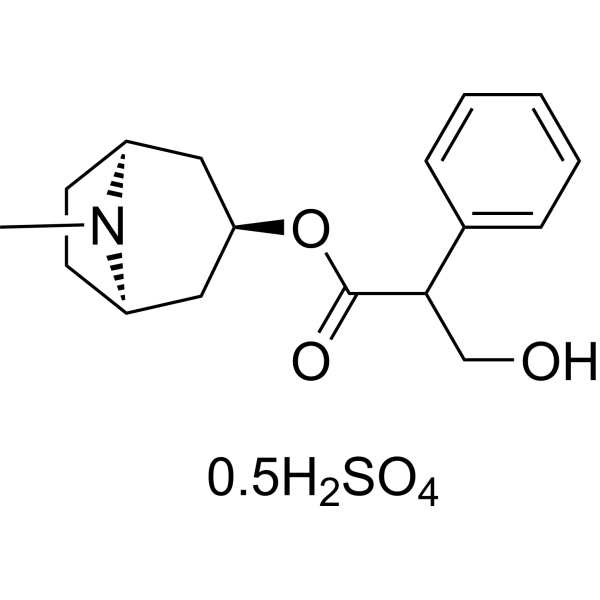
    Atropine sulfate monohydrate
    Maximum Cited Publications
    25 Publications Verification

    Tropine tropate sulfate monohydrate; DL-Hyoscyamine sulfate monohydrate

    mAChR Cardiovascular Disease Neurological Disease Cancer
    Atropine (Tropine tropate) sulfate monohydrate is a competitive muscarinic acetylcholine receptor (mAChR) antagonist with IC50 values of 0.39 and 0.71 nM for Human mAChR M4 and Chicken mAChR M4, respectively. Atropine sulfate monohydrate inhibits ACh-induced relaxations in human pulmonary veins. Atropine sulfate monohydrate can be used for research of anti-myopia and bradycardia .
    Atropine sulfate monohydrate
  • HY-W008350
    (+)-Sparteine
    1 Publications Verification

    PAChycarpine

    nAChR Neurological Disease
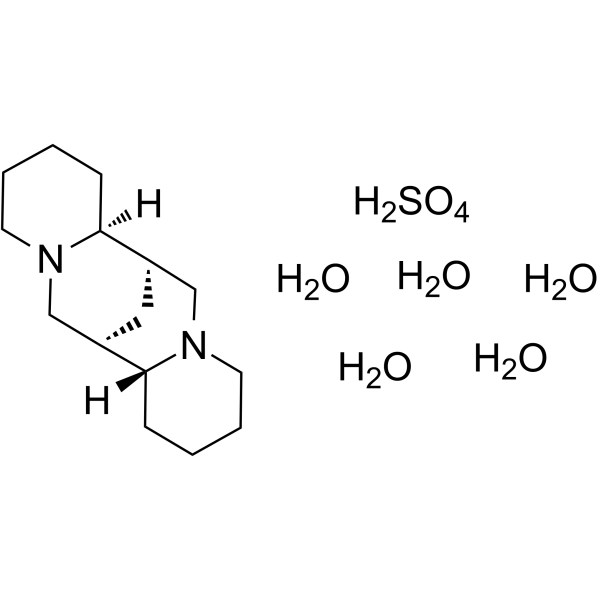
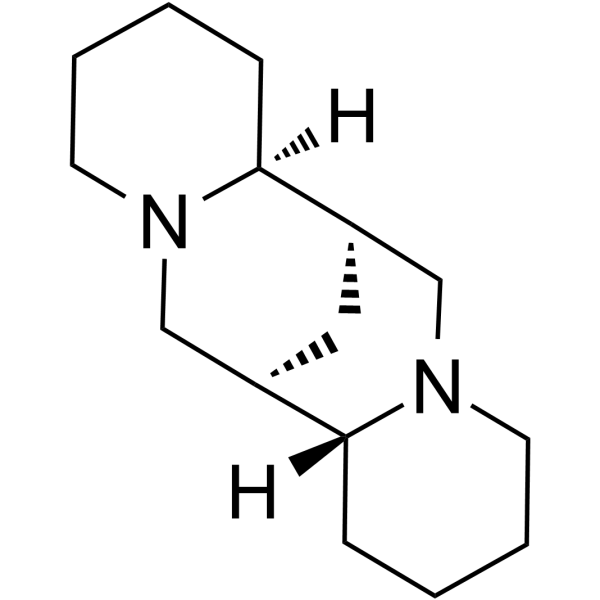
    (+)-Sparteine is a natural alkaloid acting as a ganglionic blocking agent. (+)-Sparteine competitively blocks nicotinic ACh receptor in the neurons.
    (+)-Sparteine
  • HY-12694
    Prucalopride succinate
    4 Publications Verification

    R-108512

    5-HT Receptor Apoptosis Autophagy Metabolic Disease Cancer
    Prucalopride succinate is an orally active, selective and specific 5-HT 4 receptor agonist (high affinity), with pKis of 8.6 and 8.1 for human 5-HT4a/4b receptors, respectively. Prucalopride succinate improves intestinal motility by promoting regeneration of the intestinal nervous system in rats. Prucalopride succinate also shows anticancer activity by blocking of the PI3K/AKT/mTor signaling pathway. Prucalopride succinate can be used in studies of chronic constipation, pseudo-intestinal obstruction and cancer .
    Prucalopride succinate
  • HY-B1205A
    Atropine sulfate
    Maximum Cited Publications
    25 Publications Verification

    Tropine tropate sulfate; DL-Hyoscyamine sulfate; Sulfatropinol

    mAChR Cardiovascular Disease Neurological Disease Cancer
    Atropine (Tropine tropate) sulfate is a competitive muscarinic acetylcholine receptor (mAChR) antagonist with IC50 values of 0.39 and 0.71 nM for Human mAChR M4 and Chicken mAChR M4, respectively. Atropine sulfate inhibits ACh-induced relaxations in human pulmonary veins. Atropine sulfate can be used for research of anti-myopia and bradycardia .
    Atropine sulfate
  • HY-B2152

    Hemicholinium dibromide

    Cholinesterase (ChE) Neurological Disease
    Hemicholinium 3 is a competitive inhibitor of the high affinity choline transporter (HACU) with a Ki value of 25 nM. Hemicholinium 3, a neuromuscular blocking agent which inhibits the synthesis and the release of acetylcholine (ACh) . Hemicholinium 3 inhibits the Epibatidine-evoked contraction and [ 3H]acetylcholine release with IC50s of 897 nM and 693 nM, respectively .
    Hemicholinium 3
  • HY-103182

    Adenosine Receptor Others
    PSB-1115 is a selective A2B Adenosine Receptor antagonist. PSB-1115 inhibits the 2,4,6-trinitrobenzenesulfonic acid (TNBS)-induced contraction inhibition of acetylcholine (ACh) .
    PSB-1115
  • HY-P2860A

    Cholinesterase (ChE) Neurological Disease
    Acetylcholinesterase, Electric eel is a cholinergic enzyme that is mainly found in neuromuscular junctions and cholinergic chemical synapses and is often used in biochemical research. Acetylcholinesterase, Electric eel can catalyze the decomposition or hydrolysis of acetylcholine and some other choline esters that act as neurotransmitters into acetic acid and choline. The main function of Acetylcholinesterase, Electric eel is to terminate neuronal transmission and signal conduction between synapses to prevent ACh diffusion and activation of nearby receptors .
    Acetylcholinesterase, Electric eel
  • HY-139588
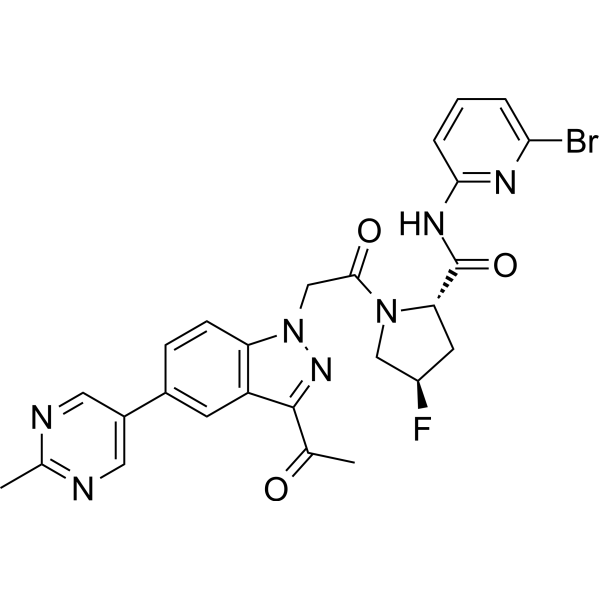
    Vemircopan
    2 Publications Verification

    ALXN2050; ACh 0145228; ACh-5228

    Complement System Interleukin Related Metabolic Disease Inflammation/Immunology
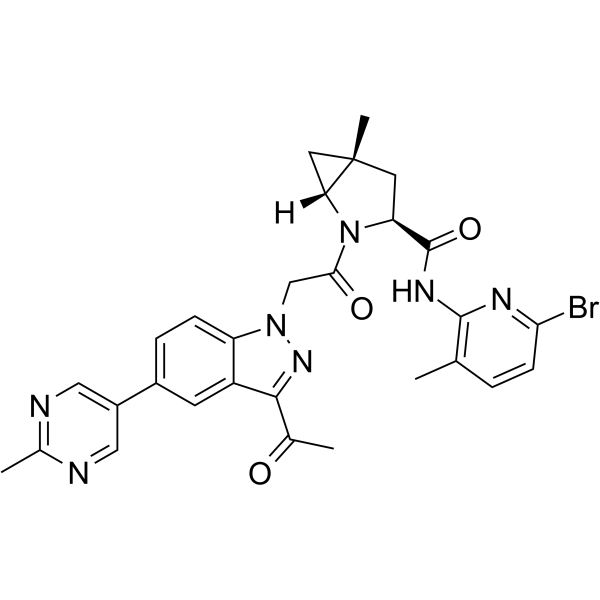
    Vemircopan (ALXN2050) is an orally active complement factor D (FD) inhibitor. Vemircopan can be used in the research of diseases such as myasthenia gravis, lupus nephritis, IgA nephropathy, and paroxysmal nocturnal hemoglobinuria .
    Vemircopan
  • HY-N8376

    (±)-Fustin; 3,7,3',4'-Tetrahydroxyflavanone

    Amyloid-β mAChR Cholinesterase (ChE) Neurological Disease
    Fustinis ((±)-Fustin; 3,7,3',4'-Tetrahydroxyflavanone) is a potent amyloid β (Aβ) inhibitor. Fustinis ((±)-Fustin; 3,7,3',4'-Tetrahydroxyflavanone) increases the expression of acetylcholine (ACh) levels, choline acetyltransferase (ChAT) activity, and ChAT gene induced by Aβ (1-42). Fustinis ((±)-Fustin; 3,7,3',4'-Tetrahydroxyflavanone) decreases in acetyl cholinesterase (AChE) activity and AChE gene expression induced by Aβ (1-42). Fustinis ((±)-Fustin; 3,7,3',4'-Tetrahydroxyflavanone) increases muscarinic M1 receptor gene expression and muscarinic M1 receptor binding activity. Fustinis ((±)-Fustin; 3,7,3',4'-Tetrahydroxyflavanone) can be used for Alzheimer's disease research .
    Fustin
  • HY-125159

    PF-00520904

    Parasite nAChR Infection
    Derquantel, a spirocyclic anthelmintic, is a competitive, orally active nicotinic acetylcholine receptor (nAChR) antagonist. Derquantel inhibits ACh-induced depolarization with an IC50 of 0.22 μM. By selectively antagonizing nAChRs on the somatic muscles of nematodes, Derquantel causes flaccid paralysis of muscles, thereby dislodging parasites from the host's gastrointestinal tract. Derquantel is applicable to research related to Haemonchus contortus infection and Ascaris suum infection .
    Derquantel
  • HY-B0282A
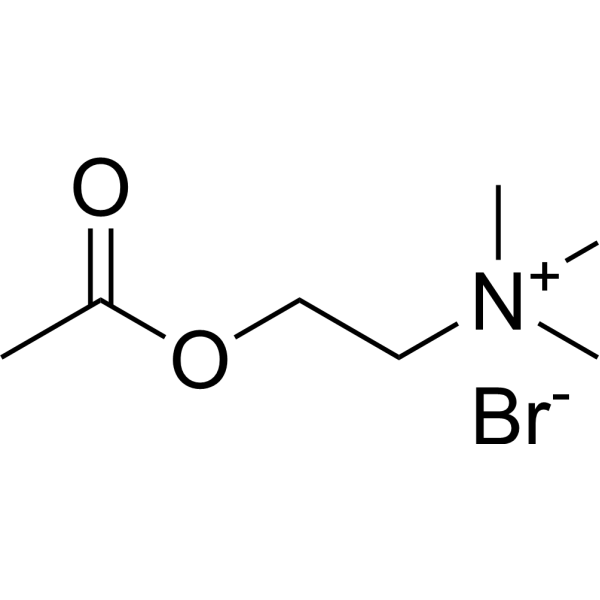
    Acetylcholine bromide
    20+ Cited Publications

    ACh bromide

    Biochemical Assay Reagents Others Cancer
    Acetylcholine bromide is an organic choline salt compound commonly used in neurophysiology and pharmacology experiments. It plays an important role in the nervous system, acting as a neurotransmitter that transmits signals and regulates many important physiological functions. Due to its special biological activity, Acetylcholine bromide is widely used in the study of neurotransmitters, nerve damage and muscle movement.
    Acetylcholine bromide
  • HY-101086
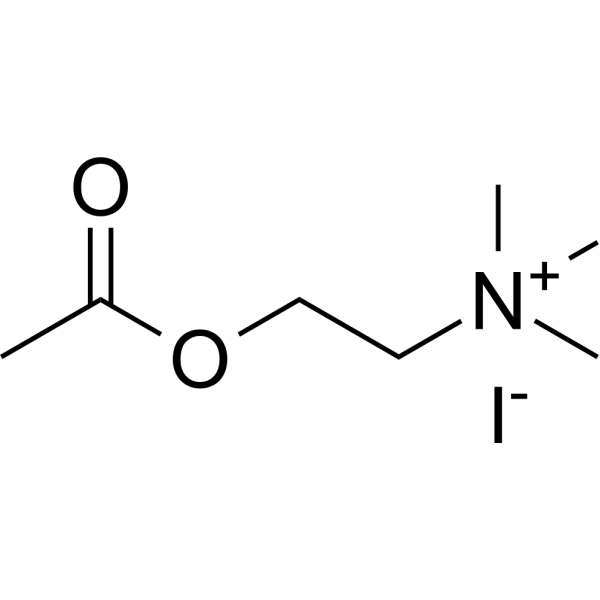
    Acetylcholine iodide
    20+ Cited Publications

    ACh iodide

    Endogenous Metabolite mAChR Neurological Disease Endocrinology
    Acetylcholine iodide is a muscarinic receptor modulator. Acetylcholine iodide specifically binds to muscarinic receptors, inhibits sodium absorption, and induces chloride secretion. Acetylcholine iodide changes intestinal ion transport, enhances intestinal secretory function, induces or maintains mammary gland development and lactation. Acetylcholine iodide can be used for intestinal ion transport regulation and mammary gland physiological function research .
    Acetylcholine iodide
  • HY-112209
    VU0467154
    5 Publications Verification

    mAChR Neurological Disease
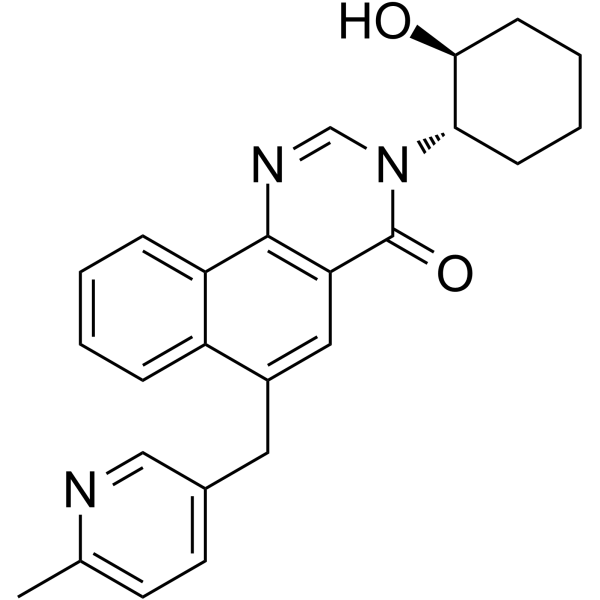
    VU0467154 is a positive allosteric modulator of the M4 muscarinic acetylcholine receptor (mAChR), potentiating the response to ACh with pEC50s of 7.75, 6.2 and 6 for rat, human and cynomolgus monkey M4 receptor, respectively.
    VU0467154
  • HY-10351A

    NAD-​299 hydrochloride

    5-HT Receptor Neurological Disease
    Robalzotan hydrochloride (NAD-​299 hydrochloride) is a potent and selective 5-Hydroxytryptamine 1A (5-HT1A) inhibitor. Robalzotan hydrochloride increases the firing rate of 5-HT cells. Robalzotan hydrochloride induces 5-HT1A receptor occupancy. Robalzotan hydrochloride has the potential for the research of a cholinergic deficit in the central -nervous system .
    Robalzotan hydrochloride
  • HY-B1113
    Diazinon
    2 Publications Verification

    Dimpylate

    Environmental Pollutants Parasite Infection
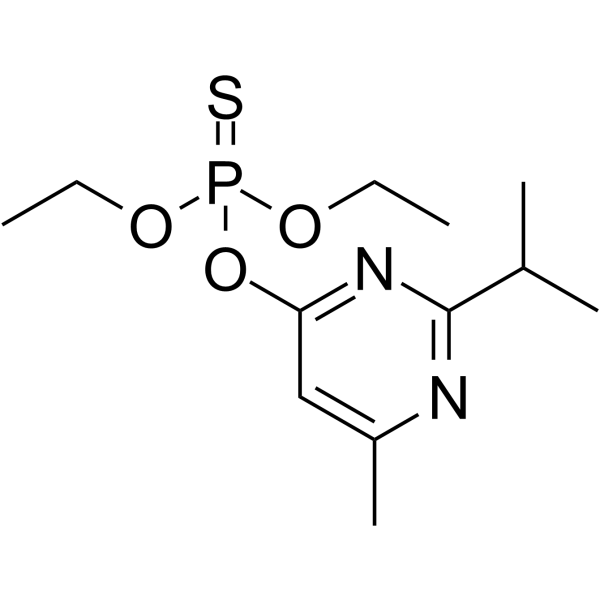
    Diazinon is an orally active, irreversible AChE inhibitor and insecticide that can be absorbed through the digestive system, skin or respiratory tract. Diazinon inhibits AChE, leading to accumulation of acetylcholine, which in turn overstimulates ACh receptors and affects the nervous system. Diazinon also produces reactive oxygen species (ROS), which induce oxidative stress in various tissues. Diazinon is mainly used in the agricultural field as an insecticide and may have potential effects on human and animal health .
    Diazinon
  • HY-B0282S1

    ACh-d9 chloride

    nAChR Calcium Channel Endogenous Metabolite Neurological Disease Cancer
    Acetylcholine-d9 (chloride) is the deuterium labeled Acetylcholine chloride. Acetylcholine chloride (ACh chloride), a neurotransmitter, is a potent and BBB-permeable cholinergic agonist. Acetylcholine chloride is a modulator of the activity of dopaminergic (DAergic) neurons through the stimulation of nicotinic acetylcholine receptors (nAChRs) . Acetylcholine chloride inhibits p53 mutant peptide aggregation in vitro .
    Acetylcholine-d9 chloride
  • HY-107651
    VU 0365114
    1 Publications Verification

    mAChR Metabolic Disease
    VU 0365114 is a selective mAChR M5 positive allosteric modulator, with an EC50 of 2.7 μM, and >30 μM for M1, M2, M3 and M4 receptors. VU 0365114 increases insulin secretion stimulated by ACh in human β-cells .
    VU 0365114
  • HY-B0282R

    ACh chloride (Standard)

    Reference Standards nAChR Calcium Channel Endogenous Metabolite Neurological Disease Cancer
    Acetylcholine (chloride) (Standard) is the analytical standard of Acetylcholine (chloride). This product is intended for research and analytical applications. Acetylcholine chloride (ACh chloride), a neurotransmitter, is a potent and BBB-permeable cholinergic agonist. Acetylcholine chloride is a modulator of the activity of dopaminergic (DAergic) neurons through the stimulation of nicotinic acetylcholine receptors (nAChRs) . Acetylcholine chloride inhibits p53 mutant peptide aggregation in vitro .
    Acetylcholine chloride (Standard)
  • HY-12439
    ML380
    1 Publications Verification

    mAChR Neurological Disease
    ML380 is a potent, subtype-selective, and brain-penetrant positive allosteric modulator (PAM) of M5 mAChR, with EC50s of 190 and 610 nM for human and rat M5, respectively. ML380 exhibits moderate selectivity versus the M1 and M3 mAChR subtypes. ML380 could increase the affinity of ACh for the M5 mAChR .
    ML380
  • HY-110168

    nAChR Neurological Disease
    NS9283 is a positive positive allosteric modulator of (α4)3(β2)2 nicotinic ACh receptors. NS9283 can be used in a series of neurological conditions such as attention deficit hyperactivity disorder (ADHD), schizophrenia, Parkinson's disease and Alzheimer's disease .
    NS 9283
  • HY-110168R

    nAChR Neurological Disease
    NS 9283 (Standard) is the analytical standard of NS 9283. This product is intended for research and analytical applications. NS9283 is a positive positive allosteric modulator of (α4)3(β2)2 nicotinic ACh receptors. NS9283 can be used in a series of neurological conditions such as attention deficit hyperactivity disorder (ADHD), schizophrenia, Parkinson's disease and Alzheimer's disease .
    NS 9283 (Standard)
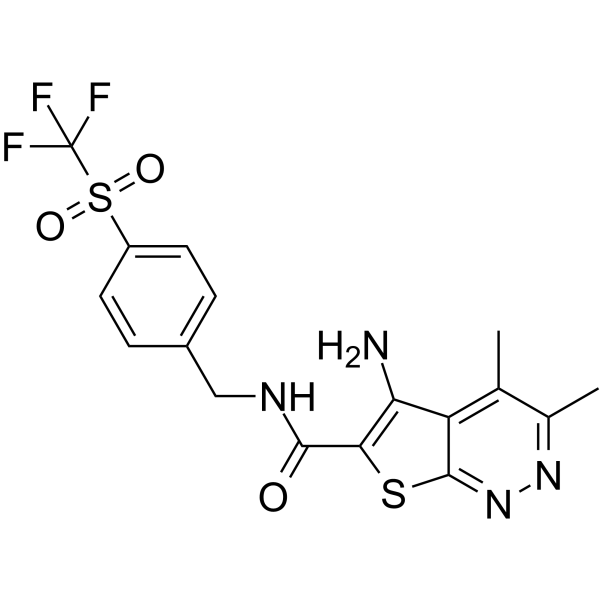
  • HY-138626

    Melatonin Receptor Metabolic Disease
    ACH-000143 is a potent and orally active melatonin receptor agonist, with EC50 values of 0.06 nM and 0.32 nM for MT1 and MT2, respectively .
    ACH-000143
  • HY-W415004

    Cholinesterase (ChE) Neurological Disease
    ACHE-IN-38 (Compound mol-8) inhibits the metabolic breakdown of the neurotransmitter acetylcholine (ACh) by the enzyme acetylcholinesterase (AChE) and hence alleviates memory deficits in patients with Alzheimer’s Disease by potentiating cholinergic transmission .
    ACHE-IN-38
  • HY-19411

    nAChR Neurological Disease
    SSR180711 hydrochloride is an orally active, selective and reversible α7 acetylcholine nicotinic receptor (n-AChRs) partial agonist. SSR180711 hydrochloride can act on rat α7 n-AChR (Ki=22 nM; IC50=30 nM) and human α7 n-AChR (Ki=14 nM; IC50=18 nM). SSR180711 hydrochloride increases glutamatergic neurotransmission, ACh release and long-term potentiation (LTP) in the hippocampus .
    SSR180711 hydrochloride
  • HY-N7247

    mAChR Metabolic Disease
    Thiochrome, a natural oxidation product and metabolite of thiamine, is a selective M4 muscarinic receptor of acetylcholine (ACh) affinity enhancer. Thiochrome has neutral cooperativity with ACh at M1 to M3 receptors .
    Thiochrome
  • HY-145780

    Cholinesterase (ChE) Others
    Cytidine 5′-diphosphoethanolamine is an intermediate compound in the synthesis of phosphatidylethanolamine. Cytidine 5′-diphosphoethanolamine is a stimulant of Ach synthesis .
    Cytidine 5′-diphosphoethanolamine
  • HY-16678

    HBV HCV Infection
    Helioxanthin (ACH126447) has in vitro antiviral activity with an EC50 of 1 μM against HBV and is also active against flaviviruses.
    Helioxanthin
  • HY-B0282AS1

    ACh-d4 bromide

    nAChR Calcium Channel Endogenous Metabolite Isotope-Labeled Compounds Others
    Acetylcholine-d4 (bromide) is the deuterium labeled Acetylcholine bromide .
    Acetylcholine-d4 bromide
  • HY-B0282AS

    ACh-d9 bromide

    nAChR Calcium Channel Endogenous Metabolite Isotope-Labeled Compounds Others
    Acetylcholine-d9 (bromide) is the deuterium labeled Acetylcholine bromide .
    Acetylcholine-d9 bromide
  • HY-N0801

    MMP Cholinesterase (ChE) Neurological Disease Inflammation/Immunology
    Polygalacic acid, is a triterpene, isolated from the root of Polygala tenuifolia Willd. Polygalacic acid inhibits MMP expression. Polygalacic acid may have a therapeutic effect in Osteoarthritis (OA) treatment . Polygalacic acid exerts a significant neuroprotective effect on cognitive impairment, PA improves cholinergic system reactivity by inhibiting acetylcholinesterase (AChE) activity, increasing choline acetyltransferase (ChAT) activity, and elevating levels of acetylcholine (Ach) in the hippocampus and frontal cortex .
    Polygalacic acid
  • HY-B1205R

    Tropine tropate (Standard); DL-Hyoscyamine (Standard)

    Reference Standards mAChR Endogenous Metabolite Cardiovascular Disease Neurological Disease
    Atropine (Standard) is the analytical standard of Atropine. This product is intended for research and analytical applications. Atropine (Tropine tropate) is a competitive muscarinic acetylcholine receptor (mAChR) antagonist with IC50 values of 0.39 and 0.71 nM for Human mAChR M4 and Chicken mAChR M4, respectively. Atropine inhibits ACh-induced relaxations in human pulmonary veins. Atropine can be used for research of anti-myopia and bradycardia .
    Atropine (Standard)
  • HY-B0282AS3

    ACh-d16 bromide

    nAChR Calcium Channel Endogenous Metabolite Isotope-Labeled Compounds Others
    Acetylcholine-d16 (bromide) is the deuterium labeled Acetylcholine bromide .
    Acetylcholine-d16 bromide
  • HY-100795A

    (±)-Pirmenol hydrochloride; CI-845

    mAChR Potassium Channel Cardiovascular Disease
    Pirmenol ((±)-Pirmenol) hydrochloride is an orally active antiarrhythmic agent. Pirmenol hydrochloride inhibits IK.ACh (IC50: 0.1 μM) by blocking mAchR. Pirmenol hydrochloride can be used in the research of cardiovascular disease, such as atrial fibrillation .
    Pirmenol hydrochloride
  • HY-P2626

    Opioid Receptor Neurological Disease
    [D-Ala2]-Met-Enkephalin, an opioid peptide, is a potent opioid agonist. [D-Ala2]-Met-Enkephalin inhibits ACh-induced and suckling-induced oxytocin (OT) release .
    [D-Ala2]-Met-Enkephalin
  • HY-124182

    ACh-3102; JNJ64289901

    HCV Infection
    Odalasvir (ACH-3102) is a potent and selective inhibitor of HCV NS5A, and can be used in research on hepatitis C virus infection .
    Odalasvir
  • HY-124892A

    Acetyl-AF64

    Histone Acetyltransferase Neurological Disease
    Acetylethylcholine mustard hydrochloride (Acetyl-AF64) is an inhibitor of choline acetyl-transferase that reduces the contraction frequency of the myotubes by inhibiting the synthesis of acetylethylcholine (Ach) with the half-maximal inhibitory concentration (IC50) of 1.22 mM. Acetylethylcholine mustard hydrochloride is an irreversible ligand for the high affinity choline transport system. Acetylethylcholine mustard hydrochloride is also a cholinotoxin. Acetylethylcholine mustard hydrochloride is a precursor for ethylcholine mustard aziridinium ion .
    Acetylethylcholine mustard hydrochloride
  • HY-B1205AR

    Tropine tropate sulfate (Standard); DL-Hyoscyamine sulfate (Standard); Sulfatropinol (Standard)

    Reference Standards mAChR Cardiovascular Disease Neurological Disease
    Atropine (sulfate) (Standard) is the analytical standard of Atropine (sulfate). This product is intended for research and analytical applications. Atropine (Tropine tropate) sulfate is a competitive muscarinic acetylcholine receptor (mAChR) antagonist with IC50 values of 0.39 and 0.71 nM for Human mAChR M4 and Chicken mAChR M4, respectively. Atropine sulfate inhibits ACh-induced relaxations in human pulmonary veins. Atropine sulfate can be used for research of anti-myopia and bradycardia .
    Atropine sulfate (Standard)
  • HY-13401

    ACh 0141625

    Drug Derivative Others
    Sovaprevir is an active compound.
    Sovaprevir
  • HY-123858

    nAChR Neurological Disease
    VU6001221 is a blood-brain barrier permeable Choline Transporter (CHT) inhibitor (IC50 = 270 nM). VU6001221 increases the likelihood of extracellular choline elevation activating synaptic α7 nicotine ACh receptors. VU6001221 attenuates potassium-induced ACh levels in the prefrontal cortex .
    VU6001221
  • HY-RS04918

    Small Interfering RNA (siRNA) FGFR Others

    FGFR3 Human Pre-designed siRNA Set A contains three designed siRNAs for FGFR3 gene (Human), as well as a negative control, a positive control, and a FAM-labeled negative control.

    FGFR3 Human Pre-designed siRNA Set A
    FGFR3 Human Pre-designed siRNA Set A
  • HY-19490A

    (S)-AQW-051

    nAChR Neurological Disease
    (S)-VQW-765 ((S)-AQW-051) is an orally active, selective and effective α7 nicotinic ACh receptor (nAChR) partial agonist. (S)-VQW-765 has potential applications in cognitive disorders related to neurological diseases, such as Alzheimer's disease or schizophrenia .
    (S)-VQW-765
  • HY-106054

    Prostaglandin Receptor Metabolic Disease Inflammation/Immunology
    Nocloprost, a prostaglandin E2 (PGE2) analog, is an orally active EP1- and EP3-receptor agonist. Nocloprost inhibits evoked [ 3H]ACh release. Nocloprost has gastroprotective and ulcer-healing properties. Nocloprost accelerates the healing of chronic gastric ulcerations and enhances mucosal growth in rats .
    Nocloprost
  • HY-119918

    mAChR Neurological Disease
    Cycrimine is an orally active muscarinic cholinergic receptor (mAChR) M1 antagonist, reduces the acetylcholine levels in parkinson model. Cycrimine shows antispasmodic activity, can be used in studies of behavioral and mental disorder .
    Cycrimine
  • HY-19512

    GS9132

    HCV Protease HCV Infection
    ACH-806 is an NS4A antagonist which can inhibit Hepatitis C Virus (HCV) replication with an EC50 of 14 nM.
    ACH-806

Inquiry Online

Your information is safe with us. * Required Fields.

Salutation


Country or Region *

Applicant Name *


Organization Name *

Department *


Email Address *


Product Name *

Cat. No.


Requested quantity *

Phone Number *


Remarks

Inquiry Online

Inquiry Information

Product Name:
Cat. No.:
Quantity:
MCE Japan Authorized Agent: