
1. Search Result
Search Result
Results for "

Activity evaluation

" in MedChemExpress (MCE) Product Catalog:

73

Inhibitors & Agonists

2

Screening Libraries

8

Fluorescent Dye

4

Biochemical Assay Reagents

5

Peptides

1

Inhibitory Antibodies

10

Natural
Products

7

Isotope-Labeled Compounds

2

Oligonucleotides

Cat. No. Product Name Target Research Areas Chemical Structure
  • HY-112624B

    Dextran 70; Dextran D70; Dextran T70(MW 64000-76000)

    Bacterial Others
    Dextran 70,000 is a high molecular weight polysaccharide formed by glucose linked by α-(1→6) glycosidic bonds. Dextran 70,000 can expand blood volume through colloidal osmotic pressure effect and inhibit cell adhesion and platelet aggregation through steric hindrance. At the same time, Dextran 70,000 can be used as a drug carrier to achieve targeted delivery through endocytosis. Dextran 70,000 is biologically inert and has low immunogenicity. It can be used for clinical blood volume expansion, anti-thrombotic research, and evaluation of vascular permeability in in vitro experiments. It can also be combined with fluorescent dyes for cell tracking and drug delivery research. The Dextran series of compounds are also natural polysaccharide drug carriers that can be connected to drugs through covalent bonding methods such as ester bonds, amide bonds or click chemistry, or self-assembled to form carriers such as nanoparticles and hydrogels. Dextran is biodegradable and biocompatible, and can achieve targeted delivery and controlled release of drugs. Dextran derivatives can prolong the half-life of drugs, increase local concentrations, and reduce the activity of immune clearance.
    Dextran T70 (MW 70,000)
  • HY-14805
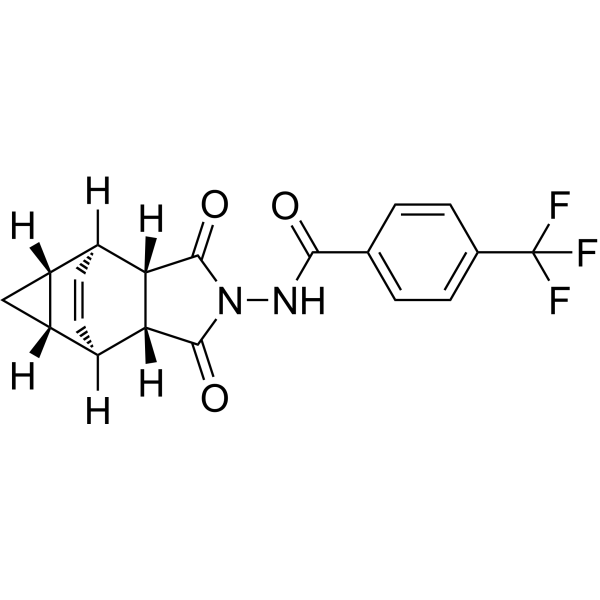
    Tecovirimat
    1 Publications Verification

    ST-246

    Orthopoxvirus Arenavirus Infection
    Tecovirimat (ST-246) is an orally bioavailable and selective compound against orthopoxviruses including vaccinia, monkeypox, camelpox, cowpox, ectromelia (mousepox), smallpox and variola viruses. Tecovirimat is evaluated against vaccinia, cowpox virus, ectromelia virus with EC50 values of 0.01 μM, 0.48 μM and 0.05 μM, respectively. Tecovirimat targets the orthopoxvirus protein VP37 which is necessary for membrane envelopment of intracellular mature virus particles to form enveloped virus. Tecovirimat exerts antiviral activity on the target of the cowpox virus V061 gene, which is homologous to vaccinia virus F13L, encoding a major envelope protein (p37) required for production of extracellular virus .
    Tecovirimat
  • HY-B0504S
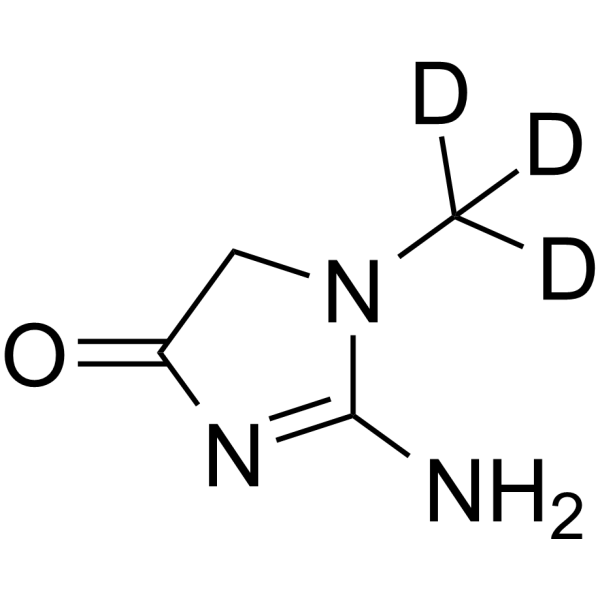
    Creatinine-d3
    5 Publications Verification

    NSC13123-d3

    Isotope-Labeled Compounds Endogenous Metabolite iGluR GABA Receptor Metabolic Disease Cancer
    Creatinine-d3 is a deuterium labeled Creatinine. Creatinine (NSC13123) is an orally active, blood-brain barrier-permeable modulator of GABAA and NMDA receptors, with activities of antioxidation and metabolic regulation. Creatinine is generated via non-enzymatic conversion of creatine and phosphocreatine in muscle. Creatinine serum levels correlate with muscle mass, glomerular filtration rate, and extrarenal clearance, serving as an evaluation biomarker for renal function, muscle mass, and clinical outcomes, and used for perioperative renal risk assessment. In addition, Creatinine can induce specific Cryptococcus species to produce creatinine deiminase and act as their nitrogen source, while it can be secreted via renal tubules. Creatinine is widely used in research related to various diseases such as neurodegenerative diseases, psychiatric disorders, acute kidney injury, chronic kidney disease, and renal failure .
    Creatinine-d3
  • HY-B0504
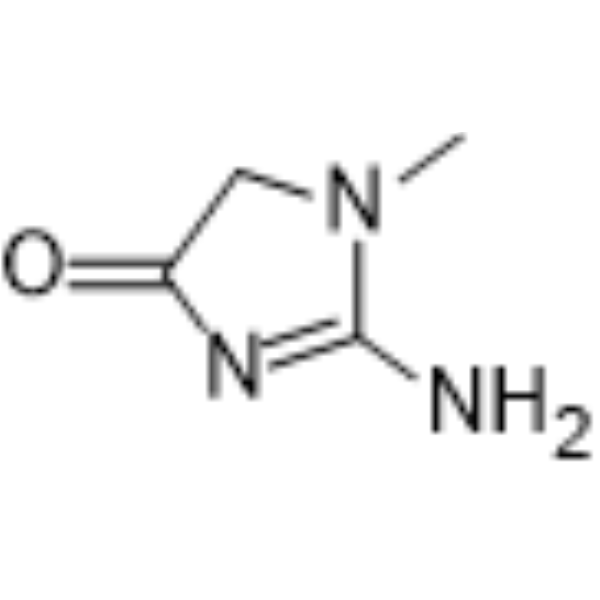
    Creatinine
    5+ Cited Publications

    NSC13123

    Endogenous Metabolite GABA Receptor iGluR Infection Neurological Disease Metabolic Disease Cancer
    Creatinine (NSC13123) is an orally active, blood-brain barrier-permeable modulator of GABAA and NMDA receptors, with activities of antioxidation and metabolic regulation. Creatinine is generated via non-enzymatic conversion of creatine and phosphocreatine in muscle. Creatinine serum levels correlate with muscle mass, glomerular filtration rate, and extrarenal clearance, serving as an evaluation biomarker for renal function, muscle mass, and clinical outcomes, and used for perioperative renal risk assessment. In addition, Creatinine can induce specific Cryptococcus species to produce creatinine deiminase and act as their nitrogen source, while it can be secreted via renal tubules. Creatinine is widely used in research related to various diseases such as neurodegenerative diseases, psychiatric disorders, acute kidney injury, chronic kidney disease, and renal failure .
    Creatinine
  • HY-131498

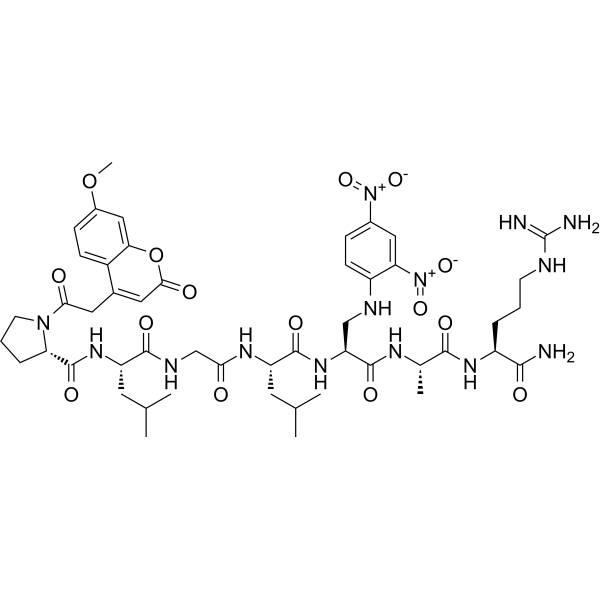
    Mca-Pro-Leu-Gly-Leu-Dpa-Ala-Arg-NH2

    Fluorescent Dye MMP Cancer
    MOCAc-PLGL (Dpa) AR (Mca-Pro-Leu-Gly-Leu-Dpa-Ala-Arg-NH2) is a synthetic fluorescent substrate mainly used for in vitro enzymatic activity assays of MMP-7 (detection at 393 nm after excitation at 328 nm). MOCAc-PLGL (Dpa) AR is specifically cleaved and hydrolyzed by MMP-7 at the Gly-Leu peptide bond, allowing enzymatic activity to be monitored via fluorometry or HPLC (DMSO is usually added to ensure sufficient dissolution when determining kinetic parameters). MOCAc-PLGL (Dpa) AR is used to accurately evaluate the catalytic activity and pH dependence of recombinant mature human MMP-7 in vitro. MOCAc-PLGL (Dpa) AR is suitable for research on the mechanisms of tumor metastasis and invasion, particularly in fields such as prostate cancer, colon cancer, lung cancer and breast cancer .\n
    MOCAc-PLGL(Dpa)AR
  • HY-B0504S2

    NSC13123-d5

    Isotope-Labeled Compounds Endogenous Metabolite iGluR GABA Receptor Metabolic Disease
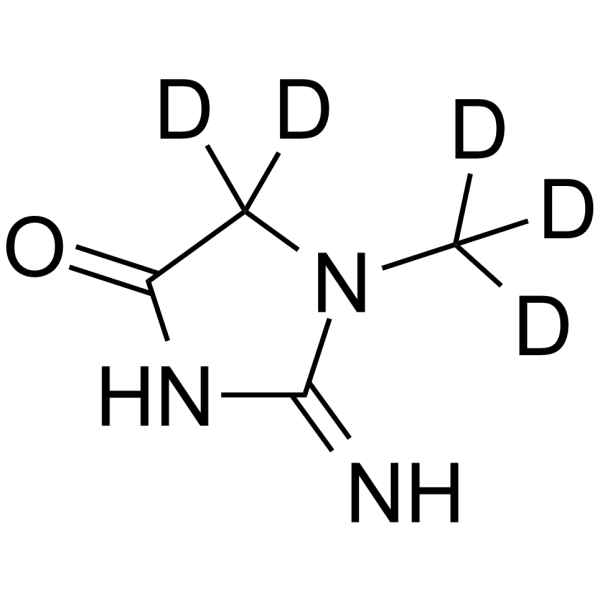
    Creatinine-d5 is the deuterium labeled Creatinine. Creatinine (NSC13123) is an orally active, blood-brain barrier-permeable modulator of GABAA and NMDA receptors, with activities of antioxidation and metabolic regulation. Creatinine is generated via non-enzymatic conversion of creatine and phosphocreatine in muscle. Creatinine serum levels correlate with muscle mass, glomerular filtration rate, and extrarenal clearance, serving as an evaluation biomarker for renal function, muscle mass, and clinical outcomes, and used for perioperative renal risk assessment. In addition, Creatinine can induce specific Cryptococcus species to produce creatinine deiminase and act as their nitrogen source, while it can be secreted via renal tubules. Creatinine is widely used in research related to various diseases such as neurodegenerative diseases, psychiatric disorders, acute kidney injury, chronic kidney disease, and renal failure .
    Creatinine-d5
  • HY-135152

    Reactive Oxygen Species (ROS) Cancer
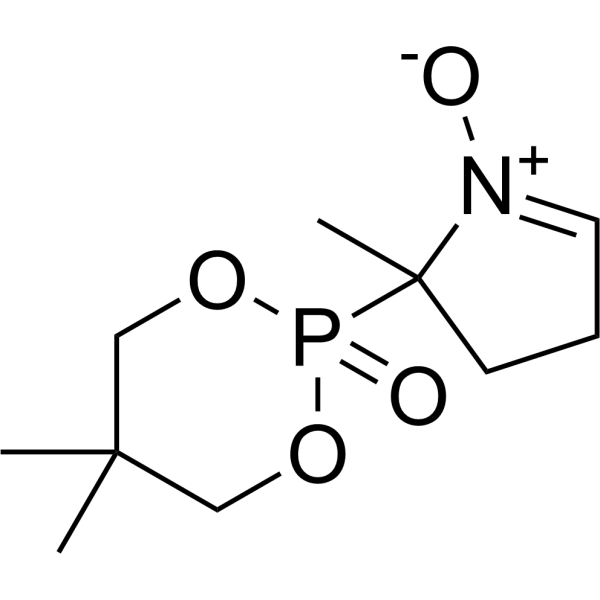
    CYPMPO is a spin-trapping reagent. CYPMPO, a cyclic DEPMPO-type nitrone, is evaluated for spin-trapping capabilities toward hydroxyl and superoxide radicals. anti-oxidant and anti-tumor?activity .
    CYPMPO
  • HY-116000
    Glumetinib
    2 Publications Verification

    Gumarontinib; SCC244

    c-Met/HGFR Cancer
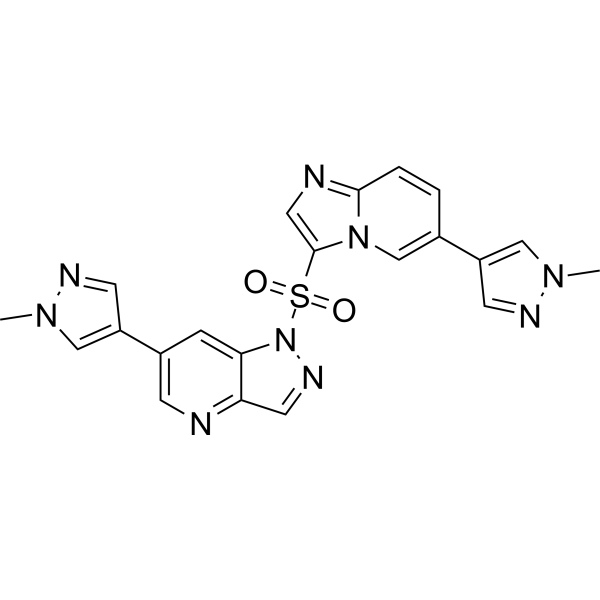
    Glumetinib (SCC244) is a highly selective, orally bioavailable, ATP-competitive c-Met inhibitor with an IC50 of 0.42 nM. Glumetinib has greater than 2400-fold selectivity for c-Met over those 312 kinases evaluated, including the c-Met family member RON and highly homologous kinases Axl, Mer, TyrO3. Antitumor activity .
    Glumetinib
  • HY-137006

    Fluorescent Dye Others
    MTT Formazan is a purple water-insoluble product formed by the reduction of yellow soluble MTT by succinate dehydrogenase in the mitochondria of viable cells. The amount of MTT Formazan produced is proportional to cellular metabolic activity, and it can serve as an indicator for evaluating cell viability and proliferation. MTT Formazan exhibits solvent-dependent solubility properties, and its absorbance value can be measured by spectrophotometry to reflect cellular status. MTT Formazan also supports the assessment of cell viability in bacterial MTT assays. MTT Formazan can be used in photoacoustic microscopy to enhance the imaging effect of viable cells, especially in applications in the fields of three-dimensional cell culture and tissue engineering .
    MTT Formazan
  • HY-P4202

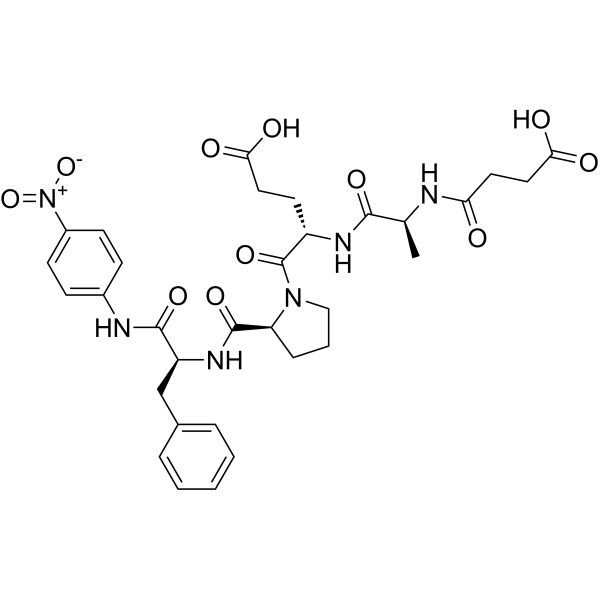
    Suc-AEPF-pNA

    Biochemical Assay Reagents Others
    Suc-Ala-Glu-Pro-Phe-pNA (Suc-AEPF-pNA) is a chromogenic substrate for the peptidyl-prolyl isomerase Pin1. Suc-Ala-Glu-Pro-Phe-pNA is used to evaluate the inhibitory effect of target compounds on Pin1, the catalytic activity of Pin1, and other related assays .
    Suc-Ala-Glu-Pro-Phe-pNA
  • HY-W115721

    Sodium rhodizonate dibasic

    Reactive Oxygen Species (ROS) DNA/RNA Synthesis Others
    Rhodizonic acid disodium (Sodium rhodizonate dibasic) is a transition metal-dependent pro-oxidant and lead detection agent that induces reactive oxygen species generation, DNA damage, and inhibits Aconitase activity. Rhodizonic acid disodium generates superoxide anion radicals in an iron (II)-dependent manner, leading to aconitase inactivation. Rhodizonic acid disodium also triggers hydroxyl radical-mediated DNA strand breaks and 8-OHdG formation via copper ion reduction. Rhodizonic acid disodium reacts with lead to form a scarlet precipitate, with the color intensity proportional to lead content, enabling qualitative or quantitative analysis of lead. Rhodizonic acid disodium can also be used for real-time visualization of the dynamic process of lead sequestration in the plant rhizosphere and evaluation of the effects of environmental factors such as soil type on the stability of lead-sequestering structures .
    Rhodizonic acid disodium
  • HY-146248B

    Poly(ADP-ribose) Glycohydrolase (PARG) SARS-CoV Protease Activated Receptor (PAR) Metabolic Disease
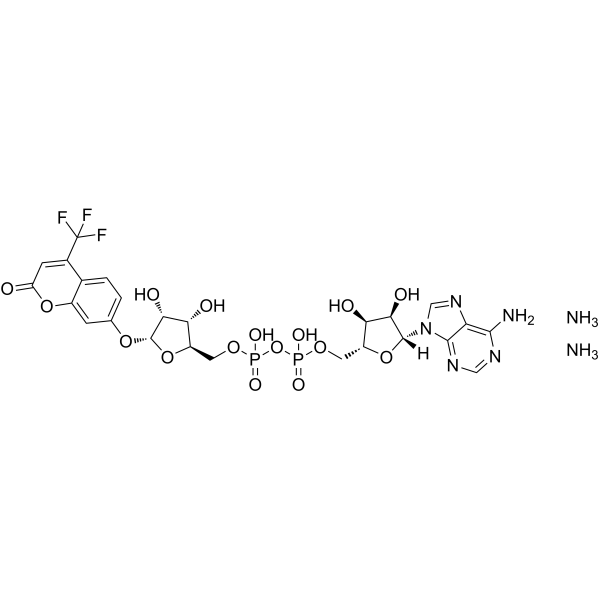
    TFMU-ADPr diammonium is a selective reporter substrate of SARS-CoV-2 Macro1 (IC50=0.59 μM), with an excitation wavelength (λEx) of 385 nm, and an emission wavelength (λEm) of 502 nm (or 495 nm). TFMU-ADPr diammonium can also undergo enzymatic hydrolysis with Poly(ADP-ribose) Glycohydrolase (PARG) sourced from human, Tetrahymena thermophila and ADP-ribosylhydrolase 3 from human to release fluorophores, thereby directly reporting total poly (ADP-ribose) hydrolase activity. TFMU-ADPr diammonium binds to the ADPr-binding site of SARS-CoV-2 Macro1, and its TFMU moiety inserts into the narrow hydrophobic groove of this protein. TFMU-ADPr diammonium can thus be used to evaluate small-molecule inhibitors targeting PAR hydrolases under in vitro conditions, to investigate the regulatory mechanisms of ADP-ribosyl catabolic enzymes, or to detect PAR hydrolase activity in whole-cell lysate assays. TFMU-ADPr diammonium is also applicable to COVID-19-related research .
    TFMU-ADPr diammonium
  • HY-B0504R

    NSC13123 (Standard)

    Reference Standards Endogenous Metabolite iGluR GABA Receptor Metabolic Disease Cancer
    Creatinine (Standard) is the analytical standard of Creatinine. This product is intended for research and analytical applications. Creatinine (NSC13123) is an orally active, blood-brain barrier-permeable modulator of GABAA and NMDA receptors, with activities of antioxidation and metabolic regulation. Creatinine is generated via non-enzymatic conversion of creatine and phosphocreatine in muscle. Creatinine serum levels correlate with muscle mass, glomerular filtration rate, and extrarenal clearance, serving as an evaluation biomarker for renal function, muscle mass, and clinical outcomes, and used for perioperative renal risk assessment. In addition, Creatinine can induce specific Cryptococcus species to produce creatinine deiminase and act as their nitrogen source, while it can be secreted via renal tubules. Creatinine is widely used in research related to various diseases such as neurodegenerative diseases, psychiatric disorders, acute kidney injury, chronic kidney disease, and renal failure .
    Creatinine (Standard)
  • HY-139601

    Histone Demethylase Cancer
    KDM2B-IN-4 (Compound 182b) is a histone demethylase KDM2B inhibitor with an IC50 of 1.12 nM. KDM2B-IN-4 can be used for the research of hyperproliferative diseases such as cancers .
    KDM2B-IN-4
  • HY-113327

    Endogenous Metabolite Cancer
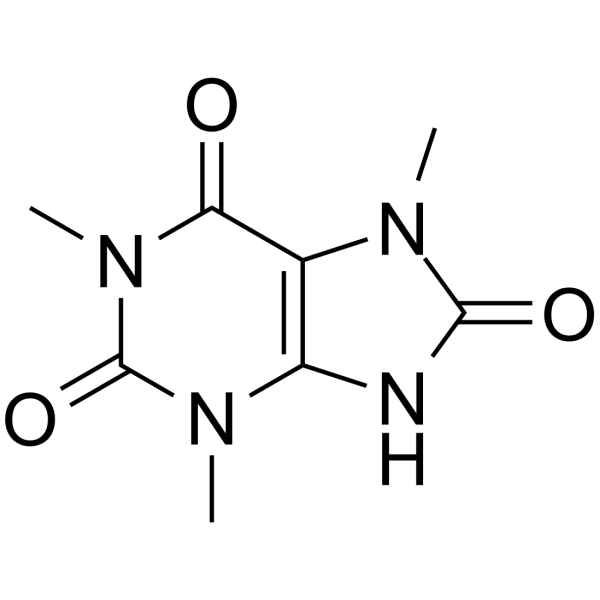
    1,3,7-Trimethyluric acid is the metabolite of caffeine. The metabolic ratio 1,3,7-Trimethyluric acid to caffeine can be evaluated as a biomarker to describe variability in CYP3A activity in a cohort .
    1,3,7-Trimethyluric acid
  • HY-101445B

    Drug Isomer Neurological Disease
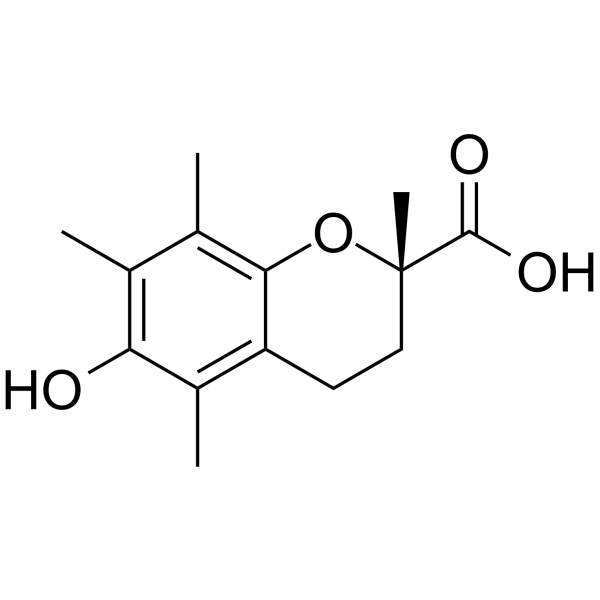
    (S)-Trolox is an analogue of vitamin E, in which the phytyl chain is replaced with a carboxyl group. (S)-Trolox is frequently used as a model compound for studies of structural features, as well as a standard for evaluation of antioxidant activity. (S)-Trolox has potent and specific neuroprotective and antioxidant effects .
    (S)-Trolox
  • HY-NP070

    LTL

    Inflammation/Immunology
    Lotus tetragonolobus lectin (LTL) is a plant lectin that specifically recognizes and binds to α-L-fucopyranosyl residues, a sugar structure serving as the key terminal glycosyl group of human blood type O antigen (H antigen). Lotus tetragonolobus lectin exerts macrophage migration inhibitory activity in monomeric form. Lotus tetragonolobus lectin labels and identifies renal proximal tubular epithelial cells to evaluate histopathological changes of sepsis-induced acute kidney injury. Lotus tetragonolobus lectin is applicable to studies in glycobiology, immunology and renal pathology .
    Lotus tetragonolobus lectin
  • HY-129763

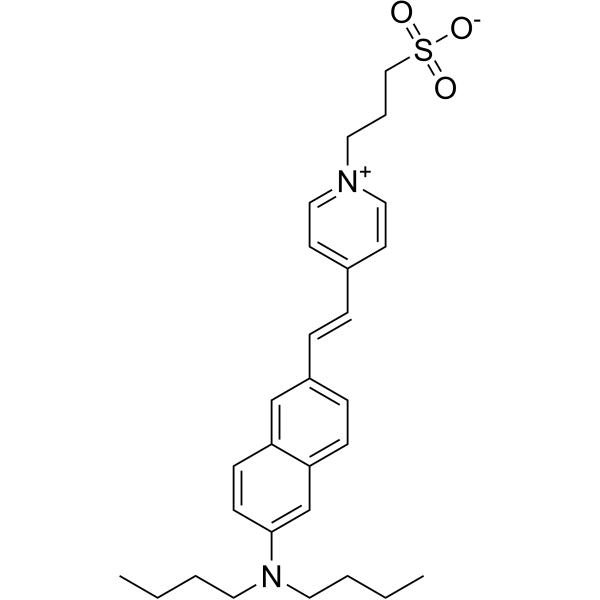
    Fluorescent Dye Cardiovascular Disease
    Di-4-ANEPPS is a voltage-sensitive dye that acts on voltage-gated ion channels (such as sodium channels) and inhibits sodium current, significantly reducing sodium current density, although specific values like IC50 remain unclear. It mainly binds to the voltage-sensitive regions on the cell membrane, changing its fluorescence properties to reflect membrane potential changes and thus affecting the function of ion channels to exert its activity. This substance can be used in cardiovascular research, such as the electrophysiology of cardiomyocytes, myocardial ischemia, and the effects of drugs on cardiomyocytes. It is of great value in evaluating drug cardiotoxicity and exploring the mechanisms of arrhythmias .
    Di-4-ANEPPS
  • HY-B0504S1

    NSC13123-13C

    Isotope-Labeled Compounds Endogenous Metabolite iGluR GABA Receptor Metabolic Disease
    Creatinine- 13C is the 13C-labeled Creatinine. Creatinine (NSC13123) is an orally active, blood-brain barrier-permeable modulator of GABAA and NMDA receptors, with activities of antioxidation and metabolic regulation. Creatinine is generated via non-enzymatic conversion of creatine and phosphocreatine in muscle. Creatinine serum levels correlate with muscle mass, glomerular filtration rate, and extrarenal clearance, serving as an evaluation biomarker for renal function, muscle mass, and clinical outcomes, and used for perioperative renal risk assessment. In addition, Creatinine can induce specific Cryptococcus species to produce creatinine deiminase and act as their nitrogen source, while it can be secreted via renal tubules. Creatinine is widely used in research related to various diseases such as neurodegenerative diseases, psychiatric disorders, acute kidney injury, chronic kidney disease, and renal failure .
    Creatinine-13C
  • HY-146248

    SARS-CoV Poly(ADP-ribose) Glycohydrolase (PARG) Protease Activated Receptor (PAR) Infection
    TFMU-ADPr is a selective reporter substrate of SARS-CoV-2 Macro1 (IC50=0.59 μM), with an excitation wavelength (λEx) of 385 nm, and an emission wavelength (λEm) of 502 nm (or 495 nm). TFMU-ADPr can also undergo enzymatic hydrolysis with Poly(ADP-ribose) Glycohydrolase (PARG) sourced from human, Tetrahymena thermophila and ADP-ribosylhydrolase 3 from human to release fluorophores, thereby directly reporting total poly (ADP-ribose) hydrolase activity. TFMU-ADPr binds to the ADPr-binding site of SARS-CoV-2 Macro1, and its TFMU moiety inserts into the narrow hydrophobic groove of this protein. TFMU-ADPr can thus be used to evaluate small-molecule inhibitors targeting PAR hydrolases under in vitro conditions, to investigate the regulatory mechanisms of ADP-ribosyl catabolic enzymes, or to detect PAR hydrolase activity in whole-cell lysate assays. TFMU-ADPr is also applicable to COVID-19-related research .
    TFMU-ADPr
  • HY-E70075

    GDH-TIM; GDH-TPI

    Transketolase Metabolic Disease
    α-Glycerophosphate Dehydrogenase-Triosephosphate (GDH-TIM) is an enzyme mixture composed of glycerol phosphate dehydrogenase (GDH) and triphosphate isomerase (TIM). α-Glycerophosphate Dehydrogenase-Triosephosphate can be used to determine the activity of transketolase (TK) in hemolytic substances of red blood cells to evaluate vitamin B deficiency .
    α-Glycerophosphate Dehydrogenase-Triosephosphate
  • HY-Y0889A

    Endogenous Metabolite Metabolic Disease
    1-(2,3-Dichlorphenyl)piperazine hydrochloride is a potent DHCR7 inhibitor with the activity of inhibiting cholesterol biosynthesis. 1-(2,3-Dichlorphenyl)piperazine hydrochloride is often used in biological research to evaluate the function of cholesterol biosynthesis pathway. The application of 1-(2,3-Dichlorphenyl)piperazine hydrochloride is of great significance for understanding diseases related to cholesterol biosynthesis .
    1-(2,3-Dichlorphenyl)piperazine hydrochloride
  • HY-115514A

    BRK Cancer
    BRK inhibitor P21d hydrochloride is a potent breast tumor kinase (BRK/PTK6) inhibitor with an IC50 of 30 nM. BRK inhibitor P21d hydrochloride inhibits p-SAM68 with an IC50 of 52 nM. BRK inhibitor P21d hydrochloride can be used to evaluate the in vivo activity of BRK inhibitors in xenograft breast tumor models .
    BRK inhibitor P21d hydrochloride
  • HY-14805A
    Tecovirimat monohydrate
    1 Publications Verification

    ST-246 monohydrate

    Orthopoxvirus Arenavirus Infection
    Tecovirimat (ST-246) monohydrate is the monohydrate form of Tecovirimat (HY-14805). Tecovirimat monohydrate is an orally bioavailable and selective compound against orthopoxviruses [including vaccinia, monkeypox, camelpox, cowpox, ectromelia (mousepox), smallpox and variola viruses]. Tecovirimat monohydrate is evaluated against vaccinia, cowpox virus, ectromelia virus with EC50 values of 0.01 μM, 0.48 μM and 0.05 μM, respectively. Tecovirimat monohydrate targets the orthopoxvirus protein VP37 which is necessary for membrane envelopment of intracellular mature virus particles to form enveloped virus. Tecovirimat monohydrate exerts antiviral activity on the target of the cowpox virus V061 gene, which is homologous to vaccinia virus F13L, encoding a major envelope protein (p37) required for production of extracellular virus. Tecovirimat monohydrate could be used in the study for orthopoxvirus-induced diseases .
    Tecovirimat monohydrate
  • HY-Y0889

    Endogenous Metabolite Metabolic Disease
    1-(2,3-Dichlorphenyl)piperazine is a potent DHCR7 inhibitor with the activity of inhibiting cholesterol biosynthesis. 1-(2,3-Dichlorphenyl)piperazine is often used in biological research to evaluate the function of cholesterol biosynthesis pathway. The application of 1-(2,3-Dichlorphenyl)piperazine is of great significance for understanding diseases related to cholesterol biosynthesis .
    1-(2,3-Dichlorphenyl)piperazine
  • HY-B0504S5

    NSC13123-15N

    Isotope-Labeled Compounds Endogenous Metabolite iGluR GABA Receptor Metabolic Disease Cancer
    Creatinine- 15N (NSC13123- 15N) is the 15N-labeled Creatinine (HY-B0504). Creatinine (NSC13123) is an orally active, blood-brain barrier-permeable modulator of GABAA and NMDA receptors, with activities of antioxidation and metabolic regulation. Creatinine is generated via non-enzymatic conversion of creatine and phosphocreatine in muscle. Creatinine serum levels correlate with muscle mass, glomerular filtration rate, and extrarenal clearance, serving as an evaluation biomarker for renal function, muscle mass, and clinical outcomes, and used for perioperative renal risk assessment. In addition, Creatinine can induce specific Cryptococcus species to produce creatinine deiminase and act as their nitrogen source, while it can be secreted via renal tubules. Creatinine is widely used in research related to various diseases such as neurodegenerative diseases, psychiatric disorders, acute kidney injury, chronic kidney disease, and renal failure .
    Creatinine-15N
  • HY-116567A

    Endogenous Metabolite Endocrinology
    (S)-OPC-51803 is an agonist of the vasopressin V2 receptor, with activity in suppressing nocturia and urinary incontinence. (S)-OPC-51803 was evaluated in terms of biological activity and showed a stronger V2 receptor agonist effect compared to its (R)-isomer. The use of (S)-OPC-51803 may improve the patient's ability to control nocturnal polyuria .
    (S)-OPC-51803
  • HY-109014

    CMX-157

    HIV HBV Nucleoside Antimetabolite/Analog Infection
    Tenofovir exalidex (CMX157) is a lipid conjugate of the acyclic nucleotide analog Tenofovir with activity against both wild-type and antiretroviral drug-resistant HIV strains, including multidrug nucleoside/nucleotide analog-resistant viruses. Tenofovir exalidex is active against all major subtypes of HIV-1 and HIV-2 in fresh human PBMCs and against all HIV-1 strains evaluated in monocyte-derived macrophages, with EC50s ranging between 0.2 and 7.2 nM. CMX157 is orally available and has no apparent toxicity. Tenofovir exalidex also shows antiviral activity against HBV .
    Tenofovir exalidex
  • HY-146248A

    Poly(ADP-ribose) Glycohydrolase (PARG) SARS-CoV Protease Activated Receptor (PAR) Others
    TFMU-ADPr triethylamine is a selective reporter substrate of SARS-CoV-2 Macro1 (IC50=0.59 μM), with an excitation wavelength (λEx) of 385 nm, and an emission wavelength (λEm) of 502 nm (or 495 nm). TFMU-ADPr triethylamine can also undergo enzymatic hydrolysis with Poly(ADP-ribose) Glycohydrolase (PARG) sourced from human, Tetrahymena thermophila and ADP-ribosylhydrolase 3 from human to release fluorophores, thereby directly reporting total poly (ADP-ribose) hydrolase activity. TFMU-ADPr triethylamine binds to the ADPr-binding site of SARS-CoV-2 Macro1, and its TFMU moiety inserts into the narrow hydrophobic groove of this protein. TFMU-ADPr triethylamine can thus be used to evaluate small-molecule inhibitors targeting PAR hydrolases under in vitro conditions, to investigate the regulatory mechanisms of ADP-ribosyl catabolic enzymes, or to detect PAR hydrolase activity in whole-cell lysate assays. TFMU-ADPr triethylamine is also applicable to COVID-19-related research .
    TFMU-ADPr triethylamine
  • HY-14805S

    ST-246-d4

    Isotope-Labeled Compounds Orthopoxvirus Arenavirus Infection
    Tecovirimat-d4 (ST-246-d4) is a deuterium-labelled Tecovirimat (HY-14805). Tecovirimat is an orally bioavailable and selective compound against orthopoxviruses [including vaccinia, monkeypox, camelpox, cowpox, ectromelia (mousepox), smallpox and variola viruses]. Tecovirimat is evaluated against vaccinia, cowpox virus, ectromelia virus with EC50 values of 0.01 μM, 0.48 μM and 0.05 μM, respectively. Tecovirimat targets the orthopoxvirus protein VP37 which is necessary for membrane envelopment of intracellular mature virus particles to form enveloped virus. Tecovirimat exerts antiviral activity on the target of the cowpox virus V061 gene, which is homologous to vaccinia virus F13L, encoding a major envelope protein (p37) required for production of extracellular virus. Tecovirimat could be used in the study for orthopoxvirus-induced diseases .
    Tecovirimat-d4
  • HY-W076971

    Drug Derivative Others
    Ethyl pivaloylacetate is a β-ketoester. Ethyl pivaloylacetate can be uesd as the substrate to evaluate the activity and stereoselectivity of the ketoreductase tool-box .
    Ethyl pivaloylacetate
  • HY-155517

    NOD-like Receptor (NLR) Pyroptosis Inflammation/Immunology
    INF200 (compound 5) is a sulfonylurea-based inhibitor of NLRP3 and NLRP3-mediated pyroptosis. INF200 has beneficial cardiometabolic effects in rat model of high-fat diet (HFD)-induced metaflammation,and shows anti-inflammatory activity to (10 μM) decreases IL-1β release in human macrophages. INF200 improves glucose and lipid profiles,and attenuates systemic inflammation and biomarkers of cardiac dysfunction (particularly BNP). INF200 also improves myocardial damage-dependent ischemia/reperfusion injury (IRI) in hemodynamic evaluation .
    INF200
  • HY-175011

    EGFR Apoptosis Cancer
    EGFR-IN-165 is a potent EGFR inhibitor. EGFR-IN-165 demonstrates superior potency with IC50s of 17.18 and 64.74 nM against EGFR L858R/T790M and EGFR WT; 2.17 and 6.2 μM against NCI-H1975 cells and A431 cells. EGFR-IN-165 significantly inhibits the migration and induces G1 phase cell cycle arrest and cell apoptosis. EGFR-IN-165 can be used for the study of cancers such as non-small cell lung cancer, colorectal cancer, and head and neck squamous cell carcinoma .
    EGFR-IN-165
  • HY-W040156

    Fungal Infection
    Oxadixyl is a fungicide with activity that inhibits the growth of fungi. Oxadixyl was tested during the malic fermentation of red wine, where its concentration may be affected. The biological activity of Oxadixyl helps to evaluate its effect on microorganisms during the winemaking process .
    Oxadixyl
  • HY-119324

    Apoptosis Others
    Anticancer agent 254 (compound 10) is a dichloroacetic acid-loaded compound with enhanced antitumor activity against leukemia cells in vitro and better stability in vivo, and can be considered for preclinical evaluation of cancer inhibition.
    Anticancer agent 254
  • HY-D1427

    Fluorescent Dye Neurological Disease
    Di-2-ANEPEQ is a voltage sensitive membrane potential fluorescence dye. Di-2-ANEPEQ can be used for the evaluation of voltage-sensitive fluorescence dyes for monitoring neuronal activity in the embryonic central nervous system .
    Di-2-ANEPEQ
  • HY-B1838
    Asulam
    1 Publications Verification

    Herbicide Others
    Asulam is a herbicide with control activity against wild oats. Asulam can be used for bulb production in spinach, tulips, daffodils and lilies. Maximum residue limits (MRLs) for Asulam were evaluated in spinach. The review of Asulam took into account its endocrine disrupting properties .
    Asulam
  • HY-W040156R

    Fungal Reference Standards Infection
    Oxadixyl (Standard) is the analytical standard of Oxadixyl. This product is intended for research and analytical applications. Oxadixyl is a fungicide with activity that inhibits the growth of fungi. Oxadixyl was tested during the malic fermentation of red wine, where its concentration may be affected. The biological activity of Oxadixyl helps to evaluate its effect on microorganisms during the winemaking process .
    Oxadixyl (Standard)
  • HY-101040R

    Q203 (Standard); IAP6 (Standard)

    Reference Standards Bacterial Antibiotic Infection
    Oxadixyl (Standard) is the analytical standard of Oxadixyl. This product is intended for research and analytical applications. Oxadixyl is a fungicide with activity that inhibits the growth of fungi. Oxadixyl was tested during the malic fermentation of red wine, where its concentration may be affected. The biological activity of Oxadixyl helps to evaluate its effect on microorganisms during the winemaking process .
    Telacebec (Standard)
  • HY-162602

    EGFR Cancer
    EGFR-IN-115 (H-13) is an EGFR inhibitor, with IC50 of 395.2 nM. EGFR-IN-115 can be used in anti-cancer research .
    EGFR-IN-115
  • HY-W854392

    Biochemical Assay Reagents
    3-Carboxyumbelliferyl-β-D-glucuronide (dipotassium) is a chromogenic substrate with biological activity for enzyme activity detection. 3-Carboxyumbelliferyl-β-D-glucuronide (dipotassium) can be used to evaluate biological reactions associated with glycosidases. 3-Carboxyumbelliferyl-β-D-glucuronide (dipotassium) shows a wide range of application potentials in compound discovery and biomedical research.
    3-Carboxyumbelliferyl-β-D-glucuronide dipotassium
  • HY-P10609

    Btk Others
    Btk substrate peptide is a peptide substrate corresponding to residues 217-229 of human Bruton’s tyrosine kinase (Btk), of which the tyrosine at residue 223 is the major autophosphorylation site of Btk. Btk substrate peptide is used as a substrate in in vitro kinase assays to evaluate the activity of Btk or other tyrosine kinases .
    Btk substrate peptide
  • HY-N8177

    NO Synthase Inflammation/Immunology Cancer
    Bletilloside A is a glycoside. Bletilloside A can be isolated from the tubers of Bletilla striata. Bletilloside A inhibits the expression of the TCL1A protein. When evaluated for its inhibitory activity against LPS-induced NO, Bletilloside A shows an IC50 of >70 μM. Bletilloside A exhibits anticancer activity against acute myeloid leukemia. Bletilloside A can be used in studies related to acute myeloid leukemia .
    Bletilloside A
  • HY-146282

    GABA Receptor Neurological Disease
    mGAT-IN-1 (compound 28) is a potent and non-selective GAT inhibitor. mGAT-IN-1 has a high inhibitory potency toward mGAT3, with an IC50 of 2.5 μM and pIC50 of 5.61 .
    mGAT-IN-1
  • HY-P4202A

    Suc-AEPF-pNA TFA

    Biochemical Assay Reagents Others
    Suc-Ala-Glu-Pro-Phe-pNA (Suc-AEPF-pNA ) TFA is a chromogenic substrate for the peptidylprolyl isomerase Pin1. Suc-Ala-Glu-Pro-Phe-pNA TFA can be used to evaluate the inhibitory effect of the target compound on Pin1, and catalytic activity of Pin1, etc .
    Suc-Ala-Glu-Pro-Phe-pNA TFA
  • HY-134308

    Fluorescent Dye Others
    8-NBD-cAMP sodium is a fluorescently labeled cyclic adenosine phosphate (cAMP) analogue. 8-NBD-cAMP sodium retains a similar biological activity to cAMP, regulating their activity by binding to specific proteins such as EPACs or PKA. 8-NBD-cAMP sodium can be used in fluorescent competitive binding experiments to evaluate the binding affinity of newly synthesized EPAC1 agonists to EPAC1 proteins .
    8-NBD-cAMP sodium
  • HY-130406

    Fungal Infection
    Benthiavalicarb isopropyl is a fungicide with specific activity against downy mildew and blight. Benthiavalicarb isopropyl is evaluated for use where necessary to control a serious threat to plant health that cannot be treated by other methods, including non-chemical methods. The use of Benthiavalicarb isopropyl can be considered representative of field applications in potatoes. Environmental and human exposures of Benthiavalicarb isopropyl are considered to be negligible .
    Benthiavalicarb isopropyl
  • HY-W708304

    Isotope-Labeled Compounds Herbicide Others
    Asulam-d3 is the deuterium labeled Asulam (HY-B1838). Asulam is a herbicide with control activity against wild oats. Asulam can be used for bulb production in spinach, tulips, daffodils and lilies. Maximum residue limits (MRLs) for Asulam were evaluated in spinach. The review of Asulam took into account its endocrine disrupting properties .
    Asulam-d3
  • HY-167922

    Endogenous Metabolite Neurological Disease
    (R,R,S)-GAT107 is a fully agonistic positive modulator of α7 nicotinic receptors with significant biological activity. Its activity is entirely present in its (+)-isomer 1b, while (-)-isomer 1a does not affect its activity when used together. Studies have shown that (R,R,S)-GAT107 is the most potent ago-PAM for α7 nicotinic receptors currently known and has the potential for further in vivo evaluation .
    (R,R,S)-GAT107
  • HY-N8960

    Others Neurological Disease
    1-Hydroxybisabola-2,10-dien-4-one is a compound with potential anti-Alzheimer's disease activity. The activity of 1-Hydroxybisabola-2,10-dien-4-one was evaluated in the Caenorhabditis elegans Alzheimer's disease pathological model. 1-Hydroxybisabola-2,10-dien-4-one has a wide range of applications in life science related research .
    1-Hydroxybisabola-2,10-dien-4-one

Inquiry Online

Your information is safe with us. * Required Fields.

Salutation


Country or Region *

Applicant Name *


Organization Name *

Department *


Email Address *


Product Name *

Cat. No.


Requested quantity *

Phone Number *


Remarks

Inquiry Online

Inquiry Information

Product Name:
Cat. No.:
Quantity:
MCE Japan Authorized Agent:

