Search Result
Results for "
COX-2 inhibitory
" in MedChemExpress (MCE) Product Catalog:
4
Isotope-Labeled Compounds
| Cat. No. |
Product Name |
Target |
Research Areas |
Chemical Structure |
-
- HY-N1435
-
|
|
Apoptosis
PI3K
PTEN
Autophagy
|
Neurological Disease
Metabolic Disease
Inflammation/Immunology
Cancer
|
|
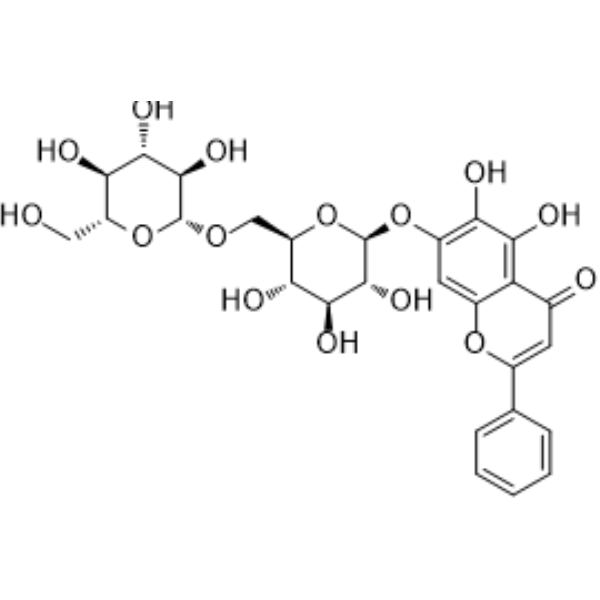
Oroxin B (OB) is a BBB-permeable flavonoid isolated from traditional Chinese herbal medicine Oroxylum indicum (L.) Vent.
Oroxin B (OB) possesses obvious inhibitory effect and induces early apoptosis rather than late apoptosis on liver cancer cells through upregulation of PTEN, down regulation of COX-2, VEGF, PI3K, and p-AKT. Oroxin B (OB) selectively induces tumor-suppressive ER stress in malignant lymphoma cells .
|
-
-
- HY-N0041
-
|
Gypenoside IV
|
NF-κB
COX
NO Synthase
|
Inflammation/Immunology
Cancer
|
|
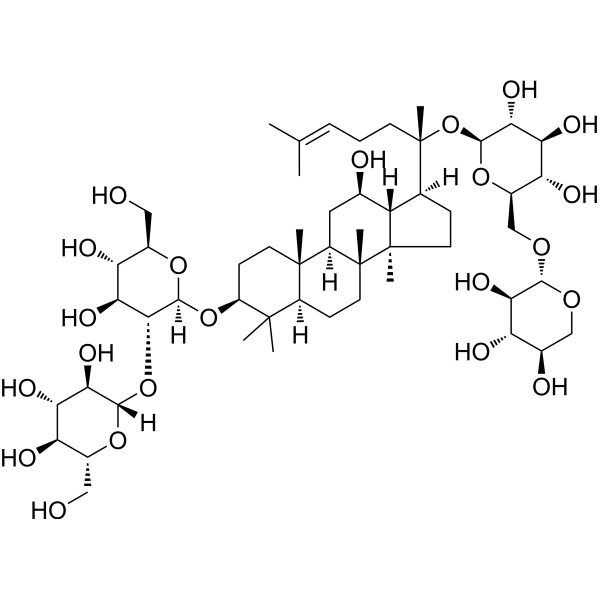
Ginsenoside Rb3 is extracted from steamed Panax ginseng C. A. Meyer. Ginsenoside Rb3 exhibits inhibitory effect on TNFα-induced NF-κB transcriptional activity with an IC50 of 8.2 μM in 293T cell lines. Ginsenoside Rb3 also inhibits the induction of COX-2 and iNOS mRNA.
|
-
-
- HY-N0632
-
|
|
COX
NF-κB
|
Inflammation/Immunology
|
|
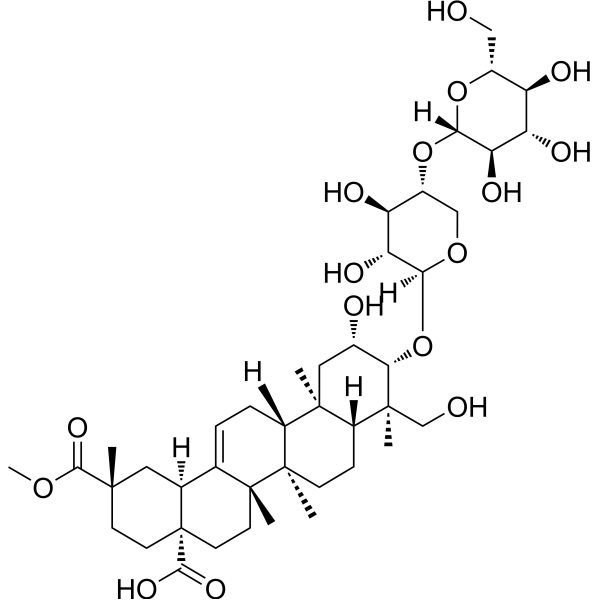
Esculentoside A (EsA), a kind of triterpene saponin isolated from roots of Phytolacca esculenta .
Esculentoside A (EsA) possesses anti-inflammatory activity in acute and chronic experimental models , has selective inhibitory activity towards cyclooxygenase-2 (COX-2) .
Esculentoside A (EsA) suppresses inflammatory responses in LPS-induced acute lung injury (ALI) through inhibition of the nuclear factor kappa B (NF-ΚB) and mitogen activated protein kinase (MAPK) signaling pathways .
|
-
-
- HY-N2176
-
|
(+)-Marmesin; (S)-Marmesin
|
COX
Lipoxygenase
|
Others
|
|
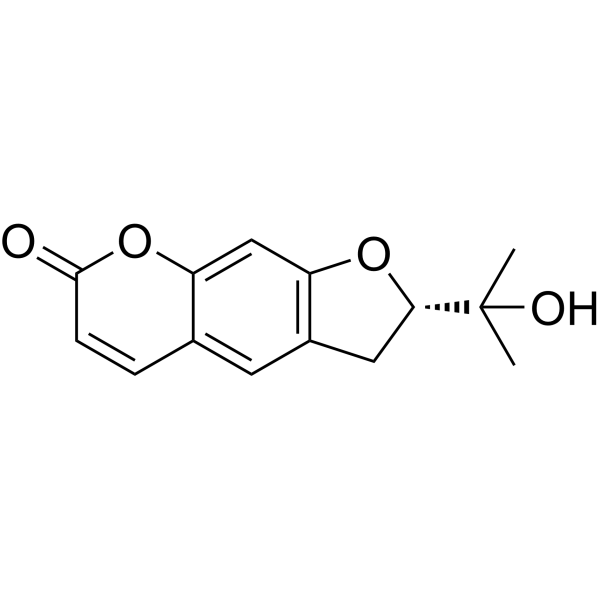
S-(+)-Marmesin is a natural coumarin, exhibiting COX-2/5-LOX dual inhibitory activity.
|
-
-
- HY-17009
-
-
-
- HY-B0367
-
|
Chlortenoxicam; Ro 13-9297
|
Apoptosis
COX
NO Synthase
Interleukin Related
Prostaglandin Receptor
TNF Receptor
|
Inflammation/Immunology
Cancer
|
|
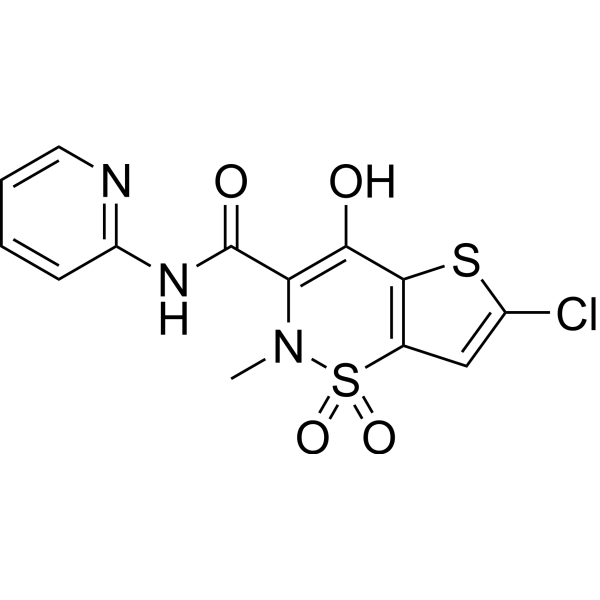
Lornoxicam (Chlortenoxicam) is an orally active oxycontin nonsteroidal anti-inflammatory drug (NSAID) with analgesic, anti-inflammatory, antipyretic and anticancer activities. Lornoxicam exhibits good inhibitory effects on both COX-1 and COX-2 (COX-1: IC50=0.005 μM; COX-2:IC50=0.008 μM) and inhibits the production of NO by iNOS (IC50=65 μM) and the proinflammatory cytokine IL-6 (IC50=54 μM). Lornoxicam also inhibits tumor cell proliferation and migration and induces tumor cell apoptosis. Lornoxicam can be used in the study of inflammatory pain, colorectal cancer and breast cancer .
|
-
-
- HY-B1138
-
|
CL-82204
|
COX
Caspase
|
Infection
Neurological Disease
Inflammation/Immunology
Cancer
|
|
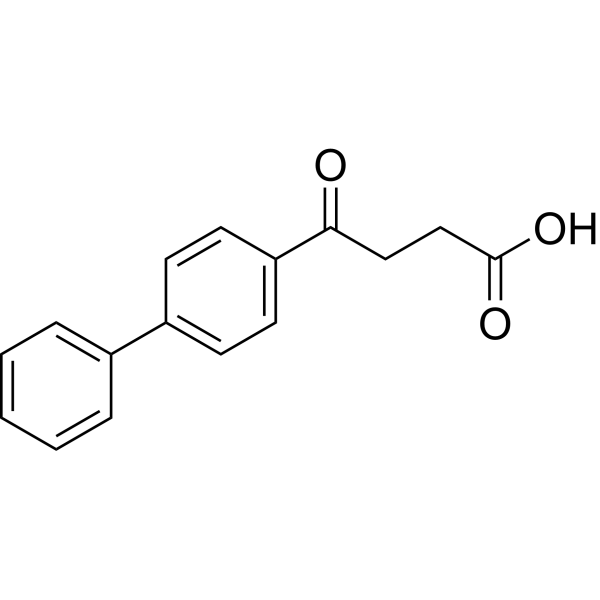
Fenbufen (CL-82204) is an orally active non-steroidal anti-inflammatory drug (NSAID), with analgetic and antipyretic effects. Fenbufen has potent activity in a variety of animal model, including carageenin edema, UV erythema and adjuvant arthritis. Fenbufen has inhibitory activities against COX-1 and COX-2 with IC50s of 3.9 μM and 8.1 μM, respectively. Fenbufen is a caspases (caspase-1, 3, 4, 5, 9) inhibitor .
|
-
-
- HY-N0396
-
|
|
COX
NO Synthase
|
Inflammation/Immunology
Cancer
|
|
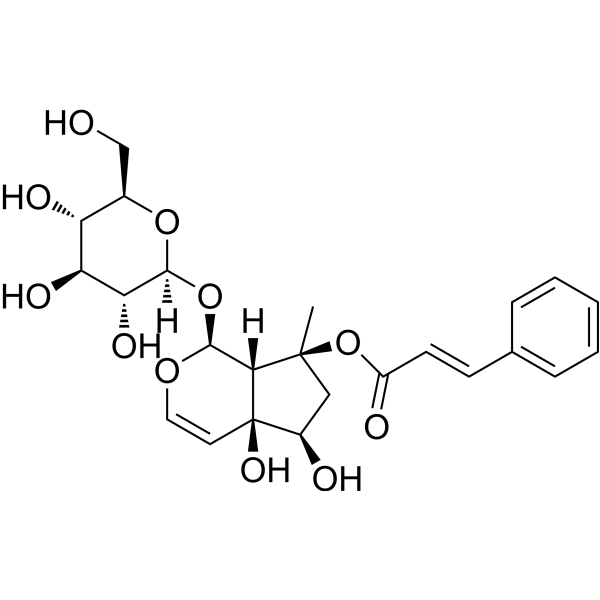
Harpagoside can be obtained by Harpagophytum procumbens, which has anti-inflammatory, anti-cancer, protective activity, and efficacy. Harpagoside has an inhibitory effect on COX-1 and COX-2 active, and suppresses NO production. Harpagoside inhibits HepG2 cell lipid polysaccharide, which is a protein that is expressed horizontally and selectively, and has anti-inflammatory and latent pain effects. Harpagoside has the ability to protect the body, and has a degenerative effect on the β-oxidation (Aβ).
|
-
-
- HY-17357
-
|
AHR 9434; AL 6515
|
COX
Prostaglandin Receptor
|
Neurological Disease
Inflammation/Immunology
Endocrinology
Cancer
|
|
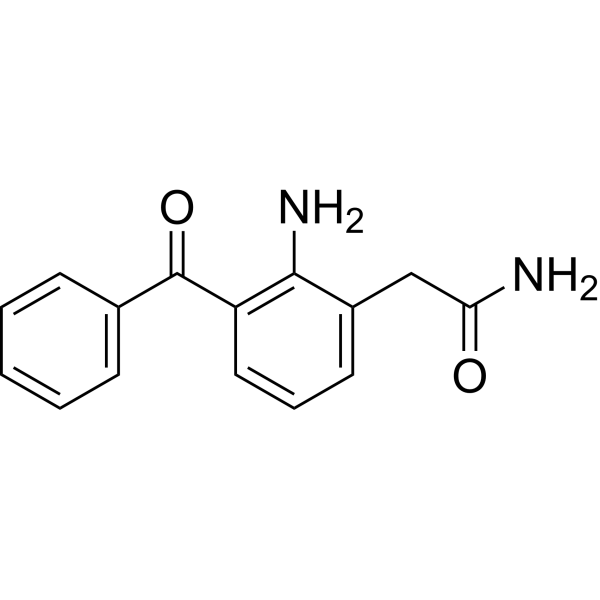
Nepafenac (AHR 9434; AL 6515), a nonsteroidal anti-inflammatory agent, is a topically administered COX-2 inhibitor with an IC50 of 0.12 μM. Nepafenac exhibits only weak COX-1 inhibitory activity (IC50 = 64.3 μM). Nepafenac possesses unique prodrug properties, which enable it to rapidly convert into the active metabolite Amfenac (HY-17479) in the ocular tissues, thereby achieving high concentrations in the retina and choroid. Nepafenac reduces inflammation and pain by inhibiting the activity of cyclooxygenase (COX) enzymes and thereby decreasing the production of prostaglandin PGE₂. Nepafenac can delay the metastasis of uveal melanoma (UM) in rabbit eyes. Nepafenac is mainly used for pain management and inflammation control after ophthalmic surgeries .
|
-
-
- HY-G0007
-
|
Omeprazole sulphone
|
Drug Metabolite
Cytochrome P450
Aryl Hydrocarbon Receptor
|
Inflammation/Immunology
|
|
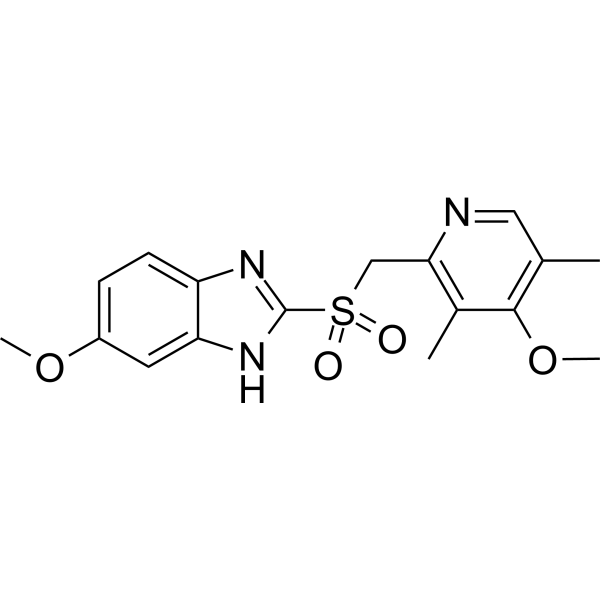
Omeprazole sulfone (Omeprazole sulphone) is one of the major circulating metabolites of Omeprazole (HY-B0113) in vivo, and belongs to class 4 non-mutagenic impurities. Omeprazole sulfone does not bind to the aryl hydrocarbon receptor (AhR), nor does it induce the expression of CYP1A1 or CYP1A2. However, Omeprazole sulfone promotes the migration of gastric epithelial cells under basal conditions and reverses the inhibitory effect of Indomethacin (HY-14397) on cell migration. Omeprazole sulfone does not promote cell proliferation, nor does it upregulate COX-2 expression or activate signaling pathways such as ERK, P38 MAPK and PI3K. Omeprazole sulfone maintains basal ulcer healing under non-acid-dependent conditions and can be used in studies related to gastric ulcer repair .
|
-
-
- HY-N2429
-
|
|
COX
|
Inflammation/Immunology
|
|
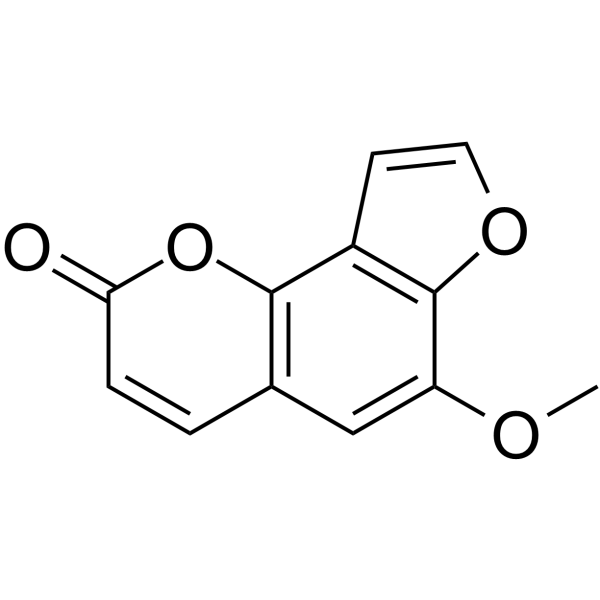
Sphondin possesses an inhibitory effect on IL-1β-induced increase in the level of COX-2 protein and PGE2 release in A549 cells .
|
-
-
- HY-120824
-
|
|
COX
|
Inflammation/Immunology
|
|
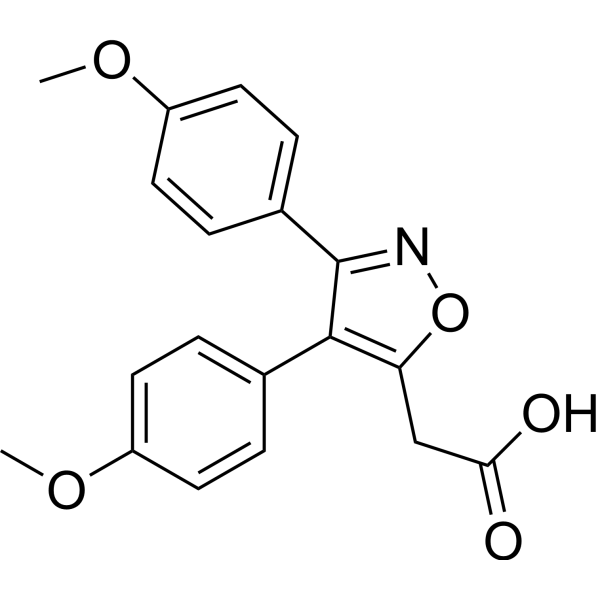
Mofezolac, a non-steroidal anti-inflammatory drug (NSAID), is a selective, reversible and orally active COX-1 inhibitor with an IC50 of 1.44 nM. Mofezolac shows weak inhibitory activity on COX-2 (IC50 of 447 nM). Mofezolac can relieve pain and has anti-inflammatory activities .
|
-
-
- HY-126848
-
|
D-1-O-G
|
Drug Metabolite
SOD
COX
Reactive Oxygen Species (ROS)
OAT
|
Inflammation/Immunology
|
|
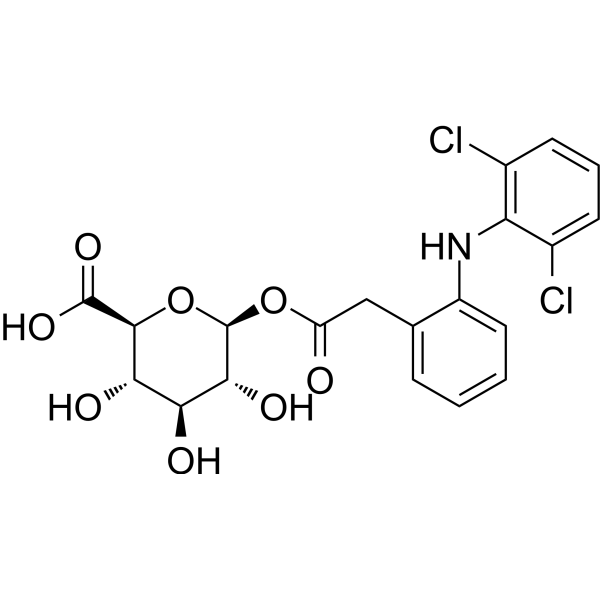
Diclofenac acyl glucuronide (D-1-O-G) is an orally active glucuronide metabolite of Diclofenac (HY-15036). Diclofenac acyl glucuronide exhibits SOD inhibitory activity, COX-1 inhibitory activity (IC50 = 0.620 μM), and COX-2 inhibitory activity (IC50 = 2.91 μM). Diclofenac acyl glucuronide induces reactive oxygen species (ROS) production and acts as a substrate of OATP2B1. Diclofenac acyl glucuronide induces small intestinal ulcers . Diclofenac acyl glucuronide can be used in research related to intestinal diseases and small intestinal ulcers .
|
-
-
- HY-N8167
-
|
Kaempferol 3-O-rhamnosylgentiobioside
|
COX
|
Inflammation/Immunology
|
|
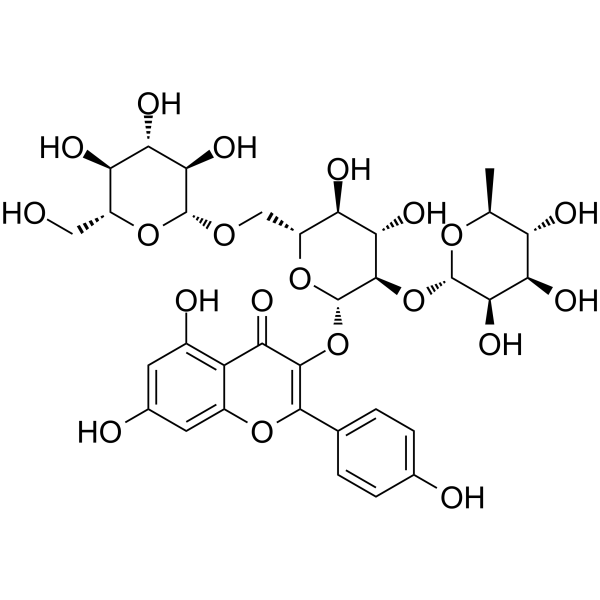
Plantanone B is a moderate antioxidant-agent with an IC50 of 169.8±5.2 μM. Plantanone B shows significant ovine COX-1 and moderate COX-2 inhibitory activities. Plantanone B has the potential for inflammation-related diseases research .
|
-
-
- HY-147972
-
|
|
NF-κB
p38 MAPK
NO Synthase
COX
|
Inflammation/Immunology
|
|
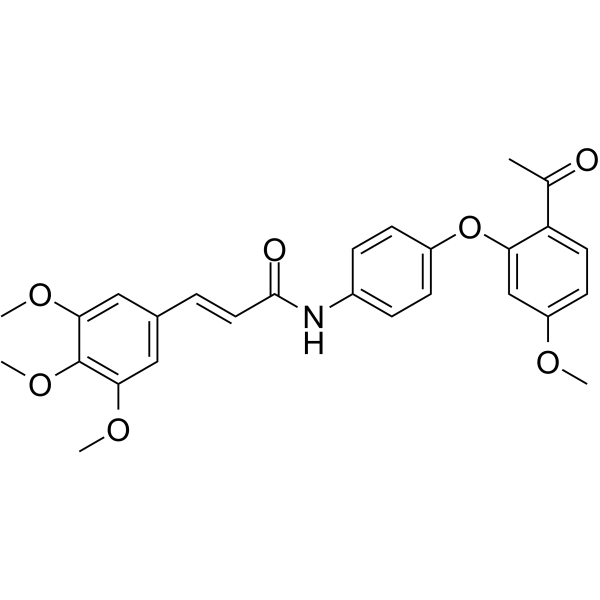
NF-κB/MAPK-IN-1 (compound 11a) is a potent inhibitor of NF-κB and MAPK pathway. NF-κB/MAPK-IN-1 shows inhibitory activity against NO production, with an IC50 of 6.96 µM. NF-κB/MAPK-IN-1 suppresses LPS-induced iNOS, COX-2, ERΚ and P38 signaling activation. NF-κB/MAPK-IN-1 can prevent LPS induced inflammatory response in macrophages. NF-κB/MAPK-IN-1 can be used for rheumatoid arthritis (RA) research .
|
-
-
- HY-N11011
-
|
|
NF-κB
STAT
PERK
JNK
p38 MAPK
PGE synthase
Interleukin Related
TNF Receptor
COX
|
Inflammation/Immunology
Cancer
|
|
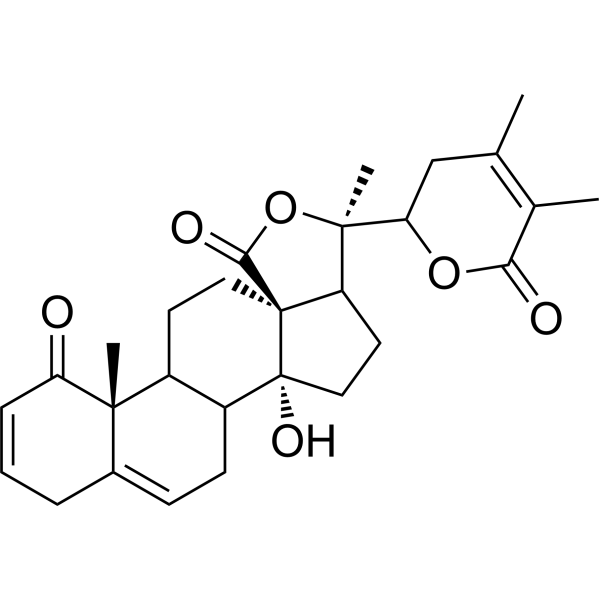
Withaphysalin A is a withanolide compound with anti-inflammatory and antioxidant activities. Withaphysalin A inhibits LPS (HY-D1056)-induced nuclear translocation of NF-κB p65, as well as phosphorylation of STAT3, ERK, JNK and p38 MAPK. Withaphysalin A upregulates the expression of HO-1. Withaphysalin A inhibits LPS-induced production of NO, PGE2, IL-1β, IL-6 and TNF-α. Withaphysalin A downregulates LPS-induced expression of iNOS and COX-2. Withaphysalin A interacts with B-cell activating factor protein (BAFF) to exert inhibitory effects. Withaphysalin A exhibits ELOVL6 inhibitory activity. Withaphysalin A can be used in the research of inflammatory diseases, nephrotic syndrome and chronic myeloid leukemia .
|
-
-
- HY-W010995
-
|
|
Wnt
Survivin
β-catenin
|
Cancer
|
|
2,5-Dimethylcelecoxib is an analogue of celecoxib (HY-14398) with anticancer activity but without COX-2 inhibitory activity. 2,5-Dimethylcelecoxib exerts its anti-cancer cell proliferation effect by inhibiting the core mechanism of the Wnt/β-catenin signaling pathway. 2,5-Dimethylcelecoxib also inhibits T-cell factor-dependent transcriptional activity and inhibits expression of the Wnt/β-catenin target gene products cyclin D1 and survivin .
|
-
-
- HY-N3364
-
|
|
Flavivirus
Dengue Virus
TNF Receptor
NF-κB
NO Synthase
COX
JNK
p38 MAPK
IKK
|
Infection
Inflammation/Immunology
|
|
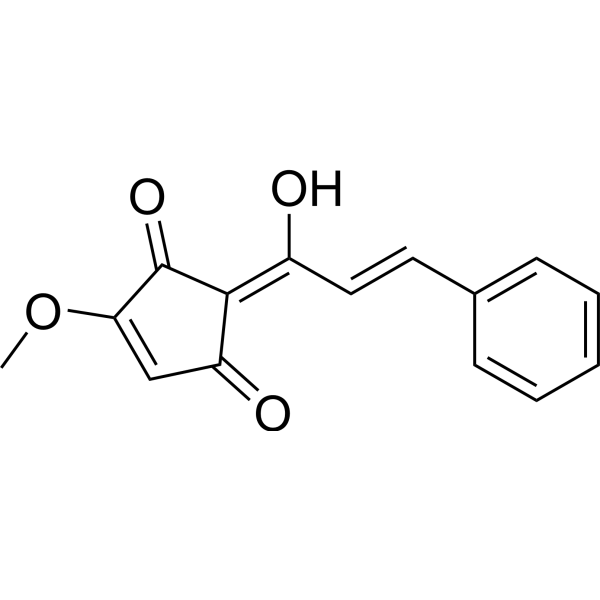
Lucidone, an anti-inflammatory agent that can be isolated from the fruit of Lindera erythrocarpa Makino. Lucidone inhibits LPS-induced NO and PGE2 production in RAW 264.7 mouse macrophages. Lucidone also decreases TNF-α secretion, iNOS and COX-2 expression. Lucidone prevents NF-κB translocation and inhibits JNK and p38MAPK signals. Lucidone also has inhibitory activity against Dengue virus (DENV) (EC50=25 μM) .
|
-
-
- HY-17357S
-
|
AHR-9434-d5; AL-6515-d5
|
Isotope-Labeled Compounds
COX
Prostaglandin Receptor
|
Neurological Disease
Inflammation/Immunology
Endocrinology
Cancer
|
|
Nepafenac-d5 (AHR-9434-d5; AL-6515-d5) is the deuterium labeled Nepafenac (HY-17357). Nepafenac, a nonsteroidal anti-inflammatory agent, is a topically administered COX-2 inhibitor with an IC50 of 0.12 μM. Nepafenac exhibits only weak COX-1 inhibitory activity (IC50 = 64.3 μM). Nepafenac possesses unique prodrug properties, which enable it to rapidly convert into the active metabolite Amfenac (HY-17479) in the ocular tissues, thereby achieving high concentrations in the retina and choroid. Nepafenac reduces inflammation and pain by inhibiting the activity of cyclooxygenase (COX) enzymes and thereby decreasing the production of prostaglandin PGE₂. Nepafenac can delay the metastasis of uveal melanoma (UM) in rabbit eyes. Nepafenac is mainly used for pain management and inflammation control after ophthalmic surgeries.
|
-
-
- HY-N8184
-
-
-
- HY-138164
-
|
|
Glutathione S-transferase
COX
|
Cancer
|
|
Cafestol palmitate is an active constituent of green coffee beans. Cafestol palmitate can enhance glutathione S-transferase activity in the mouse. Cafestol palmitate also exhibits weak COX-2 inhibitory activity .
|
-
-
- HY-115770
-
|
|
Bacterial
|
Inflammation/Immunology
|
|
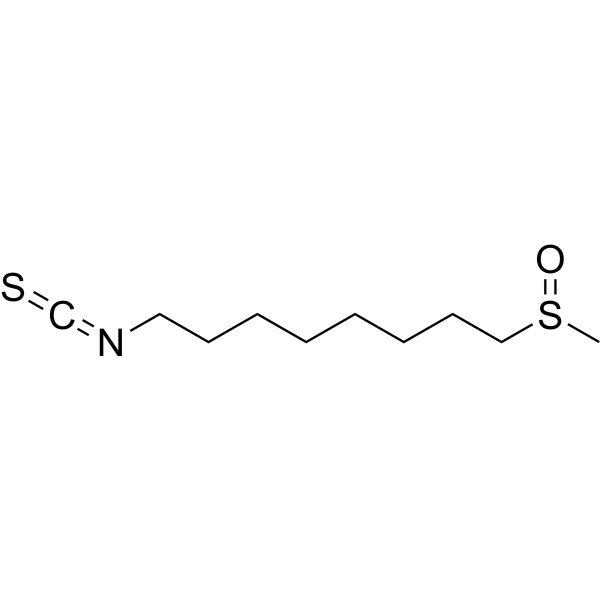
8-Methylsulfinyloctyl isothiocyanate, an isothiocyanate, has antimicrobial activity and remarkable inhibitory activity against plant growth . 8-Methylsulfinyloctyl isothiocyanate impair COX-2 mediated inflammatory responses in LPS stimulated raw macrophages .
|
-
-
- HY-N6891
-
|
|
COX
|
Inflammation/Immunology
|
|
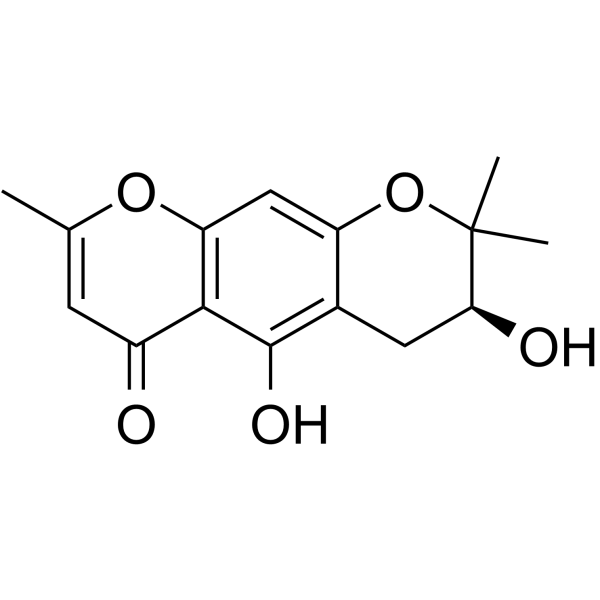
Hamaudol is a chromone isolated from Saposhnikovia divaricata. Hamaudol shows significant inhibitory activity on cyclooxygenase (COX)-1 and COX-2 activities with IC50 values of 0.30, 0.57 mM, respectively, and has potent analgesia and anti-inflammary effects .
|
-
-
- HY-115966
-
|
|
COX
|
Inflammation/Immunology
|
|
COX-1/2-IN-2 is a potent COX1/2 inhibitor. COX-1/2-IN-2 exhibits significant inhibitory effect against COX-1 and COX-2 inhibitor with IC50 values of 13.9 ± 3.21 µM and 6.4±0.74 µM, respectively .
|
-
-
- HY-N0346
-
|
Ethyl p-methoxycinnamate
|
COX
NF-κB
TNF Receptor
Interleukin Related
Apoptosis
VEGFR
Bacterial
Dengue Virus
Caspase
|
Cardiovascular Disease
Infection
Neurological Disease
Metabolic Disease
Inflammation/Immunology
Cancer
|
|
4-Methoxycinnamic acid ethyl ester (Ethyl p-methoxycinnamate) is an orally active natural compound found. 4-Methoxycinnamic acid ethyl ester exerts anti-inflammatory effects by inhibiting cyclooxygenase (COX-1 (IC50 = 1.12 μM) and COX-2 (IC50 = 0.83 μM)), NF-κB (IC50 = 88.7 μM) and cytokine production (TNF-α (IC50 = 96.84 μg/mL) and IL-1β (IC50 = 166.4 μg/mL)). 4-Methoxycinnamic acid ethyl ester inhibits tumor cell proliferation, migration and cancer metabolism and induces apoptosis.4-Methoxycinnamic acid ethyl ester inhibits VEGF expression, thereby inhibiting angiogenesis. 4-Methoxycinnamic acid ethyl ester has a significant inhibitory effect on dengue virus and Mycobacterium tuberculosis. 4-Methoxycinnamic acid ethyl ester has analgesic effects in rats .
|
-
-
- HY-N15272
-
-
-
- HY-179363
-
|
|
Cholinesterase (ChE)
COX
|
Neurological Disease
|
|
BChE-IN-46 is a selective and brain-penetrant BChE inhibitor (eqBChE IC50 = 7.44 × 10 −5 μM, SI > 270,000; hBChE, IC50 = 1.48 × 10 −3 μM). BChE-IN-46 has COX-2 inhibitory activity (IC50 = 0.11 μM). BChE-IN-46 exhibits neuroprotective effects, enhances acetylcholine levels, and alleviates cognitive deficits, anxiety, and learning/memory impairments. BChE-IN-46 can be used for the development of anti-Alzheimer's disease drugs .
|
-
-
- HY-N0632R
-
|
|
Reference Standards
COX
NF-κB
|
Inflammation/Immunology
|
|
Esculentoside A (Standard) is the analytical standard of Esculentoside A. This product is intended for research and analytical applications. Esculentoside A (EsA), a kind of triterpene saponin isolated from roots of Phytolacca esculenta .
Esculentoside A (EsA) possesses anti-inflammatory activity in acute and chronic experimental models , has selective inhibitory activity towards cyclooxygenase-2 (COX-2) .
Esculentoside A (EsA) suppresses inflammatory responses in LPS-induced acute lung injury (ALI) through inhibition of the nuclear factor kappa B (NF-ΚB) and mitogen activated protein kinase (MAPK) signaling pathways .
|
-
-
- HY-N1435R
-
|
|
Reference Standards
Apoptosis
PI3K
PTEN
Autophagy
|
Metabolic Disease
Inflammation/Immunology
Cancer
|
|
Oroxin B (Standard) is the analytical standard of Oroxin B. This product is intended for research and analytical applications. Oroxin B (OB) is a flavonoid isolated from traditional Chinese herbal medicine Oroxylum indicum (L.) Vent.
Oroxin B (OB) possesses obvious inhibitory effect and induces early apoptosis rather than late apoptosis on liver cancer cells through upregulation of PTEN, down regulation of COX-2, VEGF, PI3K, and p-AKT .
Oroxin B (OB) selectively induces tumor-suppressive ER stress in malignant lymphoma cells .
|
-
-
- HY-G0007R
-
|
Omeprazole sulphone (Standard)
|
Reference Standards
Drug Metabolite
Cytochrome P450
Aryl Hydrocarbon Receptor
|
Infection
Cancer
|
|
Omeprazole sulfone (Standard) is the analytical standard of Omeprazole sulfone. This product is intended for research and analytical applications. Omeprazole sulfone (Omeprazole sulphone) is one of the major circulating metabolites of Omeprazole (HY-B0113) in vivo, and belongs to class 4 non-mutagenic impurities. Omeprazole sulfone does not bind to the aryl hydrocarbon receptor (AhR), nor does it induce the expression of CYP1A1 or CYP1A2. However, Omeprazole sulfone promotes the migration of gastric epithelial cells under basal conditions and reverses the inhibitory effect of Indomethacin (HY-14397) on cell migration. Omeprazole sulfone does not promote cell proliferation, nor does it upregulate COX-2 expression or activate signaling pathways such as ERK, P38 MAPK and PI3K. Omeprazole sulfone maintains basal ulcer healing under non-acid-dependent conditions and can be used in studies related to gastric ulcer repair .
|
-
-
- HY-165587
-
|
|
Prostaglandin Receptor
|
Cardiovascular Disease
|
|
BM-573 is an orally active dual thromboxane A₂ (TXA₂) modulator with an IC50 of 1.3 nM. BM-573 possesses both thromboxane synthase (TxAS) inhibition and thromboxane receptor (TP) antagonistic effects. BM-573 can completely inhibit platelet aggregation induced by Arachidonic acid (HY-109590) or U-46619 (TXA₂ analogues). BM-573 completely blocks the generation of TXB₂ (the stable metabolite of TXA₂) in human platelets and does not inhibit cyclooxygenase (COX-1/COX-2), thus avoiding interference with other prostaglandin synthesis. BM-573 has an inhibitory effect on U-46619-induced contractions in rat gastric fundus smooth muscle (ED₅₀ = 4.2 μM), but has no effect on contractions caused by PGE₂, PGF₂α, or PGI₂. BM-573 can be used in the study of atherosclerosis, myocardial infarction, pulmonary hypertension and shock .
|
-
-
- HY-137011
-
|
|
COX
|
Others
|
|
3,9-Dihydroeucomin (compound 12) is a natural homoisoflavonoid compound with less COX-2 inhibitory activitys .
|
-
-
- HY-159562
-
|
|
COX
|
Inflammation/Immunology
|
|
COX-2-IN-46 (compound 5m) is an anti-inflammatory agent with potent analgesic activity. COX-2-IN-46 exhibits a significant inhibitory effect on COX-2 (IC50=87.74 nM) .
|
-
-
- HY-N2266
-
|
|
COX
|
Inflammation/Immunology
|
|
Benzoylgomisin O isolated from Schisandra rubriflora, has inhibitory activity against 15-LOX, COX-1 and COX-2 enzymes and anti-inflammatory activity .
|
-
-
- HY-152120
-
|
Aiphanol
|
COX
VEGFR
|
Inflammation/Immunology
Cancer
|
|
(±)-Aiphanol is a newly discovered stilbenolignan analog. (±)-Aiphanol exhibits significant anti-inflammatory activity, acting through inhibition of COX-1 and COX-2. The inhibitory effect on COX-1 (IC50 = 1.9 μM) is particularly strong, while the effect on COX-2 (IC50= 9.9 μM) is relatively weak .(±)-Aiphanol effectively inhibits VEGFR2 (IC50=0.92 μM). (±)-Aiphanol blocks angiogenesis and promotes apoptosis through inhibition of VEGFR2 and COX2 activity. (±)-Aiphanol is orally active .
|
-
-
- HY-179246
-
|
|
COX
Prostaglandin Receptor
|
Cardiovascular Disease
Neurological Disease
Inflammation/Immunology
|
|
CXT29 is an orally active COX-2 inhibitor and a thromboxane A2 receptor (TP) antagonist. CXT29 exhibits COX inhibitory activity and selectivity, with IC50 values of 13 and 722 nM for COX-2 and COX-1 respectively. CXT29 inhibits platelet aggregation induced by U-46619 (HY-108566) (a TP agonist), with an IC50 of 96 nM. CXT29 effectively inhibits the production of TXB₂ and PGE₂, significantly reducing platelet aggregation and inflammatory pain in mice. CXT29 can be used for research on inflammatory pain and cardiovascular diseases .
|
-
-
- HY-17009R
-
|
T614 (Standard)
|
Macrophage migration inhibitory factor (MIF)
Reference Standards
COX
|
Inflammation/Immunology
|
|
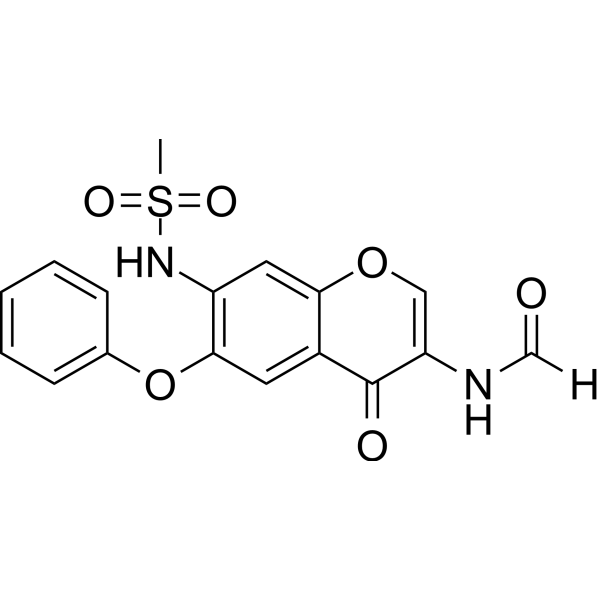
Iguratimod (Standard) is the analytical standard of Iguratimod. This product is intended for research and analytical applications. Iguratimod is an antirheumatic agent, acts as an inhibitor of COX-2, with an IC50 of 20 μM (7.7 μg/mL), but shows no effect on COX-1. Iguratimod also inhibits macrophage migration inhibitory factor (MIF) with an IC50 of 6.81 μM.
|
-
-
- HY-N13040
-
|
|
COX
|
Inflammation/Immunology
|
|
Isoscoparin-7-O-glucoside is a flavonoid compound found in barley leaves. The total phenolic content (TPC) of isoscoparin-7-O-glucoside is positively correlated with COX-2 inhibitory activity, indicating anti-inflammatory activity. Isoscoparin-7-O-glucoside can be used in the study of inflammation .
|
-
-
- HY-115967
-
|
|
COX
|
Inflammation/Immunology
|
|
COX-1/2-IN-2 is a potent COX1/2 inhibitor. COX-1/2-IN-2 exhibits significant inhibitory effect against COX-1 and COX-2 inhibitor with IC50 values of 9.7 ± 0.09 µM and 4.6 ± 1.45 µM, respectively .
|
-
-
- HY-146295
-
|
|
COX
|
Inflammation/Immunology
|
|
COX-2/5-LOX-IN-2 (5b) is a potent and dual inhibitor of COX-2/5-LOX. COX-2/5-LOX-IN-2 is a benzothiophen-2-yl pyrazole carboxylic acid derivative. COX-2/5-LOX-IN-2 shows the most potent analgesic and anti-inflammatory activities surpassing that of Celecoxib and Indomethacin. COX-2/5-LOX-IN-2 shows potent COX-1, COX-2 and 5-LOX inhibitory activity with IC50s of 5.40, 0.01 and 1.78 μM, respectively .
|
-
-
- HY-146294
-
|
|
COX
|
Inflammation/Immunology
|
|
COX-2/5-LOX-IN-1 (compound 3a) is a potent and dual inhibitor of COX-2/5-LOX. COX-2/5-LOX-IN-1 is a benzothiophen-2-yl pyrazole carboxylic acid derivative. COX-2/5-LOX-IN-1 shows the most potent analgesic and anti-inflammatory activities surpassing that of Celecoxib and Indomethacin. COX-2/5-LOX-IN-1 shows potent COX-1, COX-2 and 5-LOX inhibitory activity with IC50s of 12.13, 0.4 and 4.96 μM, respectively .
|
-
-
- HY-15036B
-
|
DDNL
|
COX
|
Inflammation/Immunology
|
|
Diclofenac deanol (DDNL) is a nonsteroidal anti-inflammatory drug with anti-inflammatory, analgesic and antipyretic activities. Diclofenac deanol has a more potent inhibitory effect on cyclooxygenase (COX)-2 than on COX-1. The solubility of diclofenac deanol is significantly higher than that of other diflunisal salts reported earlier. Diclofenac deanol has a wide range of potential applications in the medical field due to its biological activity and high water solubility .
|
-
-
- HY-N0041R
-
|
Gypenoside IV (Standard)
|
Reference Standards
NF-κB
COX
NO Synthase
|
Inflammation/Immunology
Cancer
|
|
Ginsenoside Rb3 (Standard) is the analytical standard of Ginsenoside Rb3. This product is intended for research and analytical applications. Ginsenoside Rb3 is extracted from steamed Panax ginseng C. A. Meyer. Ginsenoside Rb3 exhibits inhibitory effect on TNFα-induced NF-κB transcriptional activity with an IC50 of 8.2 μM in 293T cell lines. Ginsenoside Rb3 also inhibits the induction of COX-2 and iNOS mRNA.
|
-
-
- HY-173485
-
|
|
SARS-CoV
COX
|
Infection
Inflammation/Immunology
|
|
SARS-CoV-2 Mpro-IN-41 (Compound 7e) is an orally active inhibitor of COX-2 and SARS-CoV-2 M pro (IC50 values are 9.66 μM and 13.24 μM, respectively). SARS-CoV-2 Mpro-IN-41 also has a certain inhibitory activity against COX-1 (IC50: 46.11 μM). SARS-CoV-2 Mpro-IN-41 can significantly inhibit the expression of inflammatory-related cytokines (such as TNF-α, IL-6, IL-1β) and exert anti-inflammatory effects. SARS-CoV-2 Mpro-IN-41 exerts anti-inflammatory and antiviral effects by selectively inhibiting COX-2 and SARS-CoV-2 M pro. SARS-CoV-2 Mpro-IN-41 can be used for anti-inflammatory and anti-coronavirus research .
|
-
-
- HY-N0396R
-
|
|
Reference Standards
COX
NO Synthase
|
Inflammation/Immunology
|
|
Harpagoside (Standard) is the analytical standard of Harpagoside. This product is intended for research and analytical applications. Harpagoside can be obtained by Harpagophytum procumbens, which has anti-inflammatory, anti-cancer, protective activity, and efficacy. Harpagoside has an inhibitory effect on COX-1 and COX-2 active, and suppresses NO production. Harpagoside inhibits HepG2 cell lipid polysaccharide, which is a protein that is expressed horizontally and selectively, and has anti-inflammatory and latent pain effects. Harpagoside has the ability to protect the body, and has a degenerative effect on the β-oxidation (Aβ) .
|
-
-
- HY-B1138R
-
|
CL-82204 (Standard)
|
Reference Standards
COX
Caspase
|
Inflammation/Immunology
|
|
Fenbufen (Standard) is the analytical standard of Fenbufen. This product is intended for research and analytical applications. Fenbufen (CL-82204) is an orally active non-steroidal anti-inflammatory drug (NSAID), with analgetic and antipyretic effects. Fenbufen has potent activity in a variety of animal model, including carageenin edema, UV erythema and adjuvant arthritis. Fenbufen has inhibitory activities against COX-1 and COX-2 with IC50s of 3.9 μM and 8.1 μM, respectively. Fenbufen is a caspases (caspase-1, 3, 4, 5, 9) inhibitor .
|
-
-
- HY-B1138S
-
|
|
Isotope-Labeled Compounds
COX
Caspase
|
Inflammation/Immunology
|
|
Fenbufen-d9 (CL-82204-d9) is the deuterium labeled Fenbufen. Fenbufen (CL-82204) is an orally active non-steroidal anti-inflammatory drug (NSAID), with antipyretic effects. Fenbufen has potent activity in a variety of animal model, including carageenin edema, UV erythema and adjuvant arthritis. Fenbufen has inhibitory activities against COX-1 and COX-2 with IC50s of 3.9 μM and 8.1 μM, respectively. Fenbufen is a caspases (caspase-1, 3, 4, 5, 9) inhibitor .
|
-
-
- HY-169103
-
|
|
NO Synthase
COX
Cholinesterase (ChE)
Amyloid-β
|
Neurological Disease
Inflammation/Immunology
|
|
Neuroprotective agent 5 (compound 28) is a brain permeabilizing agent with anti-neuritis, anti-oxidative damage and neuroprotective effects. Neuroprotective agent 5 exhibits a potent NO inhibitory effect (EC50=0.49 μM), inhibits the release of proinflammatory factors PGE2 and TNF-α, downregulates the expression of iNOS and COX-2 proteins, and promotes the polarization of BV-2 cells from the proinflammatory M1 phenotype to the anti-inflammatory M2 phenotype. In addition, Neuroprotective agent 5 can also inhibit acetylcholinesterase (AChE) activity and Aβ42 aggregation in a dose-dependent manner. Neuroprotective agent 5 can be used for the study of Alzheimer's disease .
|
-
-
- HY-114796
-
|
|
Lipoxygenase
|
Inflammation/Immunology
|
|
tHGA is a compound with anti-inflammatory activity and has the activity to inhibit soybean 15-LOX. tHGA showed significant inhibitory effects in experiments on human leukocytes, with an IC50 value of 0.42 μM, which is close to the effect of commonly used standard NDGA. tHGA concentration-dependently inhibits the synthesis of 5-LOX products, especially the cysteine leukotriene LTC(4), with an IC50 value of 1.80 μM. and showed no cytotoxicity. The anti-inflammatory effects of tHGA do not appear to be through redox or metal chelation mechanisms, as the compound was negative in these bioactivity tests. tHGA works through a dual LOX/COX inhibition mechanism and has higher selectivity for 5-LOX and COX-2, with an IC50 value of 0.40 μM .
|
-
-
- HY-N3989
-
|
|
Bacterial
UGT
Interleukin Related
SOD
COX
|
Infection
Inflammation/Immunology
|
|
Haplopine is a substance with anti-inflammatory, antioxidant and photoactivated antibacterial activities. It also acts as an inhibitor of UGT1A7 and a photoactivated restriction endonuclease inhibitor. Haplopine inhibits the mRNA/protein expression of IL-6, TSLP, GM-CSF, G-CSF, IL-4, IL-13 and COX-2, while upregulating the mRNA/protein expression of SOD, CAT and HO-1. Haplopine inhibits the glucuronidation reaction catalyzed by UGT1A7 through competitive hydrophobic binding. Haplopine exerts photoactivated restriction endonuclease inhibitory effects by binding to DNA. Haplopine exhibits photoactivated activity against methicillin-resistant Staphylococcus aureus. Haplopine alleviates symptoms of atopic dermatitis. Haplopine can be used in research related to atopic dermatitis and methicillin-resistant Staphylococcus aureus infections .
|
-
- HY-17357R
-
|
AHR 9434 (Standard); AL 6515 (Standard)
|
Reference Standards
COX
Prostaglandin Receptor
|
Neurological Disease
Inflammation/Immunology
Endocrinology
Cancer
|
|
Nepafenac (AHR 9434; AL 6515) (Standard) is the analytical standard of Nepafenac (HY-17357). This product is intended for research and analytical applications. Nepafenac, a nonsteroidal anti-inflammatory agent, is a topically administered COX-2 inhibitor with an IC50 of 0.12 μM. Nepafenac exhibits only weak COX-1 inhibitory activity (IC50 = 64.3 μM). Nepafenac possesses unique prodrug properties, which enable it to rapidly convert into the active metabolite Amfenac (HY-17479) in the ocular tissues, thereby achieving high concentrations in the retina and choroid. Nepafenac reduces inflammation and pain by inhibiting the activity of cyclooxygenase (COX) enzymes and thereby decreasing the production of prostaglandin PGE₂. Nepafenac can delay the metastasis of uveal melanoma (UM) in rabbit eyes. Nepafenac is mainly used for pain management and inflammation control after ophthalmic surgeries.
|
-
- HY-G0007S
-
|
Omeprazole sulfone-d3; Omeprazole sulphone-d3
|
Isotope-Labeled Compounds
Drug Metabolite
Cytochrome P450
Aryl Hydrocarbon Receptor
|
Infection
Cancer
|
|
Omeprazole sulfone-d3 is the deuterium labeled Omeprazole sulfone. Omeprazole sulfone (Omeprazole sulphone) is one of the major circulating metabolites of Omeprazole (HY-B0113) in vivo, and belongs to class 4 non-mutagenic impurities. Omeprazole sulfone does not bind to the aryl hydrocarbon receptor (AhR), nor does it induce the expression of CYP1A1 or CYP1A2. However, Omeprazole sulfone promotes the migration of gastric epithelial cells under basal conditions and reverses the inhibitory effect of Indomethacin (HY-14397) on cell migration. Omeprazole sulfone does not promote cell proliferation, nor does it upregulate COX-2 expression or activate signaling pathways such as ERK, P38 MAPK and PI3K. Omeprazole sulfone maintains basal ulcer healing under non-acid-dependent conditions and can be used in studies related to gastric ulcer repair .
|
-
- HY-G0007S1
-
|
Omeprazole sulfone-13C,d3; Omeprazole sulphone-13C,d3
|
Isotope-Labeled Compounds
Drug Metabolite
Cytochrome P450
Aryl Hydrocarbon Receptor
|
Others
|
|
Omeprazole sulfone- 13C,d3 is the deuterium and 13C labeled Omeprazole sulfone. Omeprazole sulfone (Omeprazole sulphone) is one of the major circulating metabolites of Omeprazole (HY-B0113) in vivo, and belongs to class 4 non-mutagenic impurities. Omeprazole sulfone does not bind to the aryl hydrocarbon receptor (AhR), nor does it induce the expression of CYP1A1 or CYP1A2. However, Omeprazole sulfone promotes the migration of gastric epithelial cells under basal conditions and reverses the inhibitory effect of Indomethacin (HY-14397) on cell migration. Omeprazole sulfone does not promote cell proliferation, nor does it upregulate COX-2 expression or activate signaling pathways such as ERK, P38 MAPK and PI3K. Omeprazole sulfone maintains basal ulcer healing under non-acid-dependent conditions and can be used in studies related to gastric ulcer repair .
|
-
- HY-N2176R
-
|
(+)-Marmesin (Standard); (S)-Marmesin (Standard)
|
Reference Standards
COX
Lipoxygenase
|
Others
|
|
S-(+)-Marmesin (Standard) is the analytical standard of S-(+)-Marmesin. This product is intended for research and analytical applications. S-(+)-Marmesin is a natural coumarin, exhibiting COX-2/5-LOX dual inhibitory activity.
|
-
- HY-149270
-
|
|
COX
|
Inflammation/Immunology
|
|
COX-2-IN-31 (compound 7b) is an orally active and dual inhibitor of COX-2 (IC50=60 nM) and 5-LOX (IC50=1.9 μM). COX-2-IN-31 also inhibits transmembrane hCA IX(Ki=48.9 nM) and hCA XII(Ki=5.8 nM) activity. COX-2-IN-31 exhibits anti-inflammatory and analgesic activity .
|
-
- HY-W347202
-
|
|
COX
|
Neurological Disease
Inflammation/Immunology
|
|
N-Caffeoyl serotonin is a COX-2 inhibitor, with IC50 and Kᵢ values of 42.5 μM and 65.5 μM against COX-2, respectively. N-Caffeoyl serotonin exhibits weak inhibitory activity against BACE1, with an IC50 > 400 μM. N-Caffeoyl serotonin has free radical scavenging activity. N-Caffeoyl serotonin can be used in the research of allergic diseases and Alzheimer's disease .
|
-
- HY-159564
-
|
|
COX
NO Synthase
|
Inflammation/Immunology
|
|
iNOS/COX-2-IN-3 (compound 7d) is a dual inhibitor of iNOS and COX-2, with potential anti-inflammatory activity against LPS (HY-D1056)-induced RAW 264.7 cells (IC50=3.48 μM). iNOS/COX-2-IN-3 has good plasma stability, oral activity and gastric safety, and its inhibitory activity on iNOS and COX-2 expression is 5.43-fold and 2.37-fold that of Indomethacin (HY-14397), respectively .
|
-
- HY-183044
-
|
|
Sirtuin
|
Metabolic Disease
|
|
SIRT1 activator 4 is an orally active, NAD +-independent SIRT1 activator. SIRT1 activator 4 is also an analog of (E)-2'-desmethyl Sulindac (HY-B0008), with weak or negligible inhibitory activity against COX-1 and no inhibitory activity against COX-2. SIRT1 activator 4 can be used for the research of metabolic diseases .
|
-
- HY-182778
-
|
|
NOD-like Receptor (NLR)
COX
NO Synthase
|
Inflammation/Immunology
|
|
Anti-inflammatory agent 114 is an anti-inflammatory agent. Anti-inflammatory agent 114 binds to the allosteric inhibitory pocket in the NLRP3 NACHT domain. Anti-inflammatory agent 114 inhibits the expression of iNOS, COX-2 and NLRP3. Anti-inflammatory agent 114 can be used for the research of inflammatory diseases .
|
-
- HY-180541
-
|
|
COX
EGFR
Apoptosis
|
Cancer
|
|
EGFR-IN-190 (Compound 3o) is an inhibitor that targets both EGFR (IC₅₀ = 0.028 μM) and COX-2 (IC₅₀ = 0.208 μM). EGFR-IN-190 exhibits potent inhibitory activity against MCF-7 cells and induces apoptosis (apoptosis). EGFR-IN-190 can be used for research on breast cancer .
|
-
- HY-116811
-
-
- HY-179439
-
|
|
COX
VEGFR
HIF/HIF Prolyl-Hydroxylase
Caspase
Bcl-2 Family
Apoptosis
MMP
|
Cancer
|
|
Multi-kinase-IN-8 is a muti-kinase inhibitor. Multi-kinase-IN-8 inhibits COX-1 (IC50 of 12.6 μM), COX-2 (IC50 of 0.05 μM) and VEGFR-2 (IC50 of 0.12 nM). Multi-kinase-IN-8 inhibits tumor-associated carbonic anhydrases (CA IX and CA XII with Ki of 31.5 nM and 386.9 nM, respectively). Multi-kinase-IN-8 triggers cell cycle arrest and apoptosis through upregulation of Caspase 9 and Bax along with downregulation of Bcl 2. Multi-kinase-IN-8 suppresses PGE2, p-VEGFR-2, MMP-9 and HIF-1α and exhibits growth-inhibitory activity against breast cancer, lung cancer, and colorectal adenocarcinoma .
|
-
| Cat. No. |
Product Name |
Category |
Target |
Chemical Structure |
-
- HY-N1435
-
-
-
- HY-N0041
-
-
-
- HY-N0632
-
-
-
- HY-N2176
-
-
-
- HY-B0367
-
-
-
- HY-N0396
-
-
-
- HY-N2429
-
-
-
- HY-126848
-
-
-
- HY-N8167
-
-
-
- HY-N11011
-
|
|
Structural Classification
Physalis minima Linn.
Solanaceae
Plants
Steroids
Source Classification
|
NF-κB
STAT
PERK
JNK
p38 MAPK
PGE synthase
Interleukin Related
TNF Receptor
COX
|
|
Withaphysalin A is a withanolide compound with anti-inflammatory and antioxidant activities. Withaphysalin A inhibits LPS (HY-D1056)-induced nuclear translocation of NF-κB p65, as well as phosphorylation of STAT3, ERK, JNK and p38 MAPK. Withaphysalin A upregulates the expression of HO-1. Withaphysalin A inhibits LPS-induced production of NO, PGE2, IL-1β, IL-6 and TNF-α. Withaphysalin A downregulates LPS-induced expression of iNOS and COX-2. Withaphysalin A interacts with B-cell activating factor protein (BAFF) to exert inhibitory effects. Withaphysalin A exhibits ELOVL6 inhibitory activity. Withaphysalin A can be used in the research of inflammatory diseases, nephrotic syndrome and chronic myeloid leukemia .
|
-
-
- HY-N3364
-
-
-
- HY-N8184
-
-
-
- HY-115770
-
-
-
- HY-N6891
-
-
-
- HY-N0346
-
|
Ethyl p-methoxycinnamate
|
Structural Classification
Kaempferia galanga L.
Iridoids
Terpenoids
Plants
Source Classification
Zingiberaceae
|
COX
NF-κB
TNF Receptor
Interleukin Related
Apoptosis
VEGFR
Bacterial
Dengue Virus
Caspase
|
|
4-Methoxycinnamic acid ethyl ester (Ethyl p-methoxycinnamate) is an orally active natural compound found. 4-Methoxycinnamic acid ethyl ester exerts anti-inflammatory effects by inhibiting cyclooxygenase (COX-1 (IC50 = 1.12 μM) and COX-2 (IC50 = 0.83 μM)), NF-κB (IC50 = 88.7 μM) and cytokine production (TNF-α (IC50 = 96.84 μg/mL) and IL-1β (IC50 = 166.4 μg/mL)). 4-Methoxycinnamic acid ethyl ester inhibits tumor cell proliferation, migration and cancer metabolism and induces apoptosis.4-Methoxycinnamic acid ethyl ester inhibits VEGF expression, thereby inhibiting angiogenesis. 4-Methoxycinnamic acid ethyl ester has a significant inhibitory effect on dengue virus and Mycobacterium tuberculosis. 4-Methoxycinnamic acid ethyl ester has analgesic effects in rats .
|
-
-
- HY-N15272
-
-
-
- HY-N0632R
-
|
|
Triterpenes
Structural Classification
Terpenoids
Phytolacca acinosa Roxb.
Plants
Phytolaccaceae
Source Classification
|
Reference Standards
COX
NF-κB
|
|
Esculentoside A (Standard) is the analytical standard of Esculentoside A. This product is intended for research and analytical applications. Esculentoside A (EsA), a kind of triterpene saponin isolated from roots of Phytolacca esculenta .
Esculentoside A (EsA) possesses anti-inflammatory activity in acute and chronic experimental models , has selective inhibitory activity towards cyclooxygenase-2 (COX-2) .
Esculentoside A (EsA) suppresses inflammatory responses in LPS-induced acute lung injury (ALI) through inhibition of the nuclear factor kappa B (NF-ΚB) and mitogen activated protein kinase (MAPK) signaling pathways .
|
-
-
- HY-N1435R
-
-
-
- HY-137011
-
-
-
- HY-N2266
-
-
-
- HY-152120
-
|
Aiphanol
|
Phenols
Polyphenols
Arecaceae
Plants
Aiphanes aculeata Willd
Source Classification
|
COX
VEGFR
|
|
(±)-Aiphanol is a newly discovered stilbenolignan analog. (±)-Aiphanol exhibits significant anti-inflammatory activity, acting through inhibition of COX-1 and COX-2. The inhibitory effect on COX-1 (IC50 = 1.9 μM) is particularly strong, while the effect on COX-2 (IC50= 9.9 μM) is relatively weak .(±)-Aiphanol effectively inhibits VEGFR2 (IC50=0.92 μM). (±)-Aiphanol blocks angiogenesis and promotes apoptosis through inhibition of VEGFR2 and COX2 activity. (±)-Aiphanol is orally active .
|
-
-
- HY-N13040
-
|
|
Flavonoids
Flavones
Gramineae
Hordeum vulgare L.
Plants
Source Classification
|
COX
|
|
Isoscoparin-7-O-glucoside is a flavonoid compound found in barley leaves. The total phenolic content (TPC) of isoscoparin-7-O-glucoside is positively correlated with COX-2 inhibitory activity, indicating anti-inflammatory activity. Isoscoparin-7-O-glucoside can be used in the study of inflammation .
|
-
-
- HY-N0041R
-
-
-
- HY-N0396R
-
|
|
Structural Classification
Iridoids
Terpenoids
Pedaliaceae
Plants
Harpagophytum procumbens
|
Reference Standards
COX
NO Synthase
|
|
Harpagoside (Standard) is the analytical standard of Harpagoside. This product is intended for research and analytical applications. Harpagoside can be obtained by Harpagophytum procumbens, which has anti-inflammatory, anti-cancer, protective activity, and efficacy. Harpagoside has an inhibitory effect on COX-1 and COX-2 active, and suppresses NO production. Harpagoside inhibits HepG2 cell lipid polysaccharide, which is a protein that is expressed horizontally and selectively, and has anti-inflammatory and latent pain effects. Harpagoside has the ability to protect the body, and has a degenerative effect on the β-oxidation (Aβ) .
|
-
-
- HY-N3989
-
-
-
- HY-N2176R
-
-
| Cat. No. |
Product Name |
Chemical Structure |
-
- HY-17357S
-
|
|
|
Nepafenac-d5 (AHR-9434-d5; AL-6515-d5) is the deuterium labeled Nepafenac (HY-17357). Nepafenac, a nonsteroidal anti-inflammatory agent, is a topically administered COX-2 inhibitor with an IC50 of 0.12 μM. Nepafenac exhibits only weak COX-1 inhibitory activity (IC50 = 64.3 μM). Nepafenac possesses unique prodrug properties, which enable it to rapidly convert into the active metabolite Amfenac (HY-17479) in the ocular tissues, thereby achieving high concentrations in the retina and choroid. Nepafenac reduces inflammation and pain by inhibiting the activity of cyclooxygenase (COX) enzymes and thereby decreasing the production of prostaglandin PGE₂. Nepafenac can delay the metastasis of uveal melanoma (UM) in rabbit eyes. Nepafenac is mainly used for pain management and inflammation control after ophthalmic surgeries.
|
-
-
- HY-B1138S
-
|
|
|
Fenbufen-d9 (CL-82204-d9) is the deuterium labeled Fenbufen. Fenbufen (CL-82204) is an orally active non-steroidal anti-inflammatory drug (NSAID), with antipyretic effects. Fenbufen has potent activity in a variety of animal model, including carageenin edema, UV erythema and adjuvant arthritis. Fenbufen has inhibitory activities against COX-1 and COX-2 with IC50s of 3.9 μM and 8.1 μM, respectively. Fenbufen is a caspases (caspase-1, 3, 4, 5, 9) inhibitor .
|
-
-
- HY-G0007S
-
|
|
|
Omeprazole sulfone-d3 is the deuterium labeled Omeprazole sulfone. Omeprazole sulfone (Omeprazole sulphone) is one of the major circulating metabolites of Omeprazole (HY-B0113) in vivo, and belongs to class 4 non-mutagenic impurities. Omeprazole sulfone does not bind to the aryl hydrocarbon receptor (AhR), nor does it induce the expression of CYP1A1 or CYP1A2. However, Omeprazole sulfone promotes the migration of gastric epithelial cells under basal conditions and reverses the inhibitory effect of Indomethacin (HY-14397) on cell migration. Omeprazole sulfone does not promote cell proliferation, nor does it upregulate COX-2 expression or activate signaling pathways such as ERK, P38 MAPK and PI3K. Omeprazole sulfone maintains basal ulcer healing under non-acid-dependent conditions and can be used in studies related to gastric ulcer repair .
|
-
-
- HY-G0007S1
-
|
|
|
Omeprazole sulfone- 13C,d3 is the deuterium and 13C labeled Omeprazole sulfone. Omeprazole sulfone (Omeprazole sulphone) is one of the major circulating metabolites of Omeprazole (HY-B0113) in vivo, and belongs to class 4 non-mutagenic impurities. Omeprazole sulfone does not bind to the aryl hydrocarbon receptor (AhR), nor does it induce the expression of CYP1A1 or CYP1A2. However, Omeprazole sulfone promotes the migration of gastric epithelial cells under basal conditions and reverses the inhibitory effect of Indomethacin (HY-14397) on cell migration. Omeprazole sulfone does not promote cell proliferation, nor does it upregulate COX-2 expression or activate signaling pathways such as ERK, P38 MAPK and PI3K. Omeprazole sulfone maintains basal ulcer healing under non-acid-dependent conditions and can be used in studies related to gastric ulcer repair .
|
-
| Cat. No. |
Product Name |
|
Classification |
-
- HY-159562
-
|
|
|
Azide
|
|
COX-2-IN-46 (compound 5m) is an anti-inflammatory agent with potent analgesic activity. COX-2-IN-46 exhibits a significant inhibitory effect on COX-2 (IC50=87.74 nM) .
|
-
- HY-159564
-
|
|
|
Azide
|
|
iNOS/COX-2-IN-3 (compound 7d) is a dual inhibitor of iNOS and COX-2, with potential anti-inflammatory activity against LPS (HY-D1056)-induced RAW 264.7 cells (IC50=3.48 μM). iNOS/COX-2-IN-3 has good plasma stability, oral activity and gastric safety, and its inhibitory activity on iNOS and COX-2 expression is 5.43-fold and 2.37-fold that of Indomethacin (HY-14397), respectively .
|
Your information is safe with us. * Required Fields.
Inquiry Information
- Product Name:
- Cat. No.:
- Quantity:
- MCE Japan Authorized Agent:

