1. Search Result
Search Result
Results for "

Cannabinoid Receptor Agonist

" in MedChemExpress (MCE) Product Catalog:

99

Inhibitors & Agonists

1

Biochemical Assay Reagents

5

Peptides

9

Natural
Products

2

Isotope-Labeled Compounds

1

Click Chemistry

Targets Recommended:
Cat. No. Product Name Target Research Areas Chemical Structure
  • HY-153169
    6PPD-Q
    5+ Cited Publications

    6PPD-Quinone

    α-synuclein Environmental Pollutants Others
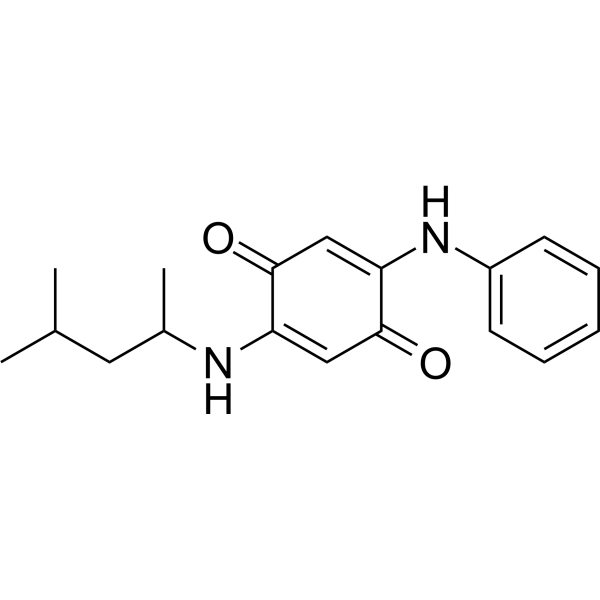
    6PPD-Q (6PPD-Quinone) is an environmental pollutant that can be detected in human urine and is widely present in the environment. 6PPD-Q targets and binds to CNR2, CNR1, AA2AR, LCAT, and TRPA1, with CNR2 exhibiting the highest binding affinity, potentially acting as a CNR2 receptor agonist to activate cannabinoid receptors. 6PPD-Q induces intestinal inflammation and barrier damage by disrupting mitochondrial function, reducing neuronal glycolysis metabolites and TCA cycle intermediates, and exacerbating α-synuclein (α-syn) aggregation. 6PPD-Q is applicable in research on environmental toxicology, neurodegenerative diseases, and inflammation-related disorders .
    6PPD-Q
  • HY-15443
    AM251
    Maximum Cited Publications
    23 Publications Verification

    Cannabinoid Receptor Neurological Disease
    AM251 is a selective cannabinoid 1 (CB1) receptor antagonist with an IC50 of 8 nM. AM251 also acts as a potent GPR55 agonist with an EC50 of 39 nM .
    AM251
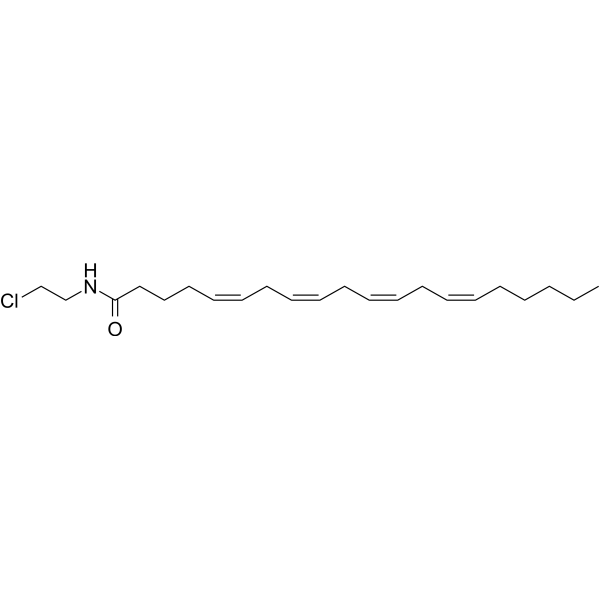
  • HY-110004

    Arachidonyl-2-chloroethylamide

    Cannabinoid Receptor Others
    ACEA (short for arachidonyl-2'-chloroacetamide) is a synthetic organic compound that acts as an agonist of the cannabinoid receptor CB1. It is a chemical that affects the endocannabinoid system in the body, which regulates various physiological processes such as appetite, pain perception, mood, and memory .
    ACEA
  • HY-15451
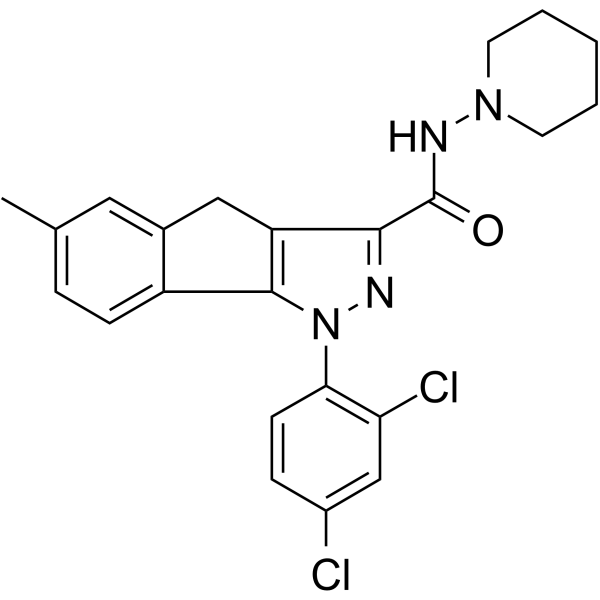
    MDA 19
    2 Publications Verification

    BZO-HEXOXIZID

    Cannabinoid Receptor Neurological Disease
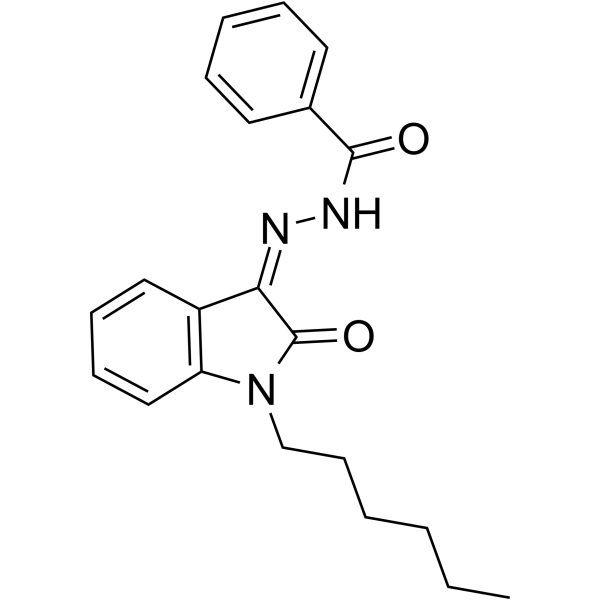
    MDA 19 is a potent and selective agonist of human cannabinoid receptor 2 (CB2), with a Ki of 43.3 nM. MDA 19 has antiallodynic effects in a rat model of neuropathic pain and does not affect rat locomotor activity .
    MDA 19
  • HY-10013
    Taranabant
    2 Publications Verification

    MK-0364

    Cannabinoid Receptor Metabolic Disease
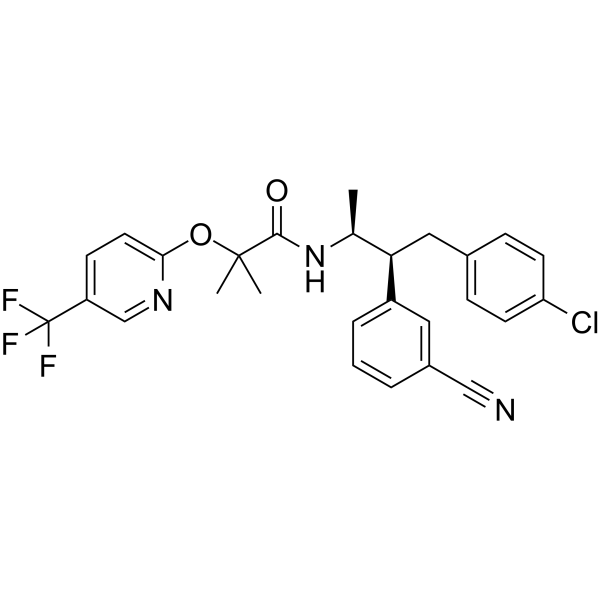
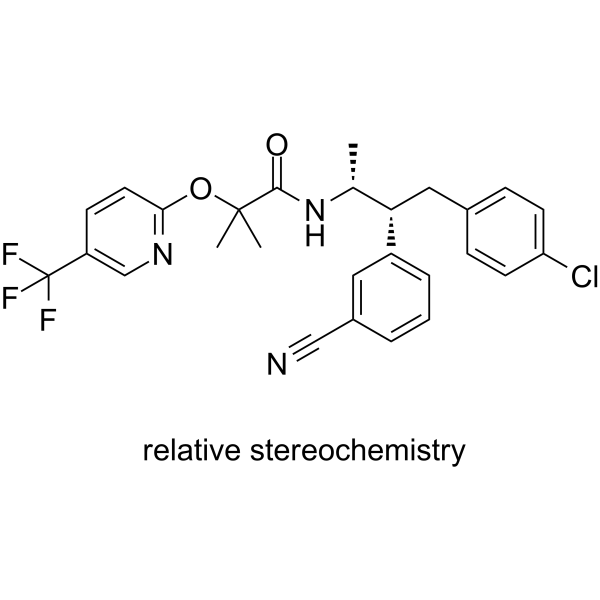
    Taranabant is a highly potent and selective cannabinoid 1 (CB1) receptor inverse agonist that inhibits the binding and functional activity of various agonists, with a binding Ki of 0.13 nM for the human CB1R in vitro.
    Taranabant
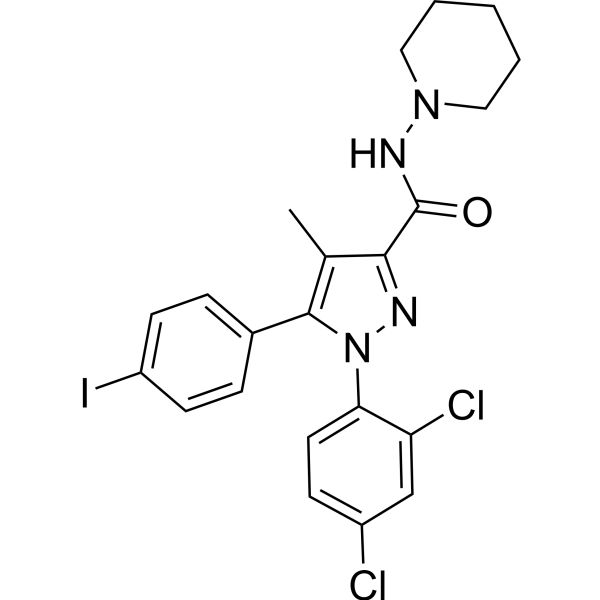
  • HY-103325

    Cannabinoid Receptor TRP Channel Interleukin Related ANGPTL VEGFR Metabolic Disease Inflammation/Immunology
    JTE-907 is a selective and orally active cannabinoid CB2 receptor inverse agonist and exerts anti-inflammatory effects. JTE-907 upregulates IL-6, MCP-1, IL-1β, VEGF, ANGPTL4, and TRPV1 in mature adipocytes. JTE-907 downregulates CB1, MCP-1, and IL-1β in preadipocytes. JTE-907 inhibits ear swelling in mice. JTE-907 reverses the protective effects of CB2 agonists and Anandamide (HY-10863) against cytokine-evoked colonic mucosal damage. JTE-907 can be used for the research of allergic dermatitis, obesity, and colitis .
    JTE-907
  • HY-111110
    Olorinab
    2 Publications Verification

    APD 371

    Cannabinoid Receptor Neurological Disease
    Olorinab (APD 371) is a highly potent, selective and fully efficacious cannabinoid receptor type 2 (CB2) agonist, with an EC50 of 6.2 nM for hCB2.
    Olorinab
  • HY-14167

    Cannabinoid Receptor Neurological Disease Inflammation/Immunology
    GW842166X is a potent and selective cannabinoid receptor 2 (CB2) agonist with IC50 values of 63 and 91 nM for human and rat CB2, respectively.
    GW842166X
  • HY-100488

    Cannabinoid Receptor Cancer
    Bay 59-3074 is a selective cannabinoid CB1/CB2 receptor partial agonist with Ki values of 48.3 and 45.5 nM at human CB1 and CB2 receptors, respectively. Bay 59-3074 has analgesic properties .
    Bay 59-3074
  • HY-120423

    Cannabinoid Receptor Neurological Disease
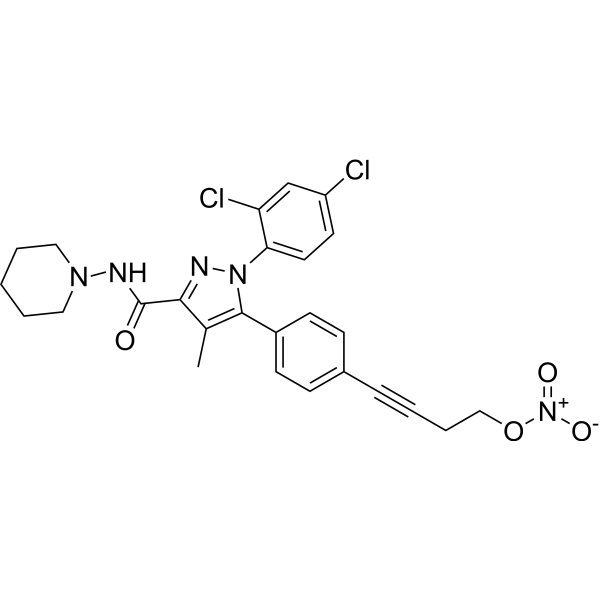
    AM6538 is a long-acting, high affinity and pseudo-irreversible cannabinoid (CB) antagonist. AM6538 is a structural analog of rimonabant. AM6538 can be effectively used to evaluate the apparent efficacy of cannabinoid full and partial agonists. AM6538 may be useful in future studies that require temporary reductions in cannabinoid receptor availability . AM-6538 is a click chemistry reagent, it contains an Alkyne group and can undergo copper-catalyzed azide-alkyne cycloaddition (CuAAc) with molecules containing Azide groups.
    AM-6538
  • HY-110028

    Cannabinoid Receptor Fatty Acid Synthase (FASN) Androgen Receptor Endocrinology Cancer
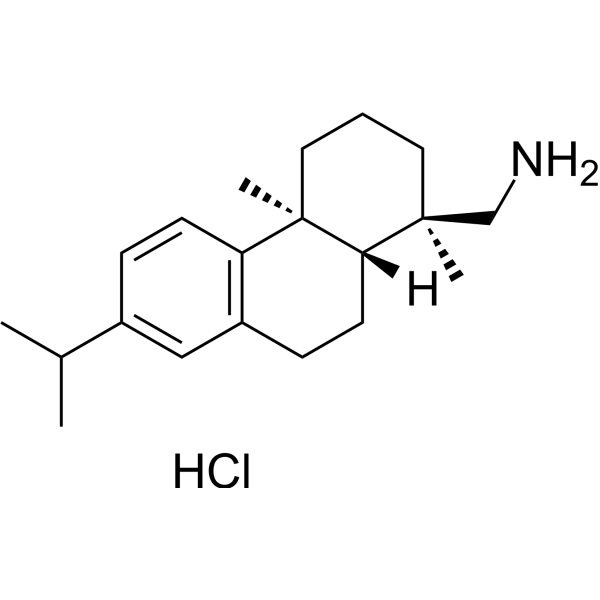
    Leelamine hydrochloride is a tricyclic diterpene molecule that is extracted from the bark of pine trees . Leelamine hydrochloride is a cannabinoid receptor type 1 (CB1) agonist and a inhibitor of SREBP1-regulated fatty acid/lipid synthesis in prostate cancer cells that is not affected by androgen receptor status. Leelamine hydrochloride suppresses transcriptional activity of androgen receptor, which is known to regulate fatty acid synthesis [2,3].
    Leelamine hydrochloride
  • HY-112340

    Cannabinoid Receptor Neurological Disease Metabolic Disease
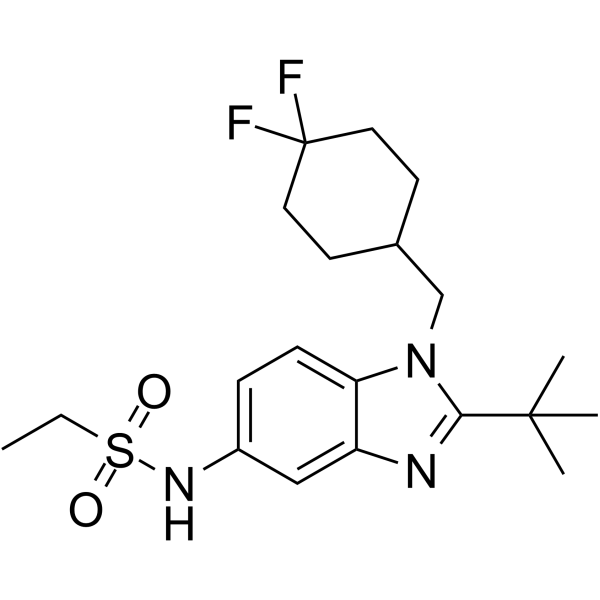
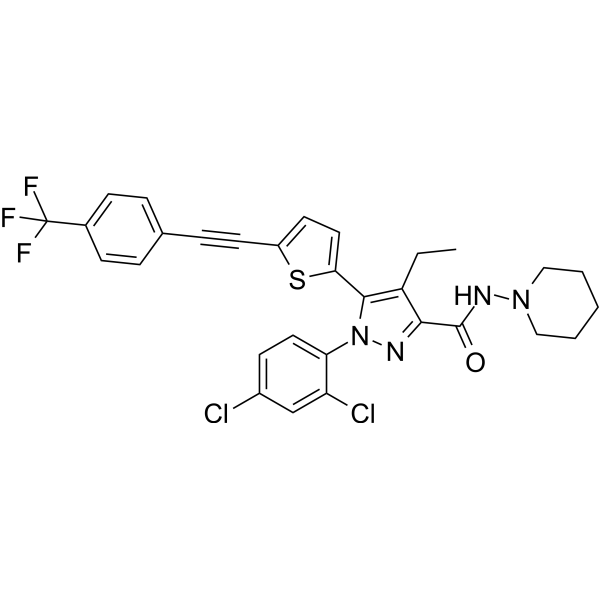
    CB1 antagonist 4 (compound 8) is a selective cannabinoid receptor 1 (CB1) inverse agonist with an IC50 of 8.5 nM for human CB1. CB1 antagonist 4 shows selective for CB1 over CB2 receptors (IC50 of 604.9 nM). CB1 antagonist 4 inhibits GTP binding to CB1-overexpressing cell membranes with an EC50 of 18.5 nM .
    CB1 antagonist 4
  • HY-W005629

    Environmental Pollutants Cannabinoid Receptor PDK-1 Metabolic Disease Cancer
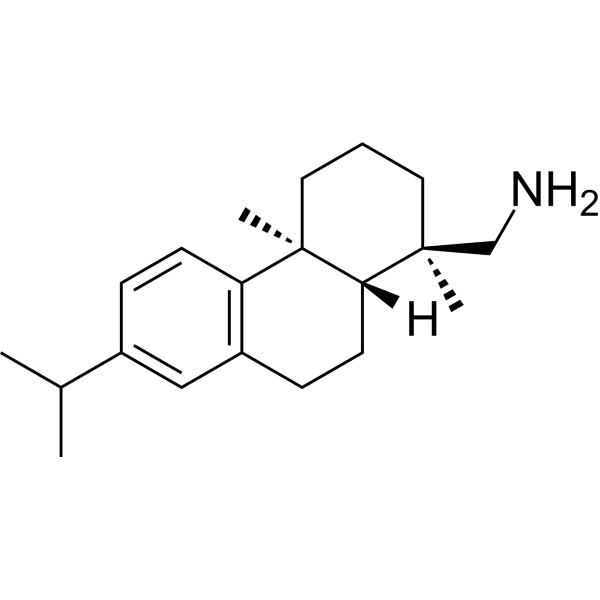
    Leelamine is an orally active pyruvate dehydrogenase kinase (PDK) inhibitor with an IC50 value of 9.5 μM, showing a blood glucose lowering effect in the diabetic mouse. Leelamine is also a weak agonist of cannabinoid receptors CB1 and CB2. Leelamine decreases mitotic activity, prostate-specific antigen expression and induces Apoptosis to cell death in cancer cells .
    Leelamine
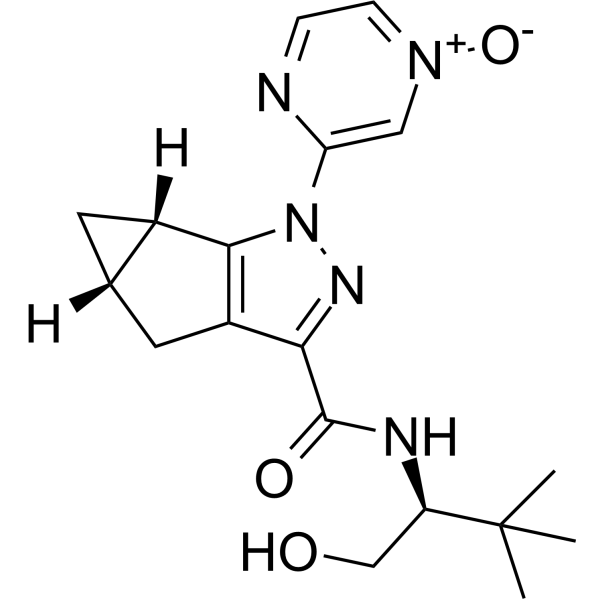
  • HY-116649

    AM4113

    Cannabinoid Receptor Neurological Disease Metabolic Disease
    CB1 antagonist 2 (AM4113) is an orally active cannabinoid receptor type 1 (CB1R) antagonist. CB1 antagonist 2 suppresses appetite, reduces body weight, and blocks addictive behaviors such as heroin addiction, without causing adverse effects like nausea and depression that are associated with traditional CB1 inverse agonists. CB1 antagonist 2 can be used in studies related to obesity and opioid addiction .
    CB1 antagonist 2
  • HY-122153

    Cannabinoid Receptor Cardiovascular Disease Inflammation/Immunology
    VSN-16 is a cannabinoid receptor agonist with vasodilatory activity. VSN-16 can be used for the study of multiple sclerosis .
    VSN-16
  • HY-110036

    L768242

    Cannabinoid Receptor Endogenous Metabolite HIF/HIF Prolyl-Hydroxylase TNF Receptor Interleukin Related Neurological Disease Inflammation/Immunology
    GW-405833 (L768242) is a potent, selective cannabinoid receptor 2 (CB2) agonist. GW405833 has EC50 and Ki values ​​of 0.65 nM and 3.92 nM for CB2, and EC50 and Ki values ​​of 16.1 μM and 4772 nM for CB1. GW-405833 also exhibits non-competitive CB1 antagonist, exerting its analgesic and and anti-inflammatory effect through a CB1 receptor (rather than CB2) dependent mechanism. GW-405833 can significantly inhibit the production of cAMP stimulated by Forskolin (HY-15371). GW405833 inhibits glycolysis by down-regulating HIF-1α, thereby alleviating acute liver failure (ALF) .
    GW-405833
  • HY-10013A

    MK-0364 racemate

    Cannabinoid Receptor Neurological Disease
    Taranabant racemate (MK-0364 racemate) is an antagonist and/or inverse agonist of the Cannabinoid-1 (CB1) receptor extracted from patent WO 2004048317 A1 .
    Taranabant racemate
  • HY-132217

    Cannabinoid Receptor Neurological Disease
    CB2 receptor agonist 2 is a potent and selective agonist for the CB2 (cannabinoid type 2) receptor with a Ki of 8.5 nM. CB2 receptor agonist 2 has high affinity and selectivity for CB2 .
    CB2 receptor agonist 2
  • HY-113070

    Cannabinoid Receptor Endogenous Metabolite Neurological Disease
    Dihomo-γ-Linolenoyl Ethanolamide, an endocannabinoid, is a cannabinoid (CB) receptor agonist with Kis of 857 nM and 598 nM for human recombinant CB1 and CB2 receptors, respectively .
    Dihomo-γ-Linolenoyl Ethanolamide
  • HY-110050

    Cannabinoid Receptor Neurological Disease Inflammation/Immunology
    GP1a is a potent agonist of cannabinoid receptor 2 (CB2). Gp1a is beneficial to skin wound healing. GP1a inhibits inflammation and fibrogenesis while promoting re-epithelialization .
    GP1a
  • HY-119104
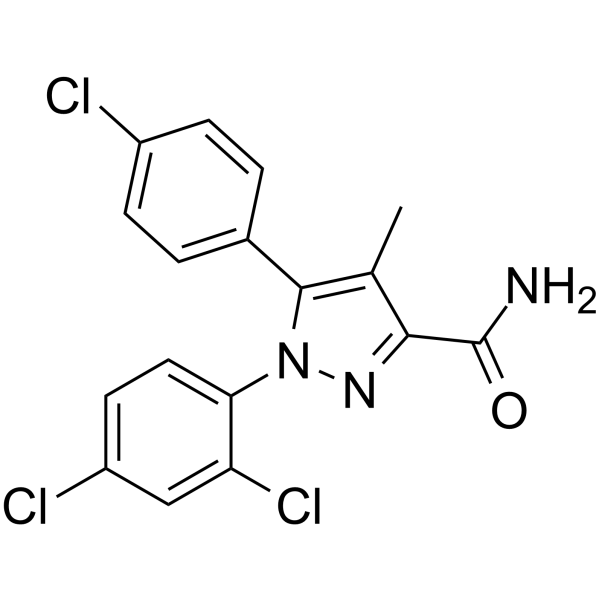
    AZD1940
    1 Publications Verification

    Cannabinoid Receptor Neurological Disease
    AZD1940 is an orally active, high affinity cannabinoid CB1/CB2 receptor agonist with pKi values of 7.93 and 9.06 for human CB1R and CB2R, respectively. AZD1940 shows a robust analgesia action .
    AZD1940
  • HY-P1091

    Cannabinoid Receptor Neurological Disease
    Hemopressin is a nonapeptide derived from the α1-chain of hemoglobin, is originally isolated from rat brain homogenates. Hemopressin is orally active, selective and inverse agonist of CB1 cannabinoid receptors. Hemopressin exerts antinociceptive action in inflammatory pain models .
    Hemopressin (human, mouse)
  • HY-177425

    Cannabinoid Receptor Metabolic Disease
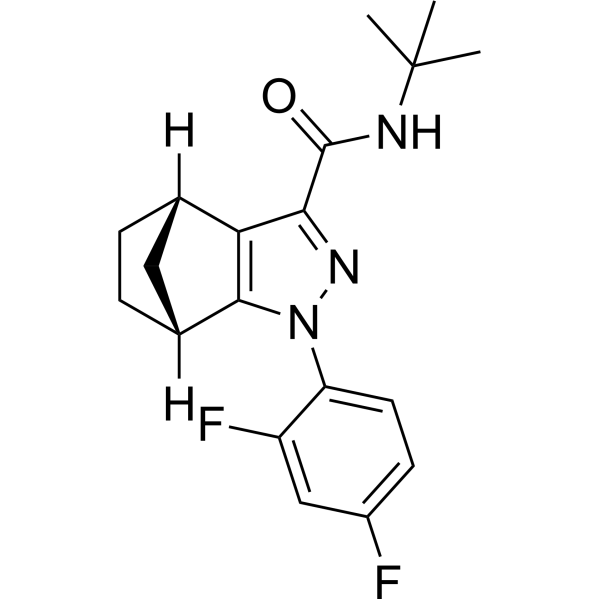
    AM11542 is a cannabinoid receptor 1 (CB1) agonist with a human CB1 Ki of 0.11 nM. AM11542 stabilizes the active conformational state of the CB1 receptor. AM11542 can be used for the research of obesity .
    AM11542
  • HY-150029

    Cannabinoid Receptor Neurological Disease
    CB1/2 agonist 3 (compound 52), a potent non-selective cannabinoid ligand, is a CB1/CB2 (cannabinoid receptor) competitive agonist. CB1/2 agonist 3 acts on hCB1 and hCB2 with Ki values of 5.9 nM and 3.5 nM, respectively .
    CB1/2 agonist 3
  • HY-12095

    Cannabinoid Receptor Neurological Disease
    CB1 inverse agonist 2 is an orally active inverse agonist of Cannabinoid Receptor CB1. CB1 inverse agonist 2 effectively inhibits CP55940-induced hypothermia and anorexia in mice model .
    CB1 inverse agonist 2
  • HY-110003
    Arachidonylcyclopropylamide
    2 Publications Verification

    ACPA

    Cannabinoid Receptor Neurological Disease
    Arachidonylcyclopropylamide (ACPA) is a potent and selective CB1 receptors agonist. Arachidonylcyclopropylamide inhibits forskolin-stimulated cAMP production in CHO cells transfected with human cannabinoid CB1 receptors (IC50=2 nM) .
    Arachidonylcyclopropylamide
  • HY-124283A

    Cannabinoid Receptor Neurological Disease
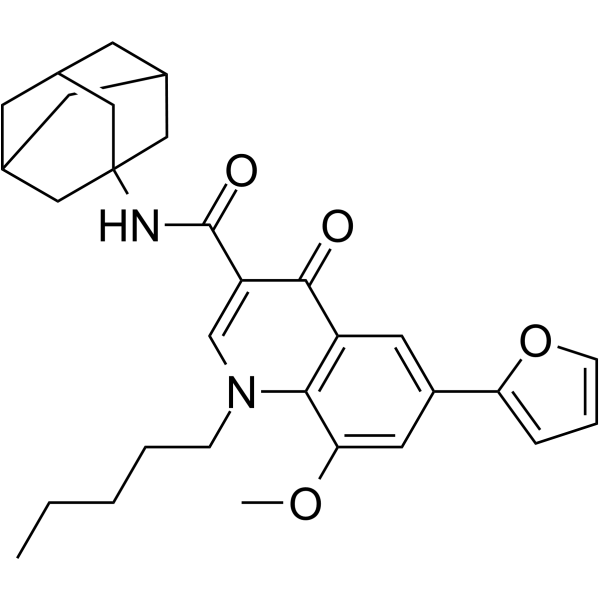
    LEI-101 is a potent, selective, and orally bioavailable cannabinoid CB2 receptor agonist, with a pEC50 of 8 for hCB2, and a pKi of less than 4 for hERG. LEI-101 is ~100-fold more potent in binding to CB2 receptors than to CB1 receptors .
    LEI-101
  • HY-P1090

    Cannabinoid Receptor Neurological Disease
    Hemopressin(rat) is a nonapeptide derived from the α1-chain of hemoglobin, is originally isolated from rat brain homogenates. Hemopressin(rat) is orally active, selective and inverse agonist of CB1 cannabinoid receptors. Hemopressin(rat) exerts antinociceptive action in inflammatory pain models .
    Hemopressin(rat)
  • HY-145153

    Cannabinoid Receptor Neurological Disease
    S-777469 is a selective and orally available cannabinoid type 2 receptor (CB2) agonist with a Ki of 36 nM. S-777469 significantly suppresses compound 48/80-induced scratching behavior in mice in a dose-dependent manner. S-777469 produces its antipruritic effects by inhibiting itch signal transmission through CB2 agonism .
    S-777469
  • HY-12761

    Cannabinoid Receptor Cardiovascular Disease Others Neurological Disease Metabolic Disease Inflammation/Immunology Cancer
    A-836339 is a selective CB2 receptor agonist, with Ki values of 0.4 nM and 0.8 nM in humans and rats, respectively. A-836339 exhibits multiple effects such as analgesia, gastric protection, anti-inflammation, and antioxidant activity. A-836339 produces antinociceptive and analgesic activities by activating CB2 receptors in the dorsal root ganglia and spinal cord. A-836339 can also exert gastric protective effects through anti-inflammatory mechanisms (reducing TNF-α and IL-1β) and antioxidant mechanisms (enhancing the activities of CAT and SOD, and reducing H2O2). Radioactively labeled A-836339 can serve as a CB2-specific radioligand for autoradiography and PET imaging. A-836339 can be used in research on inflammatory pain, neuropathic pain, gastric ulcers, cerebral ischemia, etc .
    A-836339
  • HY-W013788

    2-Palm-Gl

    Cannabinoid Receptor Neurological Disease
    2-Palmitoylglycerol (2-Palm-Gl), an congener of 2-arachidonoylglycerol (2-AG), is a modest cannabinoid receptor CB1 agonist. 2-Palmitoylglycerol also may be an endogenous ligand for GPR119 .
    2-Palmitoylglycerol
  • HY-121541

    Cannabinoid Receptor Cancer
    CB-25 is a ligand of CB1 cannabinoid receptors, acting as a partial agonist. CB-25 enhances Forskolin (HY-15371)-induced cAMP formation in cancer cells but not hCB1-CHO cells .
    CB-25
  • HY-14900
    Tedalinab
    1 Publications Verification

    GRC-10693

    Cannabinoid Receptor Inflammation/Immunology
    Tedalinab (GRC-10693) is a potent, orally active, and selective cannabinoid receptor 2 (CB2) agonist. Tedalinab has >4700-fold functional selectivity for CB2 over CB1. Tedalinab has potential for neuropathic pain and osteoarthritis treatment .
    Tedalinab
  • HY-124089

    Cannabinoid Receptor Metabolic Disease
    Eicosapentaenoyl ethanolamide, an omega-3 fatty acid, is one of N-acylethanolamines (NAEs). Eicosapentaenoyl ethanolamide is cannabinoid CB1/CB2 receptor agonist. Eicosapentaenoyl ethanolamide acts as a metabolic signal. Eicosapentaenoyl ethanolamide inhibits dietary restriction (DR)-induced lifespan extension in wild type animals and suppresses lifespan extension in a TOR pathway mutant .
    Eicosapentaenoyl ethanolamide
  • HY-152251

    Cannabinoid Receptor FAAH Inflammation/Immunology
    CB2R/FAAH modulator-1 is a cannabinoid type 2 receptor (CB2R) full agonist with Kis of 14.8 nM and 241.3 nM for CB2R and CB1R, respectively. CB2R/FAAH modulator-1 is a fatty acid amide hydrolase (FAAH) inhibitor with an IC50 of 4 μM. CB2R/FAAH modulator-1 decreases pro-inflammatory and increases anti-inflammatory cytokines production .
    CB2R/FAAH modulator-1
  • HY-110014

    Cannabinoid Receptor Neurological Disease
    Noladin ether is a potent and selective agonist of cannabinoid CB1 receptor, with a Ki of 21.2 nM. Noladin ether can cause hypothermia, intestinal immobility, and mild antinociception .
    Noladin ether
  • HY-110065

    Cannabinoid Receptor Neurological Disease
    SER-601 is a potent and selective peripheral cannabinoid (CB2) receptor agonist with a Ki of 6.3 nM. SER-601 has analgesic and antidiabetic properties and can be used for relevant research .
    SER-601
  • HY-110194

    Endogenous Metabolite Cannabinoid Receptor Neurological Disease
    Virodhamine TFA is an endocannabinoid, it regulates neurotransmission by activating the cannabinoid (CB) receptors. Virodhamine is an antagonist of CB1 receptor and an agonist of CB2 receptor. Virodhamine TFA induces megakaryocytic differentiation by triggering MAPK signaling and ROS production. Virodhamine TFA can be used for the research of various neurological disorders such as Alzheimer's and Parkinson's diseases .
    Virodhamine TFA
  • HY-152576

    Cannabinoid Receptor Inflammation/Immunology
    CB2R agonist 1 is a selective ligand of cannabinoid receptor subtype 2 (CB2R) with an EC50 value of 0.56 µM. CB2R agonist 1 has high affinity and excellent selectivity for human CB2R and CB1R respectively. CB2R agonist 1 regulates the production of pro-inflammatory cytokines and anti-inflammatory cytokines and play an immunomodulatory role .
    CB2R agonist 1
  • HY-110036A

    L768242 hydrochloride

    Cannabinoid Receptor Endogenous Metabolite HIF/HIF Prolyl-Hydroxylase TNF Receptor Interleukin Related Neurological Disease Inflammation/Immunology
    GW405833 (L768242) hydrochloride is a potent, selective cannabinoid receptor 2 (CB2) agonist. GW405833 has EC50 and Ki values ​​of 0.65 nM and 3.92 nM for CB2, and EC50 and Ki values ​​of 16.1 μM and 4772 nM for CB1. GW405833 hydrochloride also exhibits non-competitive CB1 antagonist, exerting its analgesic effect through a CB1 receptor (rather than CB2) dependent mechanism. GW405833 hydrochloride can significantly inhibit the production of cAMP stimulated by Forskolin (HY-15371). GW405833 hydrochloride inhibits glycolysis by down-regulating HIF-1α, thereby alleviating acute liver failure (ALF) .
    GW405833 hydrochloride
  • HY-171883

    Cannabinoid Receptor CETP MHC Metabolic Disease Inflammation/Immunology Cancer
    BI-5756 is a CETP inhibitor and cannabinoid receptor 1 (CB1) agonist. BI-5756 can significantly increase HDL-C levels and reduce LDL-C levels. BI-5756 can also enhance the function of regulatory T cells while maintaining T cell-mediated anti-tumor activity. BI-5756 can directly inhibit the growth of tumor cells and upregulate the expression of MHC I, MHC II, and CD80 on tumor cells. BI-5756 has a protective effect in graft-versus-host disease models. BI-5756 can be used in research on tumors, graft-versus-host disease, and metabolic diseases .
    BI-5756
  • HY-128040

    Endogenous Metabolite Cannabinoid Receptor Neurological Disease
    Virodhamine (hydrochloride) is a cannabinoid CB1 receptor partial agonist and cannabinoid CB2 receptor full agonist .
    Virodhamine hydrochloride
  • HY-150067

    Cannabinoid Receptor Metabolic Disease
    CB1R Allosteric modulator 5, a selective cannabinoid-1 receptor (CB1R) inverse agonist with an IC50 value of 4.2 μM and EC50 value of >10 μM. CB1R Allosteric modulator 5 can be used for the research of metabolic and obesity .
    CB1R antagonist 1
  • HY-168734

    Cannabinoid Receptor Inflammation/Immunology
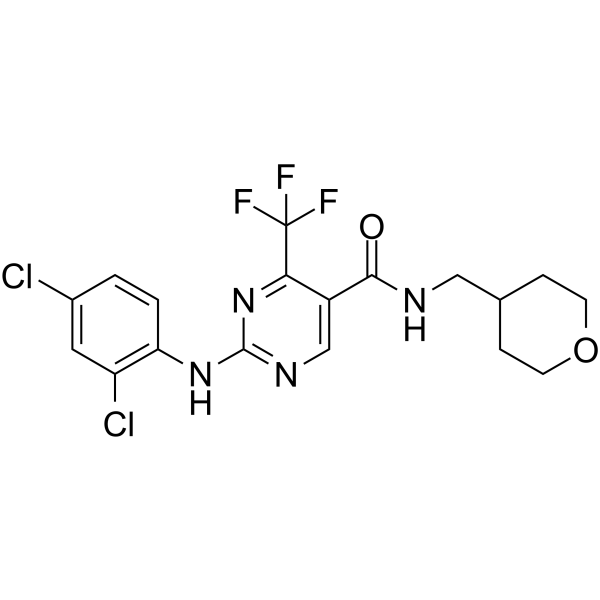
    CB2 receptor agonist 9 (Compound 33) is an orally active agonist for cannabinoid receptor 2 (CB2 receptor) with an EC50 of 16.2 nM. CB2 receptor agonist 9 inhibits the expression of TNF-α, IL-1β and IL-6, exhibits anti-inflammatory efficacy in DDS (HY-116282)-induced mouse acute colitis model .
    CB2 receptor agonist 9
  • HY-168997

    Cannabinoid Receptor Neurological Disease Inflammation/Immunology
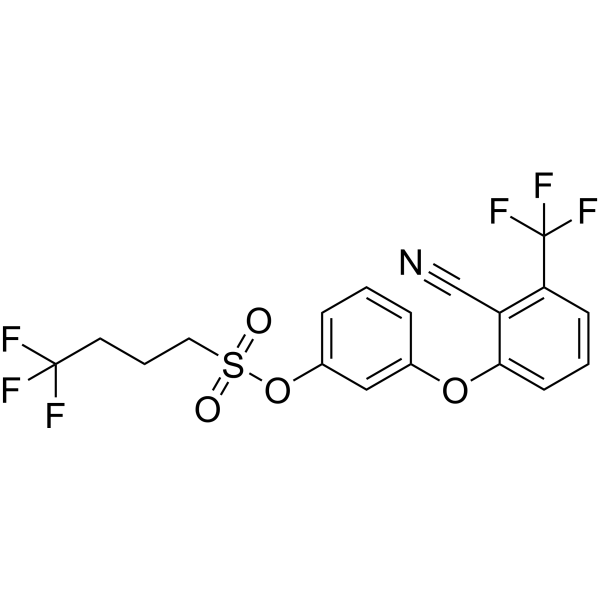
    CB1R agonist 1 is a potent, CNS-penetrant, and selective Cannabinoid-1 receptor (CB1R) agonist with a Ki of 0.95 nM, modulating Gi/o signaling. CB1R agonist 1 exhibits high selectivity over CB2R and other off-target GPCRs, including GPR55, GPR18, and GPR119. CB1R agonist 1 induces analgesia and hypothermia, and potentiates opioid analgesia in mice. CB1R agonist 1 can be used for the research of pain .
    CB1R agonist 1
  • HY-100778

    Cannabinoid Receptor Neurological Disease
    SMM-189 is  a potent and selective cannabinoid receptor 2 (CB2) inverse agonist. SMM-189 plays an important role in neurodegenerative disorders and traumatic brain injury research .
    SMM-189
  • HY-173083

    Cannabinoid Receptor Neurological Disease
    MDA7 is the selective agonist for cannabinoid receptor 2 with EC50 of 128 nM and 67.4 nM in human CB2 receptor and rat CB2 receptor. MDA7 exhibits good affinity to human CB2 receptor and rat CB2 receptor with Ki of 422 nM and 238 nM. MDA7 exhibits analgesic activity in rats models .
    MDA7
  • HY-W751734

    Cannabinoid Receptor Others Neurological Disease Inflammation/Immunology
    HU 433 is a synthetic cannabinoid CB2 receptor agonist and is the enantiomer of HU 308 (HY-161510). HU 433 exerts its anti-inflammatory and neuroprotective effects by binding to CB2 receptors. HU 433 can be used in the study of neuroinflammation and retinal diseases .
    HU 433
  • HY-175481

    Cannabinoid Receptor Apoptosis Reactive Oxygen Species (ROS) Cancer
    CB2R agonist 4 is a cannabinoid receptor 2 (CB2R) agonist with an EC50 value of 6.9 μM. CB2R agonist 4 can induce cell apoptosis, ROS production and protein misfolding. CB2R agonist 4 shows cytotoxicity to a panel of tumor cell lines. CB2R agonist 4 can be used for the research of cancer .
    CB2R agonist 4
  • HY-149644

    Cannabinoid Receptor Inflammation/Immunology
    CB2R agonist 3 is an agonist of cannabinoid receptor 2 (CB2R), with EC50 of 0.37μM that plays an important role in immune system .
    CB2R agonist 3

Inquiry Online

Your information is safe with us. * Required Fields.

Salutation


Country or Region *

Applicant Name *


Organization Name *

Department *


Email Address *


Product Name *

Cat. No.


Requested quantity *

Phone Number *


Remarks

Inquiry Online

Inquiry Information

Product Name:
Cat. No.:
Quantity:
MCE Japan Authorized Agent:

