

354 Results for "

Cell therapy

" in MedChemExpress (MCE) Product Catalog:
Products (354)

354 Results for "Cell therapy" in MCE Product Catalog:

286
286 Publications Verification
Cat. No.: HY-B0146
CAS No.: 129497-78-5
Synonyms: CL 318952
Research Areas:  

Cancer

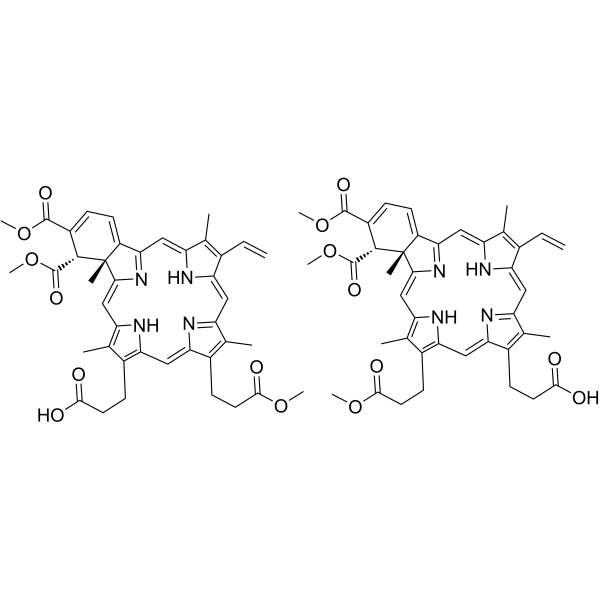
Verteporfin (CL 318952) is a photosensitizer for photodynamic therapy to eliminate the abnormal blood vessels in the eye associated with conditions such as age-related macular degeneration. Verteporfin is a YAP inhibitor which disrupts YAP-TEAD interactions. Verteporfin induces cell apoptosis . Verteporfinis an autophagy inhibitor that blocks autophagy at an early stage by inhibiting autophagosome formation .
loading...
    loading...
33
33 Cited Publications
Cat. No.: HY-16268
CAS No.: 4727-31-5
Synonyms: KGN
Target:  

TGF-beta/Smad

Research Areas:  

Inflammation/Immunology

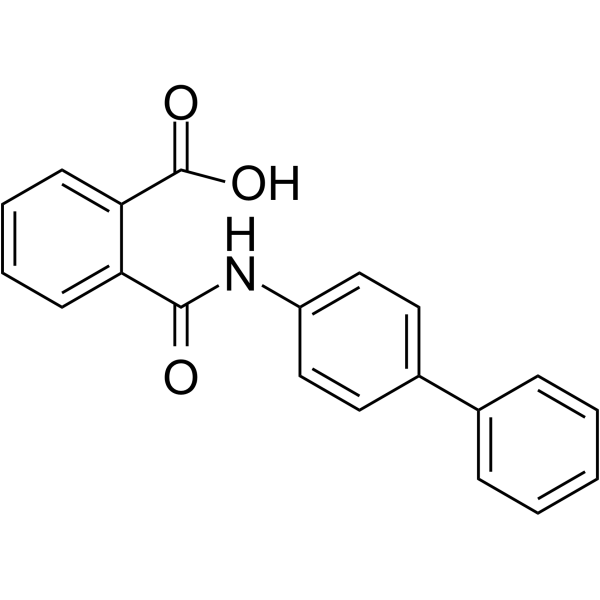
Kartogenin (KGN) is an inducer of chondrogenic tissue formation (EC50: 100 nM). Kartogenin induces chondrogenesis by binding to fibrin A, disrupting its interaction with the transcription factor core binding factor beta subunit (CBFβ), and by modulating the CBFβ-RUNX1 transcriptional program. Kartogenin also promotes tendon-bone junction (TBJ) wound healing by stimulating collagen synthesis. Kartogenin is widely used in cell-free therapy in the field of regeneration for cartilage regeneration and protection, tendon-bone healing, wound healing and limb development. Kartogenin promotes cartilage repair, coordinates limb development, and is also used in osteoarthritis (OA) research .
loading...
    loading...
33
33 Cited Publications
Cat. No.: HY-16268A
CAS No.: 1401168-39-5
Synonyms: KGN sodium
Target:  

TGF-beta/Smad

Research Areas:  

Inflammation/Immunology

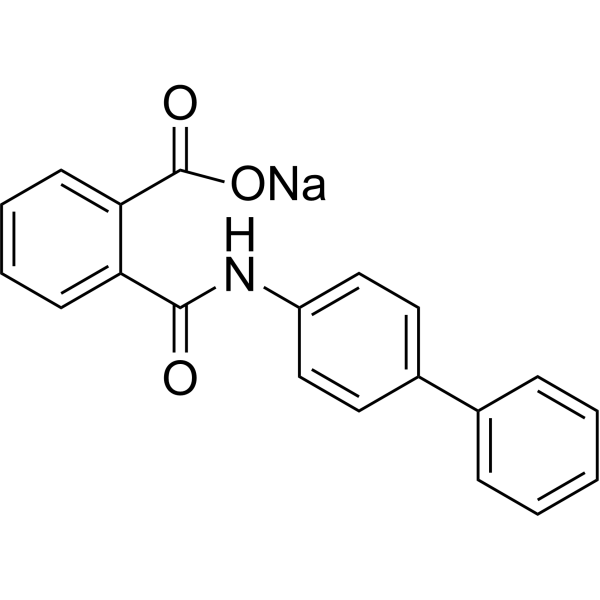
Kartogenin (KGN) sodium is an inducer of chondrogenic tissue formation (EC50: 100 nM). Kartogenin sodium induces chondrogenesis by binding to fibrin A, disrupting its interaction with the transcription factor core binding factor beta subunit (CBFβ), and by modulating the CBFβ-RUNX1 transcriptional program. Kartogenin sodium also promotes tendon-bone junction (TBJ) wound healing by stimulating collagen synthesis. Kartogenin sodium is widely used in cell-free therapy in the field of regeneration for cartilage regeneration and protection, tendon-bone healing, wound healing and limb development. Kartogenin sodium promotes cartilage repair, coordinates limb development, and is also used in osteoarthritis (OA) research .
loading...
    loading...
24
24 Cited Publications
Cat. No.: HY-18777
CAS No.: 927822-86-4
Research Areas:  

Cancer

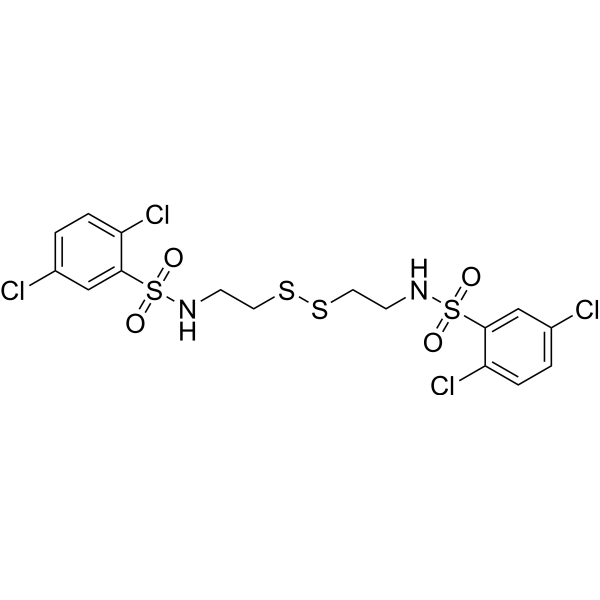
KC7F2 is a potent hypoxia inducible factor-1 (HIF-1) pathway inhibitor with an IC50 of 20 μM in LN229-HRE-AP cells, and with potential as a cancer therapy agent .
loading...
    loading...
23
23 Cited Publications
Cat. No.: HY-17422
CAS No.: 59277-89-3
Synonyms: Aciclovir; Acycloguanosine
Research Areas:  

Infection Cancer

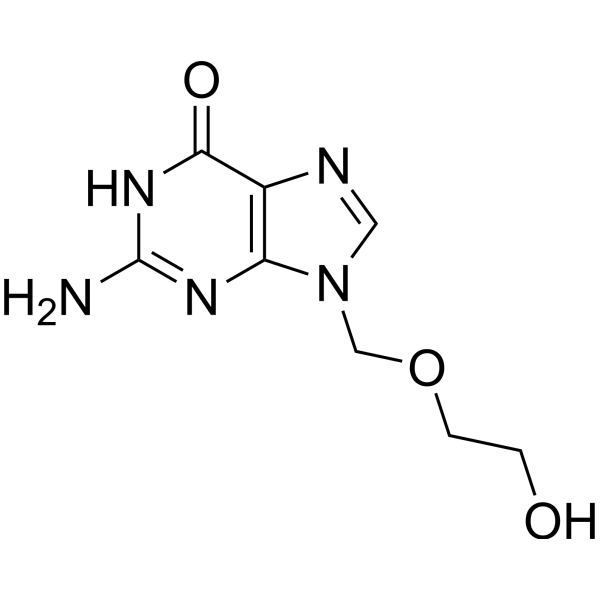
Acyclovir (Aciclovir) is a potent, orally active antiviral agent. Acyclovir has antiherpetic activity with IC50 values of 0.85 μM and 0.86 μM for HSV-1 and HSV-2, respectively. Acyclovir induces cell cycle perturbation and apoptosis. Acyclovir prevents bacterial infections during induction therapy for acute leukaemia .
loading...
    loading...
23
23 Cited Publications
Cat. No.: HY-17422A
CAS No.: 69657-51-8
Synonyms: Aciclovir sodium; Acycloguanosine sodium
Research Areas:  

Infection Cancer

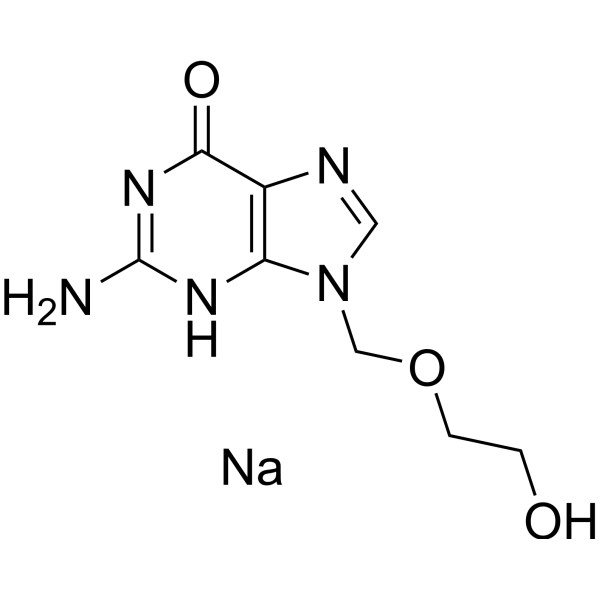
Acyclovir (Aciclovir) sodium is a potent, orally active antiviral agent. Acyclovir sodium has antiherpetic activity with IC50 values of 0.85 μM and 0.86 μM for HSV-1 and HSV-2, respectively. Acyclovir sodium induces cell cycle perturbation and apoptosis. Acyclovir sodium prevents bacterial infections during induction therapy for acute leukaemia .
loading...
    loading...
20
20 Cited Publications
Cat. No.: HY-N0305
CAS No.: 5451-09-2
Synonyms: 5-ALA hydrochloride; δ-Aminolevulinic acid hydrochloride; 5-Amino-4-oxopentanoic acid hydrochloride
5-Aminolevulinic acid (5-ALA; δ-Aminolevulinic acid; 5-Amino-4-oxopentanoic acid) hydrochloride is an orally active heme precursor. 5-Aminolevulinic acid hydrochloride promotes aerobic energy metabolism and increases ATP levels by enhancing the activity of cytochrome c oxidase. 5-Aminolevulinic acid hydrochloride enhances LPS-induced proinflammatory cytokine production and gene activation, and restores the phagocytic activity and ROS generation capacity of neutrophils. 5-Aminolevulinic acid hydrochloride selectively accumulates protoporphyrin IX in tumor cells; as a photosensitizer and radiosensitizer, it induces ROS burst upon light or X-ray irradiation to inhibit tumor growth. 5-Aminolevulinic acid hydrochloride can be applied to the research of septic shock, melanoma, and cancer radiotherapy .
loading...
    loading...
19
19 Cited Publications
Cat. No.: HY-W127378
CAS No.: 144189-73-1
Synonyms: 1,2-Dioleoyl-3-trimethylammonium-propane methylsulfate
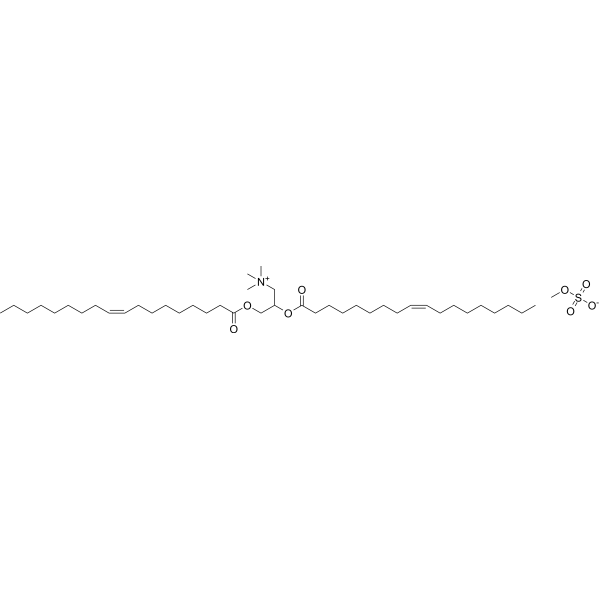
DOTAP methylsulfat is a cationic lipid reagent, a cationic derivative of trimethylammonium, linked to two 18-carbon fatty acid tails, each with a single olefin group. DOTAP methylsulfat can self-assemble with negatively charged ions (such as DNA) to form complexes, which can be adsorbed to the cell membrane surface and enter the cell by electrostatic interaction and endocytosis, respectively. DOTAP methylsulfat promotes endosomal membrane fusion with its own hydrophobic domain, releases DNA into the cytoplasm, and exerts gene delivery function. DOTAP methylsulfat can be widely used in research fields such as gene therapy, cell transfection, and non-viral vector design .
loading...
    loading...
14
14 Cited Publications
Cat. No.: HY-15405
CAS No.: 163451-81-8
Purity:  99.92%
Synonyms: A77 1726
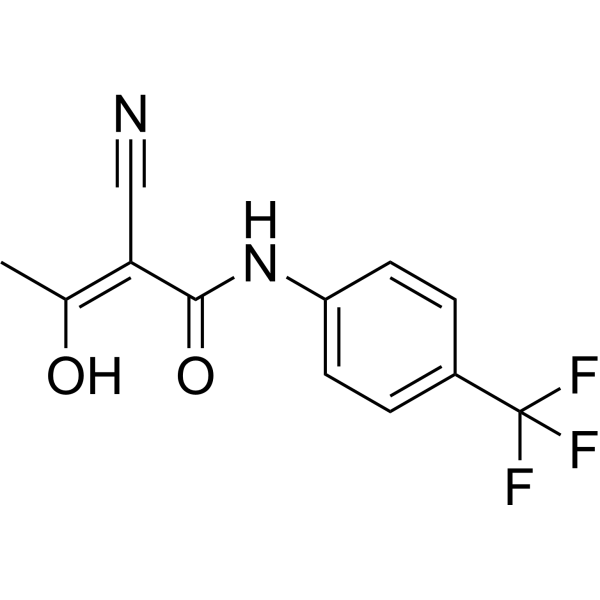
Teriflunomide is the active metabolite of leflunomide, an approved therapy for rheumatoid arthritis. It inhibits pyrimidine synthesis and therefore potently decreases T cell and B cell proliferation.
loading...
    loading...
7
7 Cited Publications
Cat. No.: HY-13266
CAS No.: 1092443-52-1
Target:  

CDK Apoptosis

Research Areas:  

Cancer

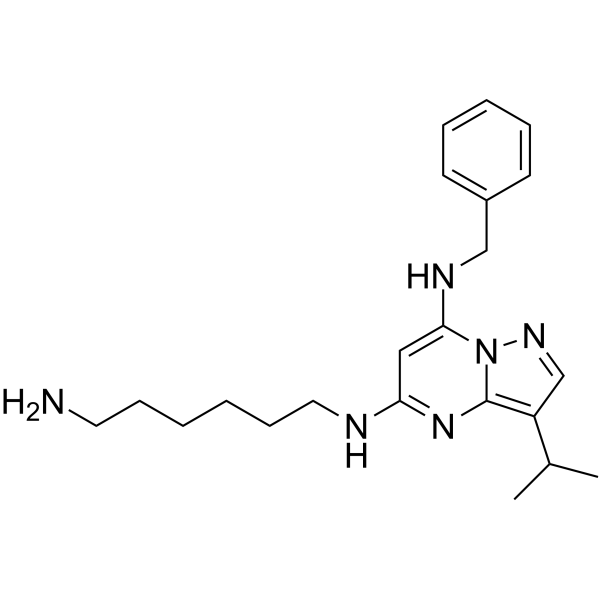
BS-181 is a potent and selective CDK7 inhibitor (IC50=21 nM) than Seliciclib (HY-30237). BS-181 is also against CDK2, CDK5 and CDK9 with IC50 values of 880, 3000 and 4200 nM, respectively (fails to block CDK1, 4 and 6). BS-181 inhibits a panel of cancer cells growth (IC50=11.5 μM-37.3 μM) and induces cell apoptosis. BS-181 has the potential for the research of cancer therapy .
loading...
    loading...
4
4 Cited Publications
Cat. No.: HY-128973
CAS No.: 24533-72-0
Purity:  ≥98.0%
Research Areas:  

Cancer

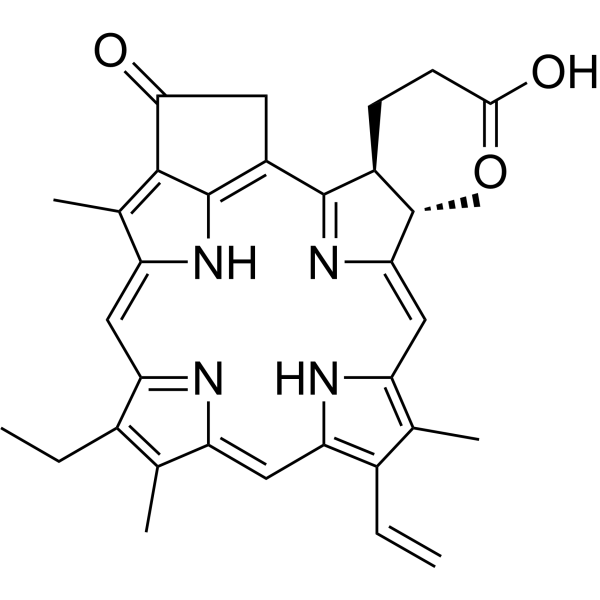
Pyropheophorbide-a (Ppa) is a photosensitizer used in photodynamic therapy (PDT) for tumors. Pyropheophorbide-a exhibits phototoxic effects on tumor cells, such as cervical cancer cells, and also has anti-lipogenesis activity. Pyropheophorbide-a shows potential for research in the fields of cancer and age-related macular degeneration (AMD). Pyropheophorbide-a derivatives also demonstrate inhibitory activity against tumor cells .
loading...
    loading...
4
4 Cited Publications
Cat. No.: HY-14648G
CAS No.: 50-02-2
Synonyms: Hexadecadrol (GMP); Prednisolone F (GMP)
Dexamethasone (Hexadecadrol) (GMP) is Dexamethasone (HY-14648) produced by using GMP guidelines. GMP small molecules works appropriately as an auxiliary reagent for cell therapy manufacture. Dexamethasone is an agonist of glucocorticoid receptor .
loading...
    loading...
3
3 Cited Publications
Cat. No.: HY-12964
CAS No.: 1239875-86-5
Purity:  99.32%
Target:  

TAM Receptor

Research Areas:  

Cancer

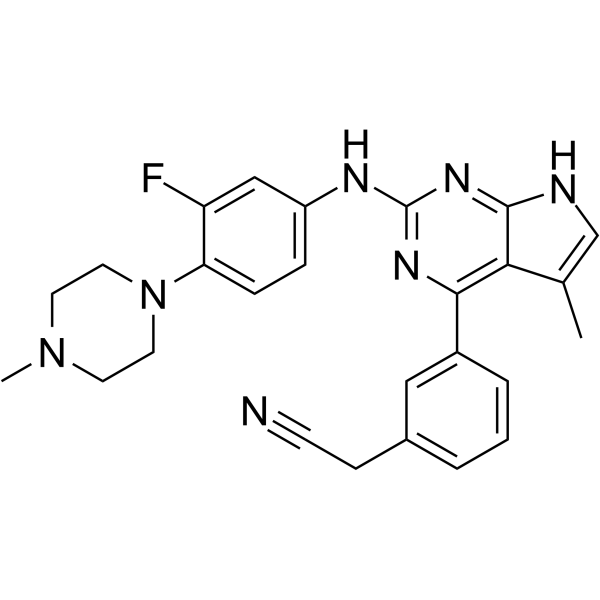
SGI-7079 is a selective, ATP-competitive, orally active inhibitor of the receptor tyrosine kinase Axl. SGI-7079 blocks Axl-mediated signaling pathways such as NF-κB activation and MMP-9 expression, thereby inhibiting tumor cell proliferation, migration and invasion. SGI-7079 is mainly used in the research of malignant tumors such as inflammatory breast cancer and bladder cancer, as well as in combination with immunization (used in combination with PD-1 therapy)[1][2][3].
loading...
    loading...
3
3 Cited Publications
Cat. No.: HY-134990
CAS No.: 148471-91-4
Purity:  ≥95.0%
Target:  

Apoptosis

Research Areas:  

Cancer

Hematoporphyrin monomethyl ether, second generation of porphyrin-related photosensitizer, is characterized by its single form, high yield of singlet oxygen, high selectivity, and low toxicity, which has been widely used in the diagnosis and research of various tumors, including lung cancer, bladder cancer, and nevus flammeus and brain glioma .
loading...
    loading...
2
2 Cited Publications
Cat. No.: HY-10182G
CAS No.: 252917-06-9
Synonyms: CHIR-99021 (GMP); CT99021 (GMP)
Laduviglusib (CHIR-99021) (GMP) is Laduviglusib (HY-10182) produced by using GMP guidelines. GMP small molecules works appropriately as an auxiliary reagent for cell therapy manufacture. Laduviglusib is a potent, orally active and selective GSK-3α/β inhibitor.
loading...
    loading...
2
2 Cited Publications
Cat. No.: HY-128972
CAS No.: 25465-77-4
Purity:  ≥95.0%
Research Areas:  

Others

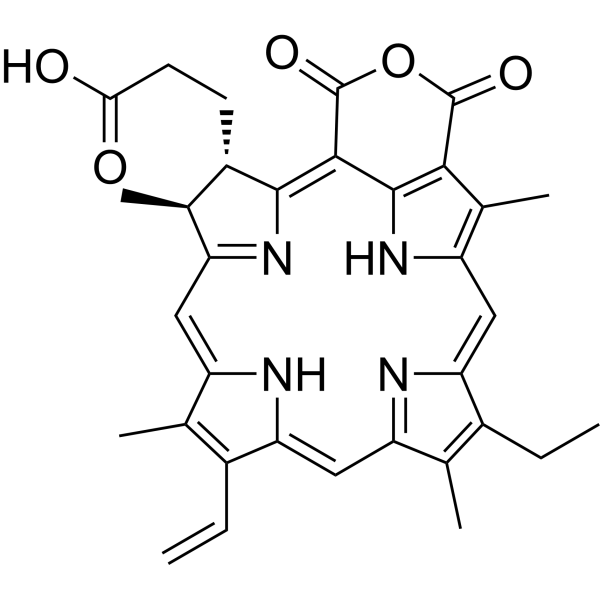
Purpurin 18, a derivative of chlorophyll and a type of dihydroporphyrin, is used to produce photosensitizers. Purpurin 18 photodynamic therapy can induce cell apoptosis and has anti-tumor activity .
loading...
    loading...
2
2 Cited Publications
Cat. No.: HY-P99575
CAS No.: 2307488-83-9
Synonyms: AMG-757

Target:  

Notch

Research Areas:  

Inflammation/Immunology Cancer

Tarlatamab (AMG-757) is a bispecific T-cell engager (BiTE) antibody targeting delta-like ligand 3 (DLL3). DLL3 is a target that is selectively expressed in small-cell lung cancer (SCLC) tumors, but with minimal normal tissue expression. Tarlatamab has the KDs of 0.64 nM and 0.50 nM for human and nonhuman primate (NHP) DLL3, respectively. Tarlatamab has the KDs of 14.9 nM and 12 nM for human and NHP CD3, respectively. Tarlatamab is a first-in-class HLE BiTE immuno-oncology therapy targeting DLL3 and has the potential for SCLC research .
loading...
    loading...
1
1 Cited Publications
Cat. No.: HY-A0070AG
CAS No.: 6893-02-3
Synonyms: Triiodothyronine (GMP); 3,3',5-Triiodo-L-thyronine (GMP); T3 (GMP)
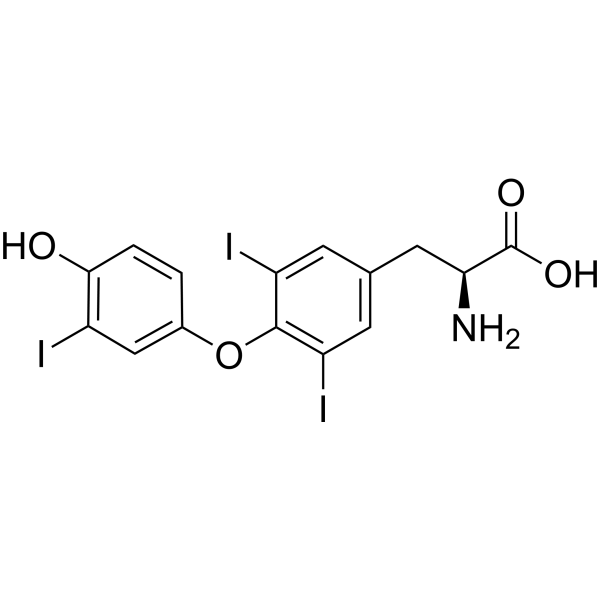
Liothyronine (Triiodothyronine) (GMP) is the Liothyronine (HY-A0070A) produced by using GMP guidelines. GMP small molecules work appropriately as an auxiliary reagent for cell therapy manufacture. Liothyronine is a potent thyroid hormone receptors TRα and TRβ agonist with Kis of 2.33 nM for hTRα and hTRβ, respectively .
loading...
    loading...
1
1 Cited Publications
Cat. No.: HY-10254G
CAS No.: 391210-10-9
Synonyms: PD0325901 (GMP); PD325901 (GMP)
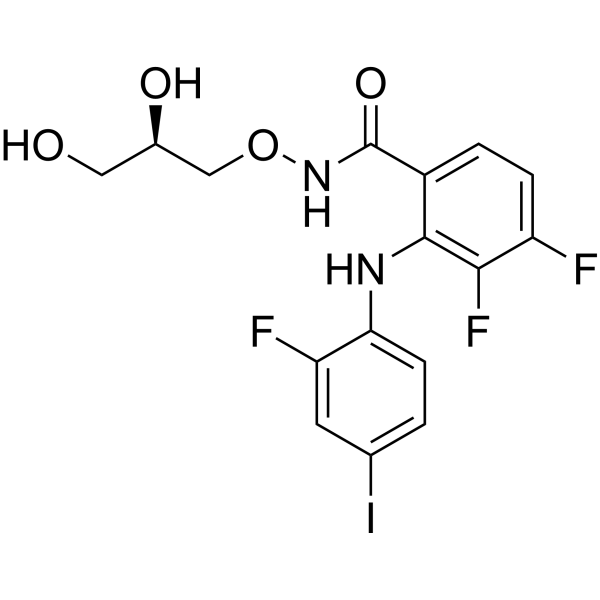
Mirdametinib (PD0325901) (GMP) is Mirdametinib (HY-10254) produced by using GMP guidelines. GMP small molecules works appropriately as an auxiliary reagent for cell therapy manufacture. Mirdametinib is an orally active, selective and non-ATP-competitive MEK inhibitor .
loading...
    loading...
1
1 Cited Publications
Cat. No.: HY-A0169A
CAS No.: 79416-27-6
Research Areas:  

Cancer

Methyl aminolevulinate hydrochloride is a sensitizer used in photodynamic therapy (PDT). Methyl aminolevulinate hydrochloride penetrates the skin and induces the production of photoactive porphyrins including protoporphyrin IX in cells; upon exposure to appropriate light, it generates ROS, which triggers cellular oxidation and cell death. Methyl aminolevulinate hydrochloride acts as a photo-damage reversing agent through epidermal reconstruction, cytokine-mediated activation of dermal fibroblasts, elastin breakdown, new collagen formation, and compression of dilated capillaries. Methyl aminolevulinate hydrochloride reduces the expression of the proliferation marker Ki-67 and the early skin carcinogenesis marker TP53. Methyl aminolevulinate hydrochloride delays the onset of ultraviolet-induced skin tumors and reduces tumor burden in hairless mice. Methyl aminolevulinate hydrochloride is applicable to research related to actinic keratosis and basal cell carcinoma .
loading...
    loading...

