Search Result
Results for "
Cyclooxygenase-2 inhibitors
" in MedChemExpress (MCE) Product Catalog:
14
Isotope-Labeled Compounds
| Cat. No. |
Product Name |
Target |
Research Areas |
Chemical Structure |
-
- HY-66005
-
-
-
- HY-N0523
-
-
-
- HY-B0167
-
-
-
- HY-B0167A
-
-
-
- HY-106950
-
|
Diphosphofructose; Esafosfan; FDP
|
Toll-like Receptor (TLR)
COX
|
Cardiovascular Disease
Neurological Disease
Metabolic Disease
|
|
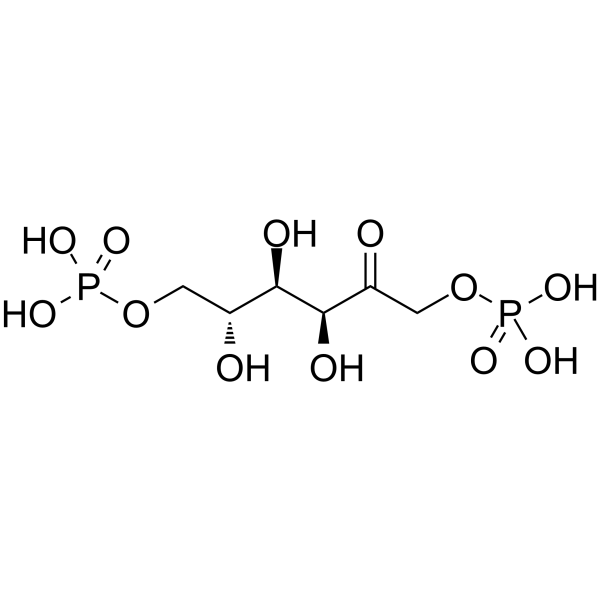
Fosfructose is an orally active cyclooxygenase-2 inhibitor and Toll-like receptor 4 modulator. Fosfructose reduces the expression of cyclooxygenase-2, thereby decreasing prostaglandin production. By inhibiting the Toll-like receptor 4 signaling pathway, Fosfructose downregulates LPS-induced adhesion molecule expression. Fosfructose is applicable to research related to ischemic stroke, epilepsy, sepsis, myocardial injury, osteoporosis, and ultraviolet B-induced skin damage .
|
-
-
- HY-66005S
-
|
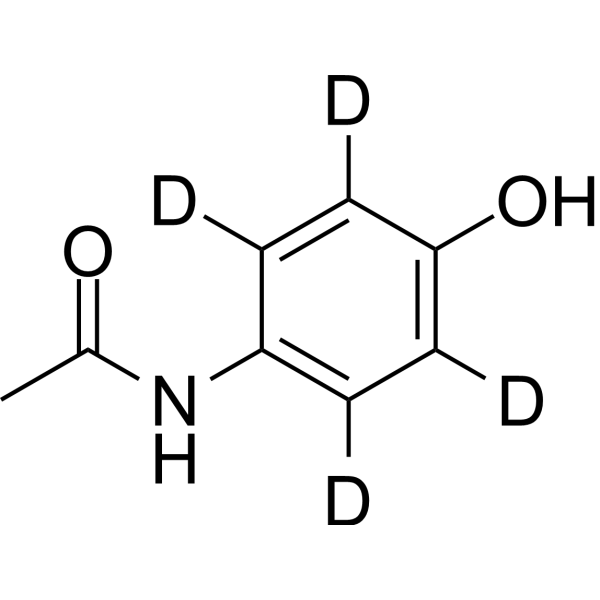
Paracetamol-d4; 4-Acetamidophenol-d4; 4'-Hydroxyacetanilide-d4
|
COX
Histone Acetyltransferase
Endogenous Metabolite
|
Inflammation/Immunology
|
|
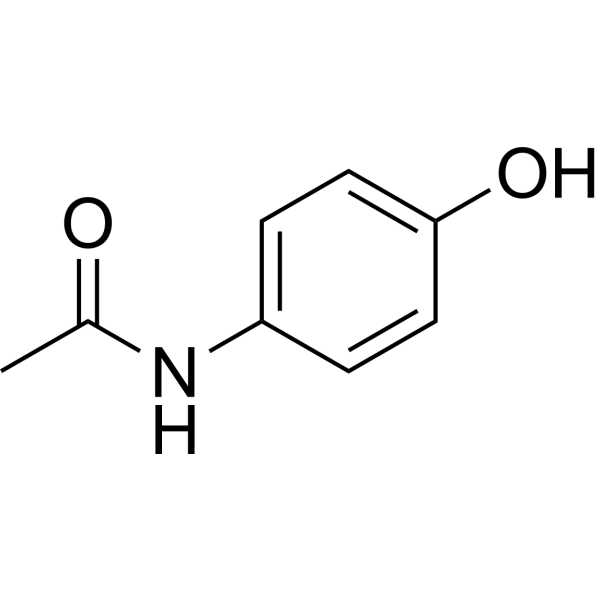
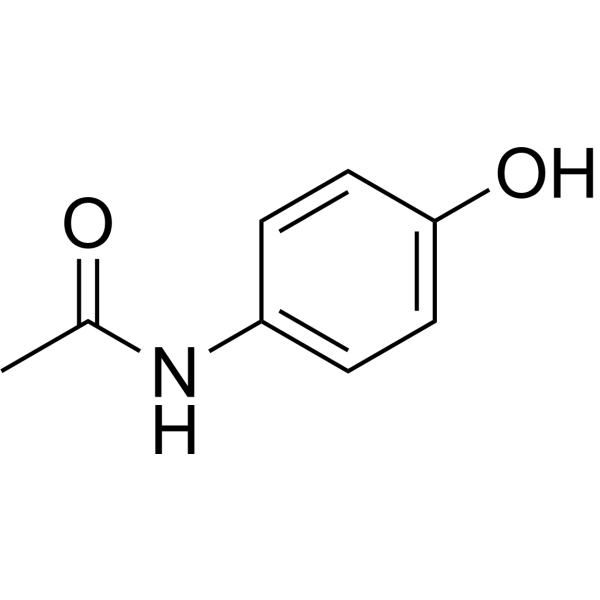
Acetaminophen-d4 is the deuterium labeled Acetaminophen. Acetaminophen (Paracetamol) is a selective cyclooxygenase-2 (COX-2) inhibitor with an IC50 of 25.8 μM; is a widely used antipyretic and analgesic agent . Acetaminophen is a potent hepatic N-acetyltransferase 2 (NAT2) inhibitor .
|
-
-
- HY-B0167S
-
-
-
- HY-13913
-
|
|
COX
|
Inflammation/Immunology
Cancer
|
|
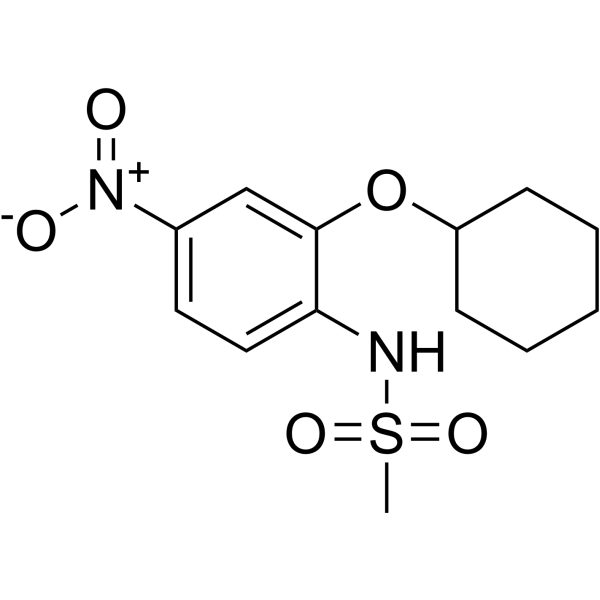
NS-398 is a non-steroidal an-inflammatory agent with analgesic and antipyretic effects, and selectively inhibits prostaglandin G/H synthase 2/cyclooxygenase 2 (COX-2) activity, with an IC50 of 3.8 μM, and has no effect on COX-1 at 100 μM.
|
-
-
- HY-66005R
-
|
Paracetamol (Standard); 4-Acetamidophenol (Standard); 4'-Hydroxyacetanilide (Standard)
|
Reference Standards
COX
Histone Acetyltransferase
Endogenous Metabolite
Bacterial
Parasite
|
Inflammation/Immunology
Cancer
|
|
Acetaminophen (Standard) is the analytical standard of Acetaminophen. This product is intended for research and analytical applications. Acetaminophen (Paracetamol) is a selective cyclooxygenase-2 (COX-2) inhibitor with an IC50 of 25.8 μM; is a widely used antipyretic and analgesic agent . Acetaminophen is a potent hepatic N-acetyltransferase 2 (NAT2) inhibitor .
|
-
-
- HY-N0353
-
|
(+)-Curdione
|
Ferroptosis
Apoptosis
Reactive Oxygen Species (ROS)
Autophagy
Glutathione Peroxidase
Keap1-Nrf2
Heme Oxygenase (HO)
TGF-β Receptor
Indoleamine 2,3-Dioxygenase (IDO)
|
Cardiovascular Disease
Neurological Disease
Cancer
|
|
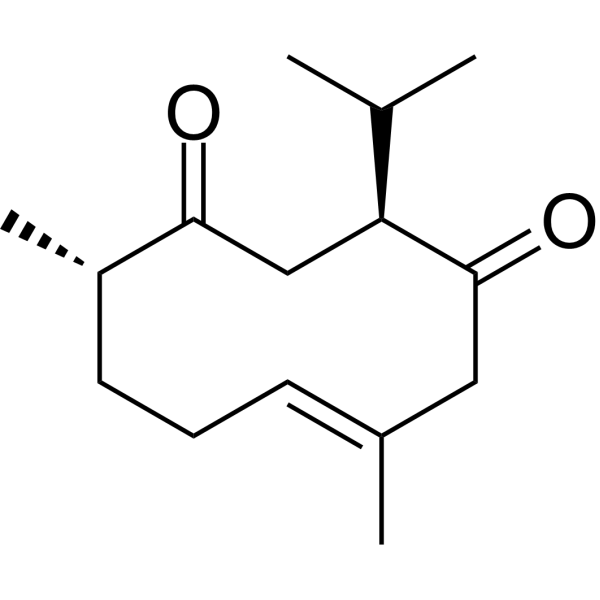
Curdione ((+)-Curdione) is an orally active sesquiterpenoid. Curdione inhibits platelet aggregation. Curdione induces ferroptosis in colorectal cancer via m6A methylation mediated by METTL14 and YTHDF2. Curdione inhibits ferroptosis in Isoproterenol (HY-B0468)-induced myocardial infarction by regulating the Keap1/Trx1/GPX4 signaling pathway, suppressing oxidative stress (ROS) and apoptosis. Curdione ameliorates Doxorubicin (HY-15142)-induced cardiotoxicity by inhibiting oxidative stress (ROS) and activating the Nrf2/HO-1 pathway. Curdione ameliorates sepsis-induced lung injury by inhibiting platelet-mediated neutrophil extracellular trap formation. Curdione ameliorates Bleomycin (HY-17565A)-induced pulmonary fibrosis by inhibiting TGF-β-induced fibroblast-to-myofibroblast differentiation. Curdione exhibits neuroprotective effects against focal cerebral ischemia-reperfusion injury in rats. Curdione exerts antiproliferative effects against human uterine leiomyosarcoma by targeting IDO1. Curdione protects vascular endothelial cells and atherosclerosis by regulating DNMT1-mediated ERBB4 promoter methylation. Curdione inhibits inducible prostaglandin E2 production (IC50 = 1.1 μM) and cyclooxygenase 2 expression .
|
-
-
- HY-113083
-
|
APAP-glu
|
Drug Metabolite
Endogenous Metabolite
|
Others
|
|
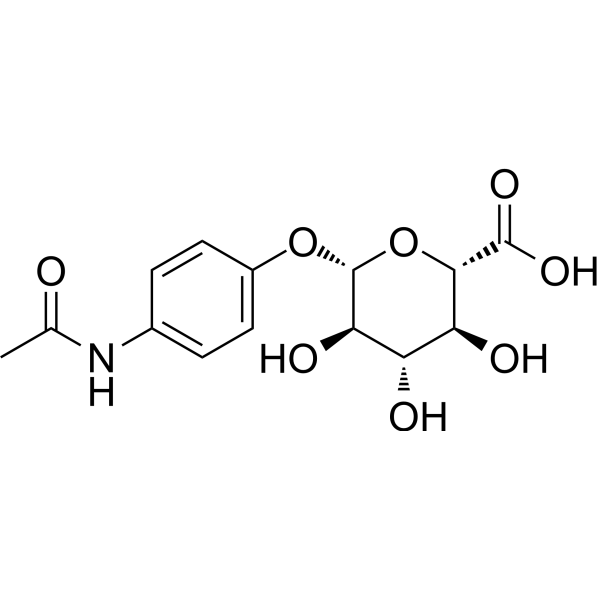
Acetaminophen glucuronide (APAP-glu) is an inactive glucuronide metabolite of Acetaminophen (HY-66005) . Acetaminophen is a selective cyclooxygenase-2 (COX-2) inhibitor and a potent hepatic N-acetyltransferase 2 (NAT2) inhibitor .
|
-
-
- HY-N6084
-
|
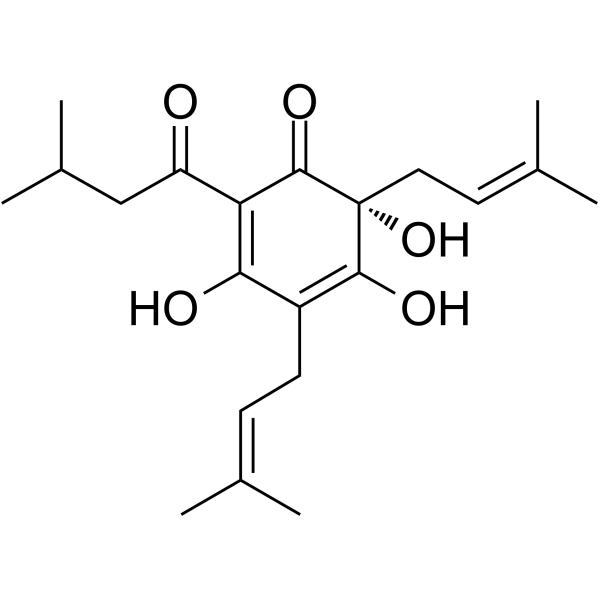
α-Lupulic acid
|
COX
GABA Receptor
Apoptosis
|
Cardiovascular Disease
|
|
Humulone (α-Lupulic acid), a prenylated phloroglucinol derivative, is a potent cyclooxygenase-2 (COX-2) inhibitor. Humulone acts as a positive modulator of GABAA receptor at low micromolar concentrations. Humulone is an inhibitor of bone resorption. Humulone possesses antioxidant, anti-angiogenic and apoptosis-inducing properties .
|
-
-
- HY-107260
-
|
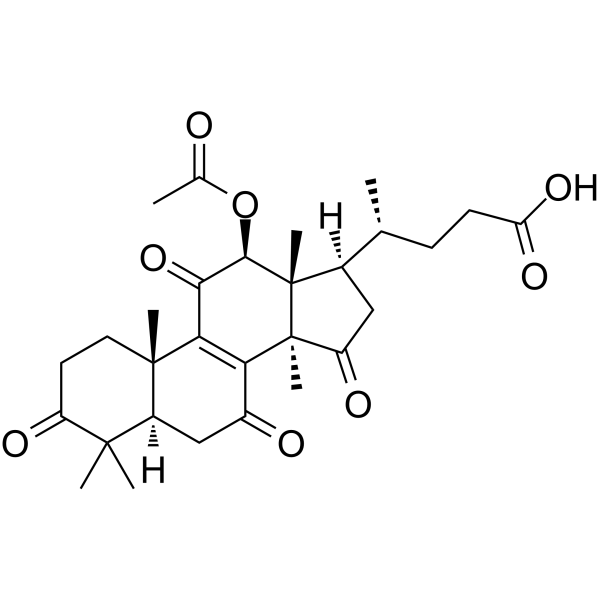
Lucidenic acid D2
|
NO Synthase
COX
|
Infection
Inflammation/Immunology
Cancer
|
|
Lucidenic acid D is a highly oxidized triterpenoid with anti-inflammatory and antiviral activities. Lucidenic acid D attenuates lipopolysaccharide-induced release of proinflammatory cytokines and nitric oxide, reduces the expression of inducible nitric oxide synthase (iNOS) and cyclooxygenase-2 (COX-2), and inhibits skin inflammation. Lucidenic acid D suppresses 12-O-tetradecanoylphorbol-13-acetate (TPA)-induced expression of Epstein-Barr virus (EBV) early antigen and maintains the viability of Raji cells. Lucidenic acid D can be used in studies of cancer chemoprevention .
|
-
-
- HY-114200
-
|
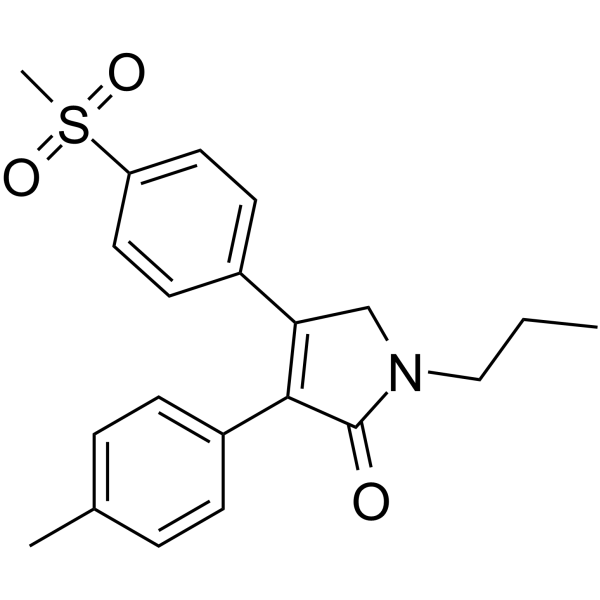
BAP-909
|
COX
|
Inflammation/Immunology
|
|
Imrecoxib (BAP-909) is a novel and selective cyclooxygenase 2 (COX-2) inhibitor with an IC50 value of 18 nM, it also inhibits COX1- activity with an IC50 value of 115 nM. Imrecoxib (BAP-909) has anti-inflammatory effect .
|
-
-
- HY-N0523A
-
-
-
- HY-N0523S
-
|
3,4,5-Trihydroxybenzoic acid-d2
|
Apoptosis
COX
Ferroptosis
Endogenous Metabolite
Reactive Oxygen Species (ROS)
|
Cancer
|
|
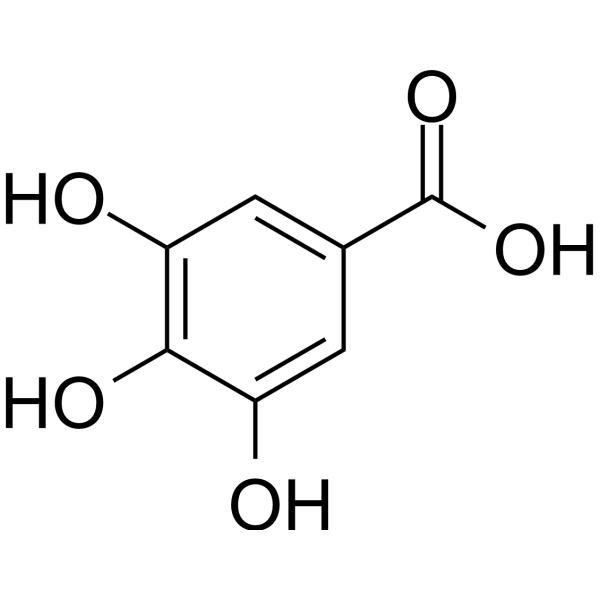
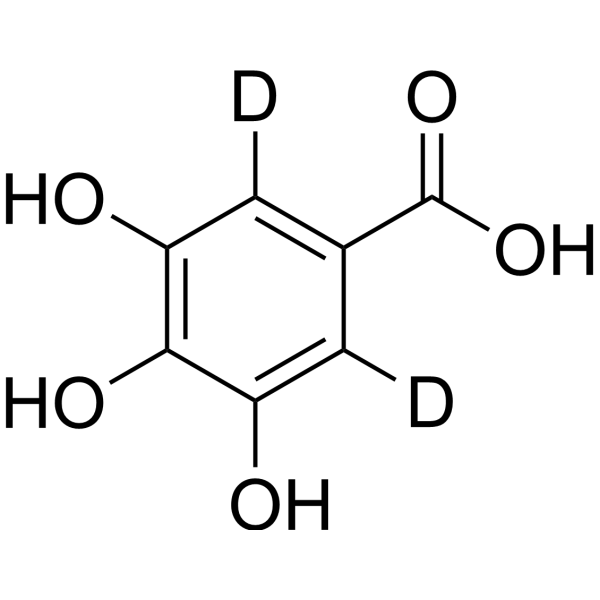
Gallic acid-d2 is the deuterium labeled Gallic acid . Gallic acid (3,4,5-Trihydroxybenzoic acid) is a natural polyhydroxyphenolic compound and an free radical scavenger to inhibit cyclooxygenase-2 (COX-2) . Gallic acid has various activities, such as antimicrobial, antioxidant, antimicrobial, anti-inflammatory, and anticance activities .
|
-
-
- HY-N0523R
-
|
3,4,5-Trihydroxybenzoic acid (Standard)
|
Reference Standards
COX
Reactive Oxygen Species (ROS)
Apoptosis
Ferroptosis
Endogenous Metabolite
|
Metabolic Disease
Cancer
|
|
Gallic acid (Standard) is the analytical standard of Gallic acid. This product is intended for research and analytical applications. Gallic acid (3,4,5-Trihydroxybenzoic acid) is a natural polyhydroxyphenolic compound and an free radical scavenger to inhibit cyclooxygenase-2 (COX-2) . Gallic acid has various activities, such as antimicrobial, antioxidant, antimicrobial, anti-inflammatory, and anticance activities .
|
-
-
- HY-137004
-
|
Ind-Cl
|
Estrogen Receptor/ERR
COX
|
Inflammation/Immunology
|
|
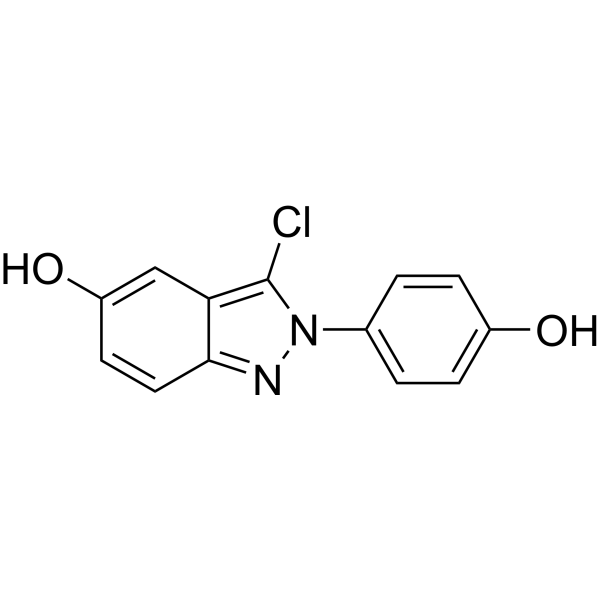
Indazole-Cl (Ind-Cl) is an Estrogen receptor (ER)-β-specific agonist with inflammatory effect. Indazole-Cl inhibits cyclooxygenase-2 exression reduction induced by hypoxia. And Indazole-Cl inhibits ROS production. Indazole-Cl also inhibits cell migration and invasion by hypoxia increased by hypoxia. Indazole-Cl is potent inhibitor of hypoxia-induced inflammation in vascular smooth muscle cells (VSMCs) .
|
-
-
- HY-121537
-
|
|
COX
Akt
Apoptosis
|
Neurological Disease
Inflammation/Immunology
Cancer
|
|
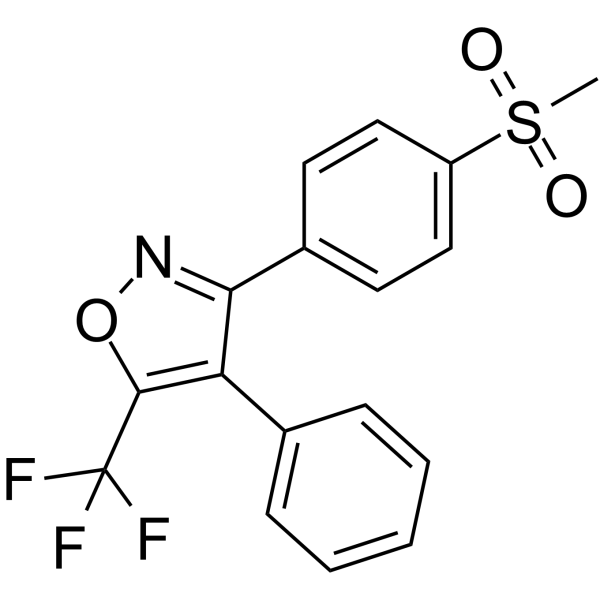
CAY10404 is a potent and selective cyclooxygenase-2 (COX-2) inhibitor with an IC50 of 1 nM and a selectivity index (SI; COX-1 IC50/COX-2 IC50) of >500000. CAY10404 is a potent PKB/Akt and MAPK signaling pathways inhibitor and induces apoptosis in non-small cell lung cancer (NSCLC) cells. CAY10404, a diarylisoxazole, has good analgesic, anti-inflammatory, and anti-cancer activities .
|
-
-
- HY-13219
-
|
|
COX
Lipoxygenase
Reactive Oxygen Species (ROS)
NF-κB
|
Neurological Disease
Inflammation/Immunology
|
|
Tepoxalin is an orally active dual inhibitor of Cyclooxygenase/Lipoxygenase, with IC50 values of 4.6 μM (sheep cyclooxygenase), 2.85 μM (rat cyclooxygenase), 0.15 μM (rat 5-lipoxygenase), and 3.0 μM (h12-lipoxygenase), respectively. Tepoxalin inhibits ROS production and NF-κB activation. Tepoxalin suppresses the production of thromboxane B2, leukotriene B4, prostaglandins and cytokines, and blocks platelet aggregation. Tepoxalin exhibits potent anti-inflammatory activity in rats with adjuvant-induced arthritis. Tepoxalin possesses analgesic activity. Tepoxalin shows no ulcerogenic activity within the anti-inflammatory dose range. Tepoxalin can be used in studies related to adjuvant-induced arthritis, skin inflammation and Alzheimer's disease .
|
-
-
- HY-19384
-
|
E 6087
|
COX
|
Inflammation/Immunology
|
|
Enflicoxib (E 6087) is a nonsteroidal anti-inflammatory compound that selectively inhibits cyclooxygenase-2 (COX-2).?Enflicoxib does not inhibit cyclooxygenase-1 (COX-1). E-6087 shows anti-inflammatory, analgesic and antipyretic activities in animal models .
|
-
-
- HY-66005S1
-
|
Paracetamol-d3; 4-Acetamidophenol-d3; 4'-Hydroxyacetanilide-d3
|
COX
Histone Acetyltransferase
Endogenous Metabolite
|
Inflammation/Immunology
Cancer
|
|
Acetaminophen-d3 is the deuterium labeled Acetaminophen. Acetaminophen (Paracetamol) is a selective cyclooxygenase-2 (COX-2) inhibitor with an IC50 of 25.8 μM; is a widely used antipyretic and analgesic agent . Acetaminophen is a potent hepatic N-acetyltransferase 2 (NAT2) inhibitor .
|
-
-
- HY-136477
-
|
PGV-1
|
Apoptosis
COX
VEGFR
NF-κB
|
Cancer
|
|
Pentagamavunon-1 (PGV-1), a Curcumin analog with oral activity, targets on several molecular mechanisms to induce apoptosis including inhibition of angiogenic factors cyclooxygenase-2 (COX-2) and vascular endothelial growth factor (VEGF). PGV-1 inhibits NF-κB activation .
|
-
-
- HY-B0167R
-
-
-
- HY-N0074
-
|
|
COX
|
Inflammation/Immunology
|
|
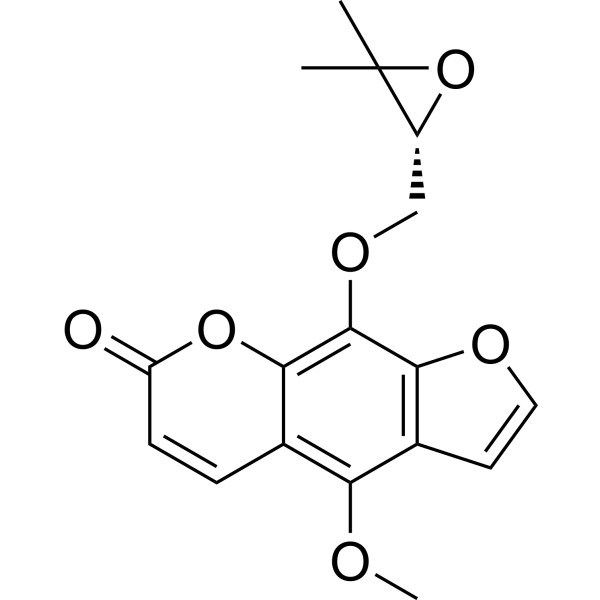
Byakangelicol, isolated from Angelica dahurica, inhibits interleukin-1beta (IL-1beta) -induced prostaglandin E2 (PGE2) release in A549 cells mediated by suppression of cyclooxygenase-2 (COX-2) expression and the activity of COX-2 enzyme. Byakangelicol has therapeutic potential as an anti-inflammatory agent on airway inflammation .
|
-
-
- HY-N12254
-
|
|
p38 MAPK
|
Others
|
|
Natsudaidain is a kind of polymethoxyflavone. Natsudaidain can be isolated from Citrus plants. Natsudaidain inhibits tumor necrosis factor-α and cyclooxygenase-2 production n by suppressing p38 MAPK phosphorylation on mast cells .
|
-
-
- HY-118139
-
|
|
COX
|
Inflammation/Immunology
|
|
Desmethyl Celecoxib (compound 3b) is a selective cyclooxygenase-2 (COX-2) inhibitor (IC50=32 nM) with anti-inflammatory activities. Desmethyl Celecoxib is an analog of Celecoxib and with the optimal yield of 75% .
|
-
-
- HY-139578
-
|
|
COX
|
Inflammation/Immunology
|
|
Ocarocoxib is a potent cyclooxygenase-2 (COX-2) inhibitor (IC50: 1.4 μM). Ocarocoxib inhibits COX to block the production of prostaglandins, thus exerting an anti-inflammatory effect. Ocarocoxib has potential in the study of inflammation and related diseases .
|
-
-
- HY-119447
-
|
|
COX
|
Inflammation/Immunology
|
|
Mavacoxib is a selective, oral long-acting cyclooxygenase-2 (COX-2) inhibitor and a long-acting non-steroidal anti-inflammatory drug (NSAID). Mavacoxib is used to treat pain and inflammation associated with degenerative joint disease in dogs .
|
-
-
- HY-66005S2
-
|
Paracetamol-d7; 4-Acetamidophenol-d7; 4'-Hydroxyacetanilide-d7
|
COX
Endogenous Metabolite
Histone Acetyltransferase
|
Inflammation/Immunology
|
|
Acetaminophen-d7 is the deuterium labeled Acetaminophen. Acetaminophen (Paracetamol) is a selective cyclooxygenase-2 (COX-2) inhibitor with an IC50 of 25.8 μM; is a widely used antipyretic and analgesic agent. Acetaminophen is a potent hepatic N-acetyltransferase 2 (NAT2) inhibitor.
|
-
-
- HY-N7064
-
|
|
Pyruvate Kinase
COX
STAT
TNF Receptor
NO Synthase
Interleukin Related
HIF/HIF Prolyl-Hydroxylase
|
Cardiovascular Disease
Inflammation/Immunology
|
|
Iminostilbene is a chemical precursor of carbamazepine. Additionally, Iminostilbene is an orally active inhibitor of PKM2 (Pyruvate Kinase M2) and COX2 (Cyclooxygenase-2). Iminostilbene exerts its effects by inhibiting PKM2 and its interaction with HIF-1α and STAT3, reducing COX2 and iNOS expression, and decreasing LPS-induced release of IL-1β, IL-6, TNF-α, and MCP-1, thereby suppressing macrophage-mediated inflammatory responses and improving myocardial ischemia/reperfusion (MI/R) injury. Iminostilbene holds promise for research in inflammation regulation, cardiovascular diseases (such as MI/R injury), and macrophage-mediated immune-related diseases .
|
-
-
- HY-W013164
-
|
|
COX
|
Inflammation/Immunology
Cancer
|
|
SC-58125 is a potent and selective inhibitor of cyclooxygenase 2 (COX-2), with an IC50 of 0.04 μM. SC-58125 exhibits antitumor activity in vitro and in vivo. SC-58125 also can inhibit edema at the inflammatory site and has analgesic effect .
|
-
-
- HY-66005S4
-
|
Paracetamol-13C2,15N; 4-Acetamidophenol-13C2,15N; 4'-Hydroxyacetanilide-13C2,15N
|
COX
Bacterial
Histone Acetyltransferase
Parasite
Endogenous Metabolite
|
Inflammation/Immunology
|
|
Acetaminophen- 13C2, 15N is the 13C and 15N labeled Acetaminophen . Acetaminophen (Paracetamol) is a selective cyclooxygenase-2 (COX-2) inhibitor with an IC50 of 25.8 μM;is a widely used antipyretic and analgesic agent . Acetaminophen is a potent hepatic N-acetyltransferase 2 (NAT2) inhibitor .
|
-
-
- HY-119304
-
-
-
- HY-B0167S1
-
-
-
- HY-135325
-
|
|
Drug Metabolite
|
Inflammation/Immunology
|
|
4-Hydroxyacetophenone oxime is an impurity of Acetaminophen (Paracetamol). Acetaminophen is a potent cyclooxygenase-2 (COX-2) and hepatic N-acetyltransferase 2 (NAT2) inhibitor, and used antipyretic and analgesic agent .
|
-
-
- HY-N4044
-
|
(5S)-Hirsutanonol
|
COX
Parasite
|
Infection
Cancer
|
|
Hirsutanonol ((5S)-Hirsutanonol) is a diarylheptanoid that can be isolated from the bark of Alnus hirsute var. sibirica. Hirsutanonol inhibits cyclooxygenase-2 (COX-2) expression. Hirsutanonol has anti-filarial with an IC50 value of 44.11 μg/mL for microfilariae .
|
-
-
- HY-118139S
-
|
|
Isotope-Labeled Compounds
COX
|
Inflammation/Immunology
|
|
Celecoxib-d4 is the deuterium labeled Desmethyl Celecoxib. Desmethyl Celecoxib (compound 3b) is a selective cyclooxygenase-2 (COX-2) inhibitor (IC50=32 nM) with anti-inflammatory activities. Desmethyl Celecoxib is an?analog?of Celecoxib and with the optimal yield of 75% .
|
-
-
- HY-119447S
-
|
|
Isotope-Labeled Compounds
COX
|
Inflammation/Immunology
|
|
Mavacoxib-d4 is the deuterium labeled Mavacoxib. Mavacoxib is a selective, oral long-acting cyclooxygenase-2 (COX-2) inhibitor and a long-acting non-steroidal anti-inflammatory drug (NSAID). Mavacoxib is used to treat pain and inflammation associated with degenerative joint disease in dogs .
|
-
-
- HY-19384R
-
|
E 6087 (Standard)
|
COX
Reference Standards
|
Inflammation/Immunology
|
|
Enflicoxib (Standard) is the analytical standard of Enflicoxib. This product is intended for research and analytical applications. Enflicoxib (E 6087) is a nonsteroidal anti-inflammatory compound that selectively inhibits cyclooxygenase-2 (COX-2). Enflicoxib does not inhibit cyclooxygenase-1 (COX-1). E-6087 shows anti-inflammatory, analgesic and antipyretic activities in animal models .
|
-
-
- HY-66005S3
-
-
-
- HY-178440
-
|
|
EGFR
COX
Apoptosis
|
Inflammation/Immunology
Cancer
|
|
EGFR/COX-2-IN-2 (Compound 10a) is a dual inhibitor targeting epidermal growth factor receptor (EGFR) (IC50= 6.0 μM) and cyclooxygenase-2 (COX-2) (IC50=50 μM). EGFR/COX-2-IN-2 induces S-phase cell cycle arrest and apoptosis. EGFR/COX-2-IN-2 is promising for research of cancers and inflammation-related diseases .
|
-
-
- HY-B0167AR
-
|
Salicylic acid sodium salt (Standard); 2-Hydroxybenzoic acid sodium salt (Standard)
|
Reference Standards
COX
NF-κB
Ribosomal S6 Kinase (RSK)
Autophagy
Apoptosis
Endogenous Metabolite
|
Inflammation/Immunology
Cancer
|
|
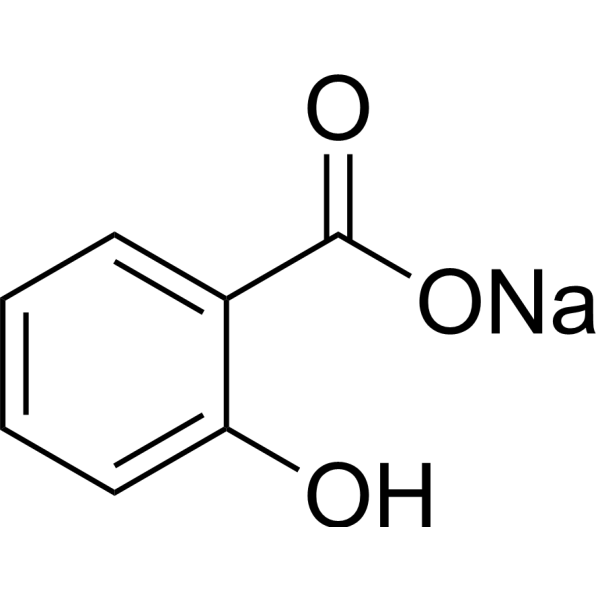
Sodium Salicylate (Standard) is the analytical standard of Sodium Salicylate. This product is intended for research and analytical applications. Sodium Salicylate (Salicylic acid sodium salt) inhibits cyclo-oxygenase-2 (COX-2) activity independently of transcription factor (NF-κB) activation . Sodium Salicylate is also a S6K inhibitor.Sodium Salicylate is a NF-κB inhibitor that decreases inflammatory gene expression and improves repair in aged muscle .
|
-
-
- HY-Z7640
-
|
|
COX
|
Inflammation/Immunology
|
|
4-Desmethyl-2-methyl celecoxib (Compound 1g) is an orally active and selective Cyclooxygenase-2 (COX-2) inhibitor with an IC50 value of 0.069 μM. 4-Desmethyl-2-methyl celecoxib shows anti-inflammatory, analgesic, and antipyretic activities. 4-Desmethyl-2-methyl celecoxib can reduces the synthesis of prostaglandins. 4-Desmethyl-2-methyl celecoxib is promising for research of inflammatory diseases and pain-related diseases, such as rheumatoid arthritis and osteoarthritis .
|
-
-
- HY-19500
-
|
|
COX
|
Others
|
|
SC-75416 is a selective cyclooxygenase-2 inhibitor. Its pharmacokinetic/pharmacodynamic (PK/PD) model was used for development and clinical trial simulation to design a study protocol to verify its analgesic effect in a post-oral surgery pain model. The simulation results showed that 360 mg of SC-75416 may provide better pain relief than 400 mg of ibuprofen. The actual clinical trial results confirmed this hypothesis, and 360 mg of SC-75416 was indeed superior to 400 mg of ibuprofen in pain relief. The PK/PD model of SC-75416 showed good predictive performance and successfully predicted its clinical effect. These research results show that SC-75416, as a new selective COX-2 inhibitor, has potential clinical application value in the management of post-oral surgery pain.
|
-
-
- HY-W013164R
-
|
|
Reference Standards
COX
|
Inflammation/Immunology
Cancer
|
|
SC-58125 is a potent and selective inhibitor of cyclooxygenase 2 (COX-2), with an IC50 of 0.04 μM. SC-58125 exhibits antitumor activity in vitro and in vivo. SC-58125 also can inhibit edema at the inflammatory site and has analgesic effect .
|
-
-
- HY-120232
-
-
-
- HY-149460
-
|
|
COX
|
Inflammation/Immunology
|
|
Harmaline analog (compound 3) is a selective cyclooxygenase-2 (COX-2) inhibitor with an IC50 of 0.145 μM .
|
-
-
- HY-105874
-
-
-
- HY-19217
-
|
L-745337
|
COX
|
Inflammation/Immunology
|
|
Thioflosulide (L-745337) is a selective cyclooxygenase-2 (COX2) inhibitor, with an IC50 of 2.3 nM, and shows anti-inflammatory activity.
|
-
- HY-A0273S
-
|
|
COX
|
Inflammation/Immunology
|
|
Propyphenazone-d3 is the deuterium labeled Propyphenazone. Propyphenazone is a pyrazolone derivative with anti-inflammatory, analgesic and antipyretic activity, Propyphenazone-based analogues as proagents and selective cyclooxygenase-2 inhibitors.
|
-
- HY-14783
-
-
- HY-169751
-
|
|
Fungal
AP-1
|
Infection
Inflammation/Immunology
Cancer
|
|
Dihydro-N-caffeoyltyramine is a new phenolic amide that can be isolated from the root bark of wolfberry and has strong antioxidant activity and antifungal effects. Dihydro-N-caffeoyltyramine downregulates the expression of cyclooxygenase-2 by inhibiting the activity of C/EBP and AP-1 transcription factors .
|
-
- HY-161513
-
|
|
COX
NO Synthase
|
Inflammation/Immunology
|
|
iNOS/COX-2-IN-1 (Compound 12e) is an inhibitor of cyclooxygenase-2 (COX-2) and inducible nitric oxide synthase (iNOS). iNOS/COX-2-IN-1 inhibits the NF-κB and MAPKs signaling pathways and thus exerts anti-inflammatory effects .
|
-
- HY-66005S5
-
-
- HY-119447R
-
|
|
COX
|
Inflammation/Immunology
|
|
Mavacoxib (Standard) is the analytical standard of Mavacoxib. This product is intended for research and analytical applications. Mavacoxib is a selective, oral long-acting cyclooxygenase-2 (COX-2) inhibitor and a long-acting non-steroidal anti-inflammatory drug (NSAID). Mavacoxib is used to treat pain and inflammation associated with degenerative joint disease in dogs .
|
-
- HY-113083R
-
|
APAP-glu (Standard)
|
Reference Standards
Drug Metabolite
Endogenous Metabolite
|
Others
|
|
Acetaminophen glucuronide (Standard) is the analytical standard of Acetaminophen glucuronide. This product is intended for research and analytical applications. Acetaminophen glucuronide (APAP-glu) is an inactive glucuronide metabolite of Acetaminophen (HY-66005) . Acetaminophen is a selective cyclooxygenase-2 (COX-2) inhibitor and a potent hepatic N-acetyltransferase 2 (NAT2) inhibitor .
|
-
- HY-N0523AR
-
|
3,4,5-Trihydroxybenzoic acid hydrate (Standard)
|
Reference Standards
COX
Reactive Oxygen Species (ROS)
Apoptosis
Ferroptosis
Endogenous Metabolite
|
Inflammation/Immunology
Cancer
|
|
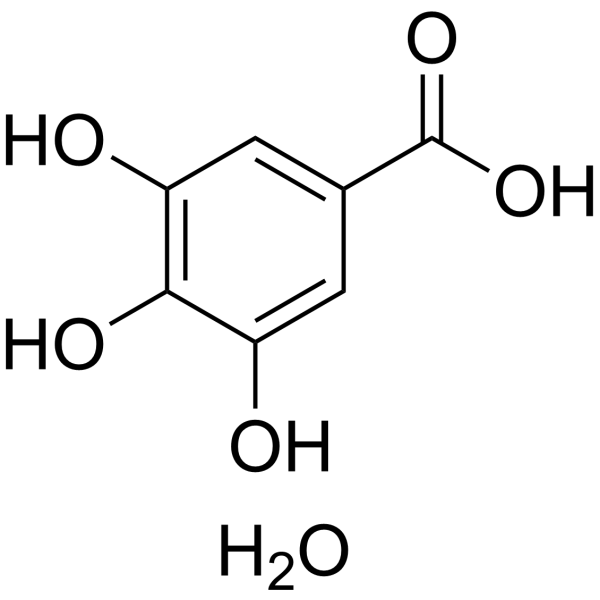
Gallic acid (hydrate) (Standard) is the analytical standard of Gallic acid (hydrate). This product is intended for research and analytical applications. Gallic acid (3,4,5-Trihydroxybenzoic acid) hydrate is a natural polyhydroxyphenolic compound and an free radical scavenger to inhibit cyclooxygenase-2 (COX-2) . Gallic acid hydrate has various activities, such as antimicrobial, antioxidant, antimicrobial, anti-inflammatory, and anticance activities .
|
-
- HY-172790
-
|
|
COX
Lipoxygenase
|
Inflammation/Immunology
|
|
Cbz-(S,S)-Pro-Pro-allyl (compound 1a) is a dual inhibitor of cyclooxygenase-2 and 5-lipoxygenase with IC50 values of 0.146 nM, 0.003 nM, 0.64 nM for COX-1, COX-2, 5-LOX, respectively. Cbz-(S,S)-Pro-Pro-allyl has anti-inflammatory activity .
|
-
- HY-147748
-
|
|
COX
|
Inflammation/Immunology
|
|
COX-2-IN-17 (compound 10) is a potent and BBB-penetrated COX-2 (cyclooxygenase-2) inhibitor, with an IC50 of 0.02 μM. COX-2-IN-17 shows anti-inflammatory and analgesic activities. COX-2-IN-17 attenuates hyperalgesia in the neurogenic phase as well as the inflammatory phase .
|
-
- HY-15321A
-
|
MK-0663 hydrochloride; L-791456 hydrochloride
|
COX
|
Inflammation/Immunology
|
|
Etoricoxib hydrochloride (MK-0663 hydrochloride) is a synthetic nonsteroidal anti-inflammatory drug with cyclooxygenase-2 inhibitory activity. Etoricoxib hydrochloride can inhibit the conversion of arachidonic acid to prostaglandins, thereby reducing inflammation and pain. Etoricoxib hydrochloride is used to inhibit osteoarthritis and has anti-inflammatory and bone remodeling effects. The formulation of etoricoxib hydrochloride is prepared by emulsion solvent evaporation technology and exhibits good cell compatibility and enhanced alkaline phosphatase activity .
|
-
- HY-147692
-
|
|
COX
|
Inflammation/Immunology
|
|
COX-2-IN-14 (compound 2a) is a potent and selective COX-2 (cyclooxygenase-2) inhibitor. COX-2-IN-14 shows effective binding at the active site of COX-2 co-crystal. COX-2-IN-14 exhibits a high level of in vivo anti-inflammatory activity, reducing ear edema and myeloperoxidase (MPO) activity in mice .
|
-
- HY-115866
-
|
|
COX
|
Cancer
|
|
COX-2-IN-6 (compound 10) is an orally active, gut-restricted and selective cyclooxygenase-2 (COX-2) inhibitor for colorectal Chemoprevention of cancer. COX-2-IN-6 selectively targets COX-2 with an IC50 of 0.84 μM and a Ki of 69 nM. COX-2-IN-6 also inhibits COX-2-driven PGE2 synthesis with an IC50 of 0.60 μM .
|
-
- HY-N8936
-
|
|
Others
|
Inflammation/Immunology
|
|
Narchinol B (Compound 4) is a sesquiter penoid
compound. Narchinol B has anti-inflammatory effects. Narchinol B works by
inhibiting proinflammatory mediators, including prostaglandin E2 (PGE2),
inducible nitric oxide synthase (iNOS), and cyclooxygenase-2 (COX-2) proteins,
as well as proinflammatory cytokines, such as interleukin-1b, IL-6, and tumor
necrosis factor-α (TNF-α). Narchinol B significantly inhibits LPS-induced
overproduction of NO in BV2 cells (IC50=2.43 μM)
.
|
-
- HY-121537R
-
|
|
COX
Akt
Apoptosis
|
Neurological Disease
Inflammation/Immunology
Cancer
|
|
CAY10404 (Standard) is the analytical standard of CAY10404. This product is intended for research and analytical applications. CAY10404 is a potent and selective cyclooxygenase-2 (COX-2) inhibitor with an IC50 of 1 nM and a selectivity index (SI; COX-1 IC50/COX-2 IC50) of >500000. CAY10404 is a potent PKB/Akt and MAPK signaling pathways inhibitor and induces apoptosis in non-small cell lung cancer (NSCLC) cells. CAY10404, a diarylisoxazole, has good analgesic, anti-inflammatory, and anti-cancer activities .
|
-
- HY-W753956
-
|
|
Isotope-Labeled Compounds
Interleukin Related
Pyruvate Kinase
COX
STAT
TNF Receptor
HIF/HIF Prolyl-Hydroxylase
NO Synthase
|
Inflammation/Immunology
|
|
Iminostilbene-d10 is the deuterium labeled Iminostilbene (HY-N7064). Iminostilbene is a chemical precursor of carbamazepine. Additionally, Iminostilbene is an orally active inhibitor of PKM2 (Pyruvate Kinase M2) and COX2 (Cyclooxygenase-2). Iminostilbene exerts its effects by inhibiting PKM2 and its interaction with HIF-1α and STAT3, reducing COX2 and iNOS expression, and decreasing LPS-induced release of IL-1β, IL-6, TNF-α, and MCP-1, thereby suppressing macrophage-mediated inflammatory responses and improving myocardial ischemia/reperfusion (MI/R) injury. Iminostilbene holds promise for research in inflammation regulation, cardiovascular diseases (such as MI/R injury), and macrophage-mediated immune-related diseases .
|
-
- HY-163187
-
|
|
COX
Lipoxygenase
|
Inflammation/Immunology
|
|
COX-2/LOX-IN-1 (compound 5) is a dual cyclooxygenase-2/lipoxygenase (COX-2/LOX) inhibitor with IC50s of 30 μM and 0.55 μM, for LOX and COX-2, respectively. .
|
-
- HY-114200R
-
|
BAP-909 (Standard)
|
Reference Standards
COX
|
Inflammation/Immunology
|
|
Imrecoxib (Standard) is the analytical standard of Imrecoxib. This product is intended for research and analytical applications. Imrecoxib (BAP-909) is a novel and selective cyclooxygenase 2 (COX-2) inhibitor with an IC50 value of 18 nM, it also inhibits COX1- activity with an IC50 value of 115 nM. Imrecoxib (BAP-909) has anti-inflammatory effect .
|
-
- HY-13913R
-
|
|
COX
|
Inflammation/Immunology
Cancer
|
|
NS-398 (Standard) is the analytical standard of NS-398. This product is intended for research and analytical applications. NS-398 is a non-steroidal an-inflammatory agent with analgesic and antipyretic effects, and selectively inhibits prostaglandin G/H synthase 2/cyclooxygenase 2 (COX-2) activity, with an IC50 of 3.8 μM, and has no effect on COX-1 at 100 μM.
|
-
- HY-179246
-
|
|
COX
Prostaglandin Receptor
|
Cardiovascular Disease
Neurological Disease
Inflammation/Immunology
|
|
CXT29 is an orally active COX-2 inhibitor and a thromboxane A2 receptor (TP) antagonist. CXT29 exhibits COX inhibitory activity and selectivity, with IC50 values of 13 and 722 nM for COX-2 and COX-1 respectively. CXT29 inhibits platelet aggregation induced by U-46619 (HY-108566) (a TP agonist), with an IC50 of 96 nM. CXT29 effectively inhibits the production of TXB₂ and PGE₂, significantly reducing platelet aggregation and inflammatory pain in mice. CXT29 can be used for research on inflammatory pain and cardiovascular diseases .
|
-
- HY-N0353R
-
|
(+)-Curdione (Standard)
|
Reference Standards
Ferroptosis
Apoptosis
Reactive Oxygen Species (ROS)
Autophagy
Glutathione Peroxidase
Keap1-Nrf2
Heme Oxygenase (HO)
TGF-β Receptor
Indoleamine 2,3-Dioxygenase (IDO)
|
Others
|
|
Curdione (Standard) is the analytical standard of Curdione. This product is intended for research and analytical applications. Curdione ((+)-Curdione) is an orally active sesquiterpenoid. Curdione inhibits platelet aggregation. Curdione induces ferroptosis in colorectal cancer via m6A methylation mediated by METTL14 and YTHDF2. Curdione inhibits ferroptosis in Isoproterenol (HY-B0468)-induced myocardial infarction by regulating the Keap1/Trx1/GPX4 signaling pathway, suppressing oxidative stress (ROS) and apoptosis. Curdione ameliorates Doxorubicin (HY-15142)-induced cardiotoxicity by inhibiting oxidative stress (ROS) and activating the Nrf2/HO-1 pathway. Curdione ameliorates sepsis-induced lung injury by inhibiting platelet-mediated neutrophil extracellular trap formation. Curdione ameliorates Bleomycin (HY-17565A)-induced pulmonary fibrosis by inhibiting TGF-β-induced fibroblast-to-myofibroblast differentiation. Curdione exhibits neuroprotective effects against focal cerebral ischemia-reperfusion injury in rats. Curdione exerts antiproliferative effects against human uterine leiomyosarcoma by targeting IDO1. Curdione protects vascular endothelial cells and atherosclerosis by regulating DNMT1-mediated ERBB4 promoter methylation. Curdione inhibits inducible prostaglandin E2 production (IC50 = 1.1 μM) and cyclooxygenase 2 expression .
|
-
- HY-121357
-
|
|
COX
|
Inflammation/Immunology
|
|
Lefucoxib is a selective cyclooxygenase-2 (COX-2) inhibitor. Lefucoxib can be used in the research of diseases such as osteoarthritis and rheumatoid arthritis .
|
-
- HY-169167
-
|
|
COX
|
Cancer
|
|
COX-2-IN-49 (compound 6c) is a potent cyclooxygenase-2 (COX-2) inhibitor with an IC50 value of 2.671 µM. COX-2-IN-49 shows antiproliferative activity. COX-2-IN-49 has the potential for the research of cancer .
|
-
- HY-181144
-
|
|
COX
Bacterial
Reactive Oxygen Species (ROS)
|
Infection
Inflammation/Immunology
|
|
COX-2-IN-65 is a selective cyclooxygenase-2 (COX-2) inhibitor with an IC50 of 10.24 μM. COX-2-IN-65 inhibits Staphylococcus aureus and Escherichia coli growth. COX-2-IN-65 scavenges reactive oxygen species (ROS). COX-2-IN-65 can be used for the researches of bacterial infections and inflammation .
|
-
- HY-183288
-
|
|
COX
Interleukin Related
TNF Receptor
|
Inflammation/Immunology
|
|
COX-2-IN-66 is a cyclooxygenase-2 (COX-2) inhibitor with an IC50 of 8.43 μM. COX-2-IN-66 reduces release of pro-inflammatory cytokines IL-6 and TNF-α. COX-2-IN-66 exhibits acceptable cellular tolerability, with cytokine-modulating concentrations remaining below its cytotoxic threshold. COX-2-IN-66 can be used for the research of inflammation .
|
-
- HY-N9541
-
|
|
Others
|
Inflammation/Immunology
|
|
Chaetoglobosin Vb is a novel cytotoxic alkaloid with anti-inflammatory and antioxidant activities. Chaetoglobosin Vb can inhibit oxidative stress induced by LPS stimulation, reduce the production of reactive oxygen species and increase the expression of the antioxidant enzyme superoxide dismutase (SOD). Chaetoglobosin Vb significantly reduced the gene and protein expression of inducible nitric oxide synthase (iNOS) and cyclooxygenase-2 (COX-2) induced by LPS, and alleviated the production of proinflammatory cytokines such as TNF-α, IL-6 and IL-1β. Chaetoglobosin Vb exerts its biological activity through the TLR4-mediated MyD88-dependent signaling pathway and the TRIF-dependent signaling pathway, which is specifically manifested by inhibiting the phosphorylation of p38, ERK, and JNK MAPK and the translocation of NF-κB p65 subunit to the nucleus. Chaetoglobosin Vb showed no cytotoxic effect in the concentration range of 25-100 μM and promoted SOD enzyme activity and phosphorylation of p38, ERK1/2 and JNK in a dose-dependent manner .
|
-
- HY-114200S
-
|
BAP-909-d7
|
Isotope-Labeled Compounds
COX
|
Inflammation/Immunology
|
|
Imrecoxib-d7 (BAP-909-d7) is the deuterium labeled Imrecoxib (HY-114200). Imrecoxib (BAP-909) is a novel and selective cyclooxygenase 2 (COX-2) inhibitor with an IC50 value of 18 nM, it also inhibits COX1- activity with an IC50 value of 115 nM. Imrecoxib (BAP-909) has anti-inflammatory effect .
|
-
| Cat. No. |
Product Name |
Category |
Target |
Chemical Structure |
-
- HY-66005
-
-
-
- HY-N0523
-
-
-
- HY-B0167
-
-
-
- HY-B0167A
-
-
-
- HY-106950
-
-
-
- HY-N0353
-
-
-
- HY-113083
-
-
-
- HY-N6084
-
-
-
- HY-107260
-
-
-
- HY-N0523A
-
-
-
- HY-N0523R
-
-
-
- HY-B0167R
-
-
-
- HY-N0074
-
-
-
- HY-N12254
-
-
-
- HY-N4044
-
-
-
- HY-B0167AR
-
-
-
- HY-113083R
-
-
-
- HY-N0523AR
-
-
-
- HY-N8936
-
|
|
Terpenoids
Sesquiterpenes
Nardostachys jatamansi (D. Don) DC.
Plants
Valerianaceae
Source Classification
|
Others
|
|
Narchinol B (Compound 4) is a sesquiter penoid
compound. Narchinol B has anti-inflammatory effects. Narchinol B works by
inhibiting proinflammatory mediators, including prostaglandin E2 (PGE2),
inducible nitric oxide synthase (iNOS), and cyclooxygenase-2 (COX-2) proteins,
as well as proinflammatory cytokines, such as interleukin-1b, IL-6, and tumor
necrosis factor-α (TNF-α). Narchinol B significantly inhibits LPS-induced
overproduction of NO in BV2 cells (IC50=2.43 μM)
.
|
-
-
- HY-N0353R
-
|
(+)-Curdione (Standard)
|
Structural Classification
Terpenoids
Sesquiterpenes
Curcuma phaeocaulis Valeton
Plants
Source Classification
Zingiberaceae
|
Reference Standards
Ferroptosis
Apoptosis
Reactive Oxygen Species (ROS)
Autophagy
Glutathione Peroxidase
Keap1-Nrf2
Heme Oxygenase (HO)
TGF-β Receptor
Indoleamine 2,3-Dioxygenase (IDO)
|
|
Curdione (Standard) is the analytical standard of Curdione. This product is intended for research and analytical applications. Curdione ((+)-Curdione) is an orally active sesquiterpenoid. Curdione inhibits platelet aggregation. Curdione induces ferroptosis in colorectal cancer via m6A methylation mediated by METTL14 and YTHDF2. Curdione inhibits ferroptosis in Isoproterenol (HY-B0468)-induced myocardial infarction by regulating the Keap1/Trx1/GPX4 signaling pathway, suppressing oxidative stress (ROS) and apoptosis. Curdione ameliorates Doxorubicin (HY-15142)-induced cardiotoxicity by inhibiting oxidative stress (ROS) and activating the Nrf2/HO-1 pathway. Curdione ameliorates sepsis-induced lung injury by inhibiting platelet-mediated neutrophil extracellular trap formation. Curdione ameliorates Bleomycin (HY-17565A)-induced pulmonary fibrosis by inhibiting TGF-β-induced fibroblast-to-myofibroblast differentiation. Curdione exhibits neuroprotective effects against focal cerebral ischemia-reperfusion injury in rats. Curdione exerts antiproliferative effects against human uterine leiomyosarcoma by targeting IDO1. Curdione protects vascular endothelial cells and atherosclerosis by regulating DNMT1-mediated ERBB4 promoter methylation. Curdione inhibits inducible prostaglandin E2 production (IC50 = 1.1 μM) and cyclooxygenase 2 expression .
|
-
-
- HY-N9541
-
|
|
Alkaloids
Microorganisms
Pyrrole Alkaloids
Source Classification
|
Others
|
|
Chaetoglobosin Vb is a novel cytotoxic alkaloid with anti-inflammatory and antioxidant activities. Chaetoglobosin Vb can inhibit oxidative stress induced by LPS stimulation, reduce the production of reactive oxygen species and increase the expression of the antioxidant enzyme superoxide dismutase (SOD). Chaetoglobosin Vb significantly reduced the gene and protein expression of inducible nitric oxide synthase (iNOS) and cyclooxygenase-2 (COX-2) induced by LPS, and alleviated the production of proinflammatory cytokines such as TNF-α, IL-6 and IL-1β. Chaetoglobosin Vb exerts its biological activity through the TLR4-mediated MyD88-dependent signaling pathway and the TRIF-dependent signaling pathway, which is specifically manifested by inhibiting the phosphorylation of p38, ERK, and JNK MAPK and the translocation of NF-κB p65 subunit to the nucleus. Chaetoglobosin Vb showed no cytotoxic effect in the concentration range of 25-100 μM and promoted SOD enzyme activity and phosphorylation of p38, ERK1/2 and JNK in a dose-dependent manner .
|
-
| Cat. No. |
Product Name |
Chemical Structure |
-
- HY-66005S
-
|
|
|
Acetaminophen-d4 is the deuterium labeled Acetaminophen. Acetaminophen (Paracetamol) is a selective cyclooxygenase-2 (COX-2) inhibitor with an IC50 of 25.8 μM; is a widely used antipyretic and analgesic agent . Acetaminophen is a potent hepatic N-acetyltransferase 2 (NAT2) inhibitor .
|
-
-
- HY-B0167S
-
1 Publications Verification
|
|
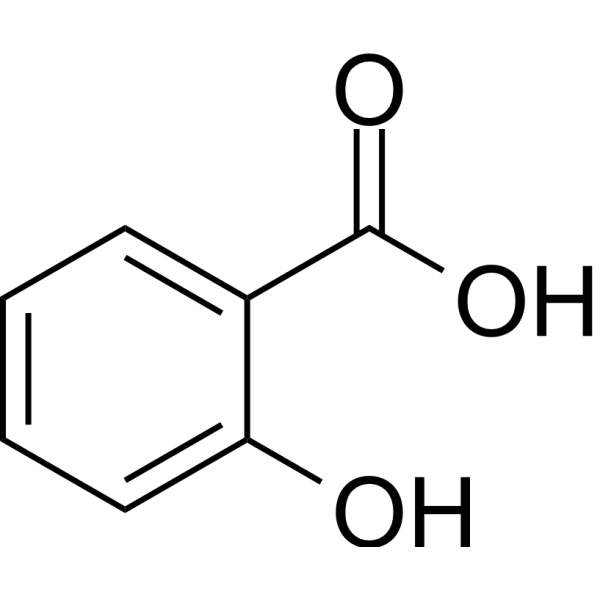
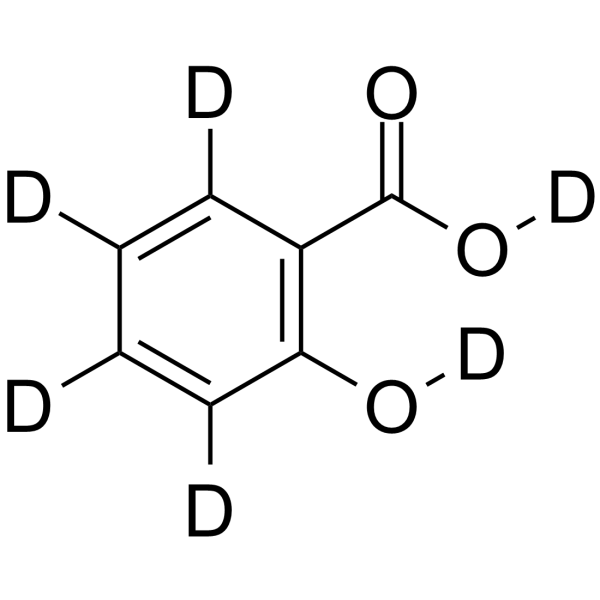
Salicylic acid-d6 is a deuterium labeled Salicylic acid (HY-B0167). Salicylic acid inhibits cyclo-oxygenase-2 (COX-2) activity independently of transcription factor (NF-κB) activation .
|
-
-
- HY-N0523S
-
|
|
|
Gallic acid-d2 is the deuterium labeled Gallic acid . Gallic acid (3,4,5-Trihydroxybenzoic acid) is a natural polyhydroxyphenolic compound and an free radical scavenger to inhibit cyclooxygenase-2 (COX-2) . Gallic acid has various activities, such as antimicrobial, antioxidant, antimicrobial, anti-inflammatory, and anticance activities .
|
-
-
- HY-66005S1
-
|
|
|
Acetaminophen-d3 is the deuterium labeled Acetaminophen. Acetaminophen (Paracetamol) is a selective cyclooxygenase-2 (COX-2) inhibitor with an IC50 of 25.8 μM; is a widely used antipyretic and analgesic agent . Acetaminophen is a potent hepatic N-acetyltransferase 2 (NAT2) inhibitor .
|
-
-
- HY-66005S2
-
|
|
|
Acetaminophen-d7 is the deuterium labeled Acetaminophen. Acetaminophen (Paracetamol) is a selective cyclooxygenase-2 (COX-2) inhibitor with an IC50 of 25.8 μM; is a widely used antipyretic and analgesic agent. Acetaminophen is a potent hepatic N-acetyltransferase 2 (NAT2) inhibitor.
|
-
-
- HY-66005S4
-
|
|
|
Acetaminophen- 13C2, 15N is the 13C and 15N labeled Acetaminophen . Acetaminophen (Paracetamol) is a selective cyclooxygenase-2 (COX-2) inhibitor with an IC50 of 25.8 μM;is a widely used antipyretic and analgesic agent . Acetaminophen is a potent hepatic N-acetyltransferase 2 (NAT2) inhibitor .
|
-
-
- HY-B0167S1
-
|
|
|
Salicylic acid- 13C6 is the 13C-labeled Salicylic acid (HY-B0167). Salicylic acid is a precursor to and a metabolite of Aspirin (HY-14654), can inhibit cyclo-oxygenase-2 (COX-2) activity .
|
-
-
- HY-118139S
-
|
|
|
Celecoxib-d4 is the deuterium labeled Desmethyl Celecoxib. Desmethyl Celecoxib (compound 3b) is a selective cyclooxygenase-2 (COX-2) inhibitor (IC50=32 nM) with anti-inflammatory activities. Desmethyl Celecoxib is an?analog?of Celecoxib and with the optimal yield of 75% .
|
-
-
- HY-119447S
-
|
|
|
Mavacoxib-d4 is the deuterium labeled Mavacoxib. Mavacoxib is a selective, oral long-acting cyclooxygenase-2 (COX-2) inhibitor and a long-acting non-steroidal anti-inflammatory drug (NSAID). Mavacoxib is used to treat pain and inflammation associated with degenerative joint disease in dogs .
|
-
-
- HY-66005S3
-
|
|
|
Acetaminophen-13C6 (Paracetamol-13C6) is the 13C-labeled Acetaminophen. Acetaminophen (Paracetamol) is a selective cyclooxygenase-2 (COX-2) inhibitor with an IC50 of 25.8 μM; is a widely used antipyretic and analgesic agent . Acetaminophen is a potent hepatic N-acetyltransferase 2 (NAT2) inhibitor .
|
-
-
- HY-A0273S
-
|
|
|
Propyphenazone-d3 is the deuterium labeled Propyphenazone. Propyphenazone is a pyrazolone derivative with anti-inflammatory, analgesic and antipyretic activity, Propyphenazone-based analogues as proagents and selective cyclooxygenase-2 inhibitors.
|
-
-
- HY-66005S5
-
|
|
|
Acetaminophen-d5 is deuterated-labeled Acetaminophen (HY-66005). Acetaminophen (Paracetamol) is a selective cyclooxygenase-2 (COX-2) inhibitor with an IC50 of 25.8 μM; is a widely used antipyretic and analgesic agent . Acetaminophen is a potent hepatic N-acetyltransferase 2 (NAT2) inhibitor .
|
-
-
- HY-W753956
-
|
|
|
Iminostilbene-d10 is the deuterium labeled Iminostilbene (HY-N7064). Iminostilbene is a chemical precursor of carbamazepine. Additionally, Iminostilbene is an orally active inhibitor of PKM2 (Pyruvate Kinase M2) and COX2 (Cyclooxygenase-2). Iminostilbene exerts its effects by inhibiting PKM2 and its interaction with HIF-1α and STAT3, reducing COX2 and iNOS expression, and decreasing LPS-induced release of IL-1β, IL-6, TNF-α, and MCP-1, thereby suppressing macrophage-mediated inflammatory responses and improving myocardial ischemia/reperfusion (MI/R) injury. Iminostilbene holds promise for research in inflammation regulation, cardiovascular diseases (such as MI/R injury), and macrophage-mediated immune-related diseases .
|
-
-
- HY-114200S
-
|
|
|
Imrecoxib-d7 (BAP-909-d7) is the deuterium labeled Imrecoxib (HY-114200). Imrecoxib (BAP-909) is a novel and selective cyclooxygenase 2 (COX-2) inhibitor with an IC50 value of 18 nM, it also inhibits COX1- activity with an IC50 value of 115 nM. Imrecoxib (BAP-909) has anti-inflammatory effect .
|
-
| Cat. No. |
Product Name |
|
Classification |
-
- HY-N0523A
-
|
3,4,5-Trihydroxybenzoic acid hydrate
|
|
Antioxidants
Chelating Agents
Preservatives
|
|
Gallic acid (3,4,5-Trihydroxybenzoic acid) hydrate is a natural polyhydroxyphenolic compound and an free radical scavenger to inhibit cyclooxygenase-2 (COX-2) . Gallic acid hydrate has various activities, such as antimicrobial, antioxidant, antimicrobial, anti-inflammatory, and anticance activities .
|
Your information is safe with us. * Required Fields.
Inquiry Information
- Product Name:
- Cat. No.:
- Quantity:
- MCE Japan Authorized Agent:

