





1. Search Result
Search Result
Results for "

DM-1

" in MedChemExpress (MCE) Product Catalog:

86

Inhibitors & Agonists

2

Fluorescent Dye

1

Biochemical Assay Reagents

1

Peptides

5

Inhibitory Antibodies

2

Natural
Products

3

Isotope-Labeled Compounds

1

Antibodies

2

Click Chemistry

3

Oligonucleotides

Cat. No. Product Name Target Research Areas Chemical Structure
  • HY-19792
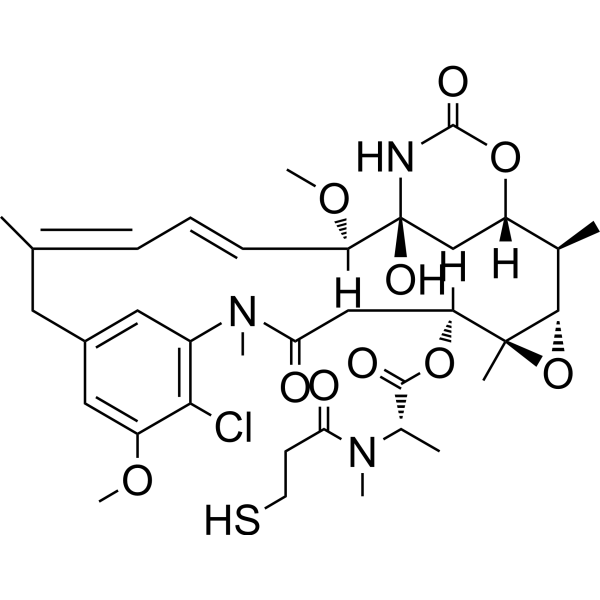
    Mertansine
    Maximum Cited Publications
    27 Publications Verification

    DM1; Maytansinoid DM1

    Microtubule/Tubulin ADC Payload Cancer
    Mertansine (DM1) is a microtubulin inhibitor and is an antibody-conjugatable maytansinoid that is developed to overcome systemic toxicity associated with maytansine and to enhance tumor-specific delivery. Mertansine can be attached to a monoclonal antibody with a linker to create an antibody-drug conjugate (ADC) [1] .
    Mertansine
  • HY-P9921
    Trastuzumab emtansine
    5+ Cited Publications

    Ado-Trastuzumab emtansine; PRO132365; T-DM 1

    Antibody-Drug Conjugates (ADCs) EGFR Cancer
    Trastuzumab emtansine (Ado-Trastuzumab emtansine) is an antibody-drug conjugate (ADC) that incorporates the HER2-targeted antitumor properties of trastuzumab with the cytotoxic activity of the microtubule-inhibitory agent DM1 (HY-19792). Trastuzumab emtansine can be used for the research of advanced breast cancer [1] .
    Trastuzumab emtansine
  • HY-101070
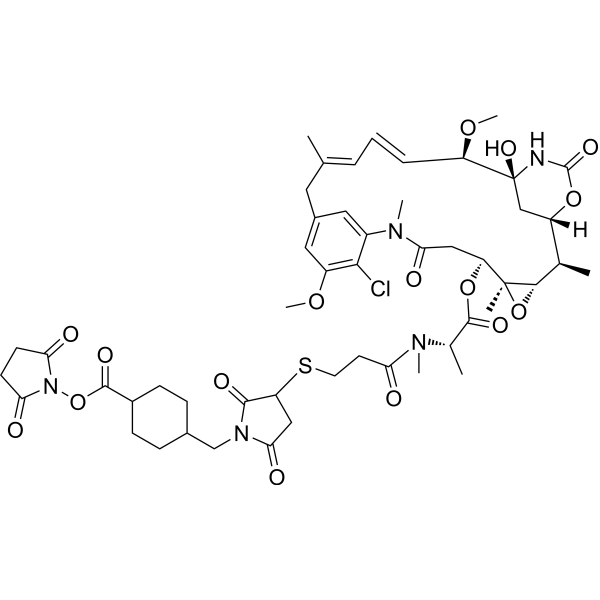
    SMCC-DM1
    10+ Cited Publications

    DM1-SMCC

    Drug-Linker Conjugates for ADC Cancer
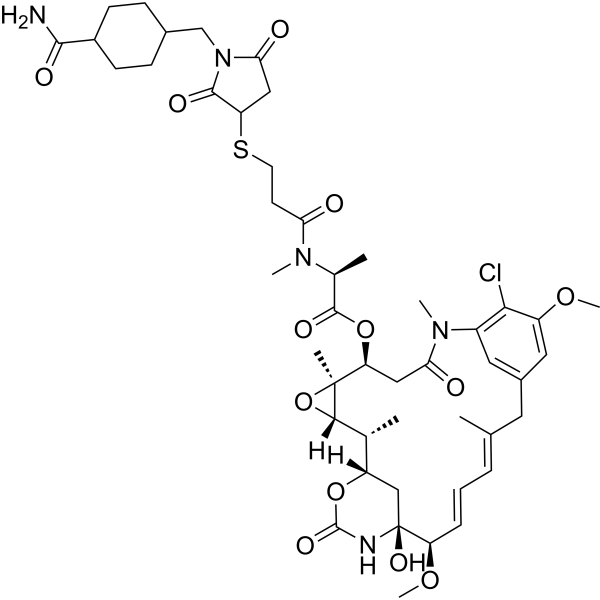
    SMCC-DM1 (DM1-SMCC) is a agent-linker conjugate composed of a potent microtubule-disrupting agent DM1 and a linker SMCC to make antibody agent conjugate (ADC) [1].
    SMCC-DM1
  • HY-P9921A

    Ado-Trastuzumab emtansine (solution); PRO132365 (solution); T-DM 1 (solution)

    Antibody-Drug Conjugates (ADCs) EGFR Cancer
    Trastuzumab emtansine (Ado-Trastuzumab emtansine) is an antibody-drug conjugate (ADC) that incorporates the HER2-targeted antitumor properties of trastuzumab with the cytotoxic activity of the microtubule-inhibitory agent DM1 (derivative of maytansine), and the drug-linker conjugate for ADC is SMCC-DM1 (HY-101070). Trastuzumab emtansine can be used for the research of advanced breast cancer [1] .
    Trastuzumab emtansine (solution)
  • HY-101982
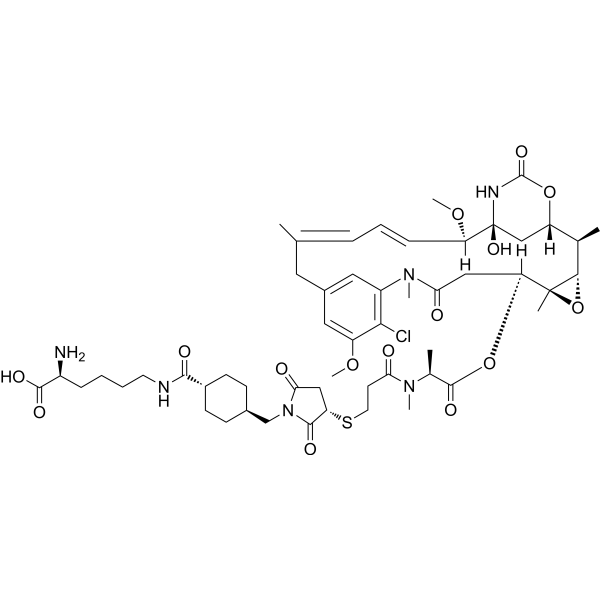
    Lys-SMCC-DM1
    1 Publications Verification

    Lys-Nε-MCC-DM1

    Drug-Linker Conjugates for ADC Cancer
    Lys-SMCC-DM1 (Lys-Nε-MCC-DM1) is a agent-linker conjugates for ADC that can inhibit tubulin polymerization. Lys-SMCC-DM1 is the active metabolite of T-DM1. T-DM1 is a HER2-targeting ADC with a tubulin polymerization inhibitor DM1. Lys-SMCC-DM1 can be used in the research of breast cancer [1] .
    Lys-SMCC-DM1
  • HY-126491

    Drug-Linker Conjugates for ADC Cancer
    SPP-DM1 is a agent-linker conjugate for ADC with potent antitumor activity by using DM1 (a potent microtubule-disrupting agent), linked via the ADC linker SPP [1].
    SPP-DM1
  • HY-153865

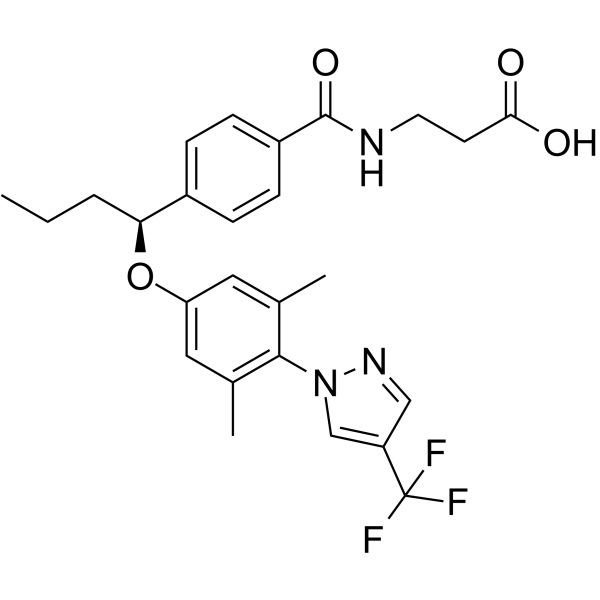
    PF-07081532

    GLP Receptor Metabolic Disease
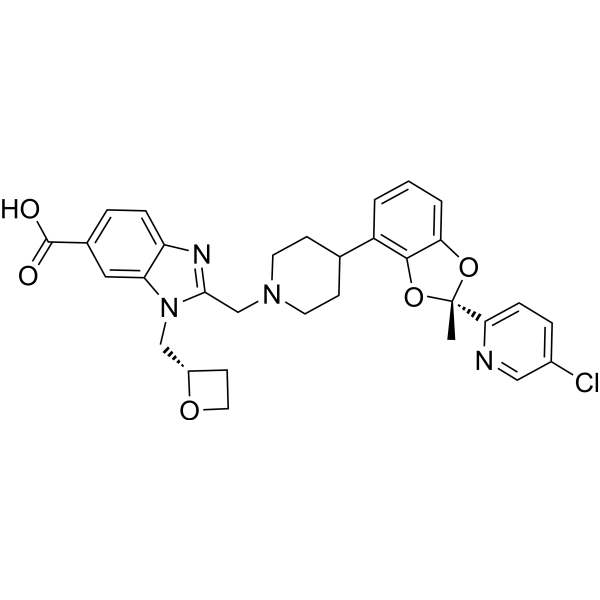
    Lotiglipron (PF-07081532) is an orally active GLP-1R agonist. Lotiglipron reduces glucose and body weight, and can be used for research of Type 2 diabetes mellitus (T2DM) .
    Lotiglipron
  • HY-136286

    Drug-Linker Conjugates for ADC Cancer
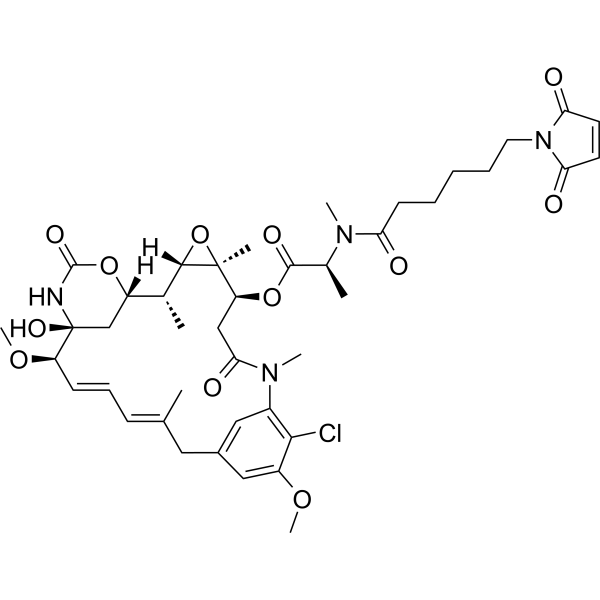
    MC-DM1 is a agent-linker conjugate composed of a potent microtubule-disrupting agent DM1 and a linker MC to make antibody agent conjugate (ADC) [1].
    MC-DM1
  • HY-126682
    Mal-VC-PAB-DM1
    3 Publications Verification

    Drug-Linker Conjugates for ADC Cancer
    Mal-VC-PAB-DM1 is a agent-linker conjugate for ADC with potent antitumor activity by using DM1 (a potent microtubule-disrupting agent), linked via the ADC linker Mal-VC-PAB [1].
    Mal-VC-PAB-DM1
  • HY-19947
    PF-06291874
    1 Publications Verification

    Glucagon receptor antagonists-4

    GCGR Metabolic Disease
    PF-06291874 is a highly potent, non-peptide and orally active glucagon receptor antagonist. PF-06291874 is under the study for type 2 diabetes mellitus (T2DM) .
    PF-06291874
  • HY-P991501

    HcHAb18

    ADC Antibody Transmembrane Glycoprotein SARS-CoV Infection Cancer
    Meplazumab (HcHAb18) is a humanized anti-CD147 IgG1 antibody a Kd of 0.47 nM. Meplazumab shows anti-SARS-CoV-2 and antitumor activity. Meplazumab conjugated with DM1 can form an antibody-conjugated drug ( HcHAb18-DM1), which induces G2/M phase cell cycle arrest and exerts antiproliferative activity in cancer cells. Meplazumab can be used for the researches of COVID-19 pneumonia and non-small cell lung cancer [1] .
    Meplazumab
  • HY-132250

    Drug-Linker Conjugates for ADC Cancer
    MCC-DM1 is a agent-Linker Conjugates for ADC such as Anti-CD22-MCC-DM1. MCC-DM1 can be detected in rat and human plasma, feces, and other tissues [1] .
    MCC-DM1
  • HY-15408
    Trelagliptin
    1 Publications Verification

    SYR-472

    Dipeptidyl Peptidase Metabolic Disease
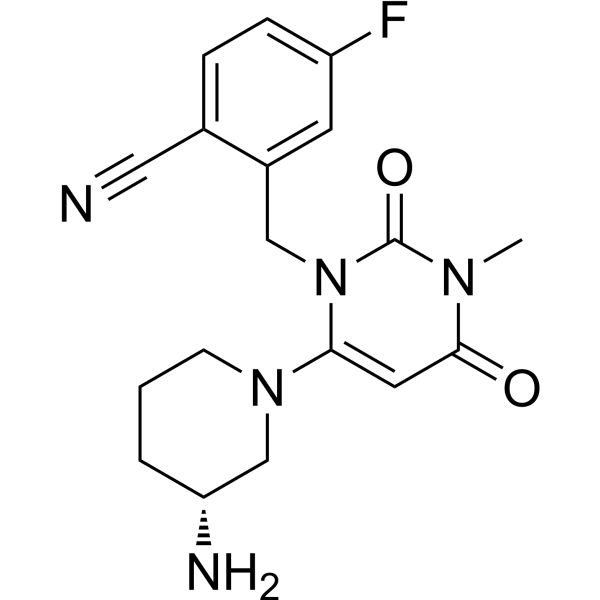
    Trelagliptin (SYR-472) is a potent, orally active and highly selective DPP-4 inhibitor with an IC50 of 4 nM. Trelagliptin succinate improves glycemic control in vivo and can be used for the study of type 2 diabetes mellitus (T2DM) .
    Trelagliptin
  • HY-12066
    GSK1292263
    5 Publications Verification

    GPR119 Metabolic Disease Inflammation/Immunology
    GSK-1292263 is an orally available GPR119 agonist with pEC50s of 6.9 and 6.7 for human and rat GPR119, respectively. GSK-1292263 can be used for the research of type 2 diabetes mellitus (T2DM) .
    GSK1292263
  • HY-147257

    HSK7653

    Dipeptidyl Peptidase Metabolic Disease
    Cofrogliptin (HSK7653) (compound 2), a tetrahydropyran derivative, is a potent oral dipeptidyl aminopeptidase 4 (DPP-4) inhibitor with Long-acting antidiabetic efficacy. Cofrogliptin (compound 2) has a great potential for type 2 diabetes mellitus (T2DM) .
    Cofrogliptin
  • HY-136717

    FBPase Metabolic Disease
    FBPase-1 inhibitor-1 (Compound 1) is an allosteric FBPase-1 inhibitor with an IC50 of 3.3 μM or 3.9 μM. FBPase-1 inhibitor-1 blocks gluconeogenesis by inhibiting FBPase-1. FBPase-1 inhibitor-1 can be used for the research of type 2 diabetes (t2dm) .
    FBPase-1 inhibitor-1
  • HY-145267

    PARP Wnt Cancer
    OM-153 is a potent and orally active tankyrase inhibitor with IC50s of 13 nM and 2 nM for tankyrase 1 and tankyrase 2 (TNKS1/2), respectively. OM-153 inhibits luciferase-based Wnt/β-catenin signaling reporter activity with an IC50 value of 0.63 nM. OM-153 shows inhibition of Wnt/β-catenin signaling and proliferation in COLO 320DM .
    OM-153
  • HY-132262

    IMGN-901; BB-1090

    Antibody-Drug Conjugates (ADCs) Cancer
    Lorvotuzumab mertansine is an ADC consisting of a humanized N901 monoclonal antibody against CD56 bound to maytansinoid DM1 via a stable disulfide linker. Lorvotuzumab mertansine has antitumor activity [1].
    Lorvotuzumab mertansine
  • HY-100128

    Microtubule/Tubulin ADC Payload Cancer
    DM1-SMe is an unconjugated form of the Maytansinoid in IMGN901. DM1-SMe is the microtubule inhibitor and can be used as the ADC cytotoxin [1].
    DM1-SMe
  • HY-136261

    Drug-Linker Conjugates for ADC Cancer
    DM1-(PEG)4-DBCO is a agent-linker conjugate composed of a potent microtubulin inhibitor DM1 and a linker DBCO-PEG4-Ahx to make antibody agent conjugate (ADC). Mertansine (DM1) is a microtubulin inhibitor and is an antibody-conjugatable maytansinoid that is developed to overcome systemic toxicity associated with maytansine and to enhance tumor-specific delivery. DM1-PEG4-DBCO is a click chemistry reagent, it contains a DBCO group that can undergo strain-promoted alkyne-azide cycloaddition (SPAAC) with molecules containing Azide groups.
    DM1-PEG4-DBCO
  • HY-126693

    Drug-Linker Conjugates for ADC Cancer
    SC-VC-PAB-DM1 is a agent-linker conjugate for ADC with with potent antitumor activity by using DM1 (Mertansine, a tubulin inhibitor) , linked via the ADC linker SC-VC-PAB [1].
    SC-VC-PAB-DM1
  • HY-100504

    Microtubule/Tubulin ADC Payload Cancer
    S-methyl DM1 is a thiomethyl derivative of Maytansine. S-methyl DM1 binds to tubulin with a Kd of 0.93 μM and inhibts microtubule polymerization. S-methyl DM1 potently suppresses microtubule dynamic instability and has anticancer effects [1] .
    S-methyl DM1
  • HY-P99492

    SB-408075; huC242-DM1

    Antibody-Drug Conjugates (ADCs) Microtubule/Tubulin Cancer
    Cantuzumab mertansine (SB-408075; huC242-DM1), an ADC, is an immunoconjugate of the potent maytansine derivative (DM1 (HY-19792)) and the humanized monoclonal antibody (huC242) directed to CanAg. Cantuzumab mertansine has cytotoxic toward colon cancer cells and has broad antitumor efficacy against a range of CanAg-positive human tumor xenografts [1] .
    Cantuzumab mertansine
  • HY-15408A
    Trelagliptin succinate
    1 Publications Verification

    SYR-472 succinate

    Dipeptidyl Peptidase Metabolic Disease
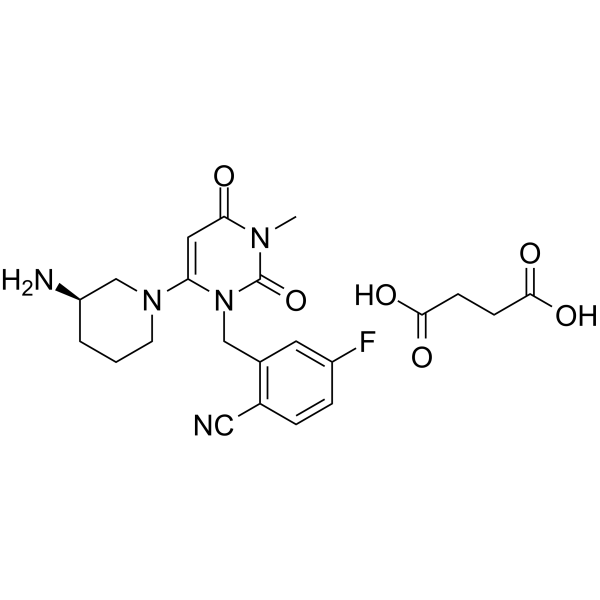
    Trelagliptin (SYR-472) succinate is a potent, orally active and highly selective DPP-4 inhibitor with an IC50 of 4 nM. Trelagliptin succinate improves glycemic control in vivo and can be used for the study of type 2 diabetes mellitus (T2DM) .
    Trelagliptin succinate
  • HY-132205

    Estrogen Receptor/ERR Metabolic Disease
    DS45500853 is an estrogen-related receptor α (ERRα) agonist. DS45500853 inhibits the binding between receptor-interacting protein 140 (RIP140) corepressor peptide (10 nM) and GST-ERRα ligand-binding domain (LBD; 1.2 μM) with an IC50 value of 0.80 μM. DS45500853 can be used for the research of metabolic disorders, including type 2 diabetes mellitus (T2DM) .
    DS45500853
  • HY-132251

    ADC Linker Cancer
    MCC is non-cleavable ADC linker used in the synthesis of antibody-drug conjugates (ADCs), such as MCC-DM1 [1].
    MCC
  • HY-19835

    Free Fatty Acid Receptor Metabolic Disease
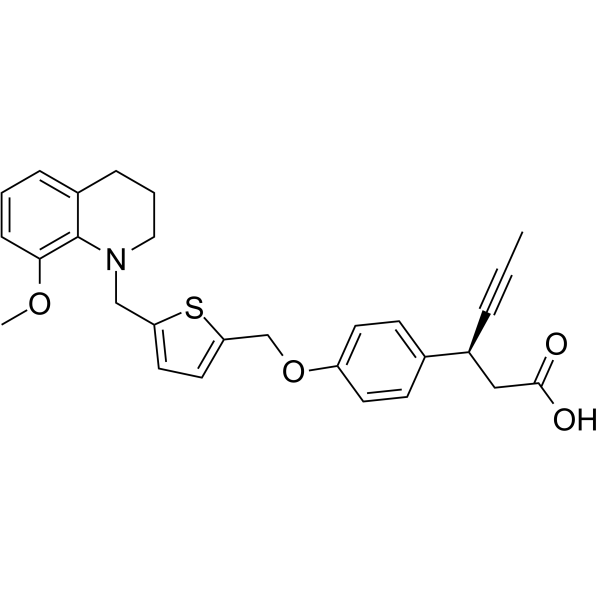
    LY2922470 is a selective and orally active agonist for the G protein-coupled receptor 40 (GPR40). LY2922470 activates GPR40-mediated β-arrestin recruitment with EC50s of 7 nM (human GPR40), 1 nM (mouse GPR40) and 3 nM (rat GPR40). LY2922470 can be used for research of type 2 diabetes mellitus (T2DM) .
    LY2922470
  • HY-W004874

    M-Xylohydroquinone

    Endogenous Metabolite Metabolic Disease
    2,6-Dimethylhydroquinone is a key metabolic intermediate for the Mycobacterium strain DM1 during the degradation of 2,6-dimethylphenol (2,6-xylenol). 2,6-Dimethylhydroquinone can serve as an indicator for early failures in biological treatment systems [1].
    2,6-Dimethylhydroquinone
  • HY-159774

    Antibody-Drug Conjugates (ADCs) Cancer
    ADC Control human IgG1-DM1 is the ADC control, which is composed of Human IgG1 kappa, Isotype Control (HY-P99001) and the linker-payload conjugate SMCC-DM1 (HY-101070) [1].
    ADC Control human IgG1-DM1
  • HY-114191B

    Somatostatin Receptor Metabolic Disease Endocrinology
    SSTR5 antagonist 2 hydrochloride is a highly potent, oral active and selective somatostatin (receptor) subtype 5 (SSTR5) antagonist and has potential for the research of type 2 diabetes mellitus (T2DM) .
    SSTR5 antagonist 2 hydrochloride
  • HY-P99685

    IMGN-289; J2898A-SMCC-DM1

    EGFR Antibody-Drug Conjugates (ADCs) Cancer
    Laprituximab emtansine (IMGN-289) is an immunotoxin targeting HER1. Laprituximab emtansine is an EGFR antibody-drug conjugate (ADC) consisting of the J2898A antibody, DM1 (anti-microtubule agent) and the SMCC thioether linker. Laprituximab emtansine can be used for cancer research [1] .
    Laprituximab emtansine
  • HY-143201

    Estrogen Receptor/ERR Metabolic Disease
    DS20362725 is an estrogen-related receptor α (ERRα) agonist. DS20362725 inhibits the binding between receptor-interacting protein 140 (RIP140) corepressor peptide (10 nM) and GST-ERRα ligand-binding domain (LBD; 1.2 μM) with an IC50 value of 0.6 μM. DS20362725 can be used for the research of metabolic disorders, including type 2 diabetes mellitus (T2DM) .
    DS20362725
  • HY-P990001
    Anti-Mouse IL-10 Antibody (JES5-2A5)
    1 Publications Verification

    Interleukin Related Neurological Disease Metabolic Disease Inflammation/Immunology Cancer
    Anti-Mouse IL-10 Antibody (JES5-2A5) is an anti-mouse IL-10 IgG1 monoclonal antibody. Anti-Mouse IL-10 Antibody (JES5-2A5) restores the anti-tumor activity of IL-6 by blocking the IL-10/SOCS3 axis. Anti-Mouse IL-10 Antibody (JES5-2A5) can reverse microcirculation and cognitive deficits. Anti-Mouse IL-10 Antibody (JES5-2A5) can be used for researches on cancer and metabolic disease such as osteosarcoma and type 1 diabetes mellitus (T1DM) .
    Anti-Mouse IL-10 Antibody (JES5-2A5)
  • HY-132260

    IMGN529; Debio 1562

    Antibody-Drug Conjugates (ADCs) Apoptosis Cancer
    Naratuximab emtansine (IMGN529) is a CD37-targeted ADC consisting of a humanized IgG1 mAb coupled to the microtubule disruptor DM1. Naratuximab emtansine has high affinity and specificity for CD37, allowing ADC internalization, processing and intracellular release of DM1. Due to its ability to disrupt microtubule assembly, DM1 can subsequently induce cell cycle arrest and apoptosis [1].
    Naratuximab emtansine
  • HY-101982A

    (Rac)-Lys-Nε-MCC-DM1

    Drug-Linker Conjugates for ADC Cancer
    (Rac)-Lys-SMCC-DM1 ((Rac)-Lys-Nε-MCC-DM1) is the racemate of Lys-SMCC-DM1 (HY-101982). Lys-SMCC-DM1 is a linker-payload component that has the potential to inhibit tubulin polymerization. Lys-SMCC-DM1 is the active metabolite of T-DM1 [1].
    (Rac)-Lys-SMCC-DM1
  • HY-107502

    ADC Payload Cancer
    Cryptophycin analog 1 is an ADC payload. Cryptophycin analog 1 shows anticancer activity. Cryptophycin analog 1 displays cell activity an order of magnitude more potent than approved ADC payloads MMAE and DM1 [1].
    Cryptophycin analog 1
  • HY-177564

    Del-zota; AOC 1044

    Antibody-Oligonucleotide Conjugates (AOCs) Transferrin Receptor Dystrophin Neurological Disease
    Delpacibart zotadirsen (Del-zota), an antibody oligonucleotide conjugate (AOC), consists of a monoclonal antibody (Delpacibart) (HY-P990051) that binds to the transferrin receptor 1 (TfR1) conjugated to a phosphorodiamidate morpholino conjugate (PMO), Delpacibart zotadirsen is designed to deliver phosphorodiamidate morpholino oligomers (PMOs) to skeletal muscle and heart tissue to specifically skip exon 44 of the dystrophin gene and enable production of near-full length dystrophin. Delpacibart zotadirsen is used for the study of myotonic dystrophy type 1 (DM1) [1].
    Delpacibart zotadirsen
  • HY-W587977

    3-Hydroxyhexadecanoylcarnitine

    Biochemical Assay Reagents Cardiovascular Disease Metabolic Disease
    3-Hydroxypalmitoylcarnitine (3-Hydroxyhexadecanoylcarnitine) is an acylcarnitine. Elevated levels of 3-Hydroxypalmitoylcarnitine are associated with cardiovascular disease (CVD) in type 2 diabetes mellitus (T2DM) .
    3-Hydroxypalmitoylcarnitine
  • HY-147094

    ADC Linker Cancer
    vc-PABC-DM1 used to synthesize an ADC molecule based on utilize disulfide linker. vc-PABC-DM1 can be used to explore serum stability [1].
    vc-PABC-DM1
  • HY-177454

    ADC Linker Others
    Basivarsen linker is a linker used in HY-177452 Zeleciment basivarsen for coupling a TfR1-binding Fab (HY-P990780 Zeleciment) and an antisense oligonucleotide. Zeleciment basivarsen is an antibody-oligonucleotide conjugate (AOC) designed to target mutant nuclear myotonic dystrophy protein kinase (DMPK) RNA for RHase H-mediated degradation to correct splicing. It is used for the study of myotonic dystrophy type 1 (DM1).
    Basivarsen linker
  • HY-136260

    Drug-Linker Conjugates for ADC Cancer
    DBCO-PEG4-Ahx-DM1 is a agent-linker conjugate composed of a potent microtubulin inhibitor DM1 and a linker DBCO-PEG4-Ahx to make antibody agent conjugate (ADC). Mertansine (DM1) is a microtubulin inhibitor and is an antibody-conjugatable maytansinoid that is developed to overcome systemic toxicity associated with maytansine and to enhance tumor-specific delivery. DBCO-PEG4-Ahx-DM1 is a click chemistry reagent, it contains a DBCO group that can undergo strain-promoted alkyne-azide cycloaddition (SPAAC) with molecules containing Azide groups.
    DBCO-PEG4-Ahx-DM1
  • HY-10449A

    TS 071 hydrate

    SGLT Metabolic Disease
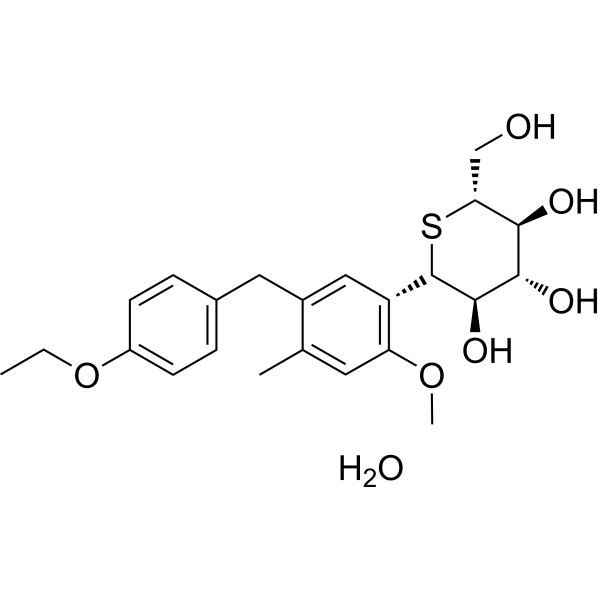
    Luseogliflozin (TS 071) hydrate is a selective potent and orally active second-generation sodium-glucose co-transporter 2 (SGLT2) inhibitor with an IC50 of 2.26 nM. Luseogliflozin hydrate can be used for the research of type 2 diabetes mellitus (T2DM) .
    Luseogliflozin hydrate
  • HY-48703

    Microtubule/Tubulin Cancer
    DM1 Impurity is the impurity of Mertansine (DM1) (HY-19792) [1].
    DM1 Impurity
  • HY-147050

    Target Protein Ligand-Linker Conjugates Others
    Ahx-DM1 (compound 2A) is a conjugate of protein/peptide which can be combined with a therapeutic, diagnostic or labelling agent [1].
    Ahx-DM1
  • HY-153113

    DJT1116PG

    SGLT Endocrinology
    Rongliflozin (DJT1116PG) is a selective and orally active inhibitor of sodium-glucose co-transporter-2 (SGLT-2). Rongliflozin can be used for the research of type 2 diabetes mellitus (T2DM) .
    Rongliflozin
  • HY-128781

    GCGR Metabolic Disease
    Glucagon receptor antagonist-5 (compound 13K) is a potent and orally bioavailable indazole-based glucagon receptor antagonist (Ki=32 nM). Glucagon receptor antagonist-5 has potential for the treatment of type 2 diabetes mellitus (T2DM) .
    Glucagon receptor antagonist-5
  • HY-174226

    DNA/RNA Synthesis Others
    RNA binder 2 (Compound 20) is a covalent inhibitor targeting the r(CUG)exp RNA in myotonic dystrophy type 1 (DM1). RNA binder 2 binds to RNA via a Hoechst scaffold, blocking MBNL1 binding and restoring normal splicing. RNA binder 2 is promising for research of DM1 [1].
    RNA binder 2
  • HY-W190944

    Drug-Linker Conjugates for ADC Cancer
    DM1-MCC-PEG3-Biotin is a drug-linker conjugate for ADC.
    DM1-MCC-PEG3-Biotin
  • HY-171680

    Antibody-Drug Conjugates (ADCs) CCR Microtubule/Tubulin Cancer
    Anti-CCL2 (Carlumab)-SMCC-DM1 is an antibody-drug conjugate (ADC) consisting of the humanized anti-CCL2 (chemokine ligand 2) antibody Carlumab (HY-P99188) conjugated to the linker SMCC (HY-42360) and the cytotoxic microtubule inhibitor DM1 (HY-19792). The ADC toxic molecule and linker part are SMCC-DM1 (HY-101070). Anti-CCL2 (Carlumab)-SMCC-DM1 can be used in the research of cancer, especially prostate cancer [1] .
    Anti-CCL2 (Carlumab)-SMCC-DM1
  • HY-175834

    Topoisomerase Reactive Oxygen Species (ROS) Apoptosis Microtubule/Tubulin Cancer
    DNA/TOP2A-IN-1 is an inhibitor of DNA and TOP2A. DNA/TOP2A-IN-1 selectively binds to TOP2A, not TOP2B, and interacts with DNA and TOP2A to form a stable DM1-TOP2A-DNA ternary complex. DNA/TOP2A-IN-1 induces DNA damage, increases reactive oxygen species (ROS) and triggers apoptosis in triple-negative breast cancer (TNBC) cells. DNA/TOP2A-IN-1 disrupts microtubule distribution and induces cell cycle arrest. DNA/TOP2A-IN-1 shows strong antiproliferative activity and inhibits cell migration. DNA/TOP2A-IN-1 inhibits tumor growth and can be used for TNBC research [1].
    DNA/TOP2A-IN-1

Inquiry Online

Your information is safe with us. * Required Fields.

Salutation


Country or Region *

Applicant Name *


Organization Name *

Department *


Email Address *


Product Name *

Cat. No.


Requested quantity *

Phone Number *


Remarks

Inquiry Online

Inquiry Information

Product Name:
Cat. No.:
Quantity:
MCE Japan Authorized Agent:

