1. Search Result
Search Result
Pathways Recommended: Cell Cycle/DNA Damage
Results for "

DNA intercalator

" in MedChemExpress (MCE) Product Catalog:

124

Inhibitors & Agonists

30

Fluorescent Dye

4

Biochemical Assay Reagents

1

Inhibitory Antibodies

8

Natural
Products

2

Click Chemistry

1

Oligonucleotides

1

GMP Molecules

Cat. No. Product Name Target Research Areas Chemical Structure
  • HY-12484
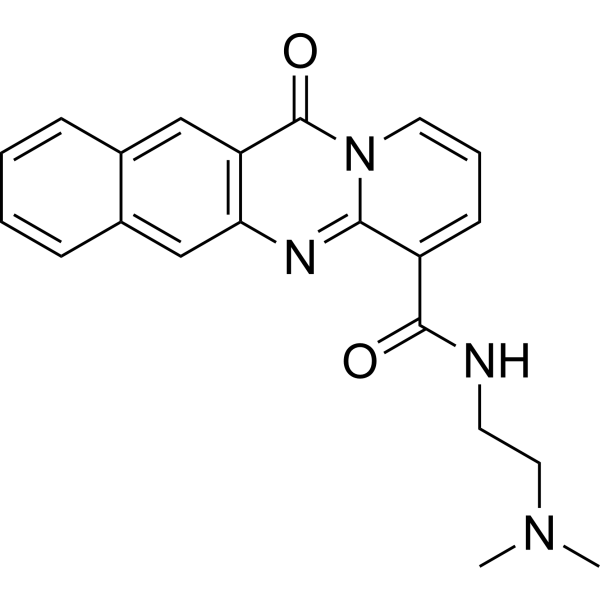
    BMH-21
    Maximum Cited Publications
    14 Publications Verification

    DNA/RNA Synthesis Cancer
    BMH-21 is a first-in-class DNA intercalator which inhibits RNA polymerase I (Pol I) transcription. BMH-21 possesses anticancer activity .
    BMH-21
  • HY-13551
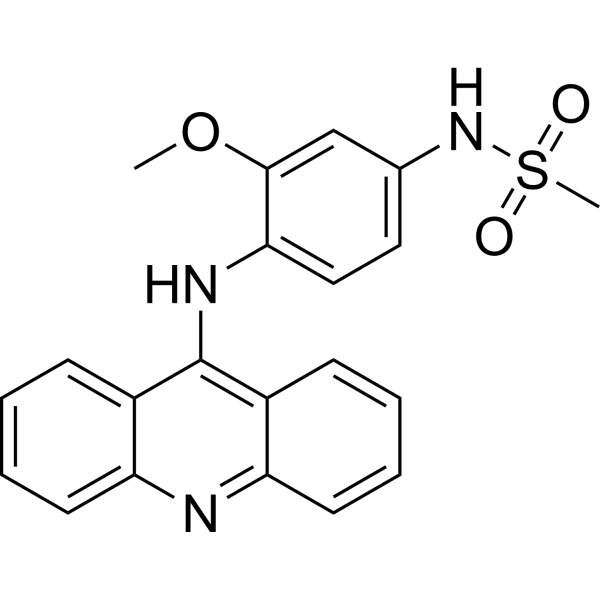
    Amsacrine
    5+ Cited Publications

    m-AMSA; acridinyl anisidide

    Topoisomerase Autophagy Cancer
    Amsacrine (m-AMSA; acridinyl anisidide) is an inhibitor of topoisomerase II, and acts as an antineoplastic agent which can intercalates into the DNA of tumor cells.
    Amsacrine
  • HY-B1099
    Hycanthone
    2 Publications Verification

    DNA/RNA Synthesis Topoisomerase Parasite Infection
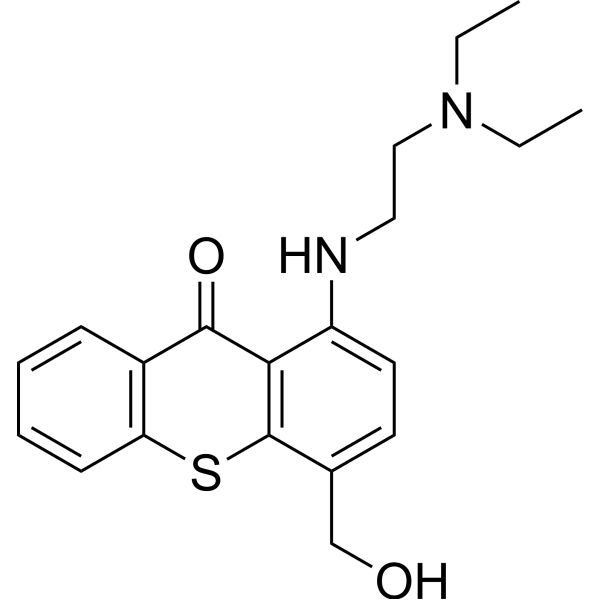
    Hycanthone is a thioxanthenone DNA intercalator and inhibits RNA synthesis as well as the DNA topoisomerases I and II. Hycanthone inhibits nucleic acid biosynthesis and inhibits apurinic endonuclease-1 (APE1) by direct protein binding with a KD of 10 nM. Hycanthone is a bioactive metabolite of Lucanthone (HY-B2098) and has anti-schistosomal agent .
    Hycanthone
  • HY-15794
    Nemorubicin
    1 Publications Verification

    Methoxymorpholinyl doxorubicin; FCE 23762; PNU 152243

    G-quadruplex Cancer
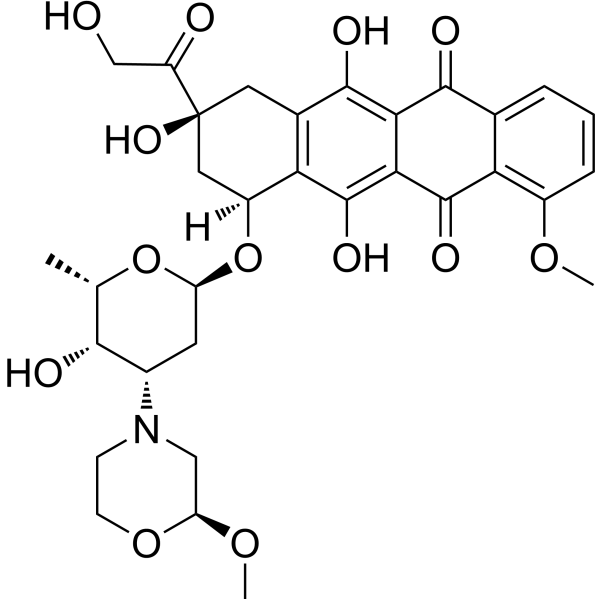
    Nemorubicin (Methoxymorpholinyl doxorubicin) is a Doxorubicin derivative with potent antitumor activity. Nemorubicin is highly cytotoxic to a variety of tumor cell lines presenting a multidrug-resistant phenotype. Nemorubicin not only intercalate into the duplex DNA, but also result in significant ligands for G-quadruplex DNA segments, stabilizing their structure. Nemorubicin requirs an intact nucleotide excision repair (NER) system to exert its activity .
    Nemorubicin
  • HY-13727A
    Pixantrone
    3 Publications Verification

    BBR 2778

    Topoisomerase Cancer
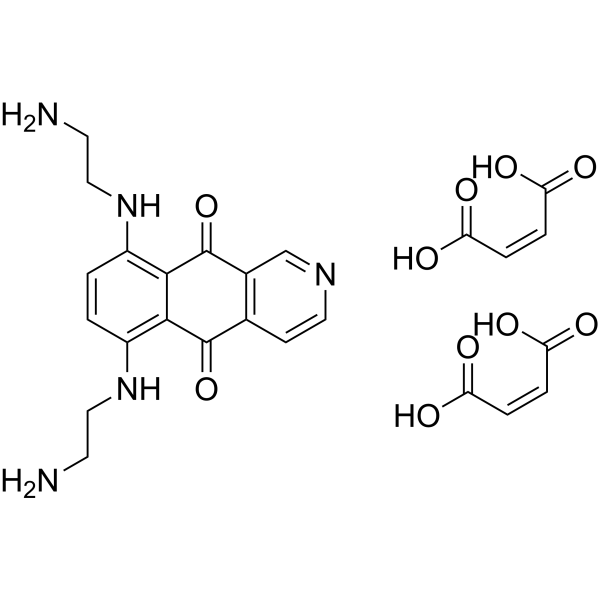
    Pixantrone (BBR 2778) dimaleate is a topoisomerase II inhibitor and DNA intercalator, with anti-tumor activity.
    Pixantrone
  • HY-100875
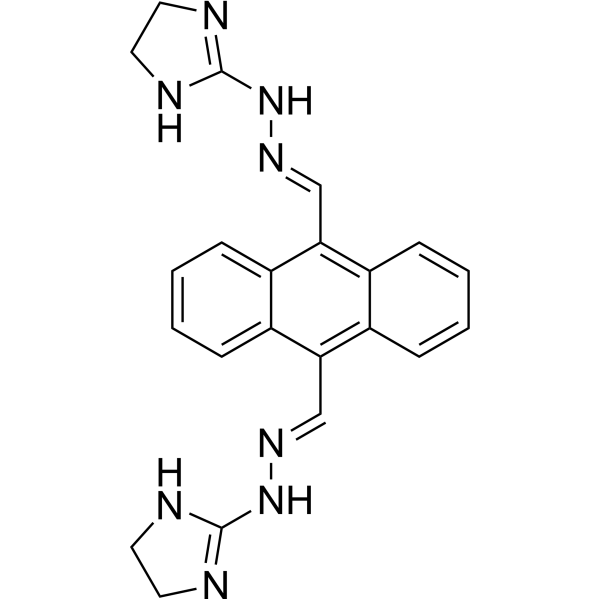
    Bisantrene
    5+ Cited Publications

    CL216942

    Topoisomerase Cancer
    Bisantrene is a highly effective antitumor agent, it exerts its cytotoxicity by affecting DNA intercalation. Bisantrene targets eukaryotic type II topoisomerases. Bisantrene is a substrate of MDR1 .
    Bisantrene
  • HY-10982
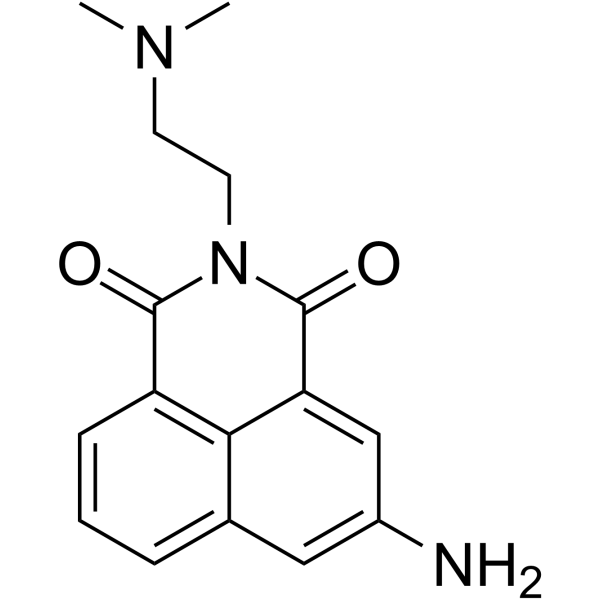
    Amonafide
    4 Publications Verification

    AS1413

    Topoisomerase Cancer
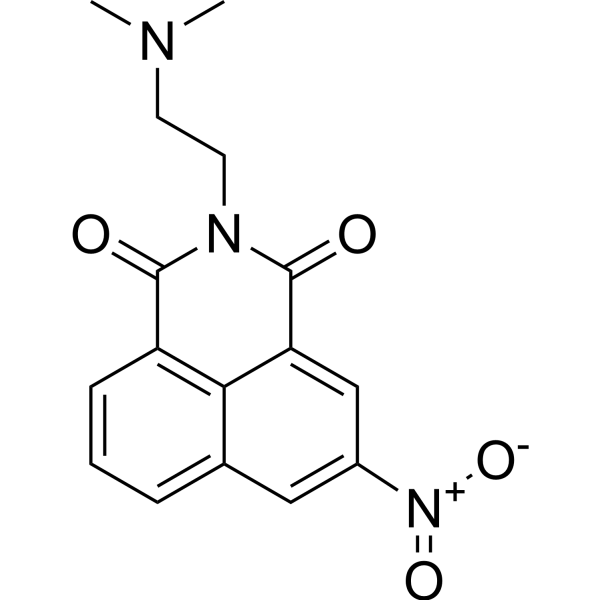
    Amonafide is a topoisomerase II inhibitor and DNA intercalator that induces apoptotic signaling by blocking the binding of Topo II to DNA.
    Amonafide
  • HY-10534
    Voreloxin
    3 Publications Verification

    SNS-595; Vosaroxin; AG 7352

    Topoisomerase Apoptosis Cancer
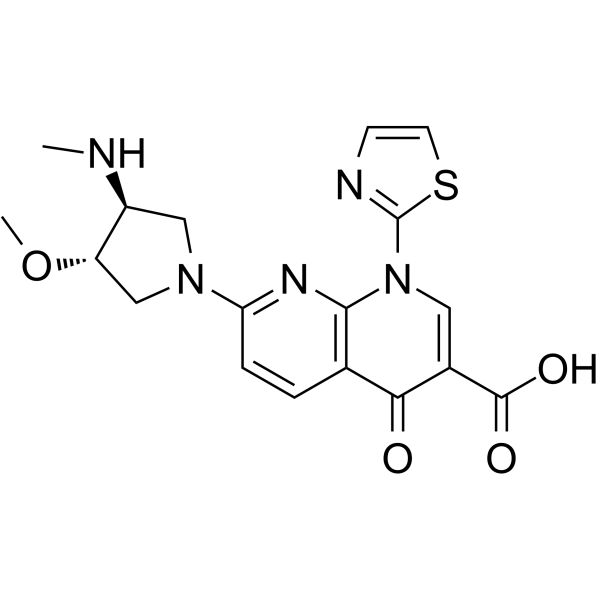
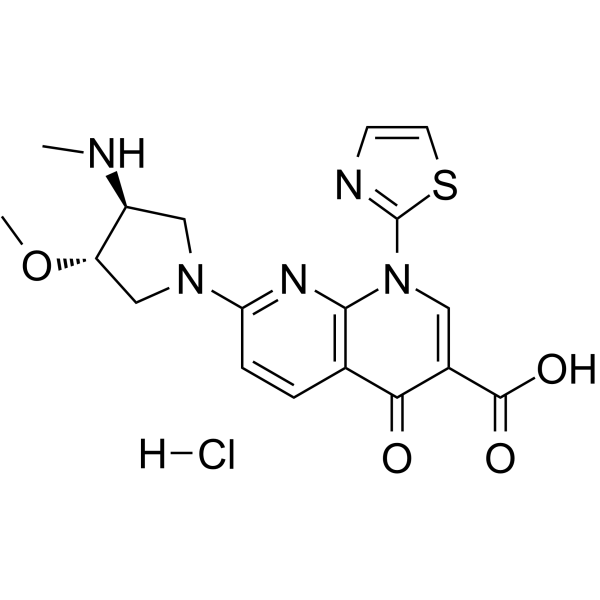
    Voreloxin (SNS-595; Vosaroxin; AG 7352) is a first-in-class topoisomerase II inhibitor that intercalates DNA and induces site-selective DNA DSB, G2 arrest, and apoptosis.
    Voreloxin
  • HY-U00248A

    MJ-III65 hydrochloride; NSC706744 hydrochloride

    Topoisomerase Cancer
    LMP744 hydrochloride (MJ-III65 hydrochloride) is a DNA intercalator and Topoisomerase I (Top1) inhibitor with antitumor activity .
    LMP744 hydrochloride
  • HY-13551A
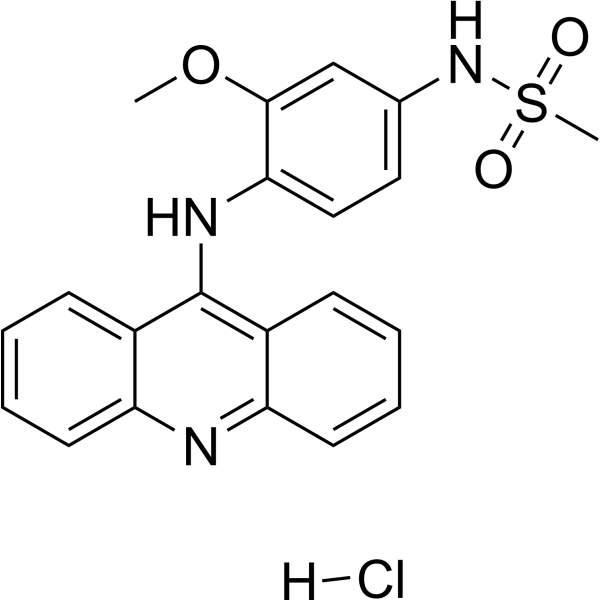
    Amsacrine hydrochloride
    5+ Cited Publications

    m-AMSA hydrochloride; acridinyl anisidide hydrochloride

    Topoisomerase Autophagy Cancer
    Amsacrine hydrochloride (m-AMSA hydrochloride; acridinyl anisidide hydrochloride) is an inhibitor of topoisomerase II, and acts as an antineoplastic agent which can intercalates into the DNA of tumor cells.
    Amsacrine hydrochloride
  • HY-D0947

    DNA Stain Others
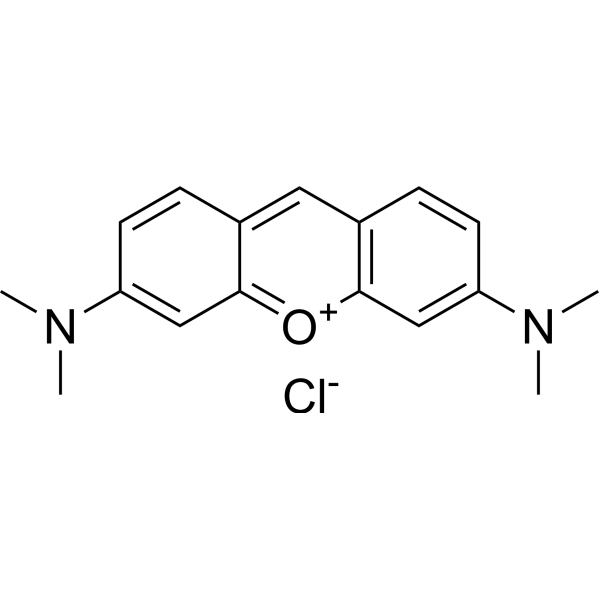
    Azure A chloride is a phenothiazine dye. Azure A chloride is an alternative DNA dye used for the separation of DNA and protein fragments in agarose gel electrophoresis and PAGE. Azure A chloride can be chemisorbed on the surface of mild steel according to the Langmuir adsorption isotherm to form a protective film. Azure A chloride binds to double-stranded DNA in a non-cooperative manner via weak intercalation, triggering molecular conformational disturbance, restricted rotational motion, and changes in optical activity .
    Azure A chloride
  • HY-D0163
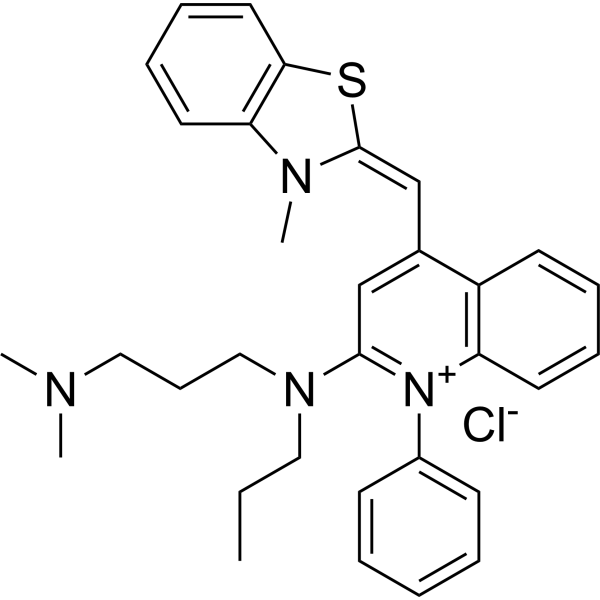
    Methyl Green
    1 Publications Verification

    DNA Stain Others
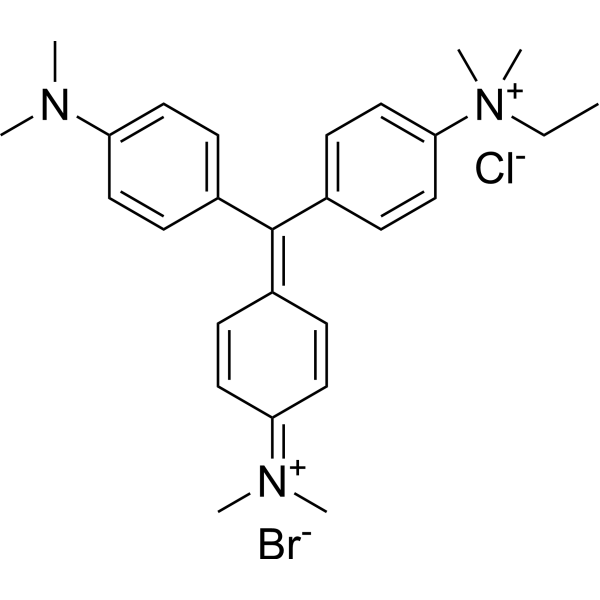
    Methyl Green is a non-intercalating fluorescent labeling agent that selectively binds to the major groove of DNA. Methyl Green electrostatically interacts with the major groove of DNA through positively charged groups, exhibiting key activities such as high affinity, resistance to photobleaching, and stable fluorescence emission. Methyl Green can be directly measured by microscopy and flow cytometry, with peaks at 633 and 677 nm. Methyl Green can be used for fluorescent labeling of the nuclei of embryonic tissues or cells, or DNA staining and cell activity detection in gel electrophoresis[1][2][3].
    Methyl Green
  • HY-B1741
    3,6-Diaminoacridine
    3 Publications Verification

    Bacterial Fluorescent Dye DNA/RNA Synthesis Infection Cancer
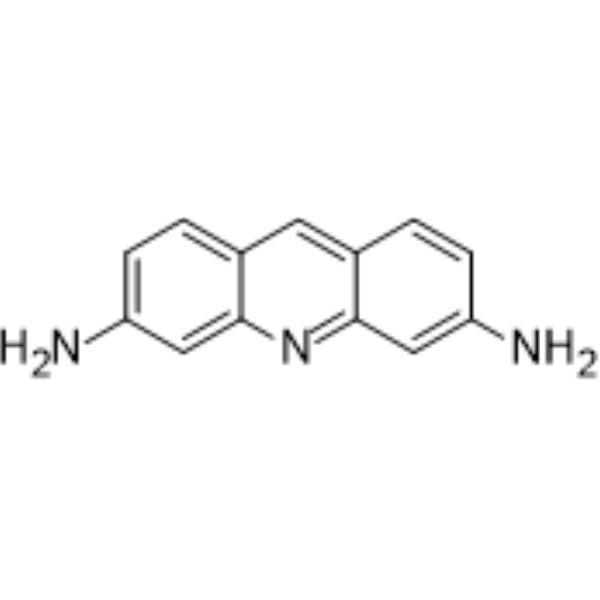
    3,6-Diaminoacridine is a versatile acridine compound. 3,6-Diaminoacridine exerts antibacterial activity by intercalating into bacterial DNA, interfering with replication and transcription, and inducing bacterial lysis. 3,6-Diaminoacridine is an acridine dye and also a DNA intercalator .
    3,6-Diaminoacridine
  • HY-16518
    Voreloxin Hydrochloride
    3 Publications Verification

    SNS-595 Hydrochloride; Vosaroxin Hydrochloride; AG 7352 Hydrochloride

    Topoisomerase Apoptosis Cancer
    Voreloxin Hydrochloride is a first-in-class topoisomerase II inhibitor that intercalates DNA and induces site-selective DNA DSB, G2 arrest, and apoptosis.
    Voreloxin Hydrochloride
  • HY-U00248

    MJ-III65; NSC706744

    Topoisomerase Cancer
    LMP744 (MJ-III65) is a DNA intercalator and Topoisomerase I (Top1) inhibitor with antitumor activity .
    LMP744
  • HY-D0226

    1,4-Dihydroxyanthraquinone

    DNA/RNA Synthesis Fungal Infection Cancer
    Quinizarin (1,4-Dihydroxyanthraquinone), a part of the anticancer agents such as Doxorubicin, Daunorubicin, and Adriamycin, interacts with DNA by intercalating mode (Kd=86.1 μM). Quinizarin is used as a fungicide and pesticide chemical and has shown the ability to inhibit tumor cell growth .
    Quinizarin
  • HY-100875A
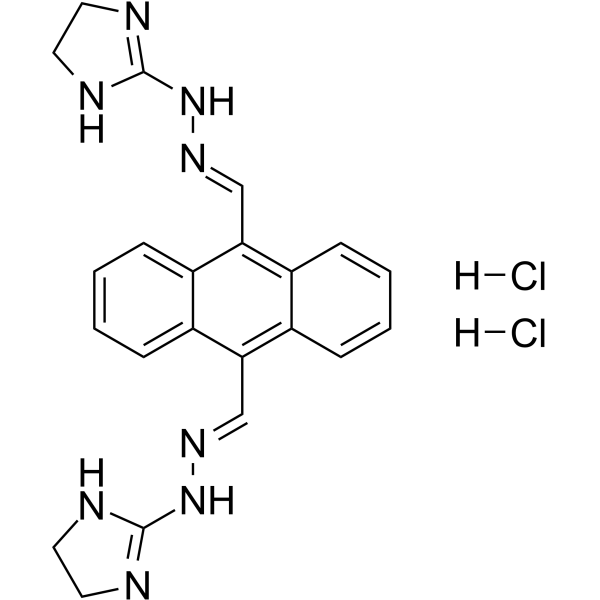
    Bisantrene dihydrochloride
    5+ Cited Publications

    CL-216942 dihydrochloride

    Topoisomerase Cancer
    Bisantrene dihydrochloride is a highly effective antitumor agent, it exerts its cytotoxicity by affecting DNA intercalation. Bisantrene dihydrochloride targets eukaryotic type II topoisomerases. Bisantrene dihydrochloride is a substrate of MDR1 .
    Bisantrene dihydrochloride
  • HY-W112938

    DNA Alkylator/Crosslinker Photosensitizer Infection Cancer
    TMPyP tetrachloride is a DNA-binding agent, singlet oxygen Sensitizer and photobleaching agent. TMPyP tetrachloride binds to DNA via intercalation or external groove complexation; irradiation induces its photoinduced release from DNA. TMPyP tetrachloride sensitizes the generation of singlet molecular oxygen upon irradiation, and prolonged irradiation leads to photobleaching. TMPyP tetrachloride initially localizes preferentially in neuronal nuclei and cytoplasm, and irradiation triggers its subcellular relocalization. TMPyP tetrachloride binds to K + -free single-molecule G4-DNA nanowires via intercalation, and binds to K + -type variants via non-intercalation. TMPyP tetrachloride can be used in studies related to cancer, HIV infection and bacterial infection .
    TMPyP tetrachloride
  • HY-145657

    BQQ

    Biochemical Assay Reagents Others
    Benzoquinoquinoxaline (BQQ) is a heterocyclic compound with an aminoalkyl side chain. Benzoquinoquinoxaline preferentially binds to DNA triplex structures, intercalates between the bases, thus, stabilising the triplex conformation. Conjugation of Benzoquinoquinoxaline to 1,10-phenanthroline specifically binds and cleaves double strand DNA at the site of formation of a triplex structure .
    Benzoquinoquinoxaline
  • HY-D1322

    Fluorescent Dye Others
    Cyanine5.5 NHS ester tetrafluoroborate belongs to the cyanine dye series and is a common fluorescent marker for biomolecules that can interact with biomolecules. Cyanine dyes may also bind to double-helical DNA through intercalation and exhibit enhanced fluorescence upon binding.
    Cyanine5.5 NHS ester tetrafluoroborate
  • HY-D1773

    Fluorescent Dye DNA Alkylator/Crosslinker Others
    YOYO-3 is a trimethine cyanine homodimer dye. YOYO-3 intercalates into AF488-tagged dsDNA molecules at the single-molecule level. YOYO-3 has a greater affinity for DNA than do EB and other Cyanine dyes .
    YOYO-3
  • HY-13550

    NSC 196473; NSC 290813

    DNA/RNA Synthesis Cancer
    Ametantrone (NSC 196473) is an antitumor agent that intercalates into DNA and induces topoisomerase II (TOP2)-mediated DNA break .
    Ametantrone
  • HY-135218A
    AV-153 free base
    1 Publications Verification

    DNA/RNA Synthesis Cancer
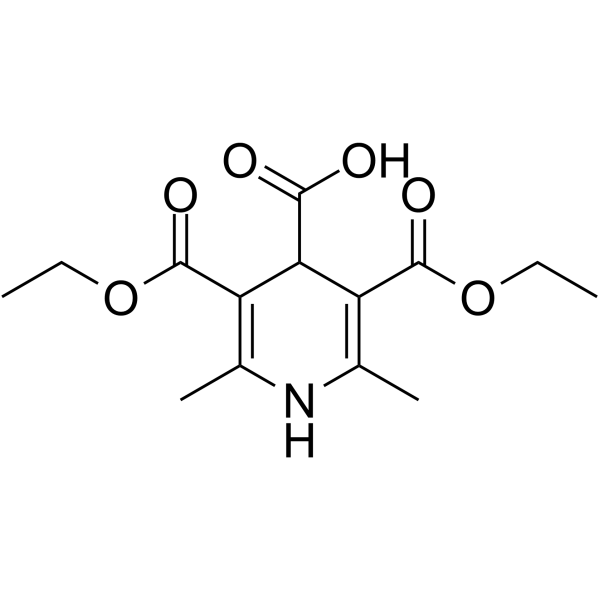
    AV-153 free base, a 1,4-dihydropyridine (1,4-DHP) derivative, is an antimutagenic. AV-153 free base intercalates to DNA in a single strand break and reduces DNA damage, stimulates DNA repair in human cells in vitro. AV-153 free base interacts with thymine and cytosine and has an influence on poly(ADP)ribosylation. AV-153 free base has anti-cancer activity .
    AV-153 free base
  • HY-W111005

    DNA Alkylator/Crosslinker Cancer
    1-Chloromethylpyrene is an alkylating agent that enters the DNA double helix structure through intercalation, forms covalent bonds with electrophilic groups, resulting in DNA cross-linking, thereby inhibiting the proliferation of tumor cells .
    1-Chloromethylpyrene
  • HY-W110980

    Anthracen-2-amine; 2-Anthramine

    DNA/RNA Synthesis Cancer
    2-Aminoanthracene (Anthracen-2-amine) is a nitrogen substituted polycyclic aromatic hydrocarbon. 2-Aminoanthracene is mutagenic and carcinogenic. 2-Aminoanthracene acts by intercalating into DNA, causing structural distortion and interfering with DNA replication and transcription .
    2-Aminoanthracene
  • HY-13727

    BBR 2778 free base

    Topoisomerase Cancer
    Pixantrone (BBR 2778 (free base)), a mitoxantrone analog, is a topoisomerase II inhibitor and DNA intercalator, with anti-tumor activity.
    Pixantrone free base
  • HY-D1102

    Fluorescent Dye
    DNA intercalator 3 is a DNA intercalating agent that can be used for DNA staining.
    DNA intercalator 3
  • HY-19829

    ADC Payload Bacterial Antibiotic Infection Cancer
    Sandramycin ia a cyclic depsipeptide antibiotic isolated from cultured broth of a Nocardioides sp. Sandramycin is also a DNA intercalator that potently binds DNA and is an ADC cytotoxin. Sandramycin is active against Gram-positive bacteria and has potent antitumor activity .
    Sandramycin
  • HY-U00337

    DNA/RNA Synthesis Cancer
    Datelliptium chloride is a DNA-intercalating agent derived from ellipticine, with anti-tumor activities.
    Datelliptium chloride
  • HY-108999A
    Crisnatol
    1 Publications Verification

    BWA770U

    DNA/RNA Synthesis Cancer
    Crisnatol (BWA770U) is an orally active and anticancer agent, and a member of the arylmethylaminopropanediol class of DNA intercalators. Crisnatol shows in vitro cytotoxicity against human breast cancer cells, but not normal human skin fibroblasts .
    Crisnatol
  • HY-D1095

    Fluorescent Dye
    Cy7 DiAcid belongs to the cyanine dye series and is a common fluorescent marker for biomolecules that can interact with biomolecules. Cyanine dyes may also bind to double-helical DNA through intercalation and exhibit enhanced fluorescence upon binding.
    Cy7 DiAcid
  • HY-U00265

    3-Carbethoxypsoralen; 3-Ethoxycarbonylpsoralen

    Bacterial Infection
    3-CPs is a monofunctional furanocoumarin and a photoprotective agent targeting Staphylococcus aureus DNA, possessesing anti-UVB lethal activity. 3-CPs competitively intercalates into DNA, forming exclusively 4',5'-furan-side mono-adducts upon UVB irradiation, and irreversibly inhibits the formation of cyclobutane pyrimidine dimers. 3-CPs prevents UVB-induced DNA damage by preferentially binding to strong (AT)n sites within the DNA, without inducing lethal interstrand DNA cross-links; the limited number of mono-adducts it induces can be efficiently repaired by bacteria. 3-CPs holds potential for use in the development of photoprotective formulations for skin diseases, as well as in studies investigating bacterial DNA photodamage repair mechanisms and the optimization of photochemotherapy safety .
    3-CPs
  • HY-105293

    DNA/RNA Synthesis Topoisomerase Cancer
    NSC 727357 is a DNA intercalator and topoisomerase inhibitor with antitumor activity. NSC 727357 can inhibit cells proliferation and induce G1 phase arrest. NSC 727357 can be used for the research of cancer, such as melanoma .
    NSC 727357
  • HY-13727B

    BBR 2778 hydrochloride

    Topoisomerase Cancer
    Pixantrone (BBR 2778 (free base)) hydrochloride, a mitoxantrone analog, is a topoisomerase II inhibitor and DNA intercalator, with anti-tumor activity .
    Pixantrone hydrochloride
  • HY-D1101

    Fluorescent Dye
    DNA intercalator 2 is a DNA intercalating agent that can be used for DNA staining.
    DNA intercalator 2
  • HY-D1100

    Fluorescent Dye
    DNA intercalator 1 is a DNA intercalating agent that can be used for DNA staining.
    DNA intercalator 1
  • HY-D1246

    DNA Stain Others
    Ethidium monoazide bromide is a DNA intercalating fluorescent dye that enters bacteria with damaged membranes. Ethidium monoazide bromide can be covalently linked to DNA by photoactivation. Ethidium monoazide bromide stains only dead cells . Ethidium monoazide (bromide) is a click chemistry reagent, it contains an Azide group and can undergo copper-catalyzed azide-alkyne cycloaddition reaction (CuAAc) with molecules containing Alkyne groups. It can also undergo strain-promoted alkyne-azide cycloaddition (SPAAC) reactions with molecules containing DBCO or BCN groups.
    Ethidium monoazide bromide
  • HY-124122

    VEGFR Checkpoint Kinase (Chk) Apoptosis Caspase Bcl-2 Family Cancer
    BPTQ is a potent inhibitor against VEGFR1 and CHK2 with IC50 values of 0.54 and 1.70 µmol/L, respectively. BPTQ is also an intercalator of DNA with anticancer activities. BPTQ inhibits the proliferation of HL-60 cells by arresting cells at S and G2/M phase with an IC50 value of 12 µmol/L. BPTQ also activates the mitochondria-mediated Apoptosis pathway by a decrease in mitochondrial membrane potential, increase in the Bax:Bcl-2 ratio and activation of caspases .
    BPTQ
  • HY-121649

    Topoisomerase Cancer
    AQ4 is a topoisomerase II inhibitor and DNA intercalator as a chemically stable cytotoxic agent in many human tumor lines .
    AQ4
  • HY-119182
    Mitonafide
    2 Publications Verification

    NSC 300288

    DNA/RNA Synthesis Cancer
    Mitonafide (NSC 300288) is a cytostatic agent. Mitonafide binds to double-stranded DNA through intercalation, and inhibits DNA and RNA synthesis. Mitonafide is an antitumor agent that can be used in the research of cancers, such as non-small cell lung cancer (NSCLC), leukemia .
    Mitonafide
  • HY-122462

    PNU-159548

    DNA/RNA Synthesis Cancer
    Ladirubicin (PNU-159548) is a derivative of Daunorubicin (HY-13062A). Ladirubicin exhibits DNA intercalation and DNA alkylating properties, inhibits DNA replication and transcription, causes DNA damage, and thereby exhibits antitumor efficacy. Ladirubicin exhibits the potential to penetrate the blood-brain barrier (BBB) for its high lipophilicity. Ladirubicin exhibits toxicity through suppression of bone marrow activity .
    Ladirubicin
  • HY-D1326

    Fluorescent Dye Others
    Cyanine3 carboxylic acid belongs to the cyanine dye series and is a common fluorescent marker for biomolecules that can interact with biomolecules. Cyanine dyes may also bind to double-helical DNA through intercalation and exhibit enhanced fluorescence upon binding.
    Cyanine3 carboxylic acid
  • HY-B1741A

    Bacterial Fluorescent Dye Potassium Channel DNA/RNA Synthesis Infection Cancer
    3,6-Diaminoacridine dihydrochloride is a versatile acridine compound. 3,6-Diaminoacridine dihydrochloride exerts antibacterial activity by intercalating into bacterial DNA, interfering with replication and transcription, and inducing bacterial lysis. 3,6-Diaminoacridine dihydrochloride is an acridine dye and also a DNA intercalator .
    3,6-Diaminoacridine dihydrochloride
  • HY-13727AR

    BBR 2778 (Standard)

    Reference Standards Topoisomerase Cancer
    Pixantrone (Standard) is the analytical standard of Pixantrone. This product is intended for research and analytical applications. Pixantrone (BBR 2778) dimaleate is a topoisomerase II inhibitor and DNA intercalator, with anti-tumor activity.
    Pixantrone (Standard)
  • HY-162381

    Topoisomerase Cancer
    Topoisomerase II inhibitor 19 (compound 5h) is a DNA intercalator and topoisomerase II inhibitor (IC50 value of 0.34 μM). Topoisomerase II inhibitor 19 would induce detectable potent damage in ctDNA .
    Topoisomerase II inhibitor 19
  • HY-130050

    BBM-928 A

    Antibiotic HIV Infection Cancer
    Luzopeptin A (BBM-928 A) is an actinoleukin-like antitumor antibiotic. Luzopeptin A is a bifunctional DNA intercalator which can interact with isolated DNA molecules. Luzopeptin A induces an unwinding-rewinding process of the closed superhelical PM2 DNA. Luzopeptin A is active against HIV-1 and HIV-2 reverse transcriptase with IC50s of 7 nM and 68 nM for HIV-1 RT and HIV-2 RT, respectively .
    Luzopeptin A
  • HY-146063

    Apoptosis Cancer
    Anticancer agent 54 is a potent anticancer agent. Anticancer agent 54 shows antiproliferative activity. Anticancer agent 54 induces apoptosis and cell cycle arrest at G0/G1 phases. Anticancer agent 54 shows anticancer activity depends on DNA intercalation and ROS generation .
    Anticancer agent 54
  • HY-100875R

    CL216942 (Standard)

    Reference Standards Topoisomerase Cancer
    Bisantrene (Standard) is the analytical standard of Bisantrene. This product is intended for research and analytical applications. Bisantrene is a highly effective antitumor agent, it exerts its cytotoxicity by affecting DNA intercalation. Bisantrene targets eukaryotic type II topoisomerases. Bisantrene is a substrate of MDR1 .
    Bisantrene (Standard)
  • HY-169438

    DNA Alkylator/Crosslinker Cancer
    NNISC-2 (compound 4) is a DNA intercalator-linker conjugate of Naph-Se-TMZ (HY-169433), which is composed of DNA intercalator (blue part) Nitro-Naphthalimide-C2-acylamide (HY-169437) and a linker (black part) .
    NNISC-2
  • HY-136991

    Antibiotic Others
    Basacv is a DNA-polyintercalating bifunctional compound with DNA-high affinity. Basacv is structurally analogous to the antibiotic anti-tumour drug Triostin A and act as a bis-intercalator .
    Basacv

Inquiry Online

Your information is safe with us. * Required Fields.

Salutation


Country or Region *

Applicant Name *


Organization Name *

Department *


Email Address *


Product Name *

Cat. No.


Requested quantity *

Phone Number *


Remarks

Inquiry Online

Inquiry Information

Product Name:
Cat. No.:
Quantity:
MCE Japan Authorized Agent:

