
61 Results for "

Developmental toxicity

" in MedChemExpress (MCE) Product Catalog:
Products (61)

61 Results for "Developmental toxicity" in MCE Product Catalog:

6
6 Publications Verification
Cat. No.: HY-B0742
CAS No.: 630-56-8
Synonyms: 17α-Hydroxyprogesterone hexanoate; 17α-Hydroxyprogesterone caproate
Target:  

Progesterone Receptor

Research Areas:  

Endocrinology

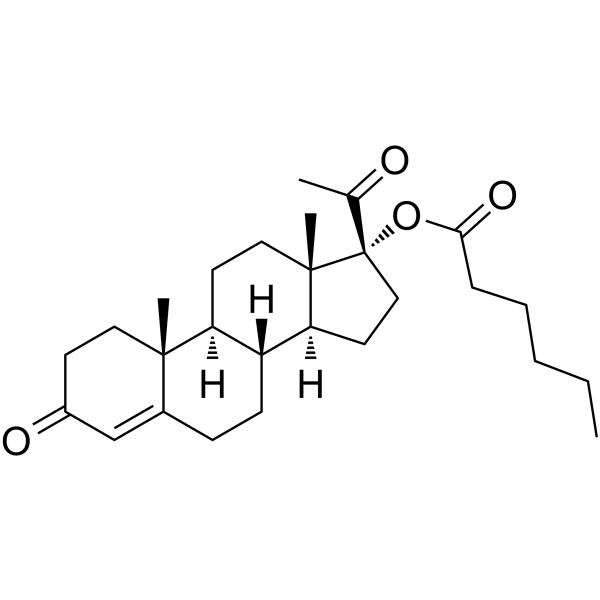
Hydroxyprogesterone caproate (17α-Hydroxyprogesterone hexanoate; 17α-Hydroxyprogesterone caproate) is a progesterone receptor (progesterone receptor) ligand and steroid hormone transcription inhibitor. Hydroxyprogesterone caproate downregulates estrogen receptors in target tissues and activates their metabolic pathways, and exhibits equivalent affinity for progesterone receptor A and progesterone receptor B. Hydroxyprogesterone caproate shows no consistent teratogenicity or developmental toxicity in rat, mouse and monkey models, but induces resorption or abortion in rhesus monkeys at human-equivalent doses. Hydroxyprogesterone caproate promotes the production of TNF-α in lipopolysaccharide-stimulated whole blood from non-pregnant women. Hydroxyprogesterone caproate can be used in scientific research related to preterm birth .
loading...
    loading...
5
5 Cited Publications
Cat. No.: HY-N7143
CAS No.: 131-70-4
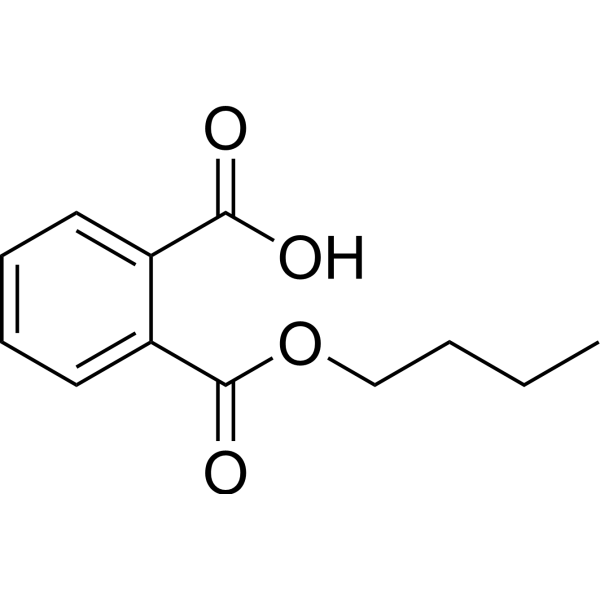
Monobutyl phthalate is an orally active metabolite of Di-n-butyl phthalate (HY-Y0304) and an embryotoxic agent. Monobutyl phthalate regulates mesodermal lineage gene expression, inhibits uterine decidualization, reduces fetal testosterone levels without directly binding to the androgen receptor, and induces teratogenic effects during organogenesis. Monobutyl phthalate induces testicular oxidative stress and sperm abnormalities. Monobutyl phthalate can be used in studies of developmental toxicity and male reproductive toxicity .
loading...
    loading...
2
2 Cited Publications
Cat. No.: HY-B0847
CAS No.: 60207-90-1
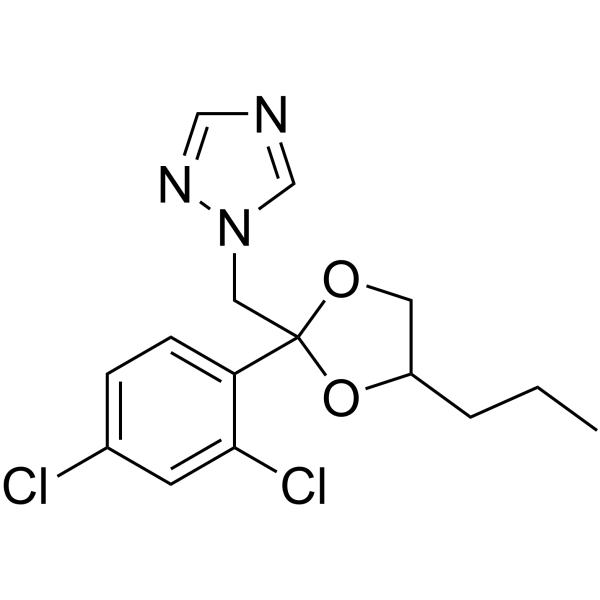
Propiconazole is an orally active N-substituted triazole used as a fungicide. Propiconazole is a mouse liver hepatotoxicant and a hepatocarcinogen that has adverse reproductive and developmental toxicities in experimental animals .
loading...
    loading...
2
2 Cited Publications
Cat. No.: HY-B1024
CAS No.: 16485-10-2
Synonyms: DL-Pantothenol; DL-Pantothenyl alcohol
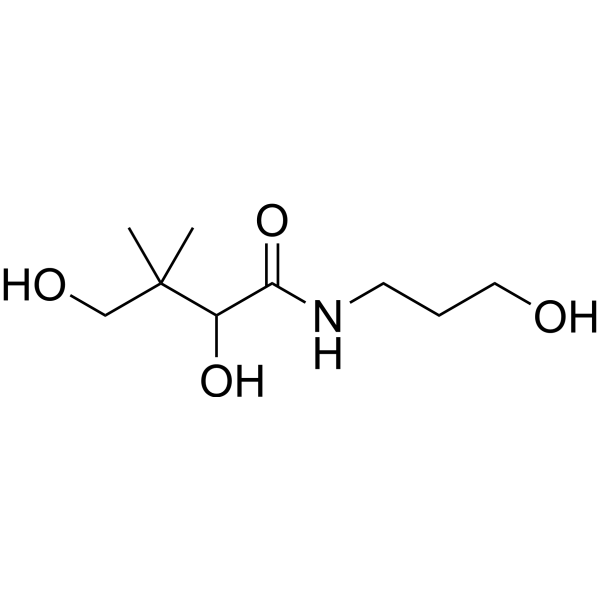
DL-Panthenol (DL-Pantothenol) is a precursor of pantothenic acid. DL-Panthenol easily penetrates the skin and has effects of deep moisturizing, promoting wound healing and anti-inflammation. DL-Panthenol can also be used as a hair conditioner in cosmetics. DL-Panthenol has low acute toxicity, non-sensitizing property, and no significant genotoxicity or reproductive and developmental toxicity. DL-Panthenol can be applied to the research of cosmetics .
loading...
    loading...
1
1 Cited Publications
Cat. No.: HY-W081067
CAS No.: 13252-13-6
Synonyms: HFPO-DA
Target:  

PPAR

Research Areas:  

Infection

Perfluoro (2-methyl-3-oxahexanoic) acid (HFPO-DA) is an orally active PPARα agonist with an EC50 of 2.1 μM for human PPARα. Perfluoro (2-methyl-3-oxahexanoic) acid induces peroxisome proliferation and increases the levels of proinflammatory mediators. It impairs intestinal barrier function and disrupts cecal flora balance. Perfluoro (2-methyl-3-oxahexanoic) acid is applicable to research related to developmental toxicity, hepatotoxicity and intestinal toxicity .
loading...
    loading...
1
1 Cited Publications
Cat. No.: HY-21191
CAS No.: 375-73-5
Synonyms: PFBS
Perfluorobutanesulfonic acid (PFBS) is a short-chain perfluoroalkyl substance and the main replacement for perfluorooctanesulfonic acid. Perfluorobutanesulfonic acid induces fat accumulation in human HepG2 hepatoma cells. Perfluorobutanesulfonic acid promotes lipid accumulation by activating PPARγ pathway and triggering oxidative stress, endoplasmic reticulum stress and calcium dyshomeostasis. Perfluorobutanesulfonic acid impairs reproduction and causes developmental disorders in offspring of Caenorhabditis elegans. Perfluorobutanesulfonic acid disrupts pancreatic organogenesis and lipid homeostasis in zebrafish embryos. Perfluorobutanesulfonic acid can be used in environmental toxicology, lipid metabolism and developmental toxicity studies .
loading...
    loading...
1
1 Cited Publications
Cat. No.: HY-W011215
CAS No.: 84-75-3
Dihexyl phthalate is an orally active phthalate ester (PAEs) widely used as a plasticizer, and it acts as an environmental endocrine disruptor. Dihexyl phthalate exhibits endocrine-disrupting and reproductive toxic properties, induces oxidative stress and inflammation, and ultimately causes apoptosis and damage to reproductive organs such as the testes. Dihexyl phthalate can be used in studies related to developmental toxicity, embryonic lethality, teratogenicity, and abnormal development of the male reproductive system .
loading...
    loading...
Cat. No.: HY-Y0261A
CAS No.: 7783-20-2
Ammonium sulphate,≥99.0%,AR is an inorganic sulfate salt used for molecular biology . Ammonium sulphate,≥99.0%,AR can be used to precipitate proteins, separate antibodies, and enhance antigen-antibody reactions. Ammonium sulphate,≥99.0%,AR can serve as a nitrogen source in plant fertilizers and has developmentally toxicity to freshwater snails, but increases the number of Anopheles africanus and Culex mosquito larvae in rice paddies. Ammonium sulphate,≥99.0%,AR also inhibits the conversion of glucose to ascorbic acid in plants .
loading...
    loading...
Cat. No.: HY-B0973
CAS No.: 132-65-0
Synonyms: DBT; Diphenylene sulfide
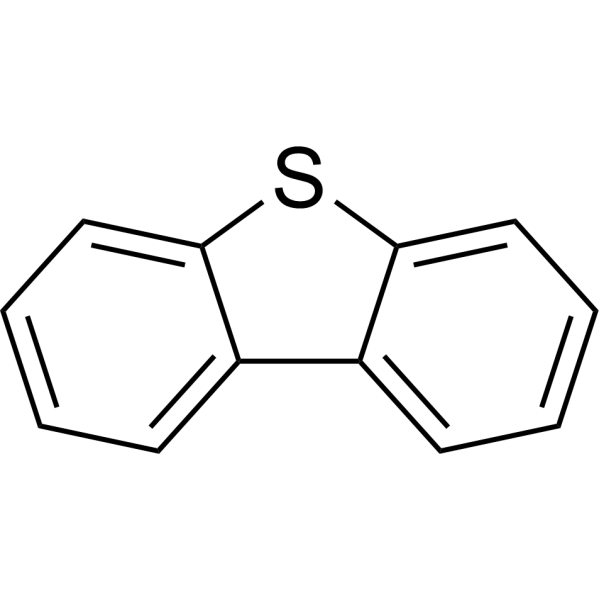
Dibenzothiophene is an orally active and a noncompetitive CYP1A inhibitor. Dibenzothiophene inhibits CYP1A-mediated EROD activity with a Km of 0.592 μM. Dibenzothiophene interacts with the AHR pathway. Dibenzothiophene enhances the embryotoxicity of β-naphthoflavone (HY-114740). Dibenzothiophene shows acute toxicity in mice. Dibenzothiophene is mainly used for the study of the mechanism of developmental toxicity in organisms .
loading...
    loading...
Cat. No.: HY-B2004
CAS No.: 130000-40-7
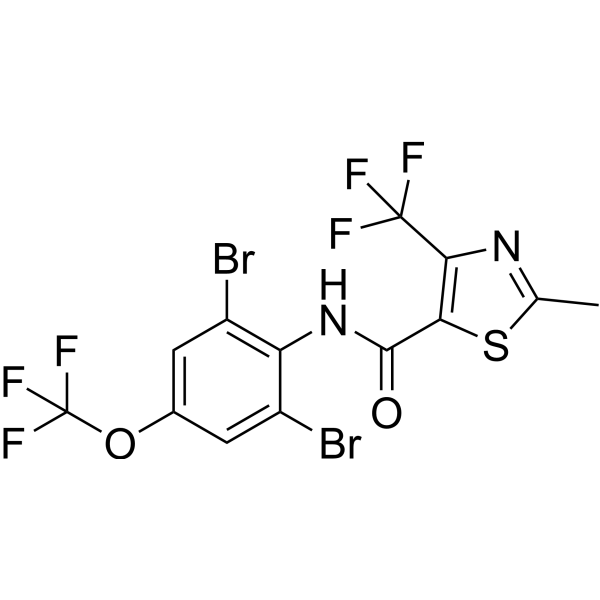
Thifluzamide is a fungicide that inhibits fungal respiration by blocking the ubiquinone-binding site in mitochondrial complex II. Thifluzamide exhibits significant activity against Basidiomycota pathogens (such as Rhizoctonia cerealis, Ustilago and Puccinia genera) and is commonly used in studies on wheat sharp eyespot. Thifluzamide displays a dual mechanism in regulating lipid metabolism: it reduces fatty acid synthase activity to inhibit endogenous fatty acid synthesis, and increases carnitine palmitoyltransferase-I activity to accelerate fatty acid β-oxidation, thereby reducing total cholesterol and triglyceride levels in the liver. Thifluzamide also induces hepatotoxicity in zebrafish models and carries a risk of developmental toxicity. Thifluzamide inhibition of Rhizoctonia cerealis may result in low to moderate levels of drug resistance, leading to the generation of stable drug-resistant mutants .
loading...
    loading...
Cat. No.: HY-W762011
CAS No.: 5436-43-1
BDE 47 targets mitochondria, inhibits mitochondrial oxidative phosphorylation (OXPHOS), decreases mitochondrial membrane potential (MMP) and induces apoptosis in embryonic cell. BDE 47 induces the generation of ROS, and activates the JNK signaling pathway. BDE 47 exhibits embryonic developmental toxicity in zebrafish .
loading...
    loading...
Cat. No.: HY-W099479
CAS No.: 52304-36-6
Synonyms: Ethyl butylacetylaminopropionate; IR-3535
Insect repellent M 3535 (Ethyl butylacetylaminopropionate) is a broad-spectrum, mild insect repellent based on the structure of β-alanine. Insect repellent M 3535 exerts repellent effects by interfering with the olfaction of mosquitoes, but it poses risks of developmental and cardiac toxicity to aquatic organisms such as zebrafish embryos in aquatic environments, and can activate oxidative stress responses .
loading...
    loading...
Cat. No.: HY-122351A
CAS No.: 714229-20-6
Purity:  99.66%
Target:  

Taste Receptor

Research Areas:  

Others

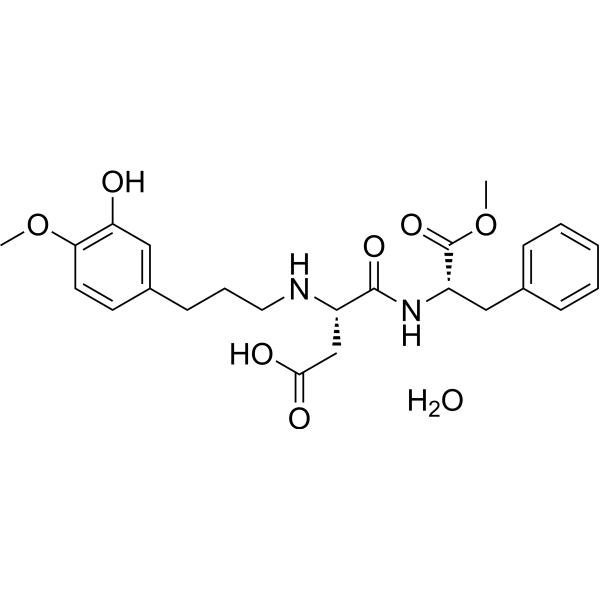
Advantame is an N-substituted derivative of aspartame. Advantame is a high-intensity, low calorie sweetener. Advantame can interact with plasma protein. Advantame has the potential to produce hypotension and inhibit hERG K + channel to produce carditoxicity. Advantame binds to T1R2/T1R3 taste GPCR to form an oligomeric functional selectivity of biased heteromers with NMBR to induce a significant sialidase activity in vitro. Advantame has maternal toxicity (gastrointestinal disturbances) in the prenatal developmental toxicity study in rabbits .
loading...
    loading...
Cat. No.: HY-W002199
CAS No.: 647-42-7
Synonyms: 6:2 FTOH; 1H,1H,2H,2H-Perfluoro-1-octanol; 2-(Perfluorohexyl)ethanol
6:2 Fluorotelomer alcohol (6:2 FTOH) is an orally active, blood-brain barrier-permeable modulator of cyclin D1 and ETS1. 6:2 Fluorotelomer alcohol downregulates cyclin D1 expression, upregulates ETS1 via the TNF-α/ERK 1/2 pathway, impairs mitochondrial membrane potential and respiratory function, increases reactive oxygen species levels, disrupts calcium homeostasis and activates endoplasmic reticulum stress markers, and induces cell proliferation inhibition and endothelial-mesenchymal transition. Furthermore, 6:2 Fluorotelomer alcohol induces morphological abnormalities in zebrafish embryos and liver developmental damage, while disrupting the brain immune microenvironment in mice, causing systemic toxicity and delayed pup maturation in CD-1 mice. 6:2 Fluorotelomer alcohol also induces cortical neuron apoptosis, glial cell activation, synaptic abnormalities, colonic barrier damage, intestinal dysbiosis and autism spectrum disorder-like symptoms in mice. 6:2 Fluorotelomer alcohol shows no mutagenic, clastogenic, primary skin/eye irritation or skin sensitizing effects, exhibits no selective reproductive toxicity in CD-1 mice, and is classified as GHS Category 4 for acute oral toxicity. 6:2 Fluorotelomer alcohol can be used in studies of neurodevelopmental disorders and autism spectrum disorders .
loading...
    loading...
Cat. No.: HY-136355
CAS No.: 117428-22-5
Purity:  99.76%
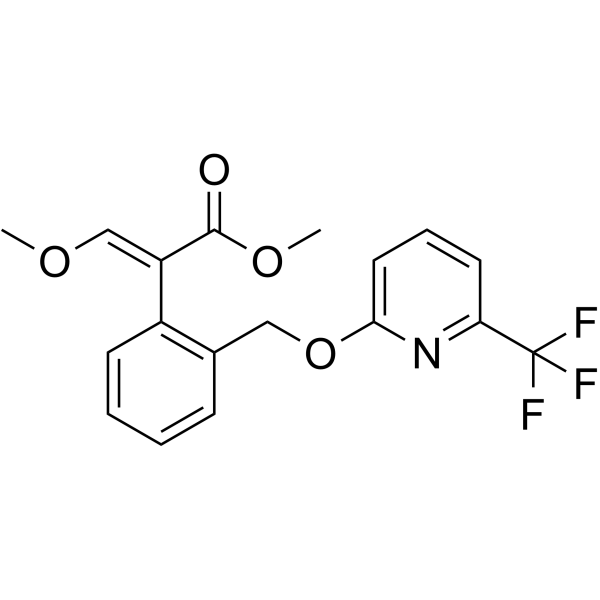
Picoxystrobin is a strobilurin fungicide. Picoxystrobin controls plant diseases by inhibiting mitochondrial respiration. Picoxystrobin is highly toxic to zebrafish embryos, causing developmental abnormalities, oxidative stress, and immunotoxicity .
loading...
    loading...
Cat. No.: HY-W039454
CAS No.: 1777-82-8
Research Areas:  

Infection

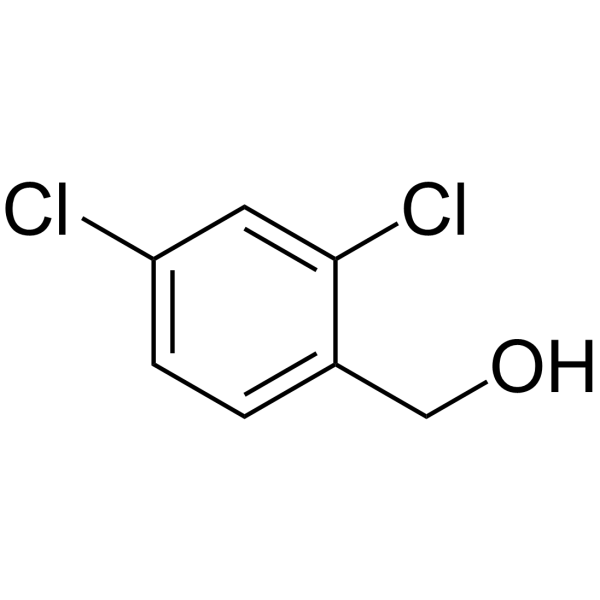
2,4-Dichlorobenzyl alcohol is an orally active mild antiseptic, with a broad spectrum for bacterial and virus associated with mouth and throat infections. 2,4-Dichlorobenzyl alcohol exhibits prenatal developmental toxicity.2,4-Dichlorobenzyl alcohol can be used in the study of SARS-CoV .
loading...
    loading...
Cat. No.: HY-B2010
CAS No.: 72178-02-0
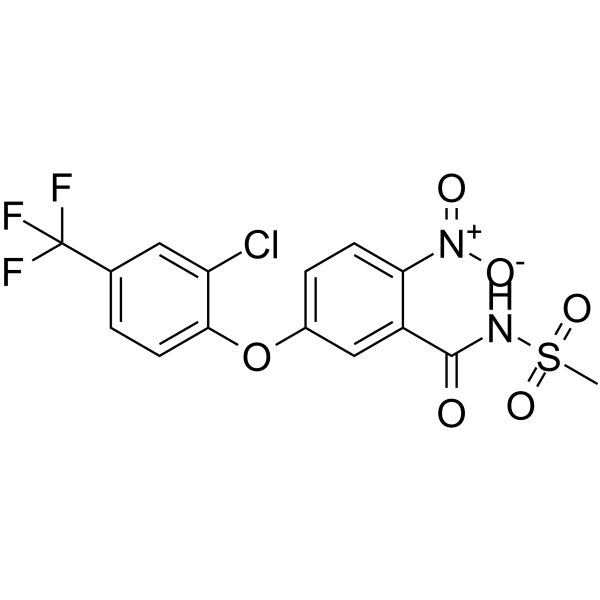
Fomesafen is an orally active herbicide. Fomesafen inhibits protoporphyrinogen oxidase (PPO). Fomesafen induces Apoptosis and increases ROS. Fomesafen exhibits developmental toxicity, immunotoxicity, and neurotoxicity. It induces precancerous lesions in the liver and hepaturoporphyria in mice. Fomesafen is used to control broadleaf weeds in soybean fields, rubber plantations, and orchards .
loading...
    loading...
Cat. No.: HY-W203683
CAS No.: 375-95-1
Synonyms: PFNA; Heptadecafluorononanoic acid
Target:  

PPAR PERK

Research Areas:  

Metabolic Disease

Perfluorononanoic acid (PFNA) is an orally active PPARα activator. Perfluorononanoic acid activates PPARα-mediated gene expression, including upregulating target genes associated with lipid metabolism and triglyceride storage. Perfluorononanoic acid exhibits certain developmental and reproductive toxicity. Perfluorononanoic acid causes hepatomegaly in pregnant mice, induces high postnatal mortality in neonatal mice, and leads to dose-dependent delays in eye-opening time and puberty onset in mouse offspring .
loading...
    loading...
Cat. No.: HY-W040194
CAS No.: 81777-89-1
Research Areas:  

Metabolic Disease

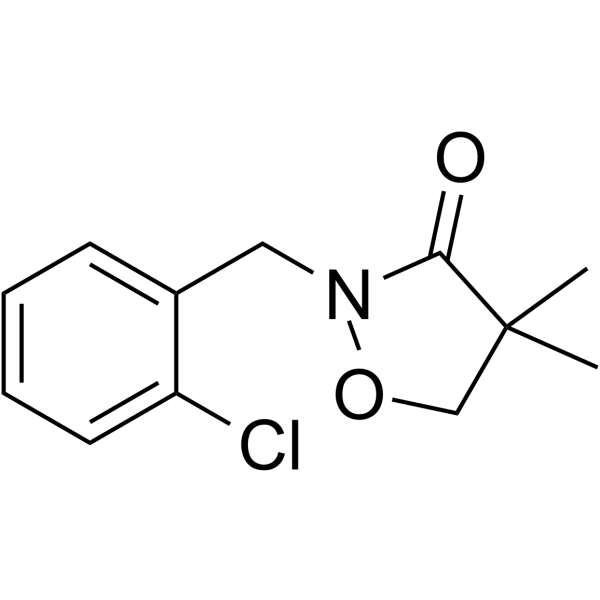
Clomazone is a broad spectrum herbicide, mainly used to control annual broadleaf weeds and grass weeds in various crops such as rice, soybeans, and peanuts. Clomazone inhibits carotenoid biosynthesis, and treated plants show typical "albinism" symptoms due to the destruction of chloroplast membrane structure leading to chlorophyll degradation. Clomazone exhibits multiple toxic effects on non-target organisms, including aquatic lethality, developmental malformations, liver damage, mitochondrial dysfunction, and hematotoxicity .
loading...
    loading...
Cat. No.: HY-119896
CAS No.: 99129-21-2
Purity:  ≥95.0%
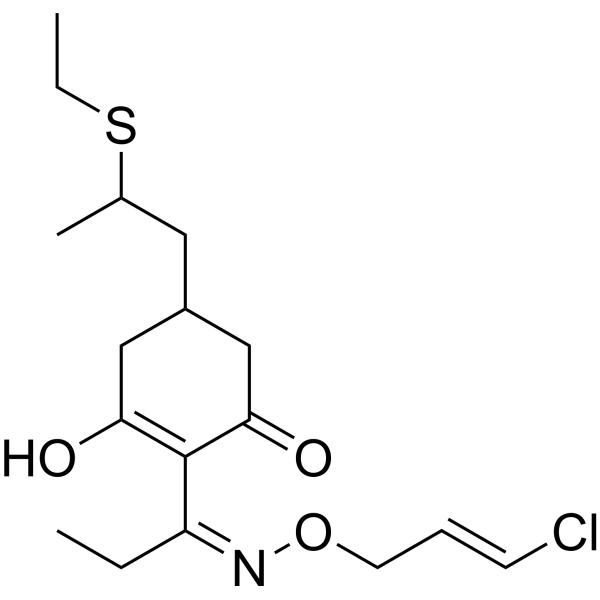
Clethodim is a potent acetyl-CoA A carboxylase (ACCase) inhibitor and herbicide. Clethodim inhibits ACCase in plants, thereby blocking fatty acid biosynthesis required for cell membrane and secondary metabolite production . Clethodim exhibits developmental toxicity and neurotoxicity in zebrafish embryos and larvae. Clethodim is used in studies on agricultural herbicides and developmental toxicity .
loading...
    loading...

