1. Search Result
Search Result
Results for "

Diet

" in MedChemExpress (MCE) Product Catalog:

240

Inhibitors & Agonists

4

Screening Libraries

11

Biochemical Assay Reagents

19

Peptides

1

Inhibitory Antibodies

63

Natural
Products

14

Isotope-Labeled Compounds

3

Oligonucleotides

Cat. No. Product Name Target Research Areas Chemical Structure
  • HY-123033A
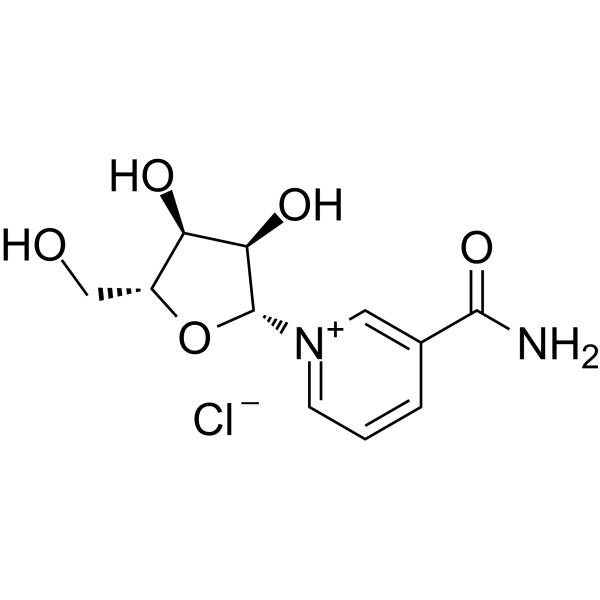
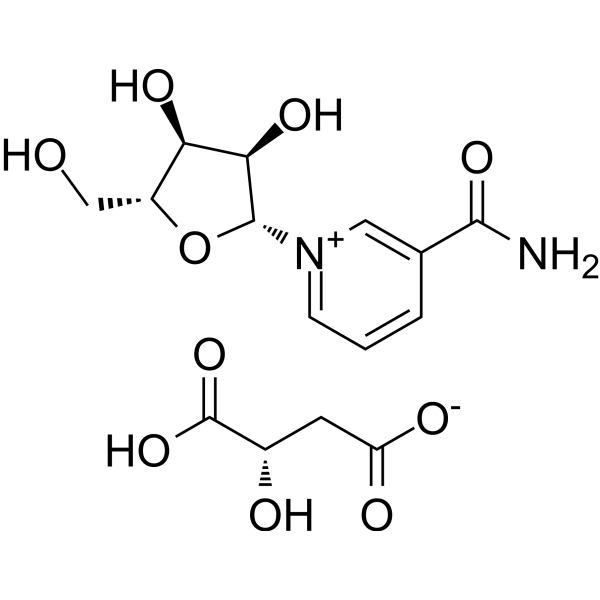
    Nicotinamide riboside chloride
    20+ Cited Publications

    Sirtuin Endogenous Metabolite Neurological Disease Metabolic Disease Cancer
    Nicotinamide riboside Chloride, an orally active NAD + precursor, increases NAD + levels and activates SIRT1 and SIRT3. Nicotinamide riboside Chloride is a source of vitamin B3 (niacin) and enhances oxidative metabolism, protection against high fat diet-induced metabolic abnormalities . Nicotinamide riboside Chloride reduces cognitive deterioration in a transgenic mouse model of Alzheimer’s disease .
    Nicotinamide riboside chloride
  • HY-B1779
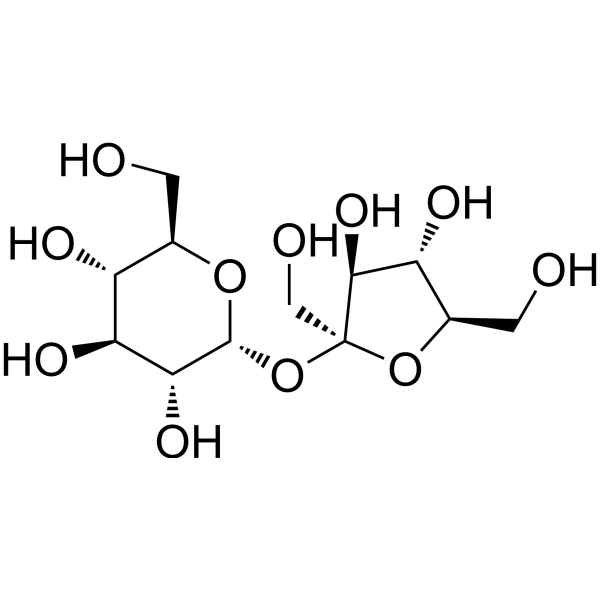
    Sucrose
    5+ Cited Publications

    D-(+)-Saccharose

    Environmental Pollutants Endogenous Metabolite Metabolic Disease Cancer
    Sucrose (D-(+)-Saccharose) is a disaccharide which is composed of two monosaccharides, glucose and fructose. Sucrose can be applied in some animal models, including metabolic disease, obesity, diet on preference, and diabetes, et al .
    Sucrose
  • HY-120318
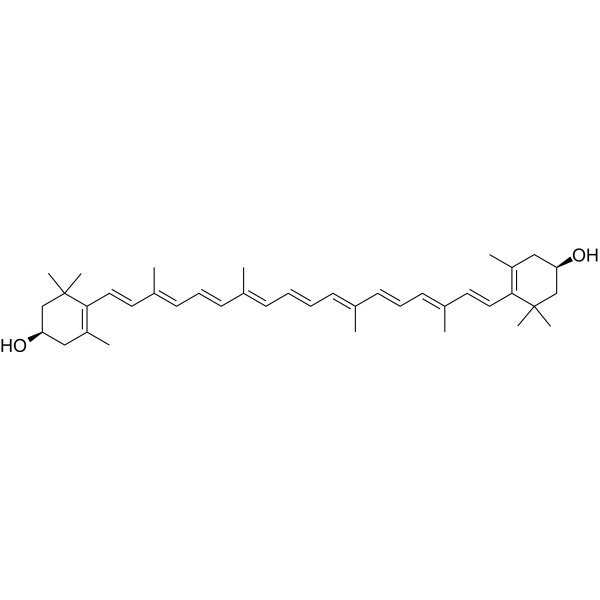
    Zeaxanthin
    2 Publications Verification

    Endogenous Metabolite Inflammation/Immunology Cancer
    Zeaxanthin, a diet-obtained carotenoid, presents in the macula region of the eye. Zeaxanthin shows antioxidant effects .
    Zeaxanthin
  • HY-W042416
    N,N-Dimethylacetamide
    1 Publications Verification

    DMAc

    NF-κB Neurological Disease Metabolic Disease Inflammation/Immunology
    N,N-Dimethylacetamide (DMAc) is an organic solvent with blood-brain transmissibility and an FDA-approved drug excipient. N, N-dimethylacetamide exerts anti-inflammatory activity by inhibiting the NF-κB signaling pathway. N, N-dimethylacetamide can be used in studies of weight gain caused by a high-fat diet and neuroinflammation in Alzheimer's disease .
    N,N-Dimethylacetamide
  • HY-114153C

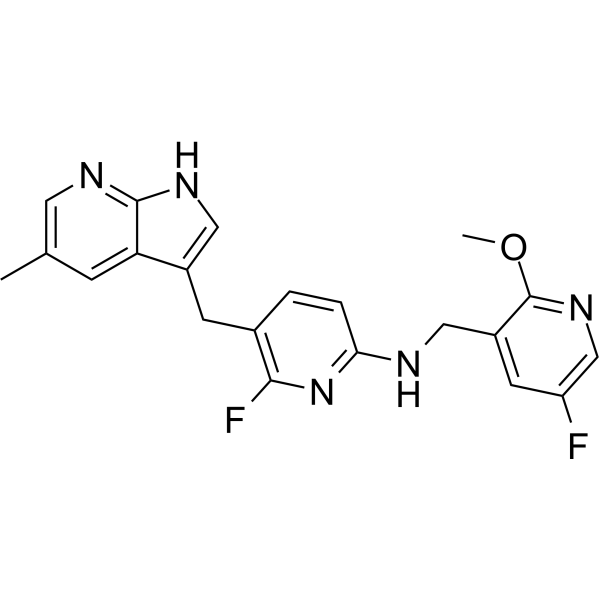
    c-Fms Neurological Disease
    PLX5622 in AIN-76A Diet (1200 ppm) contains 1200 mg of PLX5622 (HY-114153) per Kg of AIN-76 diet and it can be used for microglia clearance. PLX5622 in AIN-76A Diet (1200 ppm) is ideal choose for microglia function research in healthy/diseased states. PLX5622 in AIN-76A Diet (1200 ppm) has been verified by MedChemExpress (MCE).The color of PLX5622 in AIN-76A Diet (1200 ppm) provided by MCE is blue. Meanwhile, MCE will provide an equal amount of PLX5622-Free AIN-76A Diet (no added pigments) as a complimentary offering, which is used for the control group.
    PLX5622 in AIN-76A Diet (1200 ppm)
  • HY-130208
    Thiodigalactoside
    5 Publications Verification

    TDG

    Galectin Metabolic Disease Inflammation/Immunology Cancer
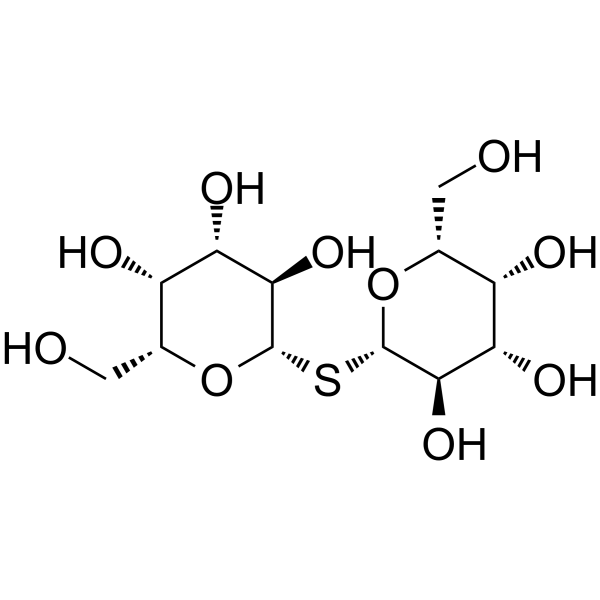
    Thiodigalactoside (TDG) is an orally active and potent galectin (GAL) inhibitor with Kd values of 24 μM, 49 μM for GAL1 and GAL3, respectively . Thiodigalactoside, a non-metabolizable disaccharide, has anti-inflammatory and anti-cancer activity. Thiodigalactoside dramatically reduces body weight gain in diet-induced obese rats .
    Thiodigalactoside
  • HY-N8518
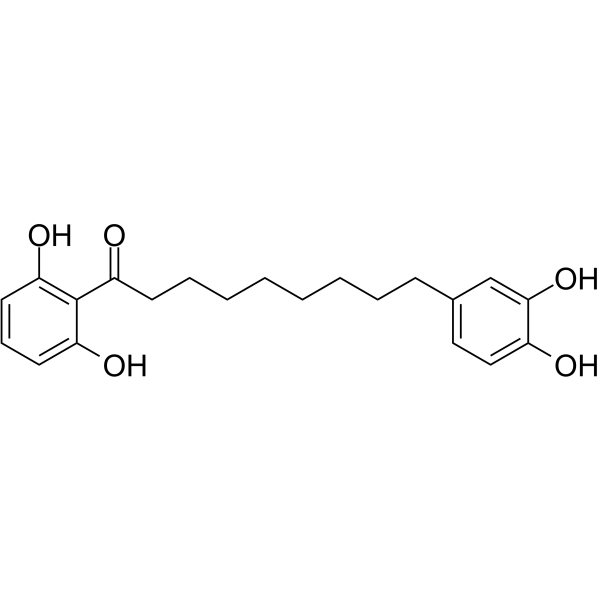
    Malabaricone C
    3 Publications Verification

    Phospholipase p38 MAPK Apoptosis NF-κB Metabolic Disease Inflammation/Immunology Cancer
    Malabaricone C is an orally active and noncompetitive sphingomyelin synthase (SMS) inhibitor with IC50 values of 3 μM and 1.5 μM for SMS 1 and SMS 2, respectively. Malabaricone C reduces body weight gain, improves glucose tolerance, and decreases lipid accumulation in the liver, showing significant prevention of high fat diet-induced fatty liver in mice. Malabaricone C has anti-inflammatory effects, which is found in the fruits of Myristica cinnamomea King. Malabaricone C is promising for research of obesity and immunological disorders caused due to hyper-activation of T-cells .
    Malabaricone C
  • HY-P10745

    ZP8396

    Amylin Receptor Metabolic Disease
    Petrelintide (ZP8396) is a dual amylin and calcitonin receptor agonist (DACRA) Petrelintide elicits a selective reduction in high-fat diet intake in diet-induced obese (DIO) rats, which is accompanied by a loss of fat mass and preservation of lean mass during weight reduction. Petrelintide can be utilized in diabetes research .
    Petrelintide
  • HY-N0375
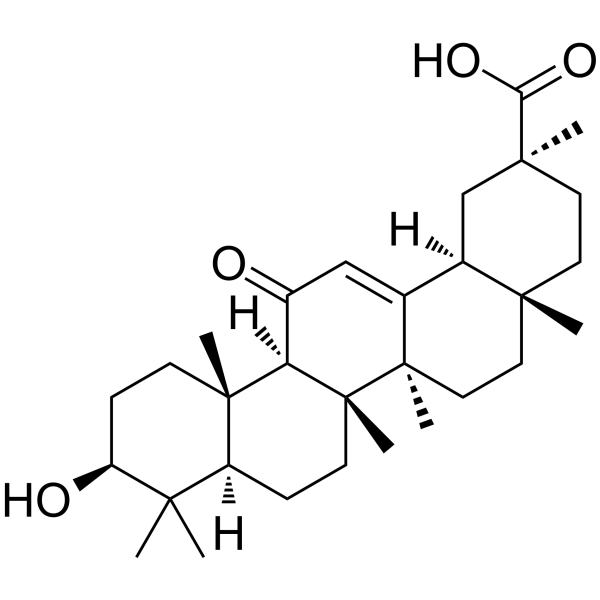
    18α-Glycyrrhetinic acid
    1 Publications Verification

    Proteasome NF-κB Apoptosis Neurological Disease Inflammation/Immunology Cancer
    18α-Glycyrrhetinic acid, a diet-derived compound, is an inhibitor of NF-kB and an activator of proteasome, which serves as pro-longevity and anti-aggregation factor in a multicellular organism. 18α-Glycyrrhetinic acid induces apoptosis .
    18α-Glycyrrhetinic acid
  • HY-12756A
    E6446 dihydrochloride
    5+ Cited Publications

    Toll-like Receptor (TLR) Stearoyl-CoA Desaturase (SCD) Metabolic Disease Inflammation/Immunology
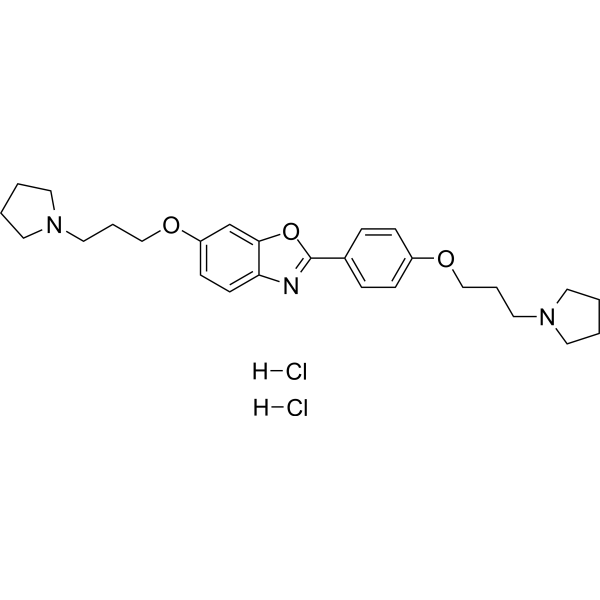
    E6446 dihydrochloride is a potent and orally acitve TLR7 and TLR9 antagonist, used in the research of deleterious inflammatory responses. E6446 dihydrochloride is also a potent SCD1 inhibitor (KD: 4.61 μM), significantly inhibiting adipogenic differentiation and hepatic lipogenesis through SCD1-ATF3 signaling. E6446 dihydrochloride also improves liver pathology in high-fat diet (HFD)-fed mice and may be useful in the study of non-alcoholic fatty liver disease (NAFLD) .
    E6446 dihydrochloride
  • HY-P10745A

    ZP8396 acetate

    Amylin Receptor Metabolic Disease
    Perelintide (ZP8396) acetate is a dual amylin and calcitonin receptor agonist (DACRA). Perelintide acetate elicits a selective reduction in high-fat diet intake in diet-induced obese (DIO) rats, which is accompanied by a loss of fat mass and preservation of lean mass during weight reduction. Perelintide acetate can be utilized in diabetes research .
    Petrelintide acetate
  • HY-124758

    Mitochondrial Metabolism Metabolic Disease Cancer
    SH-BC-893 is an orally active anti-neoplastic sphingolipid analog. SH-BC-893 also protects from ceramide-induced mitochondrial dysfunction and corrects diet-induced obesity. SH-BC-893 can be used for the research of cancer and obesity .
    SH-BC-893
  • HY-156438

    NT-0796

    NOD-like Receptor (NLR) Interleukin Related Neurological Disease
    Ruvonoflast (NT-0796) is an orally active, selective and CNS-penetrant NLRP3 inflammasome inhibitor. Ruvonoflast inhibits IL-1β release in human PBMC cells with an IC50 value of 0.32 nM. Ruvonoflast is an isopropyl ester that undergoes intracellular conversion to Ruvonoflast, the carboxylic acid active species. Ruvonoflast reverses high fat diet-induced obesity, systemic inflammation and astrogliosis in the diet-induced obesity mouse model. Ruvonoflast is promising for research of neurodegenerative disorders, including Alzheimer’s disease, Parkinson’s disease, multiple sclerosis, and amyotrophic lateral sclerosis .
    Ruvonoflast
  • HY-B2122

    PPAR Fatty Acid Synthase (FASN) Others
    Maltitol is an orally active polyol and sugar alcohol sweetener produced by the hydrogenation of maltose. Maltitol can replace sucrose and has characteristics of having a minor impact on blood sugar and potential prebiotic effects .
    Maltitol
  • HY-123033

    Sirtuin Endogenous Metabolite Neurological Disease Metabolic Disease Cancer
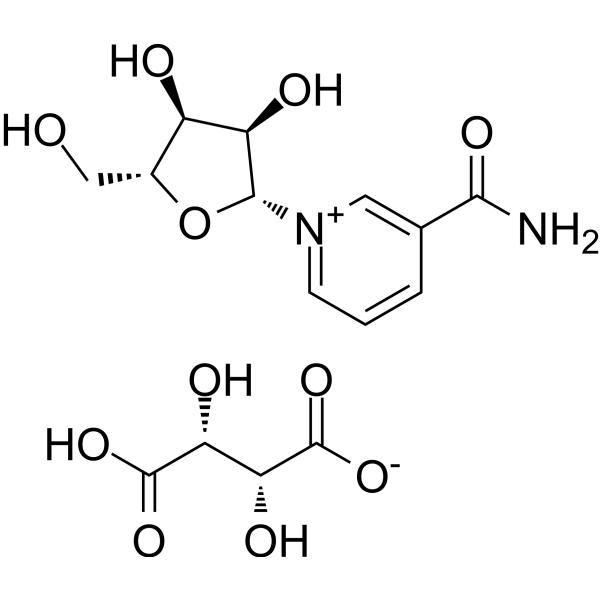
    Nicotinamide riboside, an orally active NAD + precursor, increases NAD + levels and activates SIRT1 and SIRT3. Nicotinamide riboside is a source of vitamin B3 (niacin) and enhances oxidative metabolism, protection against high fat diet-induced metabolic abnormalities . Nicotinamide riboside reduces cognitive deterioration in a transgenic mouse model of Alzheimer’s disease .
    Nicotinamide riboside
  • HY-12756
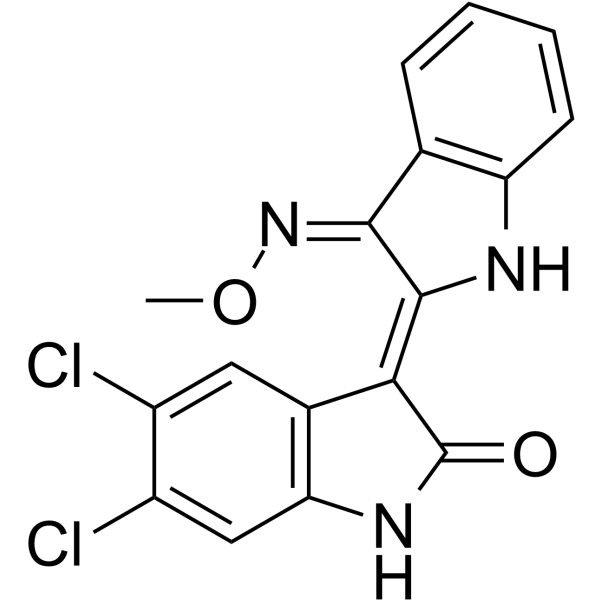
    E6446
    5+ Cited Publications

    Toll-like Receptor (TLR) Stearoyl-CoA Desaturase (SCD) Metabolic Disease Inflammation/Immunology
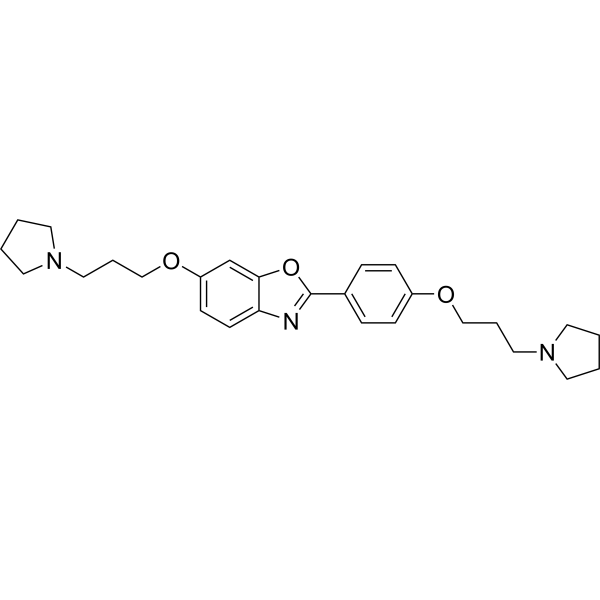
    E6446 is a potent and orally acitve TLR7 and TLR9 antagonist, used in the research of deleterious inflammatory responses. E6446 is also a potent SCD1 inhibitor (KD: 4.61 μM), significantly inhibiting adipogenic differentiation and hepatic lipogenesis through SCD1-ATF3 signaling. E6446 also improves liver pathology in high-fat diet (HFD)-fed mice and may be useful in the study of non-alcoholic fatty liver disease (NAFLD) .
    E6446
  • HY-101832
    SBC-110736
    1 Publications Verification

    PCSK9 Cardiovascular Disease Metabolic Disease
    SBC-110736 is a proprotein convertase subtilisin kexin type 9 (PCSK9) inhibitor extracted from patent WO2014150395A1 .
    SBC-110736
  • HY-B1779R

    D-(+)-Saccharose (Standard)

    Reference Standards Endogenous Metabolite Metabolic Disease Cancer
    Sucrose (Standard) is the analytical standard of Sucrose. This product is intended for research and analytical applications. Sucrose (D-(+)-Saccharose) is a disaccharide which is composed of two monosaccharides, glucose and fructose. Sucrose?can be applied in some animal models, including metabolic disease, obesity,?diet on preference,?and diabetes, et al .
    Sucrose (Standard)
  • HY-138207

    Mitochondrial Metabolism Drug Metabolite Inflammation/Immunology
    N-Oleoyl-L-phenylalanine is a long-chain N-acyl-L-phenylalanine and also a mitochondrial uncoupler. N-Oleoyl-L-phenylalanine uncouples UCP1-independent respiration in mitochondria, thereby helping to regulate glucose homeostasis. As an endogenous metabolite, the level of N-Oleoyl-L-phenylalanine increases in patients with ulcerative colitis after a high-fat diet. N-Oleoyl-L-phenylalanine can be used in studies related to ulcerative colitis .
    N-Oleoyl-L-phenylalanine
  • HY-113085
    3-Hydroxyhippuric acid
    1 Publications Verification

    Endogenous Metabolite Others
    3-Hydroxyhippuric acid is an acyl glycine. 3-Hydroxyhippuric acid inhibits kynureninase (Ki = 60 μM). 3-Hydroxyhippuric acid is found in higher concentrations in autistic group than in the controls. 3-Hydroxyhippuric acid is a marker of Clostridium species, and has a positive correlation with the level of Clostridia. 3-Hydroxyhippuric acid is one of the main metabolites formed from the catechin diet and wine polyphenol diets .
    3-Hydroxyhippuric acid
  • HY-14471
    Cetilistat
    1 Publications Verification

    ATL-962

    Lipase Metabolic Disease
    Cetilistat (ATL-962), an inhibitor of pancreatic lipase, acts as an effective anti-obesity agent. Cetilistat inhibits rat and human pancreatic lipase activity with IC50s of 54.8 nM, and 5.95 nM, respectively .
    Cetilistat
  • HY-101190

    SHP626; LUM002

    Apical Sodium-Dependent Bile Acid Transporter Metabolic Disease
    Volixibat (SHP626) is a highly selective, minimally absorbed, and competitive apical sodium-dependent bile acid transporter (ASBT) inhibitor. Volixibat has potential for treatment for non-alcoholic steatohepatitis (NASH) .
    Volixibat
  • HY-107734

    Neuropeptide Y Receptor Metabolic Disease Endocrinology
    L 152804 is an orally active and selective neuropeptide Y Y5 receptor (NPY5-R) antagonist, with a Ki of 26 nM for hY5. L 152804 causes weight loss in diet-induced obese mice by modulating food intake and energy expenditure .
    L 152804
  • HY-W341625

    Endogenous Metabolite Neurological Disease Metabolic Disease Cancer
    Trihexosylceramide (d18:1/12:0) is a glycosphingolipid and mood-related compound. Trihexosylceramide (d18:1/12:0) is characterized by elevated serum levels in Mus musculus fed a high-fat diet, and its levels are positively correlated with mood Z-scores. Accumulation of Trihexosylceramide (d18:1/12:0) in tissues is considered the etiology of angiokeratoma corporis diffusum. Trihexosylceramide (d18:1/12:0) can be used in studies related to high-fat diet-induced mood disorders .\n


    Trihexosylceramide (d18:1/12:0)
  • HY-113058

    Endogenous Metabolite Metabolic Disease
    3-Hydroxyoctanoic acid is a hydroxylated fatty acid that has been found in the LPS of Pseudomonas aeruginosa and in methyl-branched poly(3-hydroxyalkanoate) (PHA) polymers produced by Pseudomonas oleophores. It is an agonist of the orphan receptor GPR109B, increasing intracellular calcium in human neutrophils endogenously expressing GPR109B. 3-Hydroxycaprylic acid prevents lipolysis in human adipocytes and is upregulated in human plasma in response to a ketogenic diet. Plasma levels of 3-hydroxyoctanoic acid were also increased 3.41-fold in human male runners exhausted on a treadmill and in a mouse model of autism spectrum disorder (ASD) fed a high-glycemic diet.
    3-Hydroxyoctanoic acid
  • HY-135115

    3,4-DHPEA-EA

    α-synuclein HDAC Adrenergic Receptor Inflammation/Immunology
    Oleuropein Aglycone (3,4-DHPEA-EA) is a polyphenol and the aglycone form of oleuropein (HY-N0292), formed by enzymatic, acidic or acetylated hydrolysis of oleuropein. Dietary intake of oleuropein Aglycone (50 mg/kg diet) increases the number of neuronal autophagic vesicles, reverses cognitive deficits in the TgCRND8 transgenic mouse model of Alzheimer's disease, and reduces the levels of histone deacetylase 2 (HDAC2) in the cortex and hippocampus. Oleuropein Aglycone increases urinary norepinephrine, interscapular brown adipose tissue epinephrine, and UCP1 protein levels, and reduced plasma leptin levels and total abdominal adipose tissue weight in a rat model of high-fat diet-induced obesity. Oleuropein Aglycone also reduced lung neutrophil infiltration, lipid peroxidation, and IL-1β levels in a mouse model of carrageenan-induced pleurisy.
    Oleuropein Aglycone
  • HY-W768338

    D-(+)-Saccharose-13C

    Isotope-Labeled Compounds Metabolic Disease Cancer
    Sucrose- 13C is 13C labeled Sucrose. Sucrose (D-(+)-Saccharose) is a disaccharide which is composed of two monosaccharides, glucose and fructose. Sucrose can be applied in some animal models, including metabolic disease, obesity, diet on preference, and diabetes, et al .
    Sucrose-13C
  • HY-W012865

    Carnitine Palmitoyltransferase (CPT) Endogenous Metabolite FABP PPAR Metabolic Disease
    Tartronic acid, a dicarboxylic acid derive, is an inhibitor of the transformation of carbohydrates into fat under fat-deficient diet conditions. Tartronic acid promotes 3T3-L1 adipocyte differentiation by increasing the protein expression of FABP-4, PPARγ and SREBP-1. Tartronic acid promotes de novo lipogenesis and inhibits CPT-1β by upregulating acetyl-CoA and malonyl-CoA. Tartronic acid promotes weight gain and induces adipocyte hypertrophy in epididymal white adipose tissue and lipid accumulation in the livers of high-fat diet induced obese mice. Tartronic acid can be used for lipid metabolic disease research .
    Tartronic acid
  • HY-112812

    Stearoyl-CoA Desaturase (SCD) Metabolic Disease
    SCD1 inhibitor-1 (Compound 48) is an orally active and liver-selective inhibitor of stearoyl-CoA desaturase 1 (SCD1) with an IC50 of 8.8 nM for recombinant human SCD1 enzyme. SCD1 inhibitor-1 can be used in the study of diseases such as diabetes, hepatic steatosis and obesity .
    SCD1 inhibitor-1
  • HY-P10032

    NNC9204-1177

    GCGR GLP Receptor Cytochrome P450 Metabolic Disease
    NN1177 is a long-acting GLP-1/glucagon receptor co-agonist. NN1177 can induce a dose-dependent body weight loss in diet-induced obese (DIO) mice .
    NN1177
  • HY-B1779S3

    D-(+)-Saccharose-d14

    Endogenous Metabolite Metabolic Disease Cancer
    Sucrose-d14 is the deuterium labeled Sucrose. Sucrose (D-(+)-Saccharose) is a disaccharide which is composed of two monosaccharides, glucose and fructose. Sucrose can be applied in some animal models, including metabolic disease, obesity, diet on preferen
    Sucrose-d14
  • HY-134769

    Mitochondrial Metabolism Reactive Oxygen Species (ROS) Cardiovascular Disease Metabolic Disease
    OPC-163493 is an orally active and liver-targeted mitochondrial uncoupling agent. OPC-163493 reduces the production of mitochondrial Δψ and ROS. OPC-163493 has anti-diabetic and lipid-lowering effects. In addition, OPC-163493 has a protective effect on cardiovascular disease .
    OPC-163493
  • HY-135259

    Prostaglandin Receptor Metabolic Disease
    CAY10580 is a potent and selective prostaglandin EP4 receptor agonist (Ki=35 nM) .
    CAY10580
  • HY-W768340

    D-(+)-Saccharose-13C6-1

    Isotope-Labeled Compounds Metabolic Disease Cancer
    Sucrose- 13C6-1 is 13C labeled Sucrose. Sucrose (D-(+)-Saccharose) is a disaccharide which is composed of two monosaccharides, glucose and fructose. Sucrose can be applied in some animal models, including metabolic disease, obesity, diet on preference, and diabetes, et al .
    Sucrose-13C6-1
  • HY-P4633
    γ-Glu-Tyr
    1 Publications Verification

    Dipeptidyl Peptidase Metabolic Disease
    γ-Glu-Tyr, a competitive inhibitor of dipeptidyl peptidase-IV (DPP-IV) (IC50=6.77 mM), is a potentially functional component of the type 2 diabetes diet .
    γ-Glu-Tyr
  • HY-N8144

    Others Cardiovascular Disease
    Niga-ichigoside F1, an orally active ursane triterpenoid, has antihyperlipidemic and antioxidant activities. Niga-ichigoside F1 can prevent high-fat diet (HFD)-induced hepatic steatosis .
    Niga-ichigoside F1
  • HY-128872

    EHP-101; VCE-​004.8

    PPAR Cannabinoid Receptor HIF/HIF Prolyl-Hydroxylase Metabolic Disease Inflammation/Immunology
    Etrinabdione (EHP-101; VCE-004.8) is an orally active, specific PPARγ and CB2 receptor dual agonist. Etrinabdione inhibits prolyl-hydroxylases (PHDs) and activates the HIF pathway. Etrinabdione, a semi-synthetic multitarget cannabinoquinoid, has potent anti-inflammatory activity. Etrinabdione attenuates adipogenesis and prevents diet-induced obesity .
    Etrinabdione
  • HY-W094353

    Biochemical Assay Reagents Others
    Calcium acetate hydrate is a type of calcium salt that can be used as a food additive, stabilizer, buffer and isolator. Calcium acetate hydrate can be combined with phosphate in the diet to reduce phosphate levels in the blood .
    Calcium acetate hydrate
  • HY-113448

    20:3 (8Z,11Z,14Z) CE; 20:3 n-6 CE; 20:3 (8Z,11Z,14Z) Cholesterol Ester

    Endogenous Metabolite Cardiovascular Disease
    Cholesteryl homo-γ-linolenate is a cholesterol ester. It accumulates in the adrenal gland of rabbits fed a diet high in linolenic acid.1 Levels of cholesteryl homo-γ-linolenate are decreased and positively correlate with cognitive decline in HIV-infected humans.
    CE(20:3(8Z,11Z,14Z))
  • HY-165677

    Endogenous Metabolite Neurological Disease
    C22 Galactosylceramide is a sphingolipid present in the central nervous system, exhibiting elevated levels in the spinal cord of mice on a methionine-restricted diet, while not affecting the brain or liver; furthermore, it has been identified in the postmortem hippocampus of Alzheimer's disease patients.
    C22 Galactosylceramide
  • HY-B1779S5

    D-(+)-Saccharose-13C6

    Endogenous Metabolite Metabolic Disease
    Sucrose- 13C6 is the 13C labeled Sucrose . Sucrose (D-(+)-Saccharose) is a disaccharide which is composed of two monosaccharides, glucose and fructose. Sucrose can be applied in some animal models, including metabolic disease, obesity, diet on preference, and diabetes, et al .
    Sucrose-13C6
  • HY-128142

    PKD PKC Cardiovascular Disease
    PKC/PKD-IN-1 (Compound 13C) is an orally active dual protein kinase C/D (PKC/PKD) inhibitor with an IC50 value of 0.6 nM for PKD1. PKC/PKD-IN-1 can attenuate high-salt diet-induced cardiac hypertrophy and can be used in the study of heart failure .
    PKC/PKD-IN-1
  • HY-114911

    DA2370; Prenazone; Zepelin

    COX Reactive Oxygen Species (ROS) MMP Inflammation/Immunology
    Feprazone (DA2370; Prenazone), an analogue of Phenylbutazone (HY-B0230), is a nonsteroidal anti-inflammatory agent with analgesic and antipyretic activities. Feprazone acts by inhibiting the activity of cyclooxygenase (COX)-2. Feprazone ameliorates free fatty acid (FFA)-induced oxidative stress by reducing the production of mitochondrial reactive oxygen species (ROS). Feprazone can decrease the expression of MMP-2 and MMP-9. Besides, Feprazone can suppress adipogenesis and increase lipolysis in differentiating 3 T3-L1 cells. Feprazone also can be used to research atherosclerosis and obesity .
    Feprazone
  • HY-158812

    Drug Derivative Metabolic Disease
    Eicosapentaenoyl-L-carnitine chloride is a long-chain acylcarnitine composed of Eicosapentaenoic Acid (HY-B0660) and L-Carnitine (HY-B0399). The levels of Eicosapentaenoyl-L-carnitine chloride are increased in the eyes of mice fed a diet high in n-3/n-6 polyunsaturated fatty acids (PUFAs) in a mouse model of myopia induced by out-of-focus lenses .
    Eicosapentaenoyl-L-carnitine chloride
  • HY-133844

    Drug Intermediate Others
    Bisbentiamine is a lipophilic thiamine prodrug with pH-dependent solubility. The bioavailability of Bisbentiamine is regulated by diet type, administration time, gastric acidity, and formulation .
    Bisbentiamine
  • HY-124557

    NF-κB Metabolic Disease Inflammation/Immunology
    Mahanimbine is an orally active alkaloid from Murraya koenigii. Mahanimbine inhibits progression of high-fat diet (HFD)-induced metabolic complications in mice .
    Mahanimbine
  • HY-113085R

    Reference Standards Endogenous Metabolite Others
    3-Hydroxyhippuric acid (Standard) is the analytical standard of 3-Hydroxyhippuric acid. This product is intended for research and analytical applications. 3-Hydroxyhippuric acid is an acyl glycine. 3-Hydroxyhippuric acid inhibits kynureninase (Ki = 60 μM). 3-Hydroxyhippuric acid is found in higher concentrations in autistic group than in the controls. 3-Hydroxyhippuric acid is a marker of Clostridium species, and has a positive correlation with the level of Clostridia. 3-Hydroxyhippuric acid is one of the main metabolites formed from the catechin diet and wine polyphenol diets .
    3-Hydroxyhippuric acid (Standard)
  • HY-120987

    Biochemical Assay Reagents Others
    6,9,12,15-octadecatetraenoic acid (Glycerol α-monoelaidate) is a rare omega-3 series polyunsaturated fatty acid. In normal people, it accounts for less than 0.25% of serum phospholipid fatty acids. It is found in certain natural oils, such as echium and blackcurrant, and to the extent that these oils are incorporated into nutraceuticals, stearidonic acid can be an important polyunsaturated species in the human diet. Ethyl stearidonic acid, an ester of the free acid, is less water soluble but more suitable for formulating stearidonic acid-containing diets and dietary supplements.
    Ethyl stearidonate
  • HY-123115

    5-O-α-D-Glucopyranosyl-D-fructose

    JAK STAT TNF Receptor Interleukin Related Metabolic Disease Inflammation/Immunology
    Leucrose (5-O-α-D-Glucopyranosyl-D-fructose) is an orally active Sucrose (HY-B1779) isomer naturally found in pollen and honey. Leucrose promotes phosphorylation of JAK1 and STAT6, reduces pro-inflammatory mediators and cytokinesas (TNFα, and IL-1β), increases M2 macrophage polarization and suppresses DSS (HY-116282C)-induced colitis. Leucrose suppresses hepatic triglyceride accumulation, improves fasting blood glucose levels, and regulates hepatic lipogenesis and fatty acid β-oxidation in high-fat diet-induced obese mice. Leucrose is slowly hydrolyzed into glucose and fructose by α-glucosidase and acts as as a sugar substitute in diet .
    Leucrose
  • HY-138007

    ROR PPAR LXR Metabolic Disease Inflammation/Immunology
    SR-1903 is an inverse agonist of RORγ and PPARγ (IC50 of ∼100 nM and 209 nM for RORγ and PPARγ, respectively) and a LXR agonist. SR-1903 exhibits anti-inflammatory and anti-diabetic efficacy in collagen-induced arthritis and diet-induced obesity mouse models .
    SR-1903

Inquiry Online

Your information is safe with us. * Required Fields.

Salutation


Country or Region *

Applicant Name *


Organization Name *

Department *


Email Address *


Product Name *

Cat. No.


Requested quantity *

Phone Number *


Remarks

Inquiry Online

Inquiry Information

Product Name:
Cat. No.:
Quantity:
MCE Japan Authorized Agent:

