


1. Search Result
Search Result
Results for "

H2O

" in MedChemExpress (MCE) Product Catalog:

209

Inhibitors & Agonists

19

Fluorescent Dye

13

Biochemical Assay Reagents

13

Peptides

1

Inhibitory Antibodies

50

Natural
Products

11

Isotope-Labeled Compounds

2

Oligonucleotides

Cat. No. Product Name Target Research Areas Chemical Structure
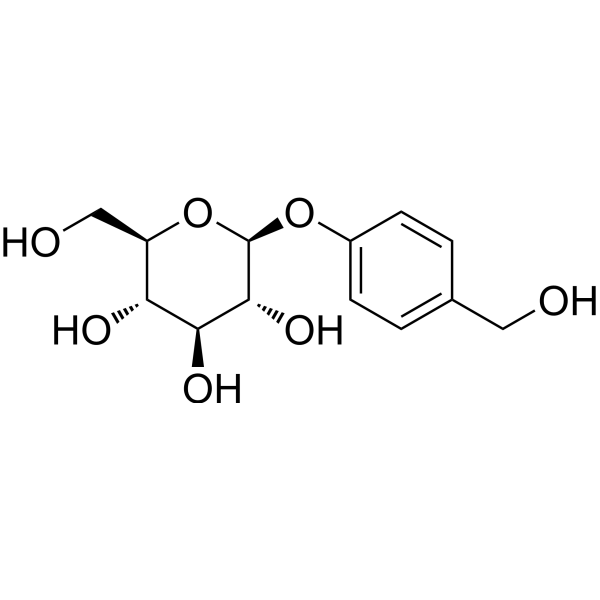
  • HY-N0115
    Gastrodin
    15+ Cited Publications

    Gastrodine

    Apoptosis Ferroptosis Cardiovascular Disease Neurological Disease Inflammation/Immunology
    Gastrodin, a main constituent of a Chinese herbal medicine Tianma, has been known to display anti-inflammatory effects. Gastrodin inhibits ethanol-induced hepatocellular apoptosis. Gastrodin inhibits H2O2-induced ferroptosis through its antioxidative effect. Gastrodin can be used for study of dizziness, epilepsy, stroke and dementia [2] .
    Gastrodin
  • HY-P9930
    Evolocumab
    3 Publications Verification

    AMG 145

    NF-κB Ser/Thr Protease Toll-like Receptor (TLR) Cardiovascular Disease Metabolic Disease Inflammation/Immunology Cancer
    Evolocumab (AMG 145) is a human monoclonal antibody that inhibits PCSK9. Evolocumab is used in the study of hypercholesterolemia and atherosclerotic cardiovascular disease. Evolocumab binds to circulating PCSK9 protein and inhibits its binding to LDLR. Evolocumab has antioxidant and cytoprotective activities against H2O2-induced oxidative damage to endothelial cells. Evolocumab may also negatively regulate activation of the TLR-4/NF-κB signaling pathway to prevent inflammation [2] .
    Evolocumab
  • HY-N0540
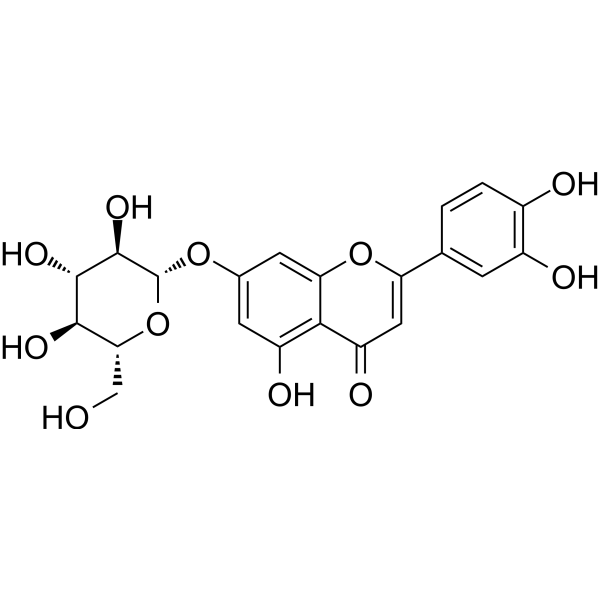
    Cynaroside
    10+ Cited Publications

    Luteolin 7-glucoside; Luteolin 7-O-β-D-glucoside

    Influenza Virus DNA/RNA Synthesis Apoptosis Parasite Bacterial Fungal Infection Cardiovascular Disease Cancer
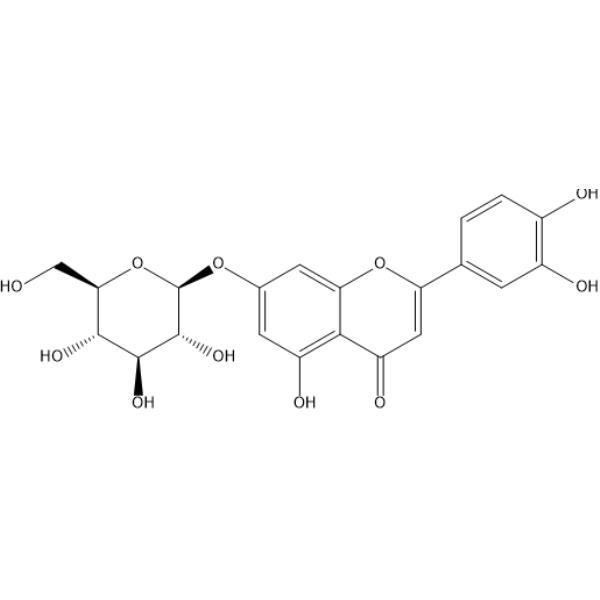
    Cynaroside (Luteolin 7-glucoside) is a flavonoid compound that exhibits anti-oxidative capabilities. Cynaroside is also a potent influenza RNA-dependent RNA polymerase inhibitor with an IC50 of 32 nM. Cynaroside also is a promising inhibitor for H2O2-induced apoptosis, has cytoprotection against oxidative stress-induced cardiovascular diseases. Cynaroside also has antibacterial, antifungal and anticancer activities, antioxidant and anti-inflammatory activities .
    Cynaroside
  • HY-135849
    Catalase, Aspergillus niger
    4 Publications Verification

    Reactive Oxygen Species (ROS) Cancer
    Catalase, Aspergillus niger is a key enzyme in the metabolism of H2O2 and reactive oxygen species (ROS), and its expression and localization is markedly altered in tumors . Free oxygen radical scavenger.
    Catalase, Aspergillus niger
  • HY-N2410

    N-feruloyltyramine; Moupinamide

    Reactive Oxygen Species (ROS) Apoptosis Inflammation/Immunology
    N-trans-Feruloyltyramine (N-feruloyltyramine), an alkaloid, is a potent antioxidant. N-trans-Feruloyltyramine improves H2O2-induced intracellular ROS generation and decreases apoptosis. N-trans-Feruloyltyramine has the potential for oxidative stress-related neurodegenerative conditions and cancer research [2].
    N-trans-Feruloyltyramine
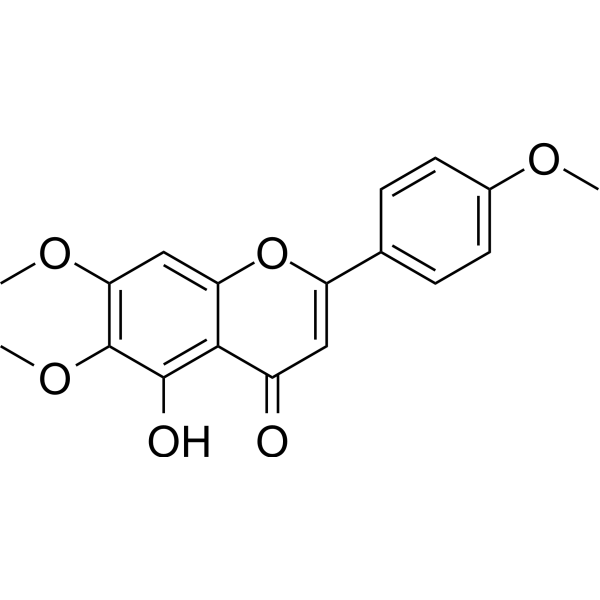
  • HY-N1318
    Salvigenin
    5+ Cited Publications

    Psathyrotin

    Autophagy Apoptosis ROS Kinase Neurological Disease Inflammation/Immunology Cancer
    Salvigenin is a natural polyphenolic compound, with neuroprotective effect. Salvigenin has antitumor cytotoxic and immunomodulatory properties. Salvigenin inhibits H2O2-induced cell apoptosis [2].
    Salvigenin
  • HY-W014423
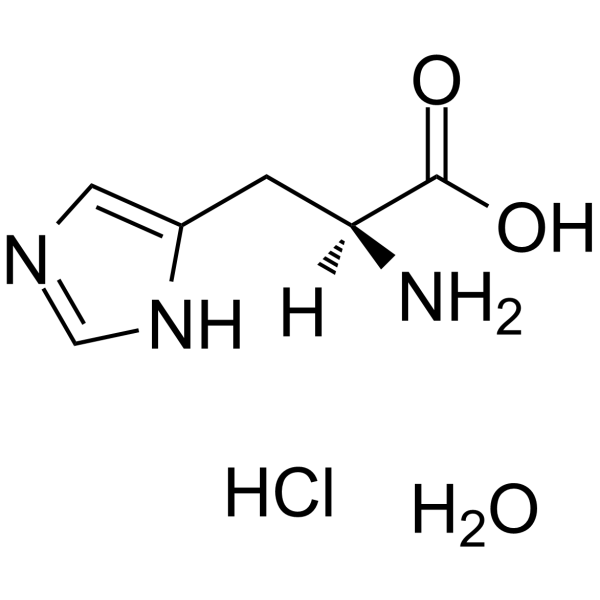
    L-Histidine hydrochloride hydrate
    3 Publications Verification

    H-His-OH.HCl.H2O

    Endogenous Metabolite Apoptosis Reactive Oxygen Species (ROS) Inflammation/Immunology Cancer
    L-Histidine hydrochloride hydrate is an endogenous metabolite. L-Histidine hydrochloride hydrate scavenges hydroxyl radicals and singlet oxygen, regulate the absorption of zinc, copper and iron, exhibits anti-inflammatory and antioxidant activities. L-Histidine hydrochloride hydrate is blood brain barrier penetrable [2] .
    L-Histidine hydrochloride hydrate
  • HY-N0615
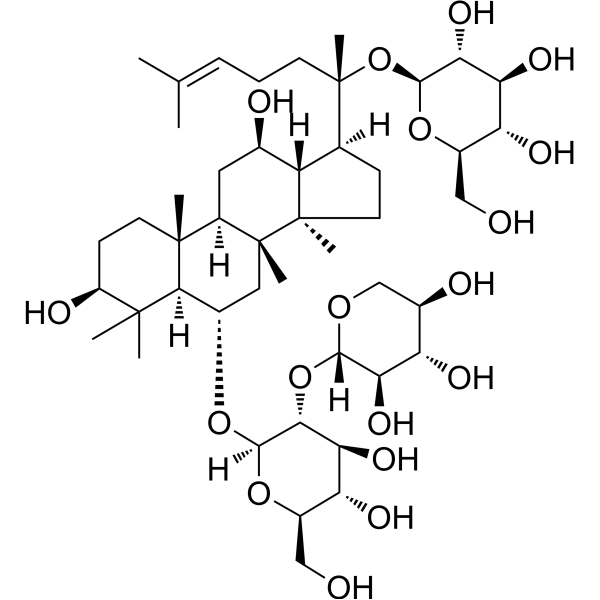
    Notoginsenoside R1
    2 Publications Verification

    Sanchinoside R1; Sanqi glucoside R1

    Amyloid-β Apoptosis Others
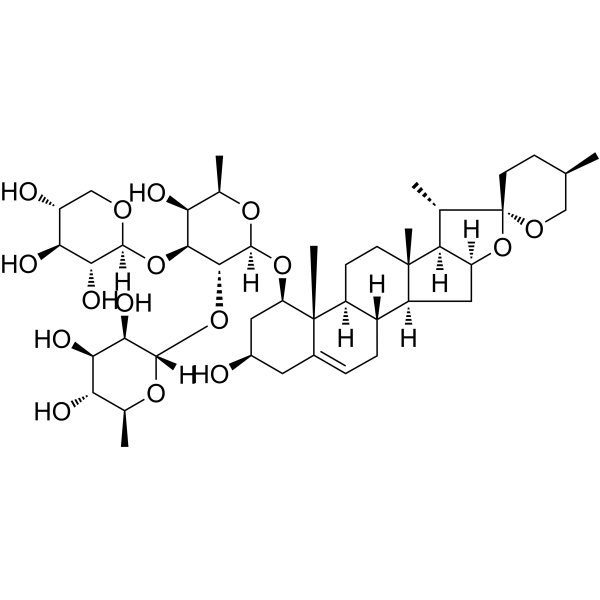
    Notoginsenoside R1 (Sanchinoside R1), a saponin, is isolated from P. notoginseng. Notoginsenoside R1 exhibits anti-oxidation, anti-inflammatory, anti-angiogenic, and anti-apoptosis activities. Notoginsenoside R1 provides cardioprotection against ischemia/reperfusion (I/R) injury. Notoginsenoside R1 also provides neuroprotection in H2O2-induced oxidative damage in PC12 cells [2] .
    Notoginsenoside R1
  • HY-P2833

    GSH-Px; EC 1.11.1.9

    Glutathione Peroxidase Metabolic Disease
    Glutathione Peroxidase (GSH-Px; EC 1.11.1.9) belongs to the peroxidase family and is commonly used in biochemical research. Glutathione Peroxidase can catalyze reduced glutathione (GSH) to form a disulfide bridge with another glutathione molecule, convert it into oxidized glutathione (GSSG), and react with hydrogen peroxide or lipid peroxide reaction, reducing it to H2O. Glutathione Peroxidase is an effective antioxidant against oxidative stress .
    Glutathione Peroxidase
  • HY-109804
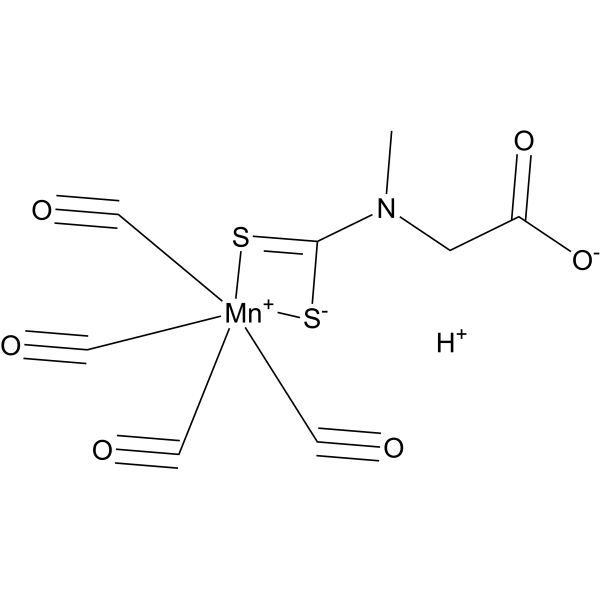
    CORM-401
    10+ Cited Publications

    Reactive Oxygen Species (ROS) Inflammation/Immunology
    CORM-401 is an oxidant-sensitive CO-releasing molecule. CORM-401 induces NO increase in the regulation of endothelial calcium signalling. CORM-401 reduces TNF-α/CHX and H2O2-induced ROS production. CORM-401 uncouples mitochondrial respiration and inhibits glycolysis [2] .
    CORM-401
  • HY-D1458

    Fluorescent Dye Cardiovascular Disease Neurological Disease Cancer
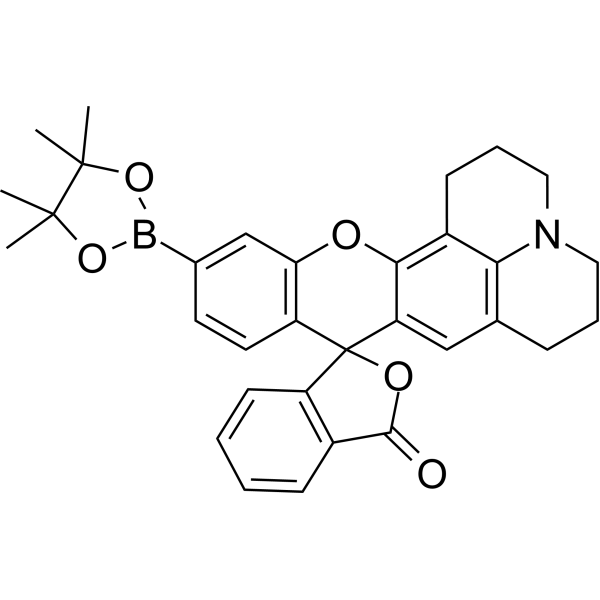
    Peroxyfluor 1 is a cell-permeable probe for H2O2. Peroxyfluor 1 represents a first-generation, green-fluorescent probe .
    Peroxyfluor 1
  • HY-133114

    EZM-K

    Keap1-Nrf2 Autophagy Cardiovascular Disease Metabolic Disease Inflammation/Immunology Cancer
    Ezetimibe ketone is an orall active Nrf2 activator and ROS inhibitor. Ezetimibe ketone attenuates H2O2-induced reactive oxygen species production and reduces H2O2-induced apoptosis in renal tubular epithelial cells. Ezetimibe ketone suppresses renal tubular injury and inflammation .
    Ezetimibe ketone
  • HY-148009

    16:0-18:1 Cardiolipin sodium

    Biochemical Assay Reagents Others
    Cardiolipin (16:0/18:1/16:0/18:1) (16:0-18:1 Cardiolipin) sodium is a di-saturated mitochondrial-specific anionic phospholipid sodium salt containing the long-chain fatty acid palmitic acid (HY-N0830) and the monounsaturated fatty acid oleic acid (HY-N1446). Cardiolipin (16:0/18:1/16:0/18:1) sodium undergoes in-source fragmentation via diglyceride (DG)-H2O fragment formation and (DG-H2O) fragment loss pathways. Cardiolipin (16:0/18:1/16:0/18:1) sodium can be used in the synthesis of lipid nanodiscs for application in in situ mass spectrometry .
    Cardiolipin (16:0/18:1/16:0/18:1) sodium
  • HY-76440

    Oxetan-3-one

    Biochemical Assay Reagents Others
    3-Oxetanone (Oxetan-3-one) is a four-membered cyclic ketone and strained cyclic ether derivative with measurable molecular g-value, magnetic susceptibility anisotropy and molecular quadrupole moment. 3-Oxetanone acts not only as a hydrogen bond acceptor, a tetrel donor and a weak hydrogen bond acceptor, but also forms a classic O-H···O hydrogen bond with H2O via the ether oxygen atom. Alternatively, it forms a C···O tetrel bond with formaldehyde using its carbonyl group as a tetrel donor, while acting as a proton acceptor to form a C-H···O weak hydrogen bond with formaldehyde. 3-Oxetanone can be used to prepare various oxetanes [2].
    3-Oxetanone
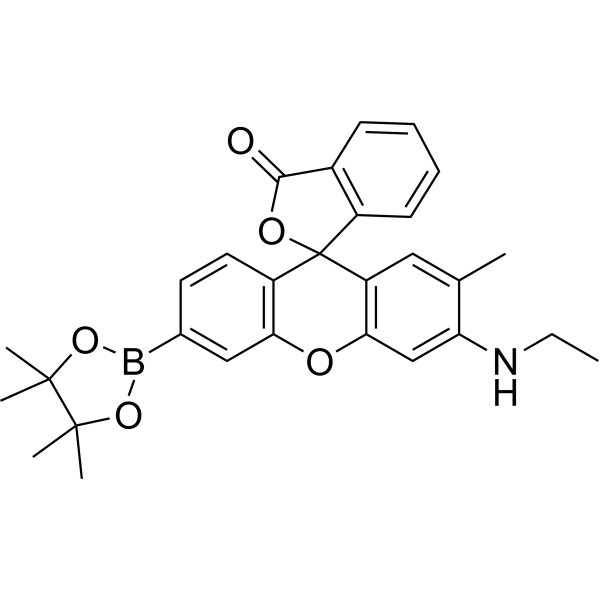
  • HY-101859
    NucPE1
    5 Publications Verification

    Nuc-H2O2 Probe

    Reactive Oxygen Species (ROS) Others
    NucPE1 (Nuc-H2O2 Probe) is a nuclear-localized fluorescent hydrogen peroxide that is specifically localized to cellular nuclei without appended targeting moieties.
    NucPE1
  • HY-120972

    Fluorescent Dye Others
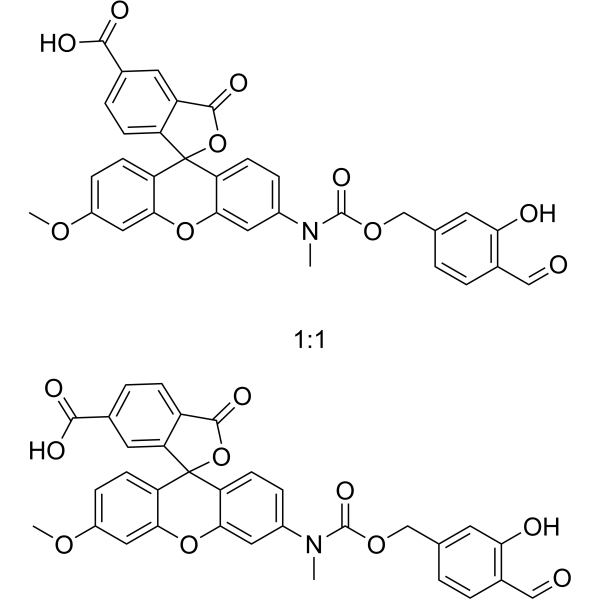
    Pentafluorobenzenesulfonyl fluorescein is a H2O2-selective sensor that can be used to detect H2O2 levels in cells. Pentafluorobenzenesulfonyl fluorescein is generally non-fluorescent, but emits fluorescence when its sulfonyl bond undergoes perhydrolysis by H2O2 . Pentafluorobenzenesulfonyl fluorescein undergoes slight cleavage of its sulfonate ester bond by [Cu (phen)2] 2+, and can detect hydrogen peroxide around the ablation sites of fin tissues and keratinocytes in zebrafish larvae [2] .
    Pentafluorobenzenesulfonyl fluorescein
  • HY-N2565
    Rosamultin
    1 Publications Verification

    HIV Protease Apoptosis Infection
    Rosamultin is a 19 α-hydroxyursane-type triterpenoid isolated from Potentilla anserina?L. Rosamultin has inhibitory effects against HIV-1 protease . Rosamultin has the potential for treating H2O2-induced oxidative stress injury through its antioxidant and antiapoptosis effects [2].
    Rosamultin
  • HY-108351

    Necroptosis Cardiovascular Disease
    IM-54 is a selective inhibitor of oxidative stress-induced necrosis. IM-54 shows potent inhibitory activity against H2O2-induced necrosis. IM-54 acts as a potential cardioprotective agent and biological tool for investigating the molecular mechanisms of cell death [2].
    IM-54
  • HY-D1157
    HKPerox-2
    5 Publications Verification

    Fluorescent Dye Reactive Oxygen Species (ROS) Others
    HKPerox-2 is a highly sensitive green fluorescent probe for the specific detection of H2O2 in living cells with a maximum excitation wavelength and emission wavelength of 520 nm and 543 nm, respectively [2].
    HKPerox-2
  • HY-W250172

    Biochemical Assay Reagents Others
    Polyethylene glycol tert-octylphenyl ether X-405 (70% in H2O) is a nonionic surfactant commonly used in a variety of industrial and research applications. Polyethylene glycol tert-octylphenyl ether X-405 (70% in H2O) belongs to the family of polyethylene glycol (PEG) ethers with a hydrophilic head and lipophilic tail and is suitable for use in emulsions, detergents and solubilizers. Polyethylene glycol tert-octylphenyl ether X-405 (70% in H2O) is particularly useful in the study of membrane proteins, where it is used to solubilize and stabilize proteins for structural analysis techniques. It is also used in a variety of other applications, including drug delivery systems, nanotechnology, and diagnostic analysis. Additionally, Polyethylene glycol tert-octylphenyl ether X-405 (70% in H2O) is used in the production of microemulsions, salves and lotions due to its emulsifying and solubilizing properties. However, it can be toxic if ingested or inhaled, so proper handling and safety precautions are required.
    Polyethylene glycol tert-octylphenyl ether X-405 (70% in H2O)
  • HY-N7880

    Reactive Oxygen Species (ROS) Cancer
    Salvianolic acid Y is a phenolic acid with the same planar structure as Salvianolic acid B. Salvianolic acid Y rescues cell injury by H2O2 .
    Salvianolic acid Y
  • HY-N2024B

    Endogenous Metabolite Glycosidase Metabolic Disease
    Maltose solution, 20% in H2O is a 20% aqueous maltose solution. Maltose is a disaccharide composed of two glucose molecules linked together. Maltose is an endogenous metabolic product in plants, yeast, or bacteria, and it participates in carbon source storage and metabolism. Maltose is a key core metabolite and main transport form in the temporary starch degradation, carbon output, and subsequent sucrose synthesis metabolism of the night chloroplast. In X. dendrorhous, maltose can act as a sugar donor and is converted into isomaltulose by α-glucosidase. Maltose can act as a osmotic agent, supporting continuous capillary ultrafiltration and preventing severe metabolic disorders [2] .
    Maltose solution, 20% in H2O
  • HY-115386
    MitoTEMPOL
    3 Publications Verification

    Reactive Oxygen Species (ROS) Cancer
    MitoTEMPOL is a a mitochondria-targeted nitroxide that reduces mitochondrial O2 -to H2O2 .
    MitoTEMPOL
  • HY-N5021

    AHSYB

    Others Neurological Disease
    Anhydrosafflor yellow B (AHSYB) is a quinochalcone C-glycoside isolated from Carthamus tinctorius. Anhydrosafflor yellow B inhibits ADP-induced platelet aggregation, exhibits significant anti-oxidative effects in vitro, and possesses certain activity against H2O2-induced cytotoxicity in cultured PC12 cells and primary neuronal cells .
    Anhydrosafflor yellow B
  • HY-W013322

    Amino Acid Derivatives Others
    Ac-Tyr-OEt.H2O is a tyrosine derivative .
    Ac-Tyr-OEt.H2O
  • HY-W000923

    Biochemical Assay Reagents Others
    (4-Boc-aminophenyl) boronic acid is an arylboronic acid. As a substrate in H2O, (4-Boc-aminophenyl) boronic acid participates in the CuO-catalyzed three-component reaction with α-ketoaldehydes and 1,3-dicarbonyl compounds to produce 1,4-diketone products .
    (4-Boc-aminophenyl)boronic acid
  • HY-125919

    Reactive Oxygen Species (ROS) Bacterial Endogenous Metabolite Infection Inflammation/Immunology
    Vulpinic acid, a lichen metabolite, decreases H2O2-induced ROS production, oxidative stress and oxidative stress-related damages in human umbilical vein endothelial cells (HUVEC). Vulpinic acid is active against staphylococci, enterococci, and anaerobic bacteria.Vulpinic acid has the potential for atherosclerosis research [2].
    Vulpinic acid
  • HY-130022
    HKPerox-1
    2 Publications Verification

    Fluorescent Dye Others
    HKPerox-1 is a highly sensitive green fluorescent probe for the specific detection of H2O2 in living cells with a maximum excitation wavelength and emission wavelength of 520 nm and 543 nm, respectively [2].
    HKPerox-1
  • HY-155743A

    2',3'-Dideoxyuridine-5'-triphosphate lithium

    Nucleoside Antimetabolite/Analog Others
    ddUTP (lithium), 100 mM in H2O is a nucleotide analog that can be incorporated into DNA, RNA, or other nucleic acids. ddUTP (lithium), 100 mM in H2O can be used to prepare DNA/RNA hybridization experiments, such as Southern blots and Northern blots.
    ddUTP lithium, 100 mM in H2O
  • HY-D1693

    Fluorescent Dye Inflammation/Immunology Cancer
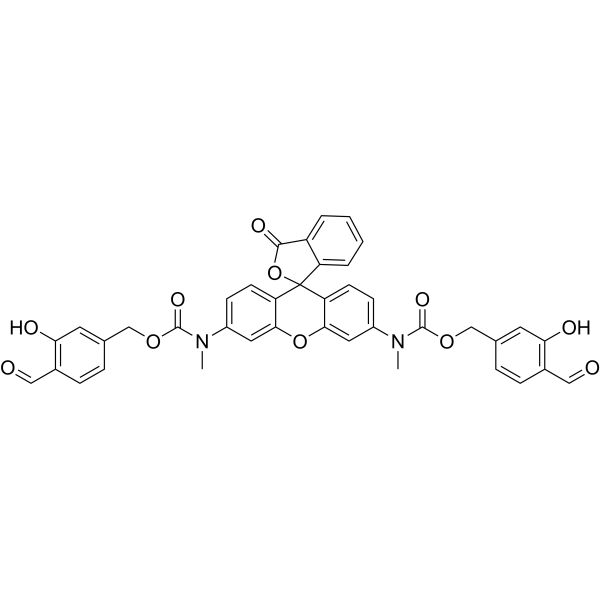
    FBBBE is used to detect the production of H2O2 by cells. FBBBE can be triggered by intracellular H2O2 and converted to fluorescein, resulting in an increase in intracellular fluorescence (Ex=4480 nm, Em=512 nm) .
    FBBBE
  • HY-N7697E

    Others Others
    Chitotriose trihydrochloride is an orally active chitooligosaccharide with antioxidant activities. Chitotriose trihydrochloride inhibits hydroxylation of benzoate to salicylate by H2O2 in the presence of Cu 2+ (IC50 value of 80 μM) .
    Chitotriose trihydrochloride
  • HY-157881

    β-Mercaptoethanesulfonic acid (ampule,3.0M±0.1M in H2O)

    Biochemical Assay Reagents Others
    2-Mercaptoethanesulfonic acid (ampule,3.0M±0.1M in H2O) is a biochemical reagent that can be used for protein sequence analysis .
    2-Mercaptoethanesulfonic acid (ampule,3.0M±0.1M in H2O)
  • HY-W075791

    Biochemical Assay Reagents Others
    Copper(II) perchlorate hexahydrate is an inorganic compound with the chemical formula Cu(ClO4) 2 (H2O) 6 and can be used as a catalyst in certain reaction .
    Copper(II) perchlorate hexahydrate
  • HY-W101495S3

    Isotope-Labeled Compounds Others
    Boc-Leu-OH·H2O-d7 is the deuterium labeled Boc-Leu-OH·H2O.
    Boc-Leu-OH·H2O-d7
  • HY-W101495S2

    Isotope-Labeled Compounds Others
    Boc-Leu-OH·H2O-d10 is the deuterium labeled Boc-Leu-OH·H2O .
    Boc-Leu-OH·H2O-d10
  • HY-N15756

    Reactive Oxygen Species (ROS) Neurological Disease Inflammation/Immunology
    N-Demethylsinomenine is a morphinane alkaloid that can be isolated from Sinomenium acutum. N-Demethylsinomenine has a protective effect against H2O2-induced cell injury. N-Demethylsinomenine can be used in the research of diseases such as Alzheimer's disease .
    N-Demethylsinomenine
  • HY-W101495S1

    N-Boc-L-leucine-d3 monohydrate

    Isotope-Labeled Compounds Others
    Boc-Leu-OH·H2O-d3 is the deuterium labeled Boc-Leu-OH·H2O .
    Boc-Leu-OH·H2O-d3
  • HY-125859E

    Glutathione Peroxidase Bacterial Infection Inflammation/Immunology
    Myeloperoxidase, Human Neutrophil is a peroxidase. Myeloperoxidase, Human Neutrophil is a potent antibacterial agent by catalyzing the H2O2-dependent oxidation of chloride anion to generate hypochlorous acid. Myeloperoxidase, Human Neutrophil catalyzes the degradation of N-retinyl-idene-N-retinylethanolamine, a toxic form of retinal lipofuscin. Myeloperoxidase, Human Neutrophil also triggers lysosomal stress and cell death. Myeloperoxidase, Human Neutrophil can be used for the researches of inflammation and infection .
    Myeloperoxidase, Human Neutrophil
  • HY-N2442

    Reactive Oxygen Species (ROS) Metabolic Disease
    Methylophiopogonone B, a homoisoflavonoidal compound that could be isolated from Ophiopogonis Tiber, could scavenge •OH and H2O2 in vitro to a certain extent [2].
    Methylophiopogonone B
  • HY-W927359

    Fluorescent Dye Others
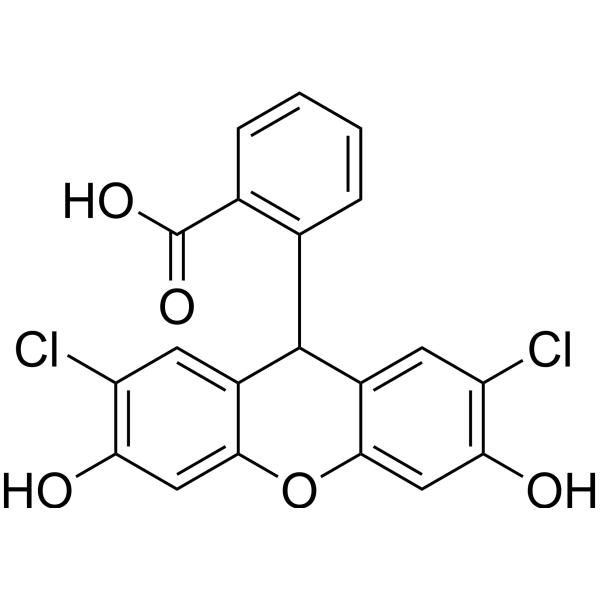
    Fluorescein hydrazide (3,6-Dihydroxyxanthane) is a fluorescein dye that can be used for the fluorophotometric determination of hydrogen peroxide (H2O2) and other reactive oxygen species (ROS) .
    Fluorescein hydrazide (3,6-Dihydroxyxanthane)
  • HY-155718

    Apoptosis Cancer
    fac-[Re(CO)3(L6)(H2O)][NO3] (compound 6), the rhenium(I) tricarbonyl aqua complex, is an anticancer agent associated with mitochondrial dysfunction. fac-[Re(CO)3(L6)(H2O)][NO3] is cytotoxic to prostate cancer cells, IC50=50 nM (PC-3 cells). fac-[Re(CO)3(L6)(H2O)][NO3] mainly accumulates in the nucleus, down-regulates ATP production in PC3 cells, and promotes apoptosis. However, fac-[Re(CO)3(L6)(H2O)][NO3] did not induce necrosis, pyrodeath and autophagy .
    fac-[Re(CO)3(L6)(H2O)][NO3]
  • HY-155719

    Paraptosis Cancer
    fac-[Re(CO)3(L3)(H2O)][NO3] (compound 3), the rhenium(I) tricarbonyl aqua complex, is an anticancer agent associated with mitochondrial dysfunction. fac-[Re(CO)3(L3)(H2O)][NO3] is cytotoxic to prostate cancer cells with IC50=0.32 μM (PC-3 cells). fac-[Re(CO)3(L3)(H2O)][NO3] mainly accumulates in mitochondria, down-regulates ATP production in PC3 cells, and promotes paraptosis. However, fac-[Re(CO)3(L3)(H2O)][NO3] did not induce necrosis, apoptosis and autophagy .
    fac-[Re(CO)3(L3)(H2O)][NO3]
  • HY-D1065

    Fluorescent Dye Inflammation/Immunology
    NIR-H2O2 is a cell-permeable near-infrared (NIR) fluorescent turn-on sensor. NIR-H2O2 has both absorption and emission in the NIR region. NIR-H2O2 responds to H2O2 with a large turn-on NIR fluorescence signal upon excitation in the NIR region. NIR-H2O2 is capable of imaging endogenously produced H2O2 in living cells and mice .
    NIR-H2O2
  • HY-D3000

    Fluorescent Dye Metabolic Disease
    NIR-RED ROS-H2O2 Probe is a near-infrared fluorescent probe used for detecting hydrogen peroxide (H₂O₂) and featuring dual-modal fluorescence/photoacoustic imaging capabilities. NIR-RED ROS-H2O2 Probe successfully detects the upregulated fluorescence signal of H₂O₂ in HepG2 cells and a mouse liver injury model. NIR-RED ROS-H2O2 Probe can be used as a biomarker detection tool for drug-induced liver injury (DILI) .
    NIR-RED ROS-H2O2 Probe
  • HY-151909S

    Isotope-Labeled Compounds Others
    Endothall-3,4,4,5,5,6 H2O-d6 is the deuterium labeled 7-Oxabicyclo[2.2.1]heptane-2,3-dicarboxylic acid hydrate (HY-W714211).
    Endothall-3,4,4,5,5,6 H2O-d6
  • HY-W101495S

    Isotope-Labeled Compounds Endogenous Metabolite Metabolic Disease Inflammation/Immunology
    Boc-Leu-OH·H2O- 13C is a 13C-labeled Boc-Leu-OH (HY-W101495). Boc-Leu-OH hydrate (N-Boc-L-leucine monohydrate) is an amino acid derivative with a Boc protecting group, which can be used to synthesize L-prolyl-L-leucyl-glycinamide peptide, a peptide mimetic with dopamine receptor modulatory activity .
    Boc-Leu-OH·H2O-13C
  • HY-W040074

    Diglycine hydrochloride hydrate; Gly-Gly (HCl H2O)

    Biochemical Assay Reagents Metabolic Disease
    Glycylglycine hydrochloride hydrate is a non-selective Glycylglycine hydrochloride hydrate dipeptidase substrate and iNOS inhibitor. Glycylglycine hydrochloride hydrate can cross the cell membrane by passive diffusion and is hydrolyzed to glycine in the cell, participating in energy metabolism and antioxidant processes. Glycylglycine hydrochloride hydrate promotes spermatogonial stem cells (SSCs) proliferation, inhibits astrocyte overactivation and reduces nitric oxide (NO) release, while upregulating the expression of neurotrophic factors (such as PDGFA, FGF2, CNTF) to support nerve myelin repair. Glycylglycine hydrochloride hydrate can be used to study male reproductive biology (such as SSCs proliferation regulation) and neurodegenerative diseases (such as neuroprotective mechanisms in multiple sclerosis) [2].
    Glycylglycine hydrochloride hydrate
  • HY-N1318R

    Psathyrotin (Standard)

    Reference Standards Autophagy Apoptosis ROS Kinase Neurological Disease Inflammation/Immunology Cancer
    Salvigenin is a natural polyphenolic compound, with neuroprotective effect. Salvigenin has antitumor cytotoxic and immunomodulatory properties. Salvigenin inhibits H2O2-induced cell apoptosis [2].
    Salvigenin (Standard)
  • HY-N2190

    Others Cardiovascular Disease Inflammation/Immunology
    Hederagenin 28-O-beta-D-glucopyranosyl ester, a triterpenoid saponin isolated from Ilex cornuta, exhibits protective effects against H2O2-induced myocardial cell injury .
    Hederagenin 28-O-beta-D-glucopyranosyl ester
  • HY-W073183

    Biochemical Assay Reagents Others
    Dibenzo-24-crown-8-ether is a phase transfer catalyst that can reduce H 2PtCl 6·6H 2O and FeCl 2·4H 2O in a thermal system to synthesize 17 nm monodispersed iron-platinum (FePt) alloy nanoparticles .
    Dibenzo-24-crown-8-ether

Inquiry Online

Your information is safe with us. * Required Fields.

Salutation


Country or Region *

Applicant Name *


Organization Name *

Department *


Email Address *


Product Name *

Cat. No.


Requested quantity *

Phone Number *


Remarks

Inquiry Online

Inquiry Information

Product Name:
Cat. No.:
Quantity:
MCE Japan Authorized Agent:

