From 11:00 pm to 12:00 pm EST ( 8:00 pm to 9:00 pm PST ) on January 6th, the website will be under maintenance. We are sorry for the inconvenience. Please arrange your schedule properly.
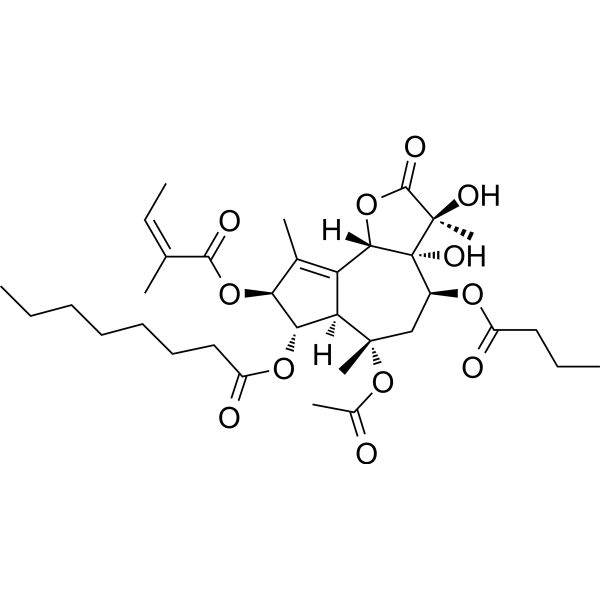
Thapsigargin, an endoplasmic reticulum (ER) stress inducer, is an inhibitor of microsomal Ca 2+-ATPase. Thapsigargin efficiently inhibits coronavirus (HCoV-229E, MERS-CoV, SARS-CoV-2) replication in different cell types .
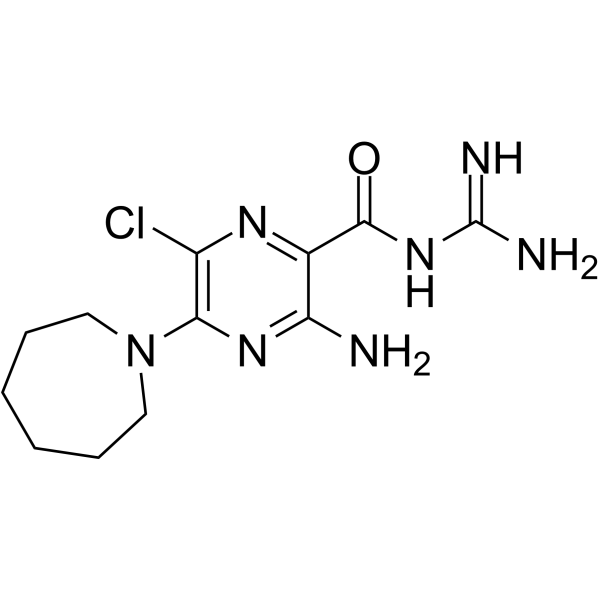
5-(N,N-Hexamethylene)-amiloride (Hexamethylene amiloride) derives from an amiloride and is a potent Na +/H + exchanger inhibitor, which decreases the intracellular pH (pHi) and induces apoptosis in leukemic cells. 5-(N,N-Hexamethylene)-amiloride (Hexamethylene amiloride) is also an inhibitor of the HIV-1 Vpu virus ion channel and inhibits mouse hepatitis virus (MHV) replication and human coronavirus 229E (HCoV229E) replication in cultured L929 cells with EC50s of 3.91 μM and 1.34 μM, respectively .
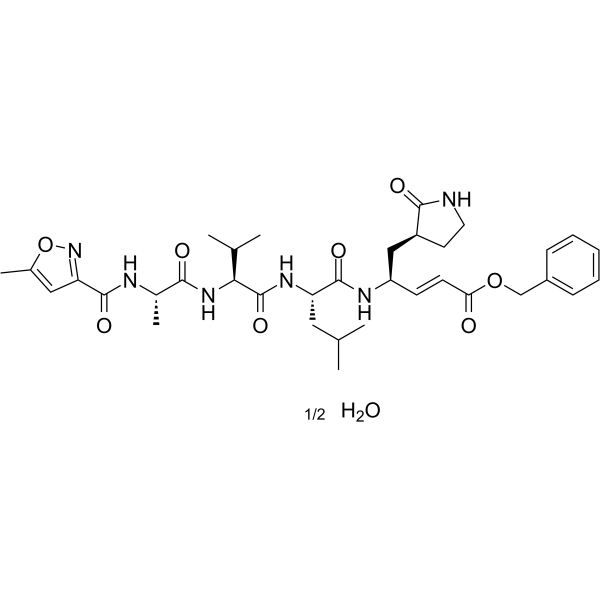
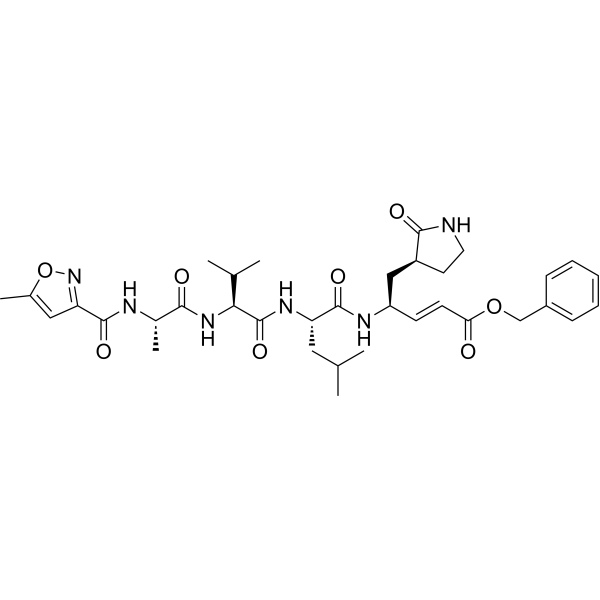
Mpro inhibitor N3 is a potent SARS-CoV-2 MPro inhibitor with an EC50 value of 16.77 µM. Mpro inhibitor N3 shows antiviral activities against HCoV-229E, FIPV, IBV and MHV-A59 .
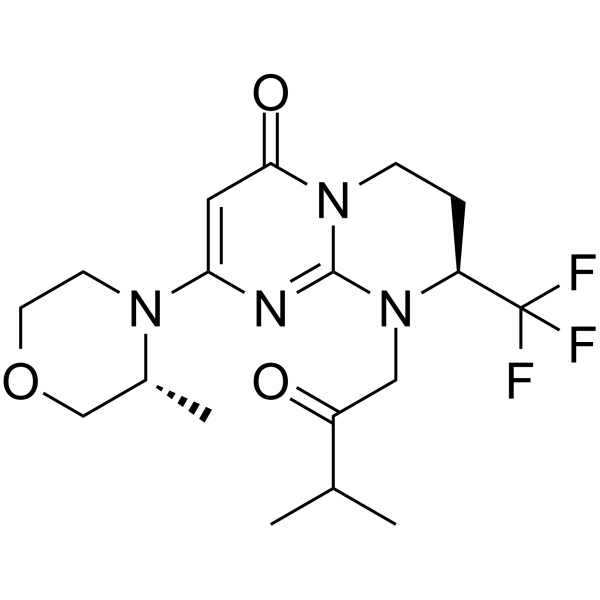
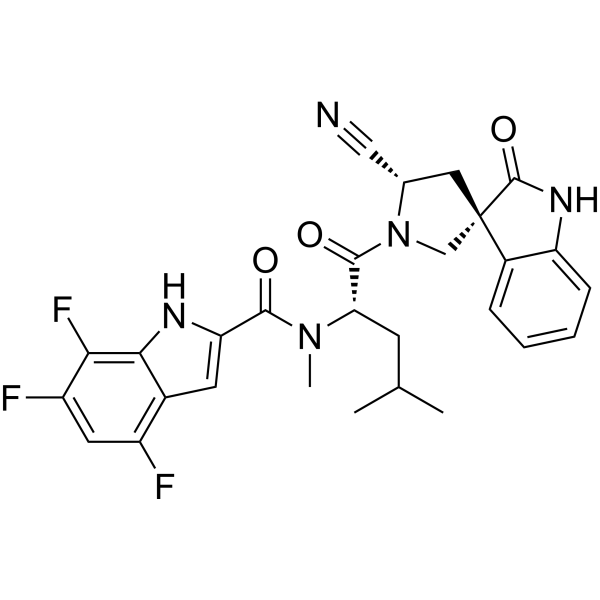
Zevotrelvir (EDP-235) is a coronavirus inhibitor that can inhibit 229E hCoV and the SARS-CoV-2 3C-like (3CL) protease (IC50 <0.1 mM). Zevotrelvir can be used in research on coronavirus infections .
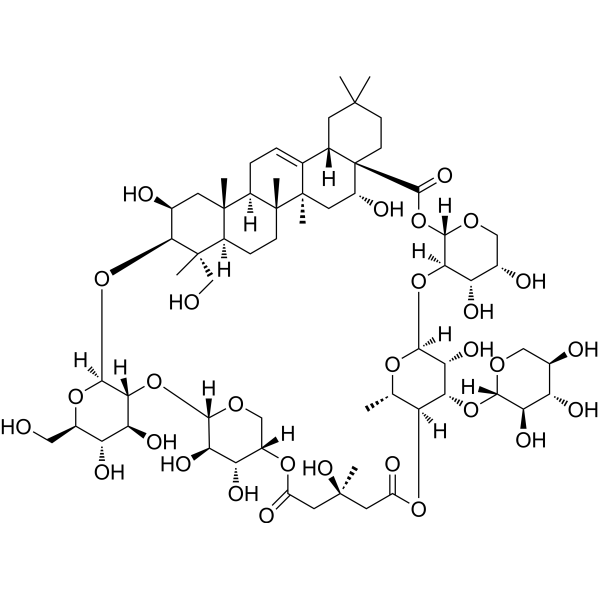
Tubeimoside II is an orally active triterpenoid saponin and antiviral agent that binds to PACT/PRKRA with Kd values of 5.37 μM and 133.1 μM, respectively. Tubeimoside II inhibits oxidase-dependent EGFR activation and reduces TGF-β1-induced oxidative stress. Tubeimoside II activates the RIG-I signaling pathway and increases IFN-β secretion. Tubeimoside II suppresses TPA-induced ear edema, mouse sarcoma 180 growth, and TPA-induced skin tumor formation. Tubeimoside II exerts broad-spectrum antiviral activity against SARS-CoV-2, HCoV-OC43, and IAV-H1N1/FM1. Tubeimoside II can be used in research related to retinoblastoma, respiratory viral infections, skin tumors, and sarcoma 180 .
Vps34-IN-2 is a novel, potent and selective inhibitor of Vps34 with IC50s of 2 and 82 nM on the Vps34 enzymatic assay and the GFP-FYVE cellular assay, respectively . Vps34-IN-2 shows antiviral activity against SARS-CoV-2 (IC50 of 3.1 μM), HCoV-229E (IC50 of 0.7 μM) and HCoV-OC43 .
2-Thiouridine is an orally active modified nucleobase. 2-Thiouridine stabilizes U:A base pairs and destabilizes U:G wobble base pairs. 2-Thiouridine significantly improves the efficiency and accuracy of nonenzymatic replication of mixed-sequence A/U-containing RNA templates. 2-Thiouridine exhibits antiviral activity against multiple positive-sense single-stranded RNA viruses (DENV2, ZIKV, YFV, JEV, WNV, CHIKV, human coronaviruses ([HCoV]-229E, HCoV-OC43, SARS-CoV), and MERS-CoV) .
AXT-914 is a Calcium-sensing receptor (CaSR) inhibitor. AXT-914 has antiviral activity against the coronavirus HCoV 229E and SARS-CoV2. AXT914 reduces cytosolic calcium signalling activity of CaSR mutations. AXT-914 can be used for Bartter syndrome type 5 and autosomal dominant hypocalcemia (ADH) and coronavirus infections research .
BPR3P0128 is an orally active, non-nucleoside RNA-dependent RNA polymerase (RdRp) inhibitor that has been shown to inhibit the activity of various SARS-CoV-2 variants. The EC50 for SARS-CoV-2 and HCoV-229E are 0.62 μM and 0.14 μM. BPR3P0128 demonstrates effective anti-pancoronavirus activity within the submicromolar range. PR3P0128 shows synergistic antiviral activity when combined with Remdesivir (HY-104077) .
GZNL-P36 is an orally active inhibitor for SARS-CoV-2 papain-like protease (PL pro), with an IC50 of 6.45 nM. GZNL-P36 inhibits SARS-CoV and its variants with EC50 range from 58.2 nM to 2.66 μM. GZNL-P36 exhibits a peak plasma concentration Cmax of 549 ng/mL, a half-life T1/2 of 1.45 h and a bioavailability of 74.7% in CD-1 mouse. GZNL-P36 exhibits antiviral activity in SARS-CoV-2 XXB.1 infection in mouse .
TDI-015051 is a highly selective, orally active antiviral agent that targets the coronavirus NSP14guanine-N7 methyltransferase. TDI-015051 binds to substrates in a non-competitive manner and forms a stable ternary complex, precisely blocking the capping and methylation processes of viral mRNA. TDI-015051 potently inhibits a variety of coronaviruses (including SARS-CoV-2 and MERS). By impairing viral replication and translation and inducing a moderate type I interferon-mediated immune response, it significantly reduces pulmonary viral load and exhibits a synergistic effect with Nirmatrelvir (HY-138687). In addition, TDI-015051 does not inhibit non-coronavirus methyltransferases, and the drug-resistant mutations it induces impair viral fitness, demonstrating excellent antiviral properties and safety. TDI-015051 can be used for research on COVID-19 and the replication mechanism of coronaviruses .The IC50 values of TDI-015051 against SARS-CoV-2, α-hCoV-NL63, α-hCoV-229E, β-hCoV-MERS are 0.15 nM, 1.7 nM, 2.6 nM and 3.6 nM, respectively, and the Ka value against SARS-CoV-2 is 0.061 nM .
Isocannflavin B (Caflanone) is a flavonoid compound. Isocannflavin B exhibits anti-tumor and anti-viral activities. Isocannflavin B induces apoptosis, autophagy and cell cycle arrest in tumor cells, and inhibits cell proliferation. Isocannflavin B inhibits HCoV-OC43. Isocannflavin B can be used in research related to cancer and COVID-19 .
HNC-1664 is the orally active inhibitor for RNA-dependent RNA polymerase (RdRP). HNC-1664 exhibits broad-spectrum antiviral activity against coronavirus (SARS-CoV-2 wildtype and its mutants XBB.1.18, HK.3.1, BF.7.14, BA.1HCoV-229E, HCoV-OC43) and arenavirus. HNC-1664 exhibits anti-infectious activity in SARS-CoV-2 Delta infected mouse models .
K22 is an anti-Coronaviral compound. K22 reduces double-stranded RNA. K22 displays antiviral activity beyond the Coronavirinae subfamily, namely against nidoviruses of the Torovirinae subfamily (EToV and WBV) and members of the Arteriviridae family (PRRSV, EAV). K22 displays antiviral activity against HCoV-229E .
EK1 is a peptide-based fusion inhibitor of coronaviruses (CoVs) with broad spectrum inhibition to a number of CoV species. EK1 shows substantially improved pan-CoV fusion inhibitory activity. EK1 potently inhibits SARS-CoV-2. EK1 can form a stable six-helix bundle (6HB) structure with both short α-hCoV and long β-hCoV N-terminal heptad repeats .
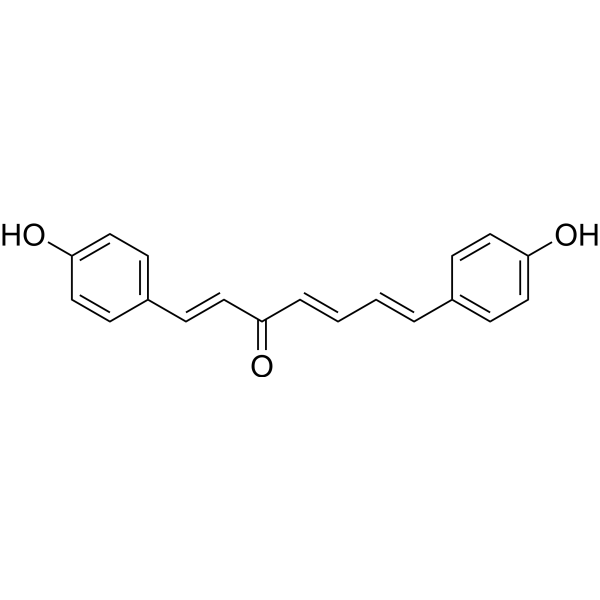
1,7-Bis(4-hydroxyphenyl)-1,4,6-heptatrien-3-one is a potent nucleocapsid (N) protein inhibitor can be isolated from Curcuma kwangsiensis. 1,7-Bis(4-hydroxyphenyl)-1,4,6-heptatrien-3-one exhibits excellent antiviral activity against HCoV-OC43 and SARS-CoV-2,with EC50 values of 0.16 μM and 0.17 μM, respectively .
SARS-CoV-2-IN-19 (Compound 6g) is a potent inhibitor of SARS-CoV-2 with an EC50 of 8.8 μM. SARS-CoV-2-IN-19 shows potent activity against SARS-CoV-2 helicase (nsp13), a highly conserved enzyme, highlighting a potentiality against emerging HCoVs outbreaks. SARS-CoV-2-IN-19 has the potential for the research of infection diseases .
ALG-097558 is an orally active 3CLpro inhibitor. ALG-097558 demonstrates pan-coronavirus activity against various SARS-CoV-2 variants as well as other human coronaviruses (HCoVs) such as SARS-CoV-1, α-HCoV 229E, and β-HCoV OC43. ALG-097558 demonstrates potent inhibition with IC50s of 2 nM (SARS-CoV-2 3CLpro) and 6 nM (229E 3CLpro). ALG-097558 demonstrates antiviral activity in the SARS-CoV-2 hamster infection model. ALG-097558 can be used for the study of viral infections[1].
Mpro inhibitor N3 hemihydrate is a potent inhibitor of SARS-CoV-2 Mpro with an EC50 of 16.77 μM for SARS-CoV-2. Mpro inhibitor N3 hemihydrate specifically inhibits Mpro from multiple coronaviruses, including SARS-CoV and MERS-CoV. Mpro inhibitor N3 hemihydrate displays inhibition against HCoV-229E, FIPV, and MHV-A59 with individual IC50 of 4.0 μM, 8.8 μM, and 2.7 μM, respectively .
HRSV/hCoV-229E-IN-1 (compound 8X) is a potent HRSV and hCoV-229E inhibitor with an IC50 value of 2.1 µM for hCoV-229E. HRSV/hCoV-229E-IN-1 inhibits cell viability .
HCoV-OC43-IN-1 (Compound IV-16) is a coronavirus HCoV-OC43 inhibitor. HCoV-OC43-IN-1 has antiviral efficacy (EC50: 90 nM). HCoV-OC43-IN-1 inhibits the mRNA level and expression of viral nucleocapsid protein (NP) .
SARS-CoV-2-IN-101 (compound 10O) is a potent and orally active SARS-CoV-2 inhibitor with an EC50 value of 0.64 µM for HCoV-229E. SARS-CoV-2-IN-101 shows cyotoxicity. SARS-CoV-2-IN-101 decreases the expression of HCoV-229E N protein and RNA level. SARS-CoV-2-IN-101 shows broad-spectrum anti-coronaviral effect .
DNJ-20 is an α-glucosidase inhibitor (IC50: 55.3 μg/mL). DNJ-20 has broad-spectrum anti-SARS-CoV-2 activity. DNJ-20 inhibits the correct processing of viral glycoproteins by interfering with the endoplasmic reticulum-associated glycoprotein folding process (ERQC), thereby blocking the formation and infection of viral particles. DNJ-20 has IC50 values up to 1.49 uM against several SARS-CoV-2 variants, as well as HCoV-229E and HCoV-0C43。DNJ-20 can be used for pan-coronavirus research .
PROTAC SARS-CoV-2 Mpro degrader-3 (Compound P2) exhibits antiviral activity through the degradation of the main protease (Mpro) of human coronaviruses (HCoVs) (DC50=27 μM). PROTAC SARS-CoV-2 Mpro degrader-3 inhibits the viral replication, with EC50 of 4.6 μM, 4.6 μM, and 0.71 μM, for human coronaviruses HCoV-229E, HCoV-OC43 and SARS-CoV-2, respectively. (Pink: ligand for target protein Mpro ligand 2 (HY-161791); Black: linker (HY-161792); Blue: ligand for E3 ligase (S,R,S)-AHPC (HY-125845)) .
4"-(2-(p-Chlorophenyl)acetoxyl)spiramycin (Compound 2d) is a broad-spectrum anti-coronaviral agent via targeting frameshifting element (FSE). 4"-(2-(p-Chlorophenyl)acetoxyl)spiramycin inhibits HCoV-OC43 and HCoV-229E with EC50 values of 0.85 μM and 1.45 μM. 4"-(2-(p-Chlorophenyl)acetoxyl)spiramycin shows a dual-target mechanism that acts on both viral FSE RNA and host DIS3L2 .
ARS-CoV-2-IN-53 (Compd 5d) can inhibit the replication of SARS-CoV-2 with an EC50 value of 14.3 μM. ARS-CoV-2-IN-5 shows significant antiviral activity against human coronavirus 229E (HCoV-229E) .
MTI013 is a selective SARS-CoV-2 nsp14 Mtase inhibitor (IC50: 2.98 μM) and an antiviral agent (IC50: 10.33 μM in HCoV-229E-infected Huh7 cells). MTI013 also shows a synergistic antiviral effect with the RdRp inhibitor SHEN26 (HY-155488) .
PROTAC SARS-CoV-2 Mpro degrader-2 (Compound 6) is a potent PROTAC degrader of SARS-CoV-2 M pro. PROTAC SARS-CoV-2 Mpro degrader-2 has broad-spectrum antiviral activity against CoVs, including SARS-CoV-2 (EC50 = 10.8 μM), HCoV-OC43 (EC50 = 1.6 μM) and HCoV-229E (EC50 = 6.5 μM). PROTAC SARS-CoV-2 Mpro degrader-2 exhibits potent activity against SARS-CoV-2 in Calu-3 cells, with an EC50 of 0.89 μM .
SARS-CoV-2-IN-79 (Compound 5) is a SARS-CoV-2 inhibitor, with IC50 and CC50 values of 55 μg/mL and 311.6 μg/mL. SARS-CoV-2-IN-79 has the highest antiviral activity against (hCoV-19/Egypt/NRC-03/2020). SARS-CoV-2-IN-79 can be used for the research of COVID-19 .
Cinanserin (SQ 10643) is a potent and selective 5-HT2 antagonist with Ki values of 41, 3500 nM for 5-HT2, 5-HT1, respectively. Cinanserin also is a SARS-CoV 3CL pro inhibitor with an KD value of 49.4, 18.2 µM for SARS-CoV 3CL pro, HCoV-229E 3CL pro, respectively. Cinanserin reduces systemic burn edema levels .
SARS-CoV-IN-5 (compound 49) is a highly selective, nonpeptidic and noncovalent 3CL pro inhibitor with IC50s of 38 nM, 21.1 nM and 86 nM for 3CL pro of SARS-CoV-1, SARS-CoV-2, Bat coronavirus WIV1, respectively. SARS-CoV-IN-5 inhibits the replication of the SARS-CoV-2 delta variant with an EC50 of 0.272 μM. SARS-CoV-IN-5 significantly reduces the lung viral copies in a K18-hACE2 transgenic mouse model. SARS-CoV-IN-5 has good target-specific and potential broad-spectrum anticoronavirus activities against SARS-CoV-1, WIV1, MERS, HCoV-OC43, HCoV-229E, and HKU9 .
Antiviral agent 54 (compound 33) is a broad-spectrum and orally active antiviral agent. Antiviral agent 54 shows antiviral activity for ZIKV, HCoV-OC43 and influenza A virus (IVA). Antiviral agent 54 decreases the ZIKV RNA and protein level .
SARS-CoV-2 Mpro-IN-45 (compound 28f) is an orally active Mpro inhibitor with IC50 values of 0.12 and 0.16 μM for HCoV-OC43 Mpro and SARS-CoV-2 Mpro, respectively. SARS-CoV-2 Mpro-IN-45 exhibits antiviral activity .
Antiviral agent 58 (Compound J1) is an orally active antiviral agent with broad-spectrum antiviral activity against enveloped viruses, including influenza A virus (IAV), respiratory syncytial virus (RSV), severe acute respiratory syndrome coronavirus 2 (SARS-CoV-2), human coronavirus OC43 (HCoV-OC43), herpes simplex virus type 1 (HSV-1), and HSV-2 .
RdRP-IN-9 (Compound 6b) is a reversible covalent allosteric inhibitor of RdRp. RdRP-IN-9 demonstrates high anti-coronavirus activity, with an EC50 value of 0.68 μM against HCoV-OC43 RdRP-IN-9 exerts a more prolonged antiviral effect by reversibly acylating Cys12 in the NiRAN domain of non-structural protein 12 (nsp 12) and exhibits synergistic anti-coronavirus activity with Molnupiravir (HY-135853) .
Glycosyltransferase-IN-2 (Compound 20) is a Glycosyltransferase inhibitor. Glycosyltransferase-IN-2 has a broad-spectrum anticoronavirus activity with IC50s of 11.3, 5.5 and ~16.2 μM for MHV, HCoV-NL63 and SARS-CoV-2, respectively. Glycosyltransferase-IN-2 interferes with the coronavirus infectivity, alters viral protein glycosylation with inhibition of interaction with the ACE2 receptor or SC-VLP secretion, and inhibits RNA replication. Glycosyltransferase-IN-2 can be used for coronavirus infections research .
5-(N,N-Hexamethylene)-amiloride (Standard) is the analytical standard of 5-(N,N-Hexamethylene)-amiloride. This product is intended for research and analytical applications. 5-(N,N-Hexamethylene)-amiloride (Hexamethylene amiloride) derives from an amiloride and is a potent Na+/H+ exchanger inhibitor, which decreases the intracellular pH (pHi) and induces apoptosis in leukemic cells. 5-(N,N-Hexamethylene)-amiloride (Hexamethylene amiloride) is also an inhibitor of the HIV-1 Vpu virus ion channel and inhibits mouse hepatitis virus (MHV) replication and human coronavirus 229E (HCoV229E) replication in cultured L929 cells with EC50s of 3.91 μM and 1.34 μM, respectively .
SARS-CoV-2-IN-96 (compound 12b) is an inhibitor of HCoV-OC43 (EC50= 97 nM) and SARS-CoV-2 (EC50= 45 nM) and low cytotoxicity (CC50> 10 μM) in Huh7 cells .
UAWJ9-36-3 is a M pro and cathepsin L (IC50: 1.81 μM) inhibitor. UAWJ9-36-3 shows potent binding and enzymatic inhibition against the M pros from SARS-CoV-2, SARS-CoV, MERS-CoV, HCoV-OC43, HCoV-NL63, HCoV-229E, and HCoV-HKU1. UAWJ9-36-3 demonstrates broad-spectrum antiviral activity against not only SARS-CoV-2, but also the common human coronaviruses HCoV-OC43, HCoV-NL63, and HCoV-229E .
SARS-CoV-2 nsp14-IN-8 (Compound 26) is a SARS-CoV-2 nsp14 inhibitor, with an IC50 of 53 nM. SARS-CoV-2 nsp14-IN-8 shows IC50 values of 170 nM, 8 nM, 21 nM against SARS-CoV-1 nsp14, HCoV-NL63 nsp14, HCoV-229E nsp14, respectively. SARS-CoV-2 nsp14-IN-8 can be used in the research of Coronavirus infection .
SBI-5844 (SBI-1275844) is a eIF4F complex inhibitor and antiviral agent. SBI-5844 disrupts the assembly of the eIF4F complex and blocks the interaction between eIF4E and eIF4G. SBI-5844 inhibits the synthesis of HCoV-OC43 nucleocapsid protein and reduces the levels of HCoV-OC43 RNA and total protein. SBI-5844 can be used in studies related to human coronavirus OC43 (HCoV-OC43) infection .
Mpro/RdRp-IN-1 (Compound 1) is a dual-target inhibitor against SARS-CoV-2, targeting RdRp (EC50 = 25.45) and Mpro (IC50 = 125.4 μM). Mpro/RdRp-IN-1 exhibits EC₅₀ for HCoV-OC43 of 4.79 μM, and the selectivity index (SI) is 10.89. Mpro/RdRp-IN-1 can be used for studying SARS-CoV-2 and HCoV-OC43 infections .
Antiviral agent 86 is an anti-coronavirus agent. Antiviral agent 86 acts as a binder of coronavirus non-structural protein 15 (nsp15), with a Ka value of 67 μM against human targets. Antiviral agent 86 inhibits the replication of HCoV-229E and SARS-CoV-2. Antiviral agent 86 exerts inhibitory effects at the post-entry lifecycle stage of coronaviruses in host cells and inhibits the formation of viral double-stranded RNA (dsRNA). Antiviral agent 86 exhibits an additive antiviral effect when used in combination with GS-441524. Antiviral agent 86 can be used in studies related to coronavirus infections .
M2 ion channel blocker-2 (Compound 10) is a M2 channel blocker. M2 ion channel blocker-2 significantly blocks wild-type and mutant M2 (L27F and V27A) ion channels. M2 ion channel blocker-2 has potent antiviral activity against HCoV-229E (EC50: 4.7 μM in cytopathic effect) but not against influenza A virus. M2 ion channel blocker-2 has no significant inhibition of hERG and cytochrome P450 (CYP1A2, CYP2C19, and CYP3A4) activity .
PROTAC SARS-CoV-2 Mpro degrader-8 is an antiviral PROTAC degrader targeting the SARS-CoV-2 main protease (Mpro), with weak direct binding affinity to Mpro (Kd=80.5 μM). PROTAC SARS-CoV-2 Mpro degrader-8 exhibits broad-spectrum antiviral activity against SARS-CoV-2 and the human endemic coronavirus HCoV-OC43. It can be used for research on coronavirus infections .
LDLRAP1-IN-1 (Compound B19) is a LDLRAP1 inhibitor and antiviral agent, with an IC50 of 4.98 μM for disrupting the interaction between LDLRAP1 and LDLR. LDLRAP1-IN-1 covalently modifies the C119 residue of LDLRAP1 at the LDLRAP1-LDLR binding interface, thereby disrupting the interaction between LDLRAP1 and LDLR. LDLRAP1-IN-1 exhibits antiviral activity against HCoV-OC43 .
2-Thiouridine is an orally active modified nucleobase. 2-Thiouridine stabilizes U:A base pairs and destabilizes U:G wobble base pairs. 2-Thiouridine significantly improves the efficiency and accuracy of nonenzymatic replication of mixed-sequence A/U-containing RNA templates. 2-Thiouridine exhibits antiviral activity against multiple positive-sense single-stranded RNA viruses (DENV2, ZIKV, YFV, JEV, WNV, CHIKV, human coronaviruses ([HCoV]-229E, HCoV-OC43, SARS-CoV), and MERS-CoV) .
EK1 is a peptide-based fusion inhibitor of coronaviruses (CoVs) with broad spectrum inhibition to a number of CoV species. EK1 shows substantially improved pan-CoV fusion inhibitory activity. EK1 potently inhibits SARS-CoV-2. EK1 can form a stable six-helix bundle (6HB) structure with both short α-hCoV and long β-hCoV N-terminal heptad repeats .
Thapsigargin, an endoplasmic reticulum (ER) stress inducer, is an inhibitor of microsomal Ca 2+-ATPase. Thapsigargin efficiently inhibits coronavirus (HCoV-229E, MERS-CoV, SARS-CoV-2) replication in different cell types .
Tubeimoside II is an orally active triterpenoid saponin and antiviral agent that binds to PACT/PRKRA with Kd values of 5.37 μM and 133.1 μM, respectively. Tubeimoside II inhibits oxidase-dependent EGFR activation and reduces TGF-β1-induced oxidative stress. Tubeimoside II activates the RIG-I signaling pathway and increases IFN-β secretion. Tubeimoside II suppresses TPA-induced ear edema, mouse sarcoma 180 growth, and TPA-induced skin tumor formation. Tubeimoside II exerts broad-spectrum antiviral activity against SARS-CoV-2, HCoV-OC43, and IAV-H1N1/FM1. Tubeimoside II can be used in research related to retinoblastoma, respiratory viral infections, skin tumors, and sarcoma 180 .
2-Thiouridine is an orally active modified nucleobase. 2-Thiouridine stabilizes U:A base pairs and destabilizes U:G wobble base pairs. 2-Thiouridine significantly improves the efficiency and accuracy of nonenzymatic replication of mixed-sequence A/U-containing RNA templates. 2-Thiouridine exhibits antiviral activity against multiple positive-sense single-stranded RNA viruses (DENV2, ZIKV, YFV, JEV, WNV, CHIKV, human coronaviruses ([HCoV]-229E, HCoV-OC43, SARS-CoV), and MERS-CoV) .
Isocannflavin B (Caflanone) is a flavonoid compound. Isocannflavin B exhibits anti-tumor and anti-viral activities. Isocannflavin B induces apoptosis, autophagy and cell cycle arrest in tumor cells, and inhibits cell proliferation. Isocannflavin B inhibits HCoV-OC43. Isocannflavin B can be used in research related to cancer and COVID-19 .
1,7-Bis(4-hydroxyphenyl)-1,4,6-heptatrien-3-one is a potent nucleocapsid (N) protein inhibitor can be isolated from Curcuma kwangsiensis. 1,7-Bis(4-hydroxyphenyl)-1,4,6-heptatrien-3-one exhibits excellent antiviral activity against HCoV-OC43 and SARS-CoV-2,with EC50 values of 0.16 μM and 0.17 μM, respectively .
HCoV-OC43 Nucleoprotein (NP, N) is a homodimer with nonspecific binding activity toward nucleic acids. NP packages the positive strand viral genome RNA into a helical ribonucleocapsid (RNP) and plays a fundamental role during virion assembly, enhancing the efficiency of subgenomic viral RNA transcription as well as viral replication through its interactions with the viral genome and membrane protein M. HCoV-OC43 Nucleoprotein/NP Protein (His) is the recombinant Virus-derived HCoV-OC43 Nucleoprotein/NP protein, expressed by E. coli , with N-His labeled tag.
HCoV-NL63 Nucleoprotein (NP, N) is a homodimer with nonspecific binding activity toward nucleic acids. NP packages the positive strand viral genome RNA into a helical ribonucleocapsid (RNP) and plays a fundamental role during virion assembly, enhancing the efficiency of subgenomic viral RNA transcription as well as viral replication through its interactions with the viral genome and membrane protein M. Nucleoprotein/NP Protein, HCoV-NL63 (His) is the recombinant Virus-derived Nucleoprotein/NP protein, expressed by E. coli , with N-His labeled tag.
HCoV-HKU1 Nucleoprotein (NP, N) is a homodimer with nonspecific binding activity toward nucleic acids. NP packages the positive strand viral genome RNA into a helical ribonucleocapsid (RNP) and plays a fundamental role during virion assembly, enhancing the efficiency of subgenomic viral RNA transcription as well as viral replication through its interactions with the viral genome and membrane protein M. Nucleoprotein/NP Protein, HCoV (YP_173242, His) is the recombinant Virus-derived Nucleoprotein/NP protein, expressed by E. coli , with N-His labeled tag.
HCoV-OC43 is a type of coronavirus 1 that infects humans and cattle. HCoV-OC43 forms a spiky structural protein on the surface of the virus, contains receptor binding and receptor destruction activities, and mediates the deacetylation of n-acetyl-4-o-acetylneuraminic acid. HCoV-OC43 Hemagglutinin esterase Protein (HEK293, His) is the recombinant Virus-derived HCoV-OC43 Hemagglutinin esterase protein, expressed by HEK293 , with C-His labeled tag.
H-CoV Nucleoprotein (NP, N) is a homodimer with nonspecific binding activity toward nucleic acids. NP packages the positive strand viral genome RNA into a helical ribonucleocapsid (RNP) and plays a fundamental role during virion assembly, enhancing the efficiency of subgenomic viral RNA transcription as well as viral replication through its interactions with the viral genome and membrane protein M. HCoV-229E Nucleoprotein/NP Protein (NP_073556, His) is the recombinant Virus-derived HCoV-229E Nucleoprotein/NP protein, expressed by E. coli , with N-His labeled tag.
Coronaviruses, enveloped positive-strand RNA viruses, generally cause mild to moderate upper-respiratory tract illness. OC43, like SARS-CoV-2, is in the genus Betacoronavirus but grouped in another subgenus called Embecovirus. The NS2 protein of HCoV-OC43 has cyclic phosphodiesterase activity, which may modulate cAMP-mediated signaling and important physiological processes such as lipid metabolism and apoptosis. HCoV-OC43 replicate principally in the upper respiratory tract epithelial cells, where they produce virus and cause local respiratory symptoms. HCoV-OC43 Spike/S1 Protein (HEK293, His) is the recombinant Virus-derived HCoV-OC43 Spike/S1 protein, expressed by HEK293 , with C-His labeled tag.
Coronaviruses, enveloped positive-strand RNA viruses, generally cause mild to moderate upper-respiratory tract illness. OC43, like SARS-CoV-2, is in the genus Betacoronavirus but grouped in another subgenus called Embecovirus. The NS2 protein of HCoV-OC43 has cyclic phosphodiesterase activity, which may modulate cAMP-mediated signaling and important physiological processes such as lipid metabolism and apoptosis. HCoV-OC43 replicate principally in the upper respiratory tract epithelial cells, where they produce virus and cause local respiratory symptoms. HCoV-OC43 Spike/S2 Protein (AVR40344, sf9, His) is the recombinant Virus-derived HCoV-OC43 Spike/S2 protein, expressed by Sf9 insect cells , with C-His labeled tag.
HCoV-NL63 is a coronavirus, specifically a filovirus from the genus coronavirus A. HCoV-NL63 is a coated, positive single-stranded RNA virus that enters host cells by binding to ACE2. HCoV-NL63 is mainly found in young children, the elderly, and immunocompromised patients with acute respiratory diseases. HCoV-NL63 Spike/S1 Protein (HEK293, His) is the recombinant Virus-derived HCoV-NL63 Spike/S1 protein, expressed by HEK293 , with C-His labeled tag.
HCoV-NL63 is a coronavirus, specifically a filovirus from the genus coronavirus A. HCoV-NL63 is a coated, positive single-stranded RNA virus that enters host cells by binding to ACE2. HCoV-NL63 is mainly found in young children, the elderly, and immunocompromised patients with acute respiratory diseases. HCoV-NL63 Spike/S Protein (APF29071, sf9, His) is the recombinant Virus-derived HCoV-NL63 Spike/S protein, expressed by Sf9 insect cells , with C-His labeled tag.
Coronaviruses (CoVs) are enveloped, positive-sense, single-stranded RNA viruses with the largest genomes known among RNA viruses. The CoVs S-protein mediates receptor binding and fusion of the viral and host cell membranes. HCoV-229E is an alpha-coronaviruse that uses different host proteins as receptors.In HCoV-229E, its receptor binding domain (RBD) shows extensive sequence variation. HCoV-229E exploits trypsin, cathepsin L and TMPRSS2 to complete the fusion activation mediated by the S protein. HCoV-229E Spike/S Protein (APT69883, sf9, His) is the recombinant Virus-derived HCoV-229E Spike/S protein, expressed by Sf9 insect cells , with C-His labeled tag.
Coronaviruses, enveloped positive-strand RNA viruses, generally cause mild to moderate upper-respiratory tract illness. OC43, like SARS-CoV-2, is in the genus Betacoronavirus but grouped in another subgenus called Embecovirus. The NS2 protein of HCoV-OC43 has cyclic phosphodiesterase activity, which may modulate cAMP-mediated signaling and important physiological processes such as lipid metabolism and apoptosis. HCoV-OC43 replicate principally in the upper respiratory tract epithelial cells, where they produce virus and cause local respiratory symptoms. HCoV-OC43 Spike/S Protein (AVR40344, sf9, His) is the recombinant Virus-derived HCoV-OC43 Spike/S protein, expressed by Sf9 insect cells , with C-10*His labeled tag.
Coronaviruses (CoVs) are enveloped, positive-sense, single-stranded RNA viruses with the largest genomes known among RNA viruses. The CoVs S-protein mediates receptor binding and fusion of the viral and host cell membranes. HCoV-229E is an alpha-coronaviruse that uses different host proteins as receptors.In HCoV-229E, its receptor binding domain (RBD) shows extensive sequence variation. HCoV-229E exploits trypsin, cathepsin L and TMPRSS2 to complete the fusion activation mediated by the S protein. HCoV-229E Spike/S1 Protein (APT69883, HEK293, His) is the recombinant Virus-derived HCoV-229E Spike/S1 protein, expressed by HEK293 , with C-His labeled tag.
The HCoV-HKU1 spike protein initiates viral infection by binding to host receptors, promoting attachment of viral particles to the cell membrane. As a class I viral fusion protein, it coordinates the fusion between the virion and the cell membrane through a series of conformational states. HCoV-HKU1 Spike Protein (Q0ZME7, sf9, His) is the recombinant Virus-derived HCoV-HKU1 Spike protein, expressed by Sf9 insect cells , with C-His labeled tag.
The HCoV-HKU1 spike protein initiates viral infection by binding to host receptors, promoting attachment of viral particles to the cell membrane. As a class I viral fusion protein, it coordinates the fusion between the virion and the cell membrane through a series of conformational states. HCoV-HKU1 Spike Trimer Protein (1264a.a, HEK293, His) is the recombinant virus-derived HCoV-HKU1 Spike Trimer protein, expressed by HEK293, with C-His labeled tag.
Nucleoprotein/NP proteins play a crucial role in assembling viral particles and facilitating the packaging of positive-strand viral genomic RNA into helical ribonucleocapsids (RNPs). Its interaction with the viral genome and membrane protein M is critical for virion assembly. Nucleoprotein/NP Protein, HCoV-NL63 (sf9, His, myc) is the recombinant Virus-derived Nucleoprotein/NP protein, expressed by sf9 insect cells , with C-Myc, N-10*His labeled tag.
The HCoV-HKU1 spike protein initiates viral infection by binding to host receptors, promoting attachment of viral particles to the cell membrane. As a class I viral fusion protein, it coordinates the fusion between the virion and the cell membrane through a series of conformational states. HCoV-HKU1 Spike/S1 Protein (Q0ZME7, HEK293, His) is the recombinant Virus-derived HCoV-HKU1 Spike/S1 protein, expressed by HEK293 , with C-His labeled tag.
The HCoV-HKU1 Spike/S1 protein plays a key role in infection by attaching viral particles to the host cell membrane, initiating the infection process. As a class I viral fusion protein, it promotes membrane fusion between virions and host cells through dynamic conformational transitions. HCoV-HKU1 Spike/S1 Protein (Q5MQD0, HEK293, His) is the recombinant Virus-derived HCoV-HKU1 Spike/S1 protein, expressed by HEK293 , with C-His labeled tag.
HCoV-OC43 Spike/S Protein, particularly the S1 subunit, initiates infection by attaching the virion to the cell membrane. It interacts with sialic acid-containing cell receptors, facilitating virus binding and marking the initial step in the infection process, establishing a connection with the host receptor for infection commencement. HCoV-OC43 Spike/S Protein (sf9, His, myc) is the recombinant Virus-derived HCoV-OC43 Spike/S protein, expressed by sf9 insect cells , with C-Myc, N-10*His labeled tag.
Western blot analysis of extracts from THP-1(lane 2(20μg), Jurkat (lane 3(20μg) and NIH3T3(lane 4(20μg) using FOXO1A (HY-P80132) Rabbit mAb. Proteins were transferred
to a PVDF membrane and blocked with 5% non-fat milk in TBST for 2 hour at room temperature. The primary antibody (1/1000) and Loading control antibody (Beta Actin, HY-P80438, 1/10000) was
used in 5% non-fat milk in TBST at 4°C overnight. Goat Anti-Mouse/Rabbit IgG-HRP Secondary Antibody (1/10000) was used for 1 hour at room temperature.
Western blot analysis of extracts from THP-1(lane 2(20μg), Jurkat (lane 3(20μg) and NIH3T3(lane 4(20μg) using FOXO1A (HY-P80132) Rabbit mAb. Proteins were transferred
to a PVDF membrane and blocked with 5% non-fat milk in TBST for 2 hour at room temperature. The primary antibody (1/1000) and Loading control antibody (Beta Actin, HY-P80438, 1/10000) was
used in 5% non-fat milk in TBST at 4°C overnight. Goat Anti-Mouse/Rabbit IgG-HRP Secondary Antibody (1/10000) was used for 1 hour at room temperature.
Western blot analysis of extracts from THP-1(lane 2(20μg), Jurkat (lane 3(20μg) and NIH3T3(lane 4(20μg) using FOXO1A (HY-P80132) Rabbit mAb. Proteins were transferred
to a PVDF membrane and blocked with 5% non-fat milk in TBST for 2 hour at room temperature. The primary antibody (1/1000) and Loading control antibody (Beta Actin, HY-P80438, 1/10000) was
used in 5% non-fat milk in TBST at 4°C overnight. Goat Anti-Mouse/Rabbit IgG-HRP Secondary Antibody (1/10000) was used for 1 hour at room temperature.
Western blot analysis of extracts from THP-1(lane 2(20μg), Jurkat (lane 3(20μg) and NIH3T3(lane 4(20μg) using FOXO1A (HY-P80132) Rabbit mAb. Proteins were transferred
to a PVDF membrane and blocked with 5% non-fat milk in TBST for 2 hour at room temperature. The primary antibody (1/1000) and Loading control antibody (Beta Actin, HY-P80438, 1/10000) was
MedchemExpress Validation 03
Western blot analysis of extracts from THP-1(lane 2(20μg), Jurkat (lane 3(20μg) and NIH3T3(lane 4(20μg) using FOXO1A (HY-P80132) Rabbit mAb. Proteins were transferred
MedchemExpress Validation 04
Western blot analysis of extracts from THP-1(lane 2(20μg), Jurkat (lane 3(20μg) and NIH3T3(lane 4(20μg) using FOXO1A (HY-P80132) Rabbit mAb. Proteins were transferred
to a PVDF membrane and blocked with 5% non-fat milk in TBST for 2 hour at room temperature. The primary antibody (1/1000) and Loading control antibody (Beta Actin, HY-P80438, 1/10000) was
used in 5% non-fat milk in TBST at 4°C overnight. Goat Anti-Mouse/Rabbit IgG-HRP Secondary Antibody (1/10000) was used for 1 hour at room temperature.
MedchemExpress Validation
Western blot analysis of extracts from THP-1(lane 2(20μg), Jurkat (lane 3(20μg) and NIH3T3(lane 4(20μg) using FOXO1A (HY-P80132) Rabbit mAb. Proteins were transferred
to a PVDF membrane and blocked with 5% non-fat milk in TBST for 2 hour at room temperature. The primary antibody (1/1000) and Loading control antibody (Beta Actin, HY-P80438, 1/10000) was
used in 5% non-fat milk in TBST at 4°C overnight. Goat Anti-Mouse/Rabbit IgG-HRP Secondary Antibody (1/10000) was used for 1 hour at room temperature.
Western blot analysis of extracts from THP-1(lane 2(20μg), Jurkat (lane 3(20μg) and NIH3T3(lane 4(20μg) using FOXO1A (HY-P80132) Rabbit mAb. Proteins were transferred
to a PVDF membrane and blocked with 5% non-fat milk in TBST for 2 hour at room temperature. The primary antibody (1/1000) and Loading control antibody (Beta Actin, HY-P80438, 1/10000) was
used in 5% non-fat milk in TBST at 4°C overnight. Goat Anti-Mouse/Rabbit IgG-HRP Secondary Antibody (1/10000) was used for 1 hour at room temperature.
MedchemExpress Validation
Western blot analysis of extracts from THP-1(lane 2(20μg), Jurkat (lane 3(20μg) and NIH3T3(lane 4(20μg) using FOXO1A (HY-P80132) Rabbit mAb. Proteins were transferred
to a PVDF membrane and blocked with 5% non-fat milk in TBST for 2 hour at room temperature. The primary antibody (1/1000) and Loading control antibody (Beta Actin, HY-P80438, 1/10000) was
used in 5% non-fat milk in TBST at 4°C overnight. Goat Anti-Mouse/Rabbit IgG-HRP Secondary Antibody (1/10000) was used for 1 hour at room temperature.
MedchemExpress Validation
Western blot analysis of extracts from THP-1(lane 2(20μg), Jurkat (lane 3(20μg) and NIH3T3(lane 4(20μg) using FOXO1A (HY-P80132) Rabbit mAb. Proteins were transferred
to a PVDF membrane and blocked with 5% non-fat milk in TBST for 2 hour at room temperature. The primary antibody (1/1000) and Loading control antibody (Beta Actin, HY-P80438, 1/10000) was
used in 5% non-fat milk in TBST at 4°C overnight. Goat Anti-Mouse/Rabbit IgG-HRP Secondary Antibody (1/10000) was used for 1 hour at room temperature.
MedchemExpress Validation
Western blot analysis of extracts from THP-1(lane 2(20μg), Jurkat (lane 3(20μg) and NIH3T3(lane 4(20μg) using FOXO1A (HY-P80132) Rabbit mAb. Proteins were transferred
to a PVDF membrane and blocked with 5% non-fat milk in TBST for 2 hour at room temperature. The primary antibody (1/1000) and Loading control antibody (Beta Actin, HY-P80438, 1/10000) was
used in 5% non-fat milk in TBST at 4°C overnight. Goat Anti-Mouse/Rabbit IgG-HRP Secondary Antibody (1/10000) was used for 1 hour at room temperature.
MedchemExpress Validation
Western blot analysis of extracts from THP-1(lane 2(20μg), Jurkat (lane 3(20μg) and NIH3T3(lane 4(20μg) using FOXO1A (HY-P80132) Rabbit mAb. Proteins were transferred
to a PVDF membrane and blocked with 5% non-fat milk in TBST for 2 hour at room temperature. The primary antibody (1/1000) and Loading control antibody (Beta Actin, HY-P80438, 1/10000) was
used in 5% non-fat milk in TBST at 4°C overnight. Goat Anti-Mouse/Rabbit IgG-HRP Secondary Antibody (1/10000) was used for 1 hour at room temperature.
MedchemExpress Validation
Western blot analysis of extracts from THP-1(lane 2(20μg), Jurkat (lane 3(20μg) and NIH3T3(lane 4(20μg) using FOXO1A (HY-P80132) Rabbit mAb. Proteins were transferred
to a PVDF membrane and blocked with 5% non-fat milk in TBST for 2 hour at room temperature. The primary antibody (1/1000) and Loading control antibody (Beta Actin, HY-P80438, 1/10000) was
used in 5% non-fat milk in TBST at 4°C overnight. Goat Anti-Mouse/Rabbit IgG-HRP Secondary Antibody (1/10000) was used for 1 hour at room temperature.
MedchemExpress Validation
Western blot analysis of extracts from THP-1(lane 2(20μg), Jurkat (lane 3(20μg) and NIH3T3(lane 4(20μg) using FOXO1A (HY-P80132) Rabbit mAb. Proteins were transferred
to a PVDF membrane and blocked with 5% non-fat milk in TBST for 2 hour at room temperature. The primary antibody (1/1000) and Loading control antibody (Beta Actin, HY-P80438, 1/10000) was
used in 5% non-fat milk in TBST at 4°C overnight. Goat Anti-Mouse/Rabbit IgG-HRP Secondary Antibody (1/10000) was used for 1 hour at room temperature.
MedChemExpress values your privacy and your trust is important to us. We use cookies to enhance your website experience. Some cookies are necessary to run the website.
Privacy and Cookie Policy

