
152 Results for "

Huntington'schorea

" in MedChemExpress (MCE) Product Catalog:
Products (152)

152 Results for "Huntington'schorea" in MCE Product Catalog:

316
316 Publications Verification
Cat. No.: HY-15452
CAS No.: 49843-98-3
Purity:  99.85%
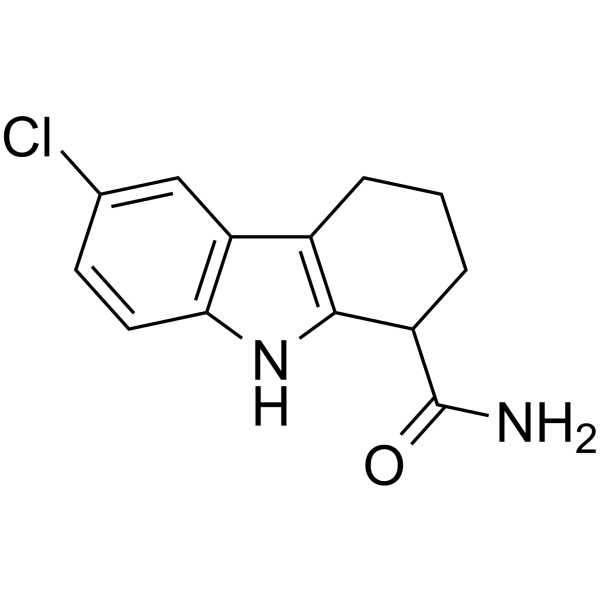
Synonyms: EX-527
Target:  

Sirtuin

Research Areas:  

Inflammation/Immunology Cancer

Selisistat (EX-527) is a potent and selective SirT1 (Sir2 in Drosophila melanogaster) inhibitor with an IC50 of 123 nM for SirT1. Selisistat alleviates pathology in multiple animal and cell models of Huntington's disease .
loading...
    loading...
72
72 Cited Publications
Cat. No.: HY-13443
CAS No.: 141758-74-9
Purity:  99.95%
Synonyms: Exenatide
Exendin‑4 (Exenatide) is an orally active, blood-brain barrier-permeable glucagon-like peptide-1 receptor (GLP‑1 receptor) agonist that resists degradation mediated by dipeptidyl peptidase IV. Exendin‑4 mediates multiple glucose-regulating effects, including stimulation of glucose-dependent insulin secretion, inhibition of glucagon production, increase in β-cell mass, delay of gastric emptying, reduction of food intake, improvement of peripheral insulin sensitivity, and restoration of normal islet structure. Exendin‑4 inhibits oxidative stress, alleviates inflammatory responses, and reduces neuronal apoptosis. Exendin‑4 reduces the aggregation level of mutant huntingtin, improves motor function, prolongs survival time, and regulates the expression levels of leptin and ghrelin. Exendin‑4 can be used in research related to type 2 diabetes, acute ischemic stroke, and Huntington's disease .
loading...
    loading...
72
72 Cited Publications
Cat. No.: HY-13443A
CAS No.: 914454-01-6
Purity:  99.91%
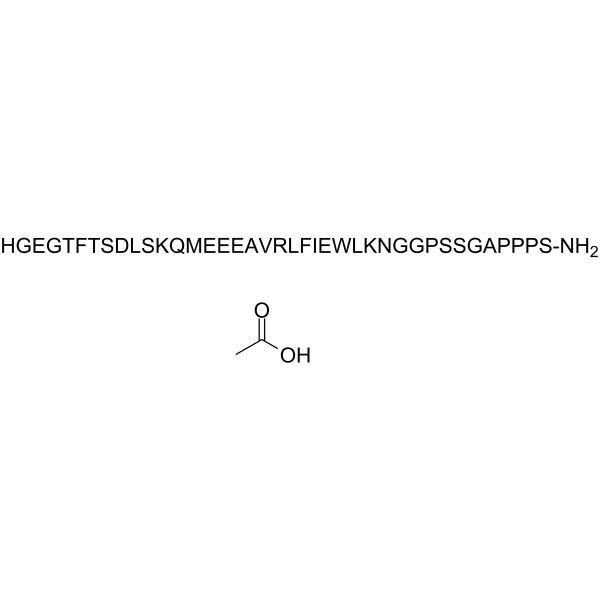
Synonyms: Exenatide acetate
Exendin-4 acetate (Exenatide acetate) is an orally active, blood-brain barrier-permeable glucagon-like peptide-1 receptor (GLP‑1 receptor) agonist that resists degradation mediated by dipeptidyl peptidase IV. Exendin-4 acetate mediates multiple glucose-regulating effects, including stimulation of glucose-dependent insulin secretion, inhibition of glucagon production, increase in β-cell mass, delay of gastric emptying, reduction of food intake, improvement of peripheral insulin sensitivity, and restoration of normal islet structure. Exendin-4 acetate inhibits oxidative stress, alleviates inflammatory responses, and reduces neuronal apoptosis. Exendin-4 acetate reduces the aggregation level of mutant huntingtin, improves motor function, prolongs survival time, and regulates the expression levels of leptin and ghrelin. Exendin-4 acetate can be used in research related to type 2 diabetes, acute ischemic stroke, and Huntington's disease .
loading...
    loading...
25
25 Cited Publications
Cat. No.: HY-15262
CAS No.: 1093403-33-8
Purity:  99.00%
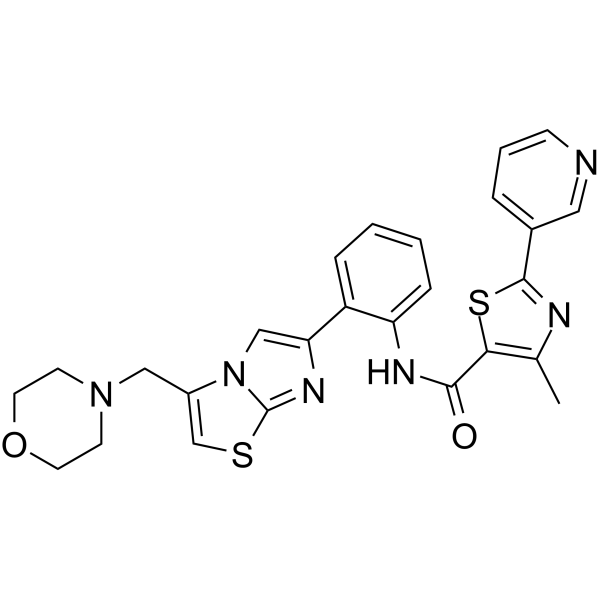
SRT 2104 is a first-in-class, highly selective and brain-permeable activator of the NAD + dependent deacetylase Sirt1, increases Sirt1 protein, but shows no effect on Sirt1 mRNA. Used in the research of diabetes mellitus and Huntington’s disease .
loading...
    loading...
18
18 Cited Publications
Cat. No.: HY-143218
CAS No.: 1245606-71-6
Purity:  98.05%
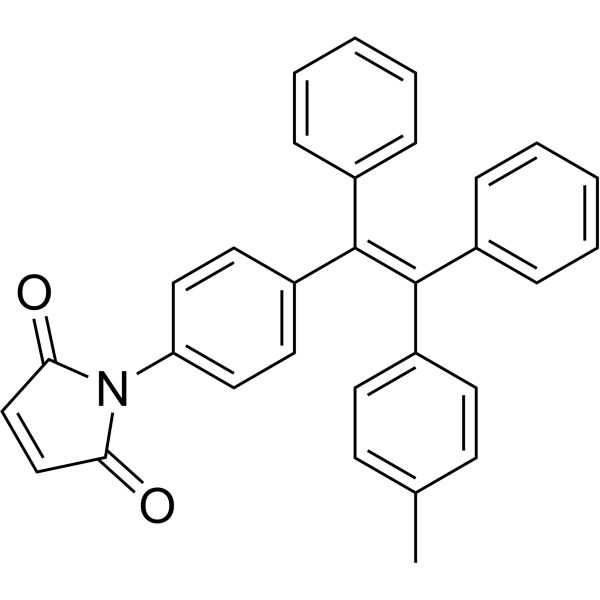
Synonyms: Tetraphenylethene maleimide
TPE-MI (Tetraphenylethene maleimide) is a thiol probe for measuring unfolded protein load and proteostasis in cells (the excitation wavelength is 350 nm and the emission wavelength is 470 nm). TPE-MI can report imbalances in proteostasis in induced pluripotent stem cell models of Huntington disease, as well as cells transfected with mutant Huntington exon 1 before the formation of visible aggregates. TPE-MI also detects protein damage following dihydroartemisinin research of the malaria parasites Plasmodium falciparum .
loading...
    loading...
10
10 Cited Publications
Cat. No.: HY-N0303
CAS No.: 58186-27-9
Research Areas:  

Neurological Disease

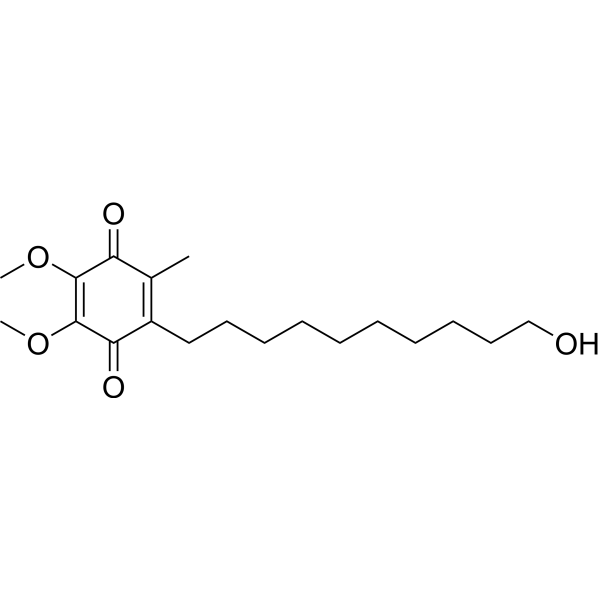
Idebenone, a well-appreciated mitochondrial protectant, exhibits protective efficacy against neurotoxicity and can be used for the research of Alzheimer's disease, Huntington's disease. Idebenone (oxidised form) has a dose-dependent inhibitory effect on the enzymatic metabolism of arachidonic acid in astroglial homogenates (IC50=16.65 μM) . Idebenone, a coenzyme Q10 analog and an antioxidant, induces apoptotic cell death in the human dopaminergic neuroblastoma SHSY-5Y cells . Idebenone quickly crosses the blood-brain barrier.
loading...
    loading...
9
9 Cited Publications
Cat. No.: HY-137207
CAS No.: 864388-65-8
Purity:  99.88%
Target:  

PERK

Research Areas:  

Neurological Disease

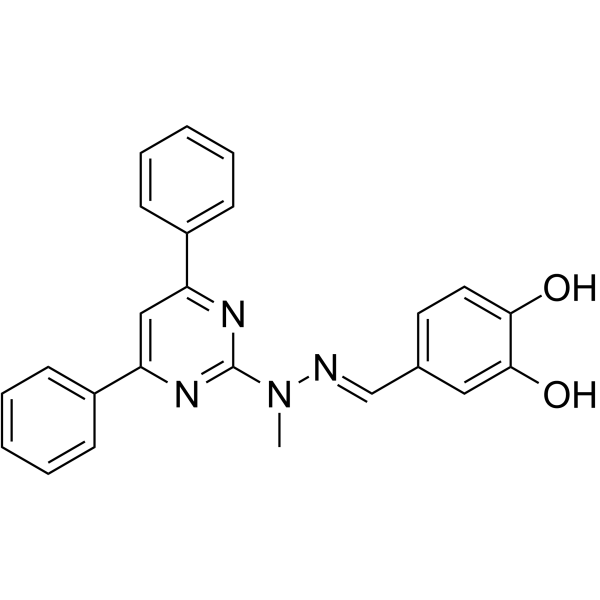
MK-28 is a potent and selective PERK activator. MK-28 exhibits remarkable pharmacokinetic properties and high BBB penetration in mice .
loading...
    loading...
8
8 Cited Publications
Cat. No.: HY-14197A
CAS No.: 17780-75-5
Purity:  99.92%
Synonyms: M&B 9302 hydrochloride
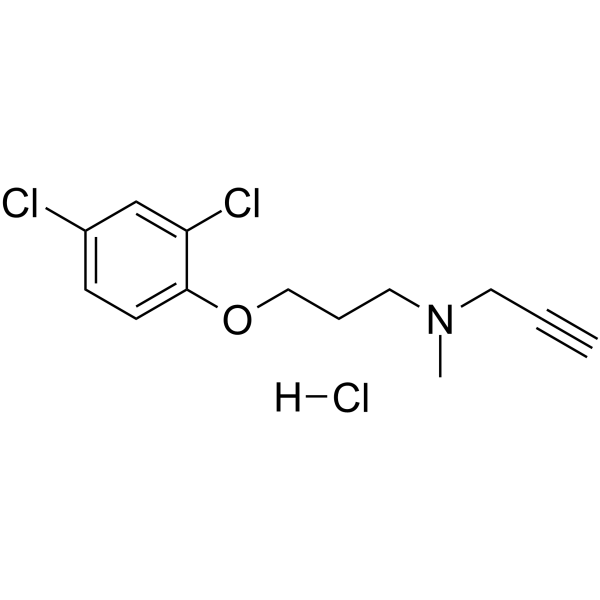
Clorgyline hydrochloride (M&B 9302 hydrochloride) is a selective, irreversible monoamine oxidase A (MAO-A) inhibitor that can cross the blood-brain barrier and exhibits activity against the 5-HT Receptor at very high doses. Clorgyline hydrochloride regulates monoamine neurotransmitter levels, the release of dopamine and acetylcholine, the uptake and effects of Tyramine (HY-W007606), noradrenergic function, circadian locomotor activity rhythms, feeding behavior, and body weight. Clorgyline hydrochloride induces tumor-suppressive transcriptional programs, secretory differentiation, androgen signaling regulation, Bcl-2 expression, and radioprotective effects in non-malignant cells. Clorgyline hydrochloride is used in the research of high-grade prostate cancer, Huntington's disease, major affective disorder, radiation-induced normal tissue toxicity, and obesity .
loading...
    loading...
8
8 Cited Publications
Cat. No.: HY-14197
CAS No.: 17780-72-2
Purity:  99.76%
Synonyms: M&B 9302
Clorgyline (M&B 9302) is a selective, irreversible monoamine oxidase A (MAO-A) inhibitor that can cross the blood-brain barrier and exhibits activity against the 5-HT Receptor at very high doses. Clorgyline regulates monoamine neurotransmitter levels, the release of dopamine and acetylcholine, the uptake and effects of Tyramine (HY-W007606), noradrenergic function, circadian locomotor activity rhythms, feeding behavior, and body weight. Clorgyline induces tumor-suppressive transcriptional programs, secretory differentiation, androgen signaling regulation, Bcl-2 expression, and radioprotective effects in non-malignant cells. Clorgyline is used in the research of high-grade prostate cancer, Huntington's disease, major affective disorder, radiation-induced normal tissue toxicity, and obesity .
loading...
    loading...
7
7 Cited Publications
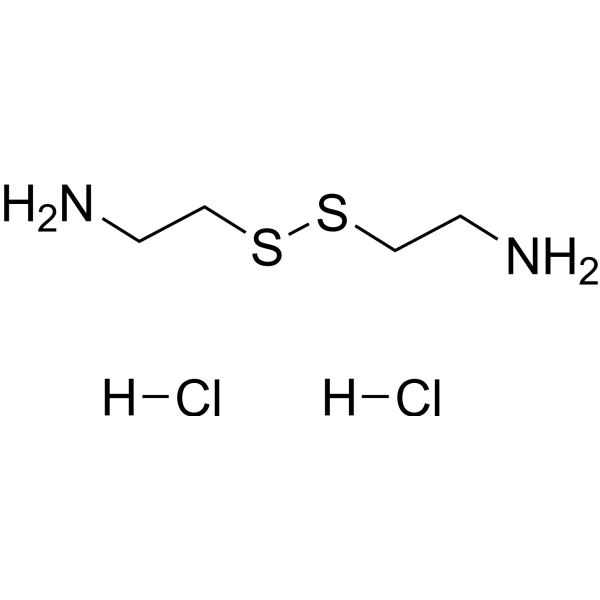
Cat. No.: HY-124476
CAS No.: 51-85-4
Purity:  99.79%
Research Areas:  

Cancer

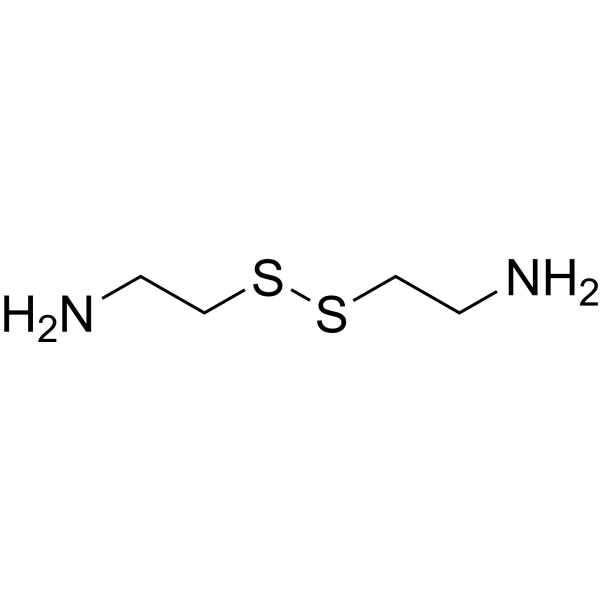
Cystamine is the disulfide form of the free thiol, cysteamine. Cystamine is an orally active transglutaminase (Tgase) inhibitor. Cystamine also has inhibition activity for caspase-3 with an IC50 value of 23.6 μM. Cystamine can be used for the research of severals diseases including Huntington's disease (HD) .
loading...
    loading...
7
7 Cited Publications
Cat. No.: HY-W020050
CAS No.: 56-17-7
Research Areas:  

Neurological Disease Cancer

Cystamine (dihydrochloride) is the disulfide form of the free thiol, cysteamine. Cystamine is an orally active transglutaminase (Tgase) inhibitor. Cystamine also has inhibition activity for caspase-3 with an IC50 value of 23.6 μM. Cystamine can be used for the research of severals diseases including Huntington's disease (HD) .
loading...
    loading...
5
5 Cited Publications
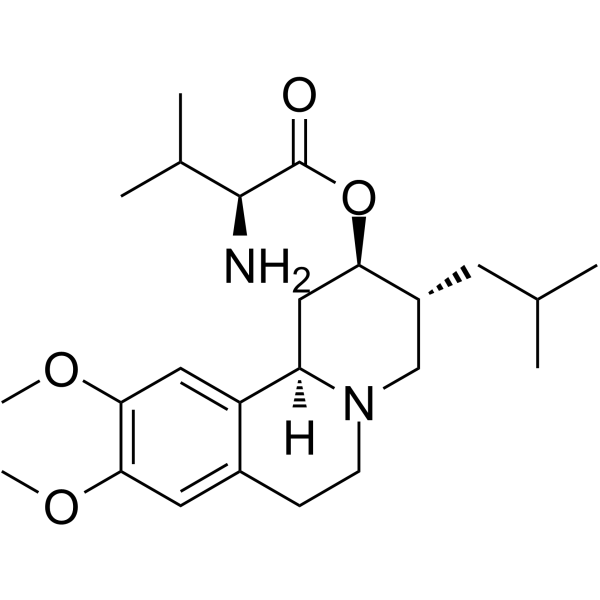
Cat. No.: HY-16771
CAS No.: 1025504-45-3
Synonyms: NBI-98854
Target:  

Monoamine Transporter

Research Areas:  

Neurological Disease

Valbenazine (NBI-98854) is a vesicular monoamine transporter 2 (VMAT2) inhibitor with the Ki of 110-190 nM .
loading...
    loading...
5
5 Cited Publications
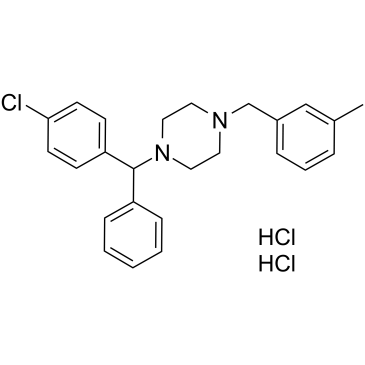
Cat. No.: HY-B0349
CAS No.: 1104-22-9
Synonyms: Meclozine dihydrochloride
Meclizine (Meclozine) dihydrochloride, an antihistamine, reversibly inhibits the interaction of histamine at the H1 receptors. Meclizine dihydrochloride is a member of the piperazine class of H1 antagonists. Meclizine dihydrochloride is an effective anti-motion sickness agent. Meclizine dihydrochloride crosses the blood-brain barrier. Meclizine dihydrochloride can be used for the research of polyQ toxicity disorders, such as Huntington's disease. Meclizine dihydrochloride is an agonist ligand for mouse constitutive androstane receptor (CAR) and an inverse agonist for Human CAR .
loading...
    loading...
5
5 Cited Publications
Cat. No.: HY-136833
CAS No.: 2404756-81-4
Purity:  98.01%
Target:  

DNA/RNA Synthesis

Research Areas:  

Neurological Disease

X5050 is a REST inhibitor, with an EC50 of 2.1 μM .
loading...
    loading...
5
5 Cited Publications
Cat. No.: HY-16771A
CAS No.: 1639208-54-0
Synonyms: NBI-98854 tosylate
Target:  

Monoamine Transporter

Research Areas:  

Neurological Disease

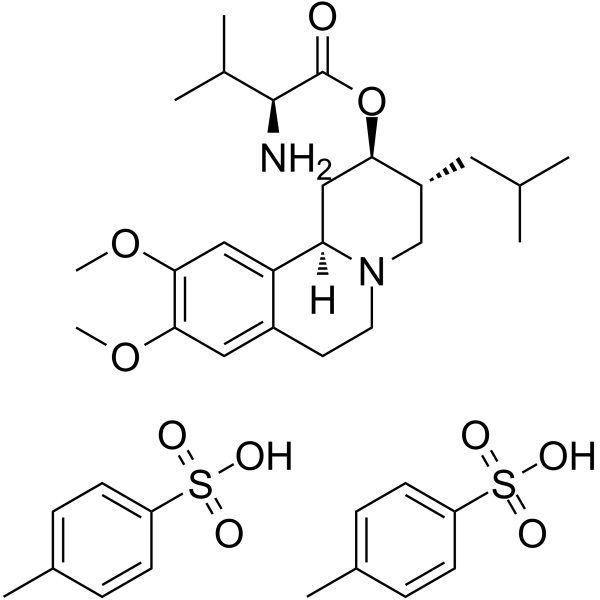
Valbenazine tosylate (NBI-98854 tosylate) is a vesicular monoamine transporter 2 (VMAT2) inhibitor with the Ki of 110-190 nM .
loading...
    loading...
3
3 Cited Publications
Cat. No.: HY-16482
CAS No.: 250694-07-6
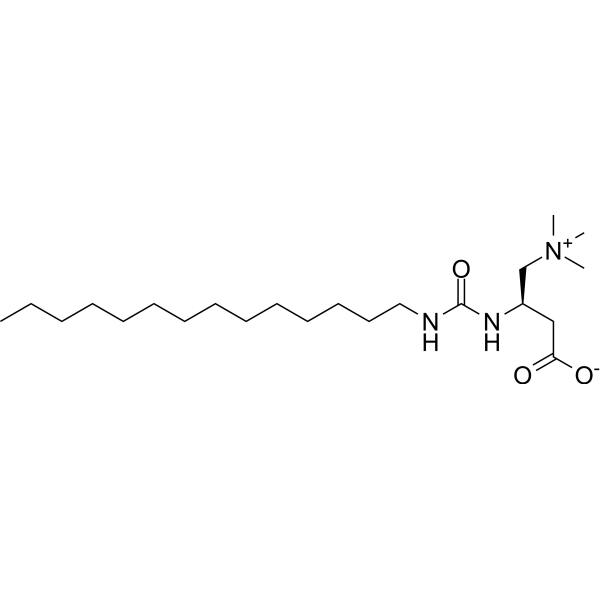
Teglicar is a selective and reversible orally active liver isoform of carnitine palmitoyl-transferase 1 (L-CPT1) inhibitor with an IC50 value of 0.68 μM and a Ki value of 0.36 μM. Teglicar has a potential antihyperglycemic propert. Teglicar can be used for the research of diabetes and neurodegenerative disease including Huntington's disease (HD) .
loading...
    loading...
3
3 Cited Publications
Cat. No.: HY-18939
CAS No.: 36396-99-3
Synonyms: CHA
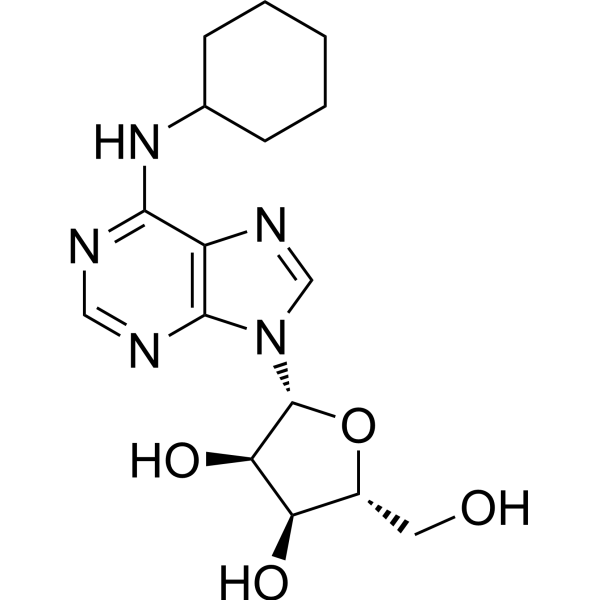
N6-Cyclohexyladenosine is a selective adenosine A1 receptor agonist (EC50 = 8.2 nM). N6-Cyclohexyladenosine enhances the activation of the PI3K/Akt/CREB/BDNF axis. N6-Cyclohexyladenosine promotes remyelination, induces sleep, and improves 3-NP-induced Huntington's disease. N6-Cyclohexyladenosine can be used in liver cancer research .
loading...
    loading...
2
2 Cited Publications
Cat. No.: HY-N2099
CAS No.: 35906-36-6
Synonyms: Senegin III
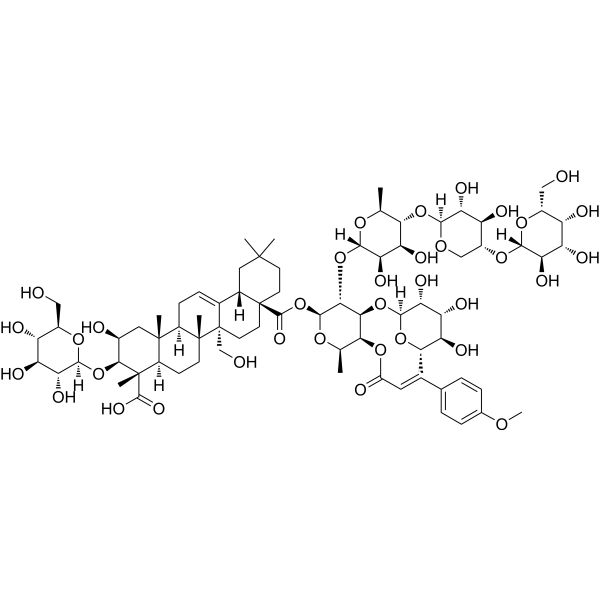
Onjisaponin B is an orally active natural product derived from Polygala tenuifolia. Onjisaponin B inhibits NF-κB p65. Onjisaponin B enhances autophagy and accelerates the degradation of mutant α-synuclein and huntingtin. Onjisaponin B reduces β-amyloid (Aβ) production. Onjisaponin B reduces radiation-induced cell apoptosis. Onjisaponin B has anti-oxidant and anti-inflammatory activities. Onjisaponin B can be used for neurological disease and radiation injury study, and its metabolite tenuifolin (TF) can enter the brain through the BBB .
loading...
    loading...
2
2 Cited Publications
Cat. No.: HY-B0248
CAS No.: 638-94-8
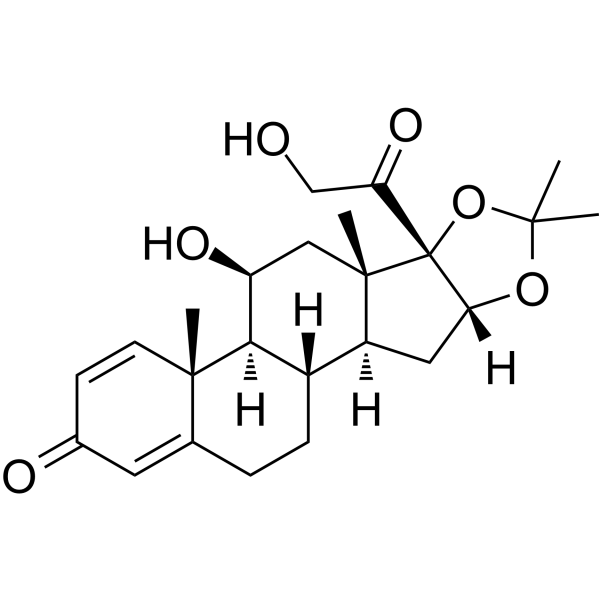
Desonide is a non-fluorinated corticosteroid anti-inflammatory agent that acts on the glucocorticoid receptor. Desonide can also specifically bind to the mutant huntingtin protein (mHTT), reducing the level and toxicity of mHTT. Desonide can be used in the research of Huntington's disease and inflammatory diseases such as atopic dermatitis .
loading...
    loading...
2
2 Cited Publications
Cat. No.: HY-N0576
CAS No.: 13190-97-1
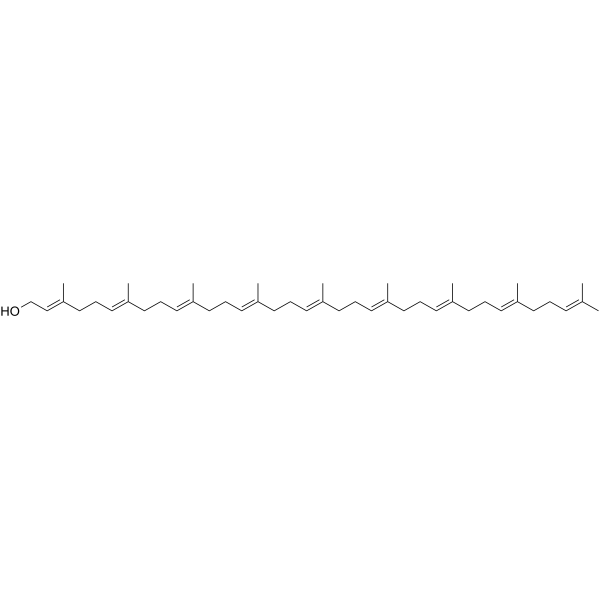
Solanesol is an orally active aliphatic terpene alcohol. Solanesol is mainly found in tobacco and other Solanaceae plants. Solanesol induces HO-1 and Hsp70 expression, activates p38 and Akt signaling pathways, and inhibits Apoptosis (reduces caspase-3 and PARP cleavage). Solanesol has antioxidant, anti-inflammatory, and neuroprotective activities. Solanesol can be used in the research of Huntington's disease, alcoholic liver disease, chronic inflammatory pain, anxiety, Alzheimer's disease, and bipolar disorder .
loading...
    loading...

