100 Results for "

JAK/STAT signaling pathway

" in MedChemExpress (MCE) Product Catalog:
Products (100)

100 Results for "JAK/STAT signaling pathway" in MCE Product Catalog:

136
136 Publications Verification
Cat. No.: HY-15244
CAS No.: 1217486-61-7
Purity:  99.88%
Synonyms: BYL-719
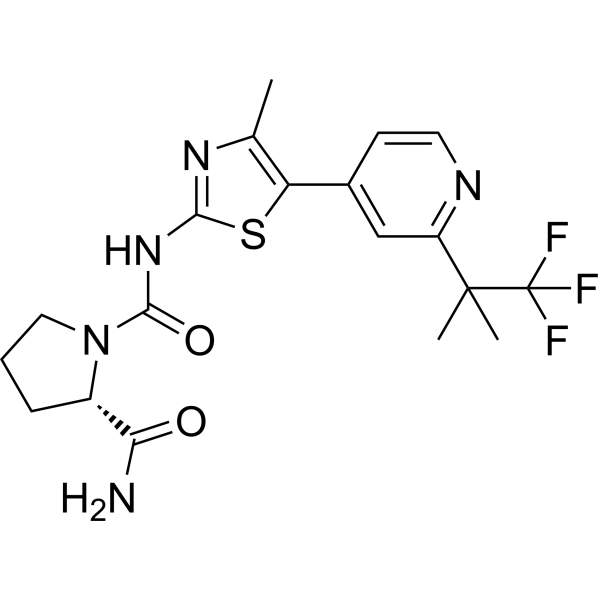
Alpelisib (BYL-719) is an orally active PI3Kα-selective inhibitor that blocks the conversion of PIP2 to PIP3, thereby inhibiting pathways including PI3K/AKT/mTOR, MAPK/ERK, Notch and JAK-STAT. Alpelisib also induces apoptosis, G0/G1 phase arrest and senescence; it significantly inhibits the proliferation, self-renewal, stemness and epithelial-mesenchymal transition (EMT) of tumor cells, reduces cancer stem cell populations and decreases the expression of stem cell markers. Alpelisib not only enhances the sensitivity to Eribulin (HY-13442) and exerts a synergistic effect with Paclitaxel (HY-B0015), but may also induce drug resistance by upregulating the SGK3/GSK3β/β-catenin signaling pathway. Alpelisib can be applied to research related to breast cancer, gastric cancer and lipomas associated with PTEN hamartoma tumor syndrome .
loading...
    loading...
136
136 Publications Verification
Cat. No.: HY-15244A
CAS No.: 1584128-91-5
Synonyms: BYL-719 hydrochloride
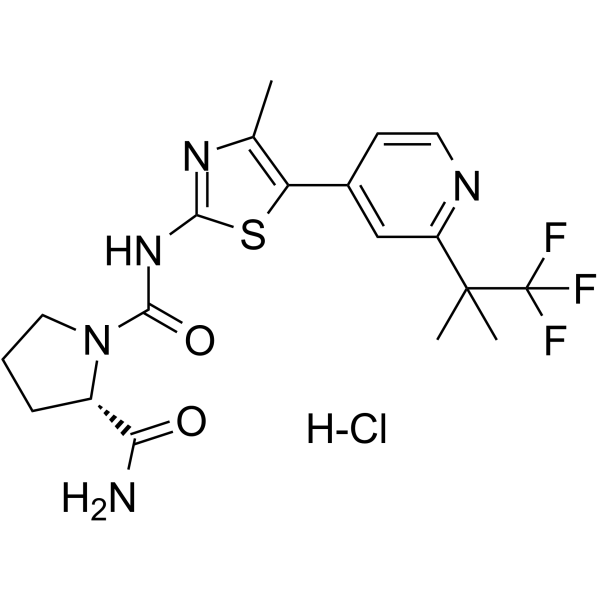
Alpelisib (BYL-719) hydrochloride is an orally active PI3Kα-selective inhibitor that blocks the conversion of PIP2 to PIP3, thereby inhibiting pathways including PI3K/AKT/mTOR, MAPK/ERK, Notch and JAK-STAT. Alpelisib hydrochloride also induces apoptosis, G0/G1 phase arrest and senescence; it significantly inhibits the proliferation, self-renewal, stemness and epithelial-mesenchymal transition (EMT) of tumor cells, reduces cancer stem cell populations and decreases the expression of stem cell markers. Alpelisib hydrochloride not only enhances the sensitivity to Eribulin (HY-13442) and exerts a synergistic effect with Paclitaxel (HY-B0015), but may also induce drug resistance by upregulating the SGK3/GSK3β/β-catenin signaling pathway. Alpelisib hydrochloride can be applied to research related to breast cancer, gastric cancer and lipomas associated with PTEN hamartoma tumor syndrome .
loading...
    loading...
103
103 Cited Publications
Cat. No.: HY-40354
CAS No.: 477600-75-2
Synonyms: Tasocitinib; CP-690550
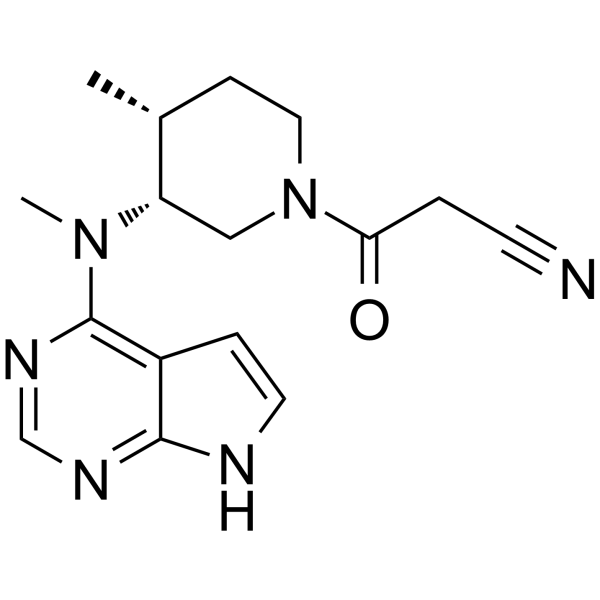
Tofacitinib (Tasocitinib) is an orally active, blood-brain barrier permeable selective inhibitor of JAK1/JAK3. Tofacitinib blocks the JAK-STAT/NF-κB signaling pathway, inhibits cytokine signal transduction, phosphorylation of STAT1/STAT5, and suppresses innate and adaptive immune responses. Tofacitinib can be used in research related to major depressive disorder, rheumatoid arthritis, pulmonary diseases, systemic lupus erythematosus, and immune-mediated liver injury .
loading...
    loading...
103
103 Cited Publications
Cat. No.: HY-40354A
CAS No.: 540737-29-9
Synonyms: Tasocitinib citrate; CP-690550 citrate
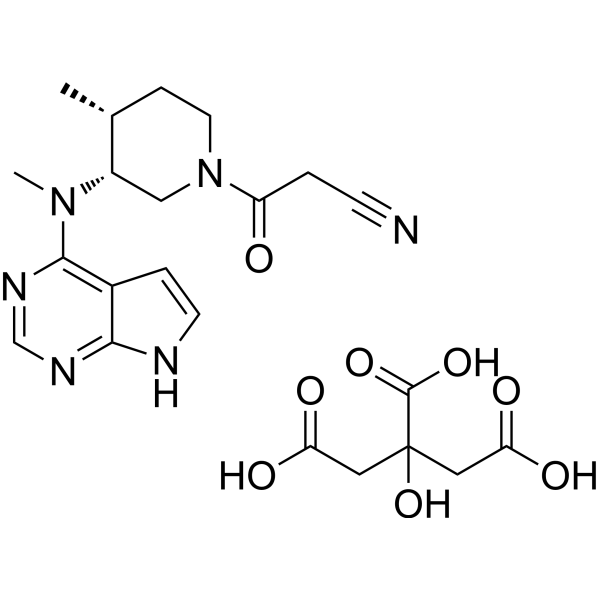
Tofacitinib citrate (Tasocitinib citrate) is an orally active, blood-brain barrier permeable selective inhibitor of JAK1/JAK3. Tofacitinib citrate blocks the JAK-STAT/NF-κB signaling pathway, inhibits cytokine signal transduction, phosphorylation of STAT1/STAT5, and suppresses innate and adaptive immune responses. Tofacitinib citrate can be used in research related to major depressive disorder, rheumatoid arthritis, pulmonary diseases, systemic lupus erythematosus, and immune-mediated liver injury .
loading...
    loading...
23
23 Cited Publications
Cat. No.: HY-16997
CAS No.: 1334298-90-6
Synonyms: INCB039110
Target:  

JAK STAT

Research Areas:  

Inflammation/Immunology Cancer

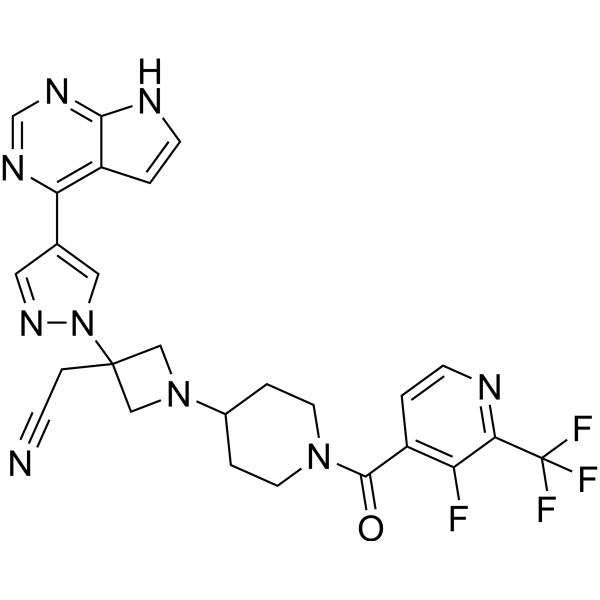
Itacitinib (INCB039110) is an orally active selective inhibitor of JAK1 with an IC50 value of 2 nM for human JAK1. Itacitinib inhibits IFN-γ-mediated phosphorylation of STAT1 and downstream pro-inflammatory signaling pathways. Itacitinib reduces the frequency and number of splenic neutrophils in mouse models, downregulates the levels of pro-inflammatory cytokines and chemokines, and inhibits pro-inflammatory gene expression pathways. Itacitinib improves survival rate and clinical scores in mouse models of hemophagocytic lymphohistiocytosis (HLH), and also suppresses metastasis in NSCLC models with high Rab1A expression. Itacitinib can be used for research on hemophagocytic lymphohistiocytosis and non-small cell lung cancer .
loading...
    loading...
23
23 Cited Publications
Cat. No.: HY-16997A
CAS No.: 1334302-63-4
Synonyms: INCB039110 adipate
Target:  

JAK STAT

Research Areas:  

Inflammation/Immunology Cancer

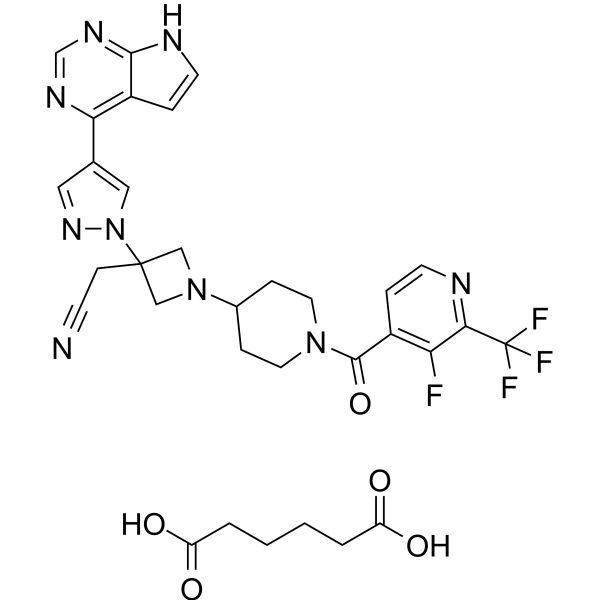
Itacitinib adipate (INCB039110 adipate) is an orally active JAK1-selective inhibitor. Itacitinib adipate inhibits IFN-γ-mediated phosphorylation of STAT1 and downstream pro-inflammatory signaling pathways. Itacitinib adipate reduces the frequency and number of splenic neutrophils in mouse models, downregulates the levels of pro-inflammatory cytokines and chemokines, and inhibits pro-inflammatory gene expression pathways. Itacitinib adipate improves survival rate and clinical scores in mouse models of hemophagocytic lymphohistiocytosis (HLH), and also suppresses metastasis in NSCLC models with high Rab1A expression. Itacitinib adipate can be used for research on hemophagocytic lymphohistiocytosis and non-small cell lung cancer .
loading...
    loading...
22
22 Cited Publications
Cat. No.: HY-N0484
CAS No.: 2586-96-1
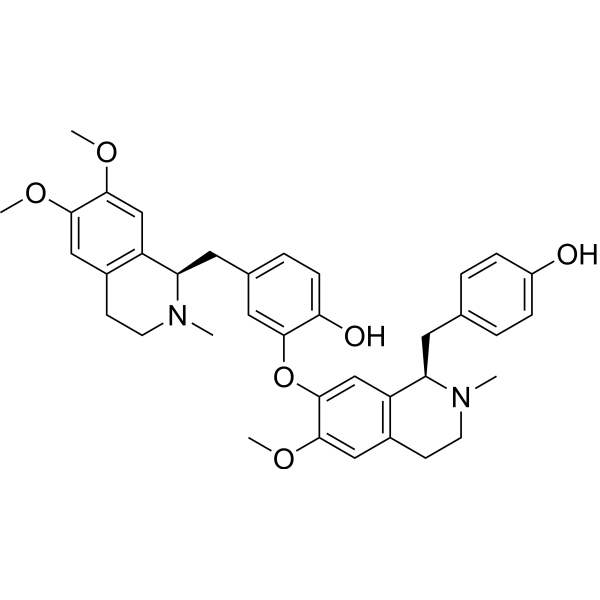
Liensinine is a bisbenzylisoquinoline alkaloid. By inhibiting the PI3K/AKT and JNK/p38-MAPK signaling pathways, Liensinine suppresses autophagy and apoptosis, clears , and exerts anti-inflammatory, antioxidant and neuroprotective effects. Liensinine activates AMPK and inhibits the expression of HIF-1α and VEGF, thereby suppressing angiogenesis. Liensinine exerts anti-tumor effects through ROS-mediated inhibition of the JAK2/STAT3 signaling pathway. Liensinine can be used for the research of diseases such as Alzheimer's disease, hepatocellular carcinoma, osteosarcoma, sepsis-induced organ injury and stroke .
loading...
    loading...
22
22 Cited Publications
Cat. No.: HY-N5014
CAS No.: 2385-63-9
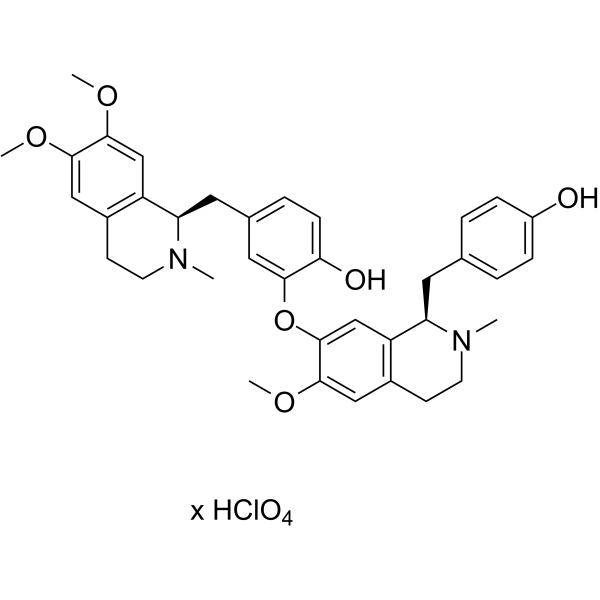
Liensinine perchlorate is a bisbenzylisoquinoline alkaloid. By inhibiting the PI3K/AKT and JNK/p38-MAPK signaling pathways, Liensinine perchlorate suppresses autophagy and apoptosis, clears , and exerts anti-inflammatory, antioxidant and neuroprotective effects. Liensinine perchlorate activates AMPK and inhibits the expression of HIF-1α and VEGF, thereby suppressing angiogenesis. Liensinine perchlorate exerts anti-tumor effects through ROS-mediated inhibition of the JAK2/STAT3 signaling pathway. Liensinine perchlorate can be used for the research of diseases such as Alzheimer's disease, hepatocellular carcinoma, osteosarcoma, sepsis-induced organ injury and stroke .
loading...
    loading...
12
12 Cited Publications
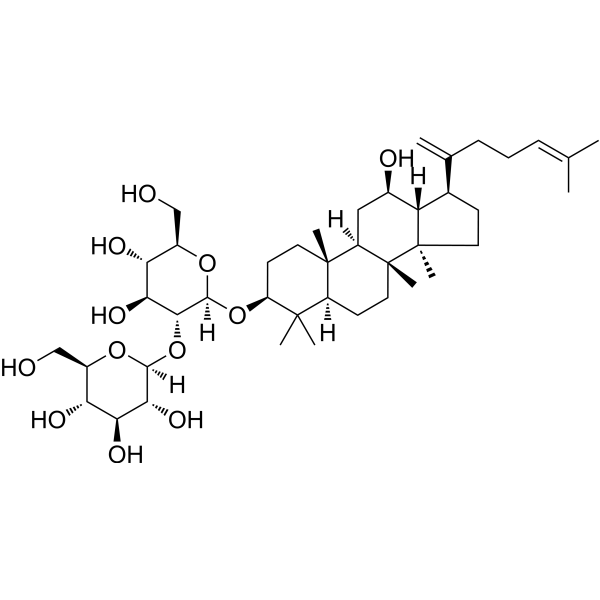
Cat. No.: HY-N2515
CAS No.: 494753-69-4
Ginsenoside Rk1 is a unique component created by processing the ginseng plant (mainly Sung Ginseng, SG) at high temperatures . Ginsenoside Rk1 has anti-inflammatory effect, suppresses the activation of Jak2/Stat3 signaling pathway and NF-κB . Ginsenoside Rk1 has anti-tumor effect, antiplatelet aggregation activities, anti-insulin resistance, nephroprotective effect, antimicrobial effect, cognitive function enhancement, lipid accumulation reduction and prevents osteoporosis . Ginsenoside Rk1 induces cell apoptosis by triggering intracellular reactive oxygen species (ROS) generation and blocking PI3K/Akt pathway .
loading...
    loading...
10
loading...
    loading...
9
9 Cited Publications
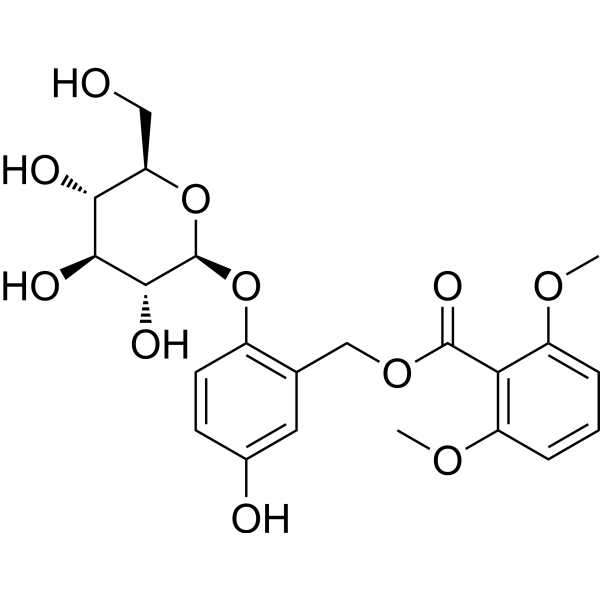
Cat. No.: HY-N0705
CAS No.: 85643-19-2
Curculigoside is the main saponin in C. orchioide, exerts significant antioxidant, anti-osteoporosis, antidepressant and neuroprotection effects. Curculigoside possesses significant anti-arthritic effects in vivo and in vitro via regulation of the JAK/STAT/NF-κB signaling pathway .
loading...
    loading...
4
4 Cited Publications
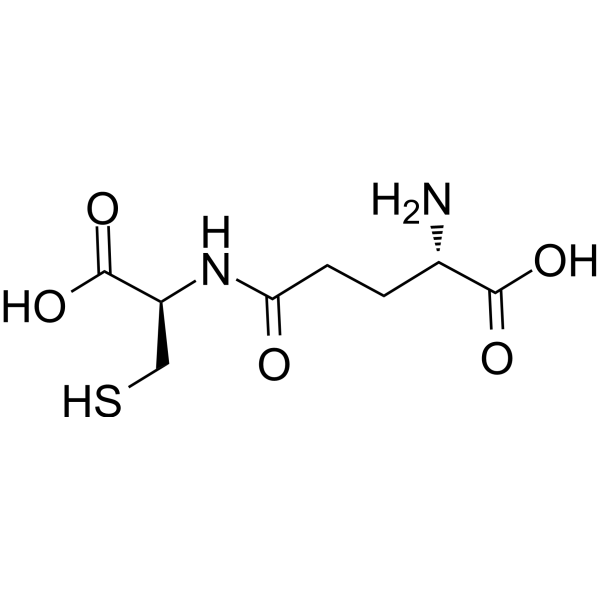
Cat. No.: HY-113402
CAS No.: 636-58-8
Purity:  95.20%
Synonyms: γ-Glu-Cys
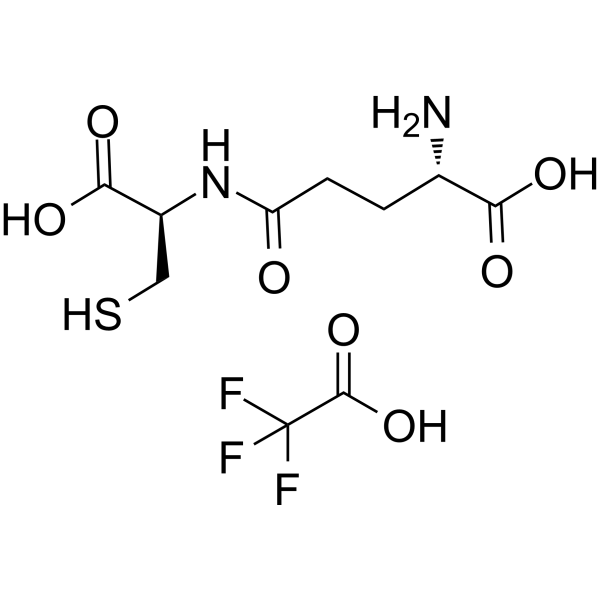
Gamma-glutamylcysteine (γ-Glu-Cys) is an orally active, blood-brain barrier permeable dipeptide . Gamma-glutamylcysteine activates AMPK, SIRT1, IL-4/STAT6, AC/cAMP/PI3K, IGF-1R/IRS1/PI3K, and Nrf2 signaling pathways; it inhibits NF-κB, JAK1/STAT1/3, MAPKs, cadmium-induced p38 MAPK, JNK, and PI3K/Akt signaling pathways. Gamma-glutamylcysteine regulates macrophage polarization, modulates the trafficking of CD36 and GLUT4, induces glutathione synthesis, improves metabolic dysfunction, reduces lipid deposition, ameliorates glucose homeostasis, inhibits apoptosis (Apoptosis), stabilizes mitochondria, suppresses lipid peroxidation, iron accumulation and ferroptosis (Ferroptosis), reduces ds-HMGB1 levels, reverses mechanical hyperalgesia, and alleviates hepatic lipid droplet formation. Gamma-glutamylcysteine is applicable to research related to inflammatory bowel disease, type 2 diabetes, cadmium-induced neurotoxicity, Alzheimer's disease, cerebral ischemia/reperfusion injury, neuropathy, and alcoholic liver disease .
loading...
    loading...
4
4 Cited Publications
Cat. No.: HY-113402A
CAS No.: 283159-88-6
Purity:  95.20%
Synonyms: γ-Glu-Cys TFA
Gamma-glutamylcysteine TFA (γ-Glu-Cys TFA) is an orally active, blood-brain barrier permeable dipeptide . Gamma-glutamylcysteine TFA activates AMPK, SIRT1, IL-4/STAT6, AC/cAMP/PI3K, IGF-1R/IRS1/PI3K, and Nrf2 signaling pathways; it inhibits NF-κB, JAK1/STAT1/3, MAPKs, cadmium-induced p38 MAPK, JNK, and PI3K/Akt signaling pathways. Gamma-glutamylcysteine TFA regulates macrophage polarization, modulates the trafficking of CD36 and GLUT4, induces glutathione synthesis, improves metabolic dysfunction, reduces lipid deposition, ameliorates glucose homeostasis, inhibits apoptosis (Apoptosis), stabilizes mitochondria, suppresses lipid peroxidation, iron accumulation and ferroptosis (Ferroptosis), reduces ds-HMGB1 levels, reverses mechanical hyperalgesia, and alleviates hepatic lipid droplet formation. Gamma-glutamylcysteine TFA is applicable to research related to inflammatory bowel disease, type 2 diabetes, cadmium-induced neurotoxicity, Alzheimer's disease, cerebral ischemia/reperfusion injury, neuropathy, and alcoholic liver disease .
loading...
    loading...
3
3 Cited Publications
Cat. No.: HY-N2963
CAS No.: 90902-21-9
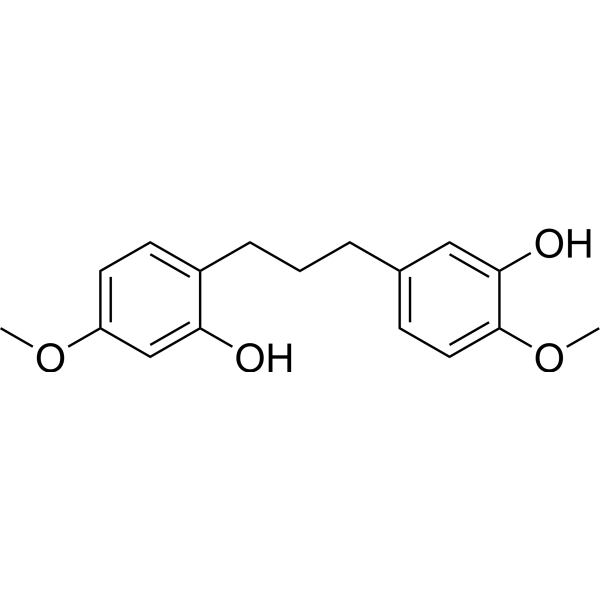
Broussonin E is a phenolic compound and shows anti-inflammatory activity. Broussonin E can suppress inflammation by modulating macrophages activation statevia inhibiting the ERK and p38 MAPK and enhancing JAK2-STAT3 signaling pathway. Broussonin E can be used for the research of inflammation-related diseases such as atherosclerosis .
loading...
    loading...
3
3 Cited Publications
Cat. No.: HY-N0781
CAS No.: 728-61-0
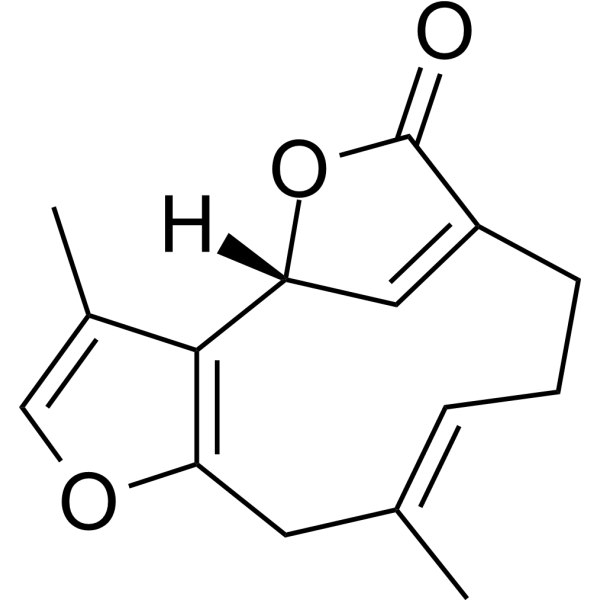
Linderalactone is an important sesquiterpene lactone isolated from Lindera aggregata. Linderalactone inhibits cancer growth by modulating the expression of apoptosis-related proteins and inhibition of JAK/STAT signalling pathway. Linderalactone also inhibits the proliferation of the lung cancer A-549 cells with an IC50 of 15 µM .
loading...
    loading...
2
2 Cited Publications
Cat. No.: HY-116035
CAS No.: 25990-37-8
Purity:  99.79%
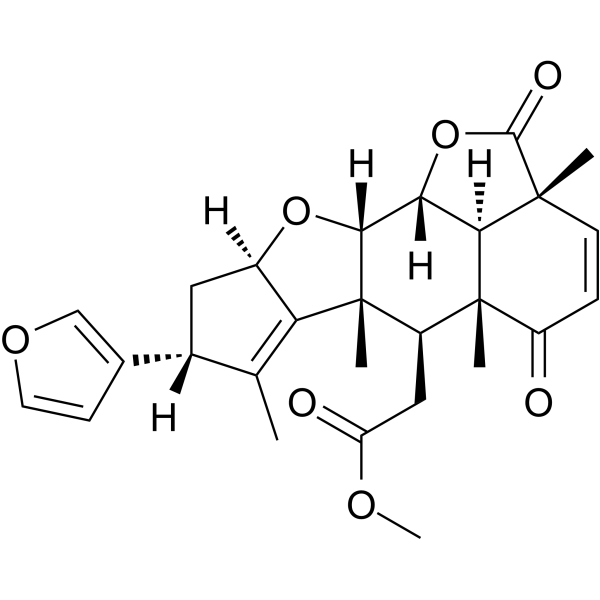
Nimbolide is a triterpene compound that can be isolated from neem (Azadirachta indica), possesses anticancer and antiproliferative activity. Nimbolide induces tumor cell apoptosis by inhibiting NF-κB and CDK4/CDK6 kinase. Nimbolide suppresses the Wnt, PI3K-Akt, MAPK and JAK-STAT signaling pathways .
loading...
    loading...
2
2 Cited Publications
Cat. No.: HY-118119
CAS No.: 938069-71-7
Purity:  99.12%
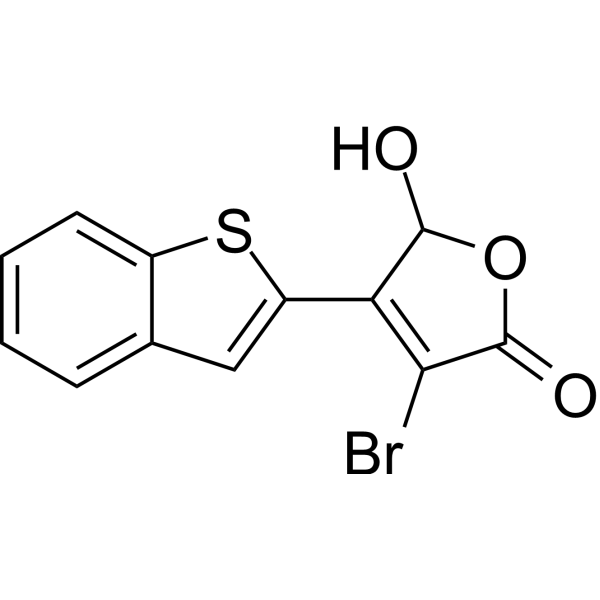
CAY10526 is an inhibitor of Y-box binding protein 1 (YB-1) and microsomal prostaglandin E2 synthase 1 (mPGES1). CAY10526 inhibits the production of PGE2 by suppressing YB-1 and mPGES1. CAY10526 induces cell apoptosis (apoptosis) and inhibits the JAK/STAT, TGF-β/Smad3 and PI3K/AKT signaling pathways. CAY10526 can be used in research related to melanoma, prostate cancer, esophageal adenocarcinoma, T-cell lymphoma, etc .
loading...
    loading...
2
2 Cited Publications
Cat. No.: HY-150538
CAS No.: 2980758-31-2
Purity:  99.87%
Target:  

STAT Apoptosis

Research Areas:  

Cancer

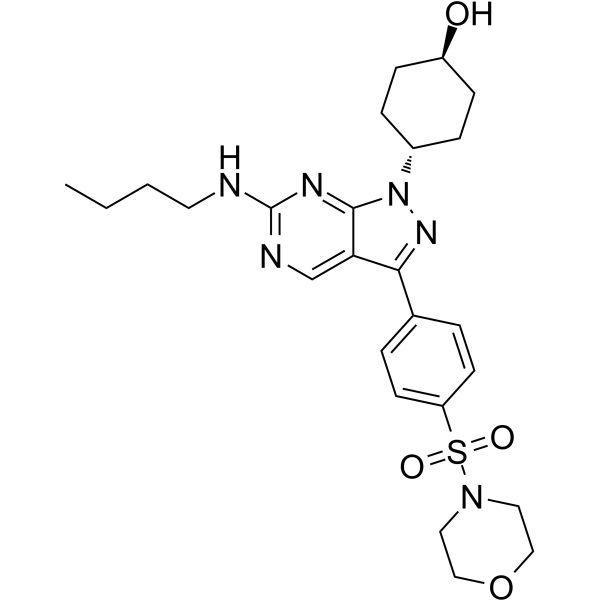
STAT3-IN-12 is a potent STAT3 signal inhibitor that can inhibit IL-6 induced JAK/STAT3 signalling pathway activation. STAT3-IN-12 inhibits cancer cell growth, migration, and induce cell apoptosis as well as cycle arrest. STAT3-IN-12 can be used in cancer-related research, such as hepatocellular carcinoma (HCC) and oesophageal carcinoma .
loading...
    loading...
2
2 Cited Publications
Cat. No.: HY-117548
CAS No.: 1350549-36-8
Purity:  98.92%
UNC1062 is a highly selective tyrosine kinase (MERTK) inhibitor with an IC50 of 1.1 nM (Morrison Ki = 0.33 nM). UNC1062 exhibits good selectivity for the TAM family (TYRO3 IC50 = 60 nM, AXL IC50 = 85 nM). UNC1062 exhibits significant anti-proliferative effects and induces apoptosis in various cancer models (such as melanoma, gastric cancer, and acute myeloid leukemia). UNC1062 inhibits multiple pathways, including MAPK/ERK, PI3K/AKT and JAK/STAT and affects the motility of head and neck squamous cell carcinoma (HNSCC) cells through the RhoA signaling pathway. UNC1062 inhibits macrophage efferocytosis, and it suitable for research on atherosclerosis .
loading...
    loading...
1
1 Cited Publications
Cat. No.: HY-N1356
CAS No.: 485-19-8
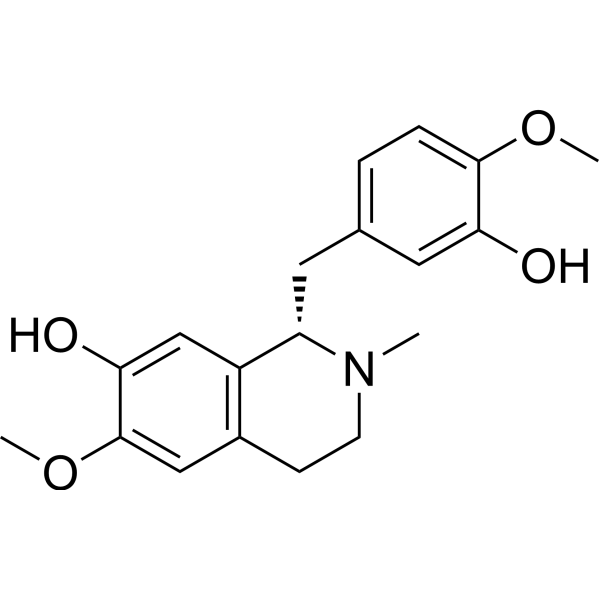
Reticuline shows anti-inflammatory effects through JAK2/STAT3 and NF-κB signaling pathways. Reticuline inhibits mRNA expressions of TNF-α, and IL-6 and reduces the phosphorylation levels of JAK2 and STAT3 . Reticuline exhibits cardiovascular effects .
loading...
    loading...

