5850 Results for "

K562 cells,ICR mice

" in MedChemExpress (MCE) Product Catalog:
Products (5850)

5850 Results for "K562 cells,ICR mice" in MCE Product Catalog:

322
322 Publications Verification
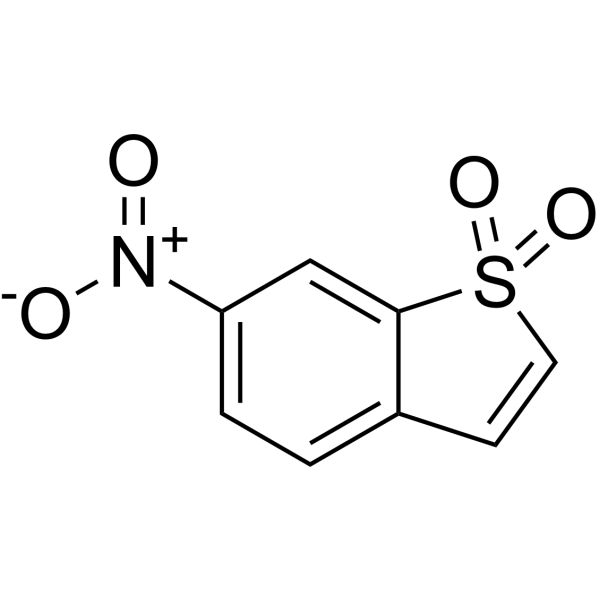
Cat. No.: HY-13818
CAS No.: 19983-44-9
Purity:  99.58%
Target:  

STAT Apoptosis

Research Areas:  

Inflammation/Immunology Cancer

Stattic is a potent STAT3 inhibitor and inhibits STAT3 phosphorylation (at Y705 and S727) . Stattic inhibits the binding of a high affinity phosphopeptide for the SH2 domain of STAT3 . Stattic ameliorates the renal dysfunction in Alport syndrome (AS) mice .
loading...
    loading...
270
270 Cited Publications
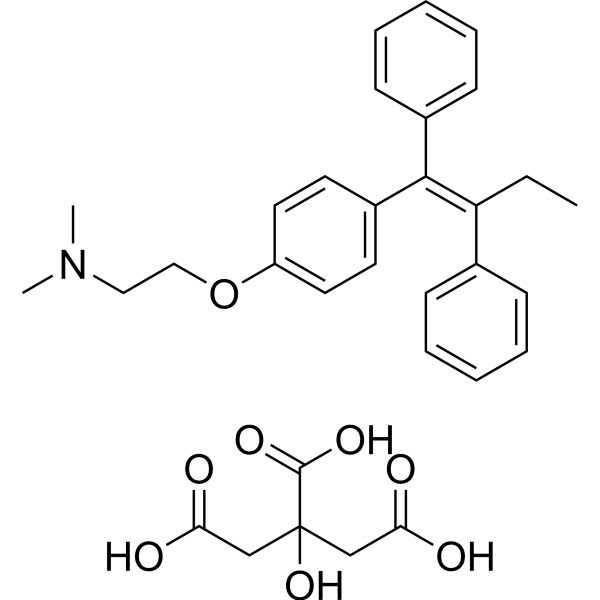
Cat. No.: HY-13757
CAS No.: 54965-24-1
Purity:  99.93%
Synonyms: ICI 46474; (Z)-Tamoxifen Citrate; trans-Tamoxifen Citrate
Tamoxifen Citrate (ICI 46474) is an orally active, selective estrogen receptor modulator (SERM) which blocks estrogen action in breast cells and can activate estrogen activity in other cells, such as bone, liver, and uterine cells.Tamoxifen Citrate is a potent Hsp90 activator and enhances the Hsp90 molecular chaperone ATPase activity. Tamoxifen Citrate also potent inhibits infectious EBOV Zaire and Marburg (MARV) with IC50 of 0.1 μM and 1.8 μM, respectively. Tamoxifen Citrate activates autophagy and induces apoptosis. Tamoxifen Citrate can also be used to induce gene knockout in CreER transgenic mice .
loading...
    loading...
270
270 Cited Publications
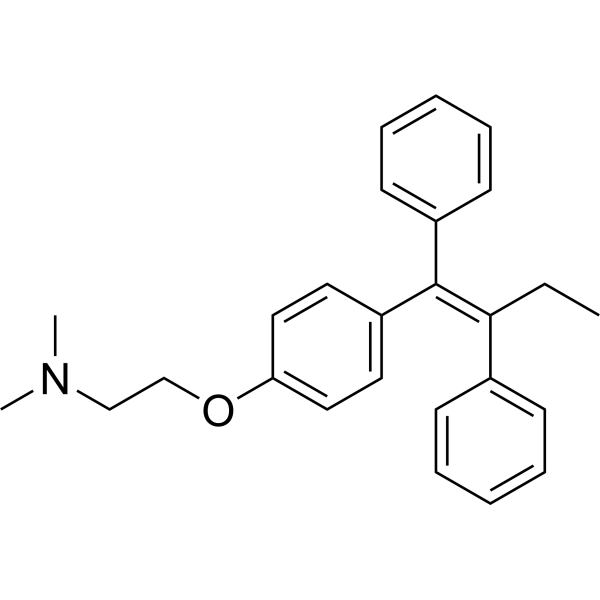
Cat. No.: HY-13757A
CAS No.: 10540-29-1
Purity:  99.78%
Synonyms: ICI 47699; (Z)-Tamoxifen; trans-Tamoxifen
Tamoxifen (ICI 47699) is an orally active, selective estrogen receptor modulator (SERM) which blocks estrogen action in breast cells and can activate estrogen activity in other cells, such as bone, liver, and uterine cells. Tamoxifen is a potent Hsp90 activator and enhances the Hsp90 molecular chaperone ATPase activity. Tamoxifen also potent inhibits infectious EBOV Zaire and Marburg (MARV) with IC50 of 0.1 μM and 1.8 μM, respectively. Tamoxifen activates autophagy and induces apoptosis. Tamoxifen can also be dissolved in corn oil (HY-Y1888) for use in inducing gene knockout in CreER transgenic mice. Tamoxifen has better solubility in corn oil compared to Tamoxifen Citrate (HY-13757) .
loading...
    loading...
232
232 Cited Publications
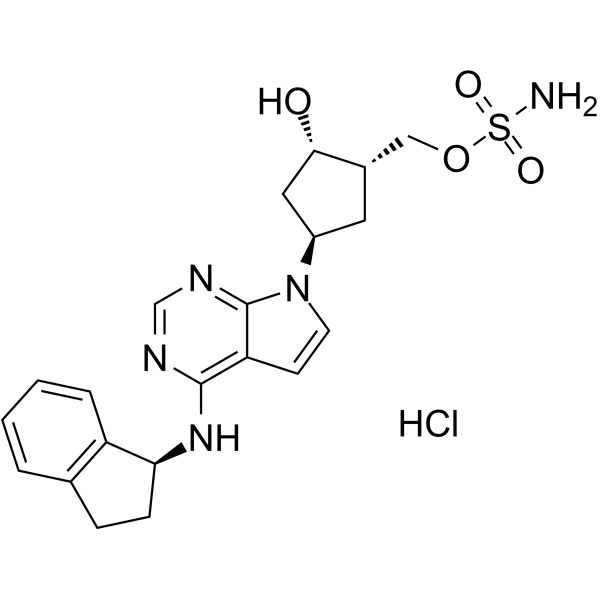
Cat. No.: HY-10484
CAS No.: 1160295-21-5
Purity:  98.58%
Synonyms: MLN4924 hydrochloride
Research Areas:  

Cancer

Pevonedistat (MLN4924) hydrochloride is a potent and selective NEDD8-activating enzyme (NAE) inhibitor, with an IC50 of 4.7 nM. Pevonedistat hydrochloride induces the deregulation of S-phase DNA synthesis, thereby disrupting protein turnover mediated by cullin-RING ligase, leading to apoptosis of human tumor cells. Pevonedistat hydrochloride suppresses the growth of human tumour xenografts in mice .
loading...
    loading...
232
232 Cited Publications
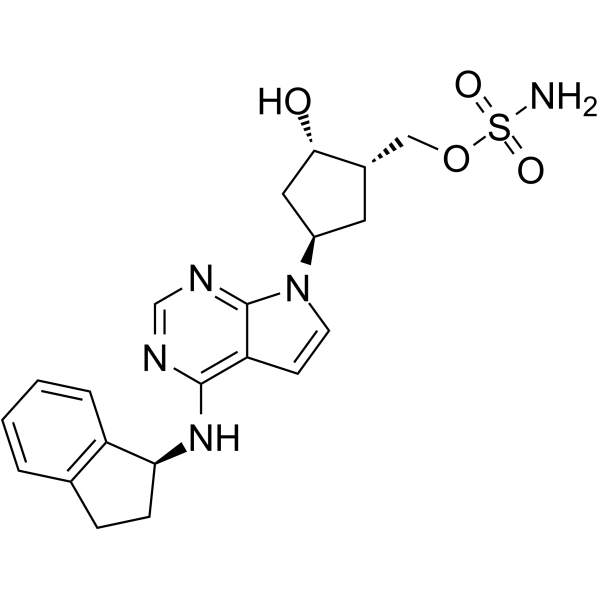
Cat. No.: HY-70062
CAS No.: 905579-51-3
Synonyms: MLN4924
Research Areas:  

Cancer

Pevonedistat (MLN4924) is a potent and selective NEDD8-activating enzyme (NAE) inhibitor with an IC50 of 4.7 nM. Pevonedistat induces the deregulation of S-phase DNA synthesis, thereby disrupting protein turnover mediated by cullin-RING ligase, leading to apoptosis of human tumor cells. Pevonedistat suppresses the growth of human tumour xenografts in mice .
loading...
    loading...
183
183 Cited Publications
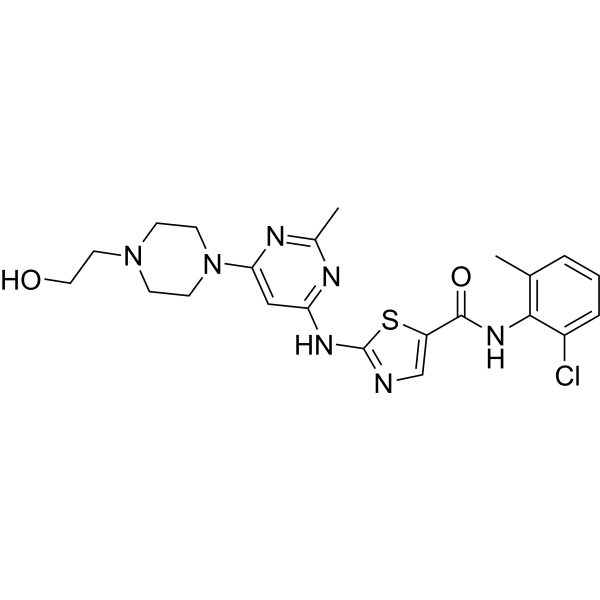
Cat. No.: HY-10181
CAS No.: 302962-49-8
Purity:  99.83%
Synonyms: BMS-354825
Dasatinib (BMS-354825) is a highly potent, ATP competitive, orally active dual Src/Bcr-Abl inhibitor with potent antitumor activity. The Kis are 16 pM and 30 pM for Src and Bcr-Abl, respectively. Dasatinib inhibits Bcr-Abl and Src with IC50s of <1.0 nM and 0.5 nM, respectively. Dasatinib also induces apoptosis and autophagy, and can cross the blood-brain barrier .
loading...
    loading...
183
183 Cited Publications
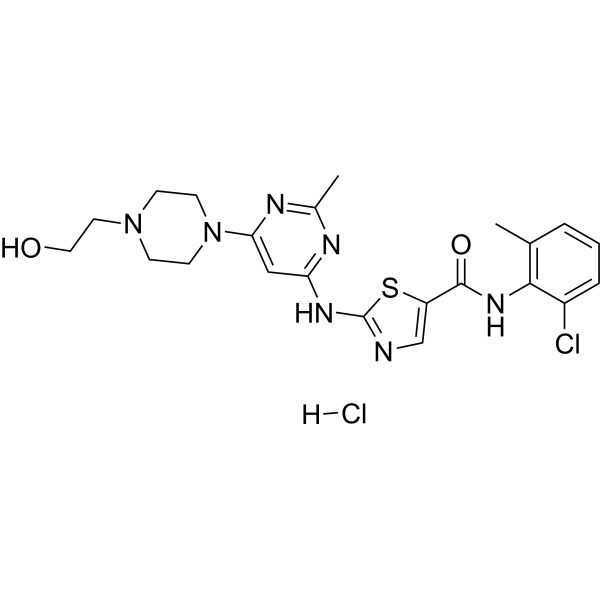
Cat. No.: HY-10181A
CAS No.: 854001-07-3
Purity:  98.86%
Synonyms: BMS-354825 hydrochloride
Research Areas:  

Cancer

Dasatinib (BMS-354825) hydrochloride is a highly potent, ATP competitive, orally active dual Src/Bcr-Abl inhibitor with potent antitumor activity. The Kis are 16 pM and 30 pM for Src and Bcr-Abl, respectively. Dasatinib hydrochloride inhibits Bcr-Abl and Src with IC50s of <1.0 nM and 0.5 nM, respectively . Dasatinib hydrochloride also induces apoptosis and autophagy.
loading...
    loading...
183
183 Cited Publications
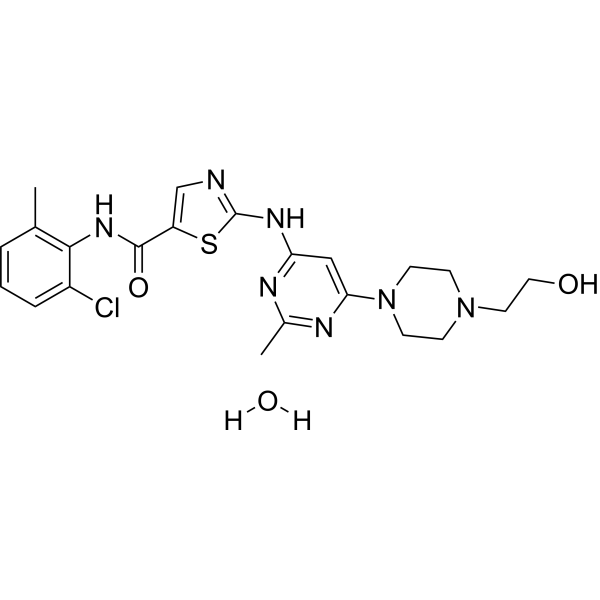
Cat. No.: HY-10181B
CAS No.: 863127-77-9
Purity:  99.58%
Synonyms: BMS-354825 monohydrate
Research Areas:  

Cancer

Dasatinib (BMS-354825) monohydrate is a highly potent, ATP competitive, orally active dual Src/Bcr-Abl inhibitor with potent antitumor activity. The Kis are 16 pM and 30 pM for Src and Bcr-Abl, respectively. Dasatinib monohydrate inhibits Bcr-Abl and Src with IC50s of <1.0 nM and 0.5 nM, respectively . Dasatinib monohydrate also induces apoptosis and autophagy.
loading...
    loading...
178
178 Cited Publications
Cat. No.: HY-B2176
CAS No.: 56-65-5
Synonyms: Adenosine 5'-triphosphate
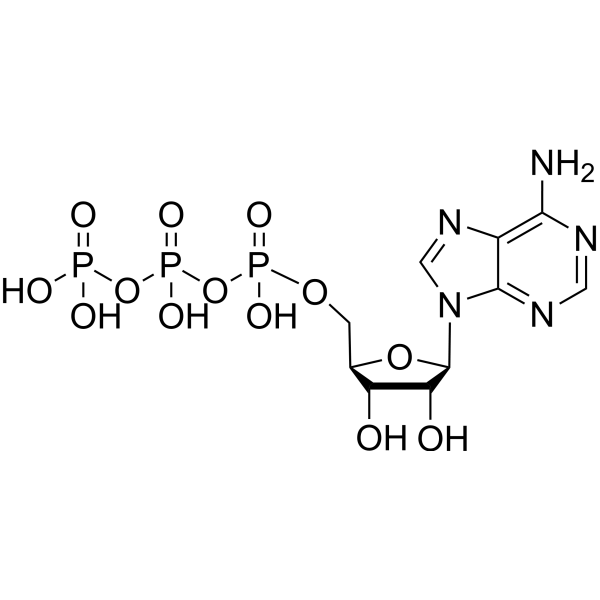
ATP (Adenosine 5'-triphosphate) is a central component of energy storage and metabolism in vivo. ATP provides the metabolic energy to drive metabolic pumps and serves as a coenzyme in cells. ATP is an important endogenous signaling molecule in immunity and inflammation. ATP can activate the NLRP3 inflammasome and induce IL-1β and chemokines secretion. ATP has anti-bacterial infection effects and can protect mice against bacterial infection in mice .
loading...
    loading...
178
178 Cited Publications
Cat. No.: HY-B2176B
CAS No.: 74804-12-9
Synonyms: Adenosine 5'-triphosphate dimagnesium
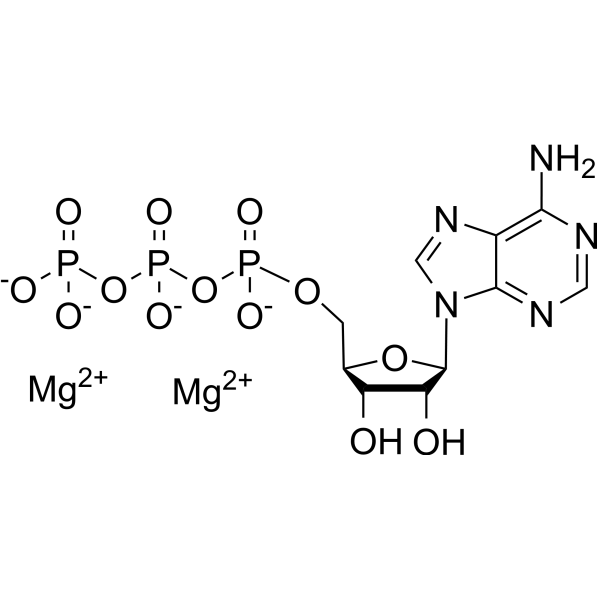
ATP (Adenosine 5'-triphosphate) dimagnesium is a central component of energy storage and metabolism in vivo. ATP dimagnesium provides the metabolic energy to drive metabolic pumps and serves as a coenzyme in cells. ATP dimagnesium is an important endogenous signaling molecule in immunity and inflammation. ATP dimagnesium can activate the NLRP3 inflammasome and induce IL-1β and chemokines secretion. ATP dimagnesium has anti-bacterial infection effects and can protect mice against bacterial infection in mice .
loading...
    loading...
178
178 Cited Publications
Cat. No.: HY-B2176A
CAS No.: 51963-61-2
Synonyms: Adenosine-5'-triphosphate disodium trihydrate
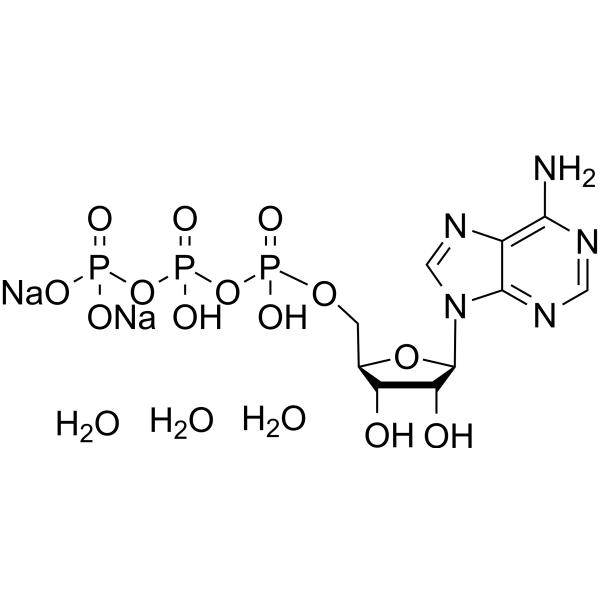
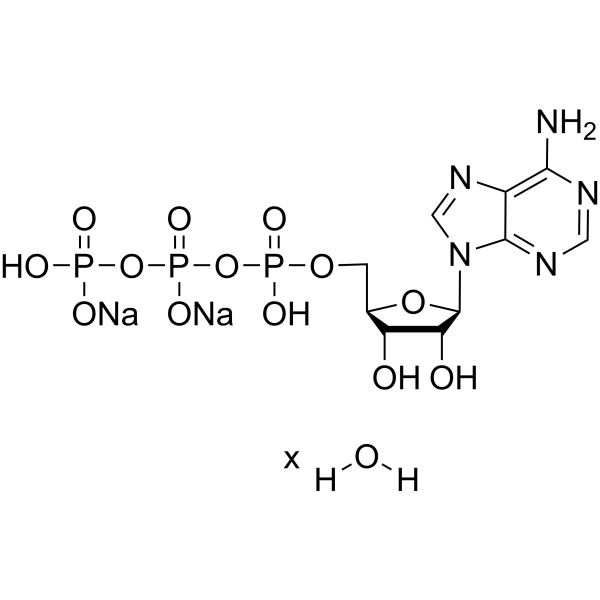
ATP (Adenosine 5'-triphosphate) disodium trihydrate is a central component of energy storage and metabolism in vivo. ATP disodium trihydrate provides the metabolic energy to drive metabolic pumps and serves as a coenzyme in cells. ATP disodium trihydrate is an important endogenous signaling molecule in immunity and inflammation. ATP disodium trihydrate can activate the NLRP3 inflammasome and induce IL-1β and chemokines secretion. ATP disodium trihydrate has anti-bacterial infection effects and can protect mice against bacterial infection in mice .
loading...
    loading...
174
174 Cited Publications
Cat. No.: HY-16561
CAS No.: 501-36-0
Synonyms: trans-Resveratrol; SRT501
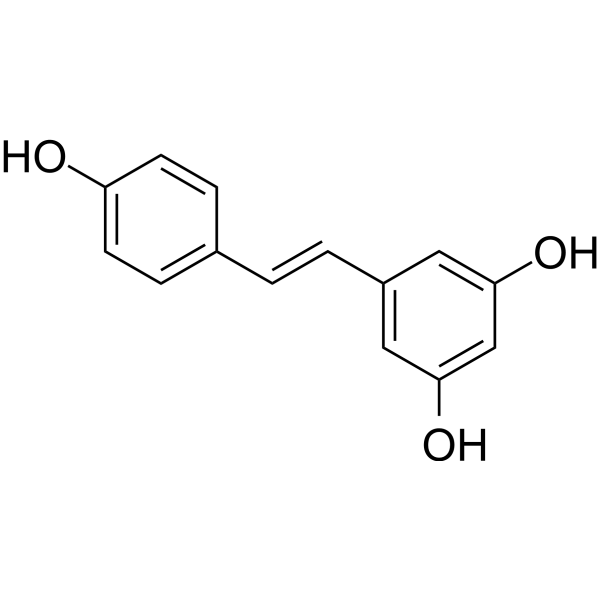
Resveratrol (trans-Resveratrol; SRT501) is a CNS-penetrant natural polyphenolic phytoalexin that possesses anti-oxidant, anti-inflammatory, cardioprotective, and anti-cancer properties. Resveratrol (SRT 501) has a wide spectrum of targets including mTOR, JAK, β-amyloid, Adenylyl cyclase, IKKβ, DNA polymerase. Resveratrol also is a specific SIRT1 activator . Resveratrol is a potent pregnane X receptor (PXR) inhibitor . Resveratrol is an Nrf2 activator, ameliorates aging-related progressive renal injury in mice model . Resveratrol increases production of NO in endothelial cells .
loading...
    loading...
171
171 Cited Publications
Cat. No.: HY-W010735
CAS No.: 34369-07-8
Synonyms: Adenosine 5'-triphosphate disodium salt hydrate
ATP (Adenosine 5'-triphosphate) disodium salt hydrate is a central component of energy storage and metabolism in vivo. ATP disodium salt hydrate provides the metabolic energy to drive metabolic pumps and serves as a coenzyme in cells. ATP disodium salt hydrate is an important endogenous signaling molecule in immunity and inflammation. ATP disodium salt hydrate can activate the NLRP3 inflammasome and induce IL-1β and chemokines secretion. ATP disodium salt hydrate has anti-bacterial infection effects and can protect mice against bacterial infection in mice .
loading...
    loading...
168
168 Cited Publications
Cat. No.: HY-B2176C
CAS No.: 42373-41-1
Synonyms: Adenosine 5'-triphosphate dipotassium
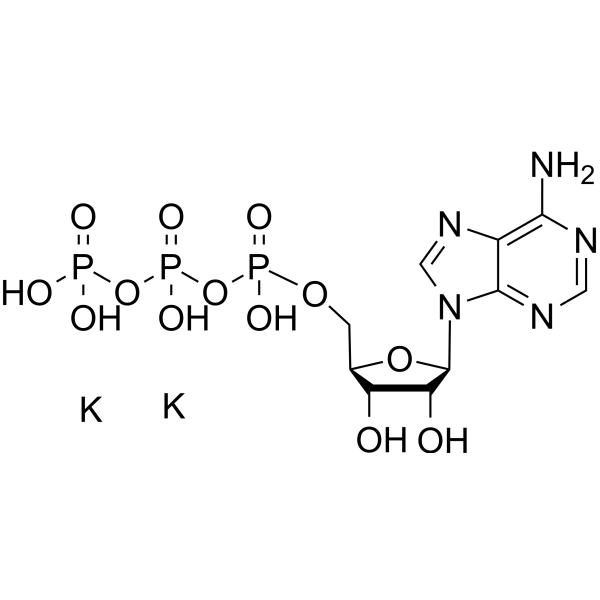
ATP (Adenosine 5'-triphosphate) dipotassium is a central component of energy storage and metabolism in vivo. ATP dipotassium provides the metabolic energy to drive metabolic pumps and serves as a coenzyme in cells. ATP dipotassium is an important endogenous signaling molecule in immunity and inflammation. ATP dipotassium can activate the NLRP3 inflammasome and induce IL-1β and chemokines secretion. ATP dipotassium has anti-bacterial infection effects and can protect mice against bacterial infection in mice .
loading...
    loading...
168
168 Cited Publications
Cat. No.: HY-B2176E
CAS No.: 1476-84-2
Synonyms: Adenosine 5'-triphosphate magnesium
ATP (Adenosine 5'-triphosphate) magnesium is a central component of energy storage and metabolism in vivo. ATP magnesium provides the metabolic energy to drive metabolic pumps and serves as a coenzyme in cells. ATP magnesium is an important endogenous signaling molecule in immunity and inflammation. ATP magnesium can activate the NLRP3 inflammasome and induce IL-1β and chemokines secretion. ATP magnesium has anti-bacterial infection effects and can protect mice against bacterial infection in mice .
loading...
    loading...
168
168 Cited Publications
Cat. No.: HY-B2176I
CAS No.: 987-65-5
Synonyms: Adenosine 5'-triphosphate disodium salt, 100 mM Solution, PCR Grade
ATP (Adenosine 5'-triphosphate) disodium salt, 100 mM Solution, PCR Grade is a central component of energy storage and metabolism in vivo. ATP disodium salt, 100 mM Solution, PCR Grade provides the metabolic energy to drive metabolic pumps and serves as a coenzyme in cells. ATP disodium salt, 100 mM Solution, PCR Grade is an important endogenous signaling molecule in immunity and inflammation. ATP disodium salt, 100 mM Solution, PCR Grade can activate the NLRP3 inflammasome and induce IL-1β and chemokines secretion. ATP disodium salt, 100 mM Solution, PCR Grade has anti-bacterial infection effects and can protect mice against bacterial infection in mice .
loading...
    loading...
154
154 Cited Publications
Cat. No.: HY-13753
CAS No.: 18883-66-4
Purity:  99.20%
Synonyms: Streptozocin; NSC-85998; U 9889
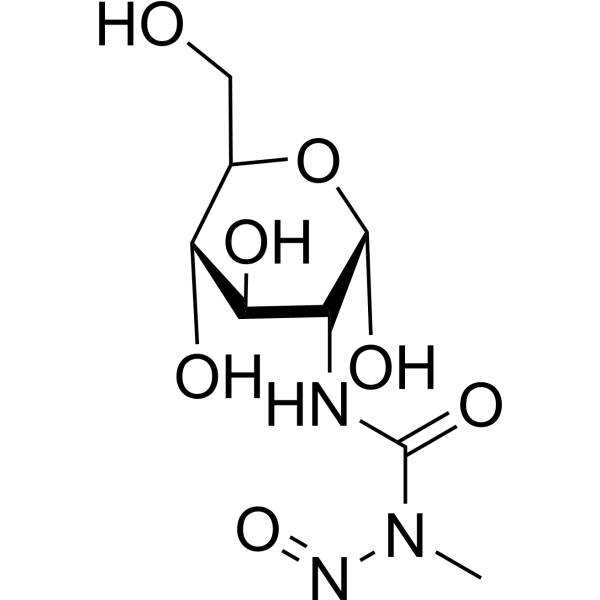
Streptozotocin (Streptozocin; STZ) is an antibiotic widely used in experimental animal models of induced diabetes. Streptozotocin enters B cells via the glucose transporter (GLUT2) and causes the alkylation of DNA ( DNA-methylating ). Streptozotocin can induce the apoptosis of β cells .
loading...
    loading...
115
115 Cited Publications
Cat. No.: HY-10231
CAS No.: 685898-44-6
Purity:  ≥98.0%
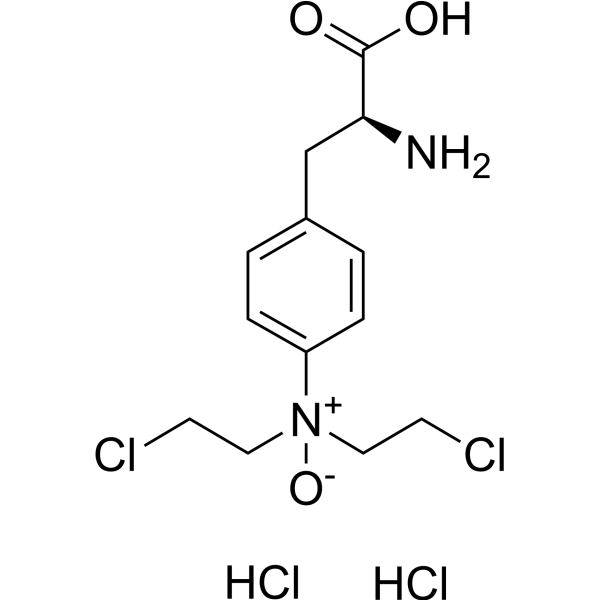
PX-478 is a multifunctional HIF-1α inhibitor with properties including radiosensitization, autophagy activation, and lipid accumulation inhibition. PX-478 also blocks hypoxia-induced VEGF production and regulates β-cell phenotypes under hypoxic conditions. PX-478 induces cell cycle arrest and DNA damage, restores autophagic function, reduces foam cell formation, and maintains glucose homeostasis. PX-478 is widely used in research on related diseases such as human tumors (e.g., prostate cancer), type 2 diabetes, and atherosclerosis .
loading...
    loading...
112
112 Cited Publications
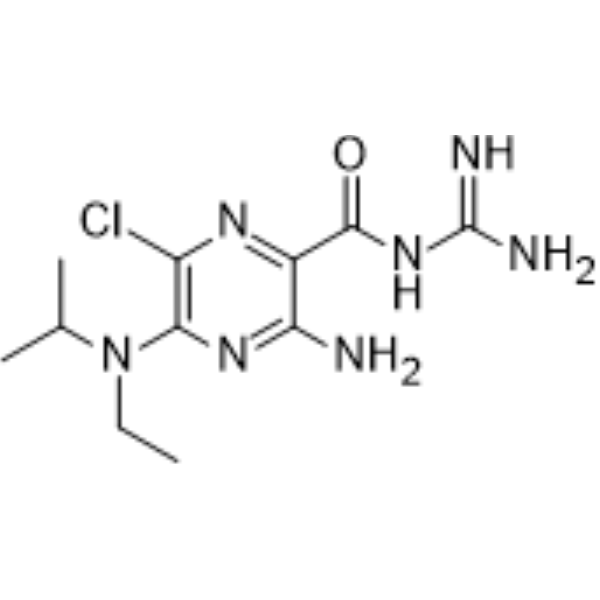
Cat. No.: HY-101840
CAS No.: 1154-25-2
Purity:  99.73%
Synonyms: L593754; MH 12-43; Ethylisopropylamiloride
EIPA (L593754) is an orally active TRPP3 channel inhibitor with an IC50 of 10.5 μM. EIPA also enhances autophagy by inhibiting Na +/H +-exchanger 3 (NHE3). EIPA inhibits macropinocytosis as well. EIPA can be used in the research of inflammation and cancers, such as gastric cancer, colon carcinoma, pancreatic carcinoma .
loading...
    loading...
112
112 Cited Publications
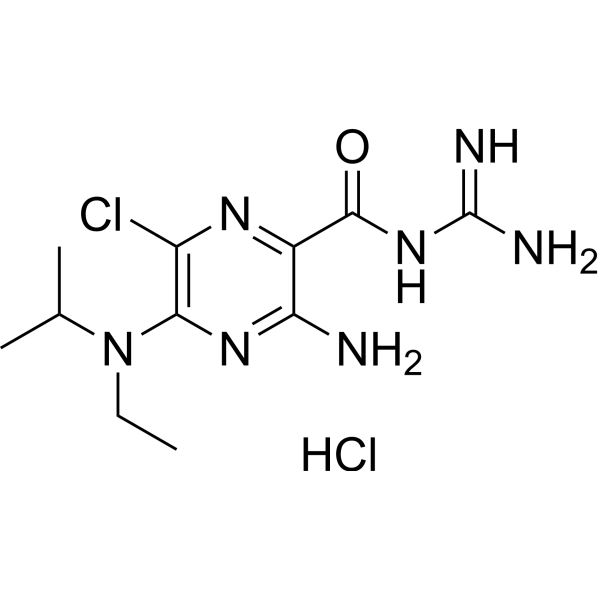
Cat. No.: HY-101840A
CAS No.: 1345839-28-2
Purity:  98.31%
Synonyms: L593754 hydrochloride; MH 12-43 hydrochloride; Ethylisopropylamiloride hydrochloride
EIPA (L593754) hydrochloride is an orally active TRPP3 channel inhibitor with an IC50 of 10.5 μM. EIPA hydrochloride also enhances autophagy by inhibiting Na +/H +-exchanger 3 (NHE3). EIPA hydrochloride inhibits macropinocytosis as well. EIPA hydrochloride can be used in the research of inflammation and cancers, such as gastric cancer, colon carcinoma, pancreatic carcinoma .
loading...
    loading...

