51 Results for "

LC3-II

" in MedChemExpress (MCE) Product Catalog:
Products (51)

51 Results for "LC3-II" in MCE Product Catalog:

10
10 Publications Verification
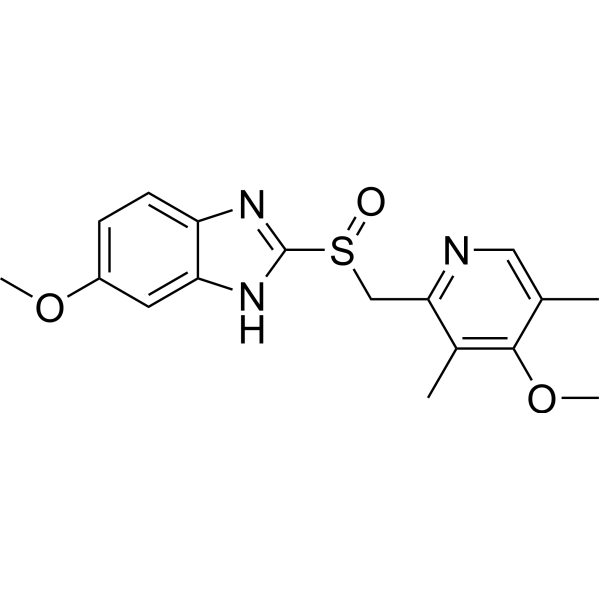
Cat. No.: HY-B0113
CAS No.: 73590-58-6
Synonyms: H 16868
Omeprazole (H 16868) is an orally active H +,K +-ATPase inhibitor and a proton pump inhibitor. Omeprazole competitively inhibits CYP2C19, CYP3A4, and CYP2C9 activity. Omeprazole inhibits gastric acid secretion and can be used for acid-related gastrointestinal disorders. Omeprazole inhibits pancreatic cancer cell proliferation, induces apoptosis, autophagosome accumulation (elevated LC3-I and LC3-II levels), oxidative stress, and cytogenetic imbalance, modulates lysosomal transport, reduces inflammatory cytokines. Omeprazole alters small intestinal morphology and magnesium absorption, and induces gastric mucosa morphologic changes. Omeprazole aslo has neuroprotective and antibacterial effects [3] .
loading...
    loading...
10
10 Publications Verification
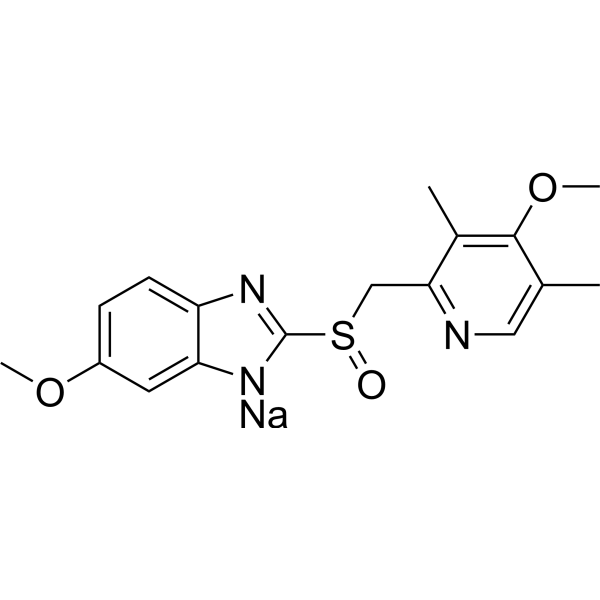
Cat. No.: HY-B0113A
CAS No.: 95510-70-6
Synonyms: H 16868 sodium
Omeprazole (H 16868) sodium is an orally active H +,K +-ATPase inhibitor and a proton pump inhibitor. Omeprazole sodium competitively inhibits CYP2C19, CYP3A4, and CYP2C9 activity. Omeprazole sodium inhibits gastric acid secretion and can be used for acid-related gastrointestinal disorders. Omeprazole sodium inhibits pancreatic cancer cell proliferation, induces apoptosis, autophagosome accumulation (elevated LC3-I and LC3-II levels), oxidative stress, and cytogenetic imbalance, modulates lysosomal transport, reduces inflammatory cytokines. Omeprazole sodium alters small intestinal morphology and magnesium absorption, and induces gastric mucosa morphologic changes. Omeprazole sodium aslo has neuroprotective and antibacterial effects [3] .
loading...
    loading...
4
4 Cited Publications
Cat. No.: HY-137506
CAS No.: 2607143-50-8
Purity:  99.26%
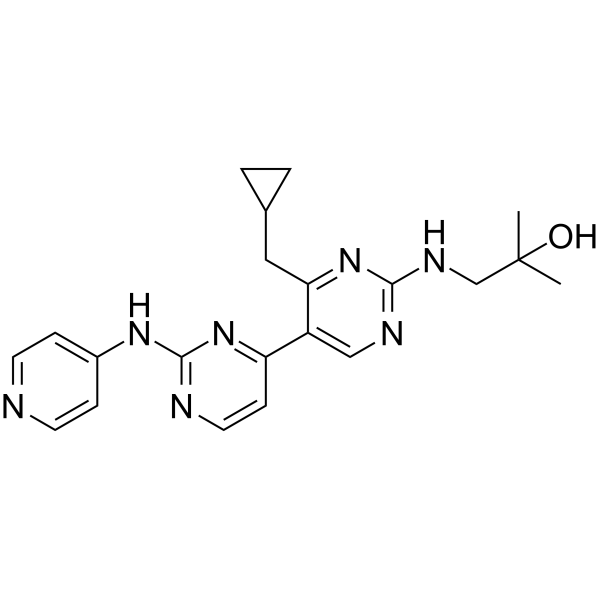
XST-14 is a potent, competitive and highly selective ULK1 inhibitor with an IC50 of 26.6 nM. XST-14 induces autophagy inhibition by reducing the phosphorylation of the ULK1 downstream substrate. XST-14 induces apoptosis in hepatocellular carcinoma (HCC) cells and has antitumor effects .
loading...
    loading...
3
3 Cited Publications
Cat. No.: HY-100515
CAS No.: 1132653-79-2
Purity:  99.42%
Target:  

Hedgehog

Research Areas:  

Inflammation/Immunology

Robotnikinin is a small molecule capable of binding to and inhibiting the activity of Sonic Hedgehog (Shh) signaling up stream of Smo .
loading...
    loading...
2
2 Cited Publications
Cat. No.: HY-122571
CAS No.: 1201652-50-7
Purity:  ≥98.0%
Research Areas:  

Infection Cancer

Retro-2 is a selective inhibitor of retrograde protein trafficking at the endosome-trans-Golgi network interface. Retro-2 is an ebolavirus (EBOV) infection inhibitor with an EC50 of 12.2 μM in HeLa cells. Retro-2 induces cell autophagy [3].
loading...
    loading...
2
2 Cited Publications
Cat. No.: HY-129163
CAS No.: 6192-43-4
Purity:  99.72%
Synonyms: 10-Acetylphenoxazine
Target:  

Pim

Research Areas:  

Cancer

HJ-PI01 (10-Acetylphenoxazine) is an orally active Pim-2 inhibitor. HJ-PI01 induces apoptosis and autophagic cell death of cancer cells. HJ-PI01 inhibits tumor growth in MDA-MB-231 xenograft mice. HJ-PI01 can be used for cancer research .
loading...
    loading...
1
1 Cited Publications
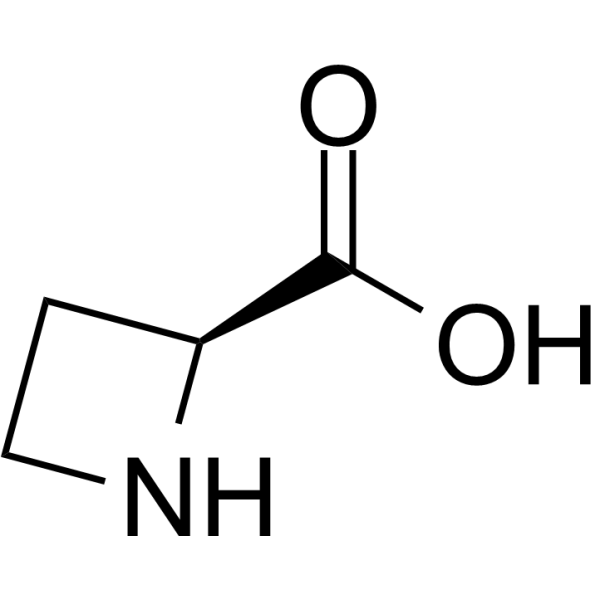
Cat. No.: HY-W050044
CAS No.: 2133-34-8
L-Azetidine-2-carboxylic acid is a proline analog. L-Azetidine-2-carboxylic acid upregulates the lipid autophagy marker LC3-II via activation of the PERK pathway. L-Azetidine-2-carboxylic acid increases pro-apoptotic BAX protein. L-Azetidine-2-carboxylic acid induces ATF6 cleavage and upregulates phosphorylated eIF2α levels. L-Azetidine-2-carboxylic acid induces ER stress, inducing protein misfolding and aggregation. L-Azetidine-2-carboxylic acid shows teratogenic, pro-inflammatory and pro-apoptotic effects [3] .
loading...
    loading...
1
1 Cited Publications
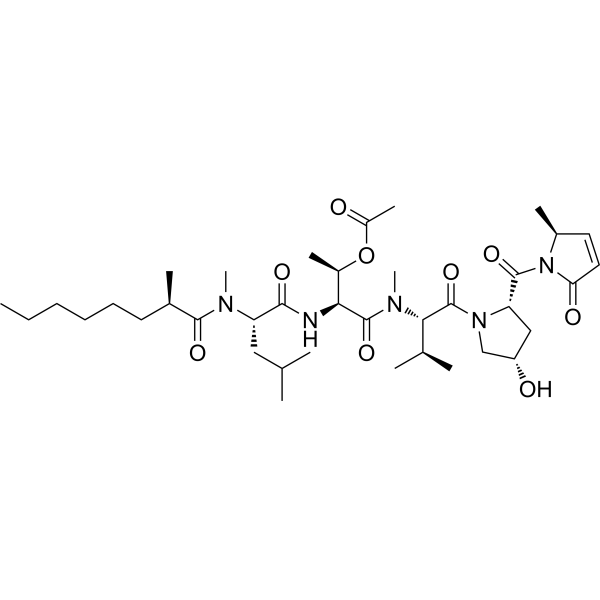
Cat. No.: HY-163001
CAS No.: 2408008-21-7
Category:  

Microorganisms

Target:  

Autophagy p62 Atg8/LC3

Microcolin H is a marine lipopeptide and phosphatidylinositol transfer protein ligand that targets PITPα/β. Microcolin H increases the conversion of LC3I to LC3II and reduces p62 levels in cancer cells, leading to autophagy cell death (Autophagy). Microcolin H effectively inhibits tumor development and has anti-proliferative activity in nude mouse subcutaneous tumor models .
loading...
    loading...
1
1 Cited Publications
Cat. No.: HY-B0113S
CAS No.: 922731-01-9
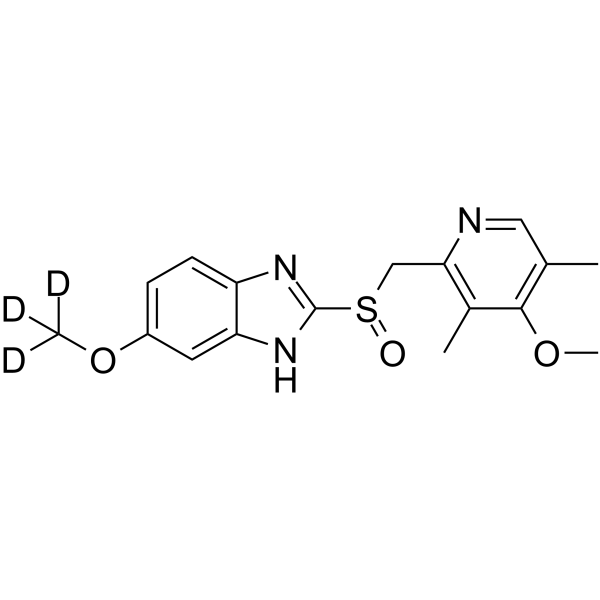
Synonyms: H 16868-d3
Omeprazole-d3 (H 16868-d3) is deuterium labeled Omeprazole. Omeprazole (H 16868) is an orally active H +,K +-ATPase inhibitor and a proton pump inhibitor. Omeprazole competitively inhibits CYP2C19, CYP3A4, and CYP2C9 activity. Omeprazole inhibits gastric acid secretion and can be used for acid-related gastrointestinal disorders. Omeprazole inhibits pancreatic cancer cell proliferation, induces apoptosis, autophagosome accumulation (elevated LC3-I and LC3-II levels), oxidative stress, and cytogenetic imbalance, modulates lysosomal transport, reduces inflammatory cytokines. Omeprazole alters small intestinal morphology and magnesium absorption, and induces gastric mucosa morphologic changes. Omeprazole aslo has neuroprotective and antibacterial effects [3] .
loading...
    loading...
1
1 Cited Publications
Cat. No.: HY-14374
CAS No.: 1202580-59-3
Purity:  ≥99.0%
Synonyms: CAY10618
Target:  

NAMPT Autophagy

Research Areas:  

Inflammation/Immunology Cancer

GPP78 (CAY10618) is a potent Nampt inhibitor with an IC50 of 3.0 nM for nicotinamide adenine dinucleotide (NAD) depletion. GPP78 is cytotoxic to neuroblastoma cell line SH-SY5Y cells with an IC50 of 3.8 nM by inducing autophagy. GPP78 has anti-cancer and anti-inflammatory effects .
loading...
    loading...
1
1 Cited Publications
Cat. No.: HY-101535
CAS No.: 849773-63-3
Purity:  99.39%
Target:  

Atg8/LC3 MMP

Research Areas:  

Cancer

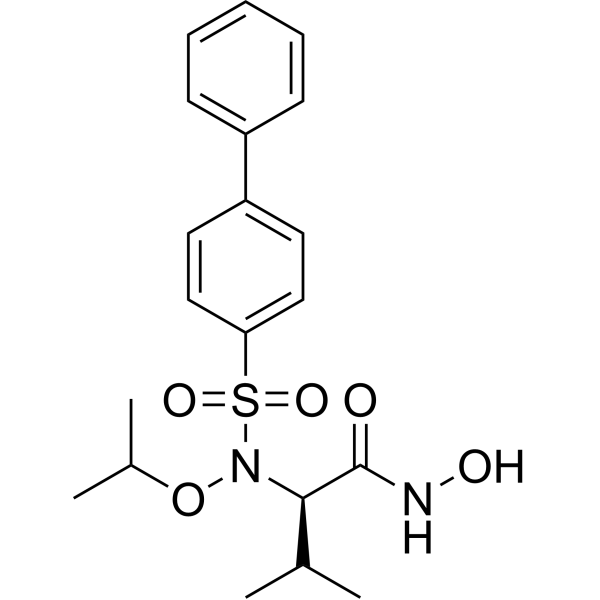
ARP101 is a potent and selective inhibitor matrix metalloproteinase-2 (MMP-2). ARP101 induces autophagy-associated cell death in cancer cells. ARP101 is effective in inducing the formation of autophagosome and conversion of LC3I into LC3II .
loading...
    loading...
Cat. No.: HY-B0633C
CAS No.: 9004-61-9
Hyaluronic acid (Mw: 1000-2000 Da) is a long-chain unbranched polysaccharide with a molecular weight of 1000-2000 Da. Hyaluronic acid (Mw: 2000 Da) inhibits IL-1β expression and increases LC3-II. Hyaluronic acid (Mw: 1000-2000Da) can regulate tissue homeostasis and stress resistance, promote angiogenesis and tissue remodeling. Hyaluronic acid (Mw: 1000-2000 Da) has good biocompatibility and biodegradability, and can be used in drug delivery systems and tissue engineering. Hyaluronic acid (Mw: 2000 Da) can reduce facial skin blemishes and sagging .
loading...
    loading...
Cat. No.: HY-N0538
CAS No.: 87-99-0
Synonyms: Xylite
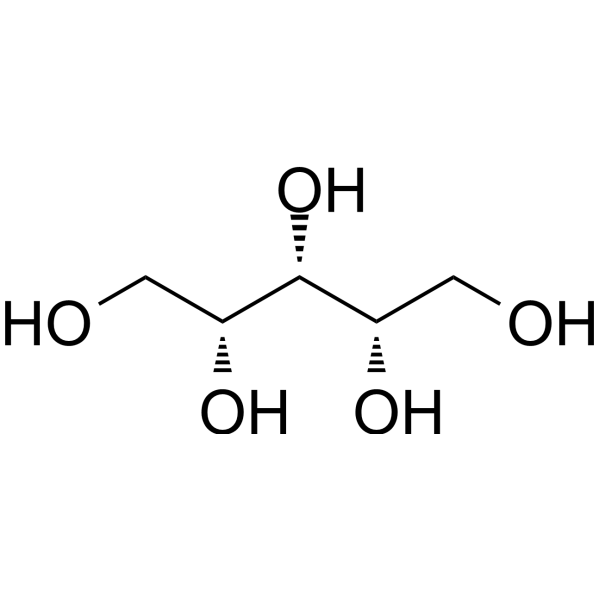
Xylitol can be classified as a polyol and sugar alcohol, exhibiting inhibitory activity on cancer cell proliferation. It induces autophagy (Autophagy) and cell death in A549 cells by activating the autophagy signaling pathway, as evidenced by the increased expression of LC3-II and Atg5-Atg12 upon Xylitol treatment. Additionally, Xylitol inhibits acetaldehyde production by Candida species, thereby reducing their carcinogenic potential. In vivo, Xylitol induces alterations in the gut microbiota of mice, which may enhance cholesterol accumulation and upregulate hepatic ChREBP, while also slowing tumor growth in the B16F10 melanoma C57BL/6 mouse model [3] .
loading...
    loading...
Cat. No.: HY-174806
CAS No.: 889662-19-5
Synonyms: 7-(β-D-Galactopyranosyloxy)-4-phenyLChromen-2-one
Research Areas:  

Neurological Disease

Y040-7904 is a mitophagy activator. Y040-7904 enhances mitophagy by promoting mitochondria transport to autophagosomes and the fusion of autophagosomes with autolysosomes. Y040-7904 induces mitophagy through the SIRT1/FoxO3 pathway. Y040-7904 upregulates the levels of Parkin, PINK1, and LC3II/I. Y040-7904 reduces amyloid-β () accumulation in both in vitro and in vivo models of Alzheimer’s disease.
loading...
    loading...
Cat. No.: HY-112624K
CAS No.: 9004-54-0
Synonyms: Dextran 5; Dextran D5; Dextran T5(MW 4500-5500)
Dextran T5 (MW 5,000) is a sulfated polysaccharide anti-apoptotic and autophagic agent. Dextran T5 (MW 5,000) has sulfated groups and interacts with cell membranes by mimicking endogenous glycosaminoglycans, inhibiting the mitochondrial apoptotic pathway and delaying DNA fragmentation to exert anti-apoptotic activity. Dextran T5 (MW 5,000) also promotes the conversion of LC3-I to LC3-II and the formation of autophagosomes to activate the autophagic pathway. Dextran T5 (MW 5,000) can prolong the survival cycle of CHO cells and increase the production of recombinant erythropoietin (EPO). The Dextran series of compounds are also natural polysaccharide drug carriers that can be connected to drugs through covalent bonding methods such as ester bonds, amide bonds or click chemistry, or self-assembled to form carriers such as nanoparticles and hydrogels. Dextran is biodegradable and biocompatible, and can achieve targeted delivery and controlled release of drugs. Dextran derivatives can prolong drug half-life, increase local concentration and reduce immune clearance activity. The Dextran series of compounds are also natural polysaccharide drug carriers that can be connected to drugs through covalent bonding methods such as ester bonds, amide bonds or click chemistry, or self-assembled to form carriers such as nanoparticles and hydrogels. Dextran is biodegradable and biocompatible, and can achieve targeted delivery and controlled release of drugs. Dextran derivatives can prolong the half-life of drugs, increase local concentrations, and reduce the activity of immune clearance [3].
loading...
    loading...
Cat. No.: HY-B0113R
CAS No.: 73590-58-6
Synonyms: H 16868 (Standard)
Omeprazole (Standard) is the analytical standard of Omeprazole. This product is intended for research and analytical applications. Omeprazole (H 16868) is an orally active H +,K +-ATPase inhibitor and a proton pump inhibitor. Omeprazole competitively inhibits CYP2C19, CYP3A4, and CYP2C9 activity. Omeprazole inhibits gastric acid secretion and can be used for acid-related gastrointestinal disorders. Omeprazole inhibits pancreatic cancer cell proliferation, induces apoptosis, autophagosome accumulation (elevated LC3-I and LC3-II levels), oxidative stress, and cytogenetic imbalance, modulates lysosomal transport, reduces inflammatory cytokines. Omeprazole alters small intestinal morphology and magnesium absorption, and induces gastric mucosa morphologic changes. Omeprazole aslo has neuroprotective and antibacterial effects [3] .
loading...
    loading...
Cat. No.: HY-N8678
CAS No.: 271579-12-5
Thonningianin B is an antioxidant and an autophagy enhancer .
loading...
    loading...
Cat. No.: HY-109546
CAS No.: 95382-33-5
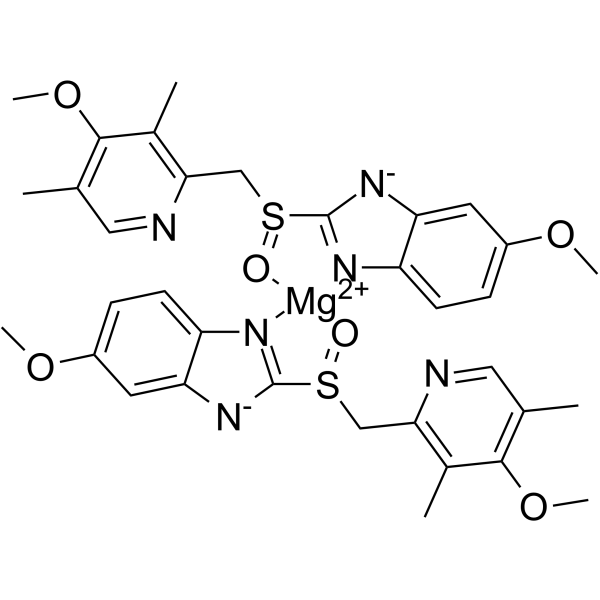
Omeprazole (H 16868) magnesium is an orally active H +,K +-ATPase inhibitor and a proton pump inhibitor. Omeprazole magnesium competitively inhibits CYP2C19, CYP3A4, and CYP2C9 activity. Omeprazole magnesium inhibits gastric acid secretion and can be used for acid-related gastrointestinal disorders. Omeprazole magnesium inhibits pancreatic cancer cell proliferation, induces apoptosis, autophagosome accumulation (elevated LC3-I and LC3-II levels), oxidative stress, and cytogenetic imbalance, modulates lysosomal transport, reduces inflammatory cytokines. Omeprazole magnesium alters small intestinal morphology and magnesium absorption, and induces gastric mucosa morphologic changes. Omeprazole magnesium aslo has neuroprotective and antibacterial effects [3] .
loading...
    loading...
Cat. No.: HY-B0113S3
CAS No.: 1261395-28-1
Synonyms: H 16868-13C,d3
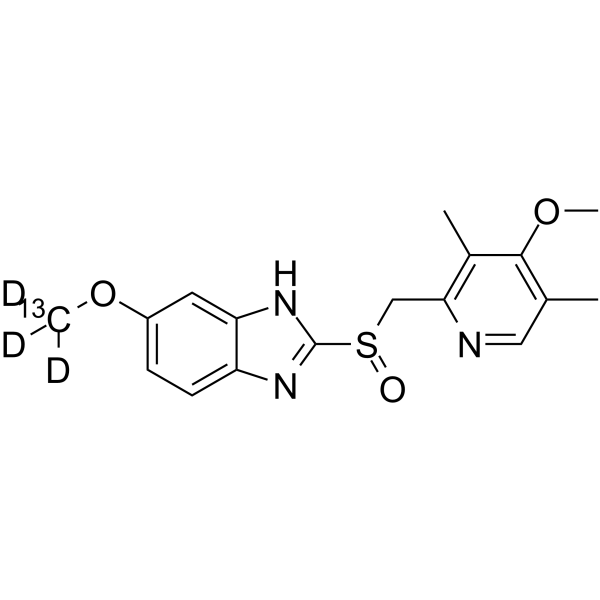
Omeprazole- 13C,d3 is a 13C-labeled and deuterium labeled Omeprazole. Omeprazole (H 16868) is an orally active H +,K +-ATPase inhibitor and a proton pump inhibitor. Omeprazole competitively inhibits CYP2C19, CYP3A4, and CYP2C9 activity. Omeprazole inhibits gastric acid secretion and can be used for acid-related gastrointestinal disorders. Omeprazole inhibits pancreatic cancer cell proliferation, induces apoptosis, autophagosome accumulation (elevated LC3-I and LC3-II levels), oxidative stress, and cytogenetic imbalance, modulates lysosomal transport, reduces inflammatory cytokines. Omeprazole alters small intestinal morphology and magnesium absorption, and induces gastric mucosa morphologic changes. Omeprazole aslo has neuroprotective and antibacterial effects [3] .
loading...
    loading...
Cat. No.: HY-P4532
CAS No.: 147600-40-6
Target:  

Cathepsin

Research Areas:  

Neurological Disease

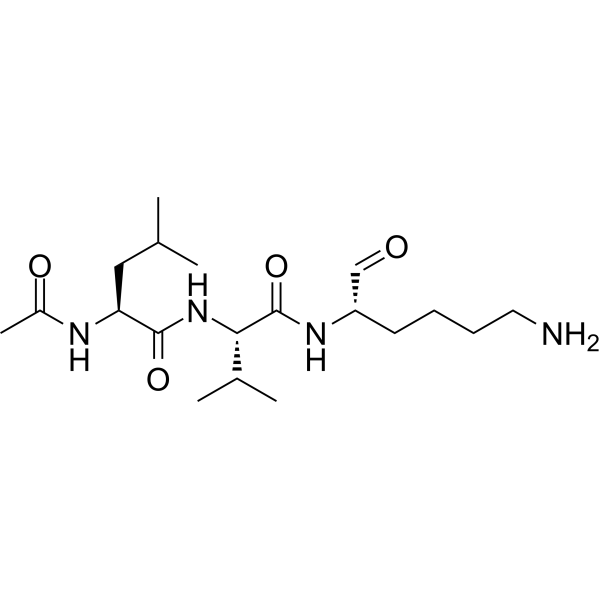
Ac-Leu-Val-Lys-Aldehyde is a potent cathepsin B inhibitor with IC50s of 4 nM. Ac-Leu-Val-Lys-Aldehyde significantly reduces quinolinic acid (HY-100807)-induced striatal cell death and causes accumulation of LC3-II .
loading...
    loading...

