

1. Search Result
Search Result
Results for "

LPS

" in MedChemExpress (MCE) Product Catalog:

916

Inhibitors & Agonists

4

Fluorescent Dye

54

Biochemical Assay Reagents

49

Peptides

1

MCE Kits

6

Inhibitory Antibodies

337

Natural
Products

2

Recombinant Proteins

29

Isotope-Labeled Compounds

4

Antibodies

3

Click Chemistry

30

Oligonucleotides

Cat. No. Product Name Target Research Areas Chemical Structure
  • HY-D1056
    Lipopolysaccharides, from E. coli O55:B5
    Maximum Cited Publications
    506 Publications Verification

    LPS

    Toll-like Receptor (TLR) Infection Neurological Disease Inflammation/Immunology Cancer
    Lipopolysaccharides, from E. coli O55:B5 (LPS, from Escherichia coli (O55:B5)) are endotoxins and TLR4 activators extracted from Escherichia coli (E. coli O55:B5) and are classified as S (smooth) type LPS. Lipopolysaccharides, from E. coli O55:B5 possess the typical three-part structure: O-antigen, core oligosaccharide, and lipid A. Lipopolysaccharides, from E. coli O55:B5 activate TLR-4 in immune cells, exhibit high pyrogenicity, and demonstrate dose and serotype specificity. Lipopolysaccharides, from E. coli O55:B5 can be widely used to induce cellular inflammation and establish animal models related to inflammation .
    It is recommended to prepare a solution with concentration ≥2 mg/mL. Vortex thoroughly for more than 10 minutes. Due to the adsorption characteristics of LPS, silanized container or low adsorption centrifuge tubes should be used for aliquoting and storage, and mix thoroughly before use.
    Lipopolysaccharides, from E. coli O55:B5
  • HY-12085
    Apremilast
    5+ Cited Publications

    CC-10004

    Phosphodiesterase (PDE) Apoptosis TNF Receptor Inflammation/Immunology
    Apremilast (CC-10004) is an orally available inhibitor of type-4 cyclic nucleotide phosphodiesterase (PDE-4) with an IC50 of 74 nM. Apremilast inhibits TNF-α release by lipopolysaccharide (LPS) with an IC50 of 104 nM .
    Apremilast
  • HY-149179
    Polymyxin B
    20+ Cited Publications

    Antibiotic Bacterial Infection
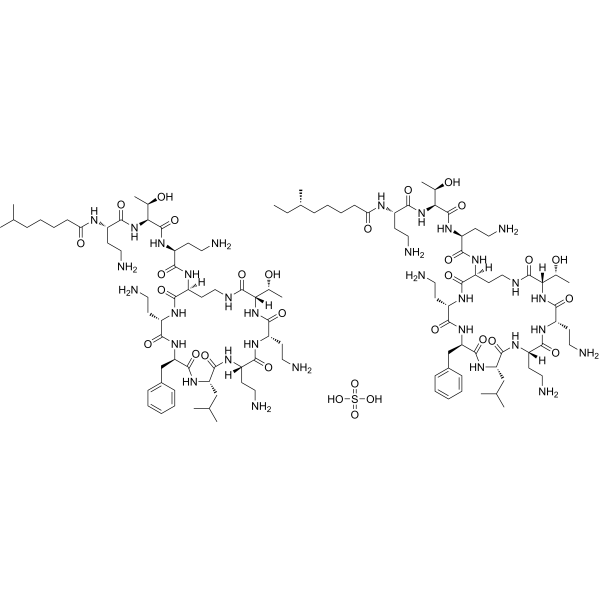
    Polymyxin B is an antibiotic. Polymyxin B inhibits Gram-negative infections by binding to the LPS of the bacterial wall with high affinity. Polymyxin B neutralizes the effect of endotoxin. Polymyxin B induces bacterial death by increasing its permeability. Polymyxin B is used in endotoxemia research .
    Polymyxin B
  • HY-D1056A1

    LPS, from Escherichia coli (O111:B4)

    Toll-like Receptor (TLR) Infection Cancer
    Lipopolysaccharides, from E. coli O111:B4 (LPS, from Escherichia coli (O111:B4)) are endotoxins and TLR4 activators extracted from Escherichia coli (E. coli O111:B4) and are classified as S (smooth) type LPS. Lipopolysaccharides (LPS), from E. coli O111:B4 possess the typical three-part structure: O-antigen, R3-type core oligosaccharide, and lipid A. Lipopolysaccharides (LPS), from E. coli O111:B4 activate TLR-4 in immune cells and can cause significant gastric diseases. Lipopolysaccharides (LPS), from E. coli O111:B4 can be used to induce cellular inflammation and establish animal models related to inflammation .
    It is recommended to prepare a solution with concentration ≥2 mg/mL. Vortex thoroughly for more than 10 minutes. Due to the adsorption characteristics of LPS, silanized container or low adsorption centrifuge tubes should be used for aliquoting and storage, and mix thoroughly before use.
    Lipopolysaccharides, from E. coli O111:B4
  • HY-N3006
    Sakuranetin
    5+ Cited Publications

    Fungal Infection Inflammation/Immunology
    Sakuranetin is a cherry flavonoid phytoalexin, shows strong antifungal activity . Sakuranetin has anti-inflammatory and antioxidative activities. Sakuranetin ameliorates LPS-induced acute lung injury .
    Sakuranetin
  • HY-D1056A3

    LPS, from Escherichia coli (O26:B6)

    Toll-like Receptor (TLR) Inflammation/Immunology
    Lipopolysaccharides, from E. coli (Escherichia coli) O26:B6 are lipopolysaccharide endotoxins and TLR-4 activators derived from E. coli, classified as S-type LPS, which can activate pathogen-associated molecular patterns (PAMP) of the immune system and induce cellular secretion of migrasomes. Lipopolysaccharides, from E. coli O26:B6 exhibit a typical three-part structure: O-antigen, core oligosaccharide, and lipid A, and can be recognized by the core-specific monoclonal antibody MAb J8-4C10. Lipopolysaccharides, from E. coli O26:B6 can promote an increase in pro-inflammatory cytokines in plasma, thereby triggering hypothalamic-pituitary-adrenal (HPA) activation and leading to adrenal oxidative damage. The pathogenic effects of Lipopolysaccharides, from E. coli O26:B6 can be used to construct various models, such as cellular inflammation models, sepsis, acute lung injury models, adrenal dysfunction models, and bladder infection models, etc .
    It is recommended to prepare a solution with concentration ≥2 mg/mL. Vortex thoroughly for more than 10 minutes. Due to the adsorption characteristics of LPS, silanized container or low adsorption centrifuge tubes should be used for aliquoting and storage, and mix thoroughly before use.
    Lipopolysaccharides, from E. coli O26:B6
  • HY-D1056D
    Lipopolysaccharides, from P. gingivalis
    3 Publications Verification

    LPS, from Porphyromonas gingivalis

    Toll-like Receptor (TLR) Inflammation/Immunology
    Lipopolysaccharides, from P. gingivalis (LPS, from Porphyromonas gingivalis) are endotoxins and TLR4 activators extracted from Porphyromonas gingivalis (P. gingivalis) and are classified as S (smooth) type LPS. Lipopolysaccharides, from P. gingivalis possess the typical three-part structure: O-antigen, core oligosaccharide, and lipid A. Lipopolysaccharides, from P. gingivalis activate TLR-4 in immune cells and are important virulence factors in the mechanism of periodontal disease. Lipopolysaccharides, from P. gingivalis can be used in research related to periodontitis .
    It is recommended to prepare a solution with concentration ≥2 mg/mL. Vortex thoroughly for more than 10 minutes. Due to the adsorption characteristics of LPS, silanized container or low adsorption centrifuge tubes should be used for aliquoting and storage, and mix thoroughly before use.
    Lipopolysaccharides, from P. gingivalis
  • HY-D1056B3

    LPS, from bacterial (Klebsiella pneumoniae)

    Toll-like Receptor (TLR) Inflammation/Immunology
    Lipopolysaccharides, from Klebsiella pneumoniae (LPS, from bacterial (Klebsiella pneumoniae)) are lipopolysaccharide endotoxins and TLR4 activators derived from Klebsiella pneumoniae, and are classified as S-type LPS. Lipopolysaccharides, from Klebsiella pneumoniae exhibit a typical three-part structure: O-antigen, core oligosaccharide, and lipid A. Lipopolysaccharides, from Klebsiella pneumoniae may participate in bacterial immune evasion by inhibiting complement-mediated killing and suppressing the host's secretion of antimicrobial peptides, thereby allowing the bacteria to escape immune defenses. Lipopolysaccharides, from Klebsiella pneumoniae possess high viscosity and resistance to serum-mediated killing, which may lead to sepsis. Lipopolysaccharides, from Klebsiella pneumoniae can be used to construct Acute Lung Injury Model .
    It is recommended to prepare a solution with concentration ≥2 mg/mL. Vortex thoroughly for more than 10 minutes. Due to the adsorption characteristics of LPS, silanized container or low adsorption centrifuge tubes should be used for aliquoting and storage, and mix thoroughly before use.
    Lipopolysaccharides, from Klebsiella pneumoniae
  • HY-P1439
    RS 09
    15+ Cited Publications

    Toll-like Receptor (TLR) NF-κB Inflammation/Immunology
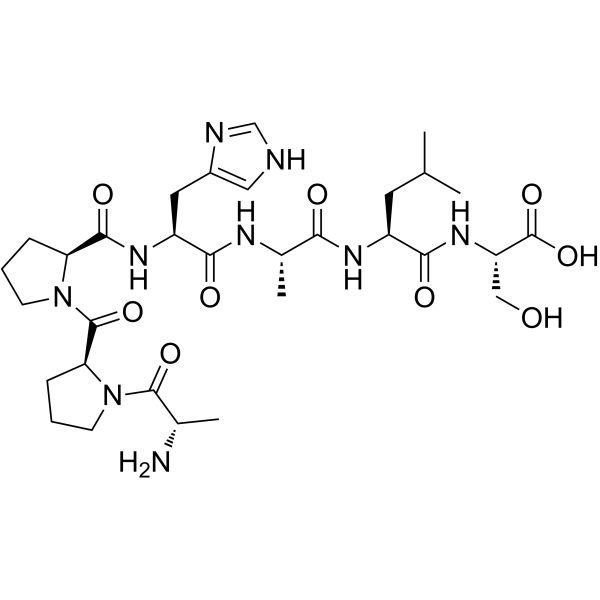
    RS 09 is an LPS (HY-D1056) peptide mimic and TLR4 agonist. RS 09 can bind to TLR-4 and activate NF-κB. RS 09 can function as an adjuvant in vivo, enhancing the antigen-specific immune response .
    RS 09
  • HY-139374
    Zabedosertib
    2 Publications Verification

    BAY 1834845

    IRAK Inflammation/Immunology
    Zabedosertib (BAY 1834845) is a selective, orally active IRAK4 inhibitor with immunomodulatory potential, IC50 is 3.55 nM. IRAK4 is a protein kinase involved in signaling innate immune responses from Toll-like receptors . Zabedosertib exhibits anti-inflammatory property against IL-β, LPS (HY-D1056) and Imiquimod (HY-B1080) induced inflammation .
    Zabedosertib
  • HY-D1056A2

    LPS, from Escherichia coli (O127:B8)

    Toll-like Receptor (TLR) Inflammation/Immunology
    Lipopolysaccharides, from E. coli O127:B8 (LPS, from Escherichia coli (O127:B8)) are endotoxins and TLR4 activators extracted from Escherichia coli (E. coli O127:B8) and are classified as S (smooth) type LPS. Lipopolysaccharides, from E. coli O127:B8 possess the typical three-part structure: O-antigen, R3-type core oligosaccharide, and lipid A. Lipopolysaccharides, from E. coli O127:B8 activate TLR-4 in immune cells, can induce inflammatory responses and ileal contractility, and can be used to construct intestinal inflammation models .
    It is recommended to prepare a solution with concentration ≥2 mg/mL. Vortex thoroughly for more than 10 minutes. Due to the adsorption characteristics of LPS, silanized container or low adsorption centrifuge tubes should be used for aliquoting and storage, and mix thoroughly before use.
    Lipopolysaccharides, from E. coli O127:B8
  • HY-D1056H
    Lipopolysaccharides, from S. marcescens
    1 Publications Verification

    LPS, from Serratia marcescens

    Toll-like Receptor (TLR) Inflammation/Immunology
    Lipopolysaccharides, from S. marcescens (Serratia marcescens) are lipopolysaccharide endotoxins and TLR-4 activators derived from Serratia marcescens, classified as S-type LPS, which can activate pathogen-associated molecular patterns (PAMP) of the immune system and induce cellular secretion of migrasomes. Lipopolysaccharides, from S. marcescens exhibit a typical three-part structure: O-antigen (O-antigen), core oligosaccharide (core oligosaccharide), and lipid A (Lipid A). Lipopolysaccharides, from S. marcescens induce NF-κB activation in mouse cells via Toll-like receptor (TLR4)/MD-2. The lipopolysaccharides of S. marcescens can induce apoptosis in host immune cells, thereby suppressing the host's innate immunity .
    It is recommended to prepare a solution with concentration ≥2 mg/mL. Vortex thoroughly for more than 10 minutes. Due to the adsorption characteristics of LPS, silanized container or low adsorption centrifuge tubes should be used for aliquoting and storage, and mix thoroughly before use.
    Lipopolysaccharides, from S. marcescens
  • HY-D1056C5

    LPS, from Salmonella enterica (Serotype minnesota Re 595 (Re mutant))

    Toll-like Receptor (TLR) Bacterial Inflammation/Immunology
    Lipopolysaccharides (LPS), from S. enterica (Salmonella enterica) serotype minnesota Re 595 (Re mutant) is prepared from Salmonella enterica strain Re 595 (Re mutant). The structure in the LPS of strain Re 595 was shown to induce secretion and aggregation in human platelets .
    It is recommended to prepare a solution with concentration ≥2 mg/mL. Vortex thoroughly for more than 10 minutes. Due to the adsorption characteristics of LPS, silanized container or low adsorption centrifuge tubes should be used for aliquoting and storage, and mix thoroughly before use.
    Lipopolysaccharides, from S. enterica serotype minnesota Re 595 (Re mutant)
  • HY-D1056A4

    LPS, from Escherichia coli (O128:B12)

    Toll-like Receptor (TLR) Inflammation/Immunology
    Lipopolysaccharides, from E. coli O128:B12 (LPS, from Escherichia coli (O128:B12)) are endotoxins and TLR4 activators extracted from Escherichia coli (E. coli O128:B12) and are classified as S (smooth) type LPS. Lipopolysaccharides, from E. coli O128:B12 possess the typical three-part structure: O-antigen, R3-type core oligosaccharide, and lipid A. Lipopolysaccharides, from E. coli O128:B12 activate TLR-4 in immune cells, can be used to construct animal models of neonatal brain inflammation, and may influence preterm birth in neonates .
    It is recommended to prepare a solution with concentration ≥2 mg/mL. Vortex thoroughly for more than 10 minutes. Due to the adsorption characteristics of LPS, silanized container or low adsorption centrifuge tubes should be used for aliquoting and storage, and mix thoroughly before use.
    Lipopolysaccharides, from E. coli O128:B12
  • HY-D1056F

    Biotin-LPS, from Escherichia coli (O111:B4)

    Biochemical Assay Reagents Inflammation/Immunology
    Biotin-Lipopolysaccharide, from E.coli O111:B4 (Biotin-LPS, from Escherichia coli (O111:B4)) is a biotin-conjugated Lipopolysaccharide (LPS) (HY-D1056A1) that can be coupled with streptavidin protein. Biotin-Lipopolysaccharide, from E.coli O111:B4 can be used to identify Lipopolysaccharide ligands. Lipopolysaccharides, from E. coli O111:B4 (LPS, from Escherichia coli (O111:B4)) are endotoxins and TLR4 activators extracted from Escherichia coli (E. coli O111:B4) and are classified as S (smooth) type LPS. Lipopolysaccharides, from E. coli O111:B4 possess the typical three-part structure: O-antigen, R3-type core oligosaccharide, and lipid A. Lipopolysaccharides, from E. coli O111:B4 activate TLR-4 in immune cells and can cause significant gastric diseases. Lipopolysaccharides, from E. coli O111:B4 can also induce M1-type polarization in mouse macrophages .
    It is recommended to prepare a solution with concentration ≥2 mg/mL. Vortex thoroughly for more than 10 minutes. Due to the adsorption characteristics of LPS, silanized container or low adsorption centrifuge tubes should be used for aliquoting and storage, and mix thoroughly before use.
    Biotin-Lipopolysaccharide, from E.coli O111:B4
  • HY-D1056E

    LPS, from Pseudomonas aeruginosa (10)

    Toll-like Receptor (TLR) Inflammation/Immunology
    Lipopolysaccharides from P. aeruginosa (Pseudomonas aeruginosa) 10 are lipopolysaccharide endotoxins and TLR4 activators derived from Pseudomonas aeruginosa 10, and are classified as S-type LPS. Lipopolysaccharides from P. aeruginosa 10 exhibit a typical three-part structure: O-antigen, core oligosaccharide, and lipid A. The lipopolysaccharides of P. aeruginosa 10 have a fatty acid composition distinct from common enterobacteria, an exceptionally high degree of phosphorylation (triphosphate residues have been detected), and a unique outer region of the core oligosaccharide. Additionally, their O-specific side chains are typically rich in novel aminosugars. Lipopolysaccharides from P. aeruginosa 10 demonstrate susceptibility to viruses, with the level of susceptibility determined by the content of high molecular weight polysaccharides in their composition. The absence of high molecular weight polysaccharides increases their sensitivity to bacteriophages .
    It is recommended to prepare a solution with concentration ≥2 mg/mL. Vortex thoroughly for more than 10 minutes. Due to the adsorption characteristics of LPS, silanized container or low adsorption centrifuge tubes should be used for aliquoting and storage, and mix thoroughly before use.
    Lipopolysaccharides, from P. aeruginosa 10
  • HY-N3245
    Moracin C
    1 Publications Verification

    Reactive Oxygen Species (ROS) COX Inflammation/Immunology
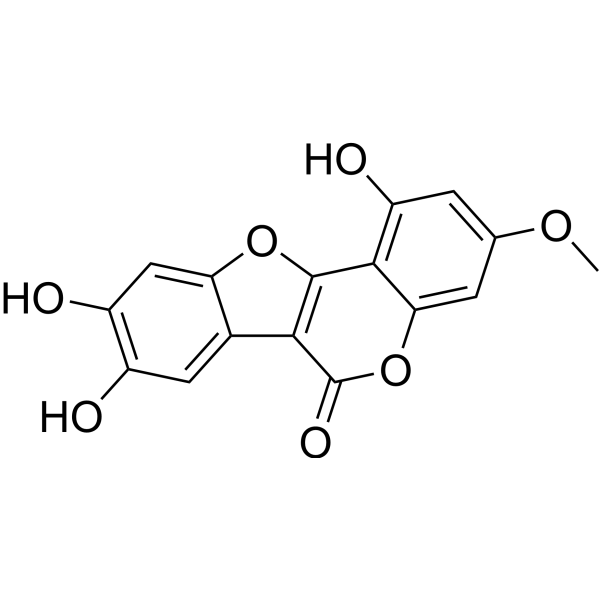
    Moracin C, a natural product, is an anti-inflammatory agent. Moracin C inhibits LPS-activated reactive oxygen species (ROS) and nitric oxide (NO) release from cells .
    Moracin C
  • HY-N0613
    Sauchinone
    1 Publications Verification

    NF-κB Inflammation/Immunology
    Sauchinone is a diastereomeric lignan isolated from Saururus chinensis (Saururaceae). Sauchinone inhibits LPS-inducible iNOS, TNF-α and COX-2 expression through suppression of I-κBα phosphorylation and p65 nuclear translocation. Sauchinone has anti-inflammatory and antioxidant activity .
    Sauchinone
  • HY-32018
    Cot inhibitor-2
    3 Publications Verification

    MAP3K Cancer
    Cot inhibitor-2 is a potent, selective and orally active cot (Tpl2/MAP3K8) inhibitor with an IC50 of 1.6 nM. Cot inhibitor-2 inhibts TNF-α production in LPS-stimulated human whole blood with an IC50 of 0.3 μM .
    Cot inhibitor-2
  • HY-124151

    2'-AMP; Adenosine 2'-phosphate; AMP 2'-phosphate

    Adenosine Receptor Endogenous Metabolite Neurological Disease
    Adenosine-2'-monophosphate (2'-AMP) is converted by extracellular 2’,3'-CAMP. Adenosine-2'-monophosphate is further metabolized to extracellular adenosine (a mechanism called the extracellular 2’,3’-cAMP-adenosine pathway). Adenosine-2'-monophosphate inhibits LPS-induced TNF-α and CXCL10 production via A2A receptor activation .
    Adenosine-2'-monophosphate
  • HY-D1056B4

    LPS, from bacterial (Salmonella typhosa)

    Toll-like Receptor (TLR) Inflammation/Immunology
    Lipopolysaccharides, from Salmonella typhosa are lipopolysaccharide endotoxins and TLR-4 activators derived from Salmonella typhosa, classified as S-type LPS, which can activate pathogen-associated molecular patterns (PAMP) of the immune system and induce cellular secretion of migrasomes. Lipopolysaccharides, from Salmonella typhosa exhibit a typical three-part structure: O-antigen, core oligosaccharide, and lipid A. Lipopolysaccharides, from Salmonella typhosa can serve as vaccine adjuvants and demonstrate adjuvant activity targeting B cells in immune responses in vivo .
    It is recommended to prepare a solution with concentration ≥2 mg/mL. Vortex thoroughly for more than 10 minutes. Due to the adsorption characteristics of LPS, silanized container or low adsorption centrifuge tubes should be used for aliquoting and storage, and mix thoroughly before use.
    Lipopolysaccharides, from Salmonella typhosa
  • HY-119487

    STAT Inflammation/Immunology
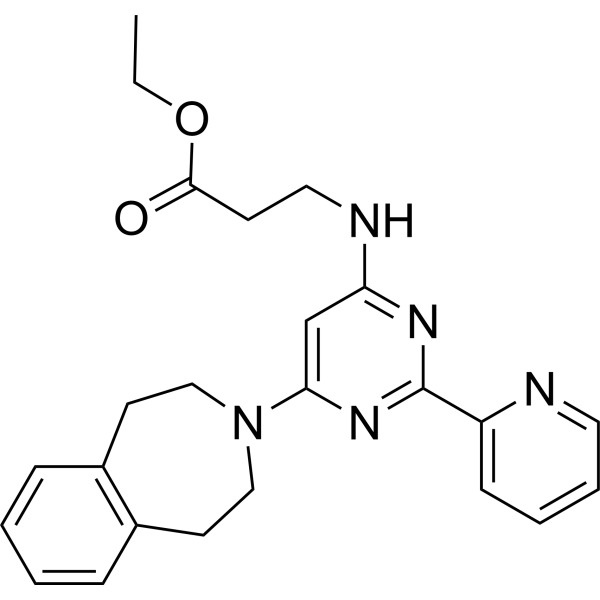
    MMPP is an anti-inflammatory agent. MMPP prevents LPS-induced mortality by inhibiting the inflammatory response via STAT3 activity inhibition .
    MMPP
  • HY-P1439A
    RS 09 TFA
    15+ Cited Publications

    Toll-like Receptor (TLR) NF-κB Inflammation/Immunology
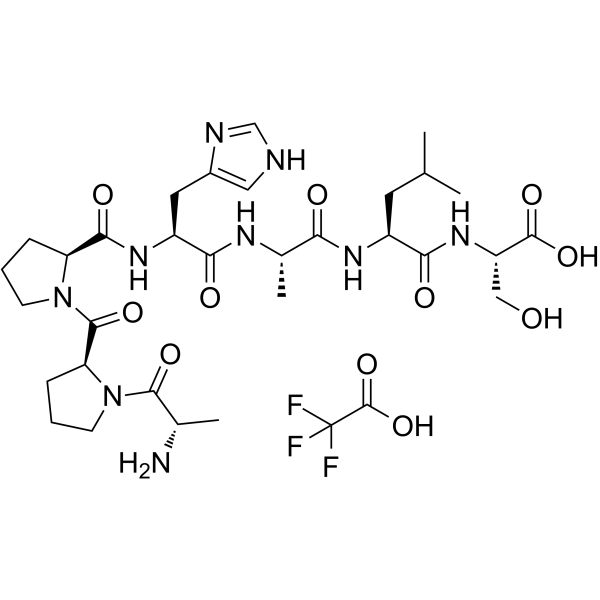
    RS 09 TFA is an LPS (HY-D1056) peptide mimic and TLR4 agonist. RS 09 TFA can bind to TLR-4 and activate NF-κB. RS 09 TFA can function as an adjuvant in vivo, enhancing the antigen-specific immune response .
    RS 09 TFA
  • HY-D1056C3

    LPS, from Salmonella enterica (Serotype typhimurium)

    Toll-like Receptor (TLR) Inflammation/Immunology
    Lipopolysaccharides, from S. enterica (Salmonella enterica) serotype typhimurium are lipopolysaccharide endotoxins and TLR4 activators derived from serotype typhimurium of Salmonella enterica, and are classified as S-type LPS. Lipopolysaccharides, from S. enterica exhibit a typical three-part structure: O-antigen, core oligosaccharide, and lipid A. Lipopolysaccharides, from S. enterica serotype typhimurium can modulate the fate of bacteria in dendritic cells (DC), determining the uptake, degradation, and activation of immune functions by DC cells against the bacteria .
    It is recommended to prepare a solution with concentration ≥2 mg/mL. Vortex thoroughly for more than 10 minutes. Due to the adsorption characteristics of LPS, silanized container or low adsorption centrifuge tubes should be used for aliquoting and storage, and mix thoroughly before use.
    Lipopolysaccharides, from S. enterica serotype typhimurium
  • HY-D1056C1

    LPS, from Salmonella enterica (Serotype enteritidis)

    Toll-like Receptor (TLR) Inflammation/Immunology
    Lipopolysaccharides, from S. enterica (Salmonella enterica) serotype enteritidis are lipopolysaccharide endotoxins and TLR-4 activators derived from the enteritidis serotype of S. enterica, classified as S-type LPS, which can activate pathogen-associated molecular patterns (PAMP) of the immune system and induce cellular secretion of migrasomes. Lipopolysaccharides, from S. enterica serotype enteritidis exhibit a typical three-part structure: O-antigen, core oligosaccharide, and lipid A. Lipopolysaccharides, from S. enterica serotype enteritidis can induce systemic inflammatory responses, increasing levels of TNF-α, IFN-γ, IL-6, IL-10, and nitrate in plasma .
    It is recommended to prepare a solution with concentration ≥2 mg/mL. Vortex thoroughly for more than 10 minutes. Due to the adsorption characteristics of LPS, silanized container or low adsorption centrifuge tubes should be used for aliquoting and storage, and mix thoroughly before use.
    Lipopolysaccharides, from S. enterica serotype enteritidis
  • HY-112456

    IKK Inflammation/Immunology
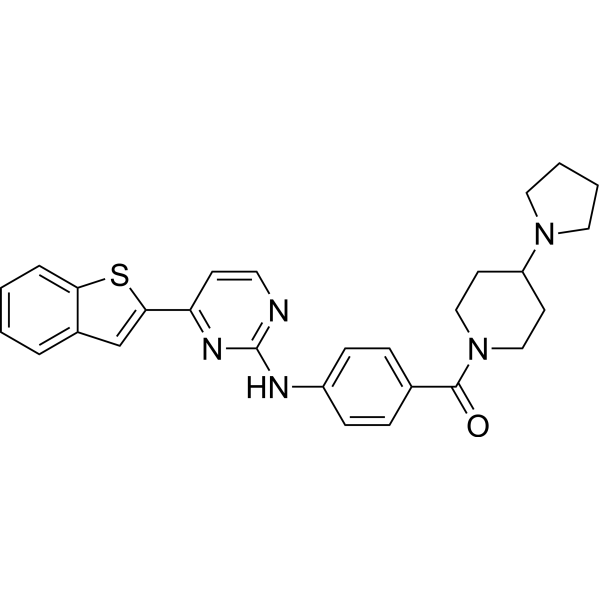
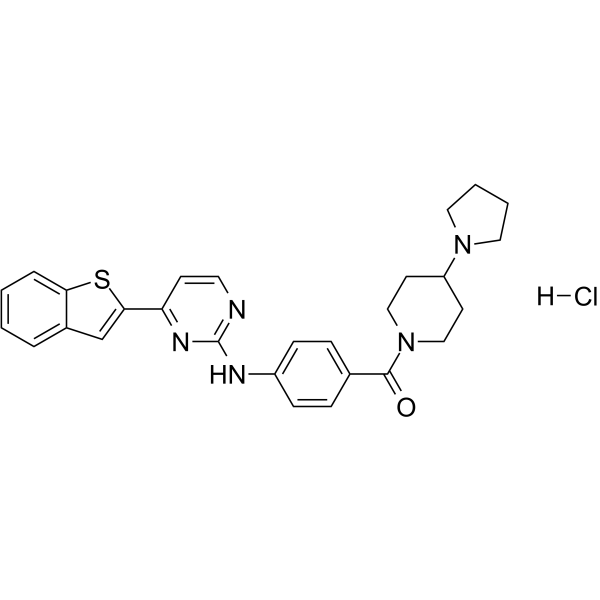
    IKK2-IN-4 (compound 4) is a potent IKK-2 inhibitor, with an IC50 of 25 nM. IKK2-IN-4 can inhibit the LPS-induced production of TNFα in PBMCs .
    IKK2-IN-4
  • HY-P99214

    KBPA101

    Bacterial Infection
    Panobacumab (KBPA101) is a fully human IgM/κ monoclonal antibody generated by immortalizing human B lymphocytes against the LPS O polysaccharide of serotype O11 of P. aeruginosa .
    Panobacumab
  • HY-168710

    Toll-like Receptor (TLR) NF-κB IKK Inflammation/Immunology
    TLR4/NF-κB-IN-1 (Compound 7x) is an orally available inhibitor that specifically targets the TLR4/NF-κB signaling pathway, offering anti-inflammatory effects and the ability to cross the blood-brain barrier. TLR4/NF-κB-IN-1 can reduce acute neuroinflammation in mice caused by LPS (HY-D1056) and downregulate the expression of TLR4, P-NF-κB and P-IκB-α proteins .
    TLR4/NF-κB-IN-1
  • HY-D1594
    BODIPY TR Cadaverine
    3 Publications Verification

    Fluorescent Dye Others
    BODIPY TR Cadaverine, a cadaverine derivative, is a red fluorescent dye. BODIPY TR Cadaverine can be used in a a highly sensitive and robust fluorescent displacement assay, which binds to native LPS strongly, specifically recognizing lipid A, and is competitively displaced by compounds displaying an affinity for lipid A .
    BODIPY TR Cadaverine
  • HY-162359

    IRAK Neurological Disease Inflammation/Immunology
    BIO-7488 is an orally active, selective and blood-brain barrier permeable IRAK4 inhibitor, with an IC50 value of 0.5 nM. BIO-7488 inhibits the production of pro-inflammatory cytokines (IL-1β, TNFα, IL-6) and demonstrates anti-inflammatory effects in both LPS (HY-D1056) and distal hypoxic-middle cerebral artery occlusion (DH-MCAO) ischemic stroke model. BIO-7488 can be used for the study of neuroinflammatory-related diseases, particularly ischemic stroke .
    BIO-7488
  • HY-12085S

    CC-10004-d5

    Phosphodiesterase (PDE) TNF Receptor Apoptosis Inflammation/Immunology
    Apremilast-d5 is a deuterium labeled Apremilast. Apremilast is an orally available inhibitor of type-4 cyclic nucleotide phosphodiesterase (PDE-4) with an IC50 of 74 nM. Apremilast inhibits TNF-α release by lipopolysaccharide (LPS) with an IC50 of 104 nM .
    Apremilast-d5
  • HY-DY1076

    Fluorescent Dye Others
    BODIPY TR Cadaverine (solution) , a cadaverine derivative, is a red fluorescent dye. BODIPY TR Cadaverine can be used in a a highly sensitive and robust fluorescent displacement assay, which binds to native LPS strongly, specifically recognizing lipid A, and is competitively displaced by compounds displaying an affinity for lipid A .
    Solvent and concentration: DMSO: 2 mM
    BODIPY TR Cadaverine (solution)
  • HY-171170

    Lysophosphatidylserine C18:0

    Biochemical Assay Reagents Inflammation/Immunology
    18:0-LPS (Lysophosphatidylserine C18:0) is a lysophosphatidylserine. 18:0-LPS serves as a lipid standard for atherosclerosis research .
    18:0-LPS
  • HY-D1056B2

    LPS, from bacterial (Proteus mirabilis)

    Toll-like Receptor (TLR) Inflammation/Immunology
    Lipopolysaccharides, from Proteus mirabilis are lipopolysaccharide endotoxins and TLR-4 activators derived from Proteus mirabilis, classified as S-type LPS, which can activate pathogen-associated molecular patterns (PAMP) of the immune system and induce cellular secretion of migrasomes. Lipopolysaccharides, from Proteus mirabilis exhibit a typical three-part structure: O-antigen, core oligosaccharide, and lipid A. Proteus mirabilis is a major pathogen causing urinary tract infections and may also contribute to rheumatoid arthritis. Lipopolysaccharides, from Proteus mirabilis also exhibit potential anti-tumor effects, demonstrating in vivo inhibitory activity against solid tumors such as meningosarcoma and Walker carcinosarcoma .
    It is recommended to prepare a solution with concentration ≥2 mg/mL. Vortex thoroughly for more than 10 minutes. Due to the adsorption characteristics of LPS, silanized container or low adsorption centrifuge tubes should be used for aliquoting and storage, and mix thoroughly before use.
    Lipopolysaccharides, from Proteus mirabilis
  • HY-168539

    HuR Inflammation/Immunology
    TM11, a Tanshinone mimic, is a potent HuR inhibitor that can inhibit HuR-RNA complex formation. TM11 reduces LPS-induced inflammatory response in murine macrophages .
    TM11
  • HY-141569

    Toll-like Receptor (TLR) Inflammation/Immunology
    Ganglioside GD1a modulates toxic and inflammatory effects of E. coli lipopolysaccharide by preventing TLR4 translocation into lipid rafts. Ganglioside GD1a significantly reduces the effect of LPS on the decrease of cell survival and on stimulation of reactive oxygen species production .
    Ganglioside GD1a
  • HY-P3912A

    Interleukin Related Infection
    Endotoxin inhibitor TFA is a synthetic peptide that binds lipid A with high affinity, thereby detoxifying LPS (HY-D1056) and preventing LPS-induced cytokine release in vivo. Endotoxin inhibitor TFA inhibits the febrile response to LPS with very low toxicity and lethality .
    Endotoxin inhibitor TFA
  • HY-N16172

    Sanggenone B

    Others Inflammation/Immunology
    Sanggenon B (Sanggenone B) is a compound that can be extracted from mulberry trees and has an inhibitory effect on NO production in RAW264.7 cells stimulated by LPS (HY-D1056). Sanggenon B has anti-inflammatory activity .
    Sanggenon B
  • HY-N7697C

    Toll-like Receptor (TLR) Interleukin Related Reactive Oxygen Species (ROS) Cardiovascular Disease Metabolic Disease Inflammation/Immunology
    Chitohexaose hexahydrochloride is a small molecular polysaccharide. Chitohexaose hexahydrochloride inhibits the binding of AgW to TLR4. Chitohexaose hexahydrochloride upregulates IL-10, inhibits LPS-induced upregulation of ROS, induces alternative activation of macrophages/monocytes, and suppresses LPS-induced production of TNF-α, IL-1β and IL-6. Chitohexaose hexahydrochloride reverses the mortality of mice challenged with APAP or LPS. Chitohexaose hexahydrochloride can be used in research related to Acetaminophen (HY-66005)-induced hepatotoxicity and endotoxemia .
    Chitohexaose hexahydrochloride
  • HY-156060

    Toll-like Receptor (TLR) Inflammation/Immunology
    NCI126224 is a TLR4 signaling inhibitor. NCI126224 suppress LPS (HY-D1056)-induced production of NF-κB, TNF-α, IL-1β, and NO in the nanomolar-low micromolar range. NCI126224 can be used for the research of inflammatory diseases .
    NCI126224
  • HY-P10519

    Bacterial Reactive Oxygen Species (ROS) Infection
    Brevicidine is an antimicrobial peptide with selective bactericidal activity against Gram-negative pathogens. Brevicidine disrupts bacterial morphology by binding to lipopolysaccharide (LPS) on the bacterial cell membrane to form pores. Brevicidine causes dissipation of intracellular proton motive force, outer membrane damage, inhibition of ATP biosynthesis and reactive oxygen species accumulation in bacterial cells. As a sensitizer, Brevicidine exerts synergistic activity when combined with a variety of conventional antibiotics .
    Brevicidine
  • HY-152213

    Epigenetic Reader Domain Inflammation/Immunology
    BET-IN-13 is a potent BET inhibitor with an IC50 value of 1.6 nM. BET-IN-13 reduces LPS-induced TNF-α, IL-1β, IL-6, and NOS2 mRNA expression levels. BET-IN-13 shows anti-inflammatory activity. BET-IN-13 has the potential for the research of acute liver injury .
    BET-IN-13
  • HY-D1056A5

    LPS, from Escherichia coli (K-235)

    Toll-like Receptor (TLR) Inflammation/Immunology
    Lipopolysaccharides, from E. coli (Escherichia coli) K-235 are lipopolysaccharide endotoxins and TLR-4 activators derived from E. coli, classified as S-type LPS, which can activate pathogen-associated molecular patterns (PAMP) of the immune system and induce cellular secretion of migrasomes. Lipopolysaccharides, from E. coli K-235 exhibit a typical three-part structure: O-antigen (O-antigen), core oligosaccharide (core oligosaccharide), and lipid A (Lipid A). Lipopolysaccharides, from E. coli K-235 have a mitogenic effect on C57BL/10ScN spleen cells. Additionally, LPS purified using butanol and deoxycholic acid methods stimulates spleen cells in C57BL/10ScCR and C3H/HeJ mice .
    It is recommended to prepare a solution with concentration ≥2 mg/mL. Vortex thoroughly for more than 10 minutes. Due to the adsorption characteristics of LPS, silanized container or low adsorption centrifuge tubes should be used for aliquoting and storage, and mix thoroughly before use.
    Lipopolysaccharides, from E. coli K-235
  • HY-P3912

    COX Interleukin Related Infection
    Endotoxin inhibitor a synthetic peptide that binds lipid A with high affinity, thereby detoxifying LPS (HY-D1056) and preventing LPS-induced cytokine release in vivo. Endotoxin inhibitor inhibits the febrile response to LPS with very low toxicity and lethality .
    Endotoxin inhibitor
  • HY-N13175

    NO Synthase Cancer
    Panaxcerol B is a monogalactosyl monoacylglyceride, with an IC50 of 59.4 μM for NO production in LPS-stimulated RAW264.7 cells .
    Panaxcerol B
  • HY-N12693

    Others Inflammation/Immunology
    Isobiflorin is an anti-inflammatory agent and can be isolated from Syzygium aromaticum. Isobiflorin inhibits LPS-induced PGE2 production with an IC50 value of 46.0 μM .
    Isobiflorin
  • HY-N3006R

    Reference Standards Fungal Infection Inflammation/Immunology
    Sakuranetin is a cherry flavonoid phytoalexin, shows strong antifungal activity . Sakuranetin has anti-inflammatory and antioxidative activities. Sakuranetin ameliorates LPS-induced acute lung injury .
    Sakuranetin (Standard)
  • HY-115927

    NO Synthase Inflammation/Immunology
    8A8 is a potent proinflammatory factor NO inhibitor with an IC50 of 4.7 μM. 8A8 also significantly inhibits LPS-induced HaCat cell proliferation .
    8A8
  • HY-120041

    IRAK Cancer
    ND-2158 is a competitive IRAK4 inhibitor, with the Ki of 1.3 nM. ND-2158 suppresses LPS-induced TNF production in human white blood cells, alleviated collagen-induced arthritis, and blocked gout formation in mouse models. ND-2158 has antitumor activity in vivo .
    ND-2158
  • HY-P11131

    Human lactoferrin (28-34)

    Bacterial Infection
    hLF (28-34) (Human lactoferrin (28-34)) is a loop region of human lactoferrin (hLF) that is essential for the high-affinity binding of LPS. hLF (28-34) is a key site responsible for its high-affinity binding to E. coli 055B5 lipopolysaccharide. hLF (28-34) can be used for antibacterial research .
    hLF (28-34)

Inquiry Online

Your information is safe with us. * Required Fields.

Salutation


Country or Region *

Applicant Name *


Organization Name *

Department *


Email Address *


Product Name *

Cat. No.


Requested quantity *

Phone Number *


Remarks

Inquiry Online

Inquiry Information

Product Name:
Cat. No.:
Quantity:
MCE Japan Authorized Agent:

