
420 Results for "

Lb excited state

" in MedChemExpress (MCE) Product Catalog:
Products (420)

420 Results for "Lb excited state" in MCE Product Catalog:

125
125 Publications Verification
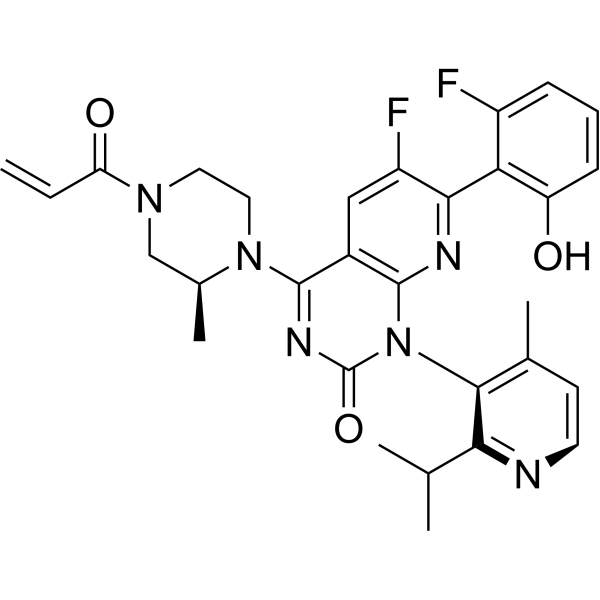
Cat. No.: HY-114277
CAS No.: 2296729-00-3
Purity:  99.94%
Synonyms: AMG-510
Target:  

Ras

Research Areas:  

Cancer

Sotorasib (AMG-510) is a first-in-class, orally bioavailable, and selective KRAS G12C covalent inhibitor. Sotorasib irreversibly inhibits KRAS G12C by locking it in an inactive GDP-bound state. Sotorasib leads to the regression of KRAS G12C‑mutated locally advanced or metastatic non‑small cell lung cancer (NSCLC) .
loading...
    loading...
109
109 Cited Publications
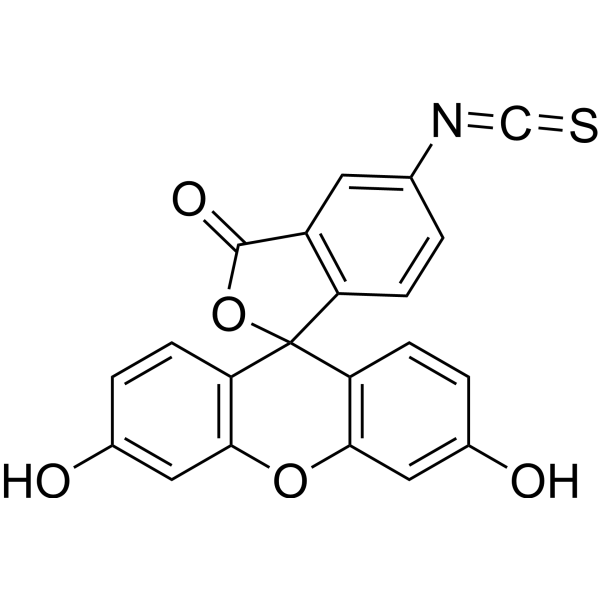
Cat. No.: HY-66019
CAS No.: 3326-32-7
Synonyms: Fluorescein 5-isothiocyanate
Target:  

Fluorescent Dye

Research Areas:  

Others

FITC (Fluorescein Isothiocyanate), is one of the green fluorescein derivatives widely used in biology. FITC has the characteristics of high absorptivity and excellent fluorescence quantum yield. The isothiocyanate group of FITC can be combined with amino, sulfhydryl, imidazole, tyrosyl, carbonyl and other groups on the protein, so as to achieve protein labeling including antibodies and lectins. In addition to its use as a protein marker, FITC can also be used as a fluorescent protein tracer to rapidly identify pathogens by labeling antibodies, or for microsequencing of proteins and peptides (HPLC). The maximum excitation wavelength of FITC is 494 nm. Once excited, it fluoresces yellow-green at a maximum emission wavelength of 520 nm. In addition, FITC is also a hapten that can induce contact hypersensitivity (CHS) and induce an atopic dermatitis model .
loading...
    loading...
83
83 Cited Publications
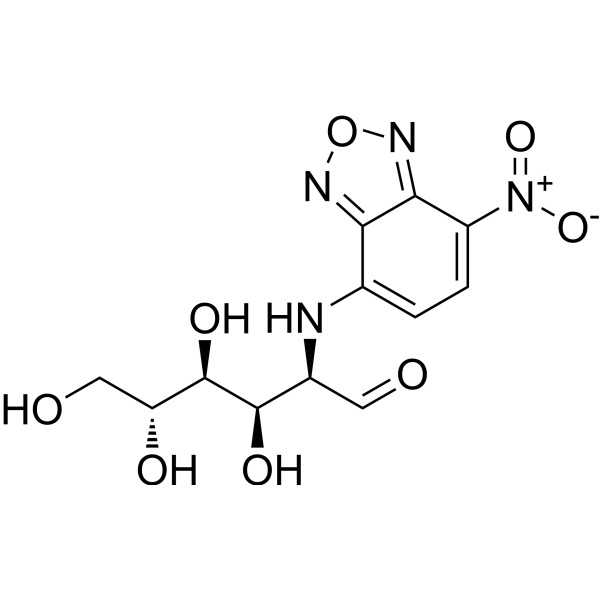
Cat. No.: HY-116215
CAS No.: 186689-07-6
Purity:  99.74%
Target:  

Fluorescent Dye

Research Areas:  

Others

2-NBDG is a fluorescently-labeled deoxyglucose analog that is used primarily to directly monitor glucose uptake by living cells and tissues. It is also used as a topical contrast reagent for the detection of neoplasia. 2-NBDG can be used in real-time confocal, high-resolution, or wide-field fluorescence microscopy as well as in flow cytometry. The probe can be excited by the Argon laser at 488 nm to give the environment-sensitive fluorescence. It has lower photostability than the rhodamine-based fluorescent probes.
loading...
    loading...
45
45 Cited Publications
Cat. No.: HY-K0030

MCE Deacetylase Inhibitor Cocktail is a synergistic combination of chemicals designed to preserve the acetylation state of proteins.The 1 mL volume is defined as the base specification. All larger sizes correspond to incremental volumes of this base.

loading...
    loading...
44
44 Cited Publications
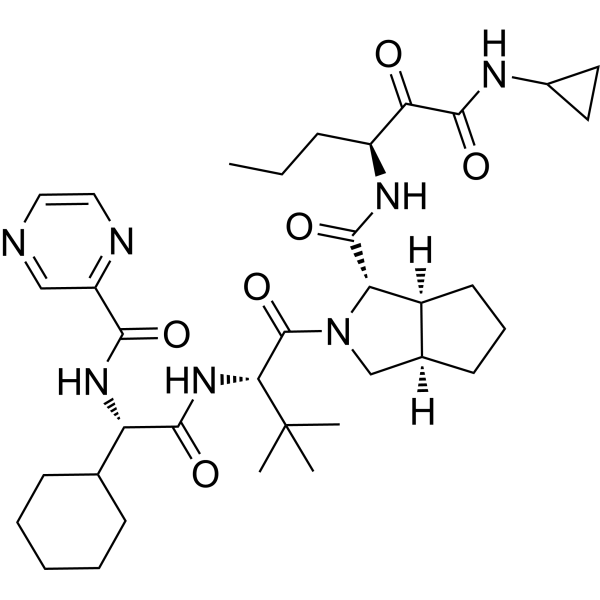
Cat. No.: HY-10235
CAS No.: 402957-28-2
Purity:  99.54%
Synonyms: VX-950
Target:  

HCV Protease HCV SARS-CoV

Research Areas:  

Infection

Telaprevir (VX-950) is a highly selective, reversible, and potent peptidomimetic inhibitor of the HCV NS3-4A protease, the steady-state inhibitory constant (Ki) of Telaprevir is 7 nM against a genotype 1 (H strain) NS3 protease domain plus a NS4A cofactor peptide . Telaprevir inhibits SARS-CoV-2 3CL pro activity .
loading...
    loading...
31
31 Cited Publications
Cat. No.: HY-16926
CAS No.: 442633-00-3
Target:  

Arp2/3 Complex HIV

Research Areas:  

Infection Cancer

CK-666 is a cell-permeable actin-related protein Arp2/3 complex inhibitor (IC50=12 μM). CK-666 binds to Arp2/3 complex, stabilizes the inactive state of the complex, blocking movement of the Arp2 and Arp3 subunits into the activated filament-like (short pitch) conformation .
loading...
    loading...
23
23 Cited Publications
Cat. No.: HY-B1247
CAS No.: 553-12-8
Synonyms: PPIX
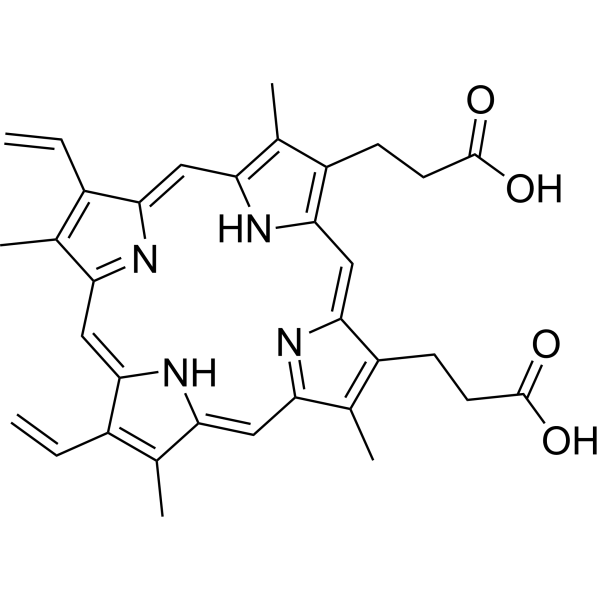
Protoporphyrin IX is a final intermediate in the heme biosynthetic pathway, which acts as a radiation sensitizer enhancing ROS generation even in a hypoxic state and inducing DNA damage. Protoporphyrin IX also acts as a photo sensitizer undergoing photobleaching that occurs through direct degradation by light irradiation. Protoporphyrin IX is formed and accumulated following 5-aminolevulinic acid (5-ALA) (HY-W000450) administration in the tumor cells of rats. Protoporphyrin IX causes selective improvement of basal cell carcinoma when activated red fluorescence of a peak wavelength at 405 nm. Protoporphyrin IX is promising for research of sonodynamic and photodynamic agents for a wide range of cancers, such as bladder cancer and nodular basal cell carcinoma .
loading...
    loading...
23
23 Cited Publications
Cat. No.: HY-B1247A
CAS No.: 50865-01-5
Synonyms: PPIX disodium
Target:  

Endogenous Metabolite

Research Areas:  

Cancer

Protoporphyrin IX disodium is a final intermediate in the heme biosynthetic pathway, which acts as a radiation sensitizer enhancing ROS generation even in a hypoxic state and inducing DNA damage. Protoporphyrin IX disodium also acts as a photo sensitizer undergoing photobleaching that occurs through direct degradation by light irradiation. Protoporphyrin IX disodium is formed and accumulated following 5-aminolevulinic acid (5-ALA) (HY-W000450) administration in the tumor cells of rats. Protoporphyrin IX disodium causes selective improvement of basal cell carcinoma when activated red fluorescence of a peak wavelength at 405 nm. Protoporphyrin IX disodium is promising for research of sonodynamic and photodynamic agents for a wide range of cancers, such as bladder cancer and nodular basal cell carcinoma .
loading...
    loading...
13
13 Cited Publications
Cat. No.: HY-10015
CAS No.: 870653-45-5
Purity:  99.83%
Synonyms: 5-(4-Phenoxybutoxy)psoralen
Target:  

Potassium Channel

Research Areas:  

Inflammation/Immunology

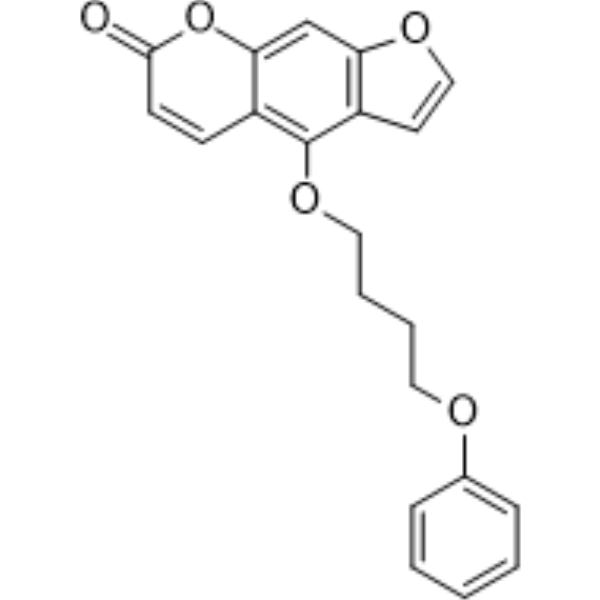
PAP-1 (5-(4-Phenoxybutoxy)psoralen) is a potent, selective, and orally active Kv1.3 blocker (EC50=2 nM). PAP-1 blocks Kv1.3 in a use-dependent manner and acts by preferentially binding to the C-type inactivated state of the channel. PAP-1 exhibits 23-fold selectivity over Kv1.5 (EC50=45 nM), and further displays 33- to 125-fold selectivity over all other Kv1-family channels. PAP-1 does not exhibit cytotoxic or phototoxic effects .
loading...
    loading...
11
11 Cited Publications
Cat. No.: HY-W074143
CAS No.: 36309-88-3
Synonyms: [Ru(DPP)3]Cl2
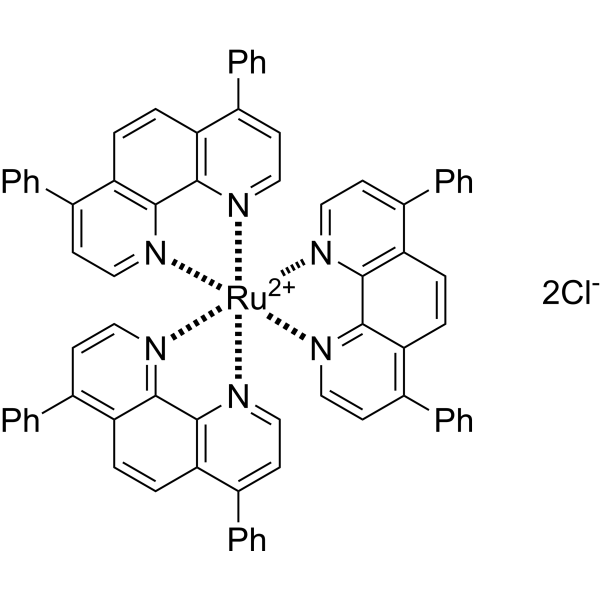
Tris(4,7-diphenyl-1,10-phenanthroline)ruthenium(II) dichloride ([Ru(dpp)3] 2+) is an electrochemiluminescent (ECL) probe and oxygen-sensitive sensor. Tris(4,7-diphenyl-1,10-phenanthroline)ruthenium(II) dichloride can be used to modify electrode surfaces for the detection of sulfates (S2O8 2-) and oxalates, based on electrochemical reactions that generate excited-state species, releasing photons through irreversible redox reactions. Tris(4,7-diphenyl-1,10-phenanthroline)ruthenium(II) dichloride utilizes the oxygen quenching of fluorescence mechanism, where fluorescence intensity reflects the metabolic rate of living microorganisms or oxygen levels within cells/tumors, allowing for real-time detection. Tris(4,7-diphenyl-1,10-phenanthroline)ruthenium(II) dichloride's main applications include microbial detection, antibacterial activity studies, and tumor microenvironment research .
loading...
    loading...
6
6 Cited Publications
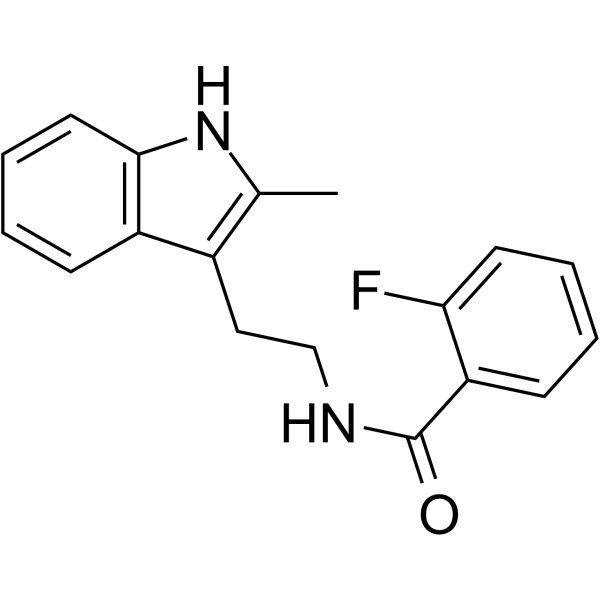
Cat. No.: HY-19369
CAS No.: 292632-98-5
Synonyms: L-685,458
Target:  

γ-secretase Apoptosis

Research Areas:  

Neurological Disease Cancer

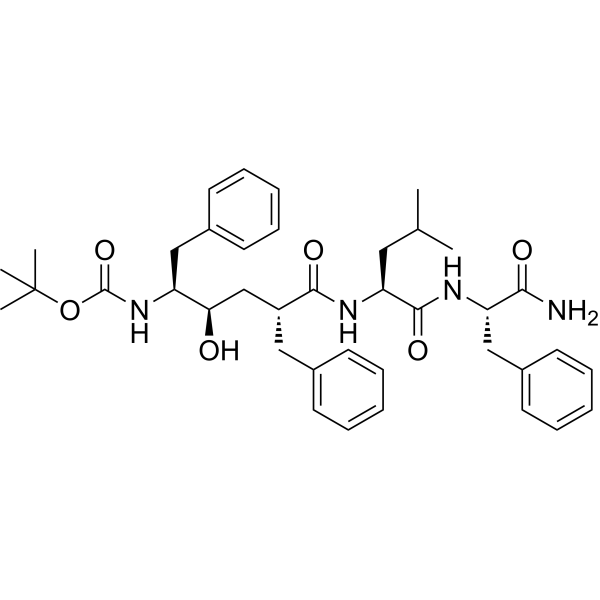
L-685458 is a potent transition state analog (TSA) γ-secretase inhibitor (GSI). L-685458 inhibits amyloid β-protein precursor γ-secretase activity with IC50 of 17 nM, shows greater than 50-100-fold selectivity over other aspartyl proteases tested. L685458 inhibits γ-secretase-mediated cleavage of APP-C99 and Notch-100 with IC50s of 301.3 nM and 351.3 nM, respectively. L-685458 can be used for the research of alzheimer’s disease (AD) and cancers .
loading...
    loading...
5
5 Cited Publications
Cat. No.: HY-125623
CAS No.: 1392820-50-6
Purity:  98.14%
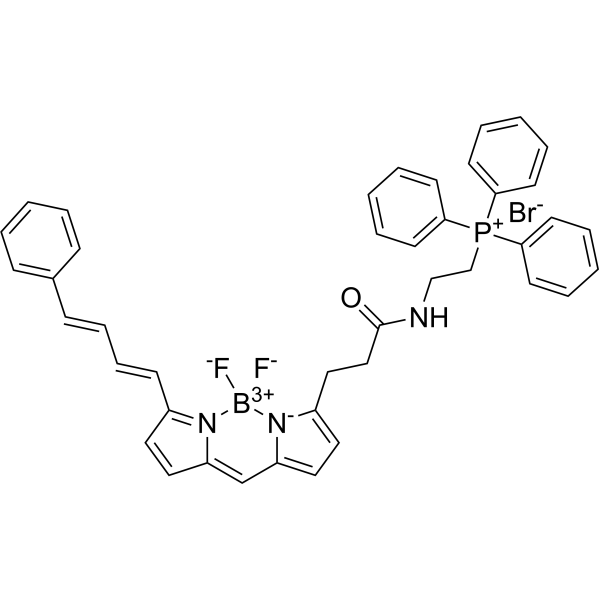
MitoPerOx is a mitochondrial-targeted, lipid peroxidation-indicating fluorescent probe with BODIPY581/591 fluorophores. The triphenylphosphine cation (TPP+) of MitoPerOx can be selectively enriched in mitochondria (depending on membrane potential) and can be used to detect lipid peroxidation in the inner mitochondrial membrane. Under the action of lipid peroxides, the BODIPY581/591 fluorophores of MitoPerOx shift their emission wavelength from 590 nm (reduced state) to 520 nm (oxidized state), and ratiometric detection can be performed at an excitation wavelength of 488 nm. MitoPerOx can specifically monitor the peroxidation of mitochondrial phospholipids (especially cardiolipin) and is used in the study of oxidative stress-related diseases (such as aging, neurodegenerative diseases, and mitochondrial dysfunction)[1][2].
loading...
    loading...
5
5 Cited Publications
Cat. No.: HY-D1191
CAS No.: 2225748-05-8
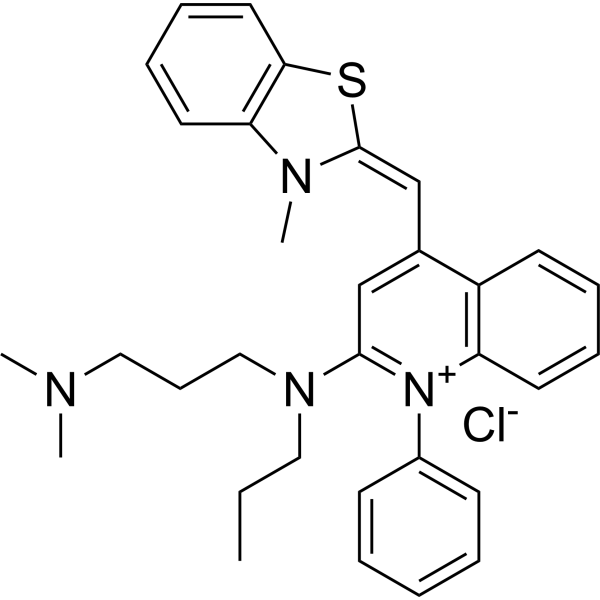
SYBR Green I chloride is a highly sensitive fluorescent nucleic acid dye that binds specifically to the minor groove of double-stranded DNA or intercalates between base pairs. SYBR Green I chloride exhibits weak fluorescence in the unbound state but emits bright fluorescence upon binding, and it preferentially binds to large-fragment DNA and DNA with high G+C content. SYBR Green I chloride is suitable for real-time PCR technology; its fluorescence intensity correlates with the amount and size of amplification products, enabling accurate quantification of gene expression and discrimination of amplicons via melting curve analysis without additional post-processing. SYBR Green I chloride is widely used in preclinical in vitro nucleic acid detection .
loading...
    loading...
5
5 Cited Publications
Cat. No.: HY-D0098
CAS No.: 75350-46-8
Synonyms: N-(5-Fluoresceinyl)maleimide
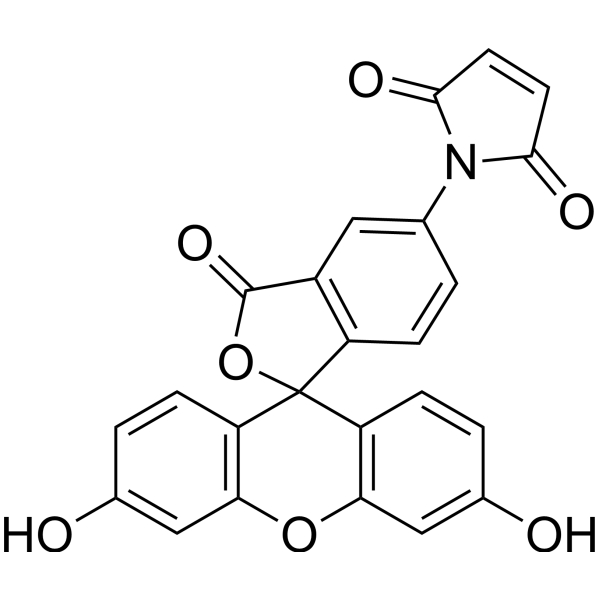
Fluorescein-5-maleimide (N-(5-Fluoresceinyl)maleimide) is a fluorescent dye. Fluorescein-5-maleimide can be used to detect the redox state of thiols in eukaryotic cells. Fluorescein-5-maleimide can label peptides and is used to detect negatively charged nanoparticles. Fluorescein-5-maleimide can also label actin to explore its interaction with cardiac myosin-binding protein C (cMyBP-C), which helps in developing small molecule modulators for heart failure. Fluorescein-5-maleimide can screen mutant proteins that contain cysteine residues. The excitation wavelength of Fluorescein-5-maleimide is 494 nm, and the emission wavelength is 519 nm .
loading...
    loading...
4
4 Cited Publications
Cat. No.: HY-145232
CAS No.: 3016307-75-5
Purity:  98.76%
Synonyms: OGTAC-3
Research Areas:  

Neurological Disease Cancer

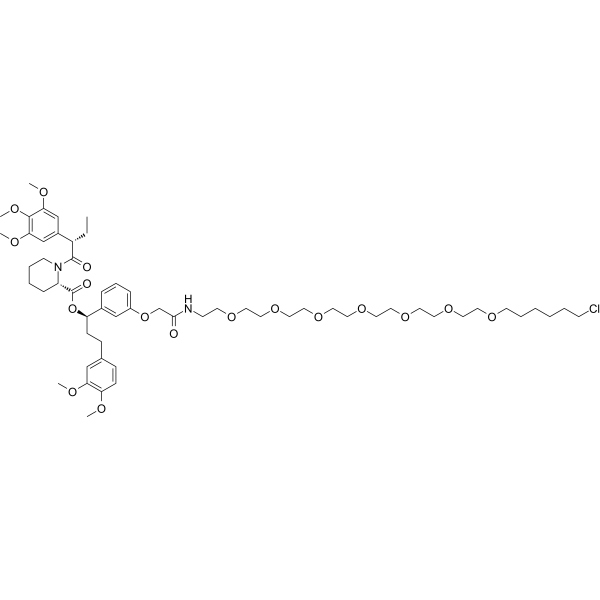
PhosTAC7 is a heterobifunctional molecule named as a Phosphorylation Targeting Chimera (PhosTAC). PhosTAC7 can dephosphorylate the PDCD4 protein, FOXO3a protein, and tau protein by recruiting serine/threonine protein phosphatase 2A (PP2A). PhosTAC7 offers the advantage of selectively modulating the phosphorylation state of individual target proteins, making it a promising tool for research in cancer and tau protein-related neurodegenerative diseases (Alzheimer's disease) .
loading...
    loading...
2
2 Cited Publications
Cat. No.: HY-138887
CAS No.: 1257852-99-5
Purity:  ≥98.0%
Synonyms: DMNG
Research Areas:  

Others

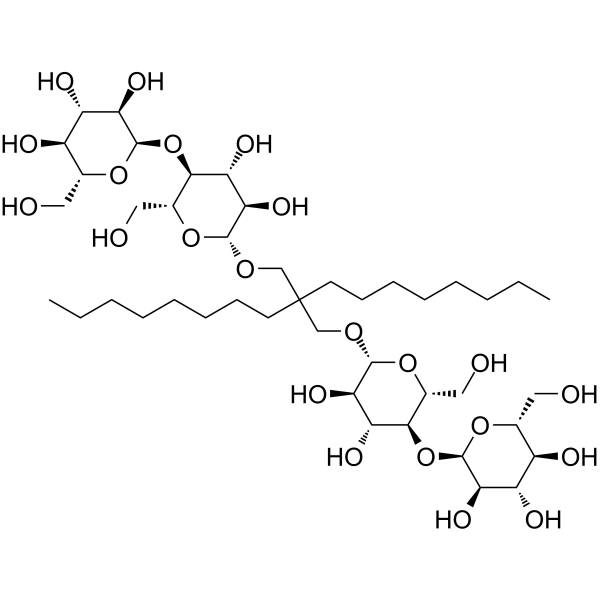
Decyl maltose neopentyl glycol (DMNG) is the neopentyl glycol detergent that does not disrupt the AlkB oligomeric state. AlkB is a nonheme di-iron alkane hydroxylase .
loading...
    loading...
1
1 Cited Publications
Cat. No.: HY-144987
CAS No.: 2597933-17-8
Purity:  98.84%
Target:  

CD38 LAG-3 Tim3 PD-1/PD-L1

Research Areas:  

Inflammation/Immunology Cancer

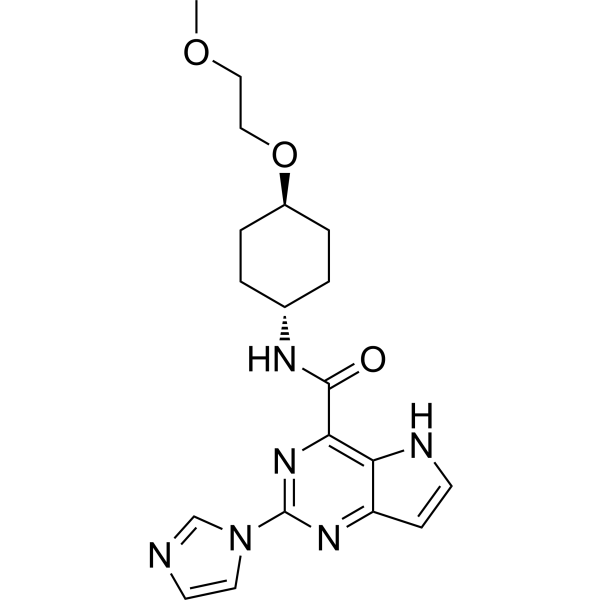
RBN013209 is an orally active small molecule inhibitor of CD38 with an IC50 of 0.01 to 0.1 μM for human CD38. RBN013209 prevents the conversion of extracellular NAD + to ADPR or cADPR in tumor cells and PBMCs. RBN013209 can be used in the study of tumor. In addition, RBN013209 enables CAR-T cells to maintain the naive state and central memory state, and decreases the expression of cell activation markers and exhaustion-related inhibitory receptors .
loading...
    loading...
1
1 Cited Publications
Cat. No.: HY-122515
CAS No.: 479-66-3
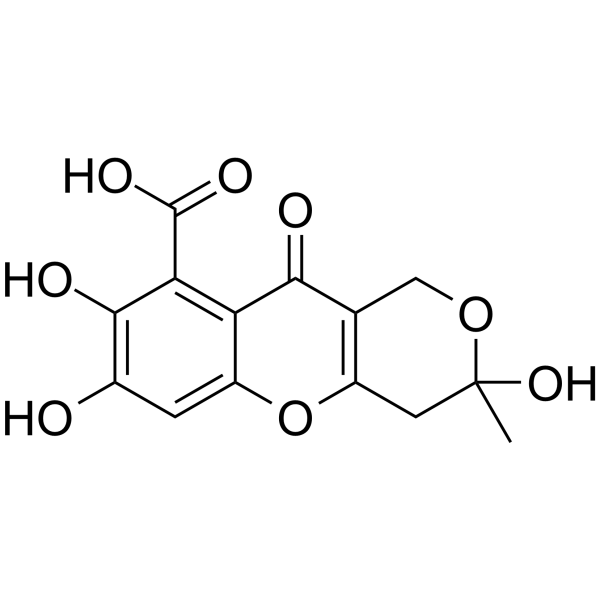
Fulvic Acid is a natural product, which comes from humic substances produced by microorganisms in soil. Fulvic Acid can modulate the immune system, influence the oxidative state of cells, and improve gastrointestinal function. Fulvic Acid has the potential for researching chronic inflammatory diseases, including diabetes .
loading...
    loading...
1
1 Cited Publications
Cat. No.: HY-W009749
CAS No.: 56-88-2
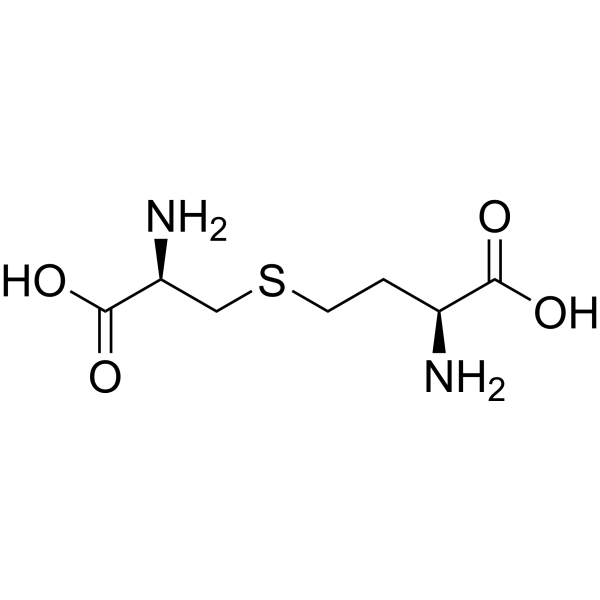
L-Cystathionine is a nonprotein thioether and is a key amino acid associated with the metabolic state of sulfur-containing amino acids. L-Cystathionine protects against Homocysteine-induced mitochondria-dependent apoptosis of vascular endothelial cells (HUVECs). L-Cystathionine plays an important role in cardiovascular protection .
loading...
    loading...
1
1 Cited Publications
Cat. No.: HY-W009749C
CAS No.: 61125-50-6
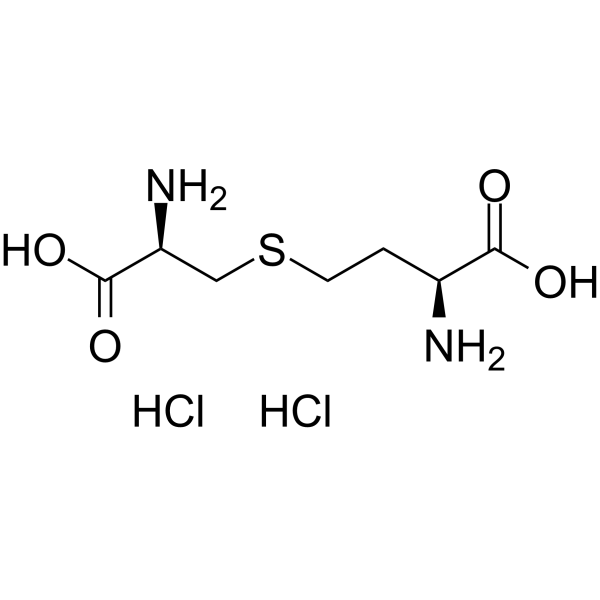
L-Cystathionine (dihydrochloride) is a nonprotein thioether and is a key amino acid associated with the metabolic state of sulfur-containing amino acids. L-Cystathionine (dihydrochloride) protects against Homocysteine-induced mitochondria-dependent apoptosis of vascular endothelial cells (HUVECs). L-Cystathionine (dihydrochloride) plays an important role in cardiovascular protection .
loading...
    loading...

