

From 11:00 pm to 12:00 pm EST ( 8:00 pm to 9:00 pm PST ) on January 6th, the website will be under maintenance. We are sorry for the inconvenience. Please arrange your schedule properly.
Eculizumab (Anti-Human C5, Humanized Antibody) is a long-acting humanized monoclonal antibody targeted against complement C5. Eculizumab inhibits the cleavage of C5 into C5a and C5b and inhibits deployment of the terminal complement system including the formation of membrane attack complex (MAC). Eculizumab prevents anti-ganglioside antibody-mediated neuropathy in mice. Eculizumab can be used in hemolysis studies .
Avacincaptad pegol (ARC1905) sodium is a 40KDa PEG-conjugated aptamer. Avacincaptad pegol sodium targets complement factor 5 (C5), inhibits the cleavage of C5 into C5a and C5b, limits inflammatory stimulation and complement membrane attack complex (MAC), and is used to study age-related macular degeneration (AMD). Avacincaptad pegol sodium limits irregular cell apoptosis by targeting downstream factors in the complement cascade while preserving the early steps of the complement system .
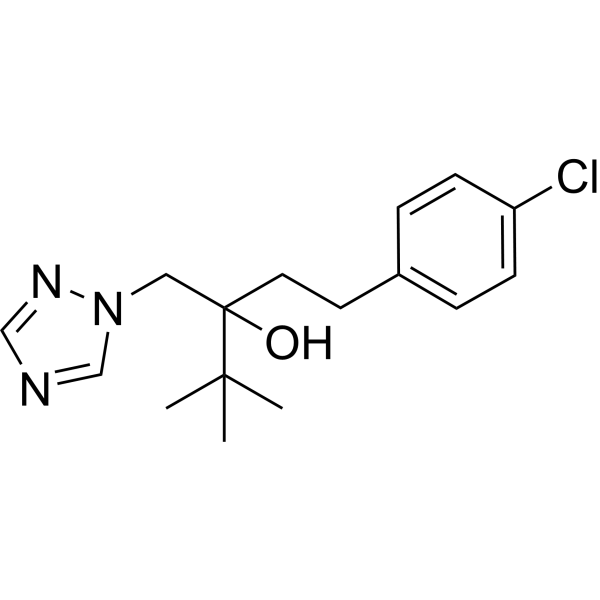
Tebuconazole is an orally active agricultural azole fungicide which can also inhibit CYP51 with IC50s of 0.9 and 1.3 μM for Candida albicans CYP51 (CaCYP51) and truncated Homo sapiens CYP51 (Δ60HsCYP51), respectively. Tebuconazole induces lipid accumulation and oxidative stress in HepG2 Cells. Tebuconazole decreases MAC-T cells viability and proliferation, induces ER-stress-mediated apoptosis and increases oxidative stress levels in MAC-T cells .
Abciximab (C7E3), a chimeric mouse/human monoclonal antibody fragment, is a glycoprotein (GP) IIb/IIIa inhibitor. Abciximab inhibits platelet aggregation and leucocyte adhesion by binding to the glycoprotein IIb/IIIa, vitronectin and Mac-1 receptors .
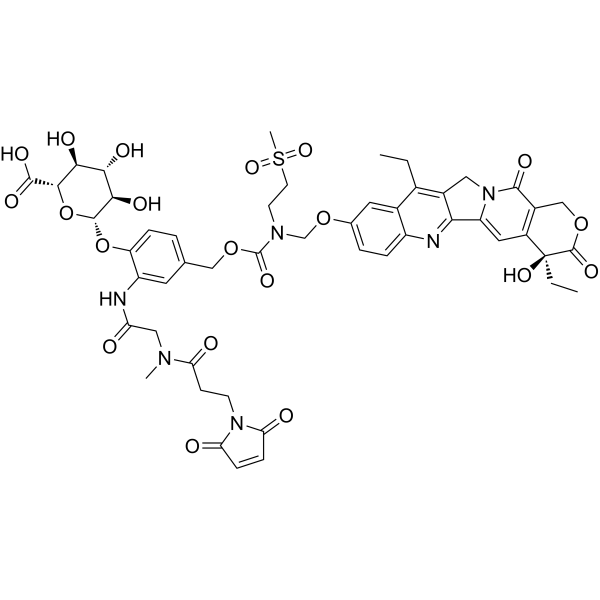
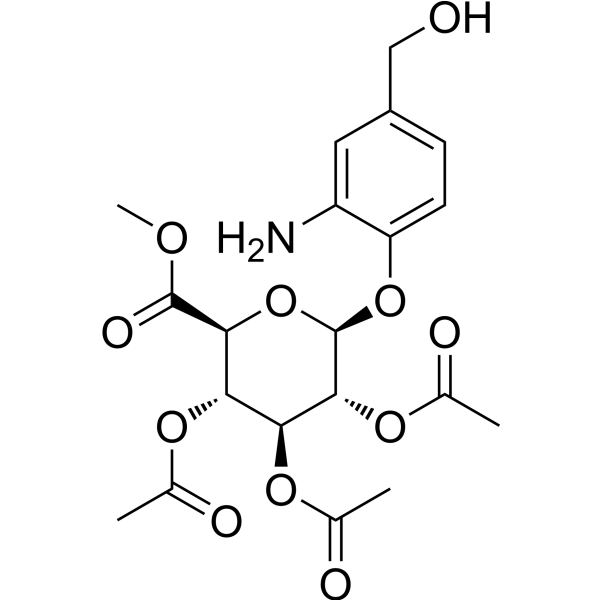
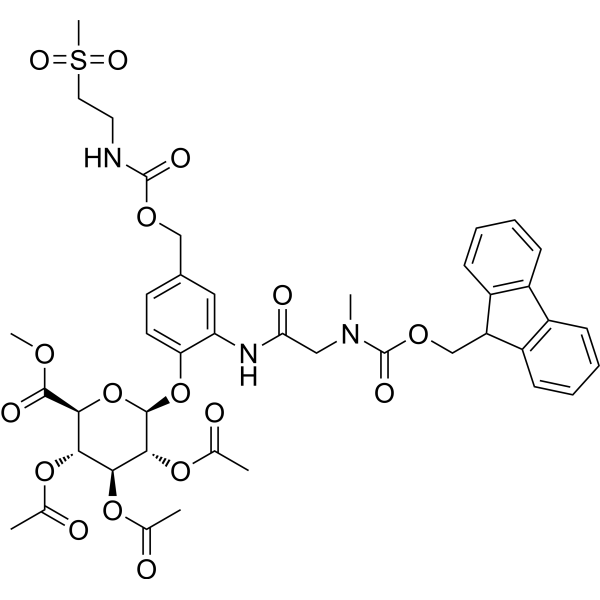
MAC glucuronide phenol-linked SN-38 is a pH-susceptible lactone MAC glucuronide phenol-linked SN-38 (DNA topoisomerase I inhibitor) agent linker. MAC glucuronide phenol-linked SN-38 is cytotoxic across L540cy cells and Ramos cells with IC50 values of 113 and 67 ng/mL, respectively.Albumin-coupled MAC glucosidol-linked SN-38 shows good stability in mouse plasma .
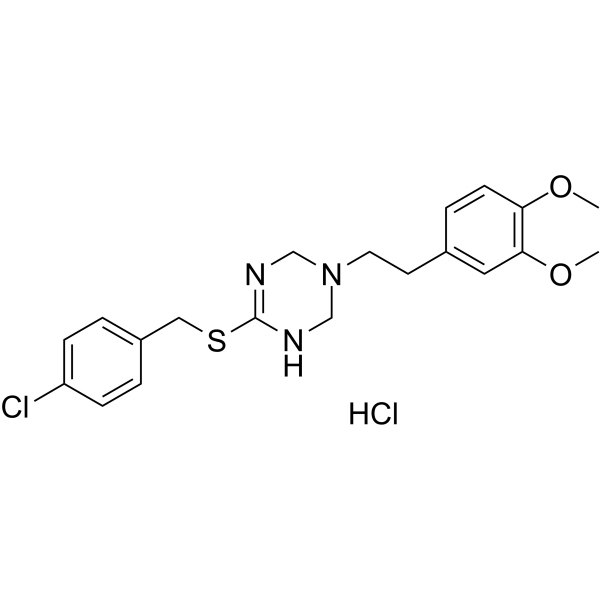
MAC13243, an antibacterial agent, is an inhibitor of bacterial lipoprotein targeting chaperone, LolA. MAC13243 is an antibacterial agent with Gram-negative selectivity .
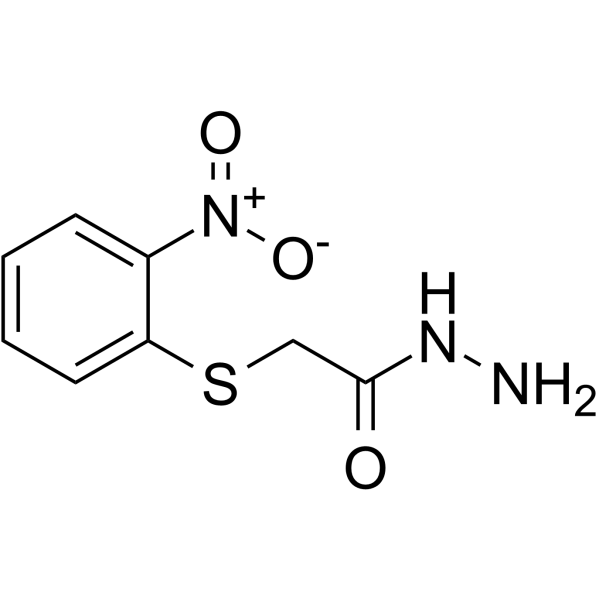
MAC13772 is a BioA inhibitor with an IC50 of 0.28 μM against E. coli and an IC50 of 0.269 μM against A. baumannii. MAC13772 inhibits bacterial growth by targeting the biotin biosynthesis pathway. MAC13772 can be used in studies related to bacterial infections .
Anti-Mouse PD-1 Antibody (J43) is a kind of armenian hamster IgG antibody inhibitor, targeting to mouse PD-1. Anti-Mouse PD-1 Antibody (J43) inhibits the interaction of PD-1 with PD-L1. Anti-Mouse PD-1 Antibody (J43) can be used for the researches of cancer and immunology, such as breast cancer and colon cancer .
Compound C5-IN-1 (Compound 7) is a selective allosteric inhibitor of complement component protein C5. Compound C5-IN-1 prevents C5 from being cleaved by C5 convertase, inhibits the cleavage of C5 into C5a and C5b, and thus blocks the formation of membrane attack complex (MAC). Compound C5-IN-1 has an IC50 of 0.77 μM and 5 nM in 50% human whole blood and 2% human serum to block MAC deposition induced by zymosan, respectively. Compound C5-IN-1 can be used to study diseases related to complement overactivation, such as paroxysmal nocturnal hemoglobinuria (PNH) and atypical hemolytic uremic syndrome (aHUS) .
Gefurulimab (ALXN-1720) is a high-affinity antibody inhibitor targeting complement protein C5, which can specifically bind to C5 and inhibit its cleavage into C5a and C5b. Gefurulimab can block the activation of the terminal complement pathway and reduce inflammatory damage. Gefurulimab can effectively reduce the formation of membrane attack complex (MAC) and has good pharmacokinetic properties. Gefurulimab can be used to study kidney and autoimmune diseases related to abnormal activation of the complement system, such as IgA nephropathy, lupus nephritis, and myasthenia gravis .
Anti-Mouse TIM-3 Antibody (RMT3-23) is a kind of rat-derived anti-mouse TIM-3 IgG2a antibody inhibitor. Anti-Mouse TIM-3 Antibody (RMT3-23) blocks Tim-3 binding to phosphatidylserine (PtdSer) and carcinoembryonic antigen cell adhesion molecule 1 (CEACAM1). Anti-Mouse TIM-3 Antibody (RMT3-23) inhibits phagocytosis of apoptotic cells in peritoneal exudate Mac1+ cells. Anti-Mouse TIM-3 Antibody (RMT3-23) can be used for the researches of inflammation and immunology, such as rheumatoid arthritis .
Complement factor D-IN-1 is a potent and selective small-molecule reversible factor d inhibitor, with IC50s of 0.006 and 0.05 μM in FD Thioesterolytic Fluorescent Assay and a MAC Deposition Assay, respectively.
Tebuconazole (Standard) is the analytical standard of Tebuconazole. This product is intended for research and analytical applications. Tebuconazole is an orally active agricultural azole fungicide which can also inhibit CYP51 with IC50s of 0.9 and 1.3 μM for Candida albicans CYP51 (CaCYP51) and truncated Homo sapiens CYP51 (Δ60HsCYP51), respectively. Tebuconazole induces lipid accumulation and oxidative stress in HepG2 Cells. Tebuconazole decreases MAC-T cells viability and proliferation, induces ER-stress-mediated apoptosis and increases oxidative stress levels in MAC-T cells .
Mal-va-mac-SN38 is a drug-linker conjugate for ADC. Mal-va-mac-SN38 contains a ADC cytotoxin SN-38 (HY-13704) and a linker (HY-126364). Mal-va-mac-SN38 can rapidly and covalently bind with endogenous albumin in vivo, resulting in the formation of HSA-va-mac-SN38. Mal-va-mac-SN38 demonstrates exceptional stability in human plasma, and has anti-tumor and anti-metastasis effect .
Anti-Mouse/Human Mac-2/Galectin-3 Antibody (TIB-166) is a rat-derived anti-mouse/human Mac-2/Galectin-3 IgG2a monoclonal antibody. Anti-Mouse/Human Mac-2/Galectin-3 Antibody (TIB-166) significantly inhibits IL-6 expression (inhibition rates 34.7% and 55.3%). Anti-Mouse/Human Mac-2/Galectin-3 Antibody (TIB-166) is often used for immunoprecipitation, western blot, immunofluorescence, and flow cytometry .
MacConkey Agar (MAC) can be used for selective isolation and culture of intestinal pathogens. The composition of 1 liter of MacConkey Agar (MAC) is: 20.0g peptone, 10.0 g lactose, 1.5 g Bile salt number three, 5.0 g sodium chloride, 0.03g Neutral red, 0.001 g Crystal viol and 15.0 g agar .
MAC-545496 is a nanomolar inhibitor of glycopeptide-resistance-associated protein R (GraR). MAC-545496 displays strong binding affinity to the full-length GraR protein (Kd ≤ 0.1 nM). MAC-545496 is an antivirulence agent that reverses β-lactam resistance in Methicillin-resistant strains (MRSA) .
Mca-KPLGL-Dap(Dnp)-AR-NH2 TFA is a fluorogenic substrate for matrix metalloproteinases (MMPs). 7-methoxycoumarin-4 acetyl (Mac) is released and its fluorescence can be used to quantify MMP activity. Mac displays Ex/Em of 328/420 nm .
iMAC2 hydrochloride is a potent MAC (mitochondrial apoptosis-induced channel) inhibitor, with an IC50 of 28 nM and a LD50 of 15000 nM. iMAC2 hydrochloride shows anti-apoptotic effect. iMAC2 hydrochloride blocks cytochrome c release .
AVI-6451 is a novel orally effective SARS-CoV-2Mac1 (IC50 = 28 nM) inhibitor. AVI-6451 can reduce viral load. AVI-6451 can be used for research on viral infections .
Bayer-18 is an inhibitor for TYK2. Bayer-18 inhibits the viability of ALCL cell K299, SR786, Mac1 and Mac2a with IC50 of 2-3 µM, and induces apoptosis in K299 and SR786 .
NPC-15669 is a novel Mac-1 inhibitor. NPC-15669 reduces plasma levels of ET-1, TxB, prostacyclin, AT-III, and total protein S. NPC-15669 can be used in the research of myocardial infarction .
SARS-CoV-2 nsp3-IN-1 (Compound 15c) is a Mac1 (SARS-CoV-2 nsp3 macrodomain) inhibitor with the IC50 value of 6.1 μM. SARS-CoV-2 nsp3-IN-1 can inhibit Mac1 ADP-ribosylhydrolase activity. SARS-CoV-2 nsp3-IN-1 demonstrates notable selectivity for coronavirus macrodomains, especially towards SARS-CoV-2 Mac1 .
AVI-4206 is a selectiveMac1 inhibitor with an lC50 of 64 nM. AVI-4206 reduces viral replication, restores an interferon response, and leads to a survival benefit in an animal model of SARS-CoV-2 infection. AVI-4206 can be used the study of SARS-CoV-2 infection .
mAC2-IN-1 (compound 14) is a potent and selective human adenylate cyclases (mACs) inhibitor with an IC50 of 4.45 μM. mAC2-IN-1 has low activity on mAC1 and mAC5 .
MAC-0547630 is a potent inhibitor of undecaprenyl diphosphate synthase (UppS), with IC50s of 0.05 μM and 1.6 μM for UppS BS and UppS BA, respectively. MAC-0547630 is active against B. subtilis in vitro (MIC 0.1 ng/mL) .
MAC-5576 is a SARS-CoV-2 3CL protease inhibitor, with an IC50 of 81 nM. MAC-5576 also inhibits 3CLpro (IC50=0.5 μM), HAV 3Cpro (IC50=0.5 μM), and thrombin (IC50=13 μM) .
Milataxel (MAC-321) is an orally active taxane analog of Docetaxel (HY-B0011). Milataxel enhances the rate of tubulin polymerization. Milataxel can be used in the research of colorectal cancer and non-small cell lung cancer .
Macropin (MAC-1 peptide) is an antimicrobial peptide found in the venom of the solitary bee Macropis fulvipes. Macropin has antibacterial activity against both Gram-positive and Gram-negative bacteria, and also exhibits inhibitory activity against fungi and moderate hemolytic activity against human erythrocytes. Macropin can be used in research on anti-infective therapy .
F594-1001 (compound 6) hydrochloride is a potent and highly selective SARS-CoV-2 Mac1-ADP-ribose inhibitor with IC50s of 8.5 μM, 68 μM and 45 μM for SARS-CoV-2 in AS, FP, and FRET assays, respectively. F594-1001 hydrochloride directly binds to SARS-CoV-2 Mac1 and exhibits a dose-dependent inhibition of Mac1 ADP-ribosylhydrolase activity .
F594-1001 (compound 6) is a potent and highly selective SARS-CoV-2 Mac1-ADP-ribose inhibitor with IC50s of 8.5 μM, 68 μM and 45 μM for SARS-CoV-2 in AS, FP, and FRET assays, respectively. F594-1001 directly binds to SARS-CoV-2 Mac1 and exhibits a dose-dependent inhibition of Mac1 ADP-ribosylhydrolase activity .
Erlizumab (rhuMAb) is a monoclonal antibody against the Integrin b2/ITGB2/CD18 subunit of the Mac-1 receptor. Erlizumab can reduce reperfusion injury in myocardial infarction .
MDOLL-0229 (compound 27) is an antiviral agent that targets SARS-CoV-2 Mac1 and repress coronavirus replication. MDOLL-0229 inhibits SARS-CoV-2 Mac1 with an IC50 of 2.1 µM .
Tebuconazole-d6 is a deuterium labeled Tebuconazole (HY-B0852). Tebuconazole is an orally active agricultural azole fungicide which can also inhibit CYP51 with IC50s of 0.9 and 1.3 μM for Candida albicans CYP51 (CaCYP51) and truncated Homo sapiens CYP51 (Δ60HsCYP51), respectively. Tebuconazole induces lipid accumulation and oxidative stress in HepG2 Cells. Tebuconazole decreases MAC-T cells viability and proliferation, induces ER-stress-mediated apoptosis and increases oxidative stress levels in MAC-T cells .
1"-α-Azido-RDPr (Compound 11) is an analog of adenosine diphosphate ribose, and exhibits inhibitory efficacy against the SARS-CoV-2 nonstructural protein macodomain SARS-CoV-2 NSP3 Mac1 with an IC50 of 30 nM .
SARS-CoV-2 nsp3-IN-2 is a macrodomain (Mac1) inhibitor with IC50 value of 180 μM. SARS-CoV-2 nsp3-IN-2 is a small molecule chemical probe and can be used for the research of viral .
Omoprubart is an anti-C5 complement recombinant humanized monoclonal antibody. Omolubat can prevent C5 from cleaving into C5a and C5b, thereby inhibiting the formation and activation of the C5b-dependent membrane attack complex (MAC) on the surface of susceptible cells, leading to cell lysis (destruction). Omoprubart can be used for the study of paroxysmal nocturnal hemoglobinuria (PNH).
EDP-420 (EP-013420; S-013420) is an orally active antibacterial agent. EDP-420 inhibits the Mycobacterium avium complex (MAC) in macrophages. EDP-420 reduces bacterial counts in a mouse model of macrolide infection. EDP-420 inhibits pneumococcal activity in a rabbit model of meningitis. EDP-420 can be used in research on inflammatory infectious diseases such as meningitis .
Cyclotriazadisulfonamide (CADA) hydrochloride is a specific CD4-targeted HIV entry inhibitor with activity against HIV-1 replication. Cyclotriazadisulfonamide hydrochloride can specifically downregulate the expression of CD4 receptors on the cell surface, effectively inhibiting HIV transmission. Cyclotriazadisulfonamide hydrochloride can inhibit HIV-1(NL4.3) and SIV(mac251), and has a synergistic effect when used in combination with cellulose acetate (CAP). Cyclotriazadisulfonamide hydrochloride can also be used as a microbial gel formulation to maintain CD4 downregulation and antiviral activity, and is a broad-spectrum anti-HIV agent.
8-Arm-PEG20000-Methyl acrylate (8-Arm-PEG20000-MAc) is an eight-arm PEG derivative. The core structure of 8-Arm-PEG20000-Methyl acrylate consists of eight PEG chains, each modified at the end with a methyl acrylate group. 8-Arm-PEG20000-Methyl acrylate can be used in research on the preparation of hydrogels and drug delivery.
8-Arm-PEG40000-Methyl acrylate (8-Arm-PEG40000-MAc) is an eight-arm PEG derivative. The core structure of 8-Arm-PEG40000-Methyl acrylate consists of eight PEG chains, each modified at the end with a methyl acrylate group. 8-Arm-PEG40000-Methyl acrylate can be used in research on the preparation of hydrogels and drug delivery.
8-Arm-PEG10000-Methyl acrylate (8-Arm-PEG10000-MAc) is an eight-arm PEG derivative. The core structure of 8-Arm-PEG10000-Methyl acrylate consists of eight PEG chains, each modified at the end with a methyl acrylate group. 8-Arm-PEG10000-Methyl acrylate can be used in research on the preparation of hydrogels and drug delivery.
Tebuconazole-d4 is the deuterium labeled Tebuconazole (HY-B0852). Tebuconazole is an orally active agricultural azole fungicide which can also inhibit CYP51 with IC50s of 0.9 and 1.3 μM for Candida albicans CYP51 (CaCYP51) and truncated Homo sapiens CYP51 (Δ60HsCYP51), respectively. Tebuconazole induces lipid accumulation and oxidative stress in HepG2 Cells. Tebuconazole decreases MAC-T cells viability and proliferation, induces ER-stress-mediated apoptosis and increases oxidative stress levels in MAC-T cells .
LRH-0003 is an inhibitor of the Macrodomain 1 (Mac1) of nonstructural protein 3 (NSP3) from SARS-CoV-2, with an IC50 value of 1.7 μM. LRH-0003 can be used for the research antiviral infection targeting SARS-CoV-2 .
Complement factor D-IN-1 (Standard) is the analytical standard of Complement factor D-IN-1 (HY-102034). This product is intended for research and analytical applications. Complement factor D-IN-1 is a potent and selective small-molecule reversible factor d inhibitor, with IC50s of 0.006 and 0.05 μM in FD Thioesterolytic Fluorescent Assay and a MAC Deposition Assay, respectively.
4-O-Methyl-ascochlorin (Compound MAC) is a derivative of Ascochlorin (HY-101021). 4-O-Methyl-ascochlorin can selectively induce apoptosis of K562 leukemia cells, cause G1 phase arrest and downregulate c-Myc expression. 4-O-Methyl-ascochlorin can promote the phosphorylation of AMPK and inhibit the phosphorylation of mTOR and its target proteins, including p70S6 K and 4E-BP-1. 4-O-Methyl-ascochlorin can be used for research of leukemia .
INDOPY-1 (Indolopyridone-1) is a selective, reversible, and competitive HIV-1 reverse transcriptase inhibitor. INDOPY-1 reversibly binds to the active site of reverse transcriptase. INDOPY-1 inhibits DNA synthesis. INDOPY-1 exhibits antiviral activity against various retroviruses, including HIV-1 IIIB, HIV-1 HXB2 K103N Y181C, HIV-2 ROD, and SIV Mac251. INDOPY-1 can be used in the research of immunodeficiency virus infection .
Factor B-IN-8 (Compound (3R ,4R )-15) is a potent, selective and orally active factor B inhibitor with an IC50 of 10.2 nM. Factor B-IN-8 can effectively inhibit the binding of factor B to C3b and the subsequent formation of C3 convertase (C3bBb). Factor B-IN-8 can inhibit the deposition of membrane attack complex (MAC) mediated by alternativepathway with an IC50 of 59.3 nM. Factor B-IN-8 can reduce the cleavage of factor B protein and decrease the deposition of complement C3d in the glomeruli and renal tubules. Factor B-IN-8 can be used for researches of arthritis and paroxysmal nocturnal hemoglobinuria (PNH) .
MacConkey Agar (MAC) can be used for selective isolation and culture of intestinal pathogens. The composition of 1 liter of MacConkey Agar (MAC) is: 20.0g peptone, 10.0 g lactose, 1.5 g Bile salt number three, 5.0 g sodium chloride, 0.03g Neutral red, 0.001 g Crystal viol and 15.0 g agar .
8-Arm-PEG20000-Methyl acrylate (8-Arm-PEG20000-MAc) is an eight-arm PEG derivative. The core structure of 8-Arm-PEG20000-Methyl acrylate consists of eight PEG chains, each modified at the end with a methyl acrylate group. 8-Arm-PEG20000-Methyl acrylate can be used in research on the preparation of hydrogels and drug delivery.
8-Arm-PEG40000-Methyl acrylate (8-Arm-PEG40000-MAc) is an eight-arm PEG derivative. The core structure of 8-Arm-PEG40000-Methyl acrylate consists of eight PEG chains, each modified at the end with a methyl acrylate group. 8-Arm-PEG40000-Methyl acrylate can be used in research on the preparation of hydrogels and drug delivery.
8-Arm-PEG10000-Methyl acrylate (8-Arm-PEG10000-MAc) is an eight-arm PEG derivative. The core structure of 8-Arm-PEG10000-Methyl acrylate consists of eight PEG chains, each modified at the end with a methyl acrylate group. 8-Arm-PEG10000-Methyl acrylate can be used in research on the preparation of hydrogels and drug delivery.
γ-Fibrinogen377-395 TFA is a fibrinogen-derived inhibitory peptide, as well as fibrinogen epitope. γ-Fibrinogen377-395 TFA blocks microglia activation and inhibits fibrin-Mac-1 interactions in vitro, and suppresses experimental autoimmune encephalomyelitis (EAE) in mice in vivo. γ-Fibrinogen377-395 TFA can be used for research in multiple sclerosis (MS), and other neuroinflammatory diseases associated with blood-brain barrier disruption and microglia activation .
Mca-KPLGL-Dap(Dnp)-AR-NH2 TFA is a fluorogenic substrate for matrix metalloproteinases (MMPs). 7-methoxycoumarin-4 acetyl (Mac) is released and its fluorescence can be used to quantify MMP activity. Mac displays Ex/Em of 328/420 nm .
Macropin (MAC-1 peptide) is an antimicrobial peptide found in the venom of the solitary bee Macropis fulvipes. Macropin has antibacterial activity against both Gram-positive and Gram-negative bacteria, and also exhibits inhibitory activity against fungi and moderate hemolytic activity against human erythrocytes. Macropin can be used in research on anti-infective therapy .
γ-Fibrinogen377-395 is a fibrinogen-derived inhibitory peptide, as well as fibrinogen epitope. γ-Fibrinogen377-395 blocks microglia activation and inhibits fibrin-Mac-1 interactions in vitro, and suppresses experimental autoimmune encephalomyelitis (EAE) in mice in vivo. γ-Fibrinogen377-395 can be used for research in multiple sclerosis (MS), and other neuroinflammatory diseases associated with blood-brain barrier disruption and microglia activation .
Eculizumab (Anti-Human C5, Humanized Antibody) is a long-acting humanized monoclonal antibody targeted against complement C5. Eculizumab inhibits the cleavage of C5 into C5a and C5b and inhibits deployment of the terminal complement system including the formation of membrane attack complex (MAC). Eculizumab prevents anti-ganglioside antibody-mediated neuropathy in mice. Eculizumab can be used in hemolysis studies .
Abciximab (C7E3), a chimeric mouse/human monoclonal antibody fragment, is a glycoprotein (GP) IIb/IIIa inhibitor. Abciximab inhibits platelet aggregation and leucocyte adhesion by binding to the glycoprotein IIb/IIIa, vitronectin and Mac-1 receptors .
Anti-Mouse PD-1 Antibody (J43) is a kind of armenian hamster IgG antibody inhibitor, targeting to mouse PD-1. Anti-Mouse PD-1 Antibody (J43) inhibits the interaction of PD-1 with PD-L1. Anti-Mouse PD-1 Antibody (J43) can be used for the researches of cancer and immunology, such as breast cancer and colon cancer .
Gefurulimab (ALXN-1720) is a high-affinity antibody inhibitor targeting complement protein C5, which can specifically bind to C5 and inhibit its cleavage into C5a and C5b. Gefurulimab can block the activation of the terminal complement pathway and reduce inflammatory damage. Gefurulimab can effectively reduce the formation of membrane attack complex (MAC) and has good pharmacokinetic properties. Gefurulimab can be used to study kidney and autoimmune diseases related to abnormal activation of the complement system, such as IgA nephropathy, lupus nephritis, and myasthenia gravis .
Anti-Mouse TIM-3 Antibody (RMT3-23) is a kind of rat-derived anti-mouse TIM-3 IgG2a antibody inhibitor. Anti-Mouse TIM-3 Antibody (RMT3-23) blocks Tim-3 binding to phosphatidylserine (PtdSer) and carcinoembryonic antigen cell adhesion molecule 1 (CEACAM1). Anti-Mouse TIM-3 Antibody (RMT3-23) inhibits phagocytosis of apoptotic cells in peritoneal exudate Mac1+ cells. Anti-Mouse TIM-3 Antibody (RMT3-23) can be used for the researches of inflammation and immunology, such as rheumatoid arthritis .
Anti-Mouse/Human Mac-2/Galectin-3 Antibody (TIB-166) is a rat-derived anti-mouse/human Mac-2/Galectin-3 IgG2a monoclonal antibody. Anti-Mouse/Human Mac-2/Galectin-3 Antibody (TIB-166) significantly inhibits IL-6 expression (inhibition rates 34.7% and 55.3%). Anti-Mouse/Human Mac-2/Galectin-3 Antibody (TIB-166) is often used for immunoprecipitation, western blot, immunofluorescence, and flow cytometry .
Erlizumab (rhuMAb) is a monoclonal antibody against the Integrin b2/ITGB2/CD18 subunit of the Mac-1 receptor. Erlizumab can reduce reperfusion injury in myocardial infarction .
Omoprubart is an anti-C5 complement recombinant humanized monoclonal antibody. Omolubat can prevent C5 from cleaving into C5a and C5b, thereby inhibiting the formation and activation of the C5b-dependent membrane attack complex (MAC) on the surface of susceptible cells, leading to cell lysis (destruction). Omoprubart can be used for the study of paroxysmal nocturnal hemoglobinuria (PNH).
4-O-Methyl-ascochlorin (Compound MAC) is a derivative of Ascochlorin (HY-101021). 4-O-Methyl-ascochlorin can selectively induce apoptosis of K562 leukemia cells, cause G1 phase arrest and downregulate c-Myc expression. 4-O-Methyl-ascochlorin can promote the phosphorylation of AMPK and inhibit the phosphorylation of mTOR and its target proteins, including p70S6 K and 4E-BP-1. 4-O-Methyl-ascochlorin can be used for research of leukemia .
CD59a Protein acts as a potent inhibitor of the complement membrane attack complex (MAC) by binding to C8 and/or C9 complements during MAC assembly. This interaction prevents the incorporation of multiple C9 copies, crucial for osmolytic pore formation. CD59a's regulatory role at the MAC assembly level safeguards cells, preventing uncontrolled osmolytic pore formation and protecting against complement-mediated damage. CD59a Protein, Mouse (HEK293, Fc) is the recombinant mouse-derived CD59a protein, expressed by HEK293 , with C-hFc labeled tag.
Galectin-3/LGALS3 protein binds IgE and cooperates with integrins α-3 and β-1 to promote endothelial cell migration.It contributes to epithelial cell differentiation and acts as a splicing factor in the nucleus.Galectin-3/LGALS3 Protein, Mouse (HEK293, His) is the recombinant mouse-derived Galectin-3/LGALS3 protein, expressed by HEK293 , with C-His labeled tag.
The Galectin-3/LGALS3 protein is a galactose-specific lectin known for its diverse roles in cellular processes. It binds IgE and synergizes with α-3 and β-1 integrins to promote CSPG4-induced endothelial cell migration. Galectin-3/LGALS3 Protein, Cynomolgus (HEK293, His) is the recombinant cynomolgus-derived Galectin-3/LGALS3 protein, expressed by HEK293 , with N-His labeled tag.
IGFBP-7 Protein, with relatively low IGF-I and IGF-II affinity, stimulates prostacyclin (PGI2) production and enhances cell adhesion. The significance of its interaction with VPS24/CHMP3 remains uncertain and warrants further investigation. IGFBP-7 Protein, Human (HEK293, Fc) is the recombinant human-derived IGFBP-7 protein, expressed by HEK293 , with C-hFc labeled tag.
Galectin-3/LGALS3 Protein is a type of galactoside-binding lectin that has a high binding affinity for carbohydrates with β-galactoside linkages. Galectin-3/LGALS3 Protein interacts with glycosylated proteins to mediate intercellular interactions and adhesion to the extracellular matrix. Galectin-3/LGALS3 Protein plays various roles, including regulating signaling pathways such as Wnt/β-catenin, affecting cell proliferation and survival, modulating immune functions, and influencing tumor progression. Galectin-3/LGALS3 Protein, Human is a recombinant galectin-3/LGALS3 protein expressed in E. coli.
Galectin-3 (LGALS3) is involved in multiple activities, including IgE binding and signaling receptor binding. It negatively regulates T-cell receptor signaling and modulates immune responses by modulating endocytosis and lymphocyte activation. Galectin-3/LGALS3 Protein, Mouse is the recombinant mouse-derived Galectin-3/LGALS3 protein, expressed by E. coli , with tag free.
The CD59 protein is a potent inhibitor of the complement membrane attack complex (MAC) and binds to assembled C8 and/or C9 complement, preventing the incorporation of multiple C9 copies that are critical for permeability pore formation. Its species-specific inhibitory effects extend to T cell activation, complexing with protein tyrosine kinases for signal transduction. CD59 Protein, Human (HEK293, His) is the recombinant human-derived CD59 protein, expressed by HEK293 , with C-6*His labeled tag.
The CD59 protein is a potent inhibitor of the complement membrane attack complex (MAC) and exerts regulatory control at or after the C5b-8 stage.Its critical role makes CD59 a key regulator in the complement system, preventing overactivation and associated membrane damage.CD59 Protein, Rat (HEK293, His) is the recombinant rat-derived CD59 protein, expressed by HEK293 , with C-His labeled tag.
The CD59 protein is a potent inhibitor of the complement membrane attack complex (MAC) and exerts regulatory control at or after the C5b-8 stage. Its critical role makes CD59 a key regulator in the complement system, preventing overactivation and associated membrane damage. CD59 Protein, Cynomolgus (HEK293, His) is the recombinant cynomolgus-derived CD59 protein, expressed by HEK293 , with C-His labeled tag.
The CD59 protein is a potent inhibitor of the complement membrane attack complex (MAC) and exerts regulatory control at or after the C5b-8 stage.Its critical role makes CD59 a key regulator in the complement system, preventing overactivation and associated membrane damage.CD59 Protein, Rat (HEK293, Fc) is the recombinant rat-derived CD59 protein, expressed by HEK293 , with C-hFc labeled tag.
IGFBP-7 Protein, with relatively low IGF-I and IGF-II affinity, stimulates prostacyclin (PGI2) production and enhances cell adhesion. The significance of its interaction with VPS24/CHMP3 remains uncertain and warrants further investigation. IGFBP-7 Protein, Human (Biotinylated, HEK293, hFc, Avi) is the recombinant human-derived IGFBP-7 protein, expressed by HEK293, with Avi and C-hFc labeled tag.
The Galectin-3/LGALS3 protein is a galactose-specific lectin known for its diverse roles in cellular processes. It binds IgE and synergizes with α-3 and β-1 integrins to promote CSPG4-induced endothelial cell migration. Animal-Free Galectin-3/LGALS3 Protein, Human (His) is the recombinant human-derived animal-FreeGalectin-3/LGALS3 protein, expressed by E. coli , with N-His labeled tag. This product is for cell culture use only.
IGFBP-7 Protein, with relatively low IGF-I and IGF-II affinity, stimulates prostacyclin (PGI2) production and enhances cell adhesion. The significance of its interaction with VPS24/CHMP3 remains uncertain and warrants further investigation. IGFBP-7 Protein, Human (HEK293, K95R, His) is the recombinant human-derived IGFBP-7 protein, expressed by HEK293, with N-His labeled tag.
The Galectin-3/LGALS3 protein is a galactose-specific lectin known for its diverse roles in cellular processes. It binds IgE and synergizes with α-3 and β-1 integrins to promote CSPG4-induced endothelial cell migration. Galectin-3/LGALS3 Protein, Human (HEK293, His) is the recombinant human-derived Galectin-3/LGALS3 protein, expressed by HEK293 , with C-6*His labeled tag.
Integrin α M β 2 (ITGAM/ITGB2) mediates adhesion of monocytes and granulocytes and promotes uptake of complement-coated particles and pathogens. As a receptor for iC3b and fibrinogen, it regulates neutrophil migration, contributes to CD177-PRTN3-mediated activation, and may influence phagocytosis-induced apoptosis. Integrin alpha M beta 2 Protein, Human (HEK293, His) is a recombinant protein dimer complex containing human-derived Integrin alpha M beta 2 protein, expressed by HEK293 , with C-His labeled tag. Integrin alpha M beta 2 Protein, Human (HEK293, His), has molecular weight of 140-160 kDa (ITGAM) & 90-100 kDa (ITGB2), respectively.
The CD59 protein is a potent inhibitor of the complement membrane attack complex (MAC) and binds to assembled C8 and/or C9 complement, preventing the incorporation of multiple C9 copies that are critical for permeability pore formation. Its species-specific inhibitory effects extend to T cell activation, complexing with protein tyrosine kinases for signal transduction. CD59 Protein, Human (P.pastoris, His) is the recombinant human-derived CD59 protein, expressed by P. pastoris , with N-His labeled tag.
IGFBP-7 Protein, with relatively low IGF-I and IGF-II affinity, stimulates prostacyclin (PGI2) production and enhances cell adhesion. The significance of its interaction with VPS24/CHMP3 remains uncertain and warrants further investigation. IGFBP-7 Protein, Human (HEK293, His) is the recombinant human-derived IGFBP-7 protein, expressed by HEK293 , with C-6*His labeled tag.
The IGFBP-7 protein has moderate affinity to bind to IGF-I and IGF-II and significantly stimulates the production of prostacyclin (PGI2). In addition to its interaction with insulin-like growth factors, IGFBP-7 also contributes to cell adhesion, suggesting its role in adhesion-related cellular processes and potential effects on cell-matrix interactions. IGFBP-7 Protein, Mouse (HEK293, His) is the recombinant mouse-derived IGFBP-7 protein, expressed by HEK293 , with C-His labeled tag.
The CD59 protein is a potent inhibitor of the complement membrane attack complex (MAC) and binds to assembled C8 and/or C9 complement, preventing the incorporation of multiple C9 copies that are critical for permeability pore formation. Its species-specific inhibitory effects extend to T cell activation, complexing with protein tyrosine kinases for signal transduction. CD59 Protein, Human (HEK293, hFc) is the recombinant human-derived CD59 protein, expressed by HEK293 , with C-hFc labeled tag.
The CD59 protein is a potent inhibitor of the complement membrane attack complex (MAC) and binds to assembled C8 and/or C9 complement, preventing the incorporation of multiple C9 copies that are critical for permeability pore formation. Its species-specific inhibitory effects extend to T cell activation, complexing with protein tyrosine kinases for signal transduction. CD59 Protein, Human (Biotinylated, HEK293, His-Avi) is the recombinant human-derived CD59 protein, expressed by HEK293 , with C-Avi, C-His labeled tag. The total length of CD59 Protein, Human (Biotinylated, HEK293, His-Avi) is 77 a.a., with molecular weight of 15-20 kDa.
Tebuconazole-d6 is a deuterium labeled Tebuconazole (HY-B0852). Tebuconazole is an orally active agricultural azole fungicide which can also inhibit CYP51 with IC50s of 0.9 and 1.3 μM for Candida albicans CYP51 (CaCYP51) and truncated Homo sapiens CYP51 (Δ60HsCYP51), respectively. Tebuconazole induces lipid accumulation and oxidative stress in HepG2 Cells. Tebuconazole decreases MAC-T cells viability and proliferation, induces ER-stress-mediated apoptosis and increases oxidative stress levels in MAC-T cells .
Tebuconazole-d4 is the deuterium labeled Tebuconazole (HY-B0852). Tebuconazole is an orally active agricultural azole fungicide which can also inhibit CYP51 with IC50s of 0.9 and 1.3 μM for Candida albicans CYP51 (CaCYP51) and truncated Homo sapiens CYP51 (Δ60HsCYP51), respectively. Tebuconazole induces lipid accumulation and oxidative stress in HepG2 Cells. Tebuconazole decreases MAC-T cells viability and proliferation, induces ER-stress-mediated apoptosis and increases oxidative stress levels in MAC-T cells .
1"-α-Azido-RDPr (Compound 11) is an analog of adenosine diphosphate ribose, and exhibits inhibitory efficacy against the SARS-CoV-2 nonstructural protein macodomain SARS-CoV-2 NSP3 Mac1 with an IC50 of 30 nM .
Avacincaptad pegol (ARC1905) sodium is a 40KDa PEG-conjugated aptamer. Avacincaptad pegol sodium targets complement factor 5 (C5), inhibits the cleavage of C5 into C5a and C5b, limits inflammatory stimulation and complement membrane attack complex (MAC), and is used to study age-related macular degeneration (AMD). Avacincaptad pegol sodium limits irregular cell apoptosis by targeting downstream factors in the complement cascade while preserving the early steps of the complement system .
Inquiry Online
Your information is safe with us. * Required Fields.
Western blot analysis of extracts from THP-1(lane 2(20μg), Jurkat (lane 3(20μg) and NIH3T3(lane 4(20μg) using FOXO1A (HY-P80132) Rabbit mAb. Proteins were transferred
to a PVDF membrane and blocked with 5% non-fat milk in TBST for 2 hour at room temperature. The primary antibody (1/1000) and Loading control antibody (Beta Actin, HY-P80438, 1/10000) was
used in 5% non-fat milk in TBST at 4°C overnight. Goat Anti-Mouse/Rabbit IgG-HRP Secondary Antibody (1/10000) was used for 1 hour at room temperature.
Western blot analysis of extracts from THP-1(lane 2(20μg), Jurkat (lane 3(20μg) and NIH3T3(lane 4(20μg) using FOXO1A (HY-P80132) Rabbit mAb. Proteins were transferred
to a PVDF membrane and blocked with 5% non-fat milk in TBST for 2 hour at room temperature. The primary antibody (1/1000) and Loading control antibody (Beta Actin, HY-P80438, 1/10000) was
used in 5% non-fat milk in TBST at 4°C overnight. Goat Anti-Mouse/Rabbit IgG-HRP Secondary Antibody (1/10000) was used for 1 hour at room temperature.
Western blot analysis of extracts from THP-1(lane 2(20μg), Jurkat (lane 3(20μg) and NIH3T3(lane 4(20μg) using FOXO1A (HY-P80132) Rabbit mAb. Proteins were transferred
to a PVDF membrane and blocked with 5% non-fat milk in TBST for 2 hour at room temperature. The primary antibody (1/1000) and Loading control antibody (Beta Actin, HY-P80438, 1/10000) was
used in 5% non-fat milk in TBST at 4°C overnight. Goat Anti-Mouse/Rabbit IgG-HRP Secondary Antibody (1/10000) was used for 1 hour at room temperature.
Western blot analysis of extracts from THP-1(lane 2(20μg), Jurkat (lane 3(20μg) and NIH3T3(lane 4(20μg) using FOXO1A (HY-P80132) Rabbit mAb. Proteins were transferred
to a PVDF membrane and blocked with 5% non-fat milk in TBST for 2 hour at room temperature. The primary antibody (1/1000) and Loading control antibody (Beta Actin, HY-P80438, 1/10000) was
MedchemExpress Validation 03
Western blot analysis of extracts from THP-1(lane 2(20μg), Jurkat (lane 3(20μg) and NIH3T3(lane 4(20μg) using FOXO1A (HY-P80132) Rabbit mAb. Proteins were transferred
MedchemExpress Validation 04
Western blot analysis of extracts from THP-1(lane 2(20μg), Jurkat (lane 3(20μg) and NIH3T3(lane 4(20μg) using FOXO1A (HY-P80132) Rabbit mAb. Proteins were transferred
to a PVDF membrane and blocked with 5% non-fat milk in TBST for 2 hour at room temperature. The primary antibody (1/1000) and Loading control antibody (Beta Actin, HY-P80438, 1/10000) was
used in 5% non-fat milk in TBST at 4°C overnight. Goat Anti-Mouse/Rabbit IgG-HRP Secondary Antibody (1/10000) was used for 1 hour at room temperature.
MedchemExpress Validation
Western blot analysis of extracts from THP-1(lane 2(20μg), Jurkat (lane 3(20μg) and NIH3T3(lane 4(20μg) using FOXO1A (HY-P80132) Rabbit mAb. Proteins were transferred
to a PVDF membrane and blocked with 5% non-fat milk in TBST for 2 hour at room temperature. The primary antibody (1/1000) and Loading control antibody (Beta Actin, HY-P80438, 1/10000) was
used in 5% non-fat milk in TBST at 4°C overnight. Goat Anti-Mouse/Rabbit IgG-HRP Secondary Antibody (1/10000) was used for 1 hour at room temperature.
Western blot analysis of extracts from THP-1(lane 2(20μg), Jurkat (lane 3(20μg) and NIH3T3(lane 4(20μg) using FOXO1A (HY-P80132) Rabbit mAb. Proteins were transferred
to a PVDF membrane and blocked with 5% non-fat milk in TBST for 2 hour at room temperature. The primary antibody (1/1000) and Loading control antibody (Beta Actin, HY-P80438, 1/10000) was
used in 5% non-fat milk in TBST at 4°C overnight. Goat Anti-Mouse/Rabbit IgG-HRP Secondary Antibody (1/10000) was used for 1 hour at room temperature.
MedchemExpress Validation
Western blot analysis of extracts from THP-1(lane 2(20μg), Jurkat (lane 3(20μg) and NIH3T3(lane 4(20μg) using FOXO1A (HY-P80132) Rabbit mAb. Proteins were transferred
to a PVDF membrane and blocked with 5% non-fat milk in TBST for 2 hour at room temperature. The primary antibody (1/1000) and Loading control antibody (Beta Actin, HY-P80438, 1/10000) was
used in 5% non-fat milk in TBST at 4°C overnight. Goat Anti-Mouse/Rabbit IgG-HRP Secondary Antibody (1/10000) was used for 1 hour at room temperature.
MedchemExpress Validation
Western blot analysis of extracts from THP-1(lane 2(20μg), Jurkat (lane 3(20μg) and NIH3T3(lane 4(20μg) using FOXO1A (HY-P80132) Rabbit mAb. Proteins were transferred
to a PVDF membrane and blocked with 5% non-fat milk in TBST for 2 hour at room temperature. The primary antibody (1/1000) and Loading control antibody (Beta Actin, HY-P80438, 1/10000) was
used in 5% non-fat milk in TBST at 4°C overnight. Goat Anti-Mouse/Rabbit IgG-HRP Secondary Antibody (1/10000) was used for 1 hour at room temperature.
MedchemExpress Validation
Western blot analysis of extracts from THP-1(lane 2(20μg), Jurkat (lane 3(20μg) and NIH3T3(lane 4(20μg) using FOXO1A (HY-P80132) Rabbit mAb. Proteins were transferred
to a PVDF membrane and blocked with 5% non-fat milk in TBST for 2 hour at room temperature. The primary antibody (1/1000) and Loading control antibody (Beta Actin, HY-P80438, 1/10000) was
used in 5% non-fat milk in TBST at 4°C overnight. Goat Anti-Mouse/Rabbit IgG-HRP Secondary Antibody (1/10000) was used for 1 hour at room temperature.
MedchemExpress Validation
Western blot analysis of extracts from THP-1(lane 2(20μg), Jurkat (lane 3(20μg) and NIH3T3(lane 4(20μg) using FOXO1A (HY-P80132) Rabbit mAb. Proteins were transferred
to a PVDF membrane and blocked with 5% non-fat milk in TBST for 2 hour at room temperature. The primary antibody (1/1000) and Loading control antibody (Beta Actin, HY-P80438, 1/10000) was
used in 5% non-fat milk in TBST at 4°C overnight. Goat Anti-Mouse/Rabbit IgG-HRP Secondary Antibody (1/10000) was used for 1 hour at room temperature.
MedchemExpress Validation
Western blot analysis of extracts from THP-1(lane 2(20μg), Jurkat (lane 3(20μg) and NIH3T3(lane 4(20μg) using FOXO1A (HY-P80132) Rabbit mAb. Proteins were transferred
to a PVDF membrane and blocked with 5% non-fat milk in TBST for 2 hour at room temperature. The primary antibody (1/1000) and Loading control antibody (Beta Actin, HY-P80438, 1/10000) was
used in 5% non-fat milk in TBST at 4°C overnight. Goat Anti-Mouse/Rabbit IgG-HRP Secondary Antibody (1/10000) was used for 1 hour at room temperature.
MedchemExpress Validation
Western blot analysis of extracts from THP-1(lane 2(20μg), Jurkat (lane 3(20μg) and NIH3T3(lane 4(20μg) using FOXO1A (HY-P80132) Rabbit mAb. Proteins were transferred
to a PVDF membrane and blocked with 5% non-fat milk in TBST for 2 hour at room temperature. The primary antibody (1/1000) and Loading control antibody (Beta Actin, HY-P80438, 1/10000) was
used in 5% non-fat milk in TBST at 4°C overnight. Goat Anti-Mouse/Rabbit IgG-HRP Secondary Antibody (1/10000) was used for 1 hour at room temperature.
MedChemExpress values your privacy and your trust is important to us. We use cookies to enhance your website experience. Some cookies are necessary to run the website.
Privacy and Cookie Policy

