Search Result
Results for "
MM.1S
" in MedChemExpress (MCE) Product Catalog:
1
Isotope-Labeled Compounds
| Cat. No. |
Product Name |
Target |
Research Areas |
Chemical Structure |
-
- HY-13560
-
AVN-944
5 Publications Verification
VX-944
|
Arenavirus
DNA/RNA Synthesis
Apoptosis
Caspase
Bcl-2 Family
|
Infection
Cancer
|
|
AVN-944 (VX-944) is an orally active, potent, selective, noncompetitive and specific inhibitor of IMPDH (inosine monophosphate dehydrogenase). AVN-944 is an essential rate-limiting enzyme in de novo guanine nucleotide synthesis. AVN-944 is also an inhibitor of arenavirus RNA synthesis, and blocks arenavirus infection. AVN-944 has broad anti-cancer activities, and can be used for multiple myeloma (MM) and acute myeloid leukemia (AML) research [1] .
|
-
-
- HY-15728
-
|
IY-5511
|
Bcr-Abl
Apoptosis
STAT
JAK
Prion Protein
|
Infection
Neurological Disease
Cancer
|
|
Radotinib (IY-5511) is an orally active and BBB-permeable selective tyrosine kinase Bcr-Abl1 inhibitor with an IC50 of 34 nM. Radotinib has anti-prion and anti-tumor activities. Radotinib can inhibit the proliferation, induce cell cycle arrest and apoptosis of tumor cells . Radotinib can be used in the research of cancer such as chronic myeloid leukemia and multiple myeloma, as well as neurodegenerative diseases such as prion diseases [1] .
|
-
-
- HY-115445
-
LCS-1
3 Publications Verification
|
Apoptosis
SOD
|
Cancer
|
|
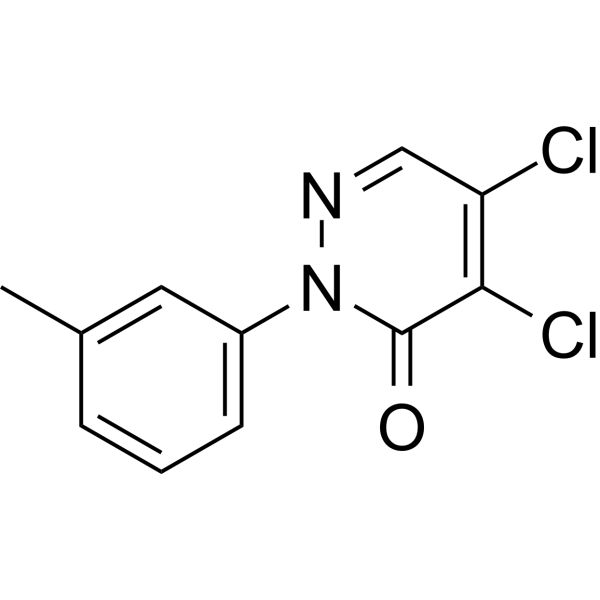
LCS-1 is a superoxide dismutase 1 (SOD1) inhibitor. LCS-1 inhibits SOD1 activity with an IC50 value of 1.07 μM. LCS-1 induces the early- and late-stage apoptosis of multiple myeloma (MM.1S) cells [1] .
|
-
-
- HY-145322
-
|
|
Casein Kinase
Molecular Glues
|
Cancer
|
|
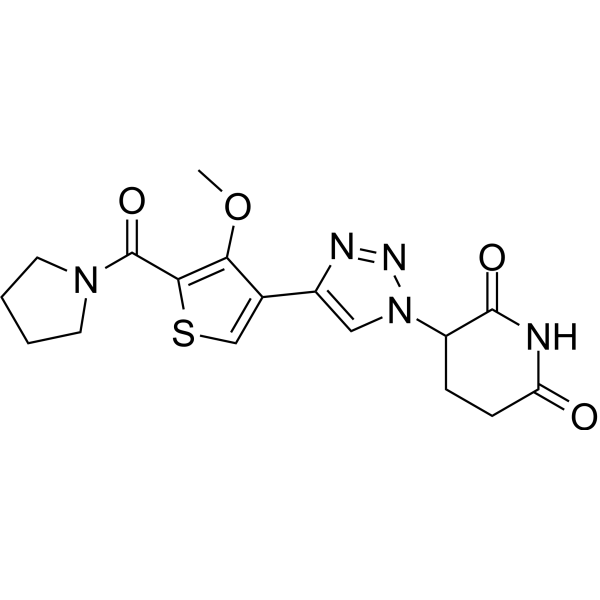
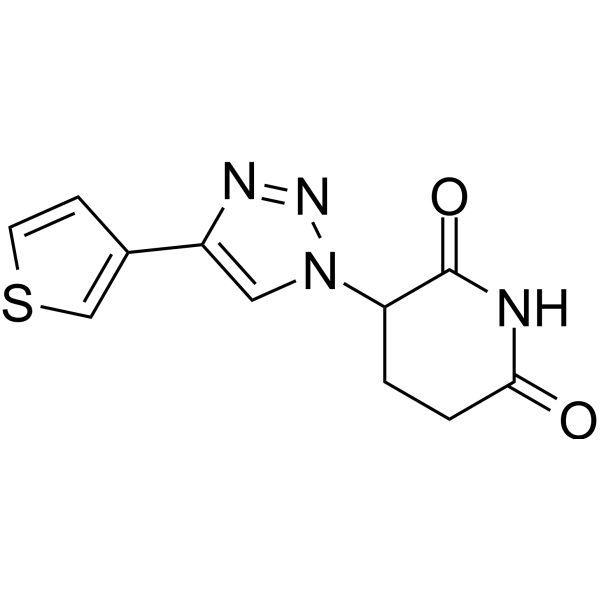
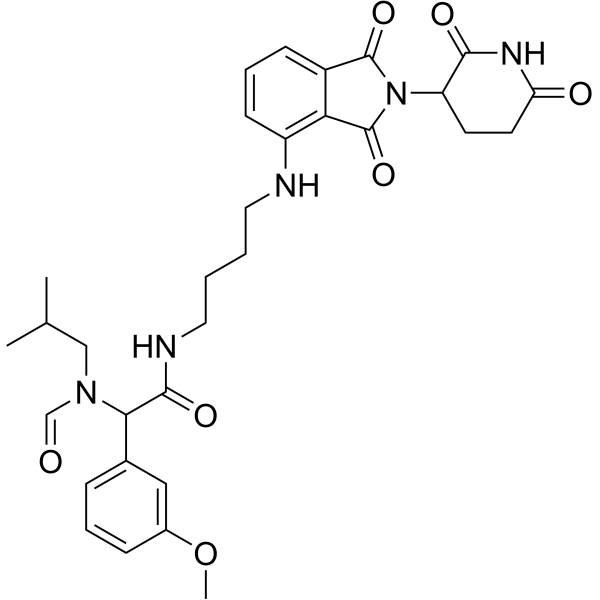
TMX-4116 is a casein kinase 1α (CK1α) degrader. TMX-4116 shows the degradation preference for CK1α with DC50s less than 200 nM in MOLT4, Jurkat, and MM.1S cells. TMX-4116 can be used for the research of multiple myeloma [1].
|
-
-
- HY-145667
-
|
Biotin-JQ1
|
Epigenetic Reader Domain
|
Cancer
|
|
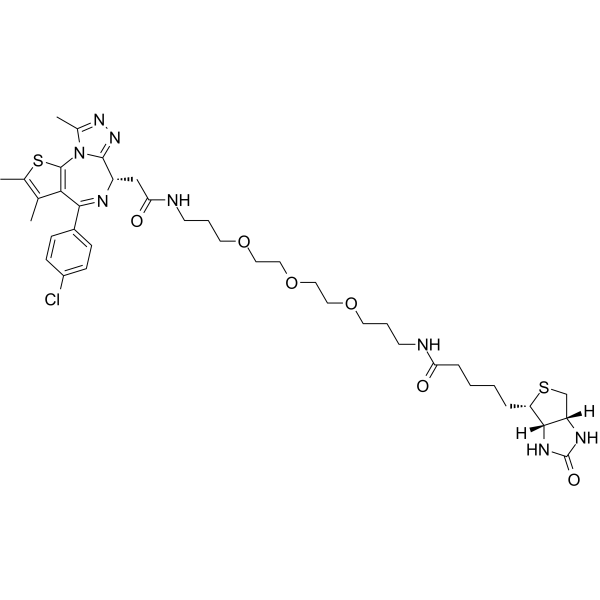
Biotinylated-JQ1 (Biotin-JQ1) is a biotinylated derivative of JQ1 with high affinity for the bromodomain of BRD4. Biotinylated-JQ1 inhibits MM1.S multiple myeloma cells proliferation with the EC50 of 0.4 μM [1].
|
-
-
- HY-102047B
-
|
|
Histone Demethylase
|
Cancer
|
|
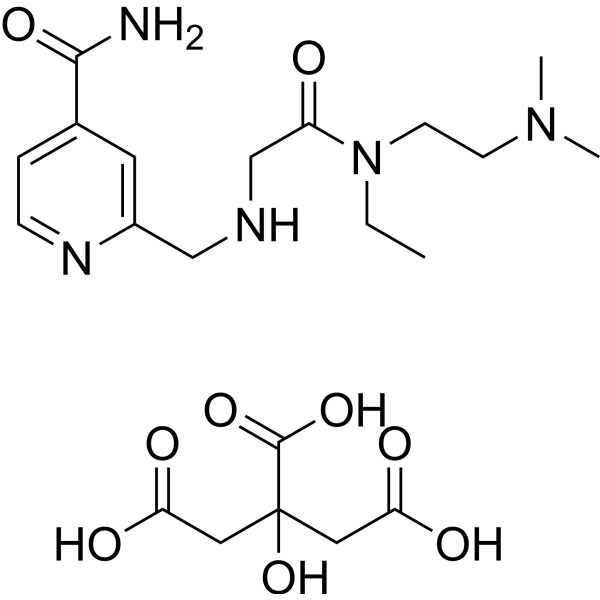
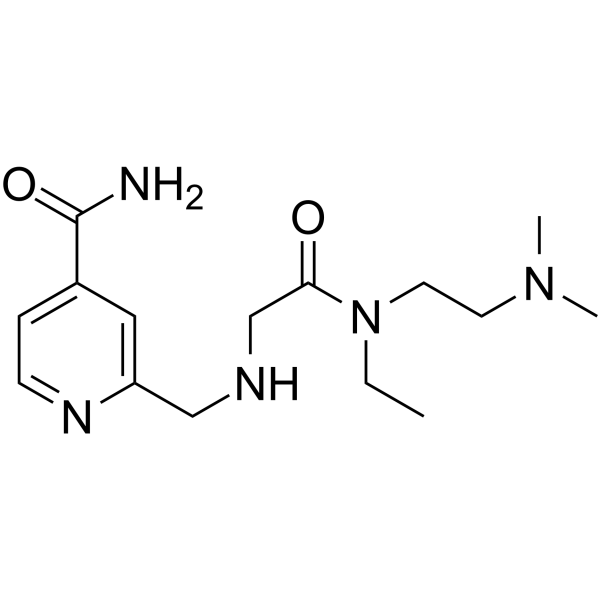
KDOAM-25 citrate is a potent and highly selective histone lysine demethylases 5 (KDM5) inhibitor with IC50s of 71 nM, 19 nM, 69 nM, 69 nM for KDM5A, KDM5B, KDM5C, KDM5D, respectively. KDOAM-25 citrate increases global H3K4 methylation at transcriptional start sites and impairs proliferation in multiple myeloma MM1S cells [1].
|
-
-
- HY-132998
-
|
|
PROTACs
HDAC
|
Cancer
|
|
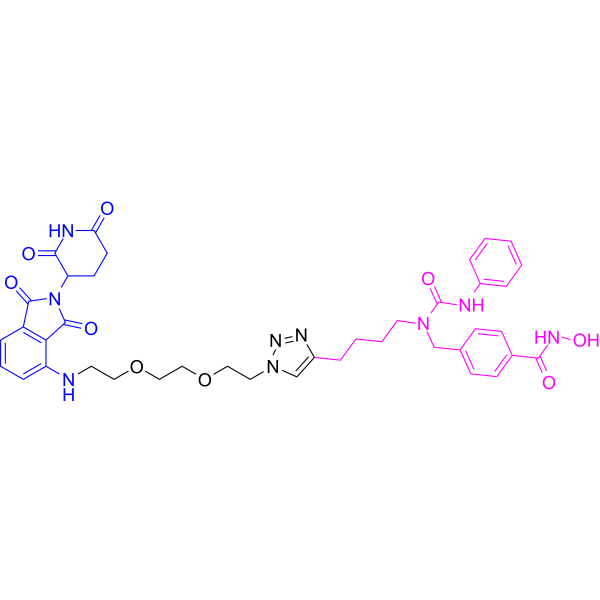
HDAC6 degrader-1 (Compound NP8) is the PROTAC degrader for HDAC6 with a DC50 of 3.8 nM in cell MM.1S [1].(Blue: ligand for E3 ligase Pomalidomide (HY-10984); Black: linker (HY-140213); Pink: ligand for target protein Nexturastat A (HY-16699))
|
-
-
- HY-111790
-
M3258
5 Publications Verification
|
Proteasome
Apoptosis
|
Cancer
|
|
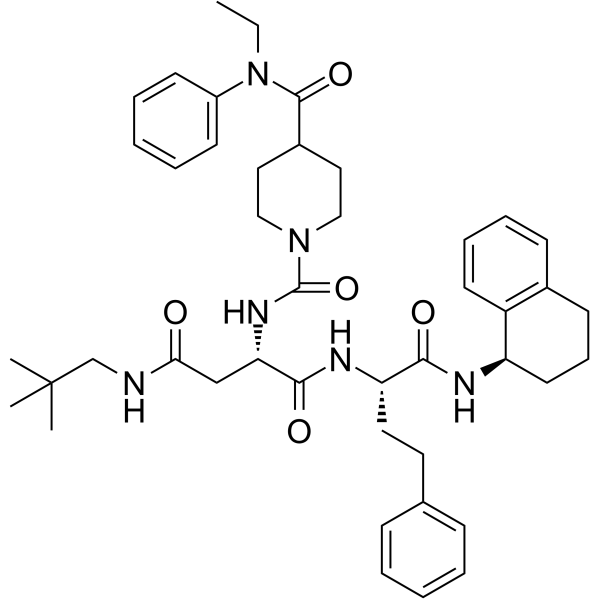
M3258 is an orally bioavailable, potent, reversible and highly selective immunoproteasome subunit LMP7 (β5i) inhibitor. M3258 exerts high biochemical (IC50=3.6 nM) and cellular (IC50=3.4 nM) potency against the LMP7 subunit. M3258 shows strong antitumor efficacy in multiple myeloma xenograft models. M3258 leads to a significant and prolonged suppression of tumor LMP7 activity and ubiquitinated protein turnover and the induction of apoptosis in multiple myeloma cells [1] .
|
-
-
- HY-148105
-
|
|
MNK
Eukaryotic Initiation Factor (eIF)
Apoptosis
FLT3
DYRK
|
Cancer
|
|
DS12881479 is a selective non-ATP-competitive MNK1 inhibitor with an IC50 value of 387 nM. DS12881479 stabilizes MNK1 in its autoinhibited DFD-out conformation, blocks eIF4E phosphorylation, suppresses tumor cell proliferation and induces weak apoptosis. DS12881479 also inhibits FLT3 and DYRK1a kinase activity at high concentrations. DS12881479 can be used for the research of cancer, such as leukemia [1] .
|
-
-
- HY-145321
-
|
|
Phosphodiesterase (PDE)
Molecular Glues
|
Cancer
|
|
TMX-4100 is a selective phosphodiesterase 6D (PDE6D) degrader. TMX-4100 shows a high degradation preference for PDE6D with the DC50 values less than 200 nM in MOLT4, Jurkat, and MM.1S cells. TMX-4100 can be used for the research of multiple myeloma [1].
|
-
-
- HY-132857A
-
|
|
PROTACs
|
Neurological Disease
|
|
ZXH-4-130 TFA is a highly potent and selective degrader of CRBN. ZXH-4-130 is a CRBN-VHL compound (hetero-PROTAC). ZXH-4-130 TFA induces ~80% CRBN degradation at 10 nM in MM1.S cells [1].
|
-
-
- HY-105019A
-
|
Melphalan flufenamide hydrochloride
|
DNA Alkylator/Crosslinker
Apoptosis
|
Cancer
|
|
Melflufen (Melphalan flufenamide) hydrochloride, a dipeptide proagent of Melphalan, is an alkylating agent. Melflufen hydrochloride shows antitumor activity against multiple myeloma (MM) cells and inhibits angiogenesis. Melflufen hydrochloride induces irreversible DNA damage and cytotoxicity in MM cells [1] .
|
-
-
- HY-176428
-
|
P11-2
|
PROTACs
MNK
Apoptosis
Eukaryotic Initiation Factor (eIF)
|
Cancer
|
|
PROTAC MNK1 degrader-1 is a selective MNK1 PROTAC degrader with a DC50 of 11.92 nM, and a Dmax > 96% in MV4-11 cells. PROTAC MNK1 degrader-1 significantly reduces p-eIF4E (IC50: 22.07 nM), induces apoptosis, and arrests the cell cycle at the G1 phase. PROTAC MNK1 degrader-1 has potent antitumor activity. PROTAC MNK1 degrader-1 has robust antileukemic efficacy in MV4-11 xenograft mice model with acceptable drug safety [1]. Pink: MNK1 ligand (HY-176429); Blue: CRBN ligase ligand (HY-A0003); Black: linker (HY-Y1139); CRBN + linker: HY-176430
|
-
-
- HY-149924
-
|
|
PROTACs
IAP
|
Cancer
|
|
CST626 (Compound 9) is a pan-IAP degrader PROTAC. CST626 degrades XIAP, cIAP1 and cIAP2 with DC50s of 0.7, 2.4, and 6.2 nM in MM.1S cells, respectively [1].
|
-
-
- HY-164099
-
|
|
HDAC
Monoamine Oxidase
Histone Demethylase
|
Cancer
|
|
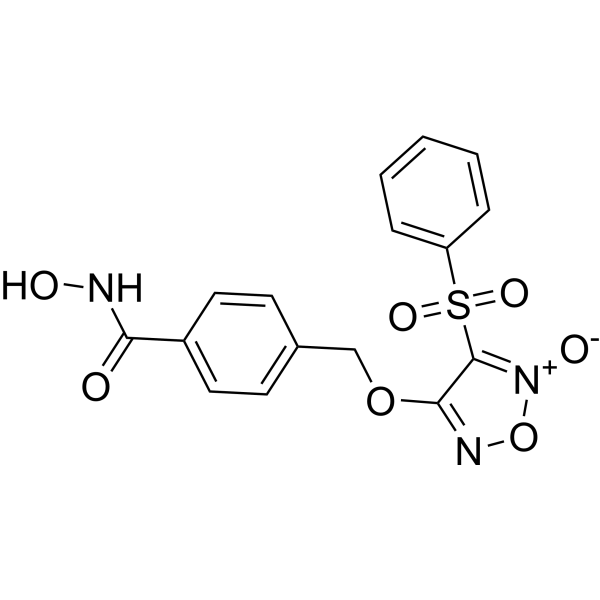
LSD1/HDAC6-IN-2 (JBI-802) is an orally active LSD1/HDAC6/MAO-A inhibitor, with IC50 values of 5 nM, 11 nM, and 5 nM, respectively. LSD1/HDAC6-IN-2 can inhibit the growth of multiple myeloma cells MM.1S, MM.1R, and RPMI-8226. LSD1/HDAC6-IN-2 can be used for research on diseases such as acute myeloid leukemia and lymphoma [1] .
|
-
-
- HY-173266A
-
|
|
PROTACs
HDAC
|
Neurological Disease
Cancer
|
|
TO-1187 TFA is a selective HDAC6 PROTAC degrader (DC50: 5.81 nM). TO-1187 TFA promotes the ubiquitination and degradation of HDAC6 and can be used in the study of hematological malignancies and solid tumors (Pink: HDAC6 ligand (HY-173386); Blue: CRBN ligase ligand (HY-41547); Black: linker (HY-140212)) [1].
|
-
-
- HY-174444A
-
|
|
PROTACs
HDAC
|
Cancer
|
|
PROTAC HDAC degrader-2 TFA is the trifluoroacetate salt of PROTAC HDAC degrader-2. PROTAC HDAC degrader-2 is a selective IIb HDACs PROTAC degrader, with DC50s of 13 nM for HDAC6, 29 nM for HDAC10, respectively. PROTAC HDAC degrader-2 exhibits low cytotoxicity against hematological and solid cancer cell lines. PROTAC HDAC degrader-2 can be used for the chemical knockdown of class IIb HDACs. ( Pink: HDAC ligand : (HY-174471), Blue: E3 ligase CRBN Ligand (HY-131717), E3 ligase ligand-linker conjugate (HY-174473)) [1].
|
-
-
- HY-138691A
-
|
JADA82 trihydrochloride; PCK82 trihydrochloride
|
Histone Demethylase
|
Cancer
|
|
JQKD82 (JADA82) trihydrochloride is a cell-permeable and selective KDM5 inhibitor. JQKD82 trihydrochloride increases H3K4me3 and can be used for the research of multiple myeloma [1].
|
-
-
- HY-145320
-
-
-
- HY-105019
-
|
Melphalan flufenamide
|
DNA Alkylator/Crosslinker
Apoptosis
|
Cancer
|
|
Melflufen (Melphalan flufenamide), a dipeptide proagent of Melphalan, is an alkylating agent. Melflufen shows antitumor activity against multiple myeloma (MM) cells and inhibits angiogenesis. Melflufen induces irreversible DNA damage and cytotoxicity in MM cells [1] .
|
-
-
- HY-144763
-
|
|
Apoptosis
|
Cancer
|
|
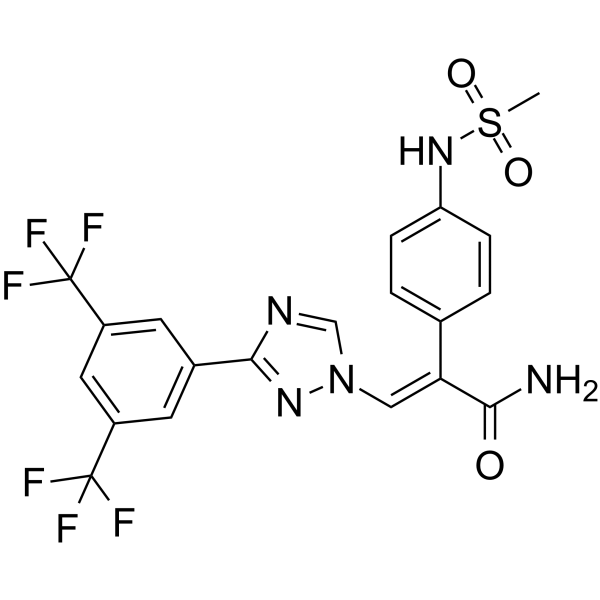
XPO1-IN-1 (compound D4) is an orally active and potent XPO1 inhibitor, with an IC50 of 24 nM in MM.1S cell. XPO1-IN-1 can efficiently induce cell apoptosis and cell cycle arrest. XPO1-IN-1 displays favorable metabolic stability and pharmacokinetic properties. XPO1-IN-1 can be used for multiple myeloma (MM) research [1].
|
-
-
- HY-161101
-
|
|
PROTACs
IKZF Family
|
Cancer
|
|
MG degrader 1 (Compd E14) is a PROTAC degrader of IKZF3, GSPT1, and GSPT2 with an EC50 value of 1.385 nM in MM.1S cells [1].
|
-
-
- HY-102047
-
|
|
Histone Demethylase
|
Cancer
|
|
KDOAM-25 is a potent and highly selective histone lysine demethylases 5 (KDM5) inhibitor with IC50s of 71 nM, 19 nM, 69 nM, 69 nM for KDM5A, KDM5B, KDM5C, KDM5D, respectively. KDOAM-25 increases global H3K4 methylation at transcriptional start sites and impairs proliferation in multiple myeloma MM1S cells [1].
|
-
-
- HY-178161
-
|
|
HDAC
Apoptosis
|
Cancer
|
|
HDAC degrader-2 is a selective HDAC degrader with a DC50 values of 2.55 μM against HDAC1. HDAC degrader-2 effectively induces the degradation of HDAC1 and HDAC2, but has no significant effect on the degradation of HDAC3, 4, 6 and 8. HDAC degrader-2 exerts potent antiproliferative effects against MM.1S and MCF-7 cells. HDAC degrader-2 induces apoptosis in myeloma cells. HDAC degrader-2 can be used for the study of myeloma [1].
|
-
-
- HY-160502
-
|
|
PROTACs
|
Cancer
|
|
CST967 (Compound 17) is a USP7 PROTAC degrader, and increasing the PROTAC concentration can enhance the degradation rate of USP7. CST967 can be used in cancer research [1].
|
-
-
- HY-171139
-
|
|
PROTACs
HDAC
|
Cancer
|
|
PROTAC HDAC6 degrader 2 (Compound 1) is a HDAC6 PROTAC degrader, with IC50 of 0.643 μM. PROTAC HDAC6 degrader 2 promotes ubiquitination and degradation of HDAC6. PROTAC HDAC6 degrader 2 can be used for the research of haematological and solid cancers (Pink: HDAC6 ligand (HY-171141); Blue: E3 ligase CRBN ligand (HY-10984)) [1].
|
-
-
- HY-175358
-
|
|
PROTACs
Deubiquitinase
|
Cancer
|
|
PROTAC USP7 Degrader-1 is a VHL-recruiting PROTAC and USP7 degrader with binding activity to both USP7 and the VHL E3 ubiquitin ligase. PROTAC USP7 Degrader-1 recruits the VHL E3 ligase to mediate the ubiquitination and subsequent proteolytic degradation of USP7 [1].
|
-
-
- HY-157216
-
|
|
HDAC
|
Cancer
|
|
HDAC1 Degrader-1 (compound 1a) is an HDAC1 degrader with anticancer activity. HDAC1 Degrader-1 significantly reduces HDAC1 levels in MM.1S multiple myeloma cells [1].
|
-
-
- HY-149930
-
|
|
JNK
Apoptosis
|
Cancer
|
|
YL5084, a covalent JNK inhibitor, exhibits selectivity for JNK2 and JNK3 over JNK1 with IC50s of 70 nM, 84 nM and 2173 nM, respectively. YL5084 exhibits JNK2-independent antiproliferative effects and induces apoptosis in a JNK2-independent manner [1].
|
-
-
- HY-143715
-
|
|
Ligands for E3 Ligase
|
Cancer
|
|
Cereblon inhibitor 1, an isoindoline derivative, is a cereblon E3 ubiquitin ligase modulating agent. Cereblon inhibitor 1 has the potential for cancer research.
|
-
-
- HY-138691
-
|
JADA82; PCK82
|
Histone Demethylase
|
Cancer
|
|
JQKD82 (JADA82) is a cell-permeable and selective KDM5 inhibitor. JQKD82 increases H3K4me3 and can be used for the research of multiple myeloma [1].
|
-
-
- HY-163856
-
|
|
Apoptosis
DNA/RNA Synthesis
CDK
|
Cancer
|
|
CDK7-IN-30 (Compound 22) is a CDK7 inhibitor (IC50 = 7.21 nM) that effectively inhibits the phosphorylation of RNA Polymerase II and CDK2. CDK7-IN-30 CDK7-IN-30 can induce cell apoptosis and has anti-cancer activity and can be used in cancer research [1].
|
-
-
- HY-177725
-
|
|
Molecular Glues
PI4K
|
Cancer
|
|
MG degrader 2 (Compound CM-2) is a CRBN-dependent molecular glue degrader. MG degrader 2 induces ZFP91, FIZ1 and PI4KB degradation. MG degrader 2 has anti-proliferative activity against MM.1S cells (IC50 = 162 nM). MG degrader 2 can be used for the research of cancer, such as multiple myeloma [1].
|
-
-
- HY-175036
-
|
|
PROTACs
Histone Demethylase
Apoptosis
Caspase
PARP
|
Cancer
|
|
YTHu78 is a KDM5B PROTAC-type degrader. YTHu78 induces KDM5B degradation via the ubiquitin-proteasome system and triggers apoptosis in MV-4-11 and MM.1S cell lines. YTHu78 exhibits significant antiproliferative activity against a variety of hematological cancer cell lines and can be used to study hematological cancers. (Pink: KDM5B ligand: (HY-116761); Blue: Thalidomide ligand: (HY-14658), Black + Pink: KDM5B ligand + linker: (HY-175145)) [1].
|
-
-
- HY-134303
-
|
PROTAC CDK4/6 degrader 34
|
PROTACs
CDK
|
Cancer
|
|
CST651 (PROTAC CDK4/6 degrader 34) is a selective cyclin dependent kinase CDK4/6 PROTAC degrader. CST651 can degrade CDK4 and CDK6 in MM.1S cells with DC50 values of 20 and 5.1 nM. CST651 can inhibit cancer cells proliferation and migration. CST651 can be used for the research of cancer, such as acute lymphoblastic leukemia [1]. (Structure Note: Pink: CDK4/6 ligand (HY-50767); Blue: VHL ligand (HY-125905); Black: linker (HY-W017440))
|
-
-
- HY-13312A
-
|
|
IGF-1R
Insulin Receptor
Akt
Apoptosis
|
Cancer
|
|
GTx-134 is a dual insulin-like growth factor 1 receptor/insulin receptor (IGF-1R/IR) inhibitor with an IC50 values for IGF-1R and IR of 97 and 187 nM respectively. GTx-134 inhibits the autophosphorylation of IGF-1R and its downstream signaling pathway (Akt), thereby blocking the proliferation and survival signals of tumor cells. GTx-134 has broad-spectrum inhibitory activity against multiple myeloma cell lines and can induce apoptosis in sensitive cells. GTx-134 significantly inhibits tumor growth in mice with MM1.S cell transplantation. GTx-134 works in synergy with existing therapies (such as protease preparations, immunomodulators). GTx-134 can be used in high-risk myeloma research [1].
|
-
-
- HY-125927
-
|
8-NH2-Ado
|
DNA/RNA Synthesis
Akt
mTOR
Autophagy
Apoptosis
|
Cancer
|
|
8-Aminoadenosine (8-NH2-Ado), a RNA-directed nucleoside analogue, reduces cellular ATP levels and inhibits mRNA synthesis. 8-Aminoadenosine blocks Akt/mTOR signaling and induces autophagy and apoptosis in a p53-independent manner. 8-Aminoadenosine has antitumor activity [1] .
|
-
-
- HY-173266
-
|
|
PROTACs
HDAC
|
Neurological Disease
Cancer
|
|
TO-1187 is a selective HDAC6 PROTAC degrader (DC50: 5.81 nM). TO-1187 promotes the ubiquitination and degradation of HDAC6 and can be used in the study of hematological malignancies and solid tumors (Pink: HDAC6 ligand (HY-173386); Blue: CRBN ligase ligand (HY-41547); Black: linker (HY-140212)) [1].
|
-
-
- HY-174444
-
|
|
PROTACs
HDAC
|
Cancer
|
|
PROTAC HDAC degrader-2 is a selective IIb HDACs PROTAC degrader, with DC50s of 13 nM for HDAC6, 29 nM for HDAC10, respectively. PROTAC HDAC degrader-2 exhibits low cytotoxicity against hematological and solid cancer cell lines. PROTAC HDAC degrader-2 can be used for the chemical knockdown of class IIb HDACs. ( Pink: HDAC ligand : (HY-174471), Blue: E3 ligase CRBN Ligand (HY-131717), E3 ligase ligand-linker conjugate (HY-174473)) [1].
|
-
-
- HY-172430S
-
|
|
TNF Receptor
|
Cancer
|
|
Epaldeudomide (Compound A406) is the inhibitor for TNF-α (>50% inhibition rate at 100 nM). Epaldeudomide inhibits the proliferation of cancer cells MM.1S (IC50 < 300 nM), WSU-DLCL-2 (IC50 < 100 nM) and Rec-1 (IC50 < 100 nM). Epaldeudomide exhibits antineoplastic activity [1].
|
-
-
- HY-177728
-
|
|
Molecular Glues
E1/E2/E3 Enzyme
|
Cancer
|
|
MG degrader 3 (Compound CM-3) is a molecular glucose degrading agent that targets the CRBN protein. MG degrader 3 has certain anti proliferative activity in MM.1S cells (IC50 = 8.7 nM). MG degrader 3 can be used for cancer research [1].
|
-
-
- HY-177765
-
|
|
Molecular Glues
|
Cancer
|
|
GSPT1 degrader-16 (Compound Lib-B-18J) is a potent and selective cereblon-based molecular glue degrader that targets G1 to S phase transition 1 (GSPT1). GSPT1 degrader-16 shows inhibitory effect to RS4;11, Molt4, and MM.1S cells with IC50 values of 0.002, 0.26 and 0.37 μM. GSPT1 degrader-16 can be used for the research of cancer, such as acute lymphoblastic leukemi [1].
|
-
-
- HY-172159
-
|
|
HDAC
Apoptosis
|
Cancer
|
|
FF2039 (compound 1j) is a specific HDAC1, HDAC6, and HDAC isoforms of class I, IIa and IIb PROTAC degrader. FF2039 demonstrates s significant antiproliferative activity against both hematological and solid cancer cell lines, driven by cell cycle arrest and Apoptosis induction. FF2039 inhibits HDAC isoform of HDAC1, HDAC2, HDAC4 and HDAC6 with IC50s of 1.03, 2.15, 12.4 and 0.053 μM, respectively. FF2039 shows antiproliferative activity against different tumor entities of MM.1S, MDA-MB-231 and U-87MG with EC50s of 2.8, 28 and 30 μM, respectively. (Pink: PRMT5 ligand (HY-168864); Blue: E3 ligase ligand HY-W957284); Black: linker (HY-W881439); E3+linker (HY-172185 )) [1].
|
-
-
- HY-159964
-
|
|
Deubiquitinase
|
Cancer
|
|
USP7-IN-16 (Compound 61) is a selective USP7 inhibitor with IC50 values of 5.5 nM in the FLINT assay and 2.1 nM in MM.1S cells. USP7-IN-16 exhibits antitumor activity in mice and is a promising candidate for research in the field of oncology [1].
|
-
-
- HY-125051
-
|
|
JAK
FLT3
|
Cancer
|
|
SG3-179 is a potent inhibitor against the BET bromodomain proteins. SG3-179 is also a JAK2 and FLT3 inhibitor. SG3-179 causes a rapid reduction in HOXB13 protein expression. SG3-179 is promising for research of multiple myeloma (MM1.S) [1] .
|
-
-
- HY-102047A
-
|
|
Histone Demethylase
|
Cancer
|
|
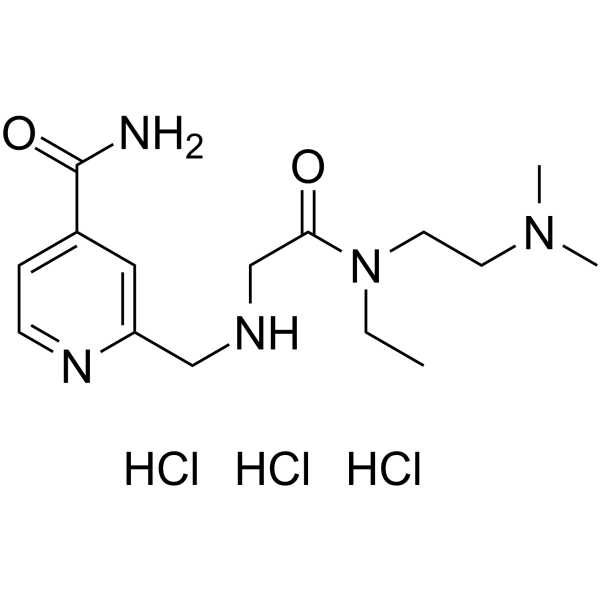
KDOAM-25 trihydrochloride is a potent and highly selective histone lysine demethylases 5 (KDM5) inhibitor with IC50s of 71 nM, 19 nM, 69 nM, 69 nM for KDM5A, KDM5B, KDM5C, KDM5D, respectively. KDOAM-25 trihydrochloride increases global H3K4 methylation at transcriptional start sites and impairs proliferation in multiple myeloma MM1S cells [1].
|
-
-
- HY-172368
-
|
|
PROTACs
Histone Methyltransferase
IKZF Family
Apoptosis
|
Inflammation/Immunology
Cancer
|
|
PROTAC CARM1/IKZF3 degrader-1 (Compound 074) inhibits CARM1, reduces the methylation level of its substrate BAF155. PROTAC CARM1/IKZF3 degrader-1 is the PROTAC degrader for IKZF 1/3 through a CRBN-dependent pathway. PROTAC CARM1/IKZF3 degrader-1 inhibits the expression of MYC protein, thereby inhibiting the proliferation of a variety of multiple myeloma cells. PROTAC CARM1/IKZF3 degrader-1 induces apoptosis in cell H929. PROTAC CARM1/IKZF3 degrader-1 overcomes immunomodulatory drugs (IMiD, such as pomalidomide) resistance. PROTAC CARM1/IKZF3 degrader-1 can be used in cancer and immunology research [1]. (Pink: ligand for target protein CARM1/IKZF3 ligand 1 (HY-172369); Active form of target protein ligand: EZM 2302 (HY-111109); Black: linker (HY-21999); Blue: ligand for E3 ligase Cereblon Thalidomide 4-fluoride (HY-41547))
|
-
-
- HY-176207
-
|
|
ByeTAC
HDAC
|
Cancer
|
|
HDAC6 degrader-6 (compound 10c) is a ByeTAC protein degrader targeting HDAC6, with IC50 values of 0.034 μM, 0.166 μM, 0.703 μM, and 0.293 μM for HDAC6, HDAC1, HDAC2, and HDAC3, respectively. HDAC6 degrader-6 induces cell apoptosis and can be used for the study of multiple myeloma(Blue: USP14 ligand HY-159808; Pink: HDAC ligand HY-176209; Black: linker HY-W016871) [1]
|
-
-
- HY-168863
-
|
|
PROTACs
HDAC
Apoptosis
|
Cancer
|
|
FF2049 is a selective HDAC PROTAC degrader (DC50 = 257 nM for HDAC1). FF2049 promotes ubiquitination and degradation of HDAC. FF2049 promotes Apoptosis. FF2049 can be used for the research of hematological and solid cancer (Pink: POI ligand 1 (HY-168864); Blue: E3 ligase FEM1B ligand (HY-168865)) [1].
|
-
-
- HY-168864
-
|
|
Ligands for Target Protein for PROTAC
HDAC
|
Cancer
|
|
POI ligand 1 is a template for the non-selective HDAC inhibitor Vorinostat (HY-10221). POI ligand 1 can serve as a ligand for target protein (Ligands for Target Protein for PROTAC) for the development of PROTAC HDAC degraders with antitumor activity. POI ligand 1 can be used for the synthesis of FF2049 (HY-168863) [1].
|
-
- HY-138691B
-
|
JADA82 dihydrochloride; PCK82 dihydrochloride
|
Histone Demethylase
|
Cancer
|
|
JQKD82 (JADA82) dihydrochloride is a cell-permeable and selective KDM5 inhibitor. JQKD82 dihydrochloride increases H3K4me3 and can be used for the research of multiple myeloma [1].
|
-
- HY-15473A
-
|
ML120B dihydrochloride
|
IKK
|
Inflammation/Immunology
Cancer
|
|
MLN120B dihydrochloride (ML120B dihydrochloride) is a potent, ATP competitive, and orally active inhibitor of IKKβ with an IC50 of 60 nM. MLN120B inhibits multiple myeloma cell growth in vitro and in vivo and also can be used for the research of rheumatoid arthritis [1] .
|
-
- HY-155671
-
|
|
HDAC
|
Cancer
|
|
HDAC6-IN-18 (Compound 4) is a first irreversible HDAC6 isoform selective inhibitor with potent anti-multiple myeloma activity. HDAC6-IN-18 has HDAC6 inhibitory activity in RPMI8266, U266 and MM.1S cells with IC50 values of 0.17, 0.7 and 0.42 μM, respectively [1].
|
-
- HY-144369
-
|
|
Proteasome
|
Cancer
|
|
Proteasome-IN-4 is an excellent and non-covalent proteasome inhibitor (IC50=8.39 nM). Proteasome-IN-4 has potent antiproliferative activities against RPMI-8226, MM-1S and MV-4-11 cell lines. Proteasome-IN-4 can be used for cancer research [1].
|
-
- HY-161250
-
|
|
PROTACs
|
Cancer
|
|
Pomalidomide-NH-PEG6-amide-C2-CPI-1612 (compound 22 (dCE-1)) is a CBP/EP300 degrader, which contains a CRBN ligands Pomalidomide, a 24-atom linker with 6 PEG units and a HAT inhibitor CPI-1612. Pomalidomide-NH-PEG6-amide-C2-CPI-1612 exhibits antiproliferative effects in cells multiple myeloma cells LP1 (with a DC50 of 1.2 μM), MM1S and various cancer cell lines, especially the leukemia cells [1].
|
-
- HY-172360
-
-
- HY-172369
-
-
- HY-172359
-
|
|
PROTACs
HDAC
|
Cancer
|
|
PROTAC HDAC6 degrader 4 (Compound 17c) is the PROTAC degrader for HDAC6 with a DC50 of 14 nM. PROTAC HDAC6 degrader 4 exhibits inhibitory activit against HDAC1, HDAC2, HDAC3 and HDAC6 with IC50s of 2.2, 2.37, 0.61 and 0.295 μM, respectively [1]. (Pink: ligand for target protein HDAC6 ligand-3 (HY-172360); Black: linker (HY-138387); Blue: ligand for cereblon E3 ligase (HY-W093272))
|
-
- HY-153226
-
-
- HY-142704
-
|
|
Epigenetic Reader Domain
|
Cancer
|
|
BRD4 D1-IN-1 is a selective BRD4 D1 inhibitor (IC50<0.092 µM). BRD4 D1-IN-1 has 18 nM affinity against BRD4 D1 and over 500-fold selectivity against BRD2 D1 and BRD4 D2 via ITC [1].
|
-
- HY-142705
-
|
|
Epigenetic Reader Domain
|
Cancer
|
|
BRD4 D1-IN-2 (compound 26) is a potent and selective BRD4 D1 inhibitor (IC50<0.092 µM). BRD4 D1-IN-2 has 15 nM affinity against BRD4 D1 and over 500-fold selectivity against BRD2 D1 and BRD4 D2 via ITC [1].
|
-
- HY-173315
-
|
|
Epigenetic Reader Domain
|
Cancer
|
|
pan-BET/BD2-IN-1 (compound 6b) is a selective extra-terminal (BET) protein inhibitor (BRDT-1 Ki = 1.05 μM and BRD4-1 Ki = 0.68 μM). pan-BET/BD2-IN-1 inhibits MM.1S cancer cell growth with an IC50 of 2.6 μM [1].
|
-
- HY-181023
-
|
|
PROTACs
HDAC
|
Cancer
|
|
PROTAC HDAC8 Degrader-3 (Compound BP1) is an efficient and selective HDAC8 PROTAC degrader with a DC50 of 20 nM. PROTAC HDAC8 Degrader-3 exhibits IC50 for HDAC8 and CRBN of 0.46 and 7.5 μM, respectively. PROTAC HDAC8 Degrader-3 exhibits potent anti-proliferative activity against MM.1S and HL-60 cells. PROTAC HDAC8 Degrader-3 can be used for research on multiple myeloma and acute myeloid leukemia [1].
|
-
- HY-179655
-
|
|
HDAC
|
Cancer
|
|
ST17 is a light-activatable ST13 prodrug. ST17 readily releases ST13 upon irradiation. ST13 is a selective, slow- and tight-binding HDAC1/HDAC2 inhibitor with antiproliferative activity. ST17 can be used in the research of melanoma and breast cancer [1].
|
-
- HY-105019AR
-
|
Melphalan flufenamide hydrochloride (Standard)
|
Reference Standards
DNA Alkylator/Crosslinker
Apoptosis
|
Cancer
|
|
Melflufen hydrochloride (Standard) is the analytical standard of Melflufen hydrochloride (HY-105019A). This product is intended for research and analytical applications. Melflufen (Melphalan flufenamide) hydrochloride, a dipeptide proagent of Melphalan, is an alkylating agent. Melflufen hydrochloride shows antitumor activity against multiple myeloma (MM) cells and inhibits angiogenesis. Melflufen hydrochloride induces irreversible DNA damage and cytotoxicity in MM cells [1] .
|
-
- HY-182801
-
|
|
PROTACs
Epigenetic Reader Domain
c-Myc
|
Cancer
|
|
PROTAC BRD4 Degrader-46 is a heterobifunctional BRD4 PROTAC degrader. PROTAC BRD4 Degrader-46 binds to both BRD4 and CRBN, thereby triggering ubiquitination and proteasomal degradation of BRD4. PROTAC BRD4 Degrader-46 downregulates the levels of downstream BRD2, BRD3 and MYC. PROTAC BRD4 Degrader-46 can be used in the research of cancers such as multiple myeloma [1].
|
-
- HY-183248
-
|
|
Epigenetic Reader Domain
|
Cancer
|
|
BRDT-IN-2 is a BRDT-BD1-preferring inhibitor (Ki=10 μM) with higher affinity for BRDT-BD1 than BRD4-BD1. BRDT-IN-2 preferentially binds BRDT-BD1 without direct interaction with BRDT-BD1’s Arg54 residue. BRDT-IN-2 binds BRD4-BD1 with lower affinity via structured water molecule displacement in its binding pocket. BRDT-IN-2 can be used for the research of multiple myeloma [1].
|
-
- HY-123303
-
|
NZ-28
|
HSP
|
Cancer
|
|
NSC-134754 is a dehydroemetine derivative and heat shock protein induction inhibitor. NSC-134754 acts at the post-transcriptional level, targets Hsp72 and Hsp27, and does not alter general protein synthesis, HSF-1 transcriptional activity, or Hsp mRNA levels. NSC-134754 shows no significant toxicity in preclinical models and sensitizes cancer cells to proteasome and Hsp90 inhibitors. NSC-134754 can be used for the research of multiple myeloma, prostate carcinoma, colon carcinoma [1].
|
-
- HY-182800
-
|
|
Molecular Glues
Casein Kinase
|
Cancer
|
|
IBA-11 is a selective CRBN-dependented CK1α molecular glue degrader. IBA-11 binds to the canonical tri-tryptophan pocket of CRBN, forming a ternary complex with CK1α to mediate its degradation. IBA-11 induces CRBN-dependent ubiquitin-proteasome system-mediated degradation of CK1α. IBA-11 exhibits cytotoxicity against cancer cells. IBA-11 demonstrates in vitro metabolic stability in rat liver microsomes and minimal hERG inhibition. IBA-11 can be used for the research of cancer, such as acute myeloid leukemia [1].
|
-
- HY-123255
-
|
|
Proteasome
MMP
Apoptosis
Autophagy
|
Cardiovascular Disease
Neurological Disease
Cancer
|
|
BSc2118 is a 20S proteasome inhibitor with an IC50 of approximately 50 nM. BSc2118 induces G2/M phase cell cycle arrest and apoptosis in myeloma cells, inhibits cytoprotective autophagy, and suppresses tumor angiogenesis. BSc2118 reduces MMP9 activity, promotes angioneurogenesis, and alleviates recombinant tissue-type plasminogen activator-induced cerebral toxicity. BSc2118 is applicable to studies related to cerebral ischemia and multiple myeloma [1] .
|
-
- HY-182649
-
|
|
HDAC
Apoptosis
Microtubule/Tubulin
|
Cancer
|
|
NN-429 is a selective HDAC6 inhibitor. NN-429 induces apoptosis, increases the acetylation level of α-tubulin, and exhibits cytotoxicity against cancer cells. NN-429 is applicable to research related to acute myeloid leukemia, multiple myeloma and lymphoma [1] .
|
-
- HY-183683
-
|
|
Proteasome
Apoptosis
|
Cancer
|
|
DQ-9 is a selective immunoproteasome β5i inhibitor (IC50=0.0019 μM). DQ-9 generates additional inhibitory substances via iron-mediated intracellular activation, and induces oxidative stress, carbon-centered free radicals and macromolecular damage through its artemisinin domain. DQ-9 induces apoptosis in leukemia and multiple myeloma cells. DQ-9 exhibits selective cytotoxicity against leukemia and multiple myeloma cells by elevating the labile iron pool. DQ-9 can be used in the research of hematological malignancies (leukemia, multiple myeloma, mantle cell lymphoma, acute myeloid leukemia) [1].
|
-
- HY-182345
-
|
|
CD38
|
Cancer
|
|
NOTA-MK0159 is a NOTA (HY-134418) and MK0159 (HY-150508) conjugate. NOTA-MK0159 inhibits human and mouse CD38 with IC50 values of 72.58 and 7.55 nM. NOTA-MK0159 coupled with radioactive elements acts as a imaging agent with specific uptake in CD38-positive multiple myeloma cells, enabling noninvasive whole-body assessment of CD38 expression in multiple myeloma xenografts. NOTA-MK0159 can be used for the research of multiple myeloma [1].
|
-
| Cat. No. |
Product Name |
Target |
Research Area |
-
- HY-105019
-
|
Melphalan flufenamide
|
DNA Alkylator/Crosslinker
Apoptosis
|
Cancer
|
|
Melflufen (Melphalan flufenamide), a dipeptide proagent of Melphalan, is an alkylating agent. Melflufen shows antitumor activity against multiple myeloma (MM) cells and inhibits angiogenesis. Melflufen induces irreversible DNA damage and cytotoxicity in MM cells [1] .
|
| Cat. No. |
Product Name |
Category |
Target |
Chemical Structure |
| Cat. No. |
Product Name |
Chemical Structure |
-
- HY-172430S
-
|
|
|
Epaldeudomide (Compound A406) is the inhibitor for TNF-α (>50% inhibition rate at 100 nM). Epaldeudomide inhibits the proliferation of cancer cells MM.1S (IC50 < 300 nM), WSU-DLCL-2 (IC50 < 100 nM) and Rec-1 (IC50 < 100 nM). Epaldeudomide exhibits antineoplastic activity [1].
|
-
| Cat. No. |
Product Name |
|
Classification |
-
- HY-172360
-
|
|
|
Alkynes
|
|
HDAC6 ligand-3 is a ligand for HDAC6 that can be used as target protein ligand for synthesis of PROTAC HDAC6 degrader 4 (HY-172359) [1].
|
Your information is safe with us. * Required Fields.
Inquiry Information
- Product Name:
- Cat. No.:
- Quantity:
- MCE Japan Authorized Agent:

